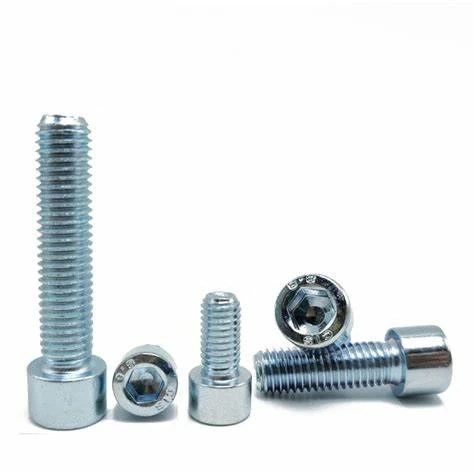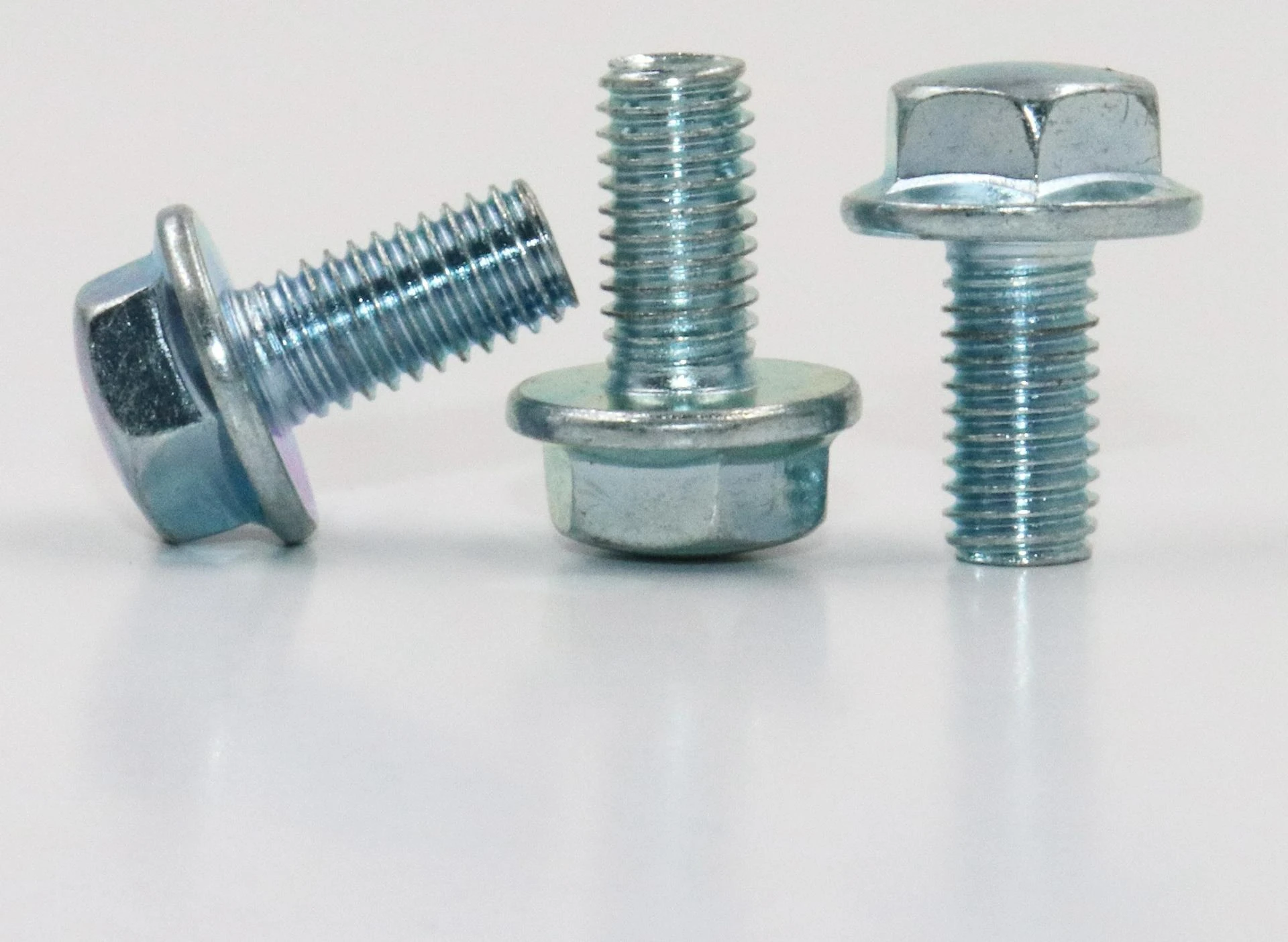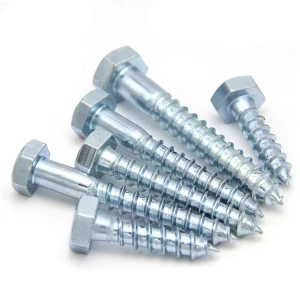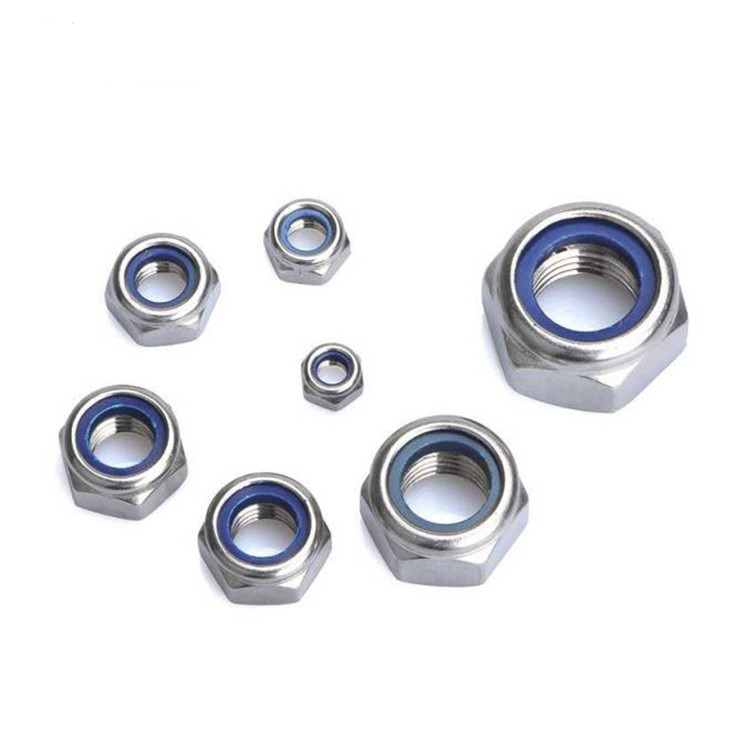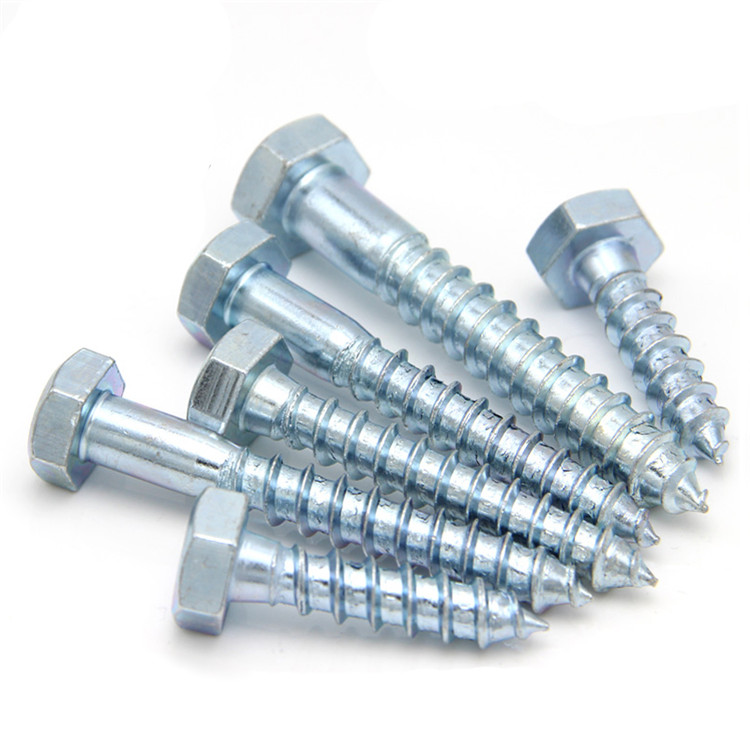
Engineers and procurement specialists constantly battle with mechanical wear, load-bearing failures, and precision loss in continuous motion systems. When a machine's internal mechanics fail, it doesn't just halt a single operation—it creates a cascading effect of downtime, maintenance costs, and compromised output. Finding components that can withstand relentless heavy loads without deforming or losing thread integrity is a critical manufacturing challenge.
That is where decades of specialized manufacturing expertise step in. Established in 2005, Yongnian Country Tianbang Fasteners Co., Ltd. has engineered a resilient solution tailored for demanding industrial environments. Backed by a robust annual production capacity of over 20,000 tons across 6 dedicated production lines, our components are built to prevent system degradation before it starts.
A high-functioning system requires more than just raw metal; it demands precision-engineered reliability. By combining an experienced R&D team with rigorous, globally recognized quality control programs, we deliver motion control hardware you can trust. Whether outfitting infrastructure projects or heavy manufacturing equipment, our proven track record—spanning over 22 years of export experience to North America, Southeast Asia, the Middle East, and Eastern Europe—ensures your mechanisms run smoothly, continuously, and profitably.
When evaluating motion transmission components, structural integrity and strict adherence to dimensional tolerances are non-negotiable. Linear actuation depends entirely on the geometric accuracy and tensile fortitude of the threaded components driving it. To guarantee seamless interoperability and maximum load endurance, technical benchmarking must be absolute.
Our manufacturing protocols adhere to the highest international frameworks, ensuring that every piece of hardware integrates flawlessly into your existing machinery. Below is an exact breakdown of the engineering metrics we hold ourselves to, verified by our professional, annually trained quality inspection department.
| Performance Metric | Industry Significance | Our Engineering Standard | Advantage |
|---|---|---|---|
| Dimensional Flexibility | Determines compatibility across various machine sizes and structural scales. | Diameters from M3 to M52, Lengths from 10mm to 6000mm. | Total customization flexibility, capable of servicing micro-robotics up to large-scale industrial presses. |
| Tensile Strength & Material Grade | Dictates the component's ability to resist snapping or stripping under heavy shear forces. | High-strength grading from 4.8 to 12.9. | Provides exceptional safety margins, preventing thread deformation during high-torque, continuous operation. |
| International Compliance | Ensures global interoperability, safety, and standardized replacement compatibility. | Strict adherence to DIN, ISO, GB, BS, and ASTM standards. | Risk-free integration into international supply chains, avoiding costly retrofitting or localized mismatches. |
| Quality Assurance Rate | Reduces the likelihood of premature wear or hidden structural defects. | Inspected by a specialized QA department updated annually on latest compliance programs. | Maximized component lifespan, drastically reducing the frequency of maintenance shutdowns. |
Procurement in the industrial sector is shifting from a short-term cost-reduction mindset to a long-term value engineering strategy. Investing in sub-standard motion control hardware may save pennies upfront, but it costs millions in unpredicted mechanical failures and assembly line downtime. True return on investment (ROI) is achieved through supply chain reliability, component longevity, and streamlined purchasing models.
By operating as a one-stop purchasing service, we dramatically reduce your vendor management overhead. Furthermore, our reliable cooperation with major infrastructure giants like the China Railway Group stands as a testament to our structural dependability under the most extreme, high-stakes conditions. Fast lead times enabled by our massive production capacity mean your inventory stays optimized, preventing costly project delays.
The data visualization above illustrates the paradigm shift in lifecycle costs. While premium-grade materials (ranging from 4.8 to 12.9) might carry a marginally distinct initial footprint, their resistance to thread wear and tensile failure effectively collapses long-term maintenance and downtime expenses. Partnering with a manufacturer that possesses over two decades of global distribution expertise ensures your capital yields maximum operational efficiency.
Related products
Top Selling Products


 Albanian
 Arabic
 Armenian
 Azerbaijani
 Belarusian
 Bosnian
 Bulgarian
 Cebuano
 Corsican
 Czech
Czech
 Galician
 Georgian
 Greek
Greek
 Hausa
Hausa
 Hebrew
 Hungarian
 Igbo
Igbo
 Indonesian
 Italian
 Kazakh
 Khmer
Khmer
 Korean
 Kurdish
 Kyrgyz
 Lao
Lao
 Latin
Latin
 Latvian
 Lithuanian
 Malay
Malay
 Myanmar
 Nepali
 Polish
 Portuguese
 Russian
 Serbian
 Sesotho
 Shona
Shona
 Sindhi
 Spanish
 Tagalog
 Tajik
Tajik
 Thai
Thai
 Turkish
 Turkmen
 Ukrainian
 Uzbek
Uzbek
 Vietnamese
 Yoruba
 Zulu
Zulu
 English