
Understanding the Importance of M20 Stainless Steel Threaded Bars in Modern Industry
In a world that’s always looking for better, stronger, and more reliable materials, the m20 stainless steel threaded bar quietly but effectively supports everything from high-rise buildings to industrial machinery. Why does this specific size and grade matter? Well, first, these threaded bars combine strength and corrosion resistance in a steel package that’s flexible in many environments—think coastal infrastructure or humid factories.
Globally, demand for stainless steel threaded bars is surging thanks to infrastructure investments and an increased focus on sustainability and durability. According to the International Stainless Steel Forum, worldwide stainless steel production exceeded 55 million tonnes in 2023, highlighting how critical quality components like the M20 threaded bar are in construction and manufacturing pipelines.
Simply put, understanding the nitty-gritty of what makes m20 stainless steel threaded bars valuable is a little like owning a secret handshake for engineers and procurement specialists looking to future-proof their projects.
Global Context: Why M20 Stainless Steel Threaded Bars Are Essential
The world’s infrastructure expansion, according to World Bank data, is growing at an unprecedented pace, especially in emerging economies. From skyscrapers in Dubai to bridges in Southeast Asia, materials like the M20 stainless steel threaded bar have become foundational in meeting these demands.
But here’s the rub: traditional carbon steel often fails in harsh environmental conditions. The stainless element, with chromium, nickel, and sometimes molybdenum, provides resistance against rust and degradation. This not only extends the lifespan of projects but reduces expensive downtime and maintenance.
That’s why industries from renewable energy to marine construction increasingly specify M20 stainless steel threaded bars for critical connections.
What Exactly is an M20 Stainless Steel Threaded Bar?
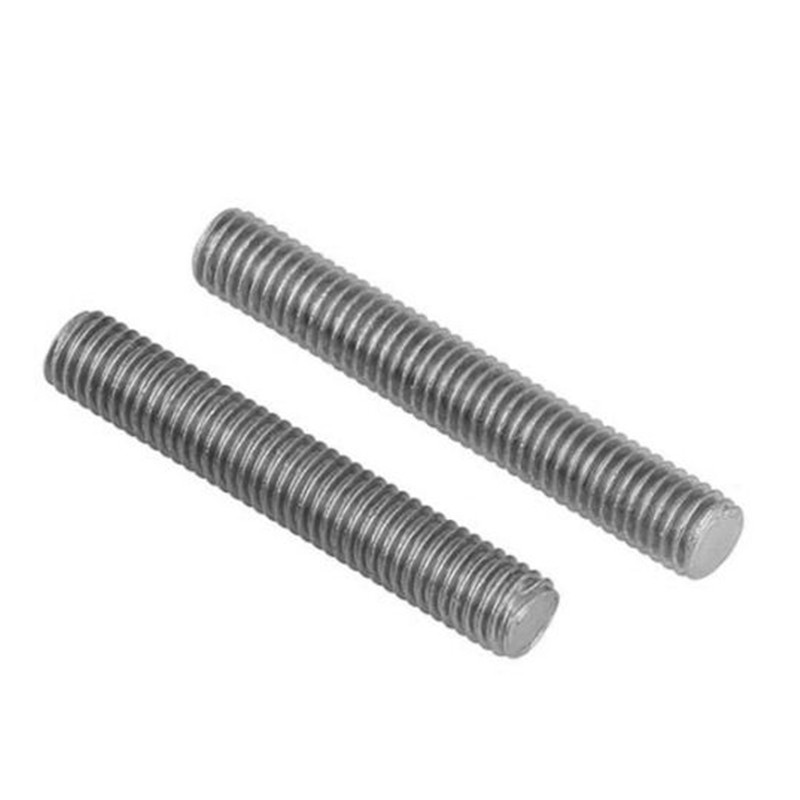
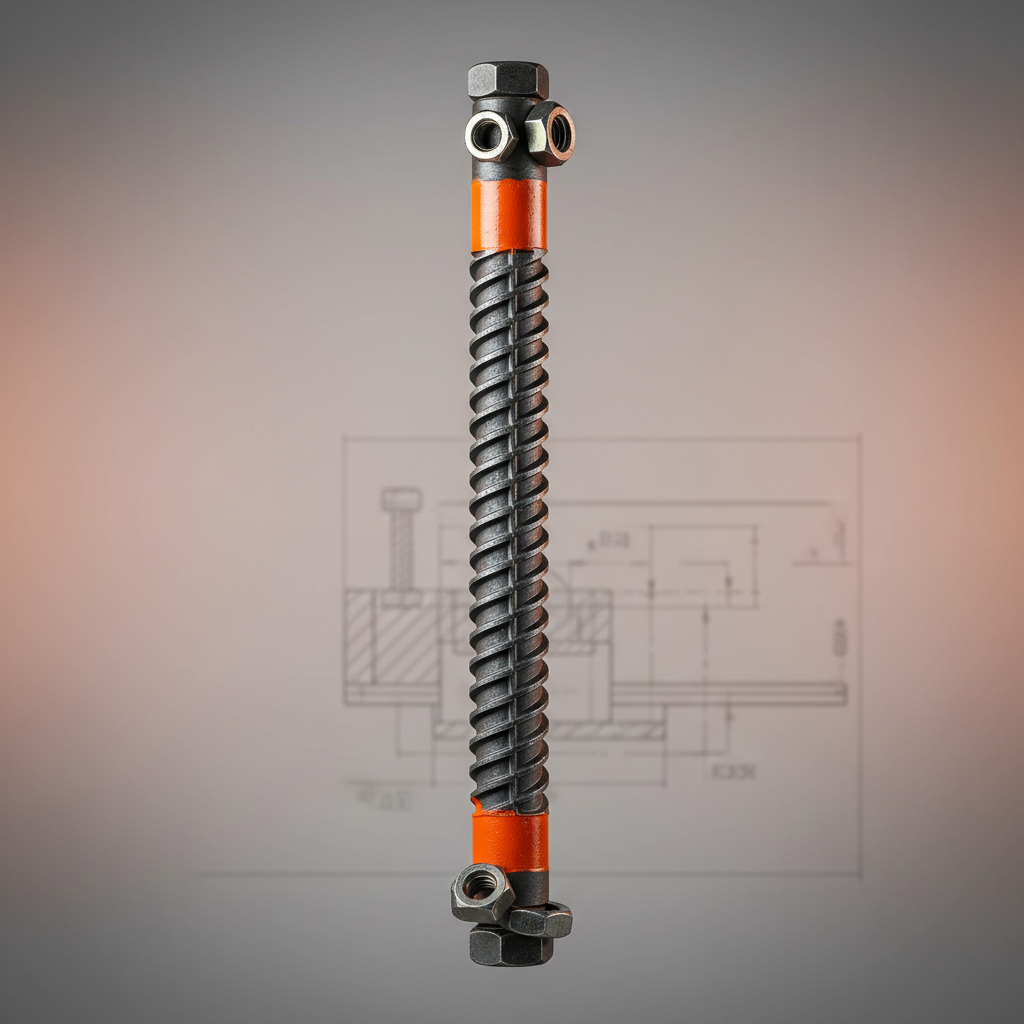
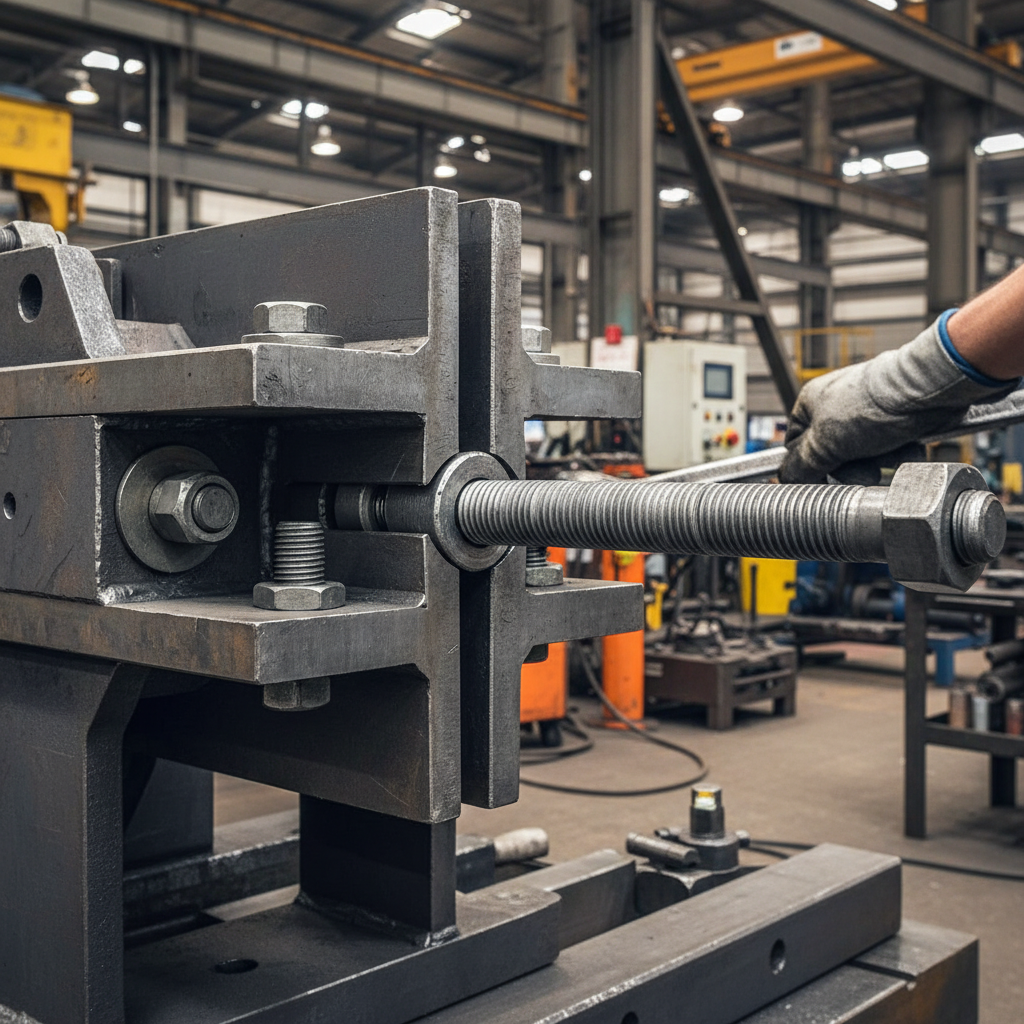
Breaking it down, an M20 stainless steel threaded bar is a metal rod with exterior threading and a 20mm diameter. The “M” simply refers to metric sizing, and “20” is the nominal diameter. Made typically from grades like 304, 316, or 316L stainless steel, these rods are prized for their combination of tensile strength and corrosion resistance.
You’ll find these threaded bars holding bolted joints, anchoring frameworks, and even in custom fabrication for equipment. They’re the unsung heroes in modern construction, combining versatility and robustness.
Mini takeaway:
- They’re basic, but crucial.
- Metric size means the system is globally standardized.
- Stainless steel delivers a longer lifespan than ordinary steel in corrosive environments.
Core Aspects That Make M20 Stainless Steel Threaded Bars Stand Out
Durability
This is the headline feature. Stainless steel resists oxidation and chemical wear. Roughly speaking, many engineers say an M20 stainless steel threaded bar will last decades in salty, humid conditions without losing integrity.
Strength and Load Capacity
With tensile strength often between 500 and 750 MPa (megapascals), these bars provide high load-bearing capacity. For reference, they’re often chosen for structural steel connections where safety margins are critical.
Corrosion Resistance
Thanks to chromium forming a passive oxide layer, these bars resist rust unlike carbon steel. Grades like 316 or 316L add molybdenum to excel in chloride environments (think: marine or chemical plants).
Compatibility & Versatility
Since the M20 size is a standard metric, it fits easily with nuts, washers, and other fasteners globally. This makes it highly scalable for projects of any size, from bridges spanning kilometers to machinery installations inside factories.
Cost-Efficiency over Lifecycle
While stainless steel bars may cost more upfront than traditional steel, lower maintenance and fewer replacements usually offset initial expenses. Often, material specifications cite life cycles exceeding 30 years under typical industrial environments.
Ease of Customization
Threaded bars can be cut to length, threaded further, or finished with coatings to meet unique needs—making the M20 stainless steel threaded bar ideal for both standardized and bespoke applications.
Mini takeaway:
- Durability and corrosion resistance top the list.
- Standardization means easy sourcing and replacement.
- Upfront costs balance with long-term reliability.
Technical Specifications of a Typical M20 Stainless Steel Threaded Bar
| Specification | Details |
|---|---|
| Diameter | 20 mm (M20) |
| Material Grades | 304, 316, 316L Stainless Steel |
| Thread Pitch | 2.5 mm (Standard Metric Coarse) |
| Tensile Strength | 500–750 MPa |
| Length | Typically 1–6 meters (customizable) |
| Surface Finish | Mill Finish, Polished, or Coated |
Vendor Comparison: Key Players in Supplying M20 Stainless Steel Threaded Bars
| Vendor | Material Grade Options | Customization & Length Options | Delivery Speed | Price Range (per meter) |
|---|---|---|---|---|
| SteelPro International | 304, 316L | Up to 6 m, custom threading | 7–10 business days | $15–$22 |
| GlobalBar Supplies | 304, 316, 316L | Customized lengths up to 12 m | 4–7 business days | $18–$25 |
| HBTBLS (Specialist Supplier) | 304, 316, 316L, Duplex | Fully custom lengths, threading, finishes | 3–5 business days (priority option) | $20–$30 |
How Are These Stainless Steel Threaded Bars Used Globally?
Real-world applications of M20 stainless steel threaded bars span continents and sectors:
- Construction: They anchor heavy machinery in factories, secure steel framework in bridges and buildings, especially in corrosive environments.
- Marine & Offshore: In ports and oil rigs, the salt spray punishes materials. The corrosion resistance of these bars ensures safety and longevity.
- Renewable Energy: Used in wind turbines and solar mounting systems, these bars hold components together exposed to weather extremes.
- Disaster Relief Infrastructure: For temporary shelters or rapidly assembled hospitals, having strong and reliable threaded bars affects lives directly.
- Transportation: Rail and highway projects rely on these bars to hold structural elements together, combining safety and durability.
In particular, regions like Southeast Asia, the Middle East, and parts of North America see extensive use as they balance rapid industrial growth with harsh climates.
Advantages & The Long-Term Value of Choosing M20 Stainless Steel Threaded Bars
Choosing an M20 stainless steel threaded bar isn’t just about a specification on paper. The benefits reach into policies, budgets, and even employee safety. Here’s what stands out:
- Lower Maintenance Costs: Less rust, less replacement. That adds up to money saved—sometimes significantly.
- Sustainability: Longer life means less waste and a smaller carbon footprint to replace parts frequently.
- Reliability and Safety: The peace of mind knowing critical fixtures won’t fail saves lives.
- Trust in Supply Chains: Standardization and high-quality production mean projects keep moving without delays.
Many manufacturers now tout stainless steel fasteners as a green solution, though, oddly enough, sometimes the initial price tag scares off smaller buyers. Yet, in real terms, the life cycle cost wins out.
Future Innovations in Stainless Steel Threaded Bars
The next decade promises exciting developments: duplex stainless steels with even better strength-to-weight ratios, nanocoatings that improve corrosion resistance, and automated quality inspections using AI vision systems at the factory. The digital transformation also means ordering and tracking from suppliers like m20 stainless steel threaded bar specialists becomes more transparent and efficient.
Additionally, with sustainability front and center, expect more recycled content and stricter ISO certifications, raising the bar (pun intended) on environmental profiles.
Common Challenges & How Industry Experts Solve Them
Not everything is rosy, though. Problems include:
- Cost Barriers: Stainless steel bars cost more upfront compared to carbon steel.
- Supply Chain Disruptions: High demand can strain availability.
- Compatibility Issues: Variations in finish and threading standards between vendors.
Industry experts tackle these by:
- Offering modular procurement to optimize orders and reduce stock waste.
- Working with trusted vendors like those listed above that have quality and delivery track records.
- Setting clear project standards to ensure consistency in threading and finish.
FAQ: Frequently Asked Questions About M20 Stainless Steel Threaded Bars
- What environments are best suited for M20 stainless steel threaded bars?
- They excel in corrosive or outdoor environments such as marine, chemical plants, and wet industrial zones. Their corrosion resistance prevents rust and failure.
- How do I choose between 304 and 316 grade for an M20 threaded bar?
- 304 is typically sufficient for general indoor use. For marine or chloride-heavy environments, 316 or 316L is recommended due to superior corrosion resistance.
- Can M20 stainless steel threaded bars be cut to custom lengths?
- Yes, most suppliers offer customization up to several meters, accommodating project-specific requirements.
- Are stainless steel threaded bars recyclable?
- Absolutely. Stainless steel is one of the most recycled materials globally, reducing environmental impact once the bars end their service life.
Wrapping It Up: The Underrated Backbone of Modern Industrial Strength
At the end of the day, the m20 stainless steel threaded bar may not be the flashiest component in high-tech construction or machinery, but its role is foundational. The blend of strength, corrosion resistance, and standardization makes it indispensable, especially as the planet demands more resilient infrastructure.
Interested in sourcing high-quality M20 stainless steel threaded bars? Visit our website to explore product ranges, customization options, and expert support: https://www.hbtbls.com. Your next project deserves the reliability that only stainless steel can provide.
References
Post time: Nov . 27, 2025 17:15


 English
  Albanian
  Arabic
  Armenian
  Azerbaijani
  Belarusian
  Bosnian
  Bulgarian
  Cebuano
  Corsican
  Czech
Czech  Galician
  Georgian
  Greek
Greek  Hausa
Hausa  Hebrew
  Hungarian
  Igbo
Igbo  Indonesian
  Italian
  Kazakh
  Khmer
Khmer  Korean
  Kurdish
  Kyrgyz
  Lao
Lao  Latin
Latin  Latvian
  Lithuanian
  Malay
Malay  Myanmar
  Nepali
  Polish
  Portuguese
  Russian
  Serbian
  Sesotho
  Shona
Shona  Sindhi
  Spanish
  Tagalog
  Tajik
Tajik  Thai
Thai  Turkish
  Turkmen
  Ukrainian
  Uzbek
Uzbek  Vietnamese
  Yoruba
  Zulu
Zulu