
What’s So Special About the 3 4 10 Threaded Rod?
When you hear 3 4 10 threaded rod, it might seem like just another industrial term lost in the mechanical jargon. But surprisingly, this simple component plays a surprisingly big role in the backbone of global construction, manufacturing, and even disaster relief operations. Understanding its key benefits can give you a fresh appreciation—not just as a piece of hardware, but as a vital connector that keeps modern infrastructure intact.
Introduction: Why Should the World Care About This Threaded Rod?
Across continents—from sprawling factories in Germany to makeshift shelters in disaster-hit regions of Southeast Asia—the 3 4 10 threaded rod finds its way into countless projects. The International Organization for Standardization (ISO) recognizes threaded rods as essential fasteners with standardized strength and measurements, helping industries maintain global interoperability. According to recent data from the World Bank, global construction is on track to grow around 3.7% annually, further driving demand for reliable components like these rods.
Yet, a persistent challenge remains: how to ensure components are durable enough to meet increasingly stringent safety standards without ballooning costs. The 3 4 10 threaded rod, with its specific dimensions and strength profiles, addresses this balance effectively.
So, What Exactly Is a 3 4 10 Threaded Rod?
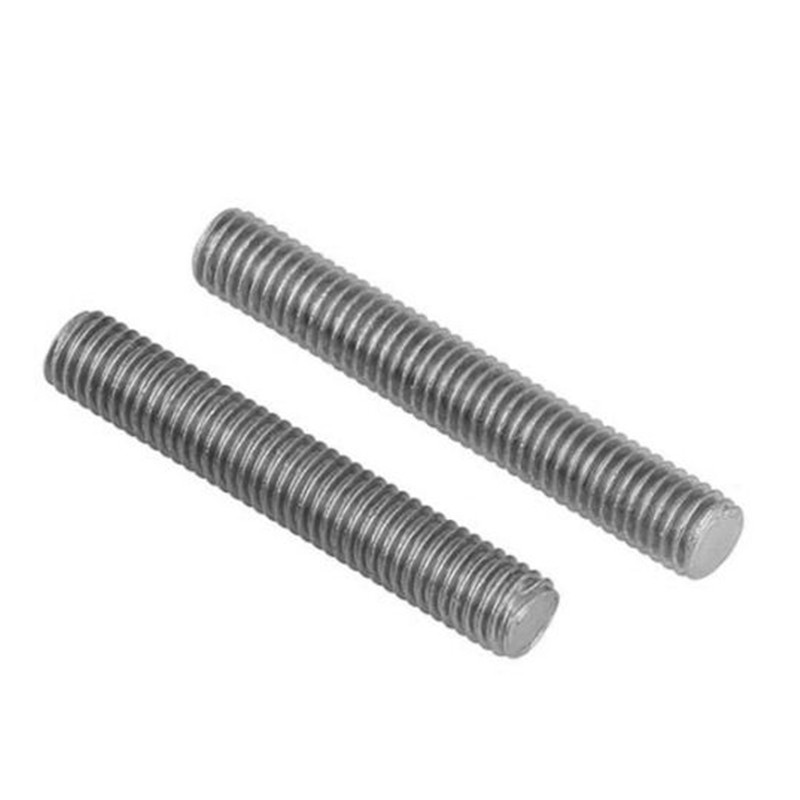
A 3 4 10 threaded rod is essentially a long cylindrical metal shaft threaded uniformly along its length, typically specified with a diameter of 3/4 inch and a length of 10 inches (though dimensions can vary slightly based on standards). Its design allows it to function as a versatile fastener or connector piece in assembling structural elements, machinery, or frameworks. Its simplicity masks its utility—these rods can be cut, joined, or suspended in multiple configurations to fit countless project needs.
Industries that rely heavily on modular designs—shipping container modifications, industrial machinery, or temporary shelters—depend on these rods to make strong, adaptable joints without complicated fabrication steps.
Key Factors That Make the 3 4 10 Threaded Rod Indispensable
Durability & Strength
Manufactured typically from carbon steel, stainless steel, or galvanized steel, these rods resist deformation and corrosion. Durability means safety in critical applications, from bridges to electrical enclosures.
Versatility
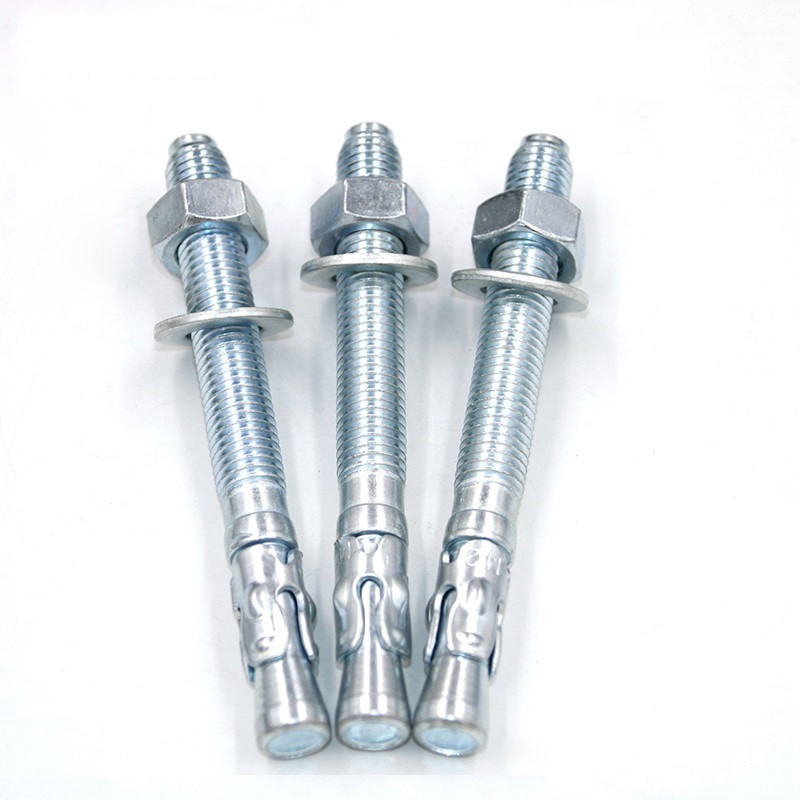
Threaded rods can be cut to size or combined with nuts and washers, making them easy to customize on-site. Engineers love that kind of adaptability: it cuts down on lead time and costs.
Cost Efficiency
Compared to custom-fabricated fasteners or welded joints, threaded rods offer reliable strength at a fraction of the price. Bulk sourcing is straightforward, which helps large projects stick to budgets.
Compatibility & Standardization
Thanks to global standards (like ISO Metric threads or Unified National threads), these rods fit seamlessly with preexisting nuts or fixtures worldwide.
Ease of Installation & Maintenance
No specialized tools beyond wrenches are needed. And if any part fails, replacements are quick—no expensive downtime.
Mini takeaway: The 3 4 10 threaded rod’s practicality boils down to durability and flexibility that serve diverse industries.
Global Applications: Where the 3 4 10 Threaded Rod Really Shines
- Construction: From securing steel beams to plumbing supports
- Automotive & Machinery: Mounting engines, frames, and chassis components
- Disaster Relief: Rapid assembly of shelters and support frameworks using modular kits
- Energy Sector: Holding together equipment in wind turbines and solar farms, where durability against elements is key
- Remote Industrial Sites: On-site repairs where cutting custom fasteners isn’t an option
For example, in post-disaster relief operations in the Philippines, quick assembly of temporary housing kits using 3 4 10 threaded rods has sped up shelter establishment times by nearly 40%, according to a UN report.
Specifications at a Glance
| Specification | Details |
|---|---|
| Diameter | ¾ inch (approx. 19.05 mm) |
| Length | 10 inches (254 mm) |
| Thread Type | Unified National Coarse (UNC) or Metric (ISO) |
| Materials | Carbon Steel, Stainless Steel, Galvanized Steel |
| Tensile Strength | Grade 5 (approx. 120,000 psi) to Grade 8 (approx. 150,000 psi) |
| Finish Options | Plain, Zinc Plated, Hot-Dip Galvanized |
Comparing Leading Vendors of 3 4 10 Threaded Rods
| Vendor | Material Options | Typical Lead Time | Price Range (per 100 units) | Additional Services |
|---|---|---|---|---|
| SteelPro Inc. | Alloys & Stainless | 2 weeks | $150 - $190 | Custom cutting, on-site delivery |
| GlobalFasteners | Carbon, Galvanized | 1 week | $130 - $170 | Bulk discount, quality certification |
| FastenRight | Stainless Steel Only | 3 weeks | $200 - $240 | Custom threading, small batch runs |
Advantages & Long-Term Value of Using These Threaded Rods
Choosing a 3 4 10 threaded rod means embracing a product that stands tall in value:
- Cost Savings: Bulk and standardization reduce procurement headaches and excess expenditures.
- Sustainability: Materials like galvanized steel protect against corrosion, extending lifecycle and minimizing waste.
- Reliability: The proven tensile strengths meet or exceed demanding industry codes, bringing peace of mind.
- Social Impact: In humanitarian projects, quick-install rods underpin safe shelter solutions—restoring dignity along with roofs.
Looking Ahead: Future Trends and Innovations
From green coatings to digital tracking, the humble 3 4 10 threaded rod is evolving. Emerging trends include:
- Eco-Friendly Materials: Bio-based coatings and recycled metals reduce carbon footprints.
- Smart Fastening: Embedded sensors to monitor load stress or corrosion status in real time.
- Automation Compatibility: Threaded rods designed for robotic assembly lines, cutting human error.
Common Challenges & How to Tackle Them
Of course, no hardware is perfect. Some challenges engineers face with 3 4 10 threaded rods include:
- Corrosion in Harsh Environments: Addressed via specialty coatings or stainless alloys.
- Supply Chain Delays: Mitigated by local stocking and bulk purchasing agreements.
- Incorrect Thread Matching: Proper specification and supplier trust eliminate mismatches.
Industry experts recommend thorough planning and close vendor collaboration to smooth these bumps.
FAQ: Your Burning Questions About 3 4 10 Threaded Rods
- Q: Can I cut a 3 4 10 threaded rod to size without compromising strength?
- A: Yes, cutting the rod on-site is common practice. Just ensure you properly re-thread the cut end or use appropriate nuts and washers to maintain load integrity.
- Q: What’s the difference between galvanized and stainless steel threaded rods?
- Galvanized rods have a zinc coating for corrosion resistance and are more cost-effective, while stainless steel offers superior durability in extremely corrosive environments but at a higher price.
- Q: How can organizations import these rods internationally without headaches?
- Choosing vendors familiar with international shipping regulations and compliance, like 3 4 10 threaded rod suppliers with export experience, greatly eases import procedures.
- Q: How long can assembled frameworks using these rods last in disaster-prone areas?
- When made from quality materials and properly maintained, frameworks can last several years—enough to provide stable shelter until permanent solutions arrive.
Conclusion: Why the 3 4 10 Threaded Rod Still Matters
It’s rather poetic that something so straightforward as a 3 4 10 threaded rod underpins some of the most complex and vital structures worldwide. In terms of strength, economy, and adaptability, it’s a quiet hero in engineering, infrastructure, and humanitarian projects.
Want to explore premium solutions or bulk options? Feel free to visit our website for detailed catalogs and expert quotes tailored to your needs.
References
Post time: Nov . 27, 2025 18:50


 English
  Albanian
  Arabic
  Armenian
  Azerbaijani
  Belarusian
  Bosnian
  Bulgarian
  Cebuano
  Corsican
  Czech
Czech  Galician
  Georgian
  Greek
Greek  Hausa
Hausa  Hebrew
  Hungarian
  Igbo
Igbo  Indonesian
  Italian
  Kazakh
  Khmer
Khmer  Korean
  Kurdish
  Kyrgyz
  Lao
Lao  Latin
Latin  Latvian
  Lithuanian
  Malay
Malay  Myanmar
  Nepali
  Polish
  Portuguese
  Russian
  Serbian
  Sesotho
  Shona
Shona  Sindhi
  Spanish
  Tagalog
  Tajik
Tajik  Thai
Thai  Turkish
  Turkmen
  Ukrainian
  Uzbek
Uzbek  Vietnamese
  Yoruba
  Zulu
Zulu