
Navigating the Landscape of Industrial Fasteners: The DIN603 Carriage Bolt
In the intricate world of B2B industrial applications, the choice of fastening solutions is paramount to structural integrity, operational efficiency, and long-term reliability. Among a vast array of options, the carriage bolts stand out for their distinctive design and robust performance in specific challenging environments. Globally, the demand for high-quality industrial fasteners continues its upward trajectory, driven by infrastructure development, manufacturing growth, and stringent safety standards. According to market research, the global industrial fasteners market is projected to reach over USD 100 billion by 2027, with a significant portion attributed to specialized bolts and screws like coach bolts designed for specific standards.
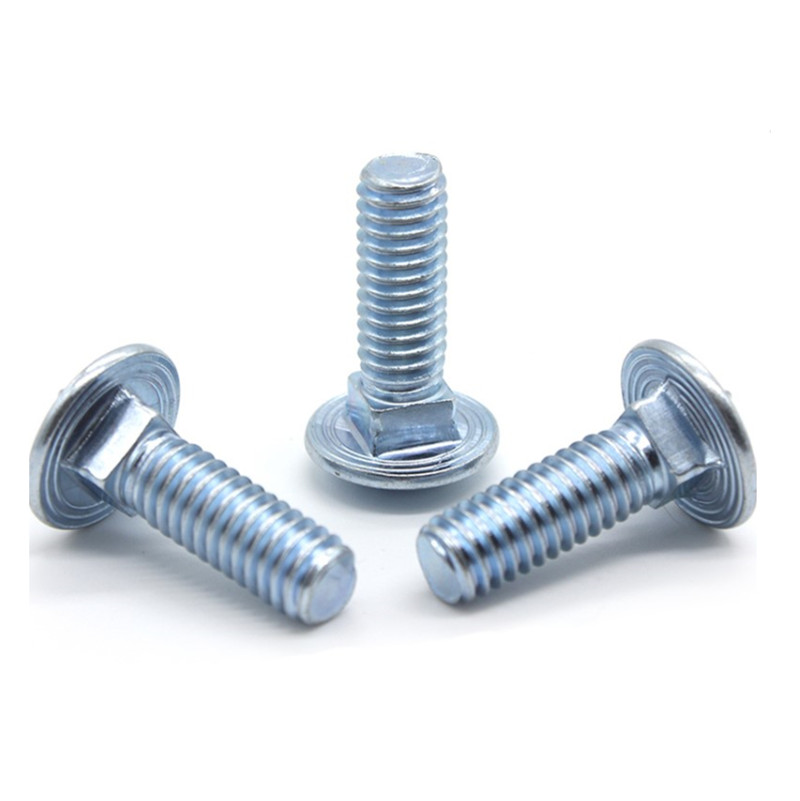
The DIN603 carriage bolt, with its signature round head and square neck, represents a critical component in numerous sectors. Its unique design prevents rotation when the nut is tightened, making it ideal for wood-to-wood or wood-to-metal fastening where the bolt head is inaccessible or requires a flush, non-snagging finish. This section explores the relevance of DIN 603 within this dynamic market, highlighting its foundational role in delivering secure, tamper-resistant, and aesthetically pleasing connections across diverse industries. The emphasis on standardized components like the DIN 603 also underpins global supply chain efficiency and interoperability, a crucial factor for multi-national projects.
Technical Specifications and Standards Compliance
The DIN603 carriage bolt adheres to the German Institute for Standardization's specifications, dictating precise dimensions, materials, and mechanical properties. This ensures consistent quality and interchangeability across international markets. Key technical parameters include head diameter, square neck dimensions, thread size (typically metric, e.g., M6, M8, M10, up to M20 or M24), and overall length.
Material Selection and Properties
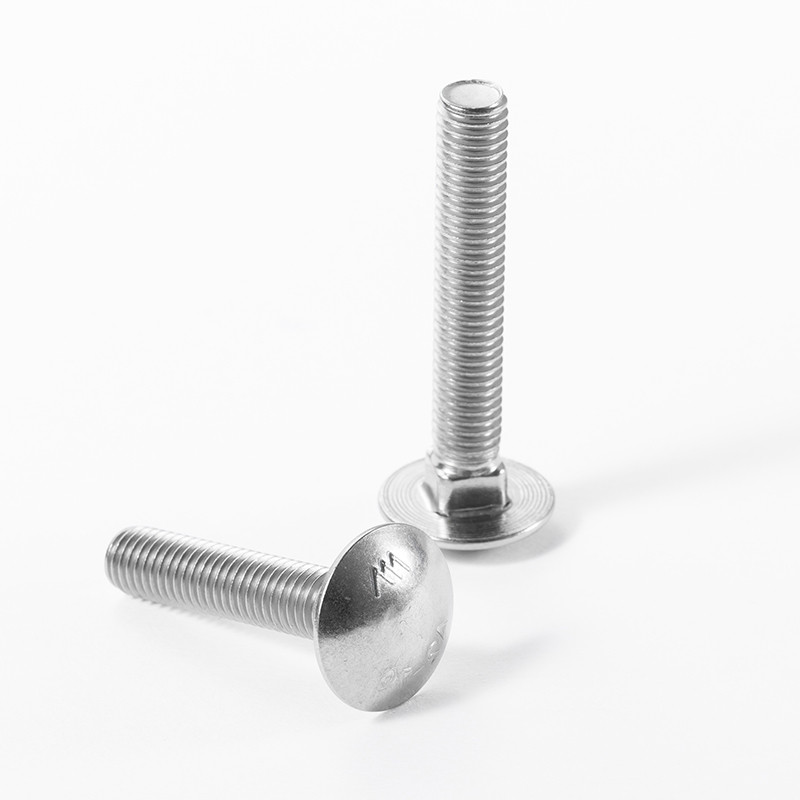
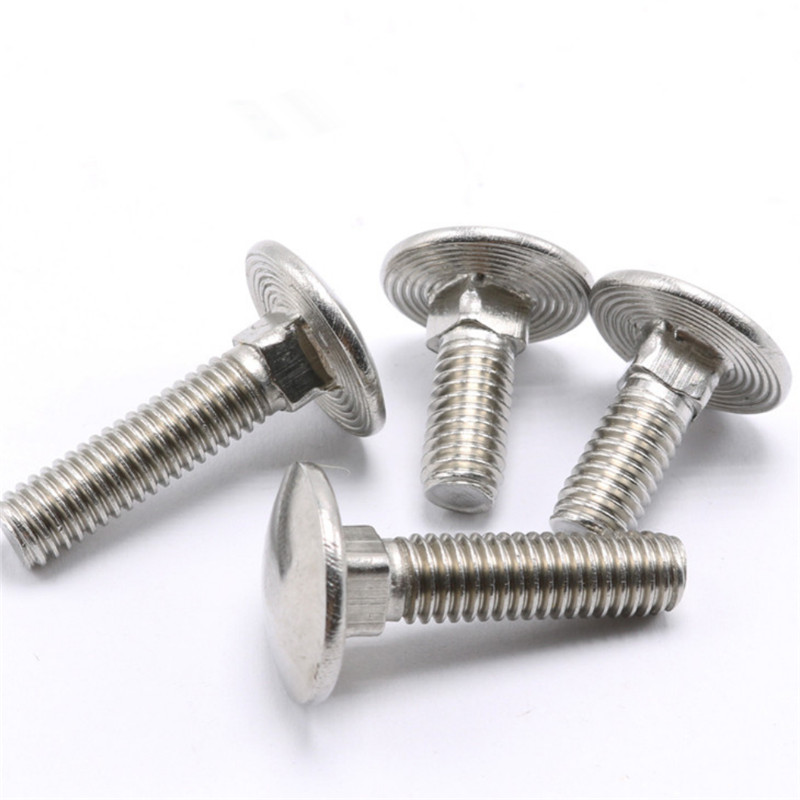
Common materials for carriage bolts include carbon steel (often galvanized or zinc-plated for corrosion resistance) and various grades of stainless steel carriage bolts, such as A2 (304) and A4 (316). Stainless steel variants, particularly stainless steel coach bolts, are favored in environments demanding superior corrosion resistance, such as marine, chemical processing, or outdoor architectural applications. The choice of material directly impacts the bolt's tensile strength, yield strength, and endurance limit.
DIN 603 Key Dimensions & Mechanical Properties
| Parameter | Specification | Typical Value / Standard |
|---|---|---|
| Standard Compliance | DIN 603 | ISO 8677 equivalent, ANSI B18.5 |
| Thread Type | Metric Coarse | M5 to M24 |
| Material Grade (Carbon Steel) | Steel grades 4.6, 8.8 | Tensile Strength: 400-800 MPa |
| Material Grade (Stainless Steel) | A2 (304), A4 (316) | Tensile Strength: 500-700 MPa |
| Surface Finish (Carbon Steel) | Zinc Plated (Cr3+), Hot Dip Galvanized | Enhanced Corrosion Protection |
| Head Style | Round (Dome) | Smooth, non-snagging surface |
| Neck Style | Square | Anti-rotation feature |
Adherence to these specifications is critical for ensuring the safety and longevity of bolted connections, particularly in heavy-duty or critical infrastructure projects. Testing standards such as ISO 898-1 for mechanical properties of carbon steel and alloy steel fasteners, and ISO 3506 for stainless steel fasteners, are rigorously applied to verify performance characteristics.
The Precision Manufacturing Process of DIN 603 Carriage Bolts
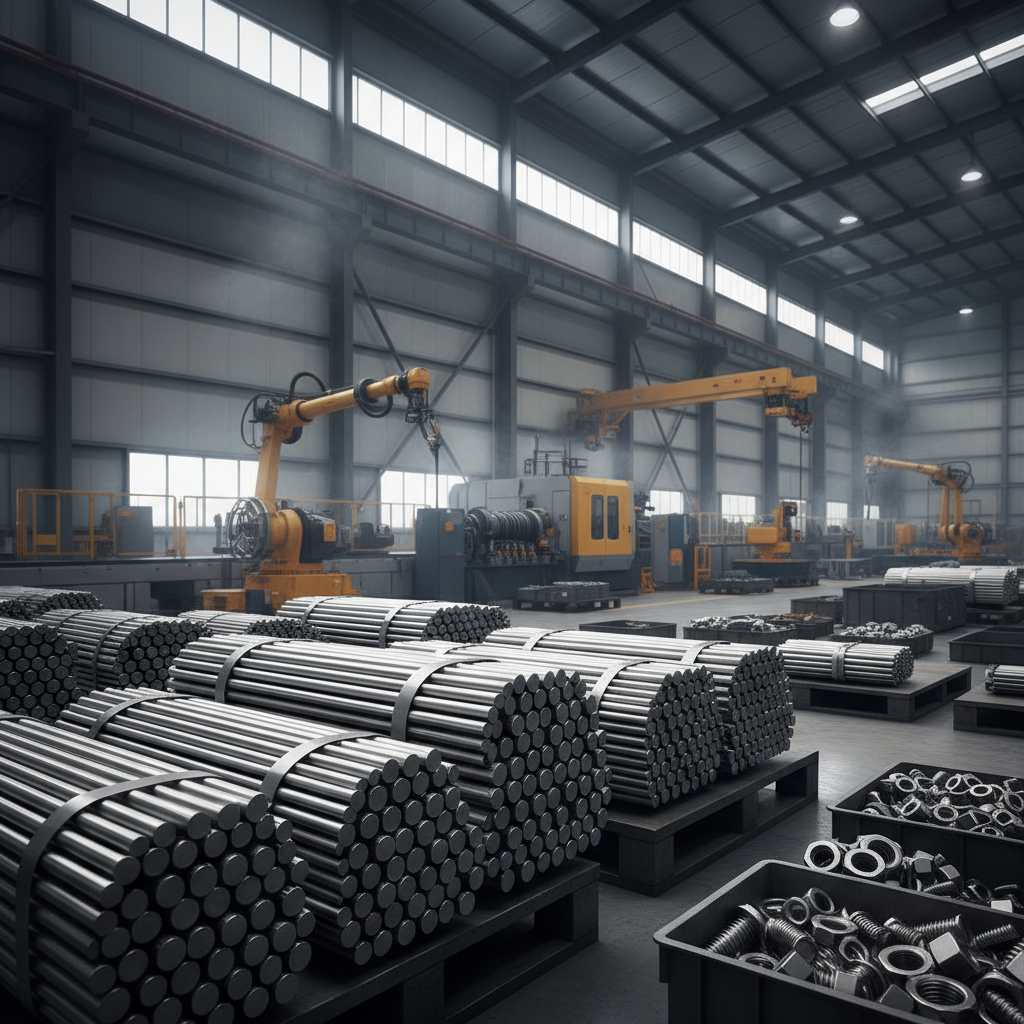
The manufacturing of a high-quality DIN603 carriage bolt is a sophisticated process, primarily relying on cold forging techniques to achieve superior mechanical properties and dimensional accuracy. Unlike casting, which can introduce porosity and reduce strength, cold forging densifies the material grain structure, enhancing fatigue resistance and overall strength. The process ensures that each bolt meets the stringent demands of industrial applications.
Detailed Manufacturing Steps:
- Material Selection and Preparation: High-grade steel wire rods (e.g., C1018, C1022 for carbon steel; 304, 316 for stainless steel) are selected based on the desired mechanical properties and corrosion resistance. These rods undergo descaling and lubrication to prepare them for cold forming.
- Cold Forging (Heading): The wire is fed into a multi-station cold forging machine. In a series of precisely controlled operations, the material is formed without heating. This process first forms the round head, followed by the distinctive square neck under the head. Cold forging improves the material's grain structure, increasing its tensile strength and hardness.
- Thread Rolling: After heading, the unthreaded shank is rolled between dies that form the screw threads. Thread rolling is a cold-forming process that significantly improves the thread's fatigue life compared to cut threads, as it does not interrupt the material's grain flow. This ensures a more robust and reliable thread connection.
- Heat Treatment (for Carbon Steel): Carbon steel bolts undergo heat treatment (quenching and tempering) to achieve specific hardness and strength classifications (e.g., 4.6, 8.8). This precisely controlled thermal process enhances the bolt’s mechanical properties, making it resilient under various stress conditions. Stainless steel bolts typically do not require heat treatment for strength but may undergo passivation.
- Surface Finishing: Depending on the application, bolts receive surface treatments. Common options for carbon steel include zinc plating (bright, yellow, black) for basic corrosion resistance or hot-dip galvanizing for superior protection in outdoor or harsh environments. Stainless steel bolts often undergo passivation to enhance their inherent corrosion resistance by forming a protective oxide layer.
- Quality Control and Testing: Throughout the entire process, rigorous quality control checks are performed. This includes dimensional inspections (using calipers, micrometers, and optical inspection systems), material composition analysis (spectrometry), hardness testing (Rockwell, Vickers), tensile strength testing (to verify mechanical property compliance with ISO 898-1 or ISO 3506), and corrosion resistance tests (salt spray testing). Non-destructive testing methods ensure internal integrity.
The meticulous execution of these steps ensures that each DIN603 carriage bolt produced offers exceptional durability and performance, excelling in demanding applications. For instance, in petrochemical facilities, the enhanced corrosion resistance of appropriately finished bolts contributes to extended service life, significantly reducing maintenance costs and operational downtime, thereby contributing to energy saving by reducing replacements. The precisely formed square neck also provides a tamper-resistant fastening solution, enhancing security in critical installations.
Application Scenarios and Target Industries
The versatility and unique design of the DIN603 carriage bolt make it indispensable across a spectrum of industrial and commercial applications. Its ability to provide a secure, flush finish on one side and a robust connection on the other is highly valued.
Key Industries and Use Cases:
- Construction & Infrastructure: Widely used in timber structures, decking, fencing, playground equipment, and public furniture. The round head minimizes snagging and offers a clean aesthetic, while the square neck embeds into the wood, preventing rotation. This provides both structural integrity and safety.
- Petrochemical & Chemical Processing: Stainless steel carriage bolts (especially A4/316) are critical for securing non-pressure components, support structures, and grating in corrosive environments where resistance to chemicals and aggressive atmospheres is paramount. Their longevity in such conditions translates to reduced plant downtime and enhanced safety.
- Metallurgy & Heavy Manufacturing: Utilized in assembling machinery guards, conveyor systems, and framework where a smooth head is required to prevent material buildup or injury. The robust nature of the bolts ensures reliability in high-vibration or heavy-load settings.
- Water Supply & Drainage Systems: Employed in securing covers, grates, and access panels in water treatment plants and sewage systems. The corrosion resistance of galvanized or stainless steel bolts is essential for resisting water, chemicals, and microbial action, ensuring a longer service life and preventing premature failure.
- Renewable Energy: In solar panel installations and wind turbine components, carriage bolts are used for securing mounting structures, where resistance to weathering and wind loads is crucial. The tamper-resistant design also adds a layer of security to outdoor installations.
- Automotive & Transportation: Used in trailer manufacturing, vehicle bodywork, and railway infrastructure for non-critical fastening where anti-rotation and a flush finish are beneficial.
The application versatility underscores the engineering robustness of the DIN603 carriage bolt, providing a reliable and secure fastening solution that adapts to the specific needs of demanding industrial environments while often simplifying installation processes.
Technical Advantages and Performance Benefits
The design and manufacturing precision of the DIN603 carriage bolt imbue it with several distinct technical advantages critical for B2B applications:
- Anti-Rotation Feature: The square neck directly beneath the round head is designed to seat into a pre-drilled square hole or be drawn into softer materials like wood, preventing the bolt from turning when the nut is tightened. This allows for single-sided installation without requiring access to the head, a significant advantage in many construction and assembly scenarios.
- Enhanced Security: With no external drive feature on the head, the carriage bolt is inherently tamper-resistant once installed. This makes it ideal for public installations, security fencing, and critical access panels where unauthorized removal is a concern.
- Corrosion Resistance: Available in hot-dip galvanized carbon steel or various grades of stainless steel (A2/304, A4/316), these bolts offer excellent resistance against rust and environmental degradation. Stainless steel carriage bolts, in particular, are vital for marine, coastal, and chemical processing applications where longevity in harsh conditions is paramount.
- High Strength-to-Weight Ratio: Through advanced cold forging processes and precise heat treatment, carbon steel coach bolts can achieve high tensile and shear strengths (e.g., Grade 8.8), enabling them to withstand significant loads while contributing minimally to the overall structural weight.
- Aesthetic and Safety Benefits: The smooth, low-profile round head presents a clean, finished appearance, reducing the risk of snags or injury, making it suitable for applications in public spaces, furniture, and playgrounds.
- Reduced Maintenance: The durability and corrosion resistance of high-quality carriage bolts lead to fewer replacements and lower maintenance overheads, translating into significant long-term cost savings for industrial operations.
These advantages collectively contribute to the preferred status of the DIN 603 standard in demanding industrial and construction environments, offering a blend of performance, security, and aesthetic appeal unmatched by many other fastening solutions.
Vendor Comparison and Customized Solutions
Selecting the right supplier for industrial fasteners is as crucial as choosing the fastener itself. Vendors vary widely in their manufacturing capabilities, quality control, and ability to provide tailored solutions. When evaluating suppliers for DIN603 carriage bolt, several factors must be considered to ensure optimal performance and value.
Key Vendor Differentiators:
| Feature | Standard Vendor | HBTBLS Advantage |
|---|---|---|
| Quality Certifications | Basic ISO 9001 (often self-declared) | Certified ISO 9001:2015, CE marking, with full traceability and third-party audit reports. |
| Material Verification | Mill certificates on request | Mandatory material test reports (MTRs) for every batch, spectrometer analysis in-house. |
| Customization Capabilities | Limited to standard lengths/finishes | Extensive custom options for material grades, dimensions, coatings, and specialized packaging. Dedicated engineering support for unique designs. |
| Lead Time & Reliability | Variable, dependent on stock | Streamlined production and logistics for reliable, on-time delivery. Dedicated project managers. |
| Technical Support | Basic product information | Expert technical consultation, application engineering, installation guidance, and troubleshooting. |
Tailored Solutions for Unique Requirements
Many industrial projects require more than off-the-shelf solutions. HBTBLS specializes in providing customized DIN603 carriage bolt solutions to meet precise client specifications. This can include:
- Non-Standard Dimensions: Manufacturing bolts with specific lengths, thread pitches, or head/neck dimensions not covered by standard DIN 603 specifications.
- Specialty Materials: Utilizing exotic alloys or higher-grade stainless steels for extreme temperature, pressure, or corrosive environments beyond typical A2/A4.
- Advanced Coatings: Applying specialized coatings such as PTFE, ceramic, or organic zinc-rich coatings for enhanced performance in specific chemical or abrasion scenarios.
- Kitting and Packaging: Providing bespoke packaging solutions, including pre-assembled kits with nuts and washers, or customized labeling for streamlined inventory management and project execution.
Our engineering team collaborates closely with clients from concept to delivery, ensuring that customized carriage bolts are precisely engineered to overcome unique fastening challenges and integrate seamlessly into complex systems. This proactive approach minimizes design risks and optimizes overall project timelines and costs.
Real-World Application Case Studies
The practical application of DIN603 carriage bolt in various sectors demonstrates their critical value and robust performance.
Case Study 1: Coastal Boardwalk Infrastructure
A major coastal municipality undertook a large-scale renovation of its public boardwalks, requiring fasteners capable of withstanding constant exposure to saltwater, humidity, and heavy foot traffic. Traditional zinc-plated coach bolts had failed prematurely in previous projects, leading to costly replacements and safety concerns. HBTBLS provided customized stainless steel carriage bolts (Grade A4/316) for this project. The A4 stainless steel offered superior resistance to chloride corrosion, while the DIN 603 design ensured a flush, safe surface for pedestrians and prevented tampering. The bolts significantly extended the expected service life of the boardwalk structures, reducing maintenance cycles by over 50% compared to previous installations and enhancing public safety.
Case Study 2: Chemical Plant Equipment Guarding
A chemical processing facility needed to secure protective grating and equipment guards around its highly corrosive processing units. The critical requirement was a fastening solution that would not corrode under exposure to aggressive acids and bases, and also provide a smooth exterior to prevent chemical residue accumulation and easy cleaning. DIN603 carriage bolts made from A4L stainless steel (a low-carbon version of 316 for improved weldability and corrosion resistance) were chosen. The round, smooth head minimized crevices where chemicals could accumulate, simplifying cleaning protocols and enhancing safety. The square neck design provided secure, vibration-resistant fastening. Post-installation inspections confirmed excellent corrosion performance and reduced cleaning times, leading to improved operational efficiency and worker safety.
These case studies underscore the reliability and adaptability of the DIN603 carriage bolt in addressing complex industrial fastening challenges, consistently delivering on promises of durability, safety, and efficiency.
Ensuring Trust and Reliability: HBTBLS Commitment to
Frequently Asked Questions (FAQ)
- Q1: What is the primary advantage of a DIN603 carriage bolt over a standard hex bolt?
- A1: The primary advantage lies in its anti-rotation square neck feature and smooth, round head. This allows for single-sided installation (ideal when the head side is inaccessible) and provides a flush, tamper-resistant, and aesthetically pleasing finish, reducing snag hazards.
- Q2: What materials are typically available for your carriage bolts?
- A2: We offer DIN 603 bolts in various materials, including carbon steel (often zinc-plated or hot-dip galvanized) and a range of stainless steels such as A2 (304) and A4 (316) for enhanced corrosion resistance, especially for stainless steel coach bolts.
- Q3: Can HBTBLS provide custom dimensions or materials for DIN603 carriage bolt?
- A3: Absolutely. We specialize in customized fastening solutions. Our engineering team can work with you to produce DIN 603 bolts with specific lengths, thread types, material grades, or specialized coatings to meet your unique project requirements. We offer rapid prototyping and comprehensive technical support.
- Q4: What quality control measures are in place for your fasteners?
- A4: Our manufacturing process is ISO 9001:2015 certified. We implement rigorous checks at every stage, including material inspection, in-process dimensional checks, thread gauging, hardness testing, tensile strength tests, and comprehensive final inspections. All products come with full traceability and relevant material test reports.
Lead Time and Fulfillment
HBTBLS maintains efficient production cycles and robust inventory management to ensure timely delivery. Standard carriage bolts and common specifications typically ship within 1-2 weeks. For custom orders or large-volume projects, lead times are determined based on complexity and quantity, with clear communication provided at the quoting stage. We offer global shipping capabilities and can accommodate specific logistical requirements to integrate seamlessly with your project schedules.
Warranty Commitments
We stand behind the quality and performance of every DIN603 carriage bolt we produce. All HBTBLS fasteners are covered by a comprehensive warranty against defects in material and workmanship for a period of [e.g., 12 months] from the date of purchase. This commitment reflects our confidence in our manufacturing processes and adherence to international quality standards, providing our clients with peace of mind and assurance of product longevity.
Dedicated Customer Support
Our commitment extends beyond product delivery. HBTBLS provides dedicated customer support, including technical assistance, order tracking, and after-sales service. Our team of experienced professionals is available to address any inquiries, provide detailed product specifications, and offer expert advice to ensure that your fastening solutions perform optimally throughout their service life. We pride ourselves on building long-term partnerships through unparalleled service and support.
Conclusion
The DIN603 carriage bolt remains a cornerstone in industrial fastening, embodying strength, security, and versatility. Its standardized design, coupled with advanced manufacturing techniques and a range of material options including high-grade stainless steel carriage bolts, makes it an ideal choice for critical applications across diverse sectors. For B2B decision-makers and engineers, selecting a trusted supplier like HBTBLS, capable of delivering not just products but also tailored solutions and unwavering support, is crucial for project success and long-term operational efficiency. Investing in high-quality fasteners like the DIN 603 ensures structural integrity, enhances safety, and ultimately contributes to the sustainable performance of industrial assets.
References
- International Organization for Standardization (ISO). ISO 898-1: Mechanical properties of fasteners made of carbon steel and alloy steel — Part 1: Bolts, screws and studs with specified property classes — Coarse thread and fine pitch thread.
- International Organization for Standardization (ISO). ISO 3506-1: Mechanical properties of corrosion-resistant stainless steel fasteners — Part 1: Bolts, screws and studs.
- German Institute for Standardization (DIN). DIN 603: Coach bolts with large round head and square neck.
- Mordor Intelligence. Industrial Fasteners Market - Growth, Trends, COVID-19 Impact, and Forecasts (2022 - 2027).
Post time: Sep . 13, 2025 11:40


 English
  Albanian
  Arabic
  Armenian
  Azerbaijani
  Belarusian
  Bosnian
  Bulgarian
  Cebuano
  Corsican
  Czech
Czech  Galician
  Georgian
  Greek
Greek  Hausa
Hausa  Hebrew
  Hungarian
  Igbo
Igbo  Indonesian
  Italian
  Kazakh
  Khmer
Khmer  Korean
  Kurdish
  Kyrgyz
  Lao
Lao  Latin
Latin  Latvian
  Lithuanian
  Malay
Malay  Myanmar
  Nepali
  Polish
  Portuguese
  Russian
  Serbian
  Sesotho
  Shona
Shona  Sindhi
  Spanish
  Tagalog
  Tajik
Tajik  Thai
Thai  Turkish
  Turkmen
  Ukrainian
  Uzbek
Uzbek  Vietnamese
  Yoruba
  Zulu
Zulu