
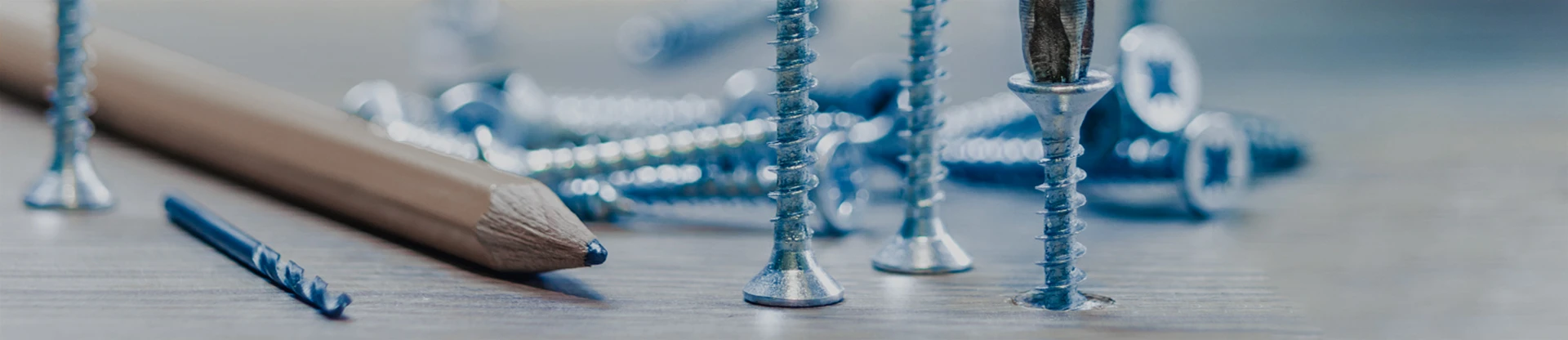
Understanding the Critical Role of Galvanized Hex Nuts in Modern Engineering
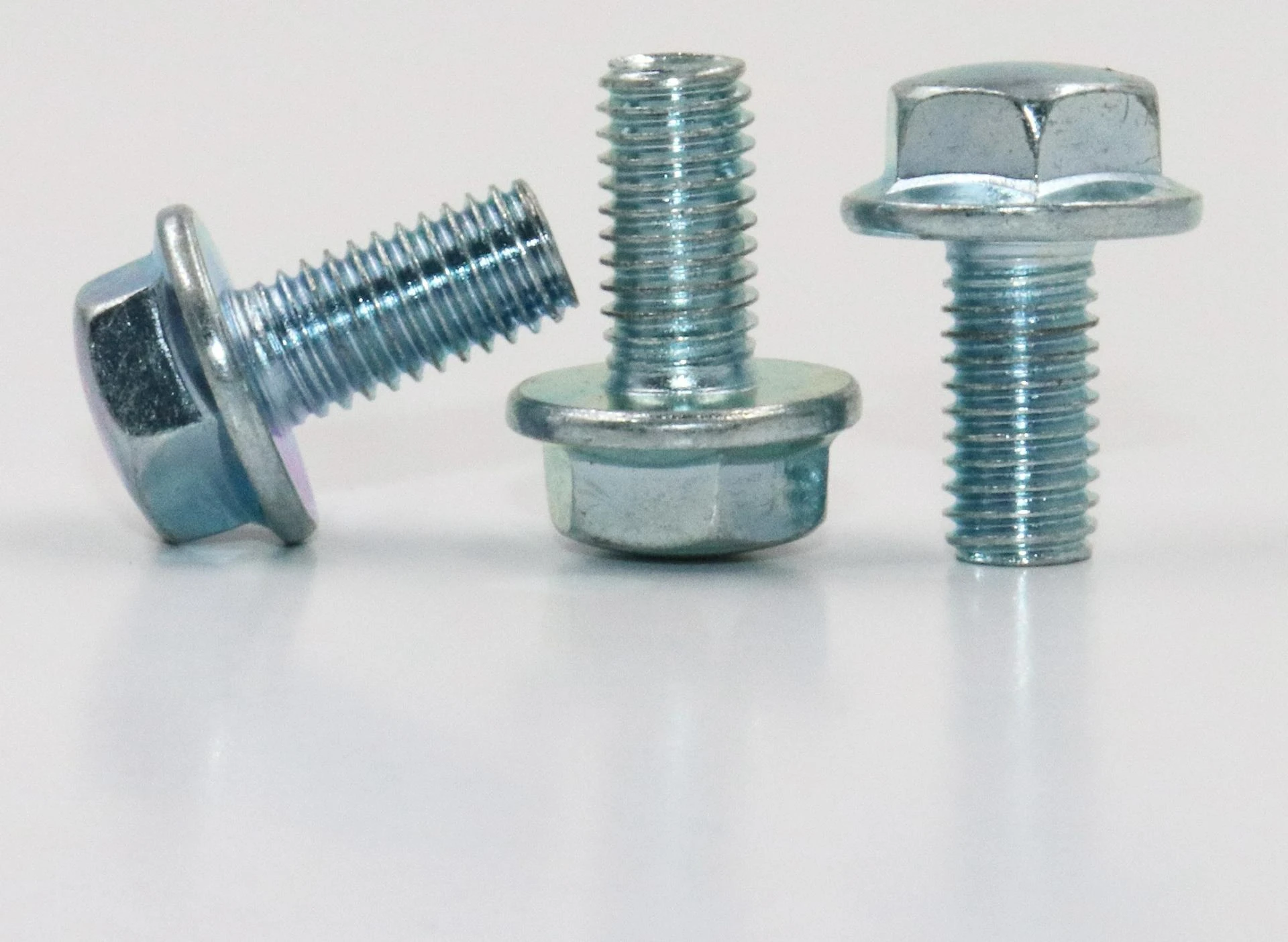
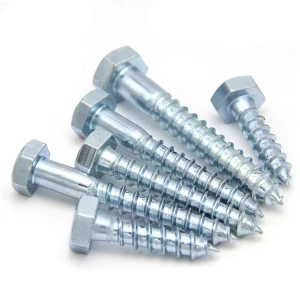
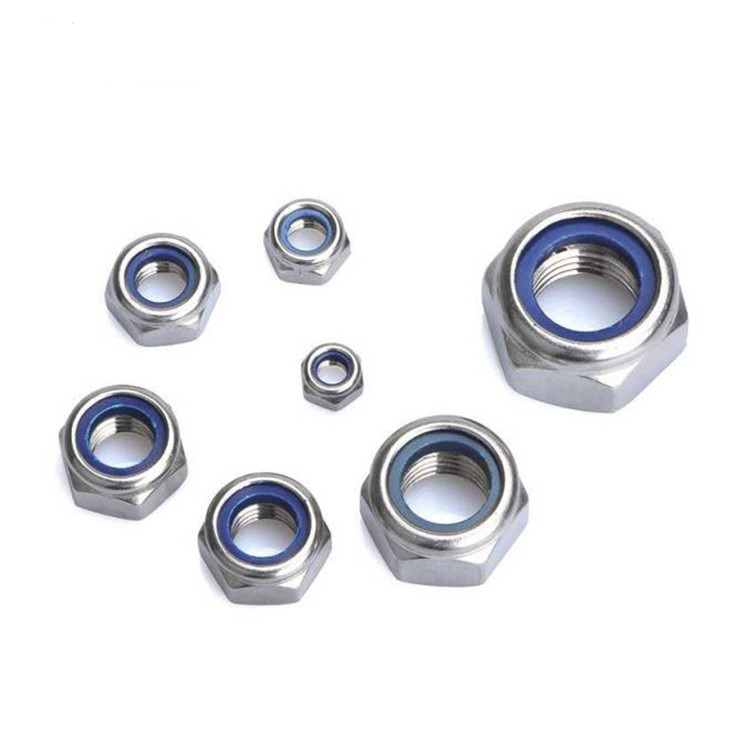
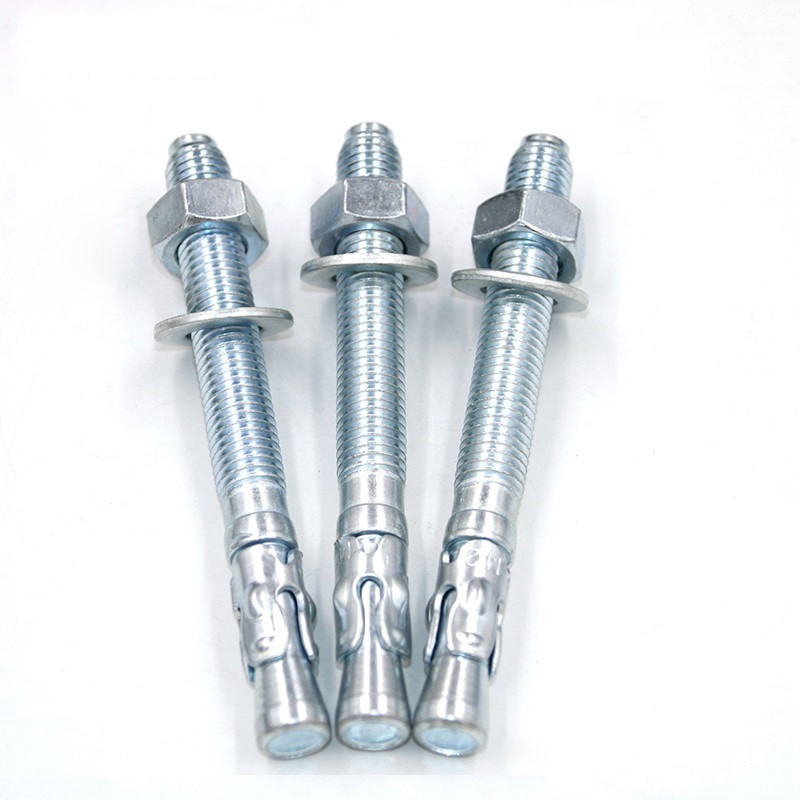
In the demanding landscape of B2B industrial applications, the integrity of fastening solutions is paramount. This article delves into the technical intricacies, application versatility, and crucial advantages of the galvanized hex nut. As a cornerstone in robust construction and corrosive environments, these fasteners, including the widely recognized DIN934 hex nut, offer unparalleled resistance and longevity. We will explore their manufacturing journey, technical specifications, and strategic deployment across various sectors, from petrochemical to renewable energy, ensuring structures stand firm against the test of time and environmental challenges. Understanding the nuances of materials like carbon steel hex nut and surface treatments such as black hex nut or black oxide hex bolts and nuts provides a comprehensive view of fastening solutions.
Manufacturing Process Flow for High-Performance Hex Nuts
The production of a durable and reliable galvanized hex nut is a sophisticated process involving several critical stages, each contributing to its ultimate strength and corrosion resistance. Adherence to international standards like ISO and ANSI is maintained throughout.
1. Raw Material Selection
High-grade carbon steel (e.g., C1008, C1010, C1018, 45# Steel) is precisely selected to meet the mechanical property requirements for nuts, ensuring optimal strength for applications requiring DIN934 standards.
2. Wire Drawing & Cold Forging
The raw steel wire is drawn to the required diameter. Subsequently, cold forging technology is employed to form the hexagonal head and pre-drill the hole, enhancing material density and strength.
3. Threading
Precision threading is applied using specialized machinery, ensuring smooth engagement and optimal fit with corresponding bolts. This stage is critical for achieving the specified DIN934 thread profile.
4. Heat Treatment (Optional)
For nuts requiring higher property classes (e.g., class 8 or 10), heat treatment processes like quenching and tempering are applied to enhance hardness and tensile strength, followed by rigorous testing.
5. Galvanization
The critical galvanization process involves coating the nut with a layer of zinc. Hot-dip galvanizing (HDG) to ASTM A153/ISO 1461 provides a thick, robust, metallurgically bonded coating offering sacrificial protection. Electro-galvanizing (EG) to ASTM B695/ISO 4042 provides a thinner, smoother finish for less severe environments.
6. Quality Control & Testing
Each batch undergoes stringent quality control, including dimensional checks (DIN934 standards), thread gauging, mechanical property tests (proof load, hardness), and coating thickness/adhesion tests for galvanization.
The resulting galvanized hex nut is engineered for a service life often exceeding 50 years in typical atmospheric conditions, demonstrating exceptional corrosion resistance. These fasteners are indispensable in target industries such as petrochemical, metallurgy, water supply & drainage, construction, and renewable energy, where their ability to resist degradation translates directly into energy savings through reduced maintenance and extended structural integrity.
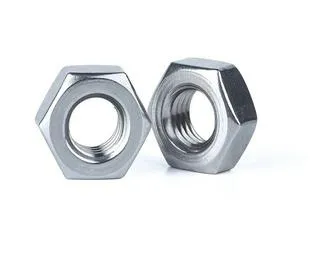
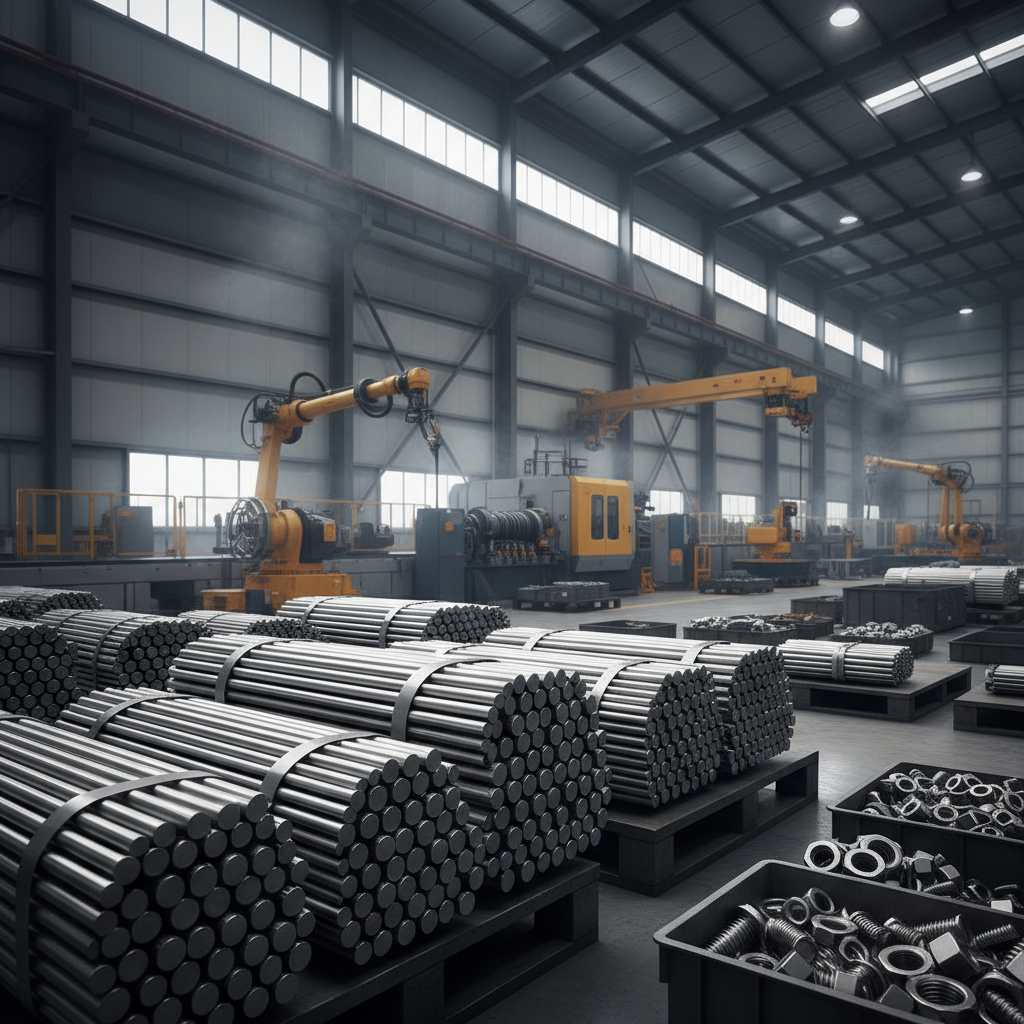
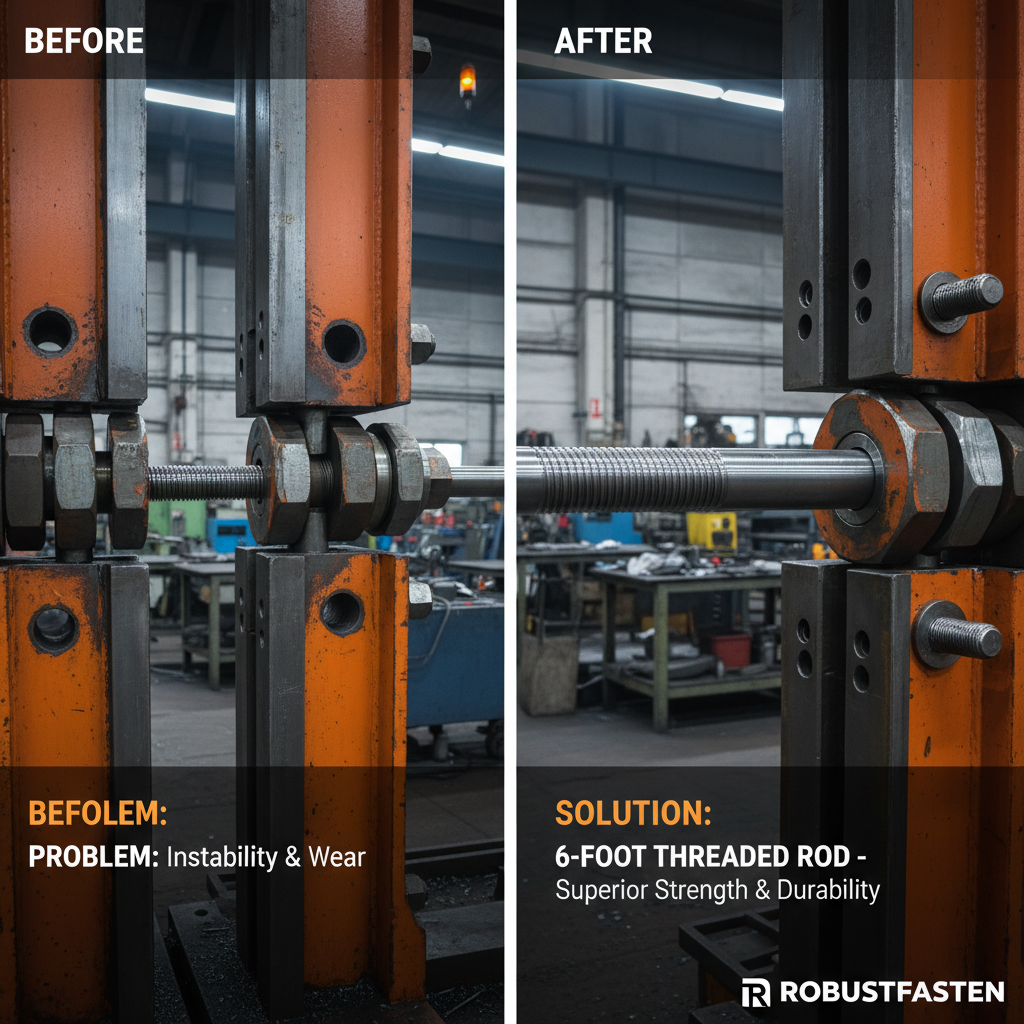
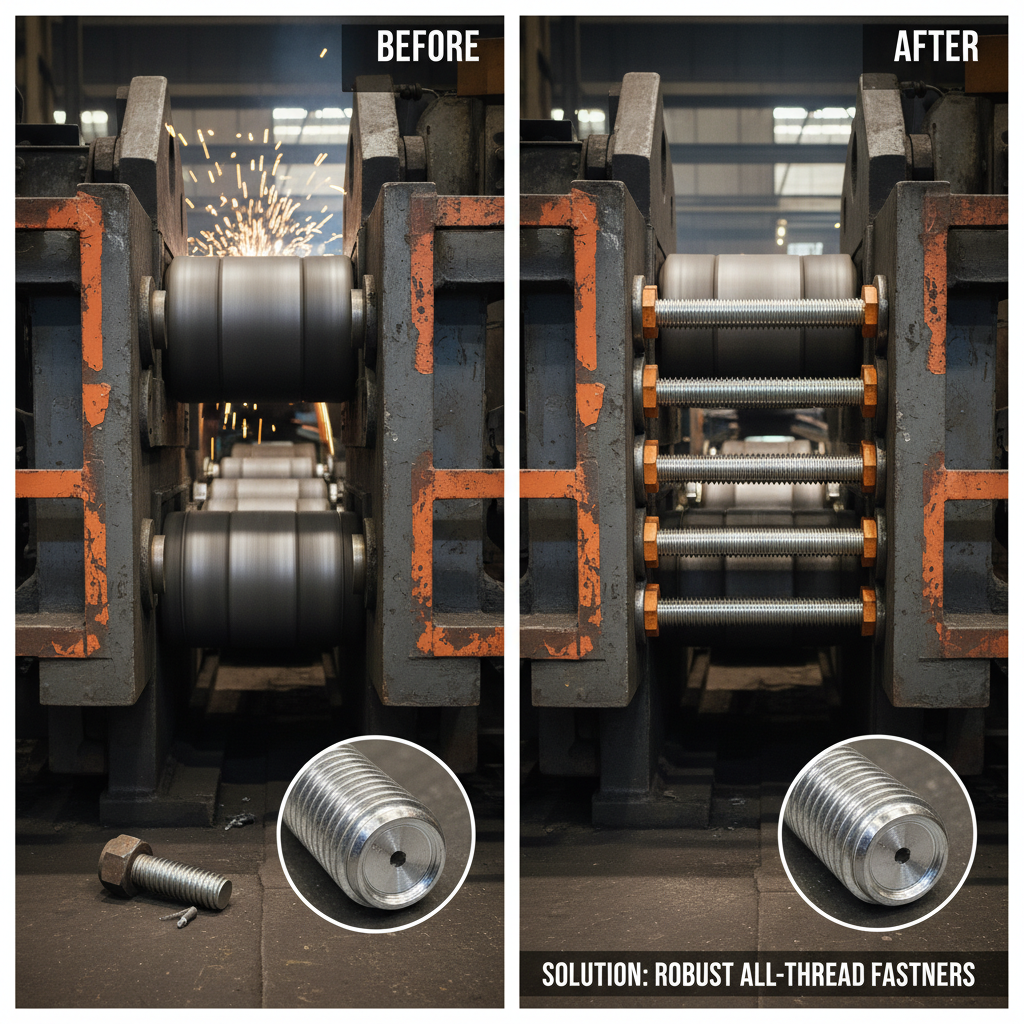
Figure 1: Illustration of typical hex nut manufacturing and galvanization process stages.
Technical Specifications and Data for DIN934 Hex Nuts
Understanding the precise technical parameters is crucial for engineers and procurement specialists when specifying fasteners. The galvanized hex nut, particularly those conforming to DIN934, exhibits specific characteristics designed for high performance.
Standard Specifications for DIN934 Hex Nuts
| Parameter | Specification |
|---|---|
| Standard | DIN934 (ISO 4032, GB/T 6170, ANSI B18.2.2 equivalent) |
| Material | Carbon Steel (e.g., C1008, C1010, C1018, 45# Steel) |
| Property Class | 4, 6, 8, 10, 12 (corresponding to bolt property classes) |
| Surface Treatment | Hot-dip Galvanized (HDG), Electro-Galvanized (EG), Black Oxide, Zinc Plated, Plain |
| Galvanization Standard | HDG: ASTM A153/ISO 1461; EG: ASTM B695/ISO 4042 |
| Coating Thickness (HDG) | Typically 45-85 microns (dependent on fastener size per ASTM A153) |
| Thread Type | Metric Coarse Thread (M), UNC, UNF |
| Size Range | M6 to M64 (and larger upon request) |
| Proof Load (Class 8) | Typically 800 MPa (ISO 898-2) |
| Tensile Strength (Class 8) | Typically 800 MPa (ISO 898-2) |
The selection of a specific property class for a DIN934 hex nut is contingent upon the bolt's property class to ensure proper load distribution and prevent thread stripping. For instance, an 8.8 grade bolt should ideally be paired with a Class 8 nut. The zinc coating, particularly hot-dip galvanization, requires oversized tapping of the nut threads post-galvanizing to accommodate the coating thickness and ensure smooth assembly with galvanized bolts, a critical technical detail often overlooked.
Industry Trends and Application Scenarios
The demand for fasteners that can withstand increasingly aggressive environmental conditions and prolonged operational cycles is shaping current industry trends. Corrosion-resistant solutions, led by the performance of the galvanized hex nut, are at the forefront of this evolution.
Key Industry Trends:
- Infrastructure Resilience: Growing investment in resilient infrastructure (bridges, highways, public utilities) drives demand for fasteners with extended service life and minimal maintenance requirements.
- Renewable Energy Growth: Wind turbines, solar panel arrays, and hydroelectric facilities operate in diverse, often harsh, outdoor environments, necessitating robust corrosion protection.
- Sustainable Engineering: Focus on materials with lower lifecycle environmental impact and longer operational periods, reducing replacement frequency and waste.
- Digitalization in Construction: Integration of advanced design software (BIM) requiring precise material specifications and performance data.
Typical Application Scenarios:
Galvanized hex nuts are critical components across a wide array of sectors due to their superior protective qualities:
- Steel Construction: Used in structural steel connections for buildings, bridges, and architectural frameworks where exposure to atmospheric elements is constant.
- Power Transmission: Essential for assembling power poles, transmission towers, and electrical substations, ensuring stability and safety in outdoor conditions.
- Water and Wastewater Treatment: Fasteners in this sector must resist corrosion from moisture, chemicals, and effluent, making galvanized solutions ideal.
- Marine and Offshore Environments: Critical for dock construction, offshore platforms, and shipbuilding, where salt spray and high humidity are pervasive. While stainless steel is often preferred, galvanized steel offers a cost-effective alternative for certain applications.
- Petrochemical Facilities: Used in piping systems, structural supports, and equipment where chemical resistance and long-term integrity are non-negotiable.
- Automotive (Heavy Duty): Employed in chassis, structural components, and trailer assemblies for heavy vehicles where durability and corrosion resistance are key. In contrast, for aesthetic or specific functional requirements, black hex nut or black oxide hex bolts and nuts might be chosen for interior or less exposed parts.
Technical Advantages of Galvanized Hex Nuts
The adoption of galvanized hex nuts over their plain or plated counterparts is driven by a series of compelling technical advantages that contribute to long-term cost savings and enhanced structural integrity.
Superior Corrosion Resistance:
- Sacrificial Protection: The zinc coating acts as an anode, corroding preferentially to the underlying steel base. This galvanic action protects the steel even if the coating is scratched, a significant advantage over passive barrier coatings.
- Barrier Protection: The dense, non-porous zinc layer physically shields the steel from corrosive elements like moisture, oxygen, and atmospheric pollutants.
- Extended Service Life: Hot-dip galvanized coatings, typically 45-85 microns thick, can provide decades of maintenance-free service in most atmospheric environments, significantly outperforming thinner electro-plated coatings (e.g., zinc-plated).
Durability and Reliability:
- Metallurgical Bond: Hot-dip galvanization creates a metallurgical bond between the zinc and steel, resulting in a coating that is highly resistant to impact and abrasion, unlike painted or mechanically bonded coatings.
- Reduced Maintenance: The extended lifespan and corrosion resistance drastically reduce the need for frequent inspection, repair, and replacement, leading to substantial operational cost savings over the project lifecycle.
- Structural Integrity: By preventing rust and material degradation, galvanized fasteners maintain their mechanical properties and clamping force, ensuring the long-term structural integrity of bolted connections.
Cost-Effectiveness:
- While initial costs may be higher than plain or electro-plated options, the superior longevity and reduced maintenance of galvanized fasteners deliver a significantly lower total cost of ownership (TCO) over the project's lifetime.
Vendor Comparison and Selection Criteria
Selecting the right supplier for critical components like galvanized hex nuts is as important as the product itself. A reliable vendor ensures consistent quality, adherence to specifications, and dependable supply. Here's a framework for vendor evaluation:
Key Vendor Evaluation Parameters:
| Criterion | Description for Reliable Vendor |
|---|---|
| Quality Certifications | ISO 9001 certified, adhering to relevant international standards (DIN, ASTM, ANSI, ISO). Proof of material traceability. |
| Technical Expertise | Ability to provide detailed product data, engineering support, and advice on specific application requirements, including considerations for different surface treatments (e.g., black oxide vs. hot-dip galvanized). |
| Manufacturing Capabilities | Modern production facilities, advanced QC equipment, capacity for high-volume orders, and specialized processes like hot-dip galvanizing. |
| Product Range & Customization | Extensive inventory of standard DIN934 hex nut sizes and materials, plus capacity for customized solutions in terms of size, material (e.g., carbon steel hex nut), and specific coatings. |
| Lead Times & Logistics | Transparent and reliable lead times, efficient logistics, and inventory management for timely delivery. |
| Customer Support & Warranty | Responsive customer service, clear warranty policies, and readily available after-sales support. |
Choosing a vendor that consistently meets these criteria minimizes project risks, ensures compliance, and provides long-term value, especially for large-scale industrial applications where fastener failure can have significant consequences.
Customized Solutions for Unique Project Requirements
While standard DIN934 hex nuts serve a vast range of applications, many B2B projects encounter unique challenges that necessitate customized fastening solutions. Experienced manufacturers understand that off-the-shelf products may not always suffice for highly specialized or extreme operating conditions.
Customization capabilities extend beyond merely adjusting dimensions. It encompasses:
- Specific Material Grades: Beyond standard carbon steel, bespoke solutions might involve specialized alloy steels for enhanced temperature resistance or increased strength.
- Non-Standard Dimensions: Nuts with specific widths across flats, thicknesses, or thread pitches that deviate from DIN934 or other common standards.
- Advanced Surface Treatments: While hot-dip galvanizing offers excellent protection, projects might demand duplex coatings (galvanizing plus paint), specialized polymer coatings, or even electroless nickel plating for particular chemical resistance or wear properties. For aesthetic or specific low-reflection needs, customized black hex nut finishes can be developed.
- Specialized Thread Forms: Custom thread designs for unique engagement requirements or to accommodate specific bolt types, like those found in black oxide hex bolts and nuts assemblies.
- Performance Optimization: Nuts designed for specific torque-tension relationships, enhanced vibration resistance, or specialized locking features.
Partnering with a manufacturer capable of engineering and producing these tailored solutions ensures optimal performance, compliance with stringent project specifications, and ultimately, greater long-term reliability for complex industrial installations.
Application Case Studies
Case Study 1: Coastal Bridge Construction
Challenge: A major infrastructure project involved the construction of a new bridge connecting two coastal regions. The fasteners used in the steel superstructure would be constantly exposed to a highly corrosive marine environment, including salt spray, high humidity, and fluctuating temperatures. Standard zinc-plated or plain carbon steel fasteners would rapidly degrade, compromising structural integrity and requiring costly, frequent maintenance.
Solution: High-strength carbon steel galvanized hex nuts (DIN934, Class 8) were specified for all critical structural connections. The hot-dip galvanization (HDG) process provided a thick, durable zinc coating adhering to ASTM A153, offering superior sacrificial and barrier protection against the aggressive coastal conditions. Oversized tapped nuts ensured proper fit with galvanized bolts.
Result: After five years in service, regular inspections revealed minimal corrosion on the galvanized fasteners. The bridge maintains its structural integrity with significantly lower maintenance costs than initially projected for non-galvanized alternatives. The estimated service life of the fasteners in this challenging environment is extended by several decades, ensuring long-term safety and operational efficiency.
Case Study 2: Water Treatment Plant Expansion
Challenge: An expansion of a municipal wastewater treatment plant required thousands of fasteners for various tanks, piping systems, and support structures. These components would be subjected to continuous moisture, chlorinated water, and various treatment chemicals. Fastener reliability was paramount to prevent leaks, structural failures, and ensure uninterrupted plant operation.
Solution: For the majority of structural and non-immersed connections, hot-dip galvanized DIN934 hex nuts, along with corresponding galvanized bolts, were selected. For areas with less severe, indoor exposure, electro-galvanized carbon steel hex nuts offered adequate protection with a cleaner finish, reducing costs where HDG was over-engineered. Rigorous material testing and certification were provided to ensure compliance with water utility standards.
Result: The combination of HDG and EG galvanized fasteners effectively mitigated corrosion risks across the plant. The fasteners exhibited excellent performance, demonstrating robust resistance to the plant’s operational environment. This strategic selection minimized the need for premature replacements and contributed to the plant's operational uptime and safety record. The successful deployment underscored the versatility and reliability of galvanized nuts in demanding industrial settings.
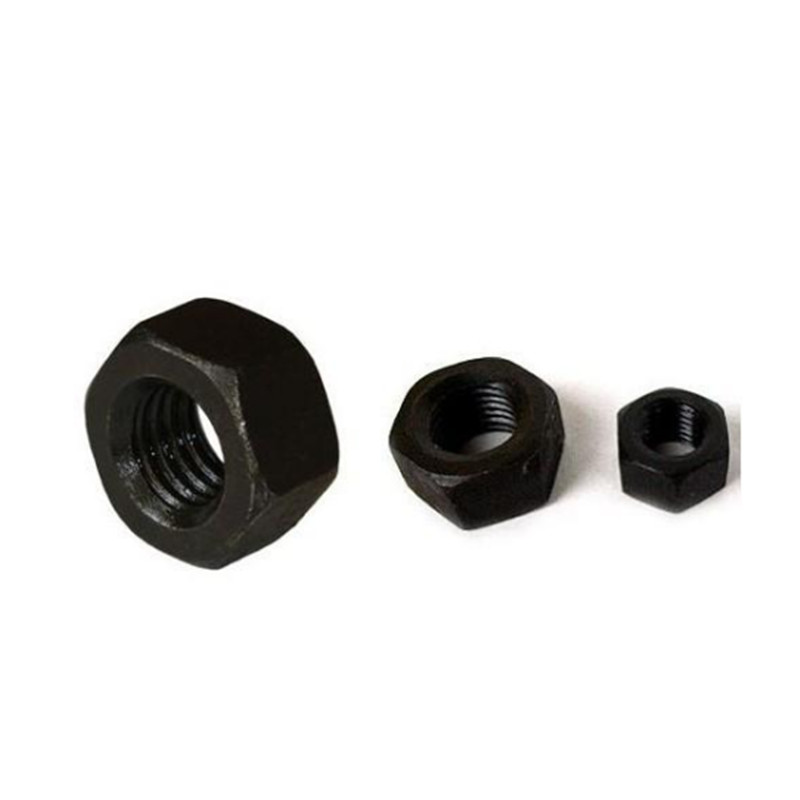
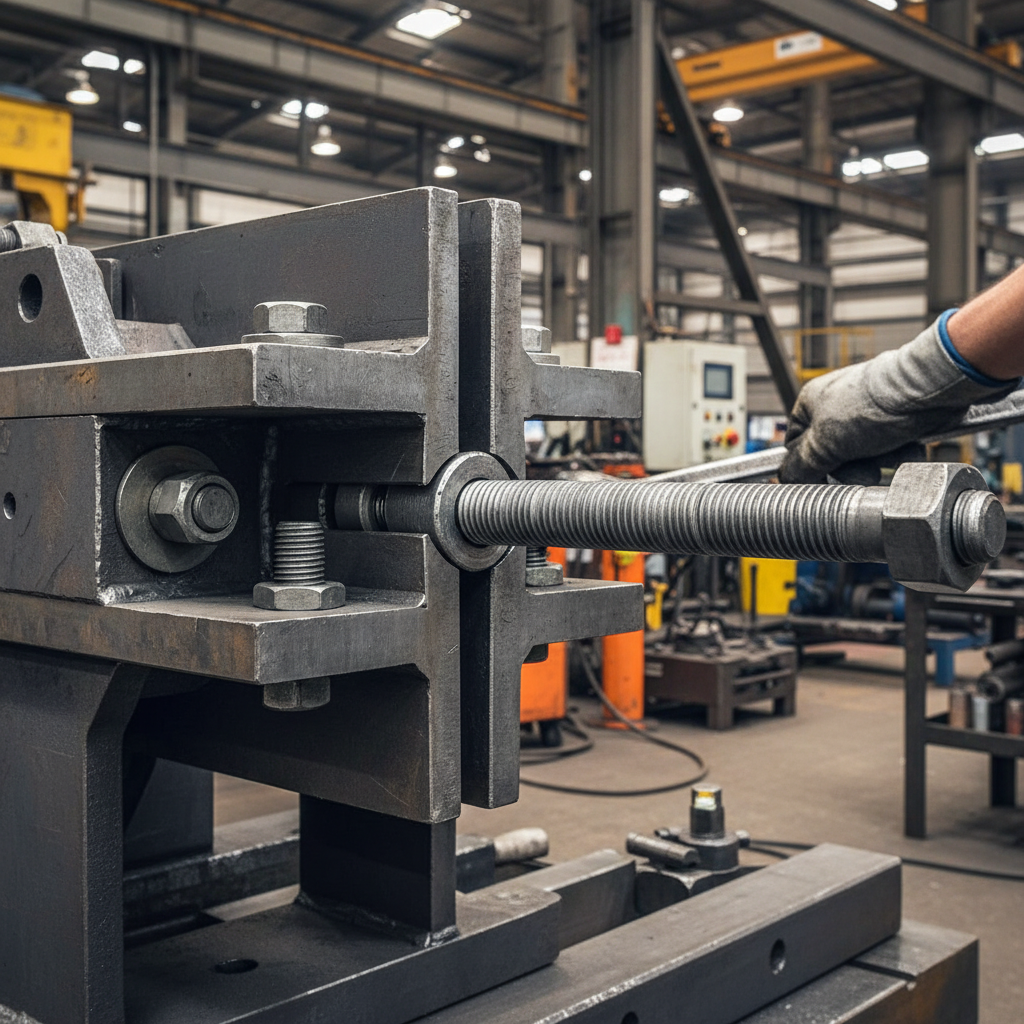
Figure 2: Galvanized hex nuts securing critical components in an industrial facility.
Authoritativeness and Trustworthiness: Our Commitment
Our dedication to providing high-quality fastening solutions is underpinned by stringent adherence to international standards, comprehensive certifications, and an unwavering focus on customer satisfaction.
Certifications and Compliance:
- ISO 9001 Certified: Our manufacturing processes and quality management systems are certified to ISO 9001, ensuring consistent quality and continuous improvement.
- International Standards: All products, including DIN934 hex nuts, strictly comply with relevant global standards such as ISO, DIN, ASTM, and ANSI, guaranteeing interoperability and performance.
- Material Traceability: We maintain full traceability of raw materials and production batches, providing material test certificates (MTCs) upon request for complete transparency.
Customer Support and Logistics:
- Technical Assistance: Our team of experienced engineers and technical specialists is available to provide expert advice, assist with product selection, and resolve technical queries.
- Lead Time & Fulfillment: We maintain efficient production schedules and robust inventory management to ensure competitive lead times. For standard DIN934 hex nut orders, typical lead times range from 3-5 weeks, with expedited options available for urgent requirements. Large or custom orders will have lead times quoted on a project-specific basis.
- Warranty Commitments: All our products are backed by a comprehensive warranty, guaranteeing against manufacturing defects and material failures under normal operating conditions. Details are available upon request.
- Global Logistics: With established logistics networks, we ensure timely and secure delivery of products worldwide, adhering to international shipping regulations.
Frequently Asked Questions (FAQ) about Galvanized Hex Nuts:
Q1: What is the primary difference between hot-dip galvanized (HDG) and electro-galvanized (EG) hex nuts?
A1: HDG involves dipping fasteners into molten zinc, creating a thick (45-85 microns) metallurgically bonded coating with superior corrosion resistance, ideal for harsh outdoor environments. EG uses an electrolytic process, resulting in a thinner (5-25 microns), smoother coating, often preferred for aesthetics or less aggressive indoor conditions. HDG requires oversized tapping for the nut threads post-galvanizing to accommodate the coating thickness.
Q2: How does a galvanized hex nut compare in strength to a black oxide hex nut?
A2: The galvanization process primarily affects the surface protection, not the inherent mechanical strength of the base material. A galvanized hex nut and a black oxide hex nut made from the same property class (e.g., carbon steel Class 8) will have comparable mechanical strengths. The difference lies in their corrosion resistance and appearance; black oxide provides minimal corrosion protection and is often chosen for aesthetics or to prevent light reflection.
Q3: Can galvanized nuts be used with stainless steel bolts?
A3: It is generally recommended to avoid mixing galvanized and stainless steel fasteners due to the risk of galvanic corrosion. Stainless steel is noble, and zinc is active; in the presence of an electrolyte (moisture), the zinc coating will corrode rapidly to protect the stainless steel, leading to premature failure of the galvanized component.
Q4: What is the expected service life of a hot-dip galvanized hex nut?
A4: In typical atmospheric environments (e.g., rural, suburban), hot-dip galvanized coatings often provide 50-70+ years of protection. In more aggressive industrial or marine environments, the service life might be 20-40 years, depending on coating thickness and specific conditions. Regular inspection is recommended for critical applications.
References
- ASTM International. ASTM A153/A153M - Standard Specification for Zinc Coating (Hot-Dip) on Iron and Steel Hardware.
- International Organization for Standardization (ISO). ISO 898-2: Mechanical properties of fasteners made of carbon steel and alloy steel - Part 2: Nuts with specified proof load values - Coarse thread and fine pitch thread.
- International Organization for Standardization (ISO). ISO 1461: Hot-dip galvanized coatings on fabricated iron and steel articles - Specifications and test methods.
- NACE International. Standard Practice SP0169: Control of External Corrosion on Underground or Submerged Metallic Piping Systems.
- DIN Deutsches Institut für Normung e. V. DIN 934: Hexagon nuts with metric coarse and fine pitch thread - Product grades A and B.
Post time: Sep . 12, 2025 11:40


 English
  Albanian
  Arabic
  Armenian
  Azerbaijani
  Belarusian
  Bosnian
  Bulgarian
  Cebuano
  Corsican
  Czech
Czech  Galician
  Georgian
  Greek
Greek  Hausa
Hausa  Hebrew
  Hungarian
  Igbo
Igbo  Indonesian
  Italian
  Kazakh
  Khmer
Khmer  Korean
  Kurdish
  Kyrgyz
  Lao
Lao  Latin
Latin  Latvian
  Lithuanian
  Malay
Malay  Myanmar
  Nepali
  Polish
  Portuguese
  Russian
  Serbian
  Sesotho
  Shona
Shona  Sindhi
  Spanish
  Tagalog
  Tajik
Tajik  Thai
Thai  Turkish
  Turkmen
  Ukrainian
  Uzbek
Uzbek  Vietnamese
  Yoruba
  Zulu
Zulu