
The Unsung Hero of Fasteners: Understanding the M6 Threaded Bar
At first glance, the humble m6 threaded bar might not seem like the star of the industrial world. But if you pause and think about it, this tiny steel rod with its precise threading is a linchpin in countless applications that power our infrastructure, manufacturing, and even humanitarian projects worldwide. Whether in skyscrapers or small-scale machinery, the role of these bars is critical. Understanding them is not just for engineers—it’s insight into how things stay solid, safe, and functional on a global scale.
Why the M6 Threaded Bar Matters Globally
Fastening components worldwide form a multi-billion dollar industry, underpinning construction, transportation, and energy sectors. According to ISO standards, thread size and pitch uniformity ensure compatibility and safety across borders. The m6 threaded bar—6mm diameter with metric threading—is among the most widely specified sizes for medium-duty loads, especially in Europe and Asia. In fact, fasteners and threaded bars represent a foundational engineering element in projects adhering to international quality benchmarks.
Yet, it all boils down to trust: trust that your scaffolding won’t collapse during a breeze, or that an industrial frame will bear stress without failure. That’s what an m6 threaded bar ensures. Oddly enough, despite its seemingly small role, it’s at the frontier of challenges like sustainability and cost-efficiency, because raw materials and durability tightly affect a project's footprint.
Mini takeaway: The m6 threaded bar quietly enforces safety and interoperability standards globally, making it indispensable yet often overlooked.
What Exactly Is an M6 Threaded Bar?
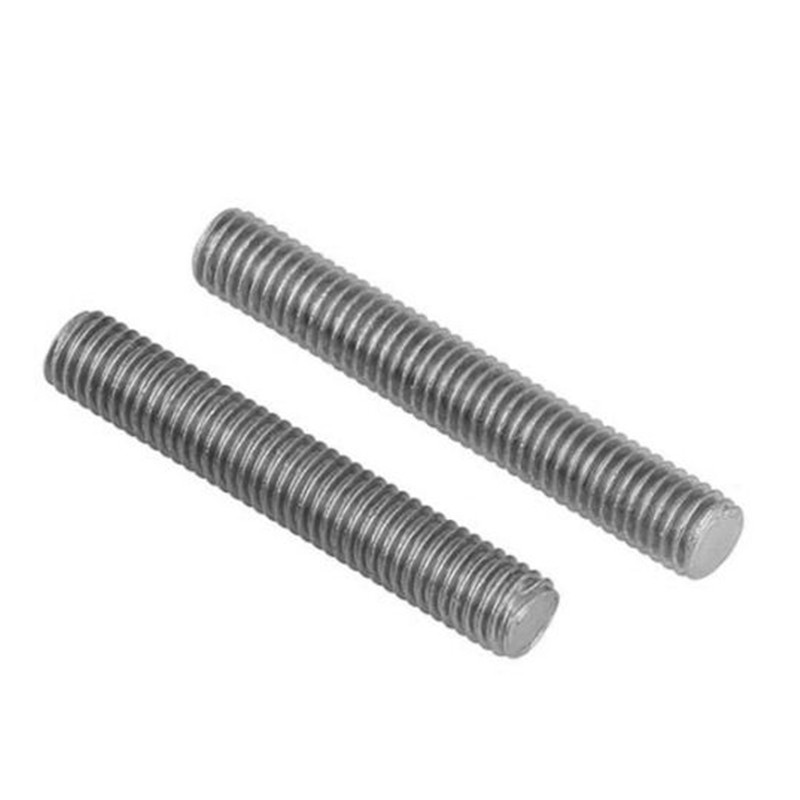
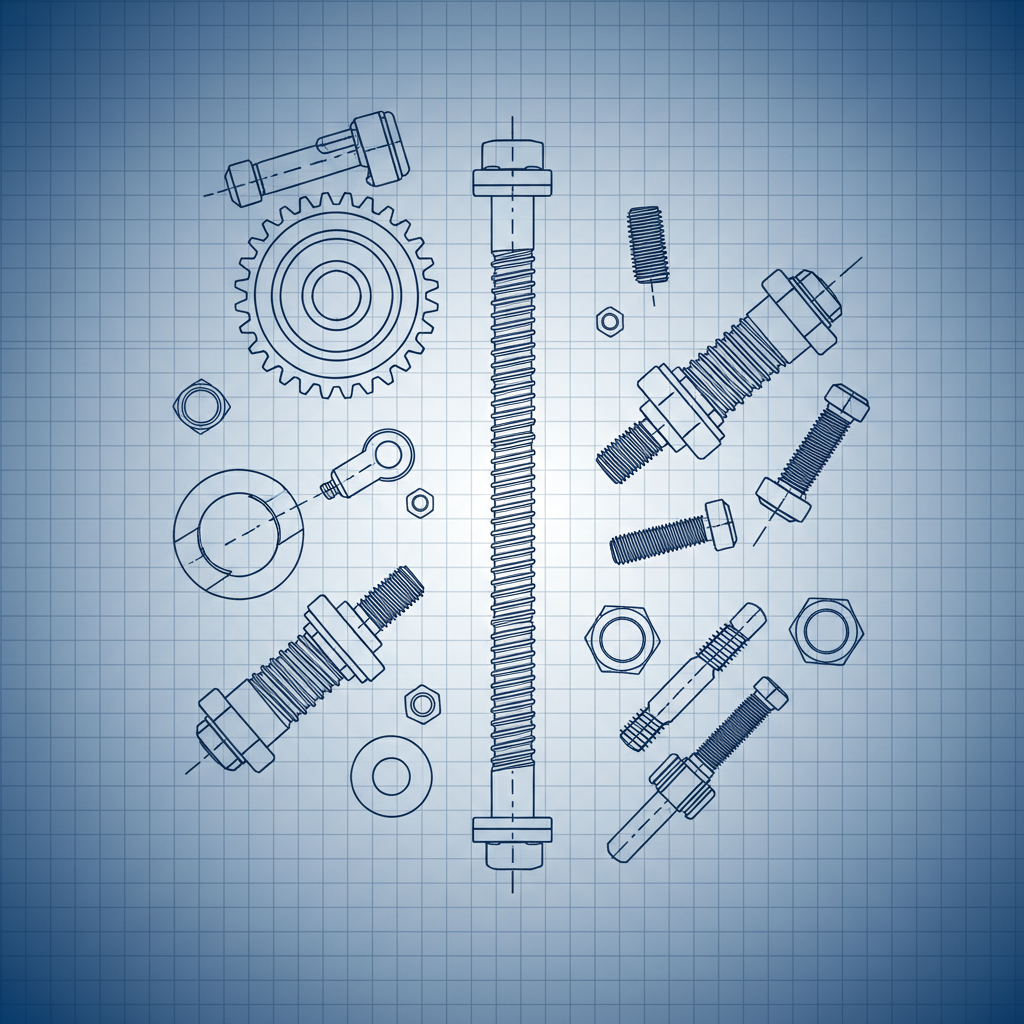
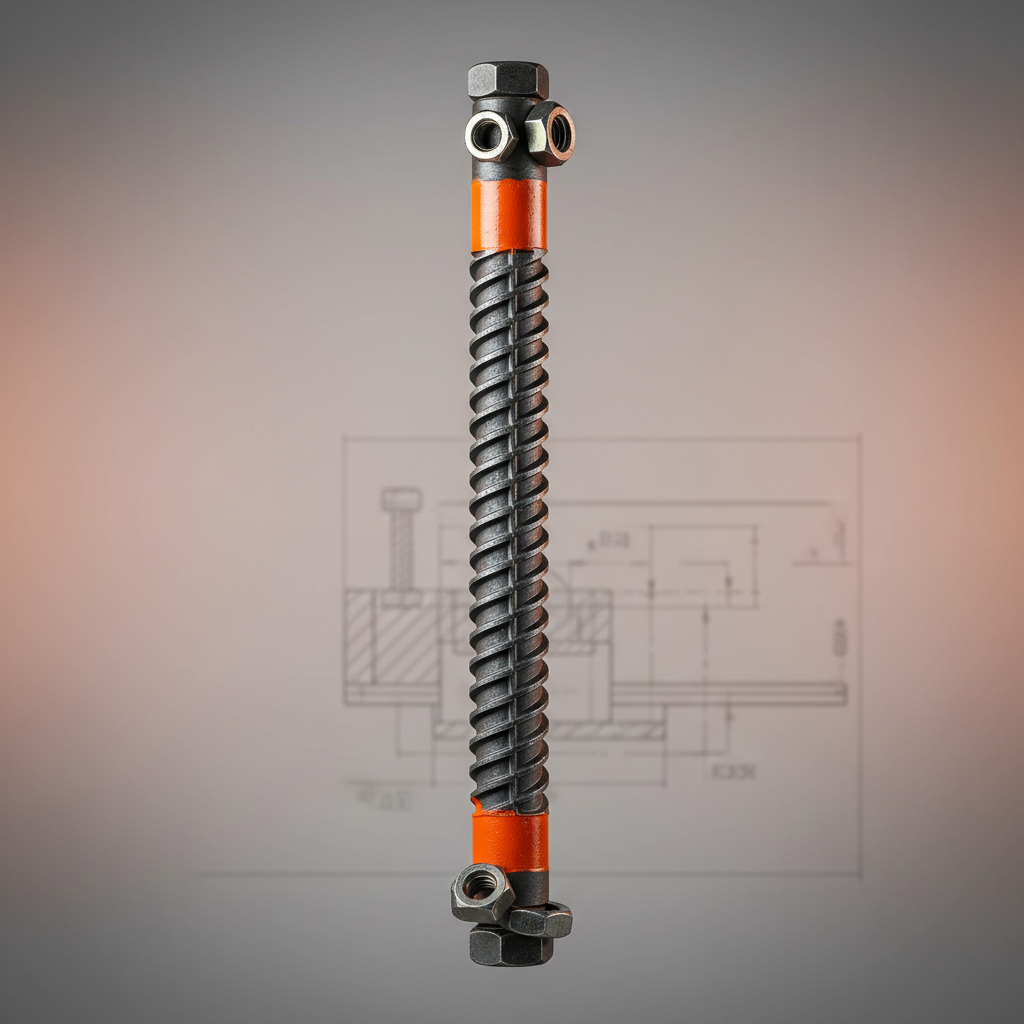
Simply put, an m6 threaded bar is a steel rod that has threads cut or rolled along its length with a nominal diameter of 6 millimeters and a standard thread pitch. Think of it as a long screw without a head—designed to be cut to length and used with nuts and washers to fasten components together.
Its neat, machine-precision threading and sturdy composition make it the go-to choice when a secure, adjustable clamping mechanism is needed. This isn’t just industrial jargon. Its applications reach modern humanitarian logistics where modular shelters or equipment frames need sturdiness and quick assembly, especially in disaster relief or remote installations.
Key Factors That Define M6 Threaded Bars
1. Durability and Material Grade
These bars usually come in grades like stainless steel (A2, A4), carbon steel (4.6, 8.8 grades), or even alloy steel, each with distinct properties. Durability determines suitability for corrosive environments or heavy load scenarios. For example, A4 stainless steel is often preferred in marine or chemical plants due to corrosion resistance.
2. Threading Type and Precision
Most m6 threaded bars have standard metric threads (M6 x 1.0), but fine thread variants exist. Precision in threading affects how snugly components fit together, and this can influence vibration resistance or ease of assembly—a big deal in transportation or mechanical engineering.
3. Length and Scalability
The length of an m6 threaded bar is typically cut-to-order, anywhere from a few centimeters to several meters. Scalability means engineers can customize assemblies or frameworks, adapting to different industrial needs without retooling entire systems.
4. Cost Efficiency and Availability
Thanks to mass production in multiple countries, m6 threaded bars are quite affordable. However, differences in material sourcing, local tariffs, and production standards can affect pricing and availability, which is important for large projects aiming to manage budgets tightly.
5. Compliance and Safety Standards
ISO 898 and related standards regulate mechanical properties and testing, ensuring users get reliable, tested products. Compliance is not optional because failure can lead to catastrophic consequences in critical builds.
Mini takeaway: The m6 threaded bar’s core characteristics—material quality, threading, length, and compliance—make it versatile yet dependable for thousands of applications worldwide.
Product Specifications: A Typical M6 Threaded Bar
| Specification | Typical Values |
|---|---|
| Diameter | 6 mm |
| Thread Pitch | 1.0 mm (standard) |
| Material Grade | A2 Stainless Steel (304) or Grade 8.8 Carbon Steel |
| Length | Customizable, typically 100 mm - 2000 mm |
| Tensile Strength | ~800 MPa (grade 8.8 carbon steel) |
| Corrosion Resistance | High for stainless steel grades, moderate for carbon steel |
Global Applications and Use Cases of M6 Threaded Bars
From Asia's gigantic infrastructure expansions to Europe’s precision manufacturing lines, the m6 threaded bar shows up nearly everywhere:
- Construction & Scaffolding: Engineers rely on m6 bars for fastening scaffolding frames, modular building supports, and concrete formwork, especially during rapid urban development in cities like Shanghai or Berlin.
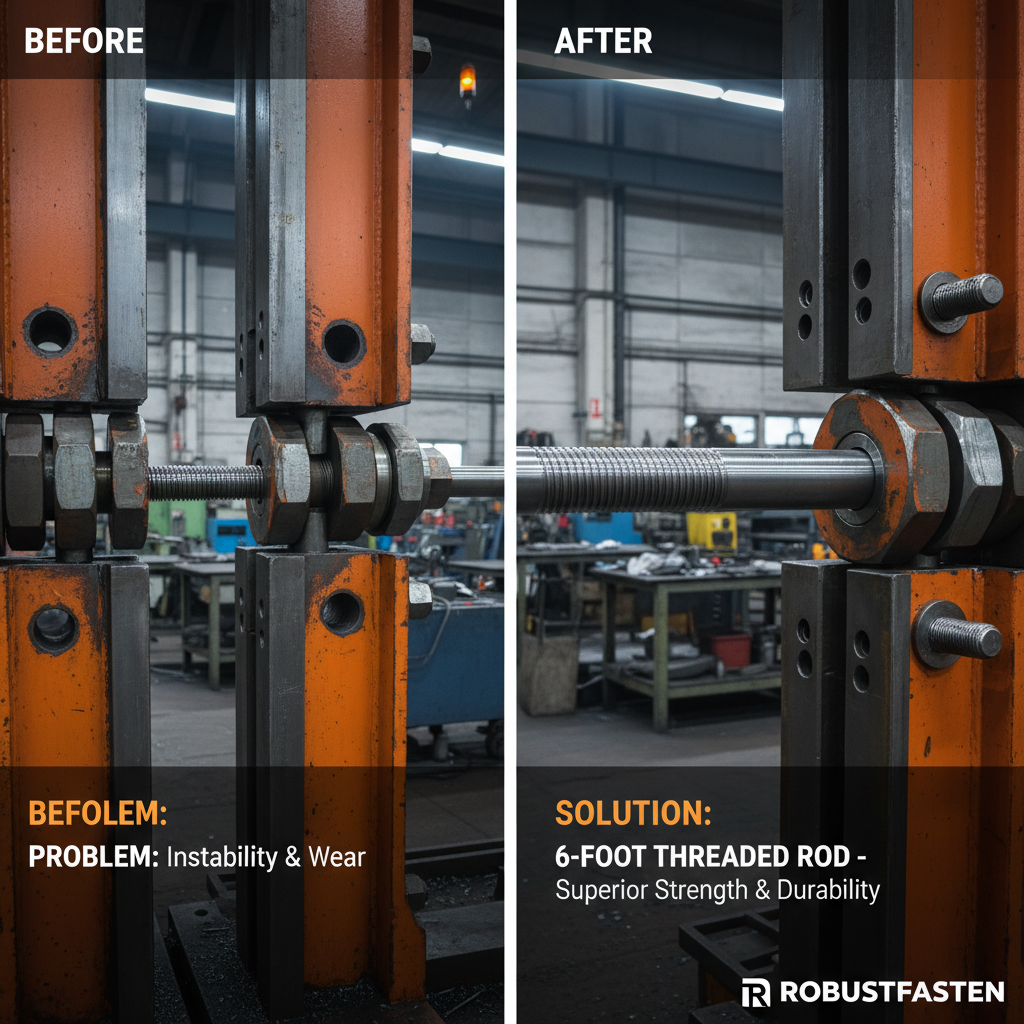
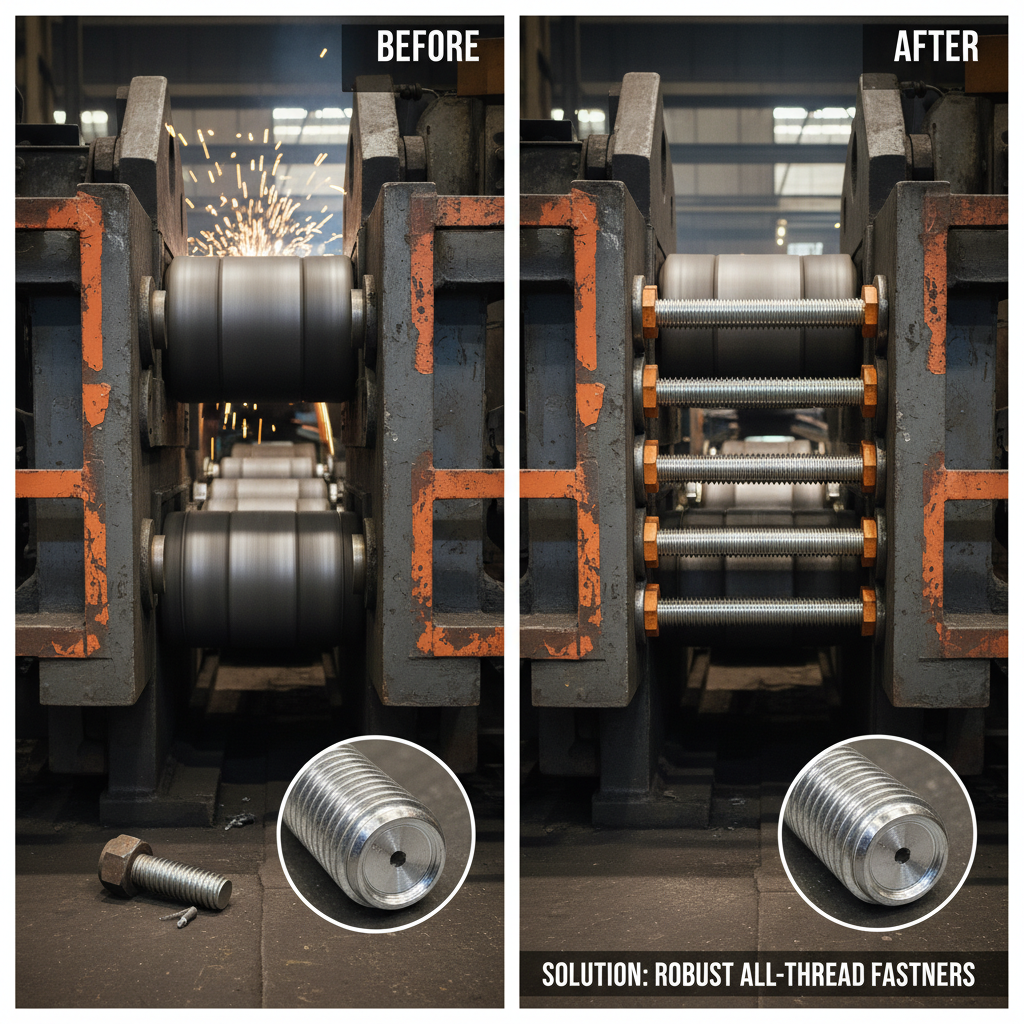
- Industrial Machinery: Equipment frameworks or adjustable fixtures in factories use these bars to maintain structural integrity under vibration and stress.
- Renewable Energy Projects: Wind turbine assemblies or solar panel mounts sometimes incorporate highly corrosion-resistant m6 stainless bars, especially offshore.
- Disaster Relief & Modular Housing: In post-disaster zones, NGOs use modular structures needing durable, lightweight fasteners — the m6 threaded bar fits these criteria, allowing quick assembly under difficult conditions.
One fascinating example is a recent project in Southeast Asia where modular classrooms were installed in rural areas using m6 threaded bars for frame assembly—easy to ship, assemble, and maintain.
Mini takeaway: The m6 threaded bar’s adaptability lends itself well across continents and industries, from high-tech to humanitarian arenas.
Advantages and Long-Term Value of Choosing M6 Threaded Bars
Choosing m6 threaded bars isn’t always a flashy decision, but it pays off in:
- Cost-Effectiveness: Small size and wide availability mean reasonable prices, even when buying in bulk for massive projects.
- Sustainability: Stainless steel variants offer recyclability. Also, longer product lifespans reduce replacements and waste.
- Trust & Safety: Meeting ISO standards offers peace of mind in structural safety.
- Innovation: Compact, customizable lengths allow creative structural designs without compromising strength.
The emotional angle here is subtle but real: confidence in your build’s safety and lasting reliability that you don’t often pause to appreciate once it’s there.
Vendor Comparison: Sourcing Your M6 Threaded Bars
| Vendor | Material Options | Custom Lengths | Price per Unit (USD) | Lead Time |
|---|---|---|---|---|
| HB Threaded Solutions | A2/A4 SS, Carbon Steel | Yes, 100-2000mm | $0.45 | 5-7 days |
| Fastener Co. Ltd. | Carbon Steel only | Standard lengths only | $0.35 | 10-14 days |
| Global Thread Bar | A2 SS, Carbon Steel, Alloy | Custom on request | $0.55 | 7-10 days |
What’s Next? Future Trends in M6 Threaded Bar Manufacturing
Material science is pushing the boundaries with newer alloys that offer higher tensile strength and corrosion resistance with less weight. Add to that, efforts to make manufacturing greener by reducing carbon footprints during production—some vendors are adopting electric induction heating and closed-loop water use.
There’s also increasing incorporation of digital tracking and batch verification, aligning with Industry 4.0, so every bar can be traced from raw material to final destination, which matters in safety-critical industries like aerospace or nuclear.
Automation in cutting and threading means faster, more accurate customization for clients—a boon for on-demand projects or emergency response teams who can’t wait weeks. I suspect in a few years, ordering m6 threaded bars might be as simple as specifying specs on a website and getting them flown out overnight.
Challenges & Smart Workarounds
One issue is corrosion in harsh environments, which risks failure over time. The solution often gravitates to stainless steel, but that bumps cost. Sometimes protective coatings or galvanizing come into play, but they add complexity. Supply chain delays can also strain global projects, so keeping local stockpiles of versatile sizes like m6 bars is smart.
Another challenge is thread quality variability between suppliers, which affects assembly. Industry associations suggest tighter audits and supplier certifications—something you might want to check with your vendor.
FAQ: Frequently Asked Questions About M6 Threaded Bars
Q1. What is the difference between an M6 threaded bar and a standard M6 bolt?
A1. The main difference is the absence of a head in a threaded bar. While a standard M6 bolt has a head designed for tools to grip, an m6 threaded bar is fully threaded along its length and is cut to size. It’s used when adjustable length fastening or joining two points with nuts is needed.
Q2. Can m6 threaded bars be used outdoors?
A2. Yes, but it depends on the material. Stainless steel grades such as A2 or A4 are recommended for outdoor use due to their corrosion resistance. Regular carbon steel bars may rust unless coated or galvanized.
Q3. How do I choose the right grade of m6 threaded bar for my project?
A3. Consider environmental exposure and required strength. For indoor, low-stress applications, carbon steel may suffice. For corrosive or heavy-load environments, opt for higher-grade stainless steel or alloy bars compliant with ISO standards.
Q4. Is customization of length available?
A4. Yes, most reputable suppliers, like m6 threaded bar specialists, offer custom cut lengths to fit your exact needs, saving both material waste and installation time.
Q5. Where can I find reliable suppliers of m6 threaded bars?
A5. It’s best to consult certified vendors like those highlighted above or visit trusted platforms such as https://www.hbtbls.com for detailed information and sourcing options.
In Conclusion: Why M6 Threaded Bars Keep the World Together
Whether part of a massive skyscraper or a tiny piece of modular relief housing, the m6 threaded bar exemplifies how small components yet play outsized roles in our modern infrastructure’s strength and flexibility. With ongoing innovations, improved sustainability, and widespread availability, understanding this unassuming fastener is more relevant than ever.
Want to explore reliable, high-quality m6 threaded bars for your next project? Visit our website: https://www.hbtbls.com to discover a range of product options crafted for performance and reliability.
References
Post time: Nov . 28, 2025 16:55


 English
  Albanian
  Arabic
  Armenian
  Azerbaijani
  Belarusian
  Bosnian
  Bulgarian
  Cebuano
  Corsican
  Czech
Czech  Galician
  Georgian
  Greek
Greek  Hausa
Hausa  Hebrew
  Hungarian
  Igbo
Igbo  Indonesian
  Italian
  Kazakh
  Khmer
Khmer  Korean
  Kurdish
  Kyrgyz
  Lao
Lao  Latin
Latin  Latvian
  Lithuanian
  Malay
Malay  Myanmar
  Nepali
  Polish
  Portuguese
  Russian
  Serbian
  Sesotho
  Shona
Shona  Sindhi
  Spanish
  Tagalog
  Tajik
Tajik  Thai
Thai  Turkish
  Turkmen
  Ukrainian
  Uzbek
Uzbek  Vietnamese
  Yoruba
  Zulu
Zulu