
Understanding the 3mm Threaded Rod: Small Component, Big Impact
It’s funny how something as slender as a 3mm threaded rod holds immense value across industries worldwide. This little steel or alloy bar, threaded along its length, is a staple in construction, manufacturing, and even humanitarian projects. Despite its modest diameter, understanding what a 3mm threaded rod is, and how it’s used, casts light on much broader themes – from infrastructure resilience in developing regions to precision manufacturing in advanced industries.
Globally, this tiny but crucial component often gets overlooked, yet it carries the weight of towering machinery, stabilizes critical structures, and even supports relief shelters in disaster-hit zones. Whether you're an engineer, a buyer, or simply curious, grasping its advantages offers insight into reliability, cost-effectiveness, and scalability on an industrial scale.
So let's thread through the essentials...
Why the 3mm Threaded Rod Matters Globally
Start with a quick reality check: the International Organization for Standardization (ISO) estimates that standardized components like threaded rods decrease manufacturing waste and improve supply chain efficiency. And the tight tolerances in a 3mm rod aren’t trivial – they’re essential in everything from electronics assembly to light infrastructure.
According to the World Bank, nearly 1.5 billion people globally live in substandard housing, where modular fasteners like threaded rods play a key role in quick, durable construction (think emergency shelters or prefab homes). Yet, challenges like inconsistent material quality and procurement logistics still derail many efforts.
The 3mm diameter size is especially significant because it strikes a balance between tensile strength and design versatility. Too thick, and you’re over-engineering; too thin, and structural integrity suffers. This is the needle threading industry innovation and practical application together.
Mini takeaway:
- The 3mm threaded rod is a globally relevant industrial component with critical roles in construction and manufacturing.
- Standardization improves sustainability and efficiency tied directly to this simple, yet vital, part.
What Exactly Is a 3mm Threaded Rod?
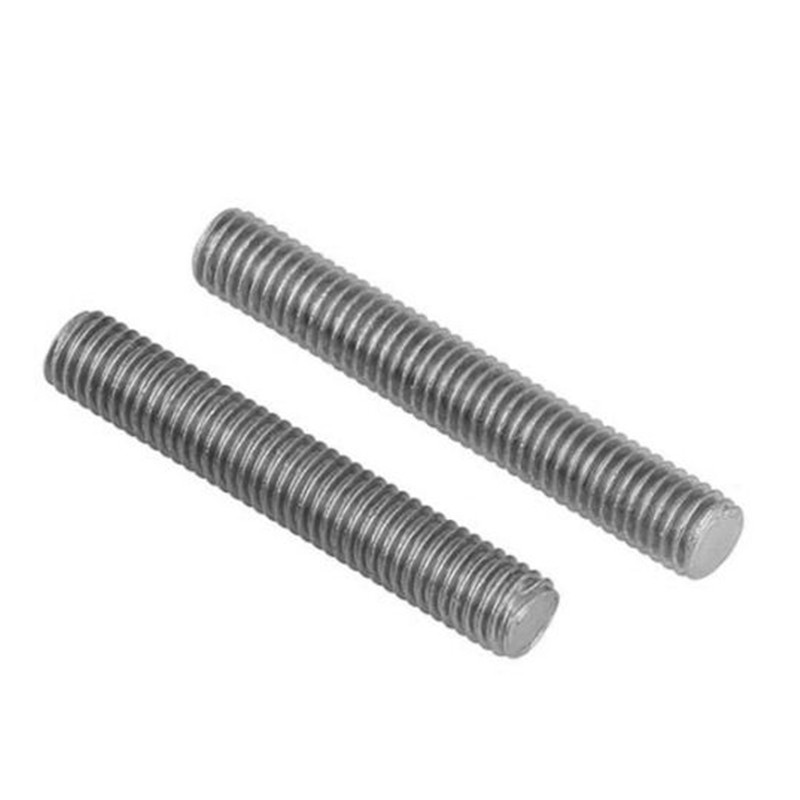
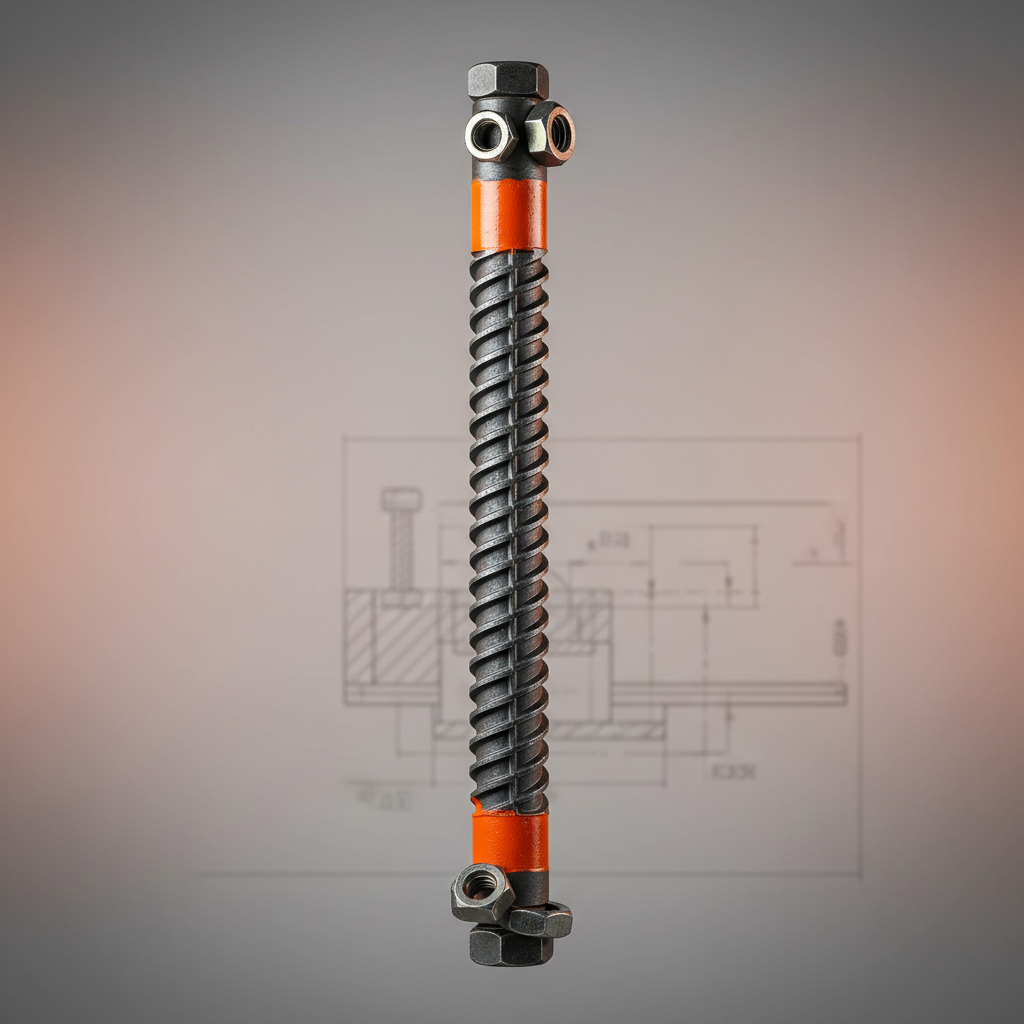
Simply put, a 3mm threaded rod is a slender, cylindrical bar that's fully or partially covered with helical ridges – called threads – designed to accept nuts, bolts, or other fasteners. The "3mm" describes its nominal diameter, making it one of the thinner rods commonly available.
This tiny size caters not just to lightweight structural elements but also precision mechanisms, like in aircraft assembly or electronics, where every gram and millimeter counts.
Its connection to modern industry is quite profound: the reliability and uniformity of such rods underpin modular assembly lines, making mass production smoother. And in humanitarian contexts, they allow for fast, stable builds in temporary infrastructure while utilizing less material, which is key where shipping costs and environmental footprints matter.
Mini takeaway:
- 3mm threaded rods provide precise fastening with balanced strength and size.
- They bridge high-tech precision and practical, scalable construction needs.
Key Factors Influencing the Performance of 3mm Threaded Rods
1. Material Durability
Most 3mm threaded rods come in stainless steel, carbon steel, or brass, each tailored to their environment. Stainless steel suits corrosive or outdoor applications — imagine coastal infrastructure. Meanwhile, carbon steel covers general-purpose needs but often requires protective coatings. Durability directly influences maintenance schedules and overall system lifespan.
2. Thread Pitch and Standardization
The threading type (usually metric fine or coarse) affects how they mate with nuts or bolts, impacting assembly speed and strength. Thanks to ISO metric standards, most 3mm rods use threads with 0.5mm pitch, making them widely compatible. This simplicity streamlines logistics, which feels like a godsend when sourcing parts globally.
3. Load Capacity
Surprisingly, even a tiny 3mm rod can handle loads up to around 150 kg in tension depending on material grade. That’s roughly the weight of a large suitcase or a small adult – impressive for something so slender. Knowing these specs lets engineers design lightweight yet sturdy assemblies, conserving materials without compromising safety.
4. Cost Efficiency
Due to their size, 3mm rods are cheaper to produce and ship—an advantage for projects with tight budgets or large-scale needs. Plus, their modularity reduces labor time when assembling complex systems, slicing overall costs further.
5. Customization and Scalability
Need longer rods or unique coatings? Many vendors offer tailored solutions, which makes the 3mm threading system versatile for unique use cases like medical devices or renewable energy setups.
Mini takeaway:
- Material, threading, load, cost, and customization shape 3mm rod performance.
- These factors help bridge industrial precision with affordability and durability.
Specifications of a Typical 3mm Threaded Rod
| Specification | Value | Notes |
|---|---|---|
| Diameter | 3 mm | Nominal |
| Thread Pitch | 0.5 mm | ISO metric standard |
| Length | 100-2000 mm (varies) | Custom lengths available |
| Material | Stainless steel, carbon steel, brass | Selected per application |
| Tensile Strength | >500 MPa (varies by grade) | Ensures load handling |
| Coating | Zinc, galvanization, or none | For corrosion resistance |
Vendor Comparison: Choosing the Right Partner for Your 3mm Threaded Rods
| Vendor | Material Range | Customization | Price Range (USD) | Lead Time | Global Shipping |
|---|---|---|---|---|---|
| ThreadCo | SS304, Carbon Steel | Lengths & coatings | $0.15 - $0.4 per rod | 2-5 days | Yes |
| FastenPro | Brass, SS304/316 | Custom threading, packaging | $0.2 - $0.5 per rod | 1-7 days | Yes |
| Global Rods Inc. | Carbon Steel, Galvanized | Bulk orders, custom lengths | $0.1 - $0.3 per rod | 3-10 days | Limited |
Global Applications of the 3mm Threaded Rod
I’ve noticed the range of settings where these rods pop up is almost baffling. They appear not only in manufacturing plants in Germany or Japan but also in post-disaster relief in Southeast Asia — those emergency shelters often rely on lightweight, easy-to-assemble components like 3mm threaded rod to hold panels and braces together quickly.
In Europe, precision robotics rely on rods of this dimension to secure sensor mounts. In the automotive sector, fine threaded rods enable compact engine assemblies. And NGO supply chains in Africa use them to connect modular parts of water purification units transported in crates.
The fact that something so small and standardized can cross continents and industries says a lot about the global economy’s interconnectedness.
Mini takeaway:
- The 3mm threaded rod is a go-to component in manufacturing, humanitarian aid, and automotive sectors worldwide.
- Their versatility supports modular and rapid deployment scenarios, crucial for global operations.
Advantages and Long-Term Value of Using 3mm Threaded Rods
- Reliability: When you can trust a fastener to maintain integrity over years, it reduces long-term maintenance costs.
- Sustainability: Small diameter rods use less steel, lowering resource consumption and carbon footprint — something increasingly important as industries move to greener models.
- Cost-Efficiency: Their low material requirements and ease of production bring costs down. Plus, they simplify inventory management due to size and standardization.
- Social Impact: In contexts like disaster relief, these rods enable fast, stable construction — which feels like dignity and safety wrapped up in a metallic thread.
- Innovation Potential: Customizable coatings, stainless grades, and length variations make these rods fit for emerging tech, from green energy turbines to lightweight drones.
Future Trends and Innovations With 3mm Threaded Rods
Honestly, the future feels like it’s threading digital innovation through physical bits like these. Additive manufacturing may bring custom rods with integrated sensors, enabling predictive maintenance for machinery.
Material-wise, high-strength alloys and environmentally friendly coatings (think biodegradable lubricants or nano-scale anti-corrosion layers) are on the near horizon. And with increasing demand for sustainable construction, these rods could be made from recycled metals without sacrificing strength.
Automation in assembly lines also makes standard, reliable rods like the 3mm essential for robot-friendly designs.
Challenges and Practical Solutions
Sure, some hurdles persist. Supply inconsistencies, especially during global raw material shortages, can delay deliveries. In some regions, low-quality imports have damaged project outcomes due to weaker metals or poor threading.
Pro tip: sourcing from certified suppliers and requesting material testing reports helps avoid such pitfalls. Also, continuous innovation in coatings and heat treatments is bridging those natural material gaps.
FAQ: Quick Answers About the 3mm Threaded Rod
Q1: How strong is a standard 3mm threaded rod?
A typical 3mm threaded rod made from stainless steel can handle tensile loads of approximately 150 kg, depending on grade and length. Always check supplier specs to match your project’s safety requirements.
Q2: Can 3mm threaded rods be customized for length and coating?
Yes, many vendors offer custom lengths and coatings like galvanization or zinc plating to enhance corrosion resistance based on environmental needs.
Q3: Are these rods suitable for outdoor construction in humid climates?
Stainless steel 3mm rods, especially grades like SS316, work well outdoors and resist rust effectively, making them ideal for humid or marine applications.
Q4: How do I ensure compatibility between the 3mm rods and nuts or fasteners?
Look for ISO metric M3 nuts and fasteners with a 0.5 mm thread pitch to ensure proper fit and avoid stripped threads.
Q5: Where can I buy quality 3mm threaded rods with reliable delivery?
Several reputable suppliers ship internationally. Visit our website 3mm threaded rod for trusted sources, certifications, and customization options.
Conclusion: Why the 3mm Threaded Rod Should Be on Your Radar
In the end, this tiny but mighty threaded rod is an unsung hero linking precision engineering, global construction, and humanitarian innovation. Durable, affordable, and versatile — it’s part of the silent infrastructure supporting modern life.
If you’re curious to explore bespoke options or stock up on reliable fasteners, don’t hesitate to visit our website: 3mm threaded rod.
After all, the strength of a structure often depends on the smallest components holding it together — and the 3mm threaded rod is no exception.
References (for the curious):
Post time: Nov . 28, 2025 15:20


 English
  Albanian
  Arabic
  Armenian
  Azerbaijani
  Belarusian
  Bosnian
  Bulgarian
  Cebuano
  Corsican
  Czech
Czech  Galician
  Georgian
  Greek
Greek  Hausa
Hausa  Hebrew
  Hungarian
  Igbo
Igbo  Indonesian
  Italian
  Kazakh
  Khmer
Khmer  Korean
  Kurdish
  Kyrgyz
  Lao
Lao  Latin
Latin  Latvian
  Lithuanian
  Malay
Malay  Myanmar
  Nepali
  Polish
  Portuguese
  Russian
  Serbian
  Sesotho
  Shona
Shona  Sindhi
  Spanish
  Tagalog
  Tajik
Tajik  Thai
Thai  Turkish
  Turkmen
  Ukrainian
  Uzbek
Uzbek  Vietnamese
  Yoruba
  Zulu
Zulu