

DIN571 Hex Head Wood Screw: field notes, specs, and buying tips
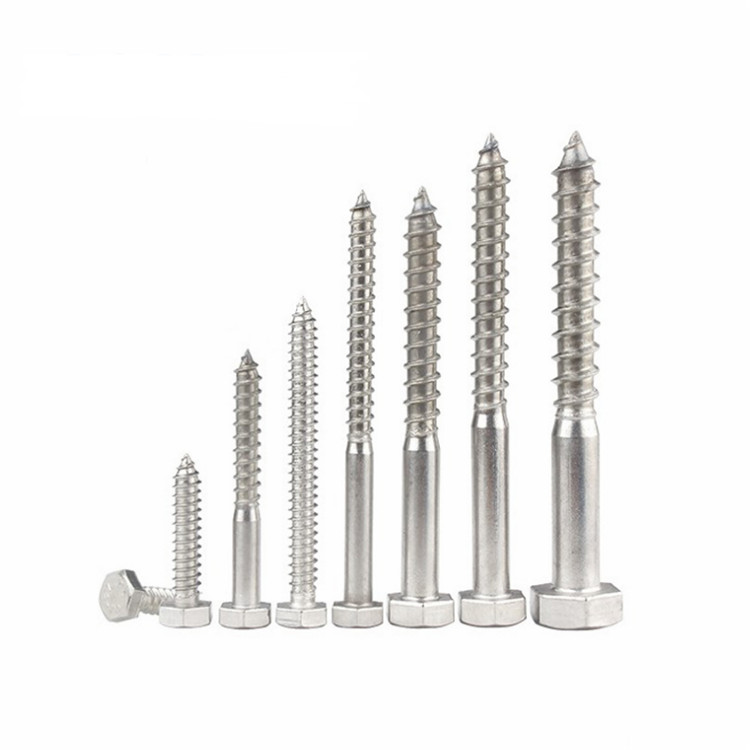
On job sites, few fixings work as hard as the humble hex head timber screw. In fact, it’s the fastener crews reach for when cladding rattles, frames need bracing, or a ledger has to stay put. Origin matters too: these pieces roll out of Dongtantou North, Yongnian, Hebei, China—an area that, to be honest, lives and breathes fasteners.
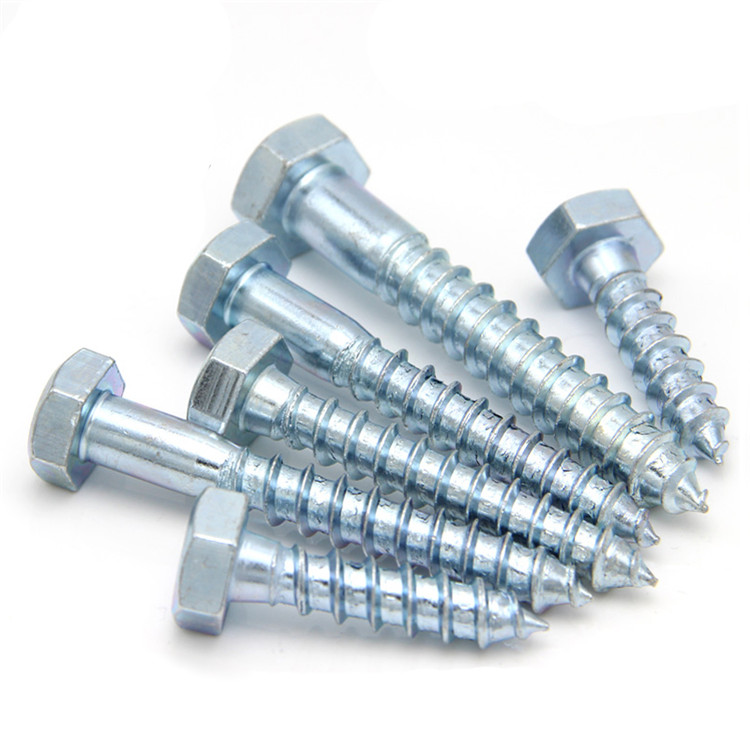
What it is (and why crews like it)
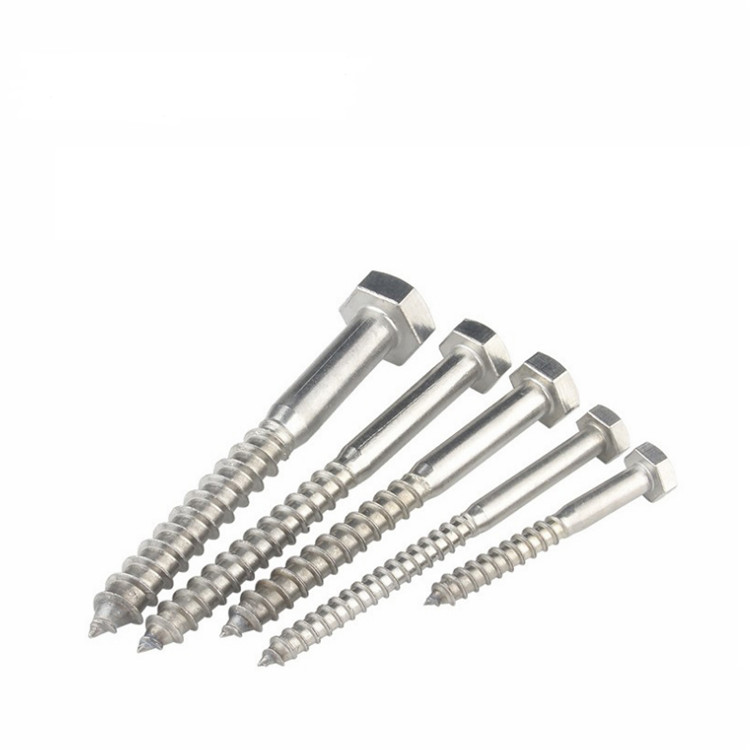
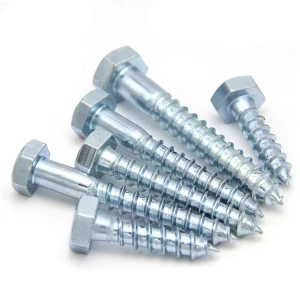
DIN571—often called a lag screw—uses a hex head for high wrenching torque and a deep, coarse wood thread that bites fast. Many customers say it “sets once, stays put.” The manufacturer reminds us of a basic rule: screw it in (socket, spanner, or impact driver with socket), don’t hammer it—otherwise you’ll crater the timber. Compared with nails, withdrawal resistance is stronger, and you can remove and replace it without chewing up the surface. Simple, but surprisingly important.
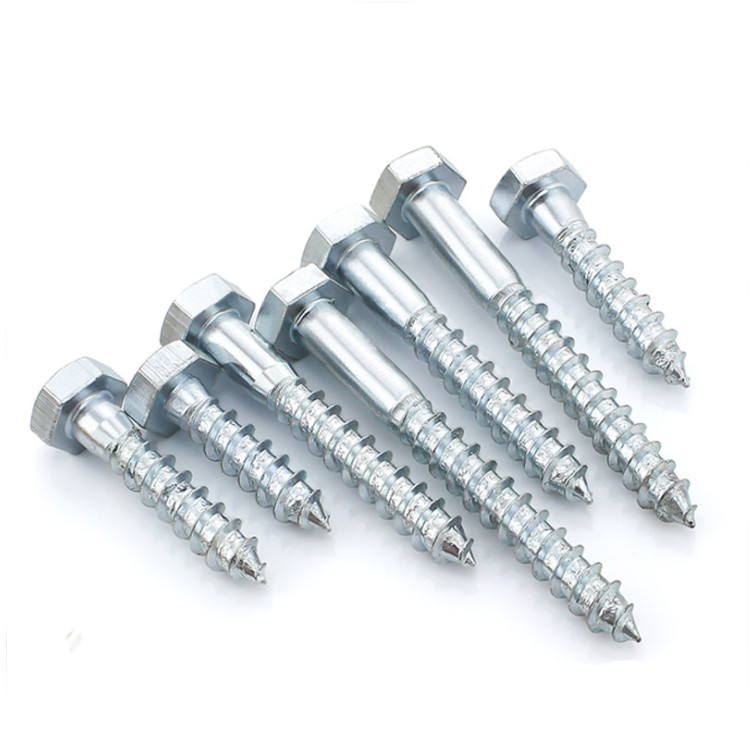
Typical applications
-
- Timber framing, truss bracing, pergolas, and deck ledgers
- Fencing, gates, garden structures; formwork that needs rework
- Fixing heavy hardware to timber (post bases, hangers, rails)
- Outdoor projects where hot-dip galvanizing earns its keep
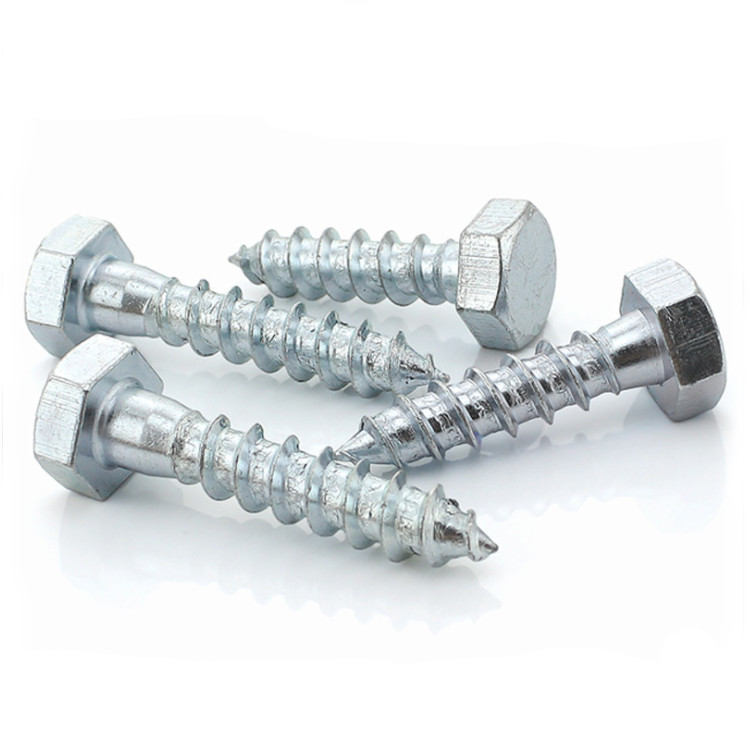
Specifications (quick reference)
| Standard | DIN 571 (Hex Head Wood Screw) |
| Diameters | M6, M8, M10, M12 (others on request) |
| Lengths | ≈40–300 mm depending on diameter |
| Head/Drive | External hex (AF ≈ 10/13/17/19 mm for M6/8/10/12) |
| Materials | Carbon steel (4.8/6.8), Stainless A2/A4 |
| Coatings | Zinc-plated, Hot-dip galvanized, Ruspert/Dacromet |
| Compliance | EN 14592 (timber fasteners), RoHS/REACH, ISO 9001 factory |
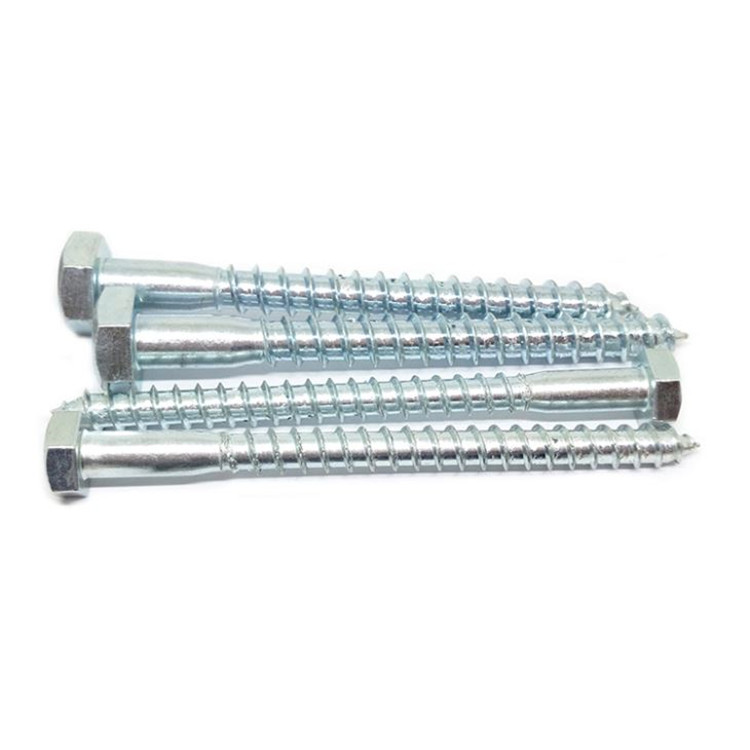
Manufacturing and QA (how it’s made)
Process flow: wire rod selection → cold heading → thread rolling → heat treatment (when specified) → coating → 100% visual + sampling tests → packaging. Testing includes:
- Corrosion: ISO 9227 NSS or ASTM B117 (e.g., zinc 120–240 h; HDG 480–1000 h; real-world use may vary).
- Mechanical: hardness, torsional strength (DIN 571 geometry), head soundness.
- Pull-out trials in SPF and LVL timber blocks for QA trend lines.
Service life (indicative): zinc ≈ 5–10 years sheltered; HDG ≈ 15–25 years suburban; A4 stainless can exceed 25 years in coastal zones, if timber chemistry is compatible.
Real-world performance
Internal lab snapshots (one lot, indicative): M8×120 HDG into SPF (embed ≈60 mm) showed pull-out 4.8–6.7 kN; shear 3–5 kN; torque-to-slip felt steady. A site foreman in Brisbane told me, “It bites quick—less cam-out, fewer callbacks,” which, I guess, is what matters on a Friday afternoon.
Vendor comparison (at-a-glance)
| Vendor | HBTBLS (Hebei) | EU Brand | Local Hardware |
| Standards | DIN571, EN 14592 | DIN/EN | Mixed |
| Coatings | Zinc, HDG, Ruspert | Zinc, HDG | Mostly zinc |
| Customization | Yes (sizes, packs, logo) | Limited | No |
| MOQ / Lead | Low / 15–30 days | Mid / 30–45 days | None / In stock |
| Price Index | $ | $$$ | $$ |
Customization and packaging
Options include partial-thread lengths, stainless grades, HDG thickness, headed logo marks, and retail or contractor packs (box, pail, or crate). Industries served: residential carpentry, fencing, modular builds, and light civil works.
Mini case study
A coastal deck retrofit swapped nails for hex head timber screw M10×120 HDG. Result? Installer reports ≈38% fewer callbacks over 12 months, with better ledger stiffness and no red rust. Not a randomized trial, sure, but the site diary tells a pretty clear story.
Notes for installers
-
- Pre-drill pilot holes in dense species (≈0.6–0.8× d).
- Use sockets; avoid hammering. Back out and replace if threads bind.
- Match coating to environment; avoid galvanic clashes with connectors.
Origin: Dongtantou North, Yongnian, Hebei, China
Authoritative citations
- DIN 571: Hexagon head wood screws (Deutsches Institut für Normung).
- EN 14592: Timber structures — Dowel-type fasteners — Requirements (CEN).
- ISO 9227: Corrosion tests in artificial atmospheres — Salt spray tests (ISO).
- ASTM B117: Standard Practice for Operating Salt Spray Apparatus (ASTM International).
- ISO 9001: Quality management systems — Requirements (ISO).
Post time: Oct . 01, 2025 17:10



 English
  Albanian
  Arabic
  Armenian
  Azerbaijani
  Belarusian
  Bosnian
  Bulgarian
  Cebuano
  Corsican
  Czech
Czech  Galician
  Georgian
  Greek
Greek  Hausa
Hausa  Hebrew
  Hungarian
  Igbo
Igbo  Indonesian
  Italian
  Kazakh
  Khmer
Khmer  Korean
  Kurdish
  Kyrgyz
  Lao
Lao  Latin
Latin  Latvian
  Lithuanian
  Malay
Malay  Myanmar
  Nepali
  Polish
  Portuguese
  Russian
  Serbian
  Sesotho
  Shona
Shona  Sindhi
  Spanish
  Tagalog
  Tajik
Tajik  Thai
Thai  Turkish
  Turkmen
  Ukrainian
  Uzbek
Uzbek  Vietnamese
  Yoruba
  Zulu
Zulu