
DIN6923 Hex Flange Nut: field notes from the fastener aisle
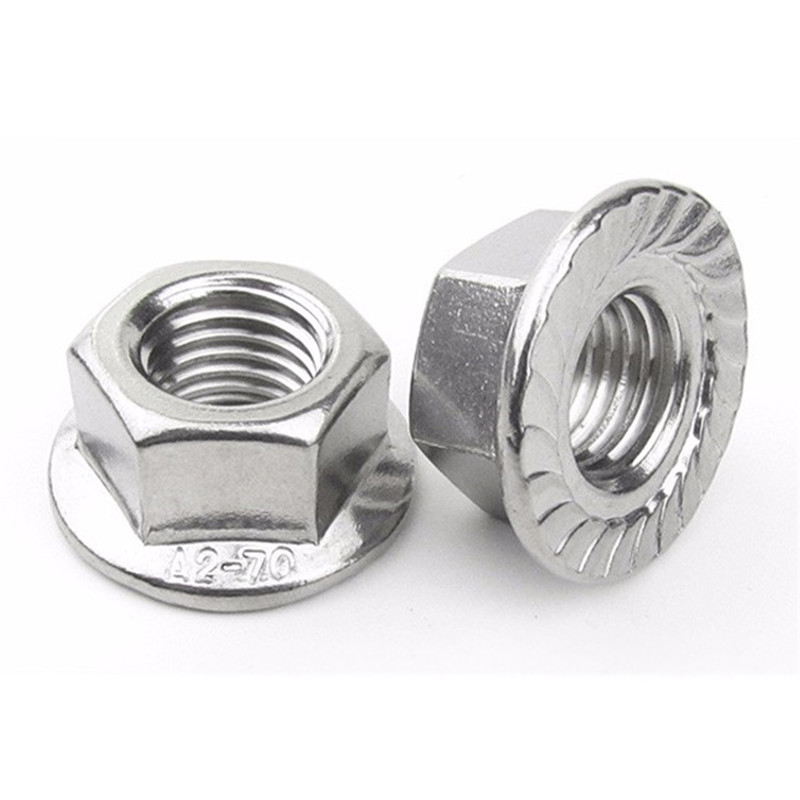
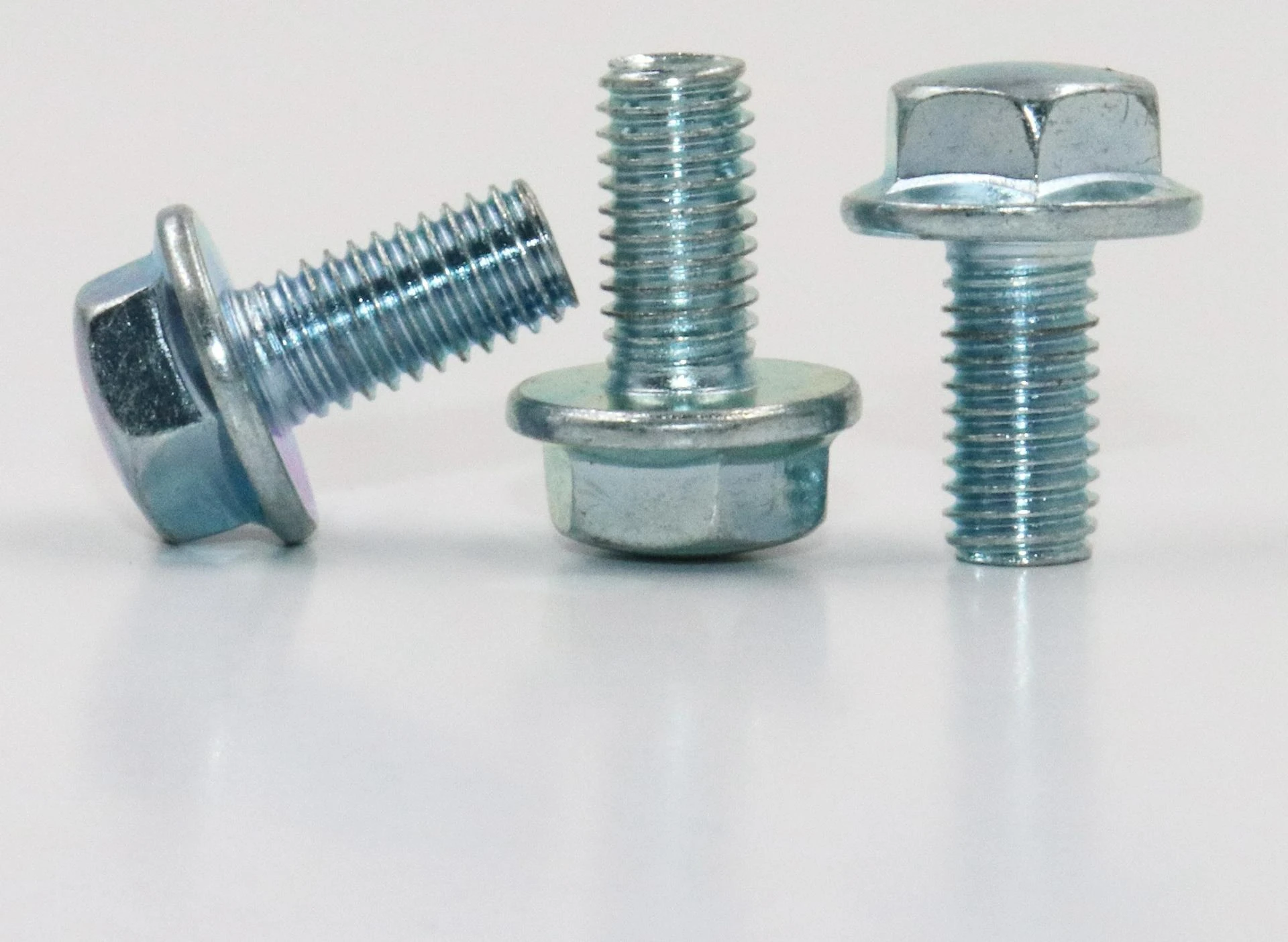
If you’ve ever watched an assembly tech ditch an extra washer with a grin, you already understand the charm of the hex flange nut. It’s a small upgrade that quietly fixes several headaches: load distribution, speed, and repeatable clamp. Built for the real world, not just the catalog.
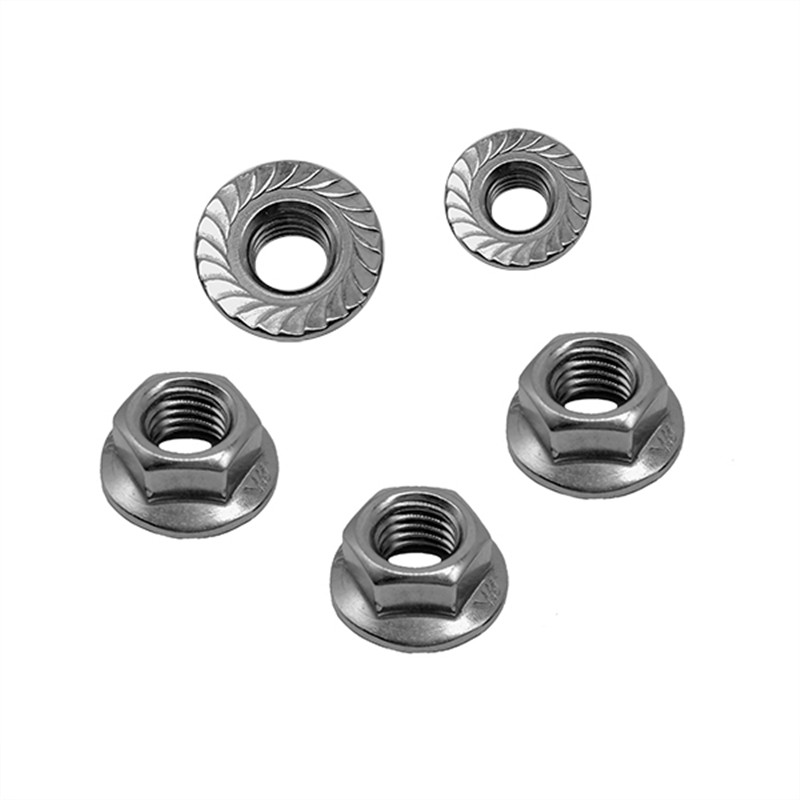
This DIN6923 Hex Flange Nut comes out of Dongtantou North, Yongnian, Hebei, China—an area that, frankly, lives and breathes fasteners. Lately, we’ve seen three clear trends: 1) more serrated flanges for vibration zones in EV chassis and farm equipment, 2) coatings with higher salt-spray resistance thanks to new Zn-Ni recipes, and 3) tighter supplier traceability as OEMs chase PPAP discipline. It’s not hype; it’s the daily grind of modern manufacturing.
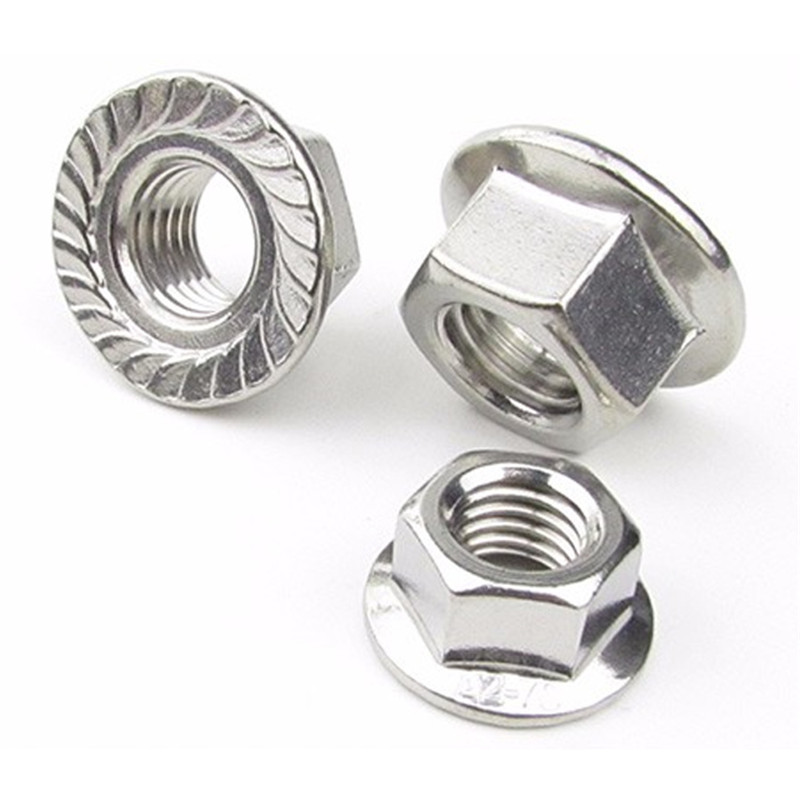
Core specs (practical, not just pretty)
| Parameter | Spec / Range | Notes |
|---|---|---|
| Standard | DIN 6923, ISO 4161, ASME B18.2.2 (≈) | Serrated or non-serrated flange |
| Thread | M5–M24; coarse/fine; LH on request | 6H fit by default |
| Property class | 8, 10, 12; SS A2-70 / A4-70 | Per ISO 898-2 |
| Materials | Medium carbon steel, 304/316 SS | Heat-treated where applicable |
| Coatings | Zn, Zn-Ni, Dacromet/Geomet, black oxide | ISO 4042; RoHS/REACH |
| Salt spray | ≥72 h (Zn), ≈480–720 h (Zn-Ni) | ASTM B117; real-world may vary |
Where it shines
- Automotive subframes and brackets: fewer parts, faster torque-up.
- Construction steelwork and HVAC mounts: the flange spreads load on softer materials.
- Agriculture and rail: serrations resist vibration creep better than plain nuts.
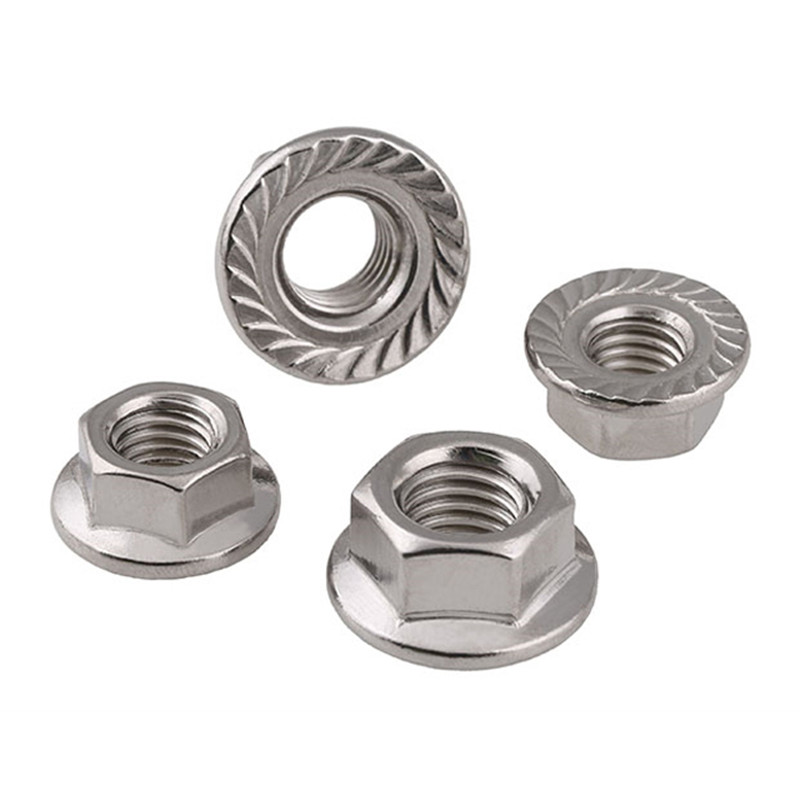
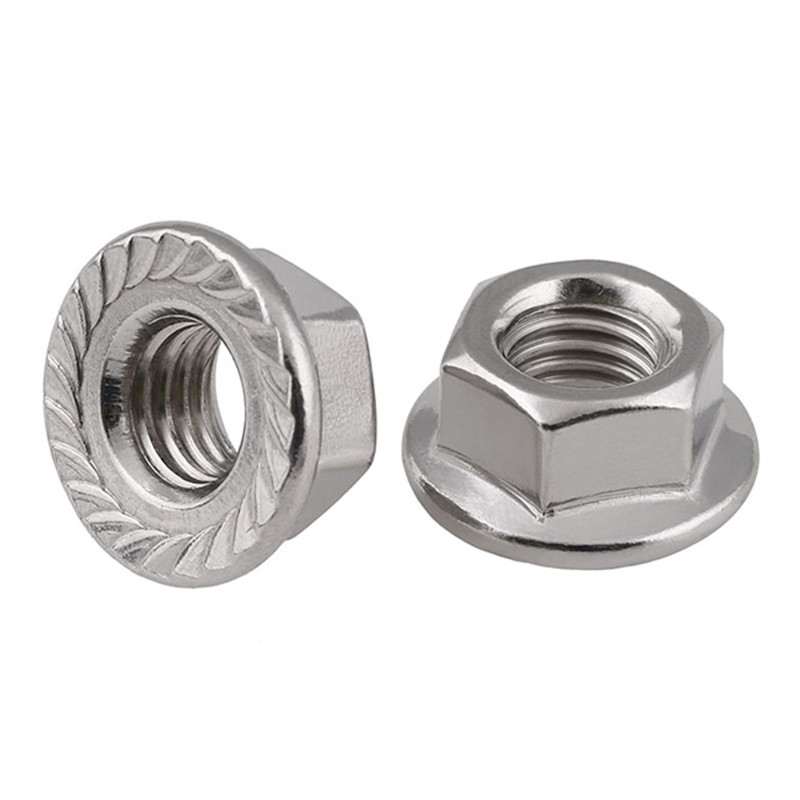
Many customers say the serrated hex flange nut “just bites and stays,” especially with dry film lubricants. In our shop tests, prevailing-out torque improved ≈15–22% versus non-serrated equals on painted steel panels (note: surface roughness matters a lot).
Process flow and QA, briefly
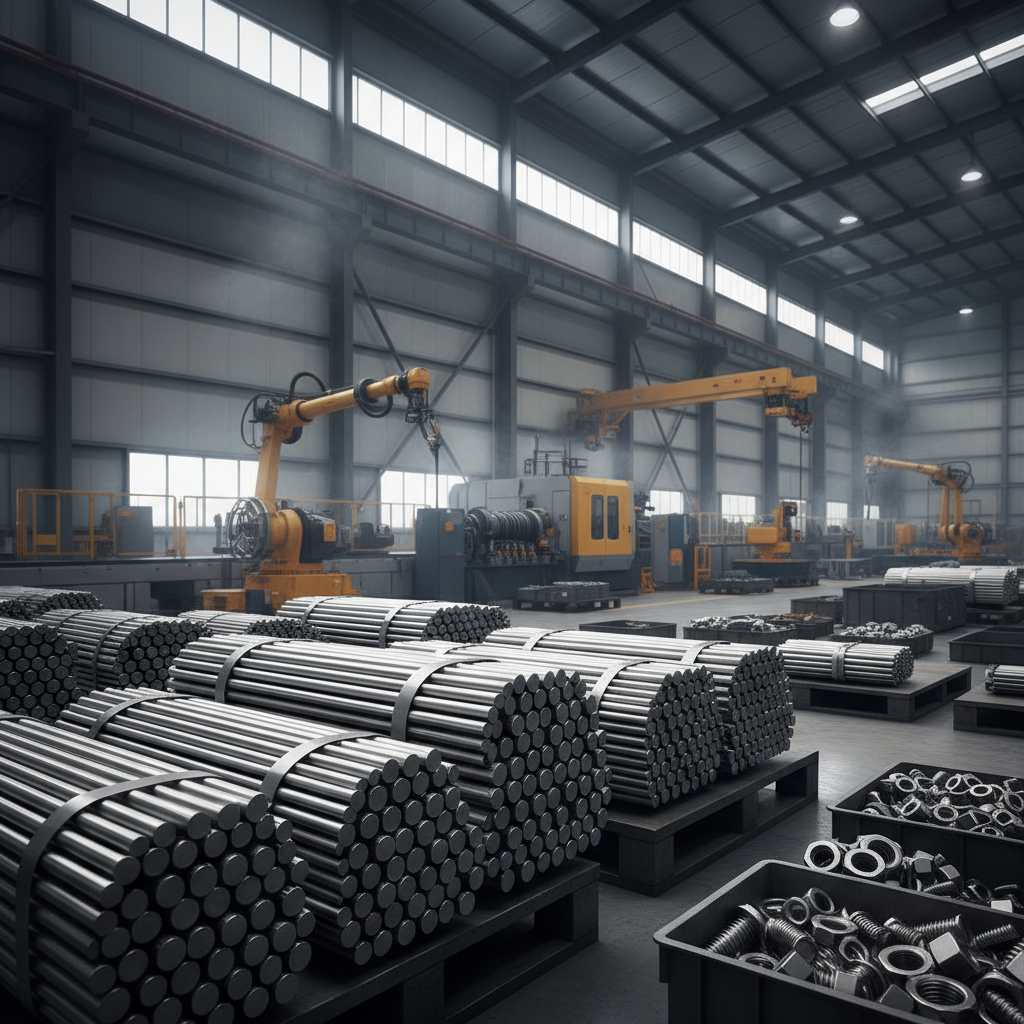
Cold heading → piercing → tapping → chamfer/de-burr → heat treatment (if class ≥8) → coating → 100% visual + sampling (dimensional, hardness, thread GO/NO-GO) → torque/prevailing tests → pack. Testing refers to ISO 898-2, ISO 3269, ASTM B117, ISO 4042. Service life? With Zn-Ni and reasonable environments, you’ll see 5–10 years; stainless often goes longer. Facilities running ISO 9001 and IATF 16949 with PPAP L3 tend to deliver steadier batches—sounds bureaucratic, but it saves rework, trust me.
Vendor snapshot (what buyers actually compare)
| Vendor | Certs | Torque retention Δ% | Lead time | Customization |
|---|---|---|---|---|
| Hebei Yongnian maker | ISO 9001, IATF 16949 (typ.) | ≈+15–22% (serrated vs non) | 15–30 days | Threads, coating, LH, patch |
| Generic importer | Varies | Unspecified | Stock-based | Limited |
| Local distributor | Supplier-backed | Lab on request | Immediate for common sizes | Some specials |
Customization and quick case notes
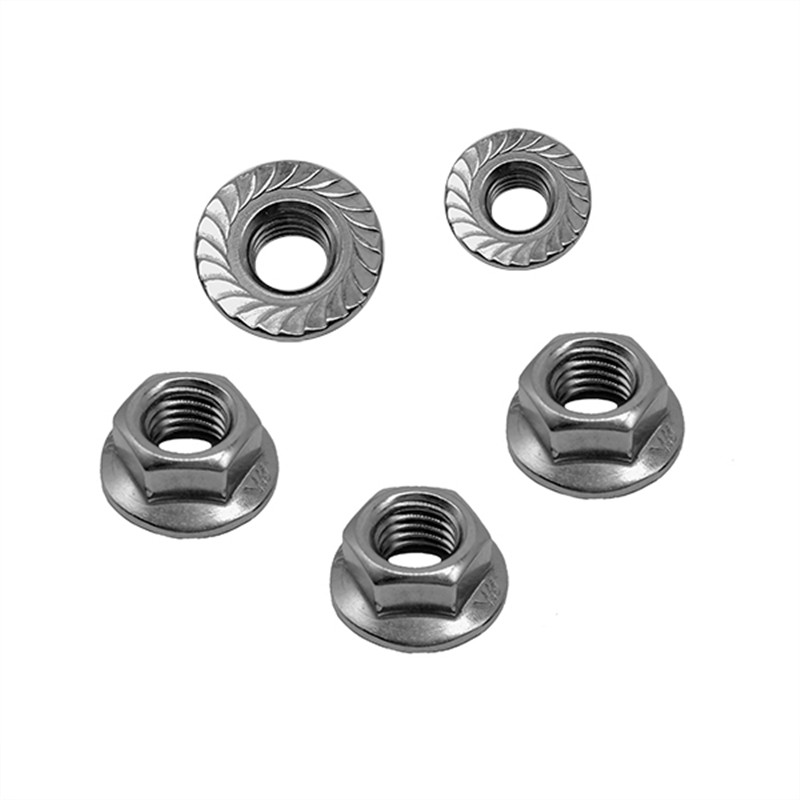
Options include serrated/non-serrated hex flange nut, laser ID, anti-vibe adhesive patches, color passivation, and eco coatings. One automotive bracket line swapped to serrated DIN6923 and shaved ≈12% off cycle time by removing washers—scrap from over-torque dropped too. Another customer in wind O&M reported fewer re-tightens per season on galvanized structures (small sample, but encouraging).
Certifications and paperwork: ISO 9001, IATF 16949, RoHS/REACH, and PPAP L3 where needed. Typical data pack: material certs, hardness (HRC or HV), dimensions, coating thickness, salt-spray, torque/prevail curves.
References
Post time: Oct . 10, 2025 09:50


 English
  Albanian
  Arabic
  Armenian
  Azerbaijani
  Belarusian
  Bosnian
  Bulgarian
  Cebuano
  Corsican
  Czech
Czech  Galician
  Georgian
  Greek
Greek  Hausa
Hausa  Hebrew
  Hungarian
  Igbo
Igbo  Indonesian
  Italian
  Kazakh
  Khmer
Khmer  Korean
  Kurdish
  Kyrgyz
  Lao
Lao  Latin
Latin  Latvian
  Lithuanian
  Malay
Malay  Myanmar
  Nepali
  Polish
  Portuguese
  Russian
  Serbian
  Sesotho
  Shona
Shona  Sindhi
  Spanish
  Tagalog
  Tajik
Tajik  Thai
Thai  Turkish
  Turkmen
  Ukrainian
  Uzbek
Uzbek  Vietnamese
  Yoruba
  Zulu
Zulu