
DIN6923 Hex Flange Nut: field notes, specs, and what actually matters
If you work in fastening, you know the quiet heroes of uptime are often the simple parts. The first time I toured a line in Yongnian, I watched an operator swap a washer-nut combo for a Hex Flange Nut and shave seconds per assembly. It seemed trivial; across thousands of cycles, it wasn’t. Below is the distilled view—tech specs, tests, and the small details buyers ask for.
What it is (and why it works)
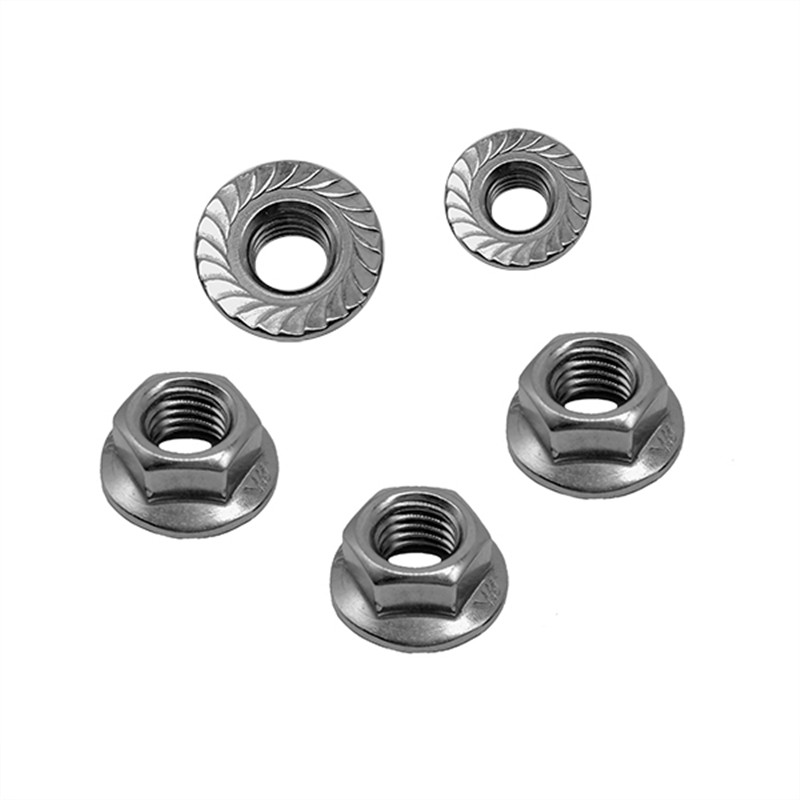
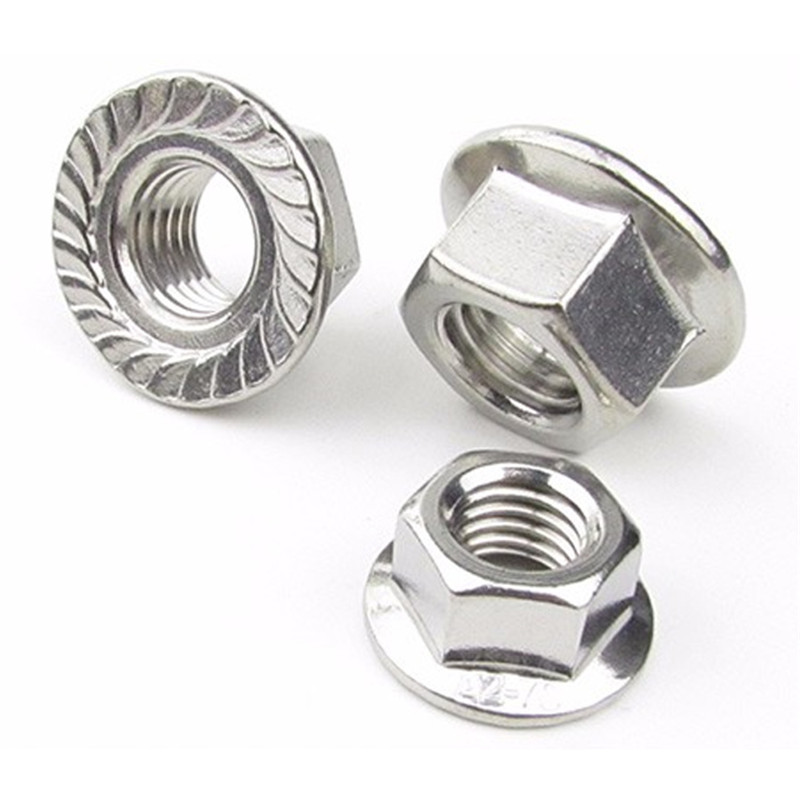
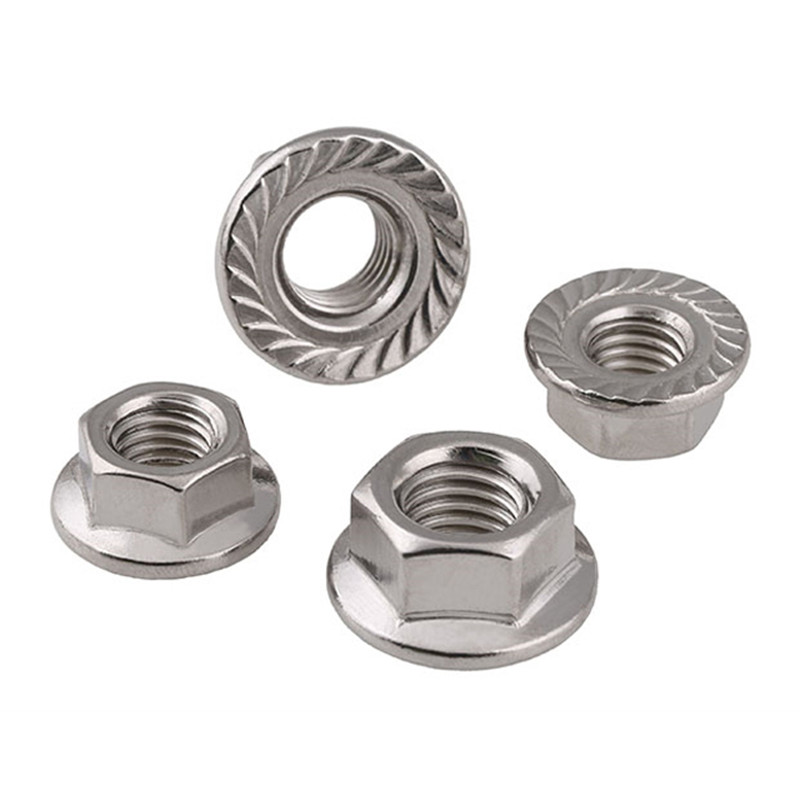
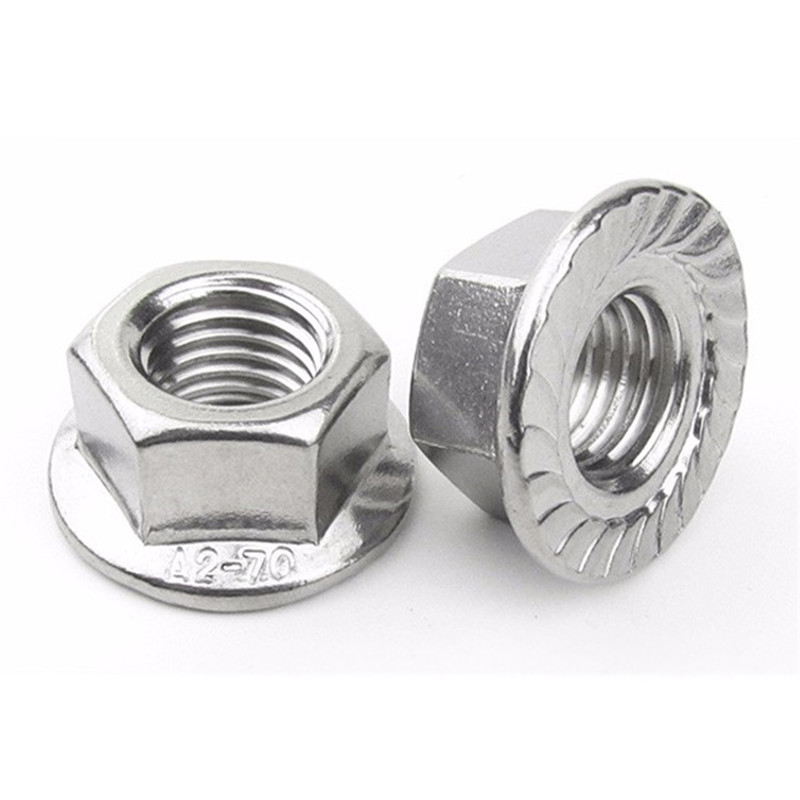
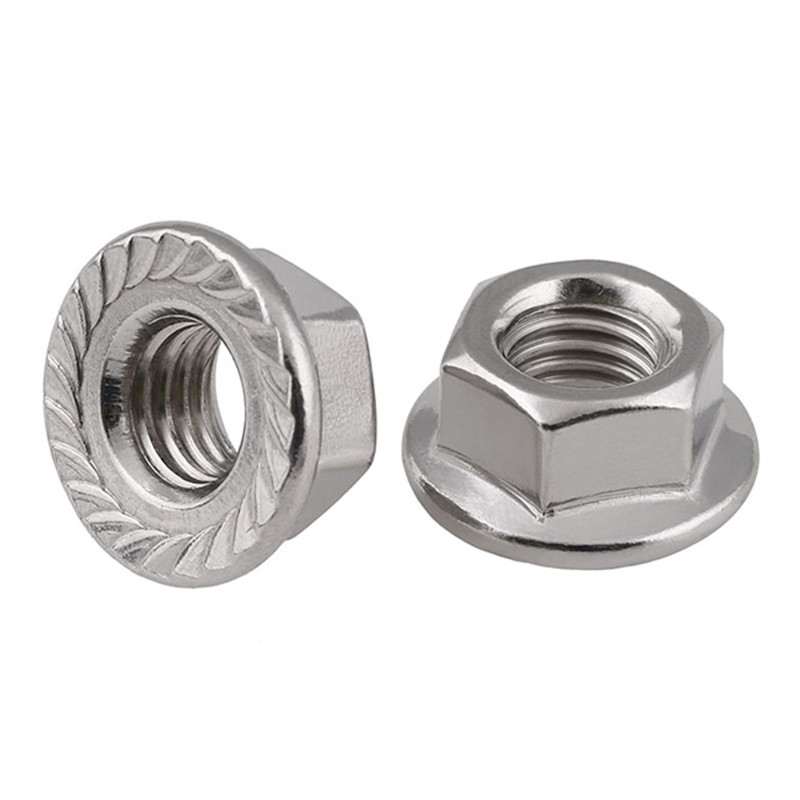
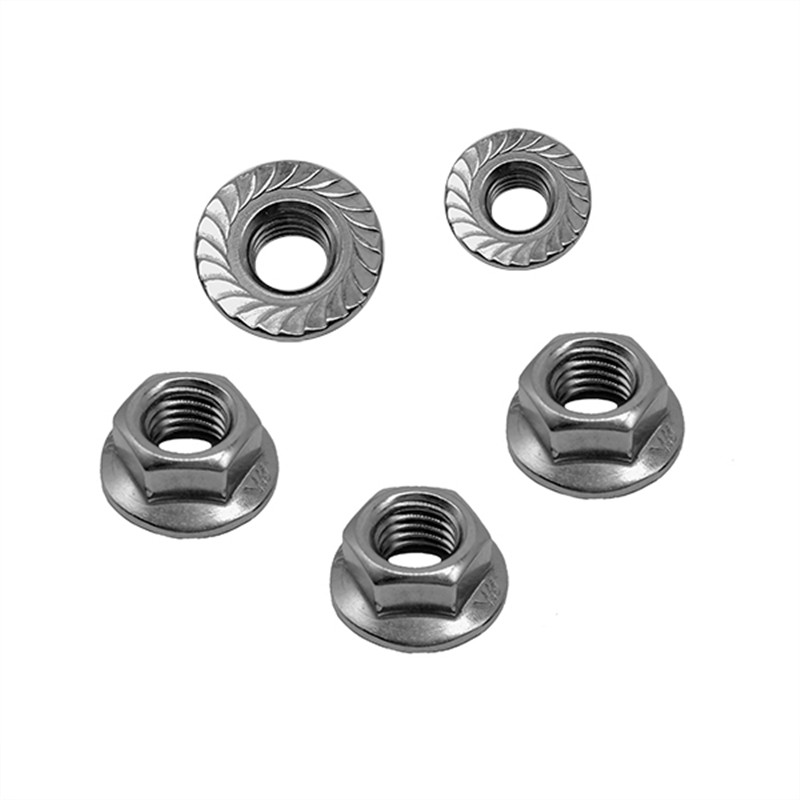
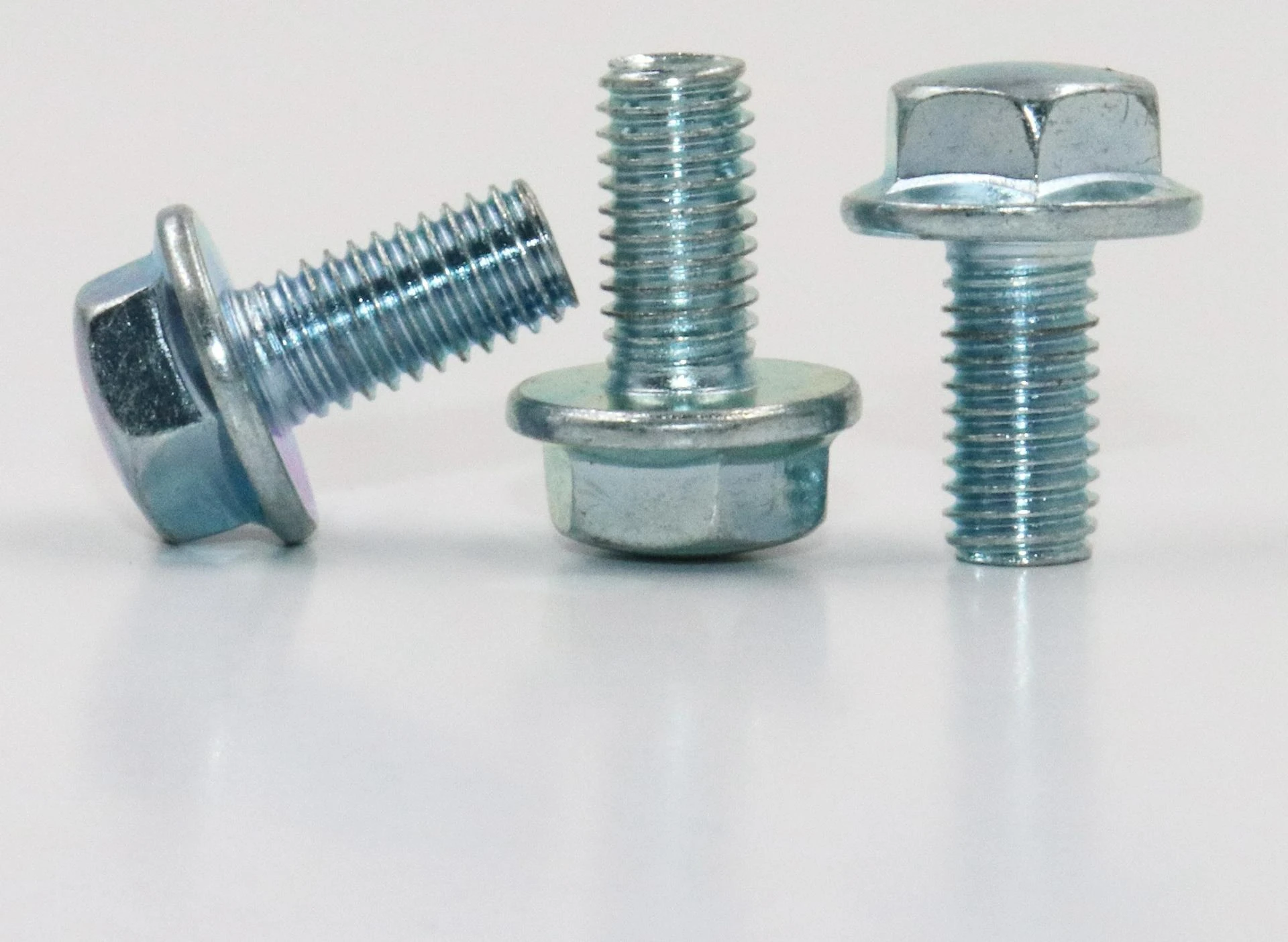
Hex Flange Nut (DIN 6923) integrates a washer-like flange to spread load and protect mating surfaces. Serrated versions bite into metal for anti-rotation; non-serrated protect finishes or plastics. Origin for this model: Dongtantou North, Yongnian, Hebei, China—a region that, frankly, lives and breathes fasteners. Many customers say the consistency out of this cluster is better than they expected.
Process flow and quality gates
- Materials: low/medium carbon steel (Class 8/10), alloy steel, stainless A2-70/A4-70.
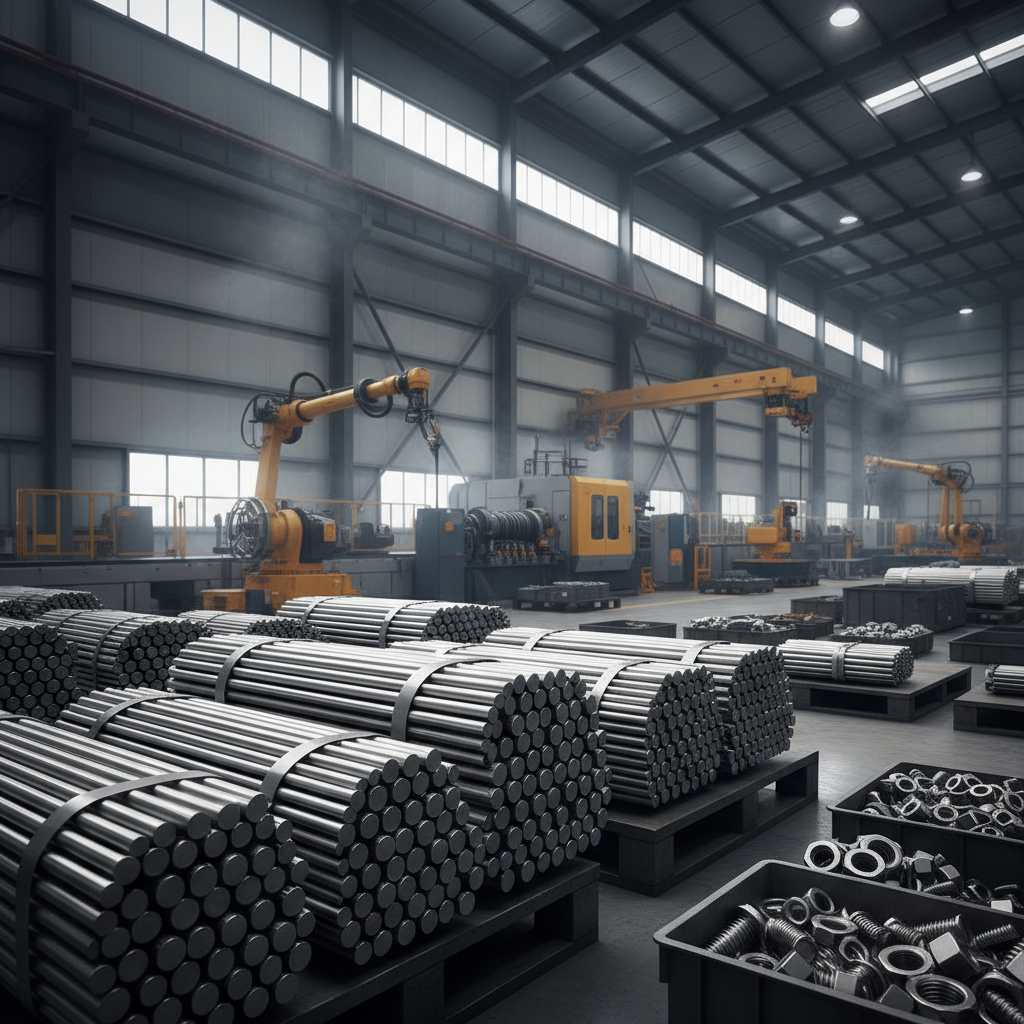
- Manufacturing: cold heading → thread rolling → CNC chamfer (as needed) → heat treatment (if alloy/carbon) → surface finishing (zinc, Zn-Ni, phosphating, black, HDG, Geomet/Dacromet).
- Testing: proof load & hardness to ISO 898-2; prevailing/locking torque verification to ISO 2320 (serrated); plating thickness per ISO 4042; salt spray ASTM B117 (typ. Zn-Ni ≈ 720 h red rust; Geomet ≈ 1000 h, real-world use may vary).
- Service life: around 10–15 years outdoors with HDG or Geomet in temperate climates; indoor machinery much longer if dry.
Key specifications (buyer quick scan)
| Standard | DIN 6923; threads to ISO 965-1/2, tolerance 6H |
| Size range | Metric M5–M24 (others on request) |
| Classes | Class 8, 10; A2-70, A4-70 stainless |
| Styles | Serrated / Non-serrated; flange OD ≈ 1.5–2.2 × d |
| Finishes | Zinc, Zn-Ni, black oxide, phosphated, HDG, Geomet/Dacromet |
| Certs | ISO 9001; IATF 16949 available for auto projects |
Where they’re used (and why they stick)
Automotive subframes, HVAC housings, agricultural equipment, rail brackets, wind nacelle covers, and general machinery. Advantages? Fewer parts (no separate washer), faster assembly, better load distribution, and—if serrated—naturally higher resistance to loosening under vibration.
Vendor snapshot (real-world buying factors)
| Vendor | Lead time | Coatings | Docs | MOQ | Price index |
|---|---|---|---|---|---|
| HBTBLS (Hebei) | ≈ 15–25 days | Zinc, Zn-Ni, HDG, Geomet | PPAP, COC, salt-spray | ≈ 5,000 pcs | $ (competitive) |
| EU Distributor A | Stock / 2–5 days | Zinc, Zn-Ni | COC; PPAP on request | Box-level | $$$ |
| Budget Source B | ≈ 25–40 days | Zinc | Basic mill cert | High (container) | $ |
Trends, customization, and a quick case
Trends we see: more Zn-Ni for e-mobility brackets (paint adhesion), requests for non-serrated to protect coated aluminum, and sustainability audits on plating lines. Custom options: flange OD tweaks for softer substrates, captive-seal designs, laser logo/lot codes, and torque-tailored serrations (to be honest, this is where trials matter most).
Case study: An automotive Tier-2 had bracket loosening at 14–18g vibration. Switching to Class 10, serrated Hex Flange Nut with Zn-Ni and topcoat cut re-torque events by ≈ 92% over 6 months; PPAP Level 3 and B117 720 h reports satisfied the OEM. Feedback was simple: “install speed went up, scrap went down.”
Ordering tips
- State DIN 6923, class, size, finish, serrated/non-serrated, and thread tolerance (6H default).
- Ask for torque-to-rotate or friction data if finish affects clamp load.
- For outdoor use, target Geomet/Dacromet or HDG; for paint lines, prefer Zn-Ni.
References:
- DIN 6923 – Hexagon nuts with flange
- ISO 898-2 – Mechanical properties of nuts
- ISO 2320 – Prevailing torque type nuts, test methods
- ASTM B117 – Standard Practice for Operating Salt Spray (Fog) Apparatus
Post time: Oct . 26, 2025 16:40



 English
  Albanian
  Arabic
  Armenian
  Azerbaijani
  Belarusian
  Bosnian
  Bulgarian
  Cebuano
  Corsican
  Czech
Czech  Galician
  Georgian
  Greek
Greek  Hausa
Hausa  Hebrew
  Hungarian
  Igbo
Igbo  Indonesian
  Italian
  Kazakh
  Khmer
Khmer  Korean
  Kurdish
  Kyrgyz
  Lao
Lao  Latin
Latin  Latvian
  Lithuanian
  Malay
Malay  Myanmar
  Nepali
  Polish
  Portuguese
  Russian
  Serbian
  Sesotho
  Shona
Shona  Sindhi
  Spanish
  Tagalog
  Tajik
Tajik  Thai
Thai  Turkish
  Turkmen
  Ukrainian
  Uzbek
Uzbek  Vietnamese
  Yoruba
  Zulu
Zulu