
What Exactly Is a 3 8 16 Threaded Rod and Why Should You Care?
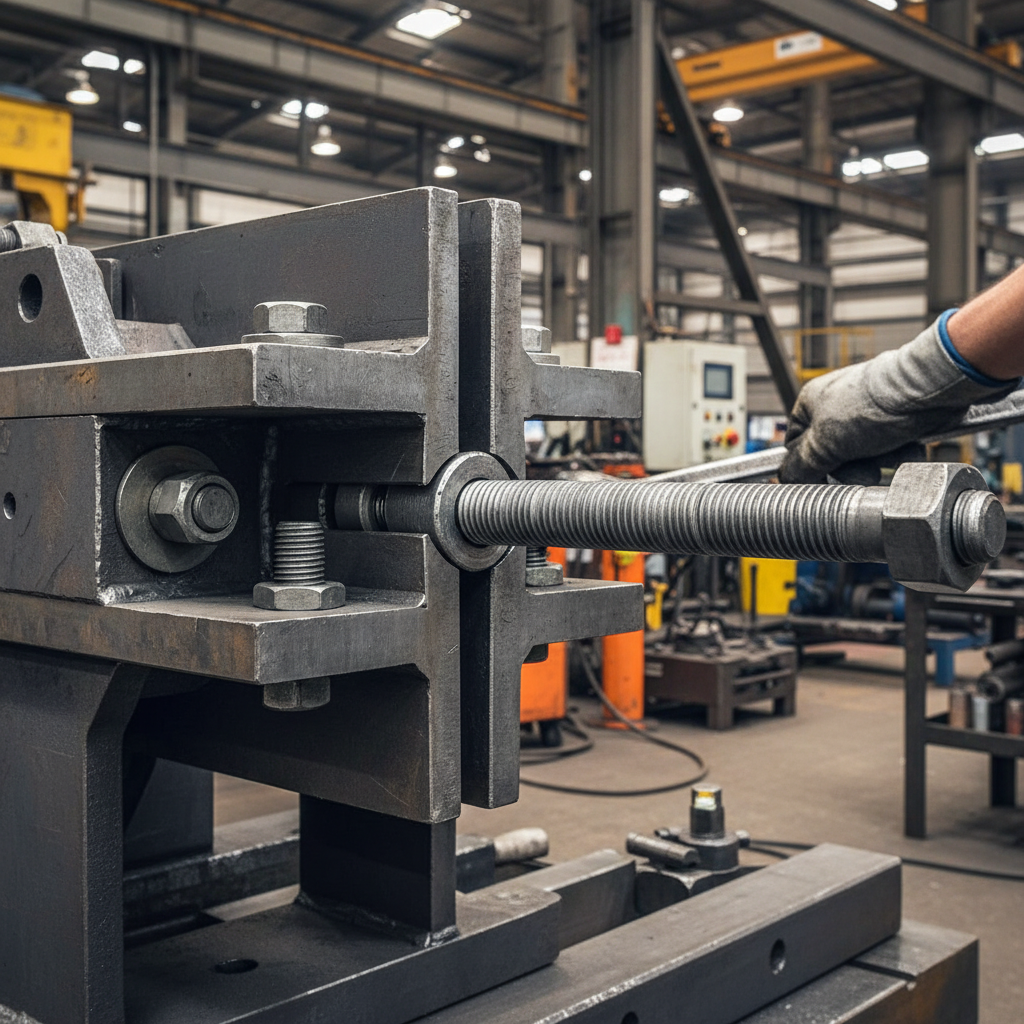
Threaded rods might not be the flashiest component in your toolbox, but they’re the unsung heroes of countless construction and industrial projects worldwide. The 3 8 16 threaded rod, in particular, is widely appreciated for its versatility and strength. If you’ve ever assembled a complex structure, repaired machinery, or worked in manufacturing, chances are a threaded rod saved your day without you even noticing. With globalization driving faster infrastructure development and machinery upkeep, understanding such components pays off — especially if you want reliability without breaking the bank.
Threaded rods serve as a fastening backbone in many sectors, from civil engineering to renewable energy. Why this length and diameter? Well, that sizing is a sweet spot—strong enough for structural load, yet manageable enough for modular designs or repairs. Knowing the ins and outs of the 3 8 16 threaded rod could be your secret weapon to designing smarter, faster, and more cost-efficient solutions.
The Global Impact: How the 3 8 16 Threaded Rod Supports Industry Around the World
Globally, the demand for reliable, standardized fasteners is booming. Just for context, the ISO standards for threaded rods (ISO 898-1 for mechanical properties, among others) ensure compatibility across borders and industries. According to World Bank infrastructure reports, emerging markets are fueling construction growth at roughly 4% annually, which means more and more of these rods are going into bridges, factories, and renewable energy setups.
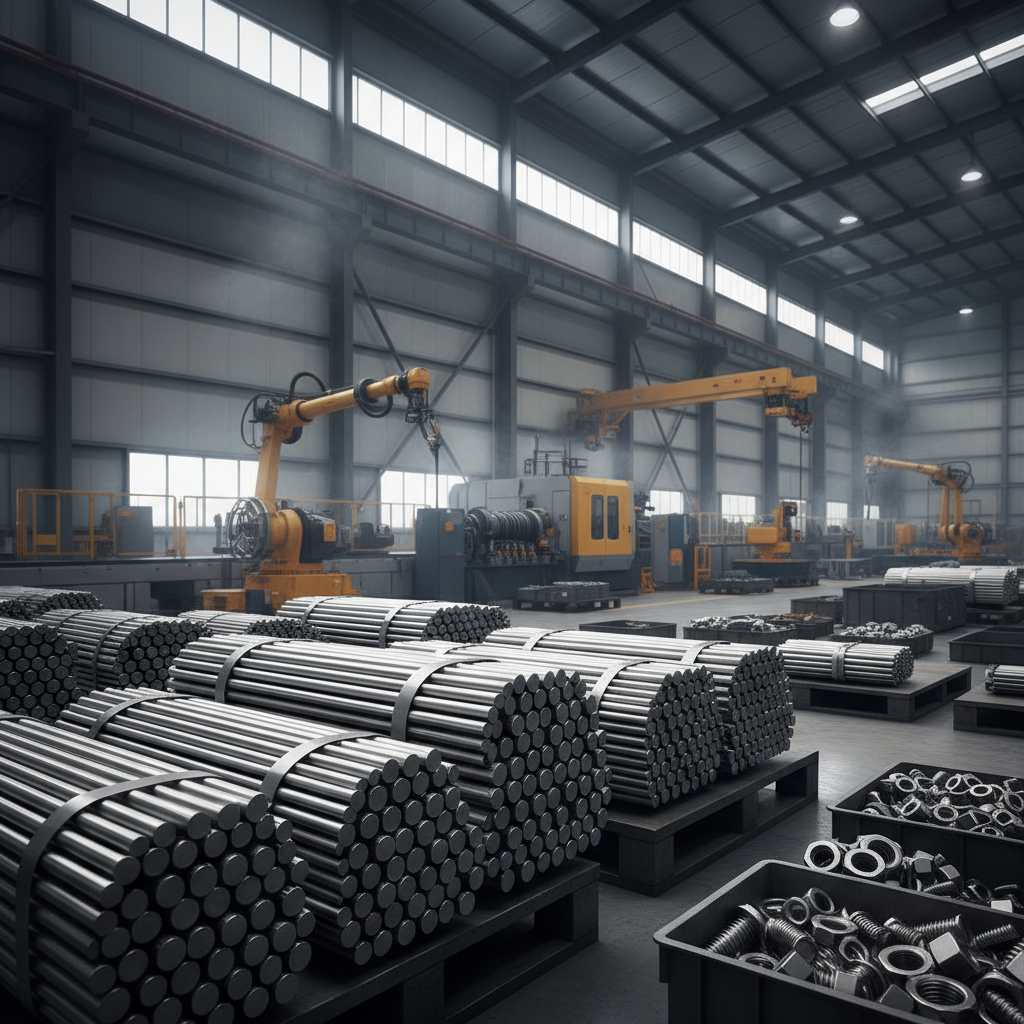
Industries from automotive manufacturing in Germany to large-scale scaffolding projects in Asia all rely heavily on threaded rods of standardized dimensions. The 3 8 16 threaded rod emerges as a reliable choice due to its balanced diameter and length — easy to transport, handle, and customize.
But there's a challenge: with the growing demand comes the need for higher quality and corrosion resistance, especially in harsh environments like offshore wind farms or tropical construction zones.
Defining the 3 8 16 Threaded Rod in Simple Terms
So, what does “3 8 16 threaded rod” actually mean? Breaking it down:
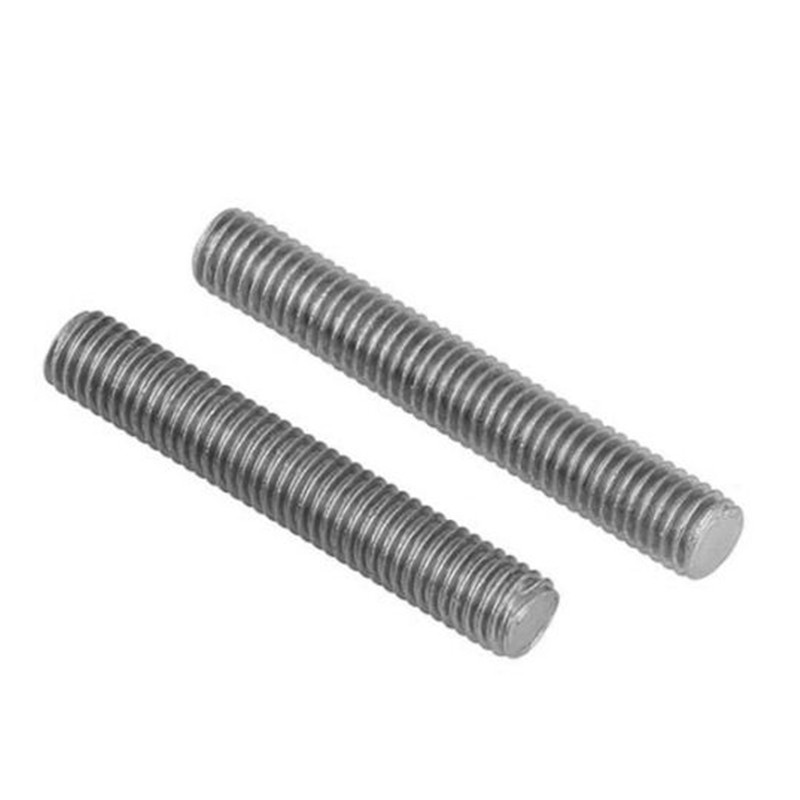
- 3 8 refers to the diameter—specifically 3/8 of an inch (~9.5 mm).
- 16 stands for the thread pitch— 16 threads per inch (TPI), which equates to a finer thread spacing than the coarser options that run at, say, 8 or 10 TPI.
- Threaded rod is simply a long, slender metal bar with threads running down its entire length, allowing nuts and fasteners to be positioned anywhere.
This combination makes the rod highly adaptable—fine threads mean better tension control, often critical in machinery and structural frames where vibration resistance matters.
Equally important, such rods are manufactured in materials ranging from carbon steel to stainless steel or even alloy metals, addressing needs from general construction to food processing machinery.
Key Characteristics That Make the 3 8 16 Threaded Rod Stand Out
1. Durability and Strength
The fine threading combined with the 3/8 inch diameter gives this rod notable tensile strength, often rated above 6,000 psi in carbon steel grades. That kind of toughness helps withstand shear and tensile loads in heavy-duty installations.
2. Corrosion Resistance
Depending on the alloy and coating—zinc-plated, hot-dip galvanized, or stainless steel—you get varying resistance to rust and oxidation. This means outdoor or marine environments can benefit without frequent replacements.
3. Precision and Compatibility
Thread pitch of 16 TPI aligns with many standard nuts and fasteners, allowing for interchangeability, which reduces complexity in inventory management.
4. Cost Efficiency
Because these rods are standardized and mass-produced, they tend to be competitively priced without compromising quality, making them a favorite for budget-conscious projects.
5. Scalability in Design
Modular structural components can be easily adjusted or expanded by cutting or joining threaded rods — handy for temporary setups or evolving designs.
Real-World Applications: Where You’ll Find 3 8 16 Threaded Rods in Action
The humble 3 8 16 threaded rod punches well above its weight across multiple sectors:
- Construction: from securing concrete forms to aerial platforms, its balanced diameter and fine threading ensure tight, stable fastening.
- Manufacturing and Automation: fixture assemblies frequently use these rods for flexibility and durability.
- Renewable energy: mounting solar panels and wind turbine components requires corrosion-resistant threaded rods that maintain tension through vibrations.
- Disaster Relief and Modular Housing: rapid deployment shelter frames often rely on standardized threaded rods like the 3 8 16 for quick assembly and structural integrity.
- DIY and Home Improvement: often overlooked, these rods exist in many furniture builds, cabinetry, and vehicle repairs.
For example, in Southeast Asia’s post-disaster rebuilding efforts, NGOs source reliable 3 8 16 threaded rods to anchor lightweight shelters that can weather storms. Meanwhile, in industrial hubs like Detroit or Stuttgart, these rods play supporting roles in engine mounts and conveyor system frameworks.
Product Specification Table
| Specification | Details |
|---|---|
| Diameter | 3/8 inch (9.525 mm) |
| Thread Pitch | 16 threads per inch (TPI) |
| Material Options | Carbon Steel, Stainless Steel, Alloy Steel |
| Surface Treatment | Zinc Plating, Galvanized, Black Oxide |
| Tensile Strength | Up to 60000 psi (Grade 8) |
| Typical Lengths Available | 1 ft, 3 ft, 6 ft, Custom Cuts |
Comparing Vendors: Who Makes the Best 3 8 16 Threaded Rod?
| Vendor | Material Range | Surface Treatments | Price Range (per ft) | Lead Time |
|---|---|---|---|---|
| HBTBLS Fasteners | Carbon & Stainless Steel | Zinc, Galvanized | $1.20 - $2.00 | 1-2 weeks |
| Global Fasteners Inc. | Alloy & Carbon Steel | Black Oxide, Zinc | $1.10 - $1.90 | 2-3 weeks |
| SteelPro Solutions | Stainless Steel Only | Galvanized, None | $1.50 - $2.50 | 1 week |
Advantages and Long-Term Value You Can Rely On
Investing in quality 3 8 16 threaded rods isn’t just about securing bolts today—it’s about peace of mind. These rods combine logical benefits, like strength and corrosion resistance, with intangible ones like safety and trustworthiness. Construction projects backed by reliable fasteners help prevent accidents, maintenance headaches, and costly downtime, especially in vital infrastructure like hospitals or transit networks.
Emotionally, engineers and builders often speak of the reassurance a trusted rod provides — it’s like the foundation of a good pair of boots. You really notice when it’s missing, awkward, or unreliable. These rods also contribute to sustainability by lasting longer and reducing material waste over time.
Looking Forward: Innovations and Trends to Watch
- Material Science: Advancements in alloys and nanocoatings promise even higher corrosion resistance and strength.
- Green Manufacturing: Processes reducing CO2 emissions during steel production are gaining traction.
- Automation in Production: CNC threading and AI-driven quality checks help reduce defects and waste.
- Smart Fasteners: Embedded sensors that monitor stress and load could become the norm soon, signaling when replacements are needed.
These innovations ensure the humble 3 8 16 threaded rod won't just stay relevant; it'll become smarter, greener, and more reliable.
Common Challenges and How Experts Solve Them
Despite their utility, threaded rods face challenges like thread stripping, rust in harsh environments, and fitting compatibility issues. Experts respond by advocating for:
- Using appropriate surface coatings or stainless steel alloys for enhanced corrosion resistance.
- Strict adherence to ISO standards to maintain thread pitch consistency.
- Designing with tolerances that factor in temperature-induced expansions.
Sometimes, it’s also about training workers to ensure nuts are tightened properly without over-torquing threads, which surprisingly is a major cause of early failure.
FAQ: Frequently Asked Questions About 3 8 16 Threaded Rod
- Q: Can the 3 8 16 threaded rod be used outdoors without corrosion?
- A: Yes, if it’s made from stainless steel or treated with galvanization or zinc plating, it can withstand outdoor conditions quite well. However, in saltwater or marine environments, stainless alloys are preferred to avoid rust.
- Q: Is it possible to cut the rods to custom lengths on-site without losing threading?
- Absolutely. The rods can be cut using standard metal saws. However, it’s important to re-thread or chamfer the cut end to avoid cross-threading nuts during assembly.
- Q: Why choose a 16 TPI thread over a coarse pitch?
- Fine threads like 16 TPI provide better tension control and resist loosening under vibrations, which is critical in machinery or structures subject to movement.
- Q: Are these rods suitable for load-bearing structural applications?
- Yes, provided the rods are made to appropriate strength grades (e.g., Grade 5 or Grade 8), they can safely bear considerable loads in structural contexts.
- Q: How can small businesses order custom threaded rods internationally?
- Many vendors, including HBTBLS, offer international shipping and customizable options to fit client needs. It's important to verify import regulations, and vendors often assist with that.
Wrapping Up: The Reliable Backbone of Fastening Solutions
The 3 8 16 threaded rod truly is a craftsperson’s quiet partner—from cutting-edge factories to remote construction sites. It embodies a brilliant balance of strength, precision, and adaptability and is continuing to evolve alongside industry demands. So next time you’re planning a build or repair, consider the rod that holds it all together, quite literally.
For dependable quality and expert support, feel free to visit our website and explore a range of 3 8 16 threaded rod options tailored for your needs.
References
Post time: Nov . 24, 2025 13:00


 English
  Albanian
  Arabic
  Armenian
  Azerbaijani
  Belarusian
  Bosnian
  Bulgarian
  Cebuano
  Corsican
  Czech
Czech  Galician
  Georgian
  Greek
Greek  Hausa
Hausa  Hebrew
  Hungarian
  Igbo
Igbo  Indonesian
  Italian
  Kazakh
  Khmer
Khmer  Korean
  Kurdish
  Kyrgyz
  Lao
Lao  Latin
Latin  Latvian
  Lithuanian
  Malay
Malay  Myanmar
  Nepali
  Polish
  Portuguese
  Russian
  Serbian
  Sesotho
  Shona
Shona  Sindhi
  Spanish
  Tagalog
  Tajik
Tajik  Thai
Thai  Turkish
  Turkmen
  Ukrainian
  Uzbek
Uzbek  Vietnamese
  Yoruba
  Zulu
Zulu