
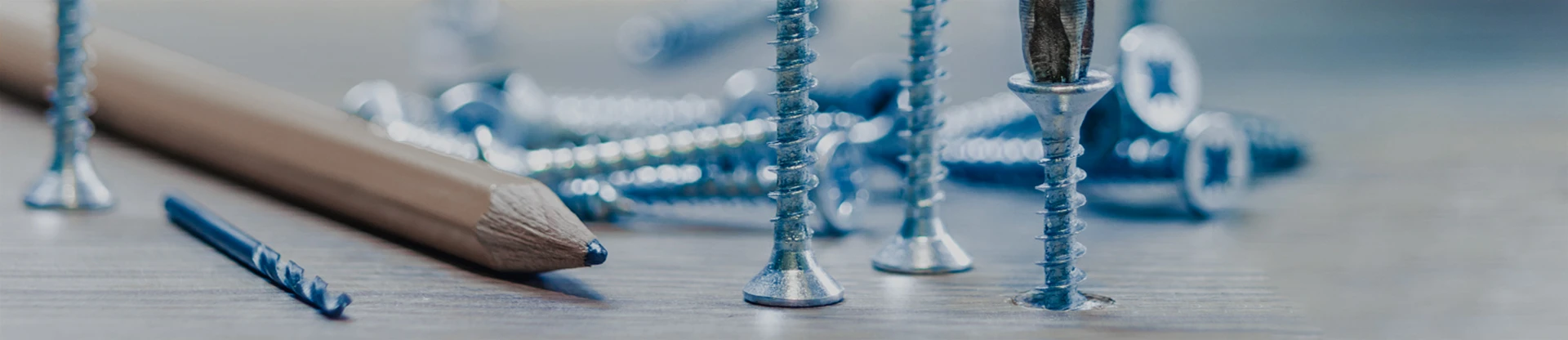
Understanding the Role of 7 8 Threaded Rods in Global Industry
Threads, rods, bolts — the humble heroes of construction and machinery. Among these, the 7 8 threaded rod quietly supports everything from towering skyscrapers to simple fence posts. It might sound niche, but their importance is truly global, underpinning infrastructure that powers economies and improves daily lives worldwide.
Why does this matter globally? Well, with rapid urbanization and manufacturing growth, demand for strong, reliable fasteners like the 7 8 threaded rod booms. They ensure buildings stand firm under stress and machines operate smoothly—key to safety and efficiency in industries ranging from construction to energy.
Grasping how these rods work and their benefits helps engineers, procurement specialists, and even humanitarian organizations make smarter choices balancing durability, cost, and adaptability.
The Big Picture: Why 7 8 Threaded Rods Matter Globally
Globally, infrastructure investment is expected to exceed $94 trillion by 2040, according to the Global Infrastructure Hub (GIH). Think about how many bolts and rods go into each bridge, factory, or warehouse built. The 7 8 threaded rod, with a diameter of 7/8 inches, fits right in this center stage as a versatile fastening element.
ISO standards have steadily tightened, demanding better quality and traceability on components like this, especially in seismic zones or offshore rigs. From Asia’s booming urban hubs to remote oil fields in the Middle East, the threaded rod’s strength and reliability become critical. Yet there's a challenge — supply chain delays or low-quality imports can cause costly failures or rework.
This creates an interesting tension: ensuring that the rods are up to spec while keeping procurement agile and affordable.
Mini takeaway:
- The 7 8 threaded rod is a critical linchpin in global infrastructure projects.
- Meeting evolving quality standards and supply demands is an ongoing challenge.
Defining the 7 8 Threaded Rod: What Is It Exactly?
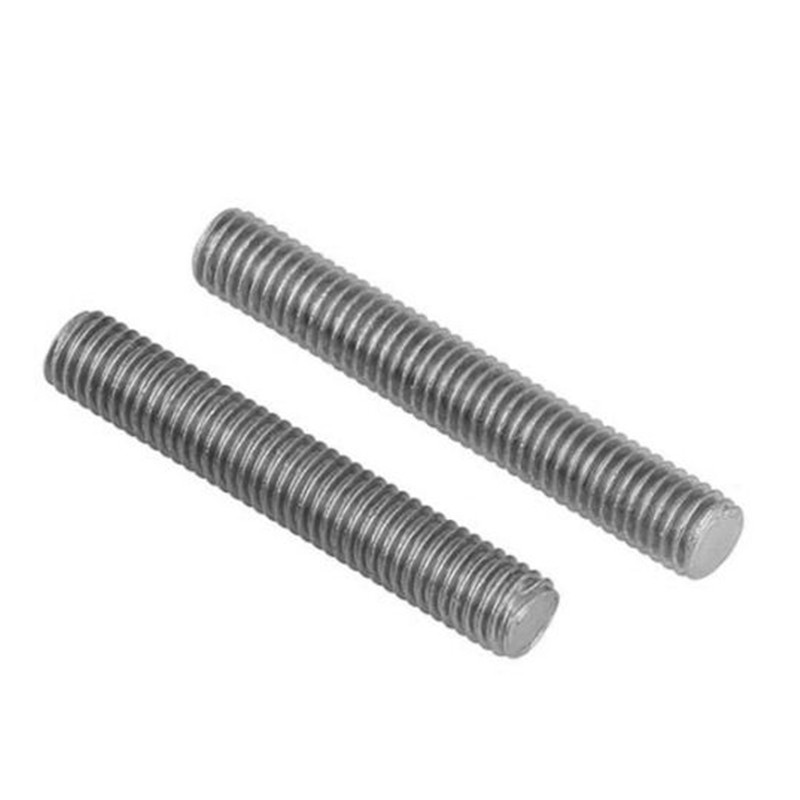
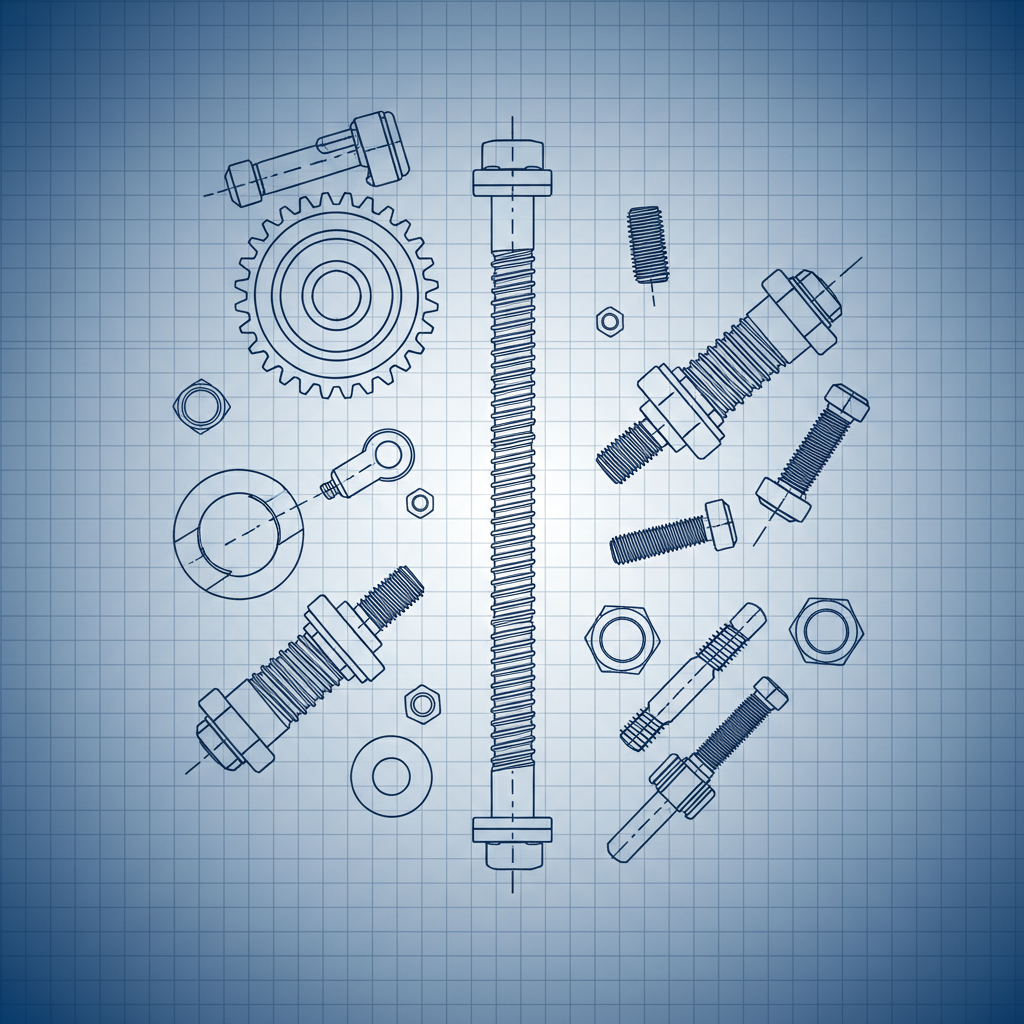
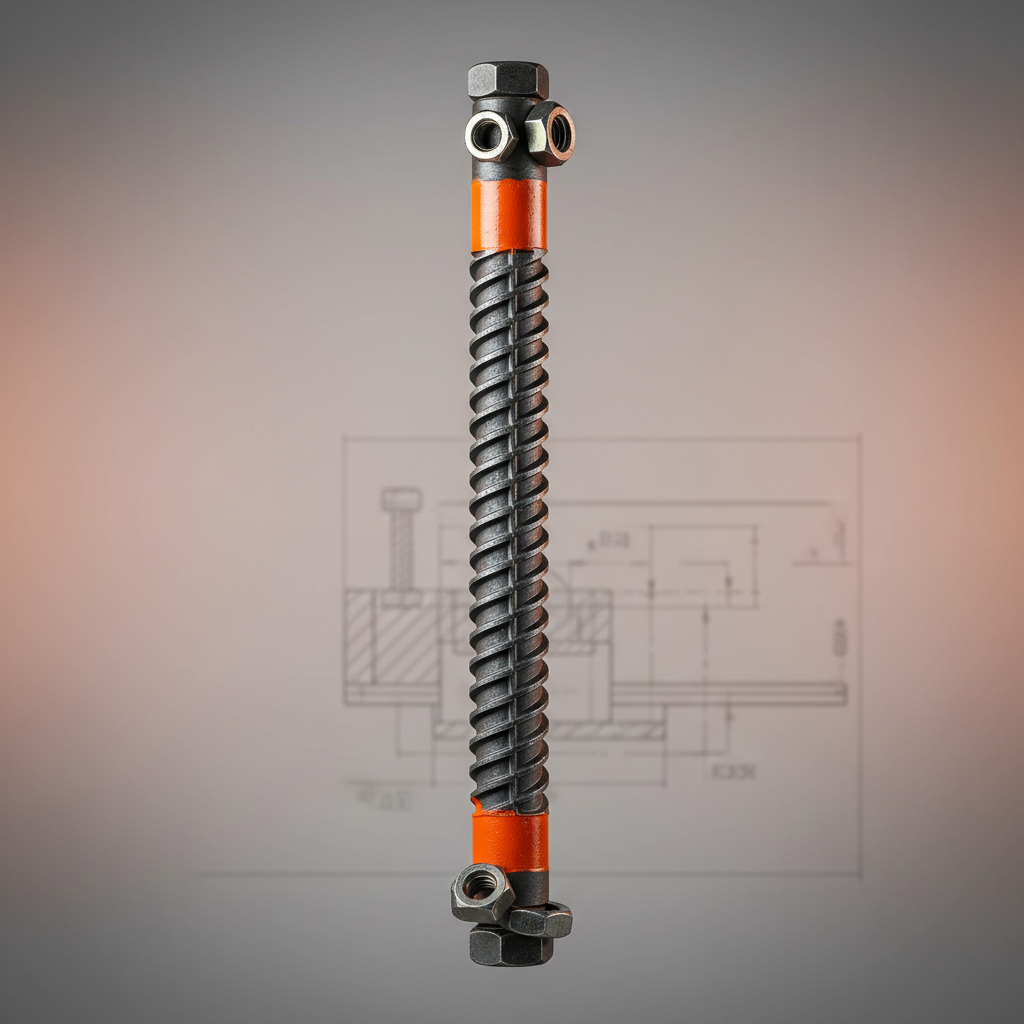
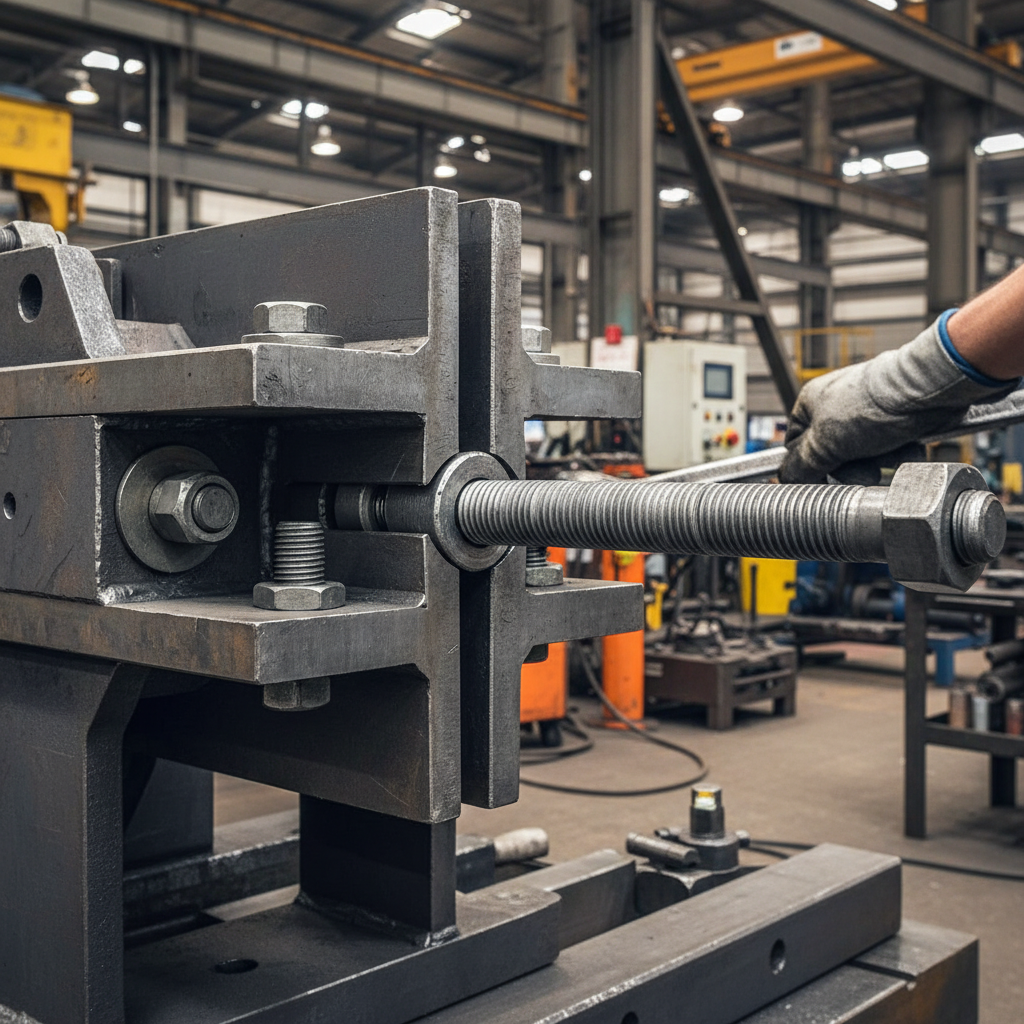
Put simply, a 7 8 threaded rod is a long metal rod with continuous threading along its length, sized at roughly 0.875 inches (7/8 inch) in diameter. Usually made of carbon steel, stainless steel, or alloy steel, it allows nuts and washers to be screwed on anywhere along its length, providing adjustable fastening.
Think of it as a versatile “male” connector part—unlike a bolt, which has a head, a threaded rod is just threaded shaft. Because of this, it is often used in situations where length customization is required or when joining structural components across variable distances.
In humanitarian or disaster relief efforts, these rods find their way into temporary shelters and portable infrastructure, given their ease of transport and adaptability.
Mini takeaway:
- 7 8 threaded rods offer flexible fastening options without fixed head constraints.
- They’re made from materials engineered to meet tough strength and corrosion requirements.
Core Aspects of 7 8 Threaded Rods Explained
1. Durability
One of the biggest selling points is durability. Depending on the grade — say Grade 5 carbon steel, or stainless steel A4 — these rods resist wear, corrosion, and high mechanical stress. For coastal or chemical plants, stainless steel rods can endure harsh environments for decades.
2. Load Capacity
Due to their thick 7/8 inch profile, these rods can handle substantial tensile and shear loads, crucial in heavy duty applications like bridge supports or industrial equipment. Engineers crunch numbers to ensure rods meet or exceed specs.
3. Customizability
They come in varying lengths (often 1 ft to 12 ft or cut-to-order), making them highly adaptable on-site. This reduces waste and speeds up assembly since lengths can be matched perfectly to a project’s needs.
4. Cost-effectiveness
While not the cheapest fasteners, 7 8 threaded rods strike a balance between price and lifespan. Their reusability and minimal maintenance translate to overall savings.
5. Compliance with Standards
Meeting ASTM or ISO specifications means these rods are traceable and reliable — no nasty surprises in the field.
Mini takeaway:
- Strong, adaptable, and standardized — these rods are designed for demanding conditions.
- Material choice drives suitability for specific environments.
Global Applications and Real-world Use
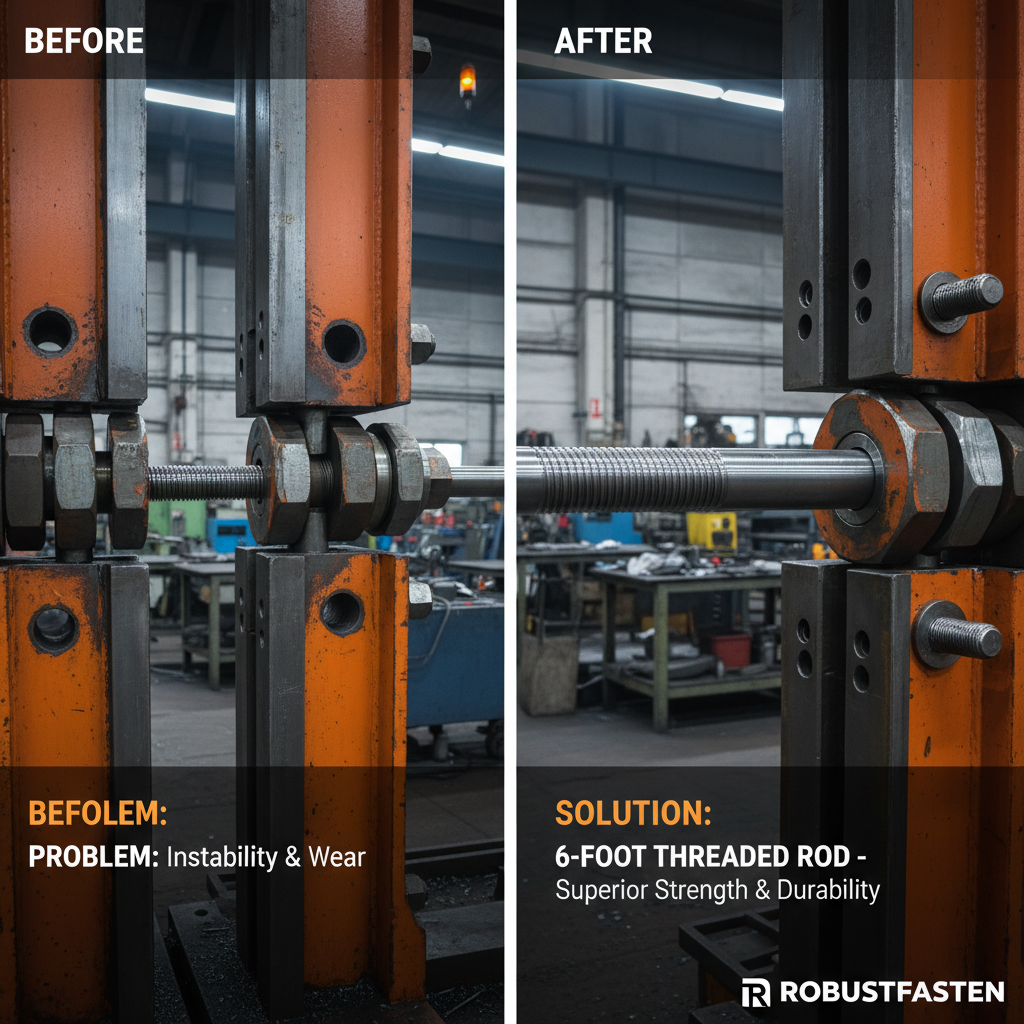
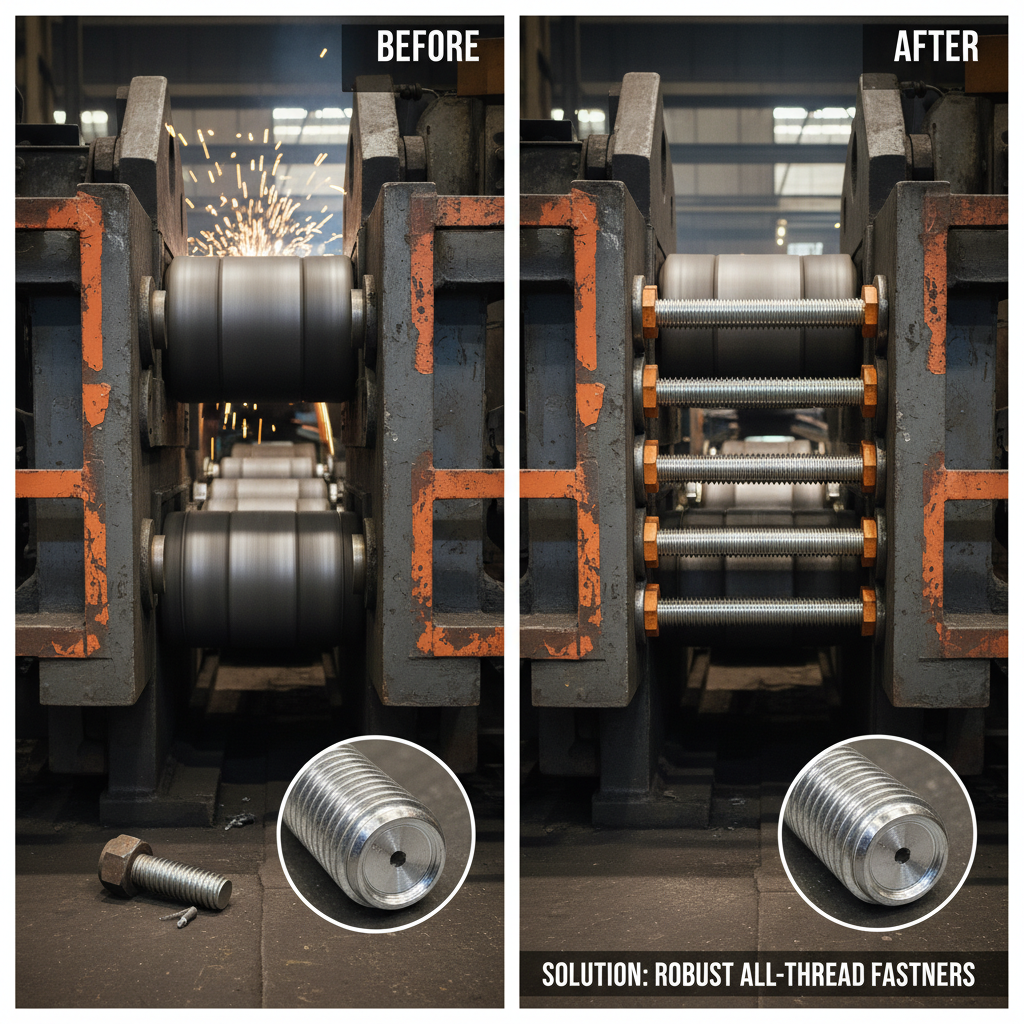
From the concrete jungles of New York to the desert solar farms of Morocco, the 7 8 threaded rod quietly does its job. In construction, they anchor structural steel frameworks. In energy, they secure mounting hardware on wind turbines and solar arrays. Factories use them for machinery mounting that requires periodic adjustment.
In post-disaster relief, NGOs use these rods to build modular shelters quickly. Their adaptability means workers in remote zones can carry lengths and customize assembly without heavy tooling.
Notably, many industrial sectors in Asia Pacific and Europe rely on these rods for both infrastructure expansion and maintenance. Shipbuilding yards in Europe, for example, employ high-spec stainless rods to hold hull components.
Mini takeaway:
- 7 8 threaded rods serve diverse industries worldwide — construction, energy, manufacturing, and humanitarian aid.
- Adaptability to environments and purpose makes them indispensable.
| Parameter | Specification | Notes |
|---|---|---|
| Diameter | 0.875 inches (7/8") | Standard nominal size |
| Material | Carbon Steel, Stainless Steel (A2, A4), Alloy Steel | Material varies by use case |
| Thread Pitch | 9 – 10 TPI (Threads per inch), UNC or UNF | Common thread standards |
| Length | 1 ft to 12 ft (custom cut) | Adjustable on order |
| Tensile Strength | 75,000 to 120,000 psi (varies by grade) | Ensures load bearing |
Advantages and Long-term Value of Using 7 8 Threaded Rods
The straightforward joy of the 7 8 threaded rod is its reliability. Cost-efficiency comes from its longevity — meaning fewer replacements, fewer work stoppages.
From a sustainability angle, many manufacturers now offer rods in recycled steel, and stainless steel’s corrosion resistance prolongs life, reducing waste. Trust is emotional but essential in construction: when you hold a rod certified to specs, you can sleep easier.
Socially, these rods enable strong infrastructure in remote areas—schools, hospitals, bridges—that literally uplift communities beyond immediate economic gains.
Mini takeaway:
- Reliability reduces downtime and costs.
- Sustainability efforts are shaping product lines.
- Social benefits extend to improving community infrastructure and safety.
Future Trends Shaping 7 8 Threaded Rod Usage
Innovation in materials is the buzzword here. Nanocoatings improving corrosion resistance, hybrid composites that blend metal with polymer for lighter weight—factory trials are underway.
Digitally, some suppliers embed QR codes on rod tags for traceability in supply chains, aligning with ISO 9001 quality management practices. Automation in production means faster delivery and customization.
Energy industry calls for rods made from greener materials to match the sustainability goals of wind and solar farms.
Challenges and Ways Forward
Quality inconsistencies from counterfeit or low-grade rods cause costly failures. Logistics during global disruptions slow deliveries. Plus, the weight and rigidity sometimes complicate shipping to very remote sites.
Solutions? Better supplier vetting, use of blockchain for provenance tracking, and industry push for lighter, yet equally strong alternatives.
Vendor Comparison: Popular Suppliers of 7 8 Threaded Rods
| Vendor | Material Options | Length Options | Certifications | Price Range (USD) |
|---|---|---|---|---|
| FastenerCo | Carbon, Stainless A2 & A4 | 1–12 ft (custom cut) | ASTM A193, ISO 9001 | $15–$60 per rod |
| SteelSupply Inc. | Alloy steel, Carbon | 2–10 ft | ISO 14001, CE | $12–$50 per rod |
| Global Rods Ltd. | Stainless A4, Carbon Steel | 1–15 ft (special order) | UL, ASTM, ISO 9001 | $20–$70 per rod |
Frequently Asked Questions About 7 8 Threaded Rod
Q: What applications are best suited for 7 8 threaded rods?
A: They’re ideal for structural connections where high tensile strength is needed, like steel frameworks, machinery bases, or heavy equipment mounts. Their customizable length also suits adjustable or retrofit projects.
Q: Can 7 8 threaded rods resist corrosion in coastal environments?
A: Yes, if made from appropriate stainless steel grades such as A4 (316), they perform well against salt spray and humidity, greatly extending lifespan in marine settings.
Q: How do I ensure compliance with quality when purchasing?
A: Look for ASTM or ISO certifications and request material test reports (MTRs) from suppliers. It's also advisable to source from reputable vendors with traceable supply chains.
Q: Are these rods reusable after disassembly?
A: Typically, yes, provided threads remain undamaged. Stainless steel rods especially can withstand repeated use without significant wear.
Q: Where can I find custom-length 7 8 threaded rods for industrial projects?
A: Many suppliers, including those linked here 7 8 threaded rod, offer cut-to-length services to fit your project's exact requirements, saving you time and reducing waste.
In Closing: Why the 7 8 Threaded Rod Will Remain Indispensable
While it’s easy to overlook, the 7 8 threaded rod quietly holds together global infrastructure, manufacturing, and humanitarian efforts. Its blend of strength, adaptability, and improving sustainability traits means it’s not going anywhere anytime soon.
For anyone specifying components or sourcing reliable fasteners, understanding this part’s nuances translates into better safety and economic outcomes.
Interested in learning more or sourcing premium rods? Check out our detailed offerings at 7 8 threaded rod.
References
Post time: Nov . 24, 2025 01:30


 English
  Albanian
  Arabic
  Armenian
  Azerbaijani
  Belarusian
  Bosnian
  Bulgarian
  Cebuano
  Corsican
  Czech
Czech  Galician
  Georgian
  Greek
Greek  Hausa
Hausa  Hebrew
  Hungarian
  Igbo
Igbo  Indonesian
  Italian
  Kazakh
  Khmer
Khmer  Korean
  Kurdish
  Kyrgyz
  Lao
Lao  Latin
Latin  Latvian
  Lithuanian
  Malay
Malay  Myanmar
  Nepali
  Polish
  Portuguese
  Russian
  Serbian
  Sesotho
  Shona
Shona  Sindhi
  Spanish
  Tagalog
  Tajik
Tajik  Thai
Thai  Turkish
  Turkmen
  Ukrainian
  Uzbek
Uzbek  Vietnamese
  Yoruba
  Zulu
Zulu