
The Unsung Hero of Engineering: The 1 2 Stainless Steel Threaded Rod
If you’ve ever wondered what keeps massive structures together, or what’s behind the strength of a simple yet vital component, then the 1 2 stainless steel threaded rod likely deserves a moment of your time. This modest piece of engineering hardware might sound technical (and honestly, a bit dry on paper) but it plays a pivotal role across construction, manufacturing, and infrastructure worldwide. Its importance transcends borders — from earthquake-resilient buildings in Japan to remote offshore drilling platforms in the North Sea.
Understanding this product better isn’t just for engineers or procurement specialists; it’s about appreciating how tiny parts lead to giant leaps in safety, sustainability, and cost-efficiency globally.
Mini takeaway: The 1 2 stainless steel threaded rod isn’t just a fastener; it’s a backbone for resilient, lasting infrastructure everywhere.Why the 1 2 stainless steel threaded rod Matters Globally
Globally, the construction industry represents about 13% of the world’s GDP, according to the International Labour Organization. And when we look closer, fasteners like the 1 2 stainless steel threaded rod hold a surprisingly prominent spot in project safety and cost management. Made from corrosion-resistant stainless steel, these rods are essential in harsh environments, especially where other metals would rust and fail.
In fact, corrosion costs the global economy nearly $2.5 trillion annually — roughly 3-4% of global GDP (source: NACE International). Using stainless steel rods that withstand environments from coastal desalination plants to urban skyscrapers not only extends the lifecycle of projects but reduces expensive replacements and safety hazards.
The challenge? Sourcing reliable, consistent quality threaded rods that don’t compromise performance or cost-effectiveness in projects that stretch from arid climates to frozen tundra.
Mini takeaway: Stainless steel threaded rods offer durability that touches countless global projects, saving billions by preventing corrosion and structural failure.What Exactly is a 1 2 Stainless Steel Threaded Rod?
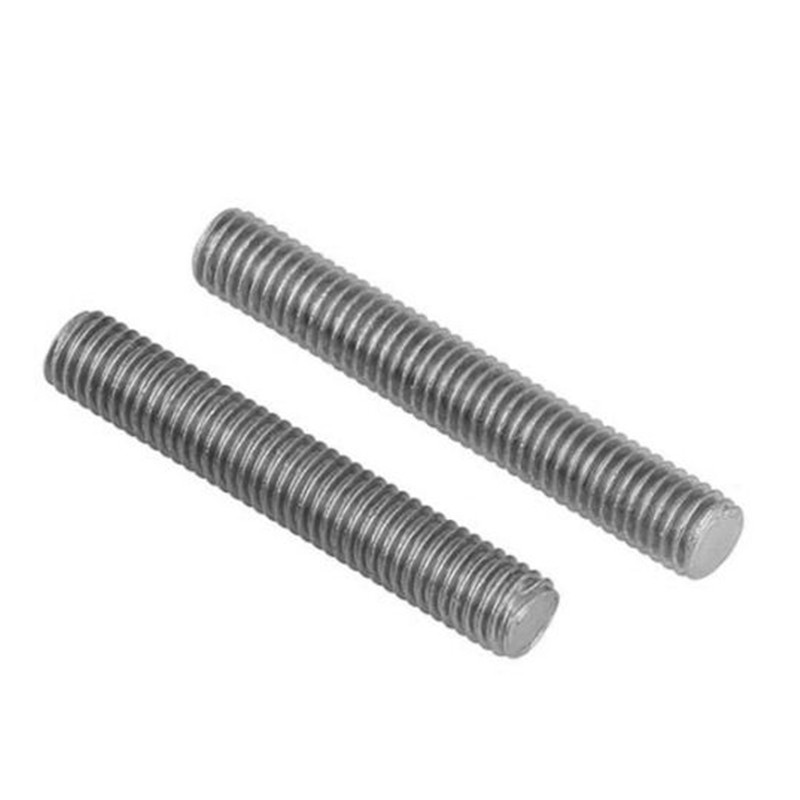
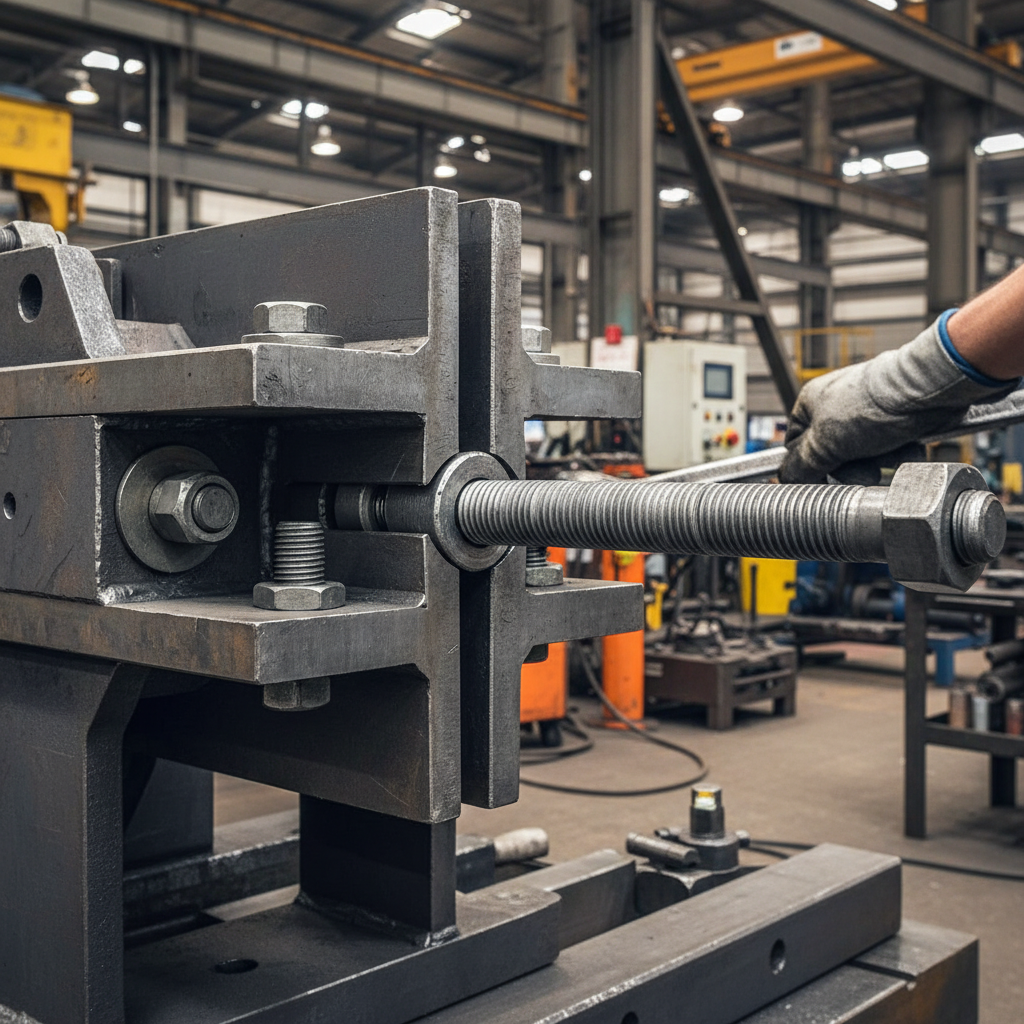
Simply put, a 1 2 stainless steel threaded rod is a long, cylindrical metal rod with continuous threading (grooves) along its length, measuring roughly half an inch in diameter (hence “1 2”). Made from stainless steel alloys, it combines strength with rust-resistance. You can think of it as a high-tech, precision backbone for joining, suspending, or supporting materials.
Industrially, it’s the go-to solution when you need to fasten components at scale or extend a bolted connection beyond standard bolt lengths. For humanitarian efforts, like quick infrastructure setup post-disaster, these rods mean fast yet sturdy construction — crucial when lives depend on speed and reliability.
Mini takeaway: It’s a durable, corrosion-resistant steel bar with threads that make fastening versatile and secure.Key Aspects That Make It Tick
1. Durability
Stainless steel means it resists rust, oxidation, and chemicals. This is essential where moisture, salt spray, or sabotage with corrosive substances might degrade lesser metals quickly.
2. Strength & Load Distribution
The 1 2 inch diameter balances handy size with sufficient tensile strength — it can hold tensile loads upwards of several thousand pounds without bending.
3. Versatility & Scalability
Its threaded design means it fits with nuts and washers of many sizes, enabling modular and scalable assemblies that engineers love for precision adjustment on the fly.
4. Cost Efficiency
Though stainless steel costs more upfront than regular steel, the long-term savings because of replacing fewer rods or maintenance make it an outstanding investment.
5. Compliance & Certification
These rods meet ISO and ASTM standards, which many international projects require — ensuring quality and compatibility worldwide.
| Specification | Details |
|---|---|
| Diameter | 1/2 inch (approx. 12.7 mm) |
| Material | Stainless steel grade 304 or 316 |
| Thread Type | Continuous threading (UNC or metric) |
| Length Options | Available from 1 ft to 12 ft or custom cuts |
| Corrosion Resistance | Excellent (marine environment resistant) |
| Tensile Strength | Approximately 75,000 psi (varies by grade) |
Where in the World is This Rod Doing the Heavy Lifting?
The applications of the 1 2 stainless steel threaded rod swirl across geographies and industries like a quiet but steady current. Industries from petrochemical plants in the Middle East, to skyscraper framing in New York, to sewage treatment plants in Singapore all rely on these rods to deliver longevity.
- Construction: Used in concrete formworks, structural framing, and anchoring applications.
- Energy: Popular for solar panel mounts and wind turbine assemblies where weather resistance is key.
- Maritime & Offshore: Corrosion resistance makes them ideal in shipbuilding and platforms exposed to seawater.
- Disaster Relief: NGOs use these rods in quick-deploy shelters, ensuring sturdy, safe structures under challenging conditions.
Oddly enough, while they may seem ordinary, the humble stainless steel threaded rod shows up on every continent helping engineers push limits.
Mini takeaway: This rod’s versatility lends itself to lifesaving projects across sectors and continents.Advantages & The Long-Term Value Proposition
What makes these rods a favorite? It’s a blend of the practical and emotional.
- Reliability: Because nobody wants a failed joint on a Friday afternoon.
- Safety: Stainless steel’s resistance to corrosion ensures no hidden weakening over time.
- Cost-Savings: Lower maintenance means fewer surprises on the invoice.
- Sustainability: Often recyclable, they fit well into green building initiatives.
- Trust & Reputation: Using high-quality materials builds client and regulatory confidence.
In real terms: knowing these rods won’t fail is peace of mind for engineers and construction managers alike, not to mention the people who live in the buildings they hold together.
What’s Next? Future Trends Impacting the 1 2 Stainless Steel Threaded Rod
The threaded rod sector isn’t sitting still. Innovations like smart coatings to enhance corrosion resistance, and integration with IoT sensors for real-time structural health monitoring are curious developments. In renewable energy sectors, rods made from advanced alloys tailor-made for specific environments promise lighter and stronger connections.
Plus, new international standards focused on sustainability and carbon footprint reduction nudge manufacturers toward greener steel production, which could soon become a game changer.
Common Challenges — And How the Industry is Tackling Them
One ongoing issue is ensuring consistent quality from different suppliers — because a subpar rod can cause catastrophic failures. Industry-wide, testing protocols have sharpened, and third-party certifications are becoming the norm. Custom machining and better supply chain transparency are other solutions that are gaining ground.
Another hurdle is logistics — transporting long rods to remote or disaster-hit areas can be tricky. Modular packaging and local fabrication partnerships are clever ways to get around that.
| Vendor | Material Grades | Customization | Certifications | Lead Time |
|---|---|---|---|---|
| HBTBLS Fasteners | 304, 316 stainless steel | Custom lengths, threads | ISO 9001, ASTM certified | 1-2 weeks |
| Global Steel Components | 304 SS only | Standard sizes only | ASTM certified | 2-3 weeks |
| Rapid Rod Co. | 316 SS, specialty alloys | Custom machining, coatings | ISO 14001, ASTM, CE | 3-5 days |
FAQ: Answers to Common Questions About 1 2 Stainless Steel Threaded Rod
- Q: Can a 1 2 stainless steel threaded rod be cut to custom lengths on site?
- A: Absolutely. These rods are designed to be easily trimmed with the right tools, allowing on-site flexibility for a perfect fit — though it's best to use stainless-specific cutting tools to avoid corrosion at cut edges.
- Q: How does the corrosion resistance of stainless steel threaded rods compare to galvanized steel?
- Stainless steel offers superior corrosion resistance, especially in marine or chemically aggressive environments. Galvanized steel might corrode once coating breaks, whereas stainless alloys resist rust intrinsically.
- Q: Are threaded rods reusable in structural applications?
- While technically reusable, it’s often safer to replace threaded rods in load-bearing applications to ensure joint integrity and avoid potential failure due to wear or thread damage.
- Q: How can NGOs source quality threaded rods for remote disaster relief operations?
- Partnering with certified suppliers like 1 2 stainless steel threaded rod manufacturers offering fast shipping and customization can streamline procurement and ensure reliability in field deployments.
Wrapping It Up: Why This Small Component Packs a Big Punch
In the end, the 1 2 stainless steel threaded rod punches way above its weight. It’s rarely the star, but it’s the silent workhorse behind safe, sustainable, and scalable construction worldwide. If you’re involved in engineering, manufacturing, or any infrastructure-related role, choosing the right stainless steel threaded rod isn’t just a checkbox — it’s a foundational decision.
Curious? Learn more about reliable suppliers, custom specs, and how these rods can revolutionize your next project by visiting our site. Sometimes, it’s the smallest details that create the biggest impact.
References:
1. NACE International — The Cost of Corrosion
2. ISO Standards for Steel Fasteners
3. International Labour Organization: Construction Sector Data
Post time: Nov . 27, 2025 04:25


 English
  Albanian
  Arabic
  Armenian
  Azerbaijani
  Belarusian
  Bosnian
  Bulgarian
  Cebuano
  Corsican
  Czech
Czech  Galician
  Georgian
  Greek
Greek  Hausa
Hausa  Hebrew
  Hungarian
  Igbo
Igbo  Indonesian
  Italian
  Kazakh
  Khmer
Khmer  Korean
  Kurdish
  Kyrgyz
  Lao
Lao  Latin
Latin  Latvian
  Lithuanian
  Malay
Malay  Myanmar
  Nepali
  Polish
  Portuguese
  Russian
  Serbian
  Sesotho
  Shona
Shona  Sindhi
  Spanish
  Tagalog
  Tajik
Tajik  Thai
Thai  Turkish
  Turkmen
  Ukrainian
  Uzbek
Uzbek  Vietnamese
  Yoruba
  Zulu
Zulu