
Understanding B7 All Thread Rod: The Backbone of Industrial Fastening
In a world where infrastructure and machinery frequently depend on fasteners holding everything together, the b7 all thread rod emerges as a quiet but vital hero. Whether it’s oil rigs braving the harsh ocean, bridges carrying millions of vehicles, or heavy machinery in remote industrial zones, these rods play a key role. But what exactly is a b7 all thread rod, and why should industry professionals care? Frankly, grasping its benefits can save significant downtime, ensure safety, and optimize project costs across the board.
Global Context: Why B7 All Thread Rod Matters Across Industries
You might not immediately think about threaded rods as a global imperative, but according to the International Organization for Standardization (ISO) and World Bank infrastructure data, fasteners like the b7 all thread rod are critical components in nearly 80% of major construction and industrial equipment worldwide. Post-disaster reconstruction, for instance, relies heavily on quick, reliable assembly parts—and here these rods shine. Yet, many projects still face challenges from subpar fastening materials leading to costly repairs. The b7 standard, governed by ASTM A193, addresses this very issue with strict mechanical property requirements, offering consistent strength and corrosion resistance for critical applications.
Mini takeaway: Understanding globally standardized fasteners like b7 all thread rods isn’t just about specs; it’s about ensuring infrastructure reliability wherever the job demands it.
What Exactly Is a B7 All Thread Rod?
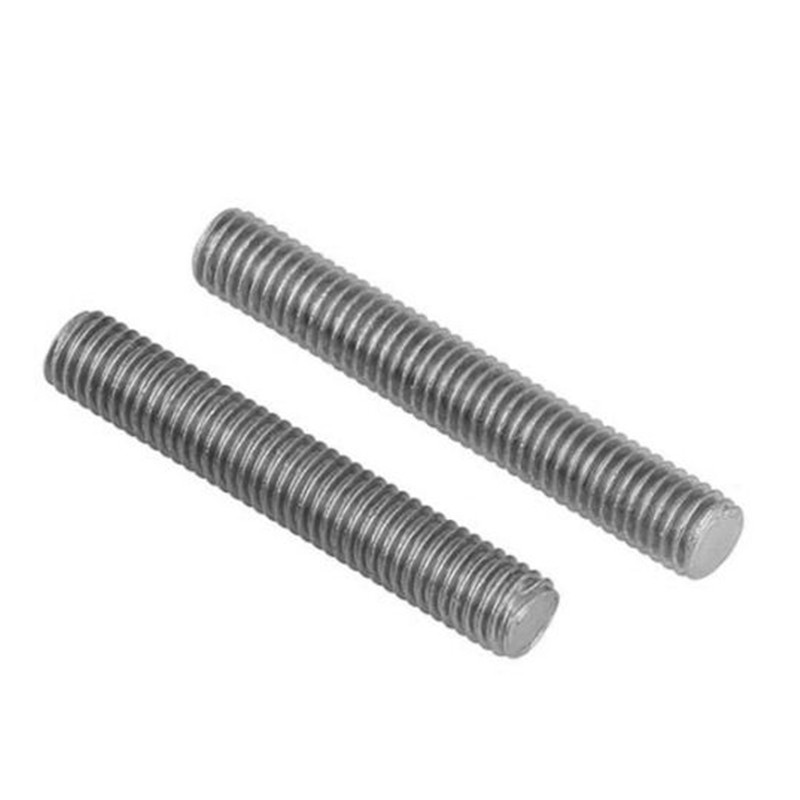
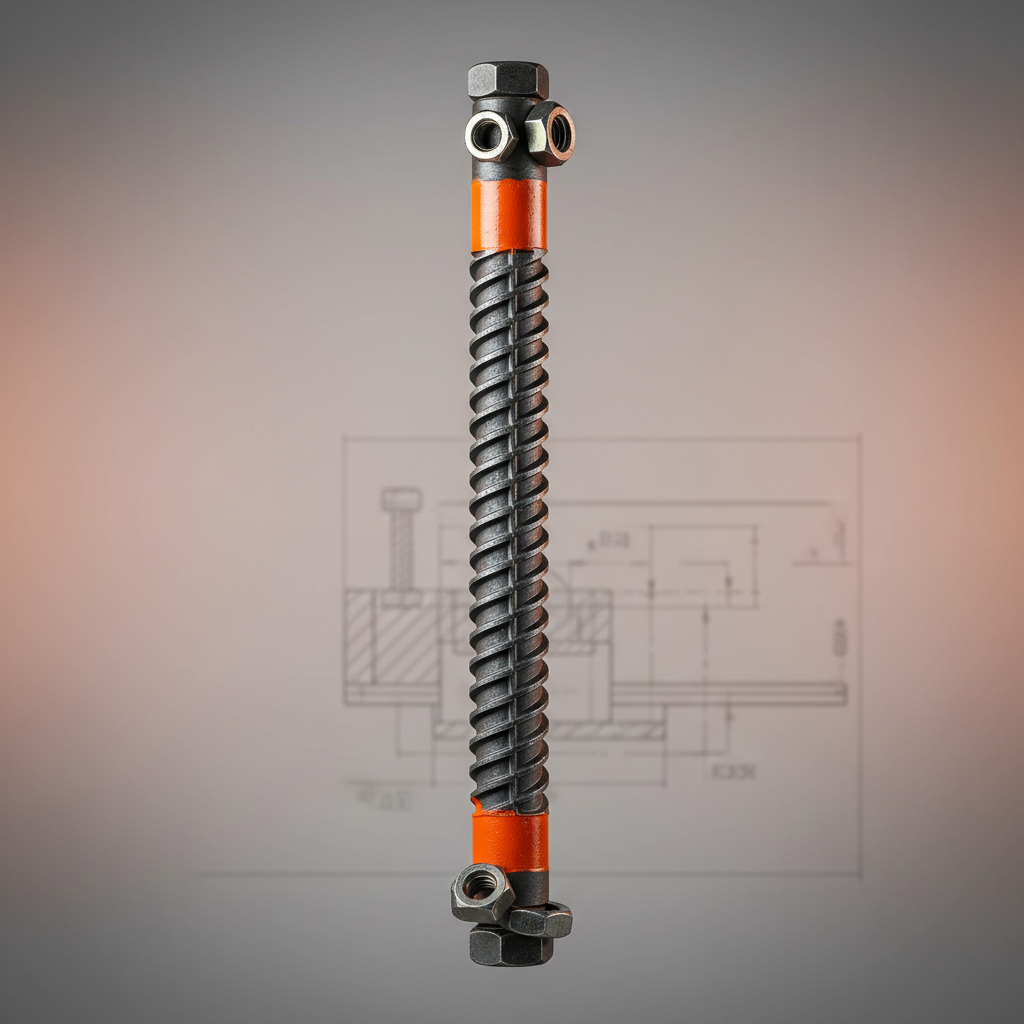
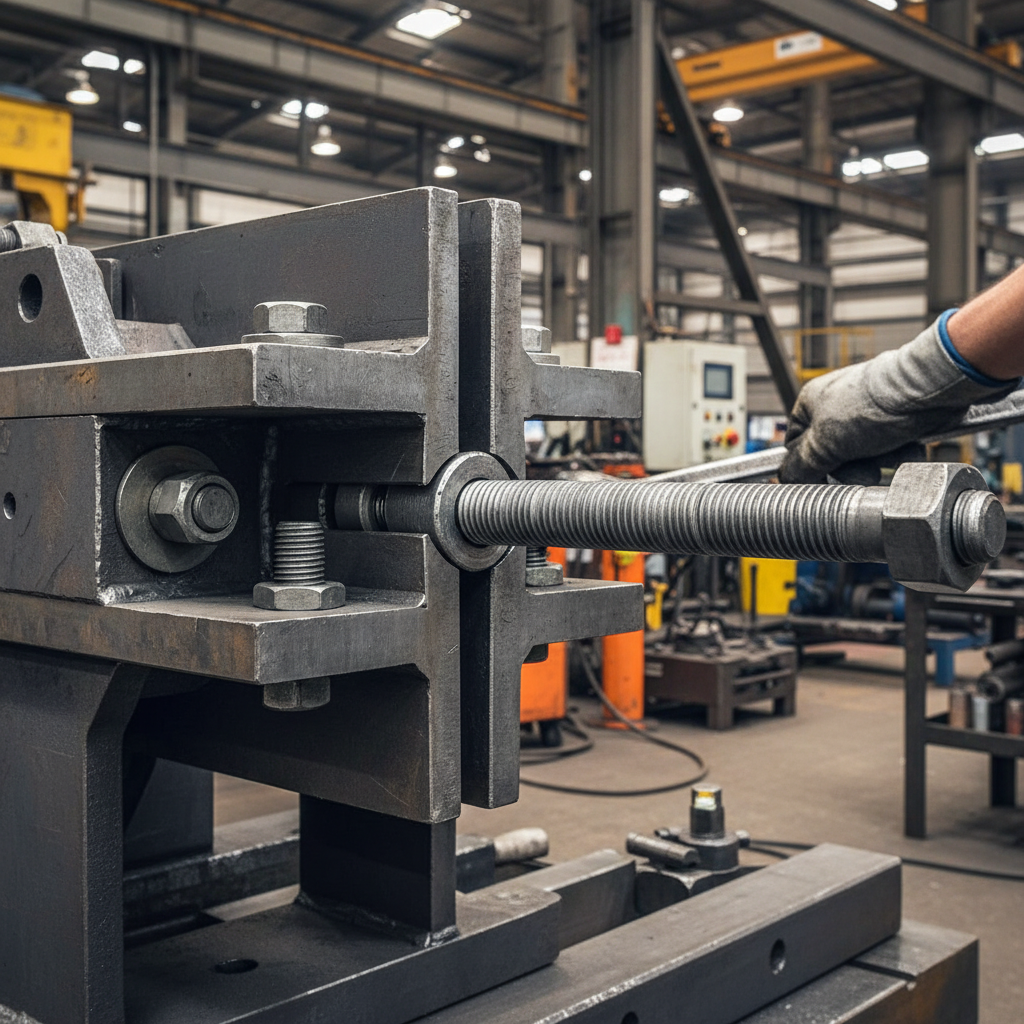
Simply put, a b7 all thread rod is a fully threaded rod made from heat-treated alloy steel designed to meet ASTM A193 Grade B7 specifications. These rods stand apart because their tensile strength is carefully controlled, typically around 125 ksi (860 MPa), making them suitable for high-temperature and high-pressure applications.
Industries such as oil and gas, petrochemical, transportation, and power generation use b7 rods extensively. Oddly enough, their strength and durability make them indispensable not only in industrial settings but also in humanitarian efforts — for example, when rebuilding water infrastructure in disaster-stricken regions where fast, tough assemblies can literally save lives.
Core Components of B7 All Thread Rod – What You Should Know
1. Durability and Strength
B7 rods withstand heavy loads and harsh conditions. This durability is thanks to their alloy composition — primarily chromium and molybdenum — which improves fatigue resistance. Many engineers say these rods prevent failures that can cascade into major accidents.
2. Heat Treatment and Hardness
The rods undergo quenching and tempering to achieve their ideal hardness and strength. This process is crucial because it ensures a uniform microstructure that resists wear and deformation under stress.
3. Corrosion Resistance
Though not stainless steel, B7 rods’ alloy elements provide improved resistance against oxidation and corrosion — essential for outdoor, marine, or chemical environments.
4. Versatility (Full Thread Design)
The “all thread” design means the rod is threaded from end to end, increasing the surface area for firm gripping with nuts and washers. This versatility enables precise length customization on-site, reducing waste and labor.
5. Compliance to Standards
ASTM A193 B7 is the gold standard. Purchasing rods certified under this ensures traceability and dependable quality—important when international projects demand uniformity.
Mini takeaway: The combination of mechanical strength, heat treatment, corrosion resistance, and thread design makes b7 all thread rods the go-to fastener for demanding industrial environments.
Global Applications & Real-World Examples
B7 all thread rods find themselves in some of the most crucial, unforgiving settings around the globe:
- Oil & Gas Platforms: In the turbulent North Sea, the rods hold flange connections that must resist pressure fluctuations and saltwater corrosion.
- Infrastructure Projects: High-rise buildings and bridges in cities like Dubai and Shanghai rely on these rods for foundational bolting, maintaining both strength and safety under massive loads.
- Disaster Relief Construction: In post-earthquake Nepal, modular water filtration units were assembled using b7 rods, ensuring fast deployment without sacrificing robustness.
- Power Plants: Nuclear and fossil-fuel plants employ these rods in valve assemblies and critical machinery, where failure simply can’t be an option.
Hopefully, if you visit b7 all thread rod suppliers, you’ll notice their offerings come with extensive certifications and technical support, reflecting these demanding use cases.
Technical Specifications at a Glance
| Property | Typical Value | Notes |
|---|---|---|
| Material | Alloy Steel (Chromium-Molybdenum) | ASTM A193 B7 spec |
| Tensile Strength | 125 ksi (860 MPa) min | Suitable for high-stress uses |
| Hardness | 25–34 HRC | Heat treated |
| Length | Customizable, 1m to 6m typical | Cut-to-length available |
| Coating | Oil, black phosphate, or hot-dip galvanized | Depending on corrosion risk |
Vendor Comparison: Choosing Your Ideal B7 All Thread Rod Supplier
| Feature | Supplier A | Supplier B | Supplier C |
|---|---|---|---|
| ASTM Certification | Full Traceability | Standard Documentation | Third-party Verified |
| Custom Length Service | Available | Limited | Available with MOQ |
| Coating Options | Yes (Galvanized, Phosphate) | Basic Oil Coating | Galvanized Only |
| Lead Time | 2 Weeks | 4+ Weeks | 3 Weeks |
The Advantages and Long-Term Value of B7 Rods
Choosing a b7 all thread rod feels like betting on reliability. The tangible advantages go beyond raw strength — there’s a peace of mind component. Knowing that each rod can endure fluctuating temperature, avoid catastrophic failure, and support life-saving infrastructure lends a kind of emotional value for engineers and project managers.
Plus, they offer cost efficiency by reducing the frequency of repairs and replacements. Durability means fewer project delays. Sustainability, interestingly, sneaks in too — fewer replacements and less waste make the rods a greener choice.
In short, these rods don’t just connect parts; they connect trust with performance.
Looking Ahead: Trends & Innovations in B7 All Thread Rods
The future’s shaping up with some exciting advances. Materials science is pushing toward enhancing corrosion resistance with novel coatings—think nano-ceramics that could extend lifespan by years. Automation in manufacturing also means precision is improving; fewer defects and consistent heat treatment profiles are emerging.
Sustainability trends are another angle. Companies are exploring recycled alloy steel options for b7 rods without compromising on strength—a tricky balance. The integration of digital tagging technologies like RFID chips for traceability is also gaining traction. Imagine scanning a rod on-site and instantly accessing its precise origin and testing records.
Challenges and How to Overcome Them
No story is complete without its bumps. For b7 all thread rods, challenges include ensuring consistent quality across suppliers and controlling corrosion in ultra-harsh environments. Some regions face supply chain delays or minimum order quantities that complicate projects.
Experts recommend partnering with verified, ISO-certified suppliers who offer testing documentation and customization. Applying additional coatings or design modifications (like rolled threads versus cut threads) also help tailor performance to exact needs.
FAQs: Quick Answers on B7 All Thread Rods
- Q: What makes b7 all thread rods better than standard threaded rods?
A: B7 rods are heat-treated alloy steel rods meeting ASTM A193 B7 specs, giving them higher tensile strength and heat resistance than standard rods. This makes them suitable for high-stress and high-temperature applications. - Q: Can b7 rods be cut to custom lengths on-site?
A: Yes, the full threaded design allows easy on-site cutting and leftover usage, providing flexibility for varying installation needs. - Q: Are there special coatings for b7 rods to prevent corrosion?
A: Common coatings include black oxide, oil, phosphate, or hot-dip galvanizing—chosen based on environmental exposure. - Q: How do I verify the quality of a b7 all thread rod supplier?
A: Look for ASTM certification, ISO compliance, traceable test reports, and third-party verification to ensure product consistency. - Q: Is b7 all thread rod suitable for outdoor marine applications?
A: While suitable for moderately corrosive environments, for harsh marine use, additional protective coatings or stainless alternatives might be preferable.
Wrapping Up: Why B7 All Thread Rods Are Here to Stay
When I look at the humble b7 all thread rod, I see more than just steel—it’s an enabler of progress and safety. In a fast-moving, demanding industrial world, relying on such consistent, time-tested fasteners feels reassuring. Whether you’re designing the next state-of-the-art refinery or rebuilding essential infrastructure after a natural disaster, having dependable components like these can make all the difference.
Intrigued? Explore our detailed guide and product range at b7 all thread rod — because the right rod could hold your next big project together.
References
Post time: Dec . 01, 2025 22:40


 English
  Albanian
  Arabic
  Armenian
  Azerbaijani
  Belarusian
  Bosnian
  Bulgarian
  Cebuano
  Corsican
  Czech
Czech  Galician
  Georgian
  Greek
Greek  Hausa
Hausa  Hebrew
  Hungarian
  Igbo
Igbo  Indonesian
  Italian
  Kazakh
  Khmer
Khmer  Korean
  Kurdish
  Kyrgyz
  Lao
Lao  Latin
Latin  Latvian
  Lithuanian
  Malay
Malay  Myanmar
  Nepali
  Polish
  Portuguese
  Russian
  Serbian
  Sesotho
  Shona
Shona  Sindhi
  Spanish
  Tagalog
  Tajik
Tajik  Thai
Thai  Turkish
  Turkmen
  Ukrainian
  Uzbek
Uzbek  Vietnamese
  Yoruba
  Zulu
Zulu