
The Unsung Hero: What Is a 1 1 8 Threaded Rod and Why It Matters
At first glance, a 1 1 8 threaded rod might seem like a mundane piece of metal — just a long, slender rod with spiraled threads. But scratch beneath the surface and you find it's a cornerstone of countless industries worldwide. From towering construction projects to delicate mechanical assemblies, this simple yet vital component quietly holds things together — literally. Understanding its role unlocks insights into manufacturing efficiency, infrastructure resilience, and even humanitarian aid.
Why does it matter on a global scale? According to ISO statistics, fasteners like threaded rods underpin roughly 60% of the components holding industrial equipment in place. Delays or failure in sourcing quality rods can cascade into downtime and safety issues. So, beyond bolts and nuts, the 1 1 8 threaded rod plays a pivotal role in ensuring strength, reliability, and progress.
1 1 8 threaded rod is far more than just hardware — it’s the silent backbone of progress.
A Global Perspective: The Industry Context for 1 1 8 Threaded Rods
The global fastener market is estimated to surpass $120 billion by 2028 (according to a recent Global Industry Analysts report), with threaded rods occupying a significant share. Why? The construction sectors in Asia-Pacific and the Middle East alone account for nearly 40% of demand. Large-scale infrastructure, renewable energy projects, and even disaster relief operations depend heavily on [threaded rods](https://www.hbtbls.com) for structural integrity.
Still, challenges linger. Supply chain disruptions caused by pandemics or geopolitical tensions can delay procurement. Material quality inconsistencies impact longevity and safety. And with green construction practices rising, the industry faces pressure to innovate sustainable manufacturing processes. Threaded rods, though small, are pivotal in these conversations.
So, What Exactly Is a 1 1 8 Threaded Rod?
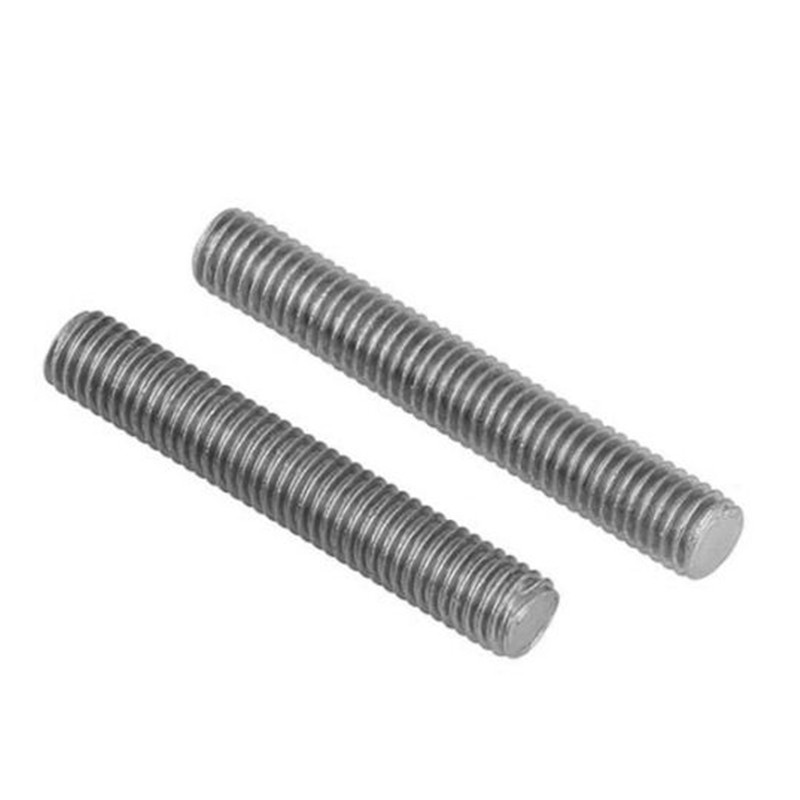
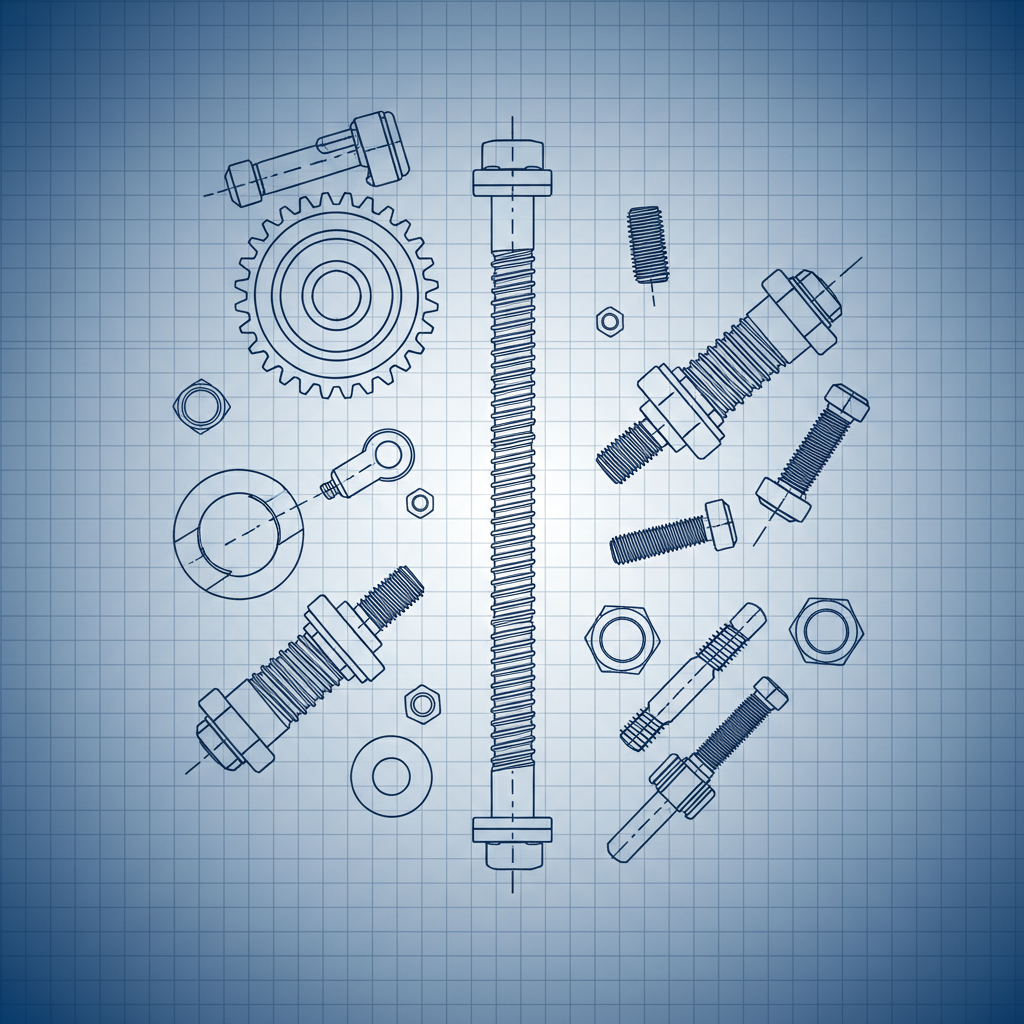
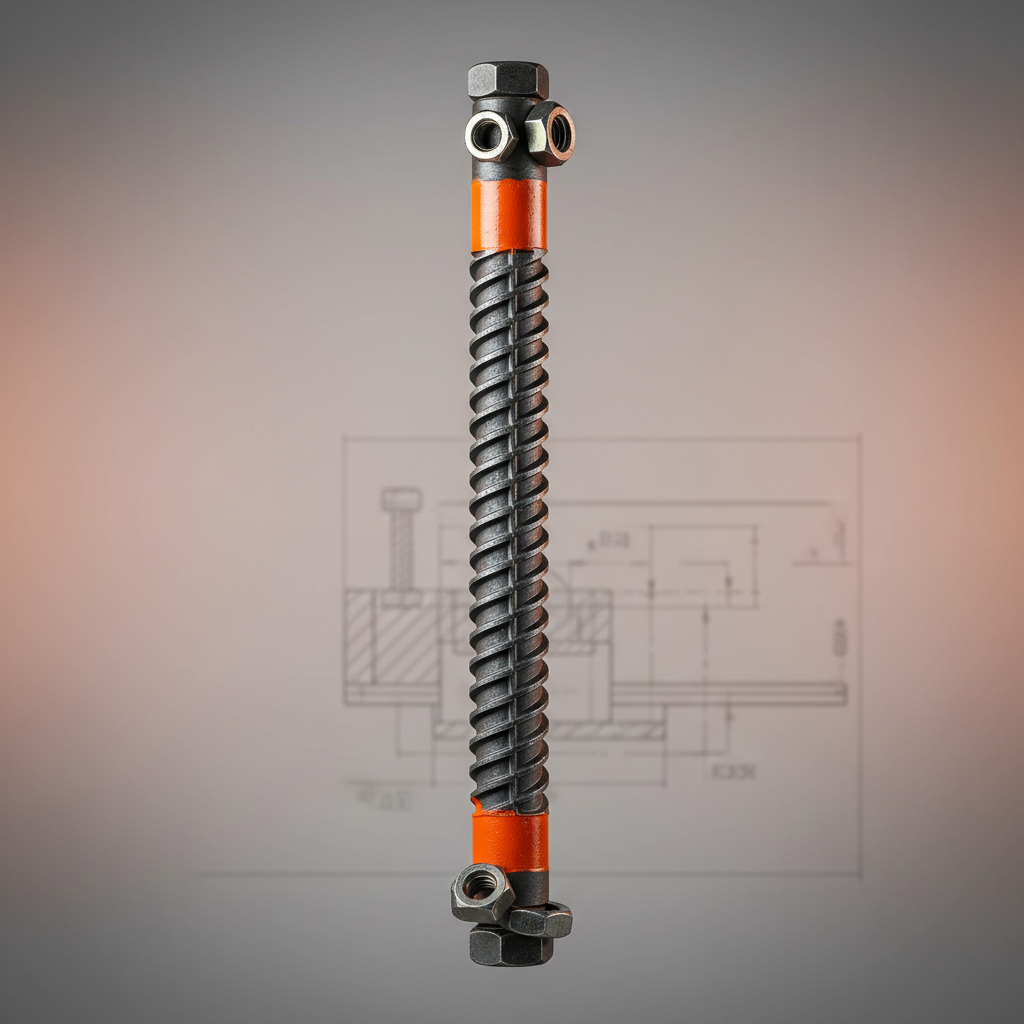
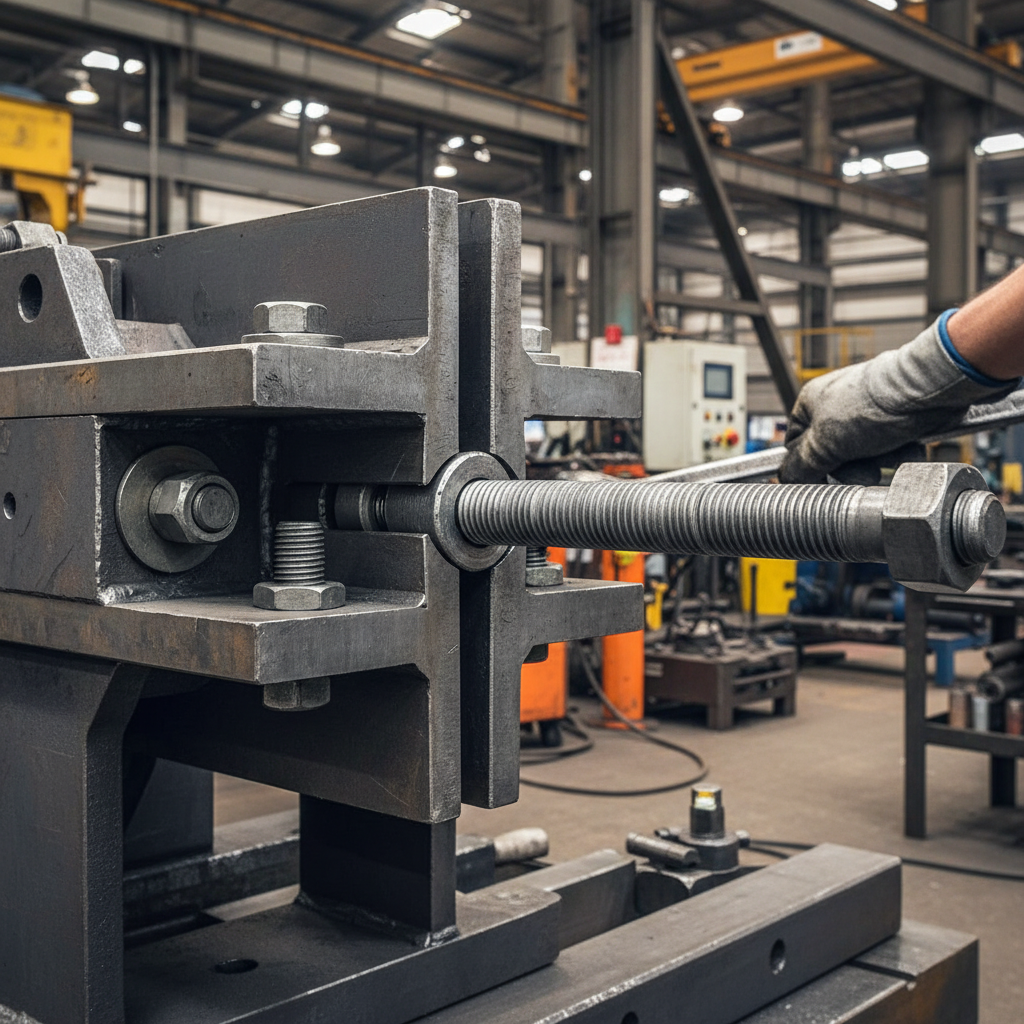
Simply put, a 1 1 8 threaded rod is a steel (or sometimes alloy) rod with a nominal diameter of 1 1/8 inches, fully or partially threaded with helical grooves. Thread specifications may vary (UNC, UNF, metric) but the “1 1 8” denotes the thickness of the rod.
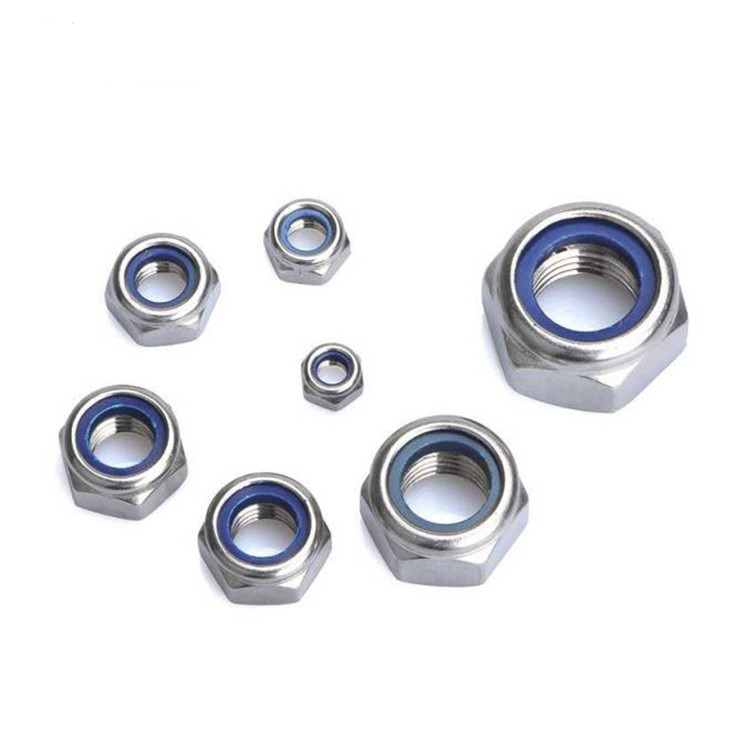
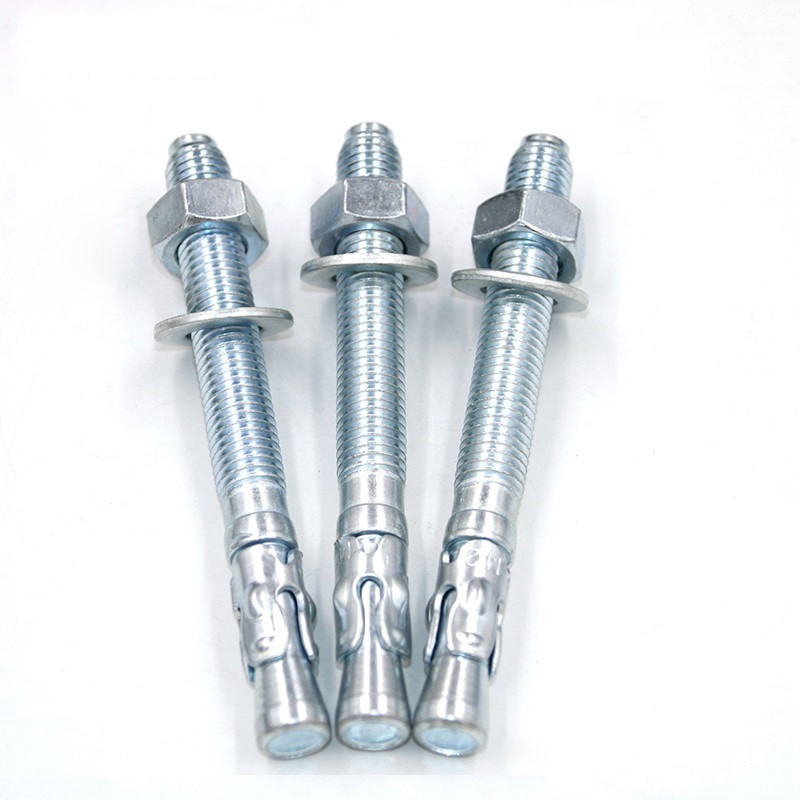
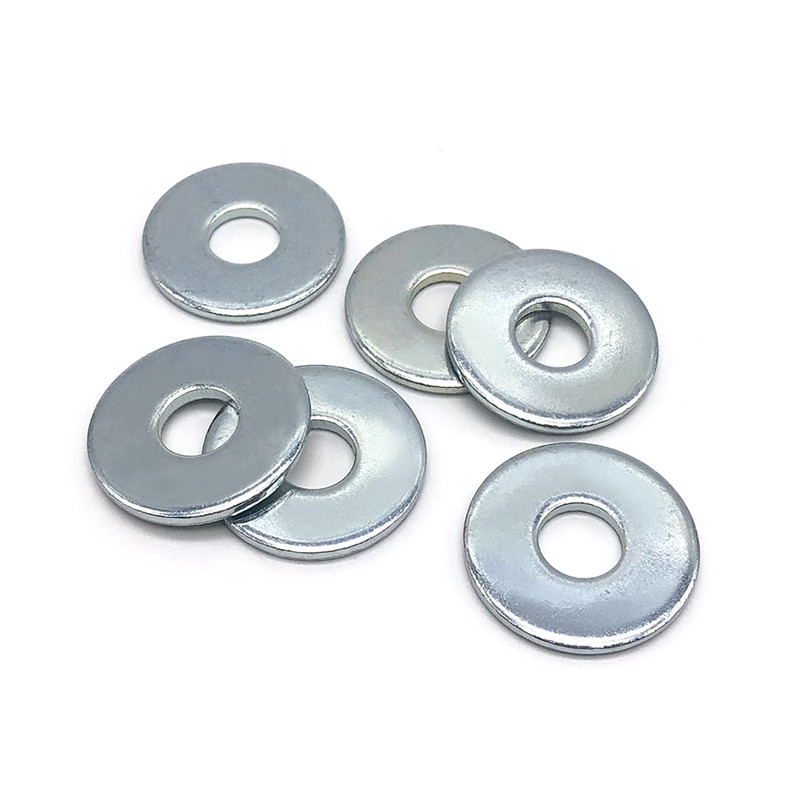
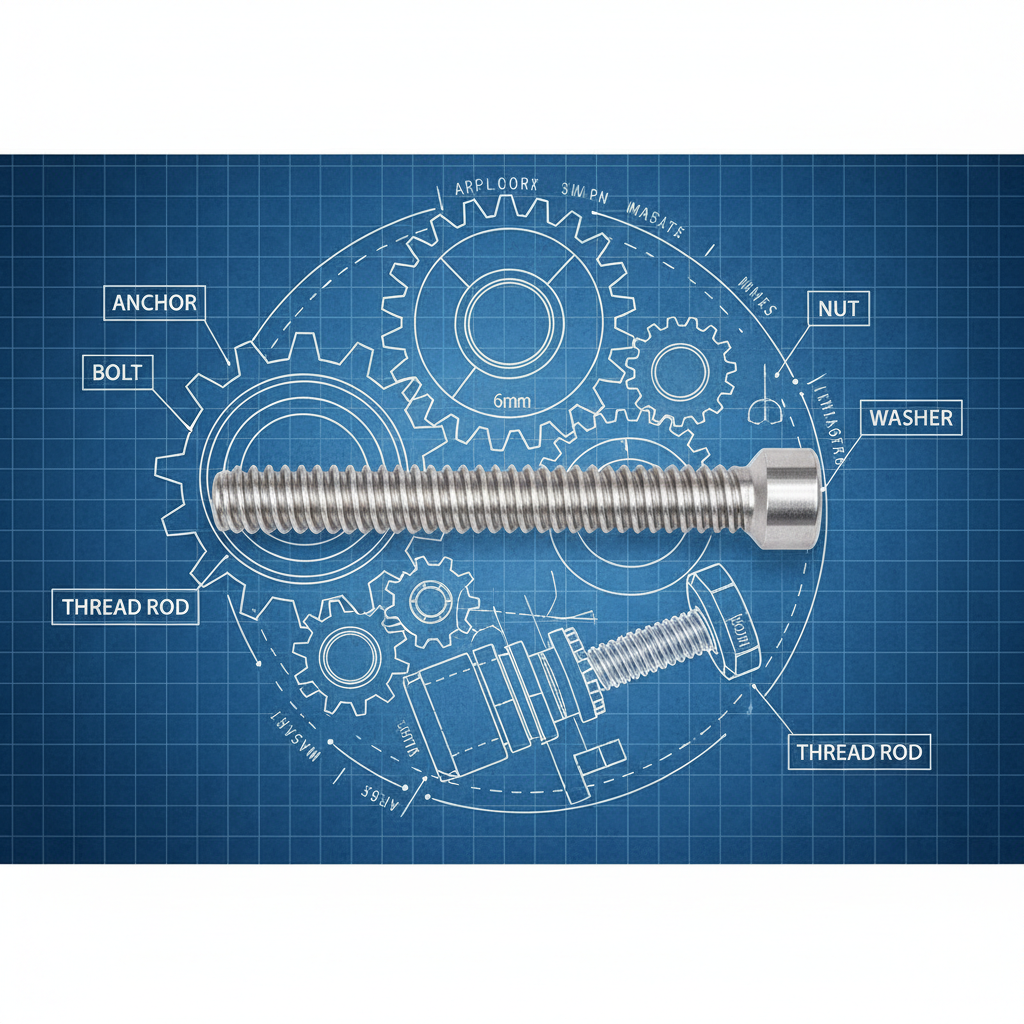
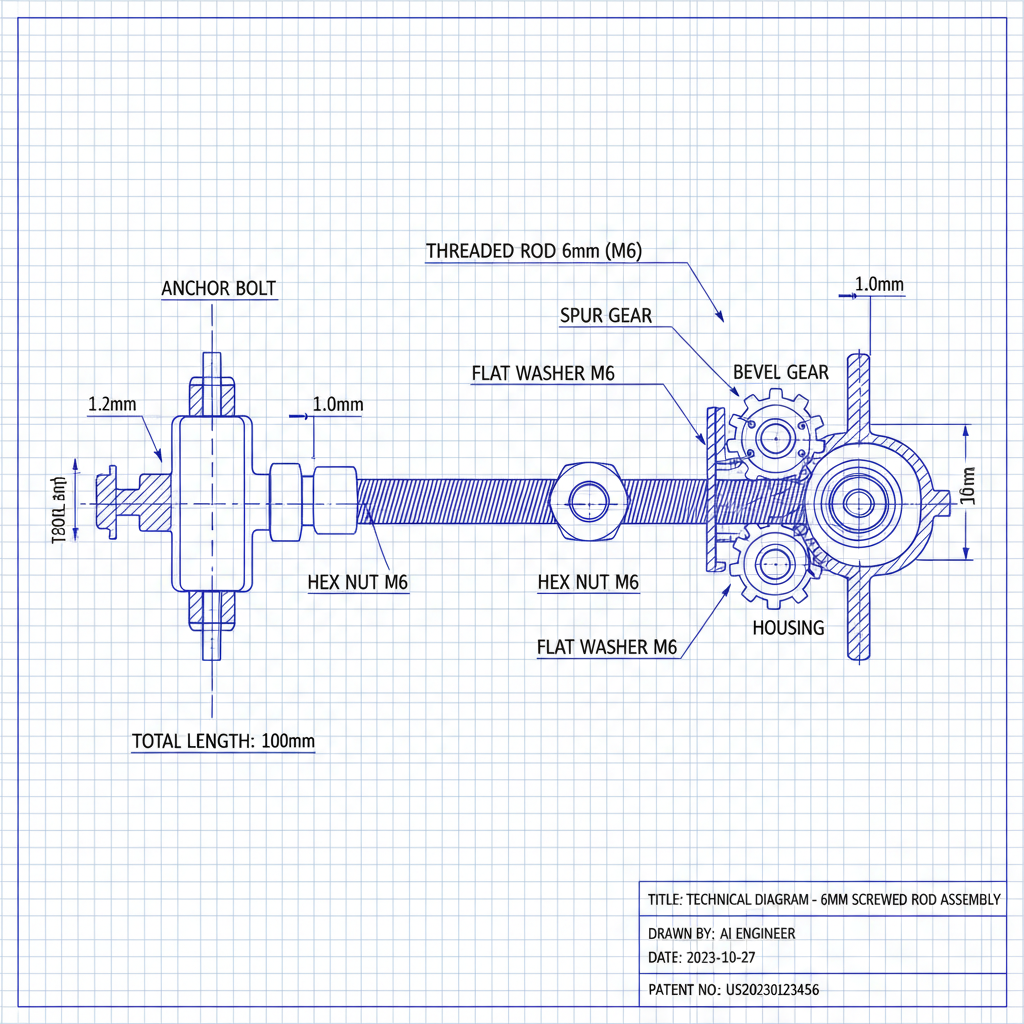
Its primary function? To connect, fasten, or stabilize components where long bolts aren’t suitable. They’re frequently cut to size and used with nuts and washers to secure heavy machinery, beams, or frameworks. Oddly enough, despite their industrial presence, they often fly under the radar — yet are indispensable for everything from elevators to highway barriers.
Mini Takeaway
In straightforward terms, a 1 1 8 threaded rod is the go-to fastener for demands requiring heft, length, and strength — the unsung superstar of heavy-duty fastening.
Core Attributes That Make 1 1 8 Threaded Rods So Valuable
Durability
Engineered from hardened steel grades such as ASTM A193 B7, these rods boast excellent tensile strength and corrosion resistance, especially when galvanized or stainless steel variants are chosen. This means they withstand heavy loads and harsh environments, making them trusted in marine, mining, and offshore oil rigs.
Scalability
Threaded rods aren’t one-size-fits-all; they’re easily cut or customized to precise lengths. This modularity benefits construction sites where onsite adjustments are routine. The ability to pair different nuts, washers, or coatings also expands their utility.
Cost Efficiency
If you compare the combined expense of multiple bolts or welding with a single threaded rod setup, you often find threaded rods are more economical in installation and maintenance. They reduce labor time, are reusable, and streamline inventory management.
Compatibility
Because of standardized thread patterns (like ANSI/ASME B1.1), a 1 1 8 threaded rod integrates seamlessly with a vast range of nuts and fittings. This universality reduces downtime and makes sourcing replacements smoother.
Corrosion Resistance
Many rods are treated with zinc plating or hot-dip galvanizing, extending their lifespan even in outdoor or salty conditions—key for infrastructure longevity.
Mini Takeaway
In short, durability plus flexibility plus cost savings equals a no-brainer choice for many engineers and builders.
Real-World Uses: Where Do 1 1 8 Threaded Rods Really Shine?
- Construction & Infrastructure: Used to anchor structural beams, mounting heavy equipment, or stabilizing concrete forms across North America and Europe.
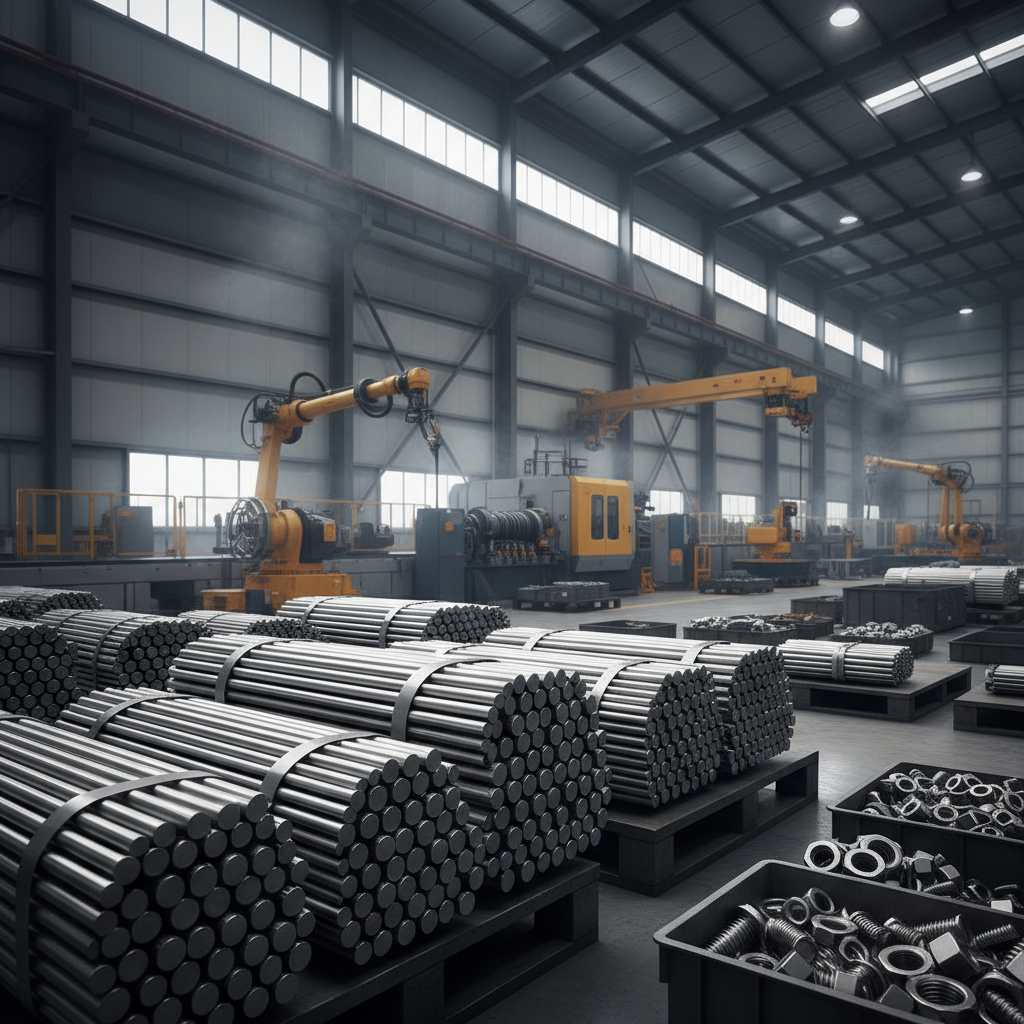
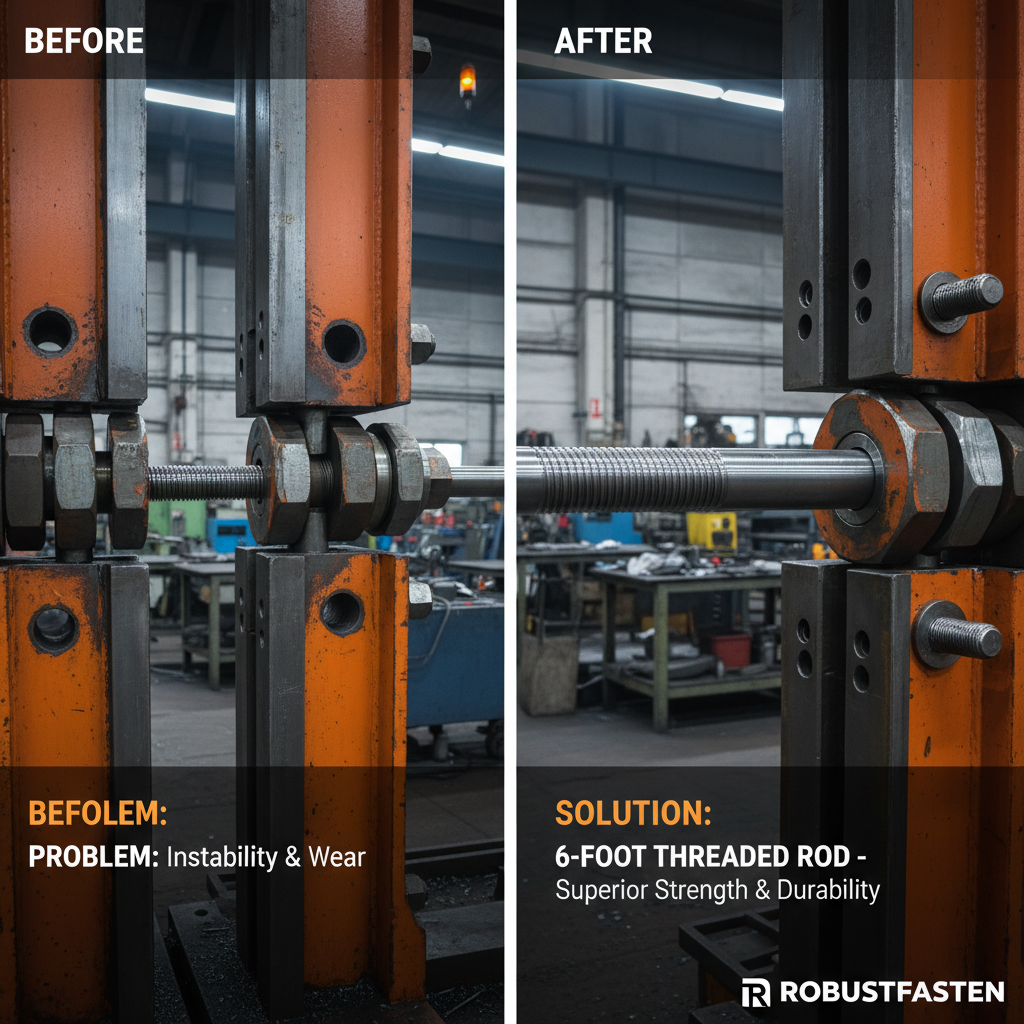
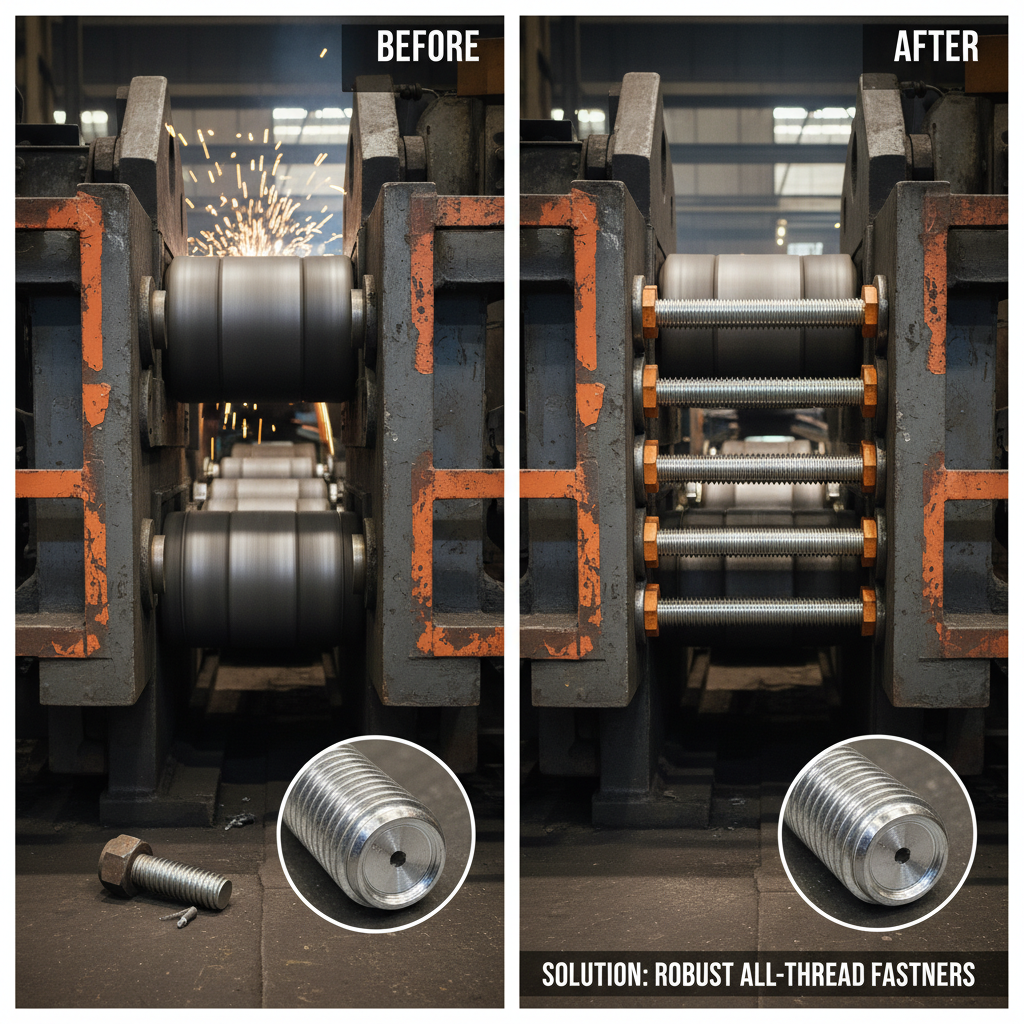
- Industrial Machinery: Many manufacturers in industrial plants use these rods to secure conveyor systems or assemble heavy presses.
- Oil & Gas Sector: Offshore rigs often rely on stainless steel threaded rods for corrosion resistance in saltwater environments.
- Humanitarian & Disaster Relief: Interestingly, during post-earthquake rebuilding efforts in Japan and Nepal, speed and reliability of threaded rods have expedited temporary shelters and infrastructure repairs.
- Renewable Energy: Wind turbine assemblies and solar panel mounting structures increasingly count on these rods for secure, long-term fastening.
In fact, several NGOs and relief agencies emphasize sourcing standardized 1 1 8 threaded rods for quick-deploy units.
Product Specification Table
| Specification | Details |
|---|---|
| Nominal Diameter | 1 1/8 inch (28.575 mm) |
| Material Grades | ASTM A193 B7, Stainless Steel 304, Galvanized Steel |
| Thread Type | Unified National Coarse (UNC), Unified National Fine (UNF) |
| Typical Lengths | 1 ft – 20 ft (custom cut possible) |
| Tensile Strength | Up to 125 ksi (860 MPa) |
| Surface Treatment | Hot-dip galvanizing, zinc plating, black-oxide coating |
Vendor Landscape: How Do Suppliers Compare?
| Supplier | Product Range | Customization | Certifications | Lead Time |
|---|---|---|---|---|
| HBTBLS Fasteners | Wide, from standard to specialty rods | Custom lengths & thread types on request | ISO 9001, ASTM compliant | 2-3 weeks |
| Global Threaded Solutions | Focus on galvanized rods & bolts | Limited customization | CE, RoHS certified | 1-2 weeks |
| SteelPro Industrial | Heavy-duty and alloy steel rods | Full custom threading & coating options | API Spec Q1, ISO 45001 | 3-4 weeks |
Advantages and Long-Term Value of Using 1 1 8 Threaded Rods
Cost-wise, the initial price might seem a bit steeper compared to smaller fasteners, but engineers swear by the long-term benefits. The rods’ robustness means fewer replacements and less downtime. For critical projects—like bridges or power plants—safety is paramount. The ability of these rods to withstand tens of thousands of pounds of force provides confidence where it really counts.
On a more emotional note, think about the pride and trust communities feel when infrastructures "just work" for decades after construction. This fastener, as banal as it sounds, empowers innovation and reliability—those intangible but priceless values.
What's Coming Next? Trends and Innovations
The future of 1 1 8 threaded rods isn’t just about making them stronger or cheaper. Sustainability is driving research into using recycled steel and environmentally friendly coatings. Some manufacturers are even experimenting with smart-threaded rods embedded with sensors for stress monitoring—imagine catching strain or corrosion before failure.
Another development is automation in manufacturing, which cuts lead time drastically and improves consistency. All these trends align with a growing pressure for greener, smarter infrastructure worldwide.
Challenges and Solutions: Navigating Common Pitfalls
Supply chain delays still rank high on the list of gripes. Manufacturers are combatting this with diversified local sourcing and strategic stockpiling. Corrosion, always a risk, can usually be mitigated by choosing the right surface treatment — but it requires vigilance on site to avoid damage during installation.
Then there’s compatibility—using the wrong thread pitch or material can cause failures. The best solution? Keep strict standards, and always source from trusted vendors, like here, who clearly mark specs and certifications.
FAQ: Practical Questions About 1 1 8 Threaded Rods
- Q: What materials are best for corrosive environments?
- A: For salty or wet environments, stainless steel rods (grade 304 or higher) or hot-dip galvanized rods are recommended. They resist rust and maintain tensile strength longer than plain steel.
- Q: Can I cut threaded rods onsite without losing durability?
- Yes, but ensure you re-tap or treat the cut end to protect threads and prevent corrosion. Precision cutting tools and protective coatings help maintain integrity.
- Q: How do I choose between UNC and UNF thread types?
- UNC (coarse thread) is typically used when quick assembly is needed and in softer materials for better resistance to cross-threading. UNF (fine thread) offers higher tensile strength and is preferred in harder materials.
- Q: What lead-time should I expect when ordering customized rods?
- It varies, but typically 2–4 weeks depending on the vendor and complexity. Planning ahead is key for large projects to avoid delays.
Wrapping It Up: Why 1 1 8 Threaded Rods Still Hold Strong
So, a simple fastener like the 1 1 8 threaded rod ends up connecting much more than metal parts — it connects industries, economies, and even lives. Durable, flexible, and cost-effective, it’s one of those hidden performers that you only really notice when it fails.
If your next project demands reliability and strength, it makes sense to start with quality threaded rods. Curious where to find dependable supplies? Visit https://www.hbtbls.com and take the first step to securing your build’s foundation.
Final Thought
Next time you pass a skyscraper or cross a sturdy bridge, spare a moment for the humble threaded rod — it’s quietly holding the world together.
References
Post time: Dec . 01, 2025 22:00


 English
  Albanian
  Arabic
  Armenian
  Azerbaijani
  Belarusian
  Bosnian
  Bulgarian
  Cebuano
  Corsican
  Czech
Czech  Galician
  Georgian
  Greek
Greek  Hausa
Hausa  Hebrew
  Hungarian
  Igbo
Igbo  Indonesian
  Italian
  Kazakh
  Khmer
Khmer  Korean
  Kurdish
  Kyrgyz
  Lao
Lao  Latin
Latin  Latvian
  Lithuanian
  Malay
Malay  Myanmar
  Nepali
  Polish
  Portuguese
  Russian
  Serbian
  Sesotho
  Shona
Shona  Sindhi
  Spanish
  Tagalog
  Tajik
Tajik  Thai
Thai  Turkish
  Turkmen
  Ukrainian
  Uzbek
Uzbek  Vietnamese
  Yoruba
  Zulu
Zulu