
Understanding the Stainless Steel Rod 3 8: Why It Matters Worldwide
When it comes to materials that quietly yet critically hold together countless structures and devices, the stainless steel rod 3 8 stands out. Despite sounding like a simple metal stick, this particular dimension and material type pack a lot of punch in global industry and construction. Whether it’s in manufacturing anchors, agricultural equipment, or even in medical devices, knowing the ropes about this stainless steel variant can save time, money, and — frankly — headaches.
Globally, the need for versatile, durable, and corrosion-resistant materials has never been more urgent as industries expand and sustainable building codes tighten. Understanding the specs, uses, and advantages of stainless steel rods sized at 3/8 inch could be the difference between a project that lasts decades and one that fails prematurely.
Why Stainless Steel Rod 3 8 Has a Global Footprint
Stainless steel remains a frontline metal in construction, infrastructure, and manufacturing worldwide. According to ISO, stainless steel production has grown steadily over the past decade, driven largely by sectors demanding corrosion resistance and strength.
Specifically, the 3/8 inch diameter rod hits a sweet spot — small enough to be highly versatile but large enough to provide solid strength. This dimension is widely used for everything from architectural frameworks in Europe to manufacturing components in Asia and America.
Still, challenges like price fluctuation due to raw material costs and supply chain delays often arise. Knowing exactly what you need and how stainless steel rod 3 8 fits into your workflow helps alleviate these hurdles.
What Exactly is a Stainless Steel Rod 3 8?
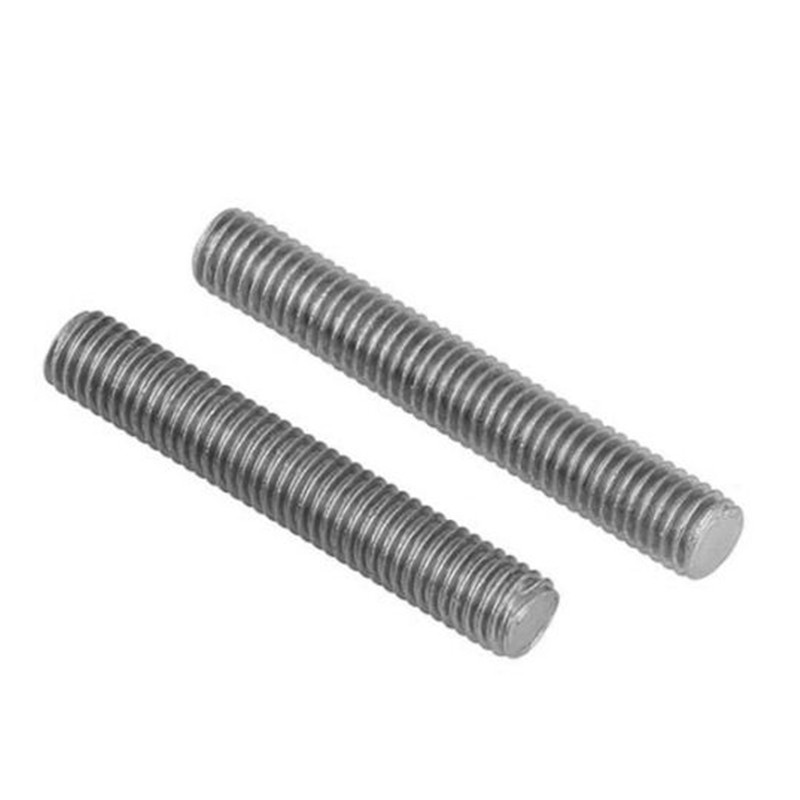
Put simply, a stainless steel rod 3 8 is a solid metal bar made from a corrosion-resistant alloy, typically with a diameter of 0.375 inches (3/8 of an inch). Its stainless quality means it contains at least 10.5% chromium, granting it resistance to rust, stains, and oxidation.
These rods are manufactured through various processes such as hot rolling, cold drawing, or forging to achieve specific mechanical properties. They serve as essential components in industries demanding high durability combined with aesthetic neutrality.
Their adaptability also meets growing humanitarian needs—think of quick-build shelter reinforcements or water infrastructure in remote areas — where reliability counts.
Core Attributes That Make Stainless Steel Rod 3 8 So Dependable
Durability and Corrosion Resistance
Arguably the rod’s most celebrated feature is its resistance to harsh environments. Whether it’s a humid coastal warehouse or a chemical processing plant, a stainless steel rod sized 3/8 inch stands strong against moisture-induced corrosion.
Mechanical Strength
For many engineers, this rod blends tensile strength with a modest size, making it ideal for tension applications like braces, fasteners, or reinforcing elements. It’s tough but not overly rigid, striking a balance between bend and break.
Cost Efficiency
While stainless steel typically costs more upfront than carbon steel, the long-term savings in maintenance, replacement, and downtime often tilt the scales in its favor.
Scalability & Availability
Because it’s a widely manufactured standard size, sourcing a stainless steel rod 3 8 is generally easier than specialized parts. This accessibility is key for industries relying on steady supply chains.
How Industries Around the World Use Stainless Steel Rod 3 8
The global reach of this rod is impressive, crossing industries and borders. For example:
- Construction: From rebar in lightweight concrete structures in North America to framing supports in European façades.
- Automotive: Used in engine components and chassis where corrosion resistance extends vehicle life.
- Agricultural Equipment: Supporting machinery that must survive exposure to water and soil chemicals in South America.
- Medical Devices: In surgical instruments and hospital fixtures where sterility and corrosion resistance are critical.
In post-disaster zones, rapid deployment shelters often employ stainless steel rods as key components for structural integrity—helping communities rebuild faster and safer.
Oddly enough, some remote industrial zones in Africa are just now scaling up their use of stainless steel rods precisely because the upfront investment reduces costly repairs later.
The Tangible Benefits of Choosing Stainless Steel Rod 3 8
Here’s where logic meets emotion. Using these rods doesn’t just make sense for budgets; it also means structures and products provide safety, trust, and dignity to users.
- Reliability: You don’t worry about rust eating away your parts mid-project.
- Sustainability: Stainless steel is 100% recyclable, aligning with global green initiatives (Wikipedia).
- Innovation: Engineers design lighter, stronger, and longer-lasting equipment thanks to these rods.
- Social Impact: In safety-critical applications, clients and communities benefit from peace of mind.
Gazing Forward: Trends Shaping Stainless Steel Rod 3 8
The future of these rods intertwines with advances in metallurgy and digital manufacturing. Additive manufacturing (3D printing) is opening doors to custom rod alloys optimized at the molecular level. Automation improves quality control, pushing tolerances tighter than ever.
Plus, green energy infrastructure projects, such as wind turbines and solar mounts, increasingly rely on corrosion-resistant rods like 3/8 inch stainless steel to withstand decades of weather exposure.
Sustainability policies worldwide, influenced by institutions like the World Bank, promote use of recyclable, durable materials—fortifying stainless steel rod’s market position.
Challenges and Proactive Solutions
Of course, nothing’s perfect. Price volatility of nickel and chromium elements occasionally spikes production costs. Plus, improper welding or machining can compromise corrosion resistance.
Best practices emerge in training workers on correct handling and recommending suppliers who provide mill test reports and certifications. Some innovative companies are developing lower-cost stainless alloys with comparable longevity.
Quick FAQ: What People Usually Want to Know About Stainless Steel Rod 3 8
- How resistant is a stainless steel rod 3 8 to rust in coastal environments?
- Very resistant — thanks to chromium content forming a protective oxide layer. Still, grade selection matters (316-grade stainless steel rods offer superior corrosion resistance for salt-air environments).
- Can I weld this 3/8 stainless steel rod without losing its corrosion resistance?
- Yes, but welding must be done correctly using compatible filler materials and techniques to avoid heat-affected zones that can reduce resistance.
- What industries mostly demand stainless steel rods in the 3/8 size?
- Construction, automotive, medical device manufacturing, and agriculture are the top sectors, leveraging mechanical strength alongside corrosion resistance.
- Is buying stainless steel rod 3 8 in bulk more economical?
- Typically yes — bulk buying often secures volume discounts and reduces delivery lead time, especially for standard dimensions.
- Where can I find reliable suppliers?
- Look for certified vendors with transparent testing reports. Visiting marketplaces like stainless steel rod 3 8 ensures vetted options.
Stainless Steel Rod 3 8: Product Specifications at a Glance
| Specification | Value |
|---|---|
| Diameter | 3/8 inch (9.525 mm) |
| Material | AISI 304 or 316 Stainless Steel |
| Tensile Strength | 75,000 psi (approx.) |
| Corrosion Resistance | Excellent (316 better in salt environments) |
| Surface Finish | Mill finish, polished options available |
| Standard Lengths | 6, 12, 20 feet |
How the Top Vendors Stack Up
| Vendor | Material Grades Offered | Certifications | Lead Time | Price Range |
|---|---|---|---|---|
| SteelPro Inc. | 304, 316 | ISO 9001, ASTM F138 | 2 weeks | $$$ |
| MetaSteel Supplies | 304, 316L | ISO 14001, ASTM A276 | 1 week | $$ |
| GlobalSteel Partners | 304, 316, 317L | ISO 9001, ISO 45001 | 3 weeks | $$$$ |
Wrapping it all up — Why Stainless Steel Rod 3 8 is Worth Your Attention
So, if you’re hunting for a metal rod that can quietly outlast the elements, stand up to mechanical vigour, and cost you less over time, stainless steel rod 3 8 is a solid bet. Its broad applicability, excellent durability, and the ripple effects of choosing this material echo across continents—from industrial plants to humanitarian projects.
Thinking about your next build? Don’t overlook this quietly versatile component.
Ready to learn more or order? Visit stainless steel rod 3 8 to get started.
Quick Takeaways:
- Stainless steel rod 3 8 is a universally useful material dimension balancing strength and corrosion resistance.
- It finds uses worldwide in construction, automotive, agriculture, and medical fields.
- Choosing the right grade and vendor is key for long-term savings and performance.
References
Post time: Nov . 27, 2025 00:25


 English
  Albanian
  Arabic
  Armenian
  Azerbaijani
  Belarusian
  Bosnian
  Bulgarian
  Cebuano
  Corsican
  Czech
Czech  Galician
  Georgian
  Greek
Greek  Hausa
Hausa  Hebrew
  Hungarian
  Igbo
Igbo  Indonesian
  Italian
  Kazakh
  Khmer
Khmer  Korean
  Kurdish
  Kyrgyz
  Lao
Lao  Latin
Latin  Latvian
  Lithuanian
  Malay
Malay  Myanmar
  Nepali
  Polish
  Portuguese
  Russian
  Serbian
  Sesotho
  Shona
Shona  Sindhi
  Spanish
  Tagalog
  Tajik
Tajik  Thai
Thai  Turkish
  Turkmen
  Ukrainian
  Uzbek
Uzbek  Vietnamese
  Yoruba
  Zulu
Zulu