
Understanding the m8 1.25 Threaded Rod: A Small Component with Global Importance
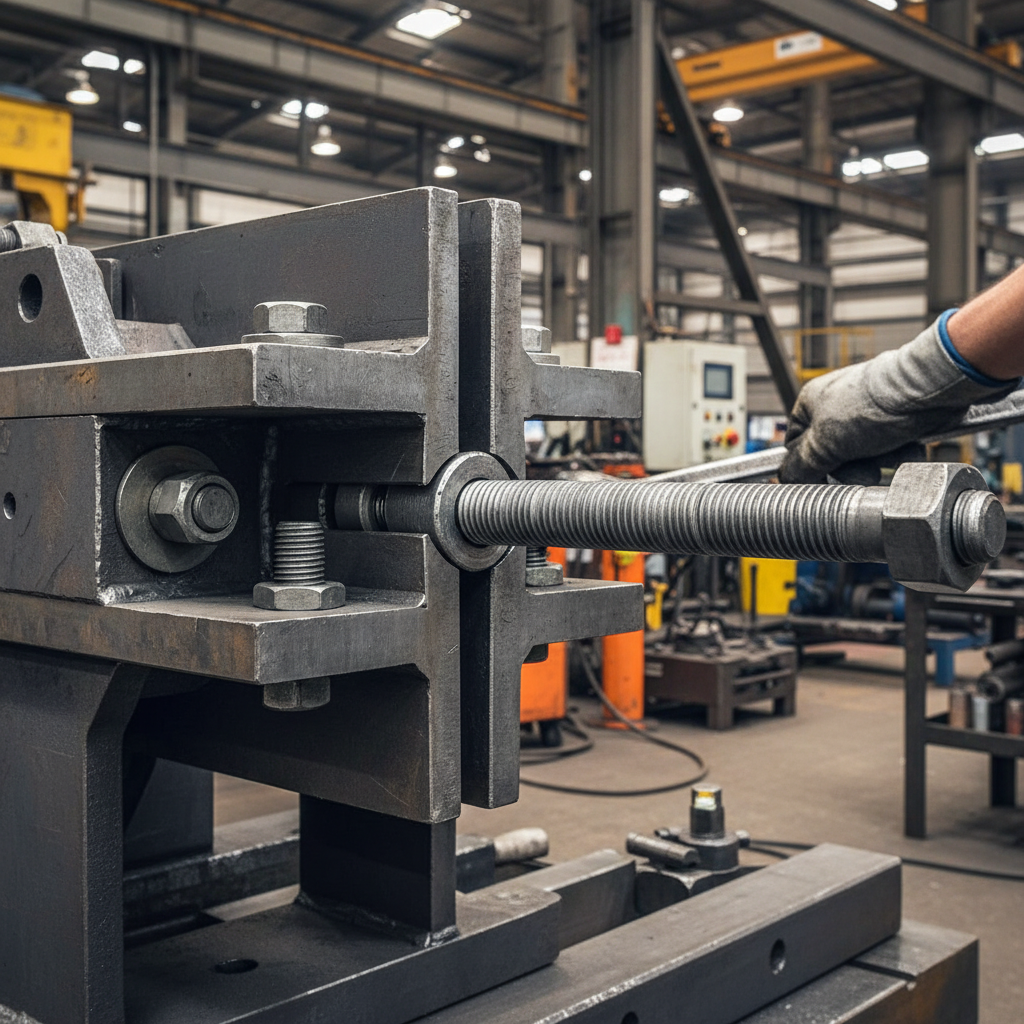
If you’re not an engineer or tradesman, the phrase m8 1.25 threaded rod might sound like a mouthful. But behind that technical name lies a tiny workhorse of industry and infrastructure—a precision-made steel rod with threads cut at a pitch of 1.25 mm on an 8 mm diameter. This little guy quietly holds things together in all sorts of constructions, machines, and even humanitarian relief projects worldwide. Why does it matter? In a nutshell, understanding this common fastening component can improve everything from building safety to supply chain efficiency, and even post-disaster reconstruction efforts. So whether you’re a spec writer, buyer, or just curious, knowing the ins and outs of the m8 1.25 threaded rod pays off in practical ways. m8 1.25 threaded rod isn’t just another piece of metal; it’s a vital link in countless assemblies that keep modern living humming along. ---The Global Landscape: Why m8 1.25 Threaded Rods Are More Relevant Than You Think
The global construction and manufacturing industries alone were estimated to be worth over $12 trillion in 2023 ([source: World Bank](https://www.worldbank.org)), with fasteners like threaded rods marking their quiet but indispensable presence. Thousands of tons of threaded rods, including m8 1.25 variants, are shipped worldwide annually. One big challenge? Ensuring consistent quality and availability, especially in remote regions or during global supply chain disruptions, which we’ve felt acutely since 2020. This tension pushes manufacturers and users toward smarter sourcing, better materials, and versatile specs like the m8 1.25 threaded rod — efficient for both heavy-duty builds and precision tasks. Interestingly, this thread size balances strength and adaptability better than many over- or undersized alternatives, making it a kind of “Goldilocks” choice. ---What Exactly is an m8 1.25 Threaded Rod?
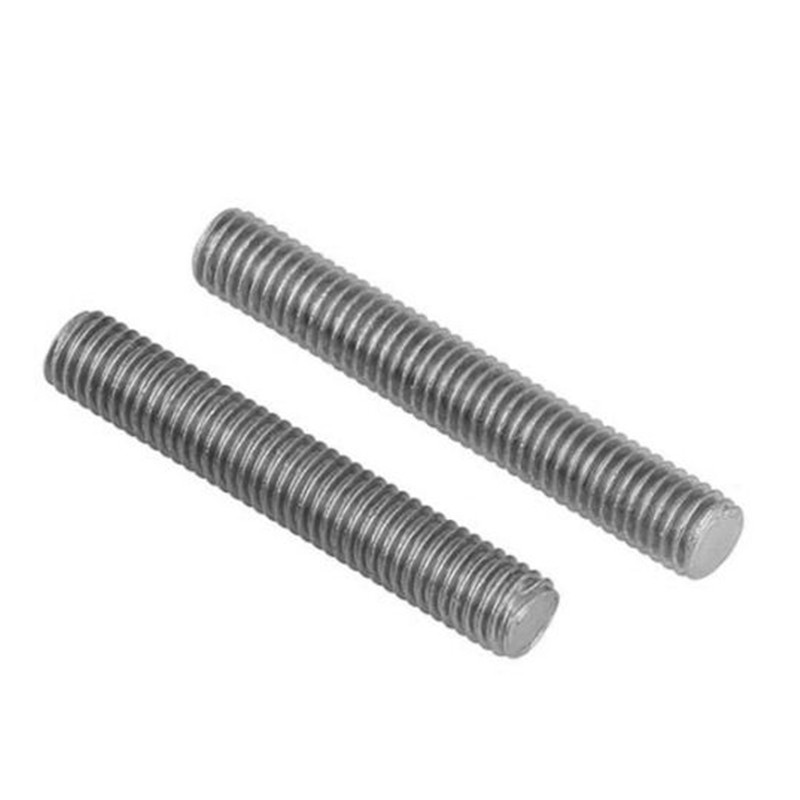
Let’s break it down simply. The “m8” part means the rod has a nominal diameter of 8 millimeters. The “1.25” refers to the thread pitch—that’s the distance between the threads, measured in millimeters, here 1.25 mm. Put together, this threaded rod is a steel bar, fully or partially threaded with a finer-than-average pitch, ideal for secure fastening. Think about it this way: if you’re fastening heavy panels or structural parts, the thread pitch controls how tightly and smoothly parts fit. The m8 1.25 finds sweet spots in strength, grip, and resistance to loosening—critical for everything from HVAC installations to industrial machinery. These rods are also found in disaster relief shelters and modular housing because they’re stable, reusable, and easy to assemble even with basic tools. ---Core Features to Know About the m8 1.25 Threaded Rod
1. Durability
Crafted mostly from high-grade carbon steel (sometimes stainless for corrosion resistance), these rods are made to last. If you’re installing them outdoors or in humid environments, choosing a galvanized or zinc-plated finish extends longevity dramatically.2. Precision Threading
The 1.25 mm thread pitch provides a fine, tight spiral that reduces the risk of loosening under vibration—a huge advantage for automotive or machinery applications.3. Versatility
The m8 1.25 threaded rod strikes a balance allowing it to be used in light to moderately heavy-duty settings. It’s neither too coarse (which can strip easily) nor too fine (which might be fragile).4. Cost Efficiency
Buying m8 1.25 rods in bulk is quite affordable when compared to specialty fasteners, yet they don’t skimp on safety or load capacity. This blend of cost vs quality appeals to supply managers and engineers alike.5. Scalability
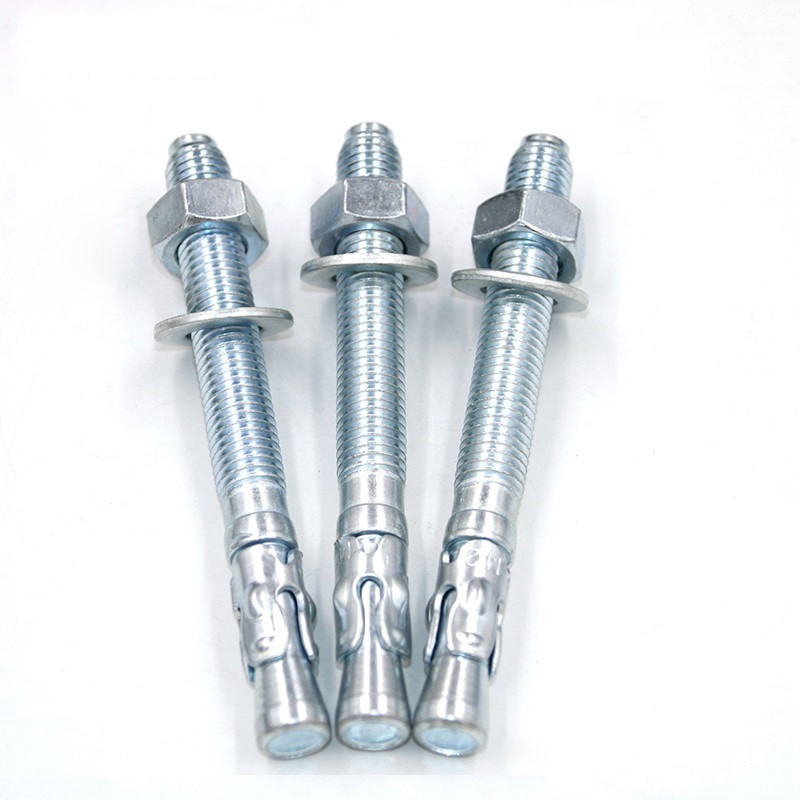
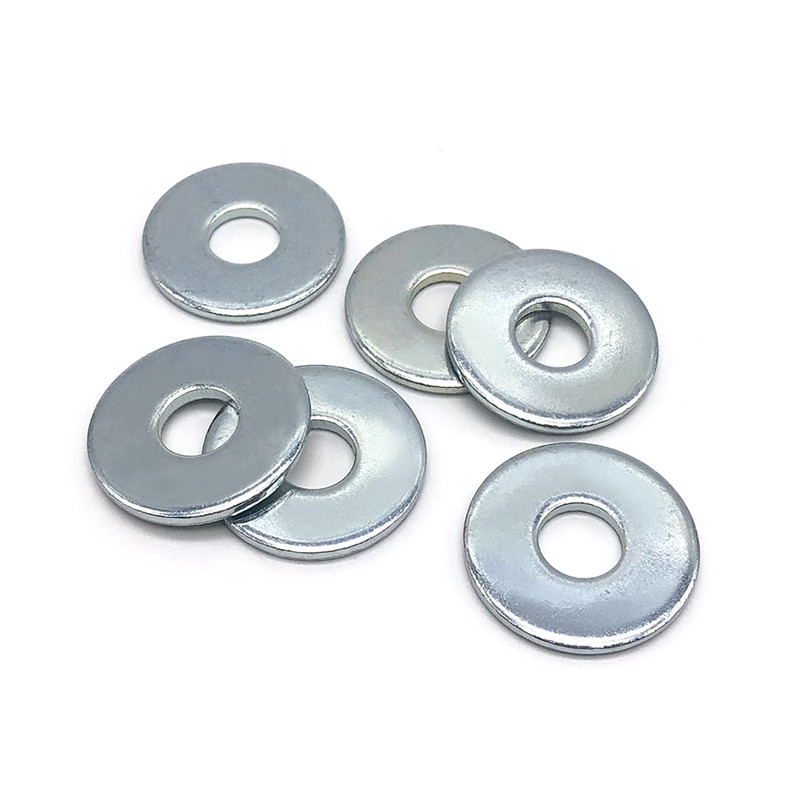
These threaded rods are incredibly scalable—they can be cut to length and combined with nuts, washers, and custom fittings to meet very diverse requirements, from simple household repairs to complex industrial frameworks. ---Real-World Uses: Where You’ll Find m8 1.25 Threaded Rods in Action
Industries worldwide rely heavily on these threaded rods for their flexible strength. Here are some examples: - Construction: From steel framing to suspended ceilings, m8 1.25 rods lock structures safely in place. In earthquake-prone areas, their durability is critical. - Automotive Assembly: Many vehicles incorporate these threaded rods to hold engine parts and assemblies where vibration resistance is key. - Disaster Relief & Humanitarian Projects: Rapidly deployable housing modules often employ m8 rods for their ease of use and reliability, enabling faster rebuilding after earthquakes or floods. - Renewable Energy Installations: Solar panel mounts or small wind turbine setups use these rods for secure assembly that withstands weather extremes. - Industrial Machinery: Equipment frames and conveyor belts often feature these rods as fasteners, thanks to their scalable sizes and thread consistency. ---Product Specification Table: Typical m8 1.25 Threaded Rod
| Specification | Detail |
|---|---|
| Diameter | 8 mm |
| Thread Pitch | 1.25 mm |
| Material | Carbon steel / Stainless steel |
| Finish | Plain, Zinc plated, Hot-dip galvanized |
| Length | Varies: 1m, 2m, cut-to-length options |
| Tensile Strength | Typically 800 - 1000 MPa |
Advantages and Lasting Impact of Using m8 1.25 Threaded Rods
Choosing the right threaded rod affects cost, safety, and even sustainability. Here’s why many projects find the m8 1.25 threaded rod particularly valuable:- Cost savings: Compact inventory needs thanks to its versatility mean fewer types of fasteners to stock.
- Reliability: Precision threading reduces downtime from loosening bolts or failures.
- Environmental benefits: Durable rods last longer, reducing replacement frequency and waste.
- Labor efficiency: Easy installation with common tools saves hours on site.
- Trust factor: In critical infrastructure and humanitarian aid, safety and speed matter — and this rod delivers on both.
Innovation and Trends Shaping the Future of Threaded Rod Technology
The classic m8 1.25 threaded rod is evolving. Recent trends include: - Advanced Coatings: New eco-friendly, corrosion-resistant coatings extend lifespan without toxic chemicals. - Digital Manufacturing: 3D printed customized threaded rods promise rapid prototyping and adaptation for niche engineering challenges. - Sustainability Push: Some vendors now recycle steel into new rods, closing the materials loop for greener construction. - Smart Fasteners: Embedded sensors that monitor tension and wear... it sounds sci-fi, but we’re closer than you’d think! - Policy Changes: ISO standards continue evolving to harmonize manufacturing specs worldwide, reducing quality disparity. ---Common Challenges & How Experts Overcome Them
Despite their usefulness, sometimes ordering the right m8 1.25 threaded rod leads to: - Supply shortages, especially post-pandemic where steel pricing fluctuates. - Mismatched specs, leading to thread stripping or poor fits. - Corrosion in harsh environments when improper coatings are chosen. Addressing these requires sound procurement, trust in suppliers, and a dash of engineering know-how. Many project managers now order samples ahead of large runs or collaborate closely with vendors to ensure compliance. Plus, modular construction techniques allow quick rod swaps if something isn’t right. ---FAQ: What People Commonly Ask About m8 1.25 Threaded Rods
- Q: What applications are best suited for m8 1.25 threaded rods?
- A: They excel in medium-duty construction, light machinery, automotive assemblies, and modular housing projects thanks to their balance of strength and precision.
- Q: How do I choose between stainless steel and carbon steel versions?
- A: Stainless steel is ideal for corrosion resistance, especially outdoor or humid environments, whereas carbon steel versions are typically stronger and more cost-effective indoors.
- Q: Can I cut the rods to custom lengths on-site?
- A: Yes. Threaded rods are frequently cut to size using appropriate tools like angle grinders or hacksaws. Just ensure threads on the cut end are cleaned and undamaged.
- Q: How do I prevent threaded rods from loosening in high-vibration setups?
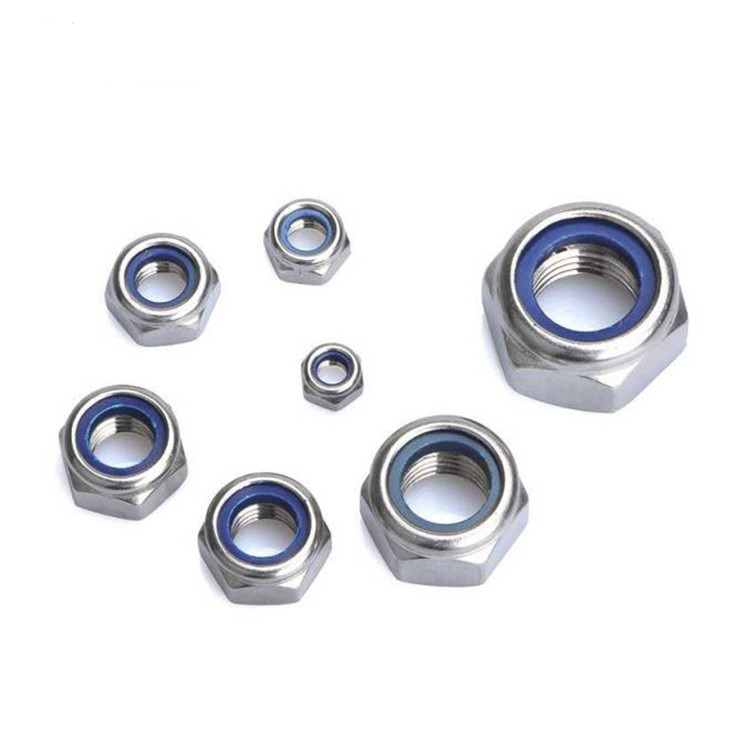
- A: Using locking nuts, thread-locking compounds, or spring washers is recommended to maintain tightness in dynamic environments.
Wrapping It Up: Why the m8 1.25 Threaded Rod Deserves Your Attention
At first glance, the m8 1.25 threaded rod might seem like just another part number in a long list of fasteners. But when you step back, you see it’s a key player in countless global industries—from infrastructure and renewable energy to disaster aid. Its reliability, versatility, and cost-efficiency make it a first choice for engineers and builders around the world. So, whether you’re specifying components for a new factory line or sourcing hardware for modular homes, keep the m8 1.25 threaded rod in your toolbox of solutions. Need real, reliable supply and expert advice? Visit our website: https://www.hbtbls.com. You might just find the exact rod that holds your next big project together. ---Vendor Comparison: Top m8 1.25 Threaded Rod Suppliers
| Vendor | Material Options | Custom Lengths | Lead Time | Price Range (per 100 rods) |
|---|---|---|---|---|
| FastenPro | Carbon, Zinc plated | Standard & Custom | 1-2 weeks | $150 - $250 |
| ThreadWorks Inc. | Stainless, Galvanized | Only standard | 3-4 weeks | $200 - $300 |
| Global Fastener Co. | Carbon, Stainless | Full customization | 2 weeks | $180 - $270 |
Mini Takeaway
Small but mighty, the m8 1.25 threaded rod exemplifies how a simple, standardized component underpins massive sectors worldwide. Knowing its specs, uses, and suppliers means fewer surprises on your next build.
---References
Post time: Nov . 30, 2025 10:35


 English
  Albanian
  Arabic
  Armenian
  Azerbaijani
  Belarusian
  Bosnian
  Bulgarian
  Cebuano
  Corsican
  Czech
Czech  Galician
  Georgian
  Greek
Greek  Hausa
Hausa  Hebrew
  Hungarian
  Igbo
Igbo  Indonesian
  Italian
  Kazakh
  Khmer
Khmer  Korean
  Kurdish
  Kyrgyz
  Lao
Lao  Latin
Latin  Latvian
  Lithuanian
  Malay
Malay  Myanmar
  Nepali
  Polish
  Portuguese
  Russian
  Serbian
  Sesotho
  Shona
Shona  Sindhi
  Spanish
  Tagalog
  Tajik
Tajik  Thai
Thai  Turkish
  Turkmen
  Ukrainian
  Uzbek
Uzbek  Vietnamese
  Yoruba
  Zulu
Zulu