
Understanding the 7 16 20 Threaded Rod: Small Component, Global Impact
If you’ve ever worked in construction, manufacturing, or heavy equipment maintenance, the phrase “7 16 20 threaded rod” might ring a bell. Despite sounding like a niche specification, this threaded rod size plays a surprisingly important role worldwide — from sturdy bridges to rapid infrastructure rebuilds in disaster zones. In plain terms, these rods are pivotal for providing stability, long-term durability, and flexibility in numerous industrial and humanitarian applications.
Why bother understanding such a seemingly mundane item? Well, the thread count, dimensions, and material quality can impact safety, cost, and even environmental footprint. Plus, the industry around threaded rods reflects broader trends in engineering materials, supply chain logistics, and sustainability, so knowing the ins and outs can give you an edge in procurement or innovation discussions.
Global Context: Why Threaded Rods Matter More Than Ever
Threaded rods, particularly the 7 16 20 variety, are a staple in industries everywhere. According to the International Organization for Standardization (ISO), standardized fasteners help ensure interoperability, safety, and cost control across borders. In 2023 alone, the global threaded rod market was valued at over $3 billion, with projections expecting steady growth driven by increasing construction and renewable energy projects.
One challenge is how to maintain the quality and availability of these rods amidst supply chain hiccups — something the pandemic painfully exposed. Yet, the necessity remains: whether it's in reinforcing bridges in Europe, erecting solar farms in India, or assembling machinery in South America, the humble threaded rod must perform reliably.
What Exactly is a 7 16 20 Threaded Rod?
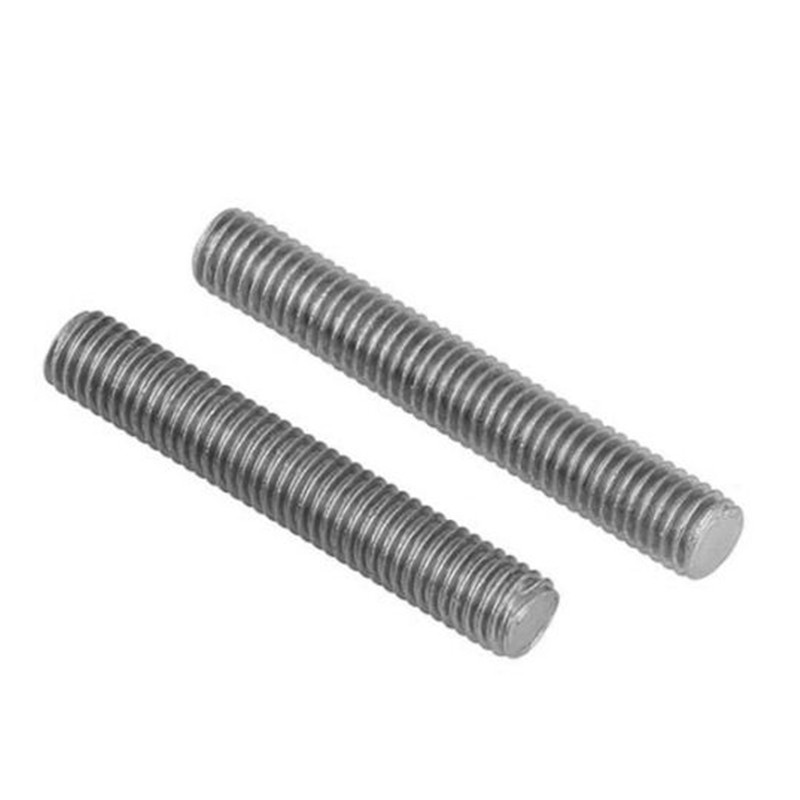
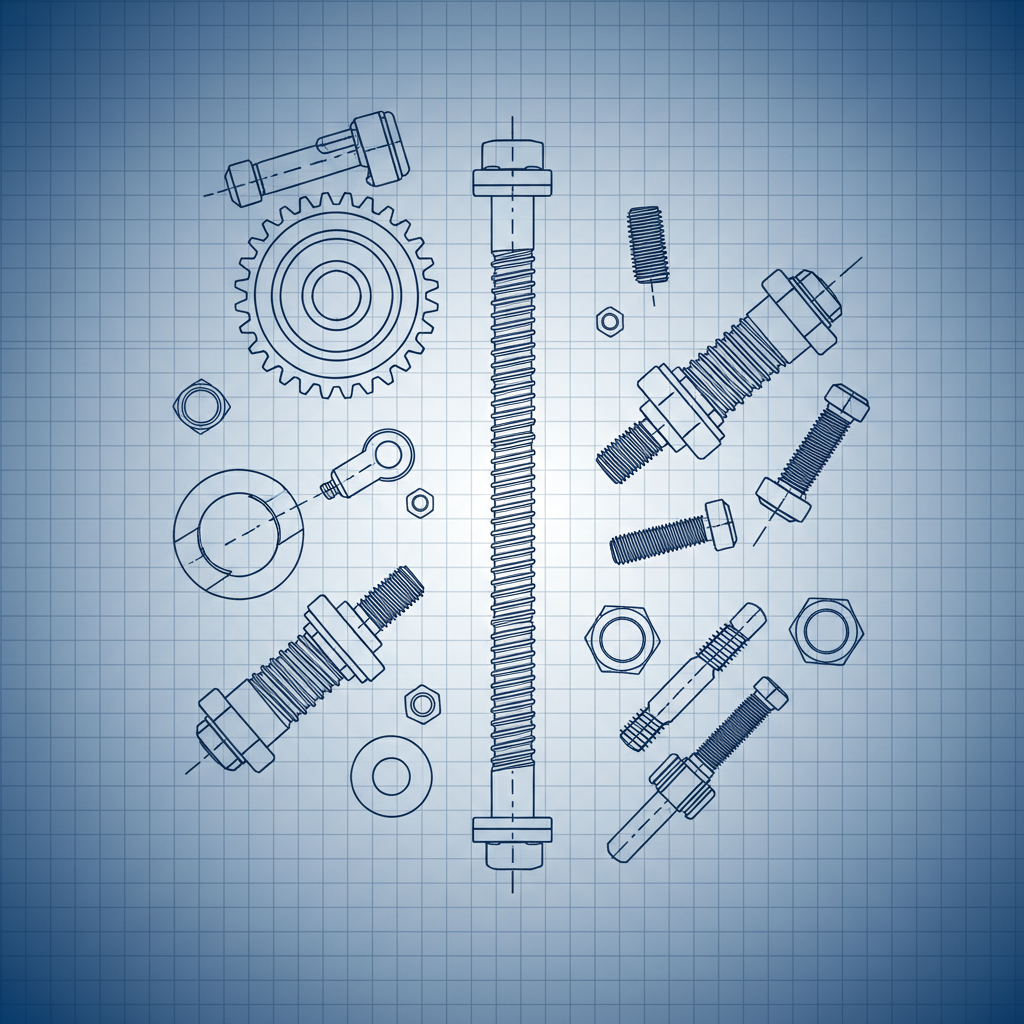
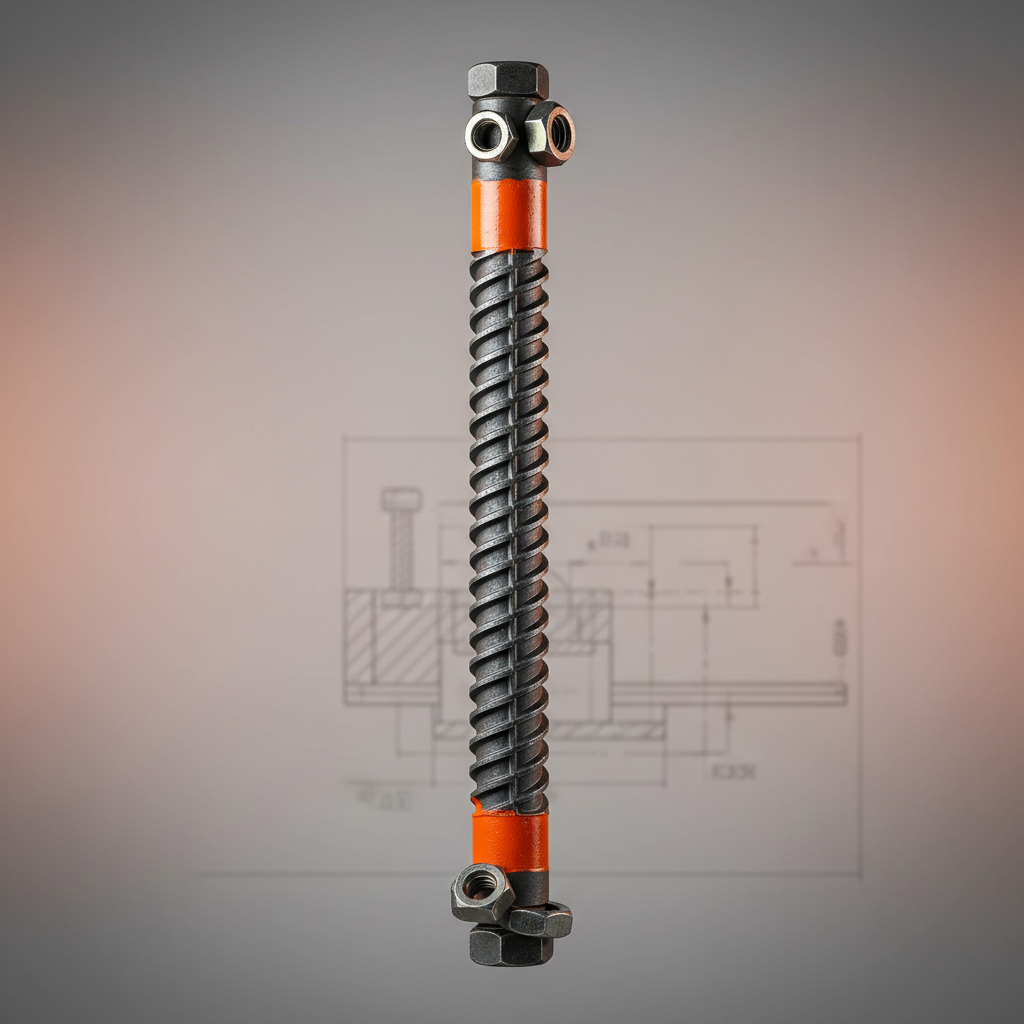
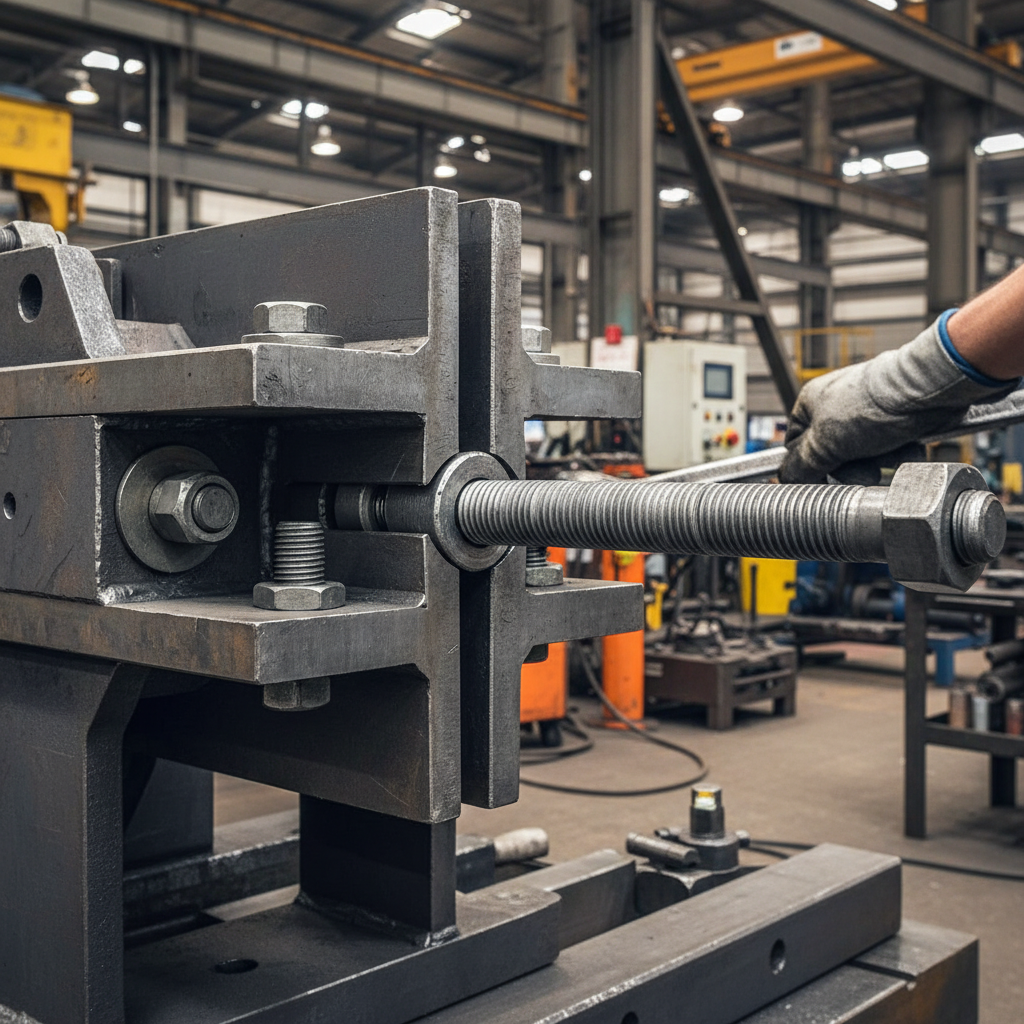
Simply put, a 7 16 20 threaded rod refers to a metal rod with a diameter of 7/16 inch and a thread count of 20 threads per inch. These rods typically come in steel or stainless steel and are threaded the full length to enable nuts and other fasteners to be screwed on securely.
From bridges to fast-deployed modular shelters, these rods enable strong, scalable joints. Their design lends itself to quick assembly and disassembly, which is invaluable on job sites that need speed as well as strength.
Oddly enough, even humanitarian efforts rely on them — in disaster relief shelters, for example — where modularity and durability mean the difference between a structure that lasts and one that fails under stress.
Key Features:
- Diameter: 7/16 inch (~11.11 mm)
- Thread Pitch: 20 threads per inch (fine threading)
- Material: Usually carbon steel or stainless steel
- Length: Various, often customizable
Core Aspects That Make 7 16 20 Threaded Rods Essential
1. Durability
One thing engineers won’t stop talking about: the longevity that a good-quality threaded rod offers. The 7 16 20 rods are often treated with zinc plating or galvanization to resist corrosion — essential in humid or coastal regions, or anywhere maintenance access is tricky. In real terms, this means less frequent replacements and far fewer failures under load.
2. Scalability
The uniform threading (20 TPI) means you can adjust nuts and fasteners with fine increments, giving installers a precise fit every time. This precision scales from small machinery assembly to large load-bearing columns. Frankly, it feels like the sweet spot for strength and adaptability.
3. Cost Efficiency
Using a standardized rod like the 7 16 20 reduces procurement headaches. Bulk production and widespread availability keep prices competitive. Also, the ease of installation cuts labor hours, which means savings for large projects.
4. Versatility
From automotive frames to solar panel mounts, the threaded rods adapt well. They incorporate seamlessly with bolts, washers, and other fasteners, making them a component favored across industries.
5. Environmental Resistance
Thanks to coatings and material choices, these rods hold up well against weather and chemical exposure, making them suited for coastal infrastructure or industrial installations with corrosive elements.
Typical Specifications of a 7 16 20 Threaded Rod
| Specification | Details |
|---|---|
| Diameter | 7/16 inch (11.11 mm) |
| Thread Pitch | 20 threads per inch (fine) |
| Material | Carbon steel / Stainless steel |
| Length | Typically 1-6 feet, customizable |
| Surface Treatment | Zinc plating / Galvanization |
| Standard Compliance | ISO, ASTM A193 / A320 |
Who Uses 7 16 20 Threaded Rods and How?
The applications vary widely but here are some prime examples:
- Construction: Used for anchoring structural steel beams and securing formwork in concrete pours across North America and Europe.
- Energy Sector: Solar and wind installations often use threaded rods for frame mounts.
- Disaster Relief: NGOs deploy modular shelters fixed together with these rods because they speed assembly without compromising strength.
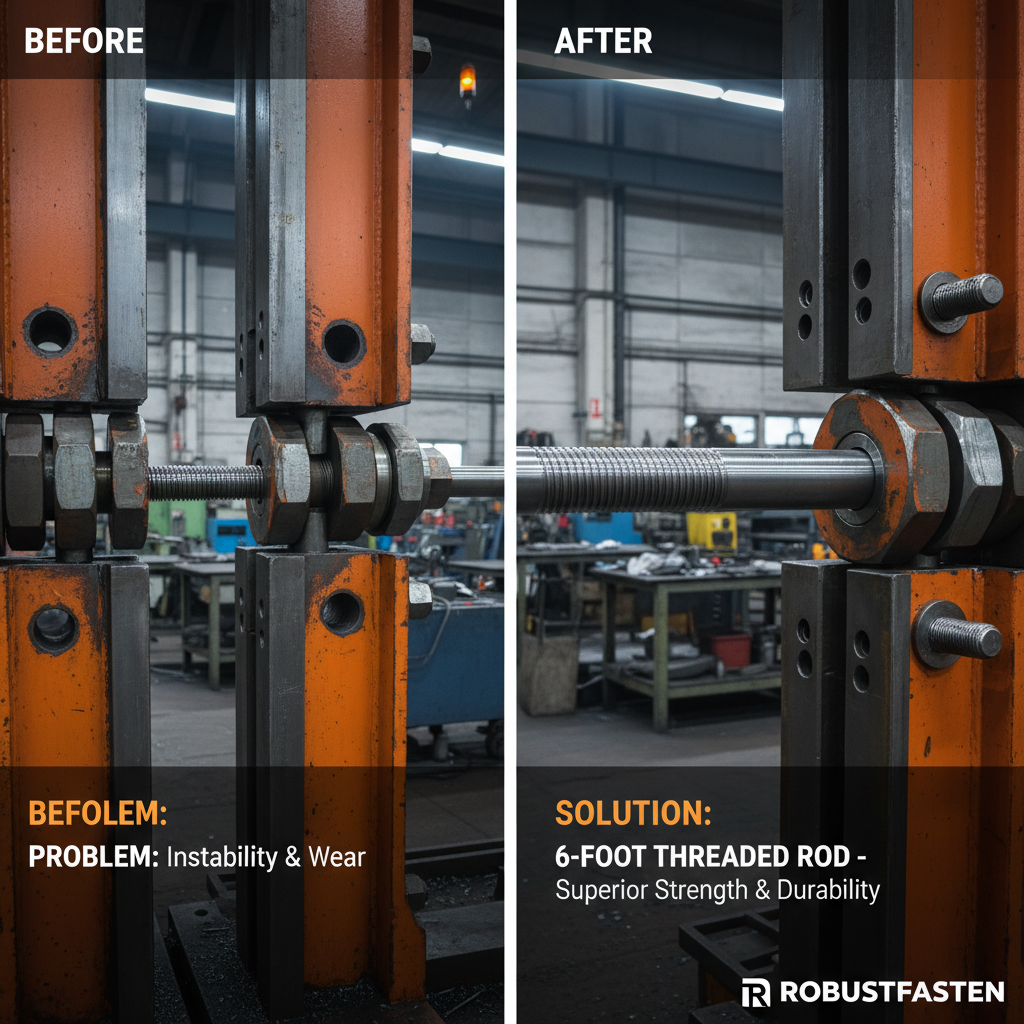
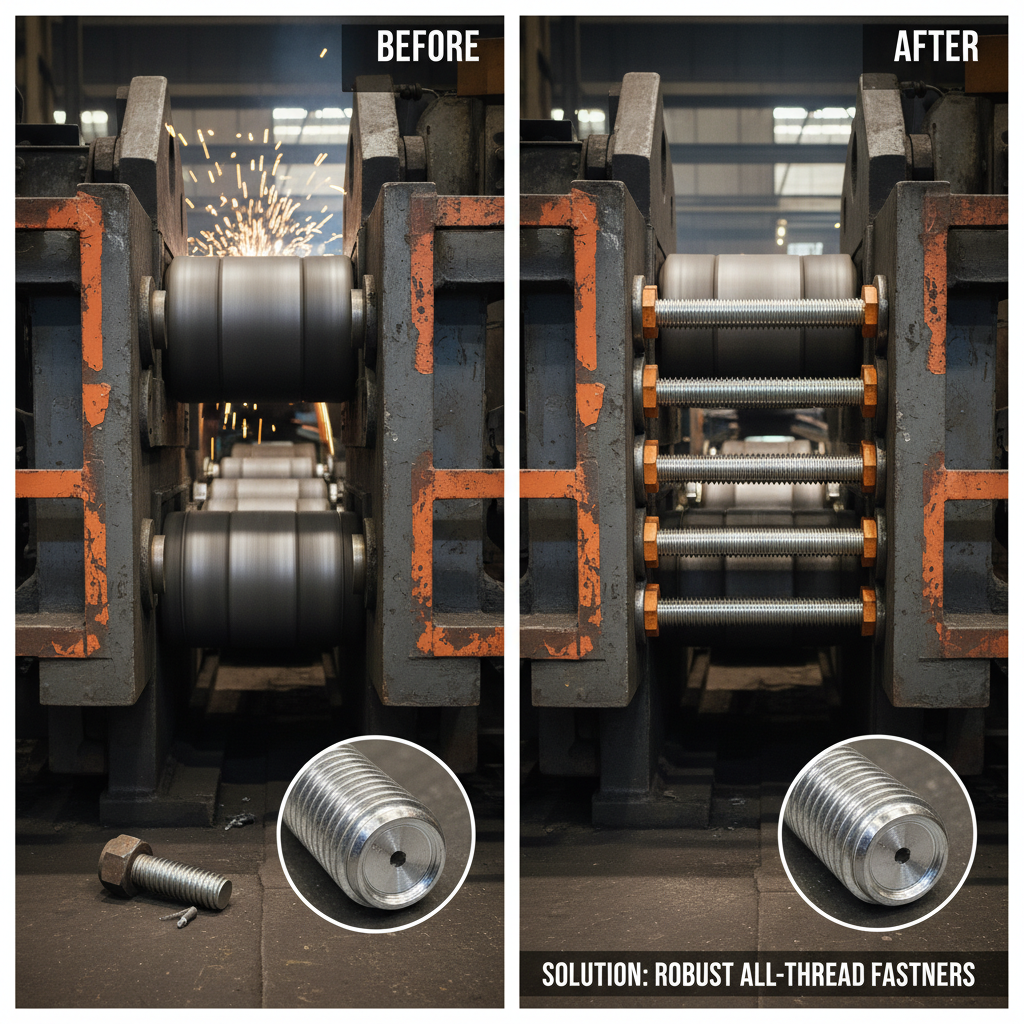
- Industrial Machinery: Equipment manufacturers utilize these rods in assembly lines for precise fixture setups.
For instance, in post-earthquake zones in Southeast Asia, these rods helped rebuild temporary bridges that held up against monsoon rains — a real testament to their reliability.
Comparing Top Vendors for 7 16 20 Threaded Rods
| Vendor | Material Options | Lead Time | Price Range (per unit) | Special Notes |
|---|---|---|---|---|
| HBTBLS Steel Co. | Carbon, Stainless | 3-5 days | $2.50 – $5.00 | Custom lengths available, bulk discounts |
| FastenFix Ltd. | Galvanized Steel | 7 days | $3.00 – $6.00 | Known for corrosion-resistant products |
| MetalWorks Intl. | Carbon Steel Only | 2-4 days | $2.00 – $4.50 | Fast shipping, limited customization |
The Long-Term Benefits of Choosing the Right Threaded Rod
In many projects, the difference between a cheap, over-promised fastener and a carefully selected 7 16 20 threaded rod might be invisible at first glance — until something bends, a joint loosens, or maintenance costs start piling up.
Choosing reliable rods means:
- Cost savings from fewer replacements and repairs.
- Reduced environmental impact through longevity and corrosion resistance.
- Increased safety and trust among construction crews and end users.
- Flexibility due to compatibility with existing hardware and modular designs.
Emotionally, it’s a comforting thought knowing the structure you helped build will stand strong for years, resisting weather, pressure, and wear. Innovation here might seem incremental, but the aggregate impact is huge.
Looking Ahead: Trends in Threaded Rod Technology
What’s on the horizon? Sustainability is a big one — bio-based coatings and new alloy mixes promise even greater corrosion resistance with lower environmental footprints. Digital manufacturing, like precision CNC threading, is tightening tolerances, ensuring even better structural fits.
Automation in installation is emerging, too. Imagine robotic arms consistently tightening threaded rods to exact specifications, reducing human error on large industrial sites — a glimpse of the future reducing downtime and improving safety.
Renewable energy demand will keep pushing for lightweight, ultra-strong threaded rods to mount solar arrays or wind turbines efficiently, everywhere from deserts to offshore platforms.
Challenges & How to Overcome Them
Still, problems occur. Supply shortages can delay projects — some companies now keep strategic stockpiles or diversify suppliers to avoid pauses. Corrosion can sneak in if coatings aren’t applied properly, so frequent QA checks and sourcing from reputable vendors, such as 7 16 20 threaded rod specialists, remain crucial.
Also, improper installation leads to stripped threads or weakened connections. Training, clear specifications, and correct tools can help drastically reduce these mistakes. It's one of those areas where a little upfront investment pays huge dividends.
FAQ: Quick Answers on 7 16 20 Threaded Rods
- What’s the difference between a 7 16 20 threaded rod and a standard 7 16 rod?
- The “20” indicates the threads per inch, meaning the rod has fine threading (20 TPI) versus coarse threads commonly found on other 7 16 rods. Fine threads allow for tighter, more precise fits essential in certain industrial applications.
- Can 7 16 20 threaded rods be used outdoors?
- Absolutely, provided you choose galvanized or stainless steel versions. These coatings protect against rust and degradation from rain, salt air, and other environmental factors.
- How do I know what length to buy?
- Lengths typically range between 1 and 6 feet but can often be custom cut. Your choice depends on project requirements — measuring the exact distance and considering any overlap is key.
- Is it easy to replace these rods in existing structures?
- Usually yes, especially when the rod’s threading is fully accessible. However, disassembling can be tricky if corrosion has set in, so preventive maintenance and using quality coatings matter.
Wrapping Up & Next Steps
The 7 16 20 threaded rod might be small, but it’s a mighty lynchpin in global industrial efforts — helping structures go up faster, stand stronger, and last longer. Whether your firm deals with construction, renewable energy, or emergency response, knowing your threaded rods inside out is a smart move.
Ready to explore our full range of 7 16 20 threaded rods? Visit our website: https://www.hbtbls.com and discover top-quality fasteners made for performance and reliability.
References
Post time: Nov . 30, 2025 07:25


 English
  Albanian
  Arabic
  Armenian
  Azerbaijani
  Belarusian
  Bosnian
  Bulgarian
  Cebuano
  Corsican
  Czech
Czech  Galician
  Georgian
  Greek
Greek  Hausa
Hausa  Hebrew
  Hungarian
  Igbo
Igbo  Indonesian
  Italian
  Kazakh
  Khmer
Khmer  Korean
  Kurdish
  Kyrgyz
  Lao
Lao  Latin
Latin  Latvian
  Lithuanian
  Malay
Malay  Myanmar
  Nepali
  Polish
  Portuguese
  Russian
  Serbian
  Sesotho
  Shona
Shona  Sindhi
  Spanish
  Tagalog
  Tajik
Tajik  Thai
Thai  Turkish
  Turkmen
  Ukrainian
  Uzbek
Uzbek  Vietnamese
  Yoruba
  Zulu
Zulu