
Understanding the 6 32 Threaded Rod: Why It Matters More Than You Think
When you dive into the world of industrial components, few things appear as mundane yet vital as the 6 32 threaded rod. You’ve probably seen or used them in your workshop, at construction sites, or even in everyday household fixes. But why does this seemingly simple piece of hardware hold such importance globally? From manufacturing to infrastructure, the precision, durability, and versatility of 6 32 threaded rods make them indispensable. Grasping their key features and real-world applications unlocks a deeper appreciation for how these rods quietly support industries and humanitarian efforts worldwide.
Global Context: The Unsung Backbone of Industry
Threaded rods like the 6 32 model are small but essential pieces in the elaborate machinery of global industry. According to ISO standards governing fasteners, consistent dimensions and thread counts—like the 6 32's six-gauge, 32-threads-per-inch profile—ensure global interchangeability and reliability. Data from the World Bank highlights that nearly 70% of manufacturing equipment depends on standardized fasteners to maintain production uptime. Yet behind this data lies a challenge: improper choice or substandard rods can cause machinery failure or construction flaws, leading to costly downtimes or safety hazards.
In short, the 6 32 threaded rod’s precision addresses this challenge head-on—the right rod keeps things steady, from skyscrapers in Asia’s megacities to bridges in rural Africa.
Defining the 6 32 Threaded Rod
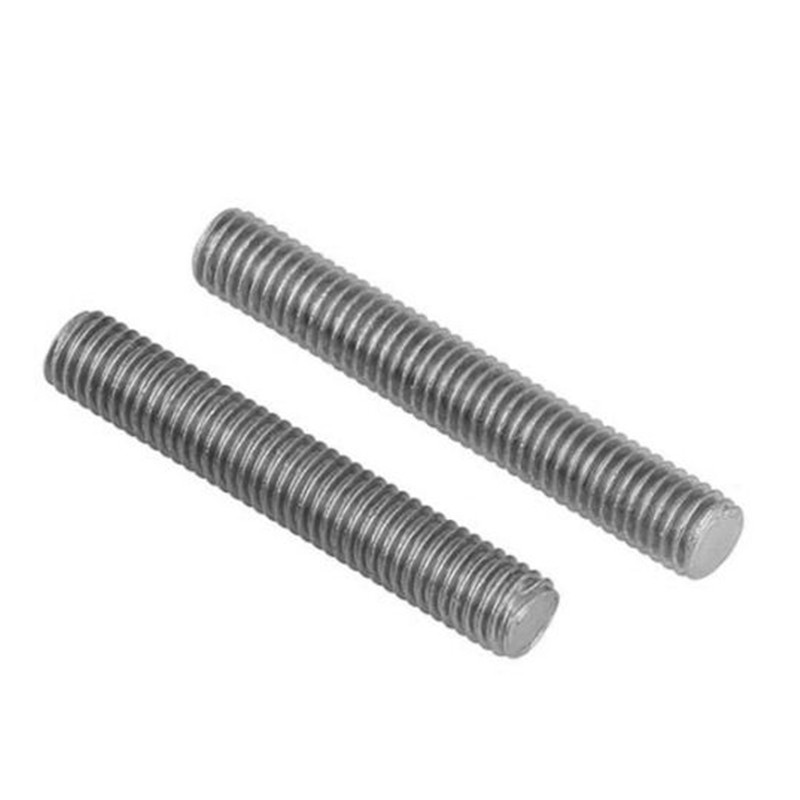
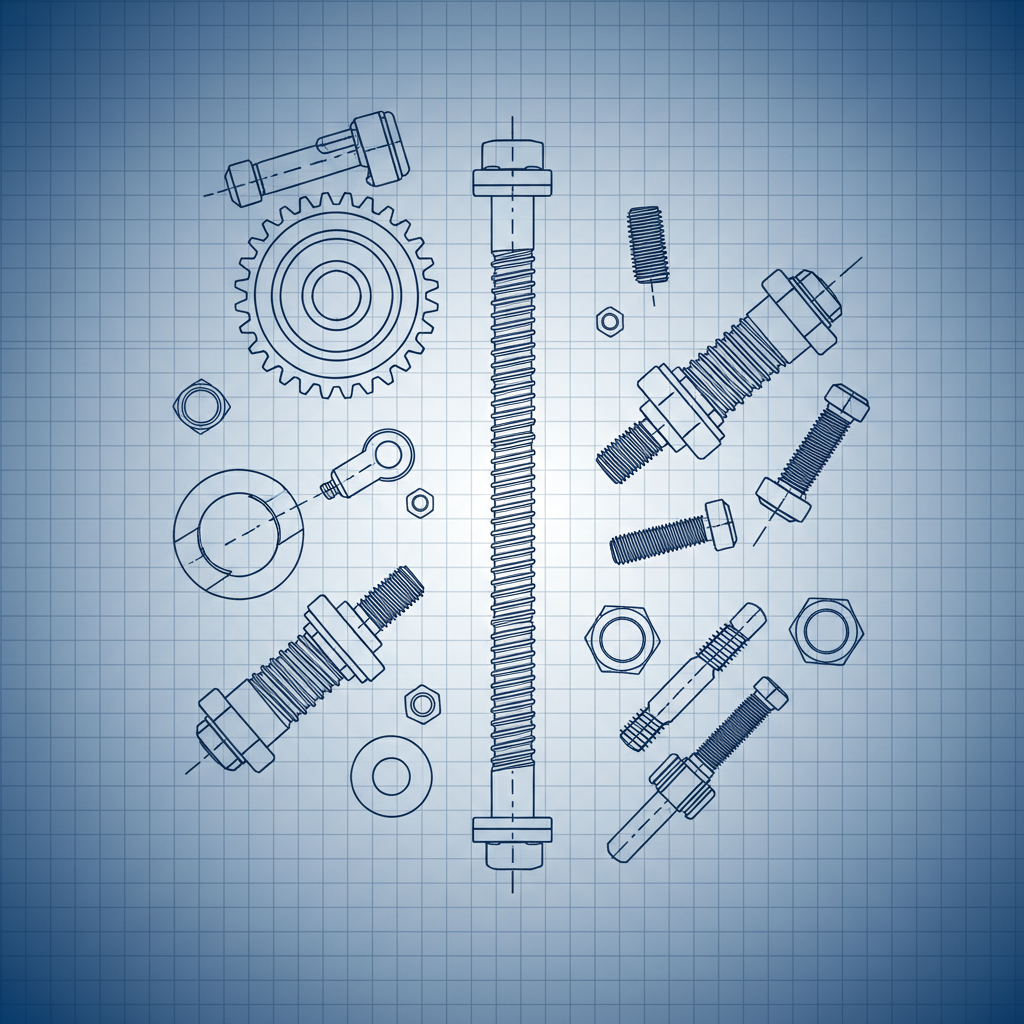
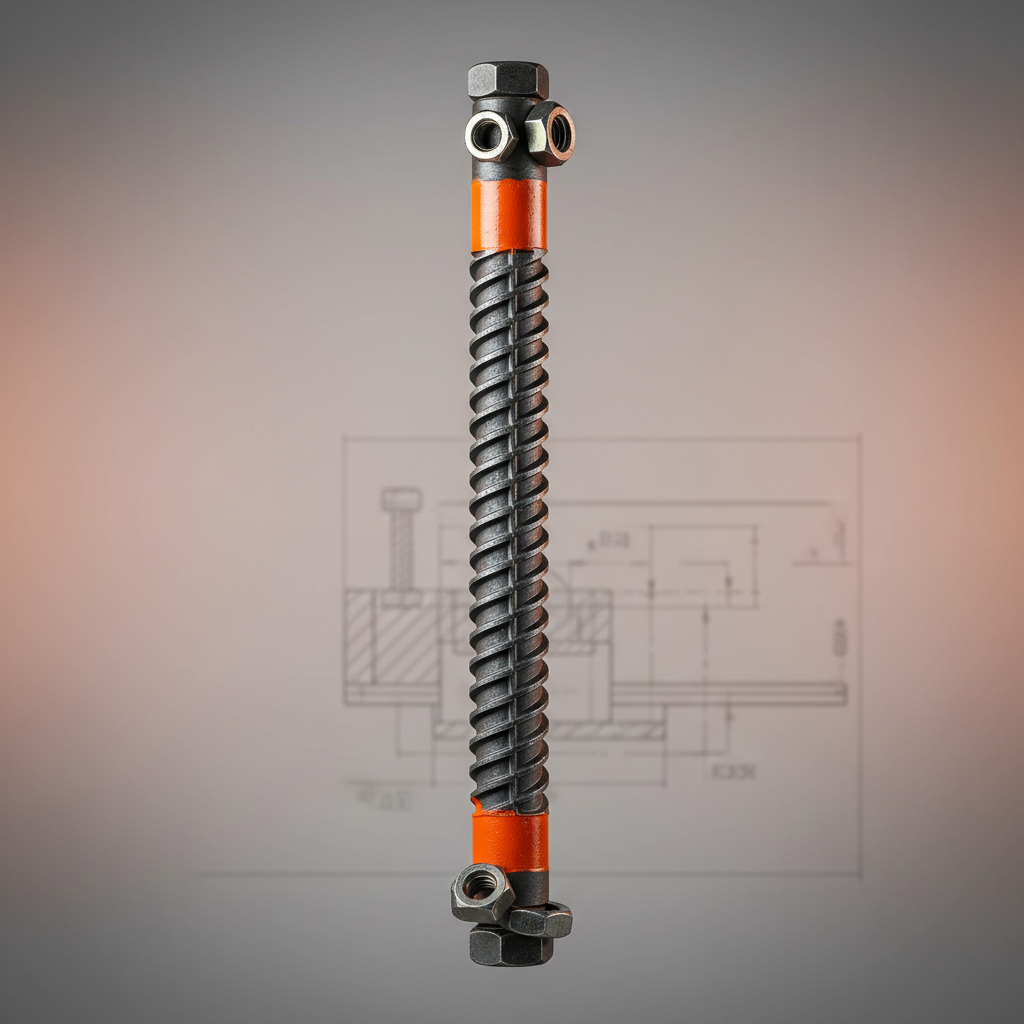
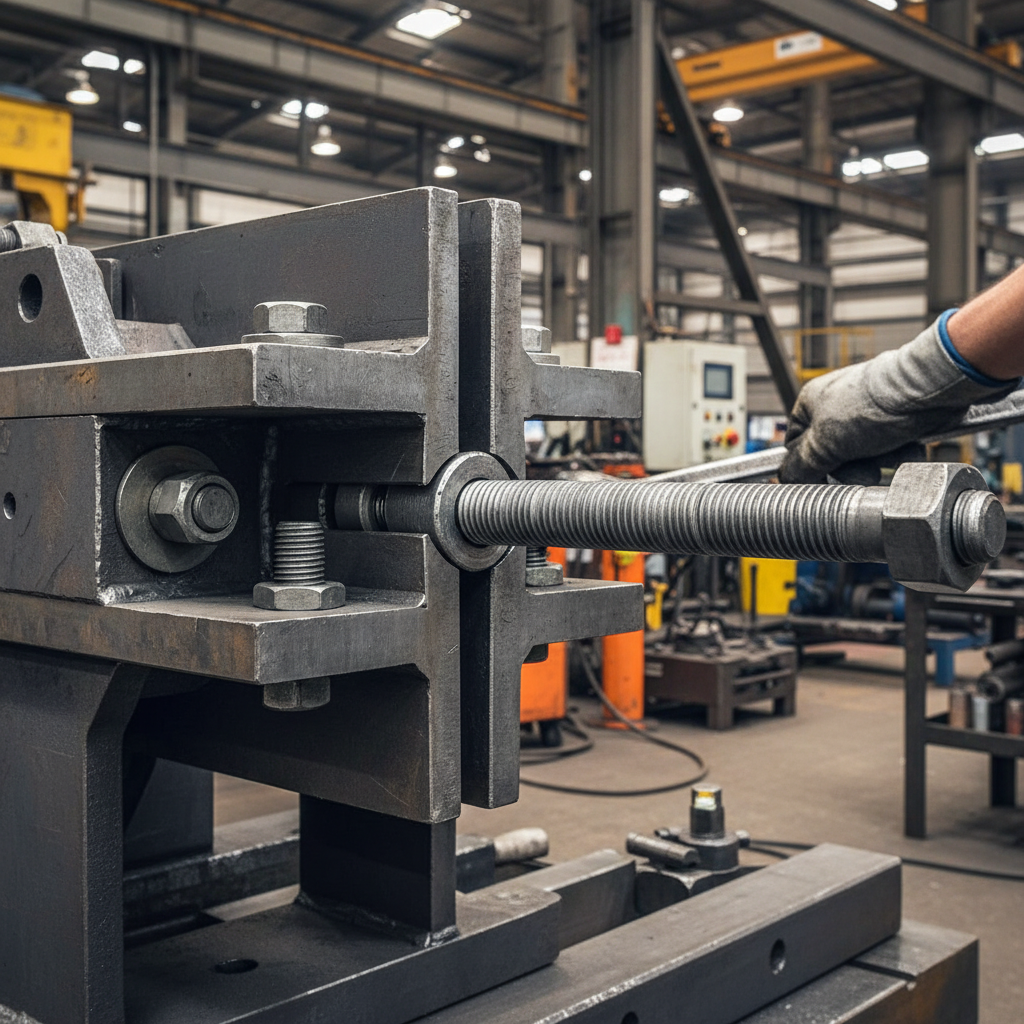
Simply put, a 6 32 threaded rod is a long metal shaft, typically steel, threaded throughout its length, with a diameter close to #6 gauge and 32 threads per inch. This fine threading ensures a tight grip when paired with nuts or tapped holes, creating strong fastening under tension. Its simplicity belies a critical place in both modern manufacturing workflows and emergency response setups — think temporary shelters or fast-deploy machinery where quick assembly and reliable fixation are lifesavers.
It’s no exaggeration to say that threaded rods like these are quiet enablers, bridging gaps literally and figuratively in construction, mechanical assembly, and even renewable energy installations.
What Makes the 6 32 Threaded Rod Tick? Key Attributes Explained
1. Durability
Manufactured from stainless steel, carbon steel, or even brass, 6 32 threaded rods stand tough against corrosion and mechanical stress. This resilience makes them suitable for both indoor assemblies and harsh outdoor environments.
2. Precision Threading
With 32 threads per inch, the finer thread pitch allows for a more controlled clamping force — ideal for sensitive assemblies like electronic enclosures or aerospace components.
3. Scalability
These rods come in various lengths, making them adaptable to projects both large and small—from furniture assembly to major infrastructure reinforcements.
4. Cost Efficiency
Because they're manufactured in high volume and adhere to strict standards, 6 32 rods offer an excellent balance of affordability and performance.
5. Easy Customization
Threaded rods can be cut, plated, or combined with different nuts or washers, enhancing their utility across domains.
Product Specification Table
| Specification | Details |
|---|---|
| Diameter | #6 gauge (~0.1380 inch / 3.51 mm) |
| Thread Pitch | 32 threads per inch (TPI) |
| Material Options | Stainless steel, carbon steel, brass |
| Length Range | 6" to 48” (custom cuts available) |
| Coating/Finish | Zinc plated, galvanized, plain |
| Typical Tensile Strength | Up to 120,000 psi (varies by material) |
Global Applications & Use Cases
Oddly enough, the unassuming 6 32 threaded rod fits into so many corners of global development. In construction, it secures HVAC units to roofs in North America, while in Africa, NGOs rely on them to quickly assemble solar panel mounts in off-grid villages. In aerospace manufacturing in Europe, their fine threading ensures tight tolerances in paneling. Post-disaster relief teams use readily available threaded rods for rapid deployment of shelter framing, combining ease of transport with reliability.
In industrial zones across Asia, where machinery faces intense operational loads around the clock, quality threaded rods like the 6 32 are non-negotiable to avoid costly breakdowns.
Vendor Comparison: Who Makes the Cut?
| Vendor | Material Range | Customization Options | Typical Lead Time | Average Cost (per 12") |
|---|---|---|---|---|
| HBTBLS | Steel, Stainless Steel, Brass | Cut to length, plating options | 2-3 days | $3.50 |
| FastenRight Co. | Carbon Steel, Zinc-plated | Bulk orders only | 5-7 days | $2.90 |
| Global Threadings | Specialty Alloys, Stainless Steel | Custom threading & lengths | 7-10 days | $5.75 |
Advantages & Long-Term Value
Tangible benefits of using a reliable 6 32 threaded rod range from cost savings through reduced maintenance to emotional satisfaction derived from safer, sturdier structures. It's satisfying, frankly, to know that when you tighten a nut on that rod, you’re not just fixing metal — you’re upholding innovation, safety, and trust in engineering.
Environmentally, choosing high-quality stainless steel variants leads to less frequent replacement and waste. Socially, sturdy connections prevent catastrophic failures in critical infrastructure. The true value also lies in that peace of mind earned by engineers and end-users alike.
Future Trends & Innovations
Looking ahead, the 6 32 threaded rod isn’t staying static. Emerging coatings provide better corrosion resistance, especially in marine or chemical plants. Additive manufacturing technologies now allow prototypes with variable threading patterns for specialized needs. Meanwhile, the push towards sustainable materials offers rods made from recycled metals or eco-friendly alloys.
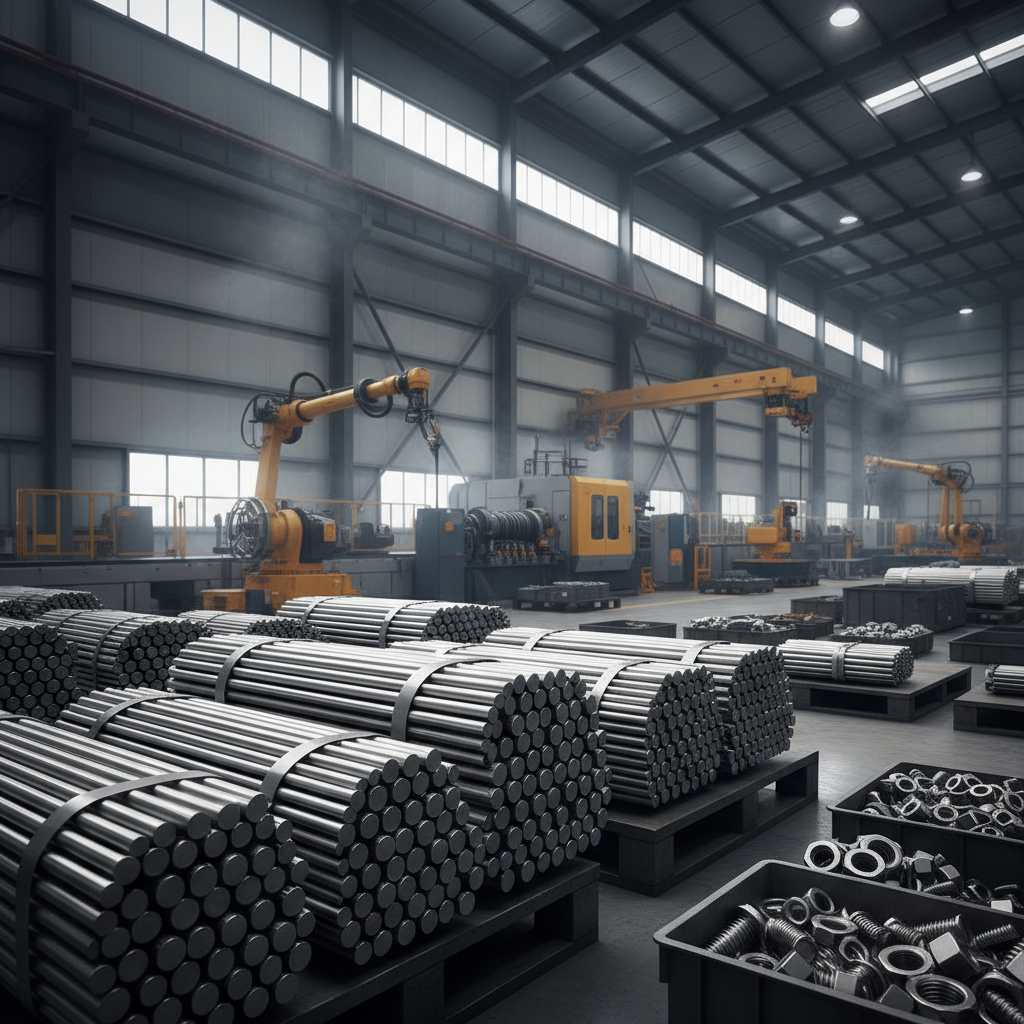
Digital transformation and automation also play a role. Smart factories employ robotic assembly lines that depend on standardized parts like the 6 32 threaded rod to ensure seamless, error-free builds every time. As green energy projects grow, these rods will be critical in wind turbine and solar panel installations — where reliability over decades matters.
Challenges & Practical Solutions
Despite their strengths, no product is perfect. Challenges with 6 32 threaded rods include thread stripping under improper torque and occasional corrosion in harsh environments if non-stainless steel is used. Luckily, many vendors provide post-thread coatings or use heat treatments to boost lifespan.
Field engineers often recommend careful torque calibration tools to avoid over-tightening and investing in standard certification to ensure genuine parts. When sourcing internationally, verify vendor ISO compliance to dodge counterfeit products. More cutting-edge solutions involve nano-coatings that repel rust and vibration-resistant thread designs.
FAQ: Common Questions About 6 32 Threaded Rods
- What size and thread pitch does a 6 32 threaded rod have?
- The “6” represents the rod diameter roughly 0.138 inches, while “32” means 32 threads per inch, which is a fine thread suited for precise assemblies.
- Can I cut a 6 32 rod to my required length safely?
- Absolutely. These rods are designed to be cut and further threaded or paired with nuts. Just ensure clean cuts and re-check threading integrity post-cutting.
- Are 6 32 rods suitable for outdoor use?
- Yes, especially stainless steel or galvanized variants. Proper coatings enhance corrosion resistance in outdoor or marine settings.
- How do I ensure I am purchasing high-quality 6 32 threaded rods?
- Look for vendors adhering to ISO standards, with traceable certifications and positive customer feedback. Consider vendors like 6 32 threaded rod specialists for reliability.
- Can 6 32 threaded rods be reused?
- Yes, if not damaged or corroded. But repeated use in critical applications requires inspection to prevent thread damage.
Conclusion: Why the 6 32 Threaded Rod Stands the Test of Time
In the grand scheme, the 6 32 threaded rod represents a blend of simplicity and precision crucial for industries worldwide. Its durability, versatility, and adherence to international standards make it an enduring choice across applications. If you’re looking to secure your next project with reliable fastening or ensure your operation's uptime, this rod is a go-to component. Curious? Visit our website https://www.hbtbls.com to explore options and expert insights.
References:
Post time: Dec . 01, 2025 19:35


 English
  Albanian
  Arabic
  Armenian
  Azerbaijani
  Belarusian
  Bosnian
  Bulgarian
  Cebuano
  Corsican
  Czech
Czech  Galician
  Georgian
  Greek
Greek  Hausa
Hausa  Hebrew
  Hungarian
  Igbo
Igbo  Indonesian
  Italian
  Kazakh
  Khmer
Khmer  Korean
  Kurdish
  Kyrgyz
  Lao
Lao  Latin
Latin  Latvian
  Lithuanian
  Malay
Malay  Myanmar
  Nepali
  Polish
  Portuguese
  Russian
  Serbian
  Sesotho
  Shona
Shona  Sindhi
  Spanish
  Tagalog
  Tajik
Tajik  Thai
Thai  Turkish
  Turkmen
  Ukrainian
  Uzbek
Uzbek  Vietnamese
  Yoruba
  Zulu
Zulu