
Understanding the 5 16 Threaded Rod: Why It Matters in Industry and Beyond
If you’ve ever dove into the nuts and bolts of construction or manufacturing, you’ve probably encountered the 5 16 threaded rod. This humble fastener packs more punch than you might imagine, sewing together everything from skyscrapers in Mumbai to bridges in Brooklyn. Globally, threaded rods — especially the 5/16 inch variety — are integral components in infrastructure projects, machinery, and even humanitarian builds. Understanding these rods offers not just a peek into the nuts-and-bolts mechanics but also a glimpse of how precision engineering drives safety, efficiency, and innovation worldwide.
The Global Context: Why the 5 16 Threaded Rod is a Worldwide Staple
Threaded rods are a surprisingly important cog in the global industrial ecosystem. According to the International Organization for Standardization (ISO), the global construction sector grew by over 4% annually in recent years, with fastener consumption scaling right alongside. The 5 16 threaded rod—roughly 7.9 mm in diameter—is a favorite because of its versatility and strength.
One challenge often highlighted in development and relief operations is deploying reliable, strong fasteners that perform in variable environments — from tropical heat to arctic chill. In fact, organizations such as the UN Development Program emphasize the importance of durable materials to secure emergency shelters and infrastructure. The 5 16 threaded rod’s widespread use means supply chains can deliver it almost anywhere, simplifying logistics and construction processes.
What Exactly is a 5 16 Threaded Rod?
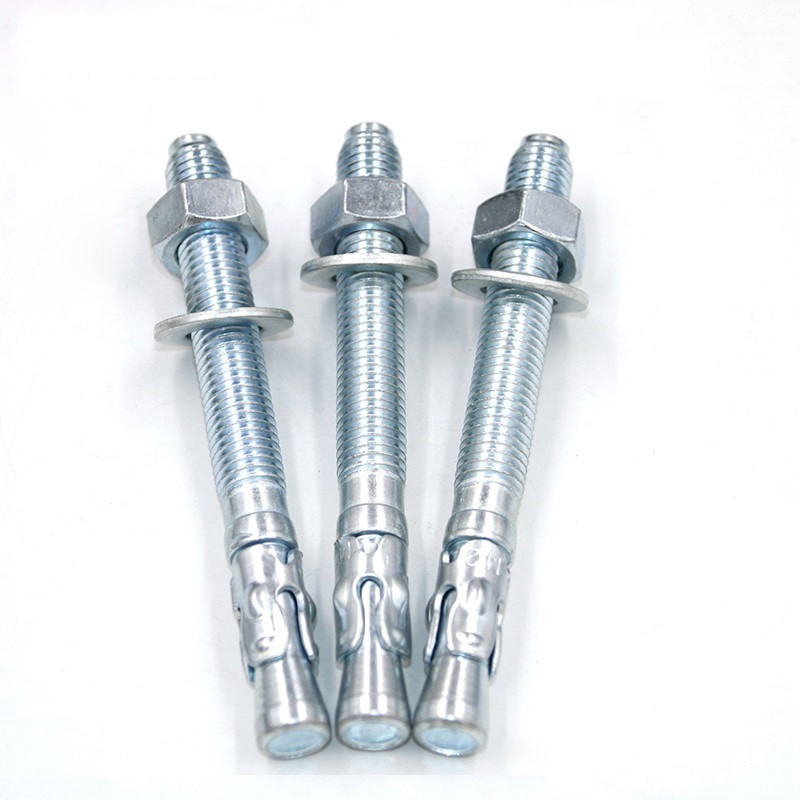
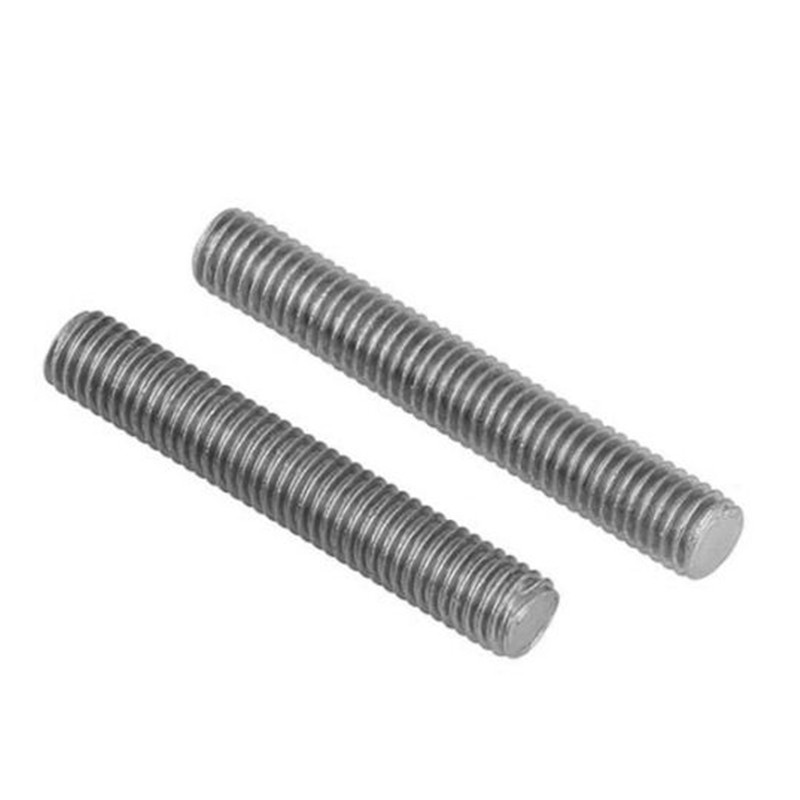
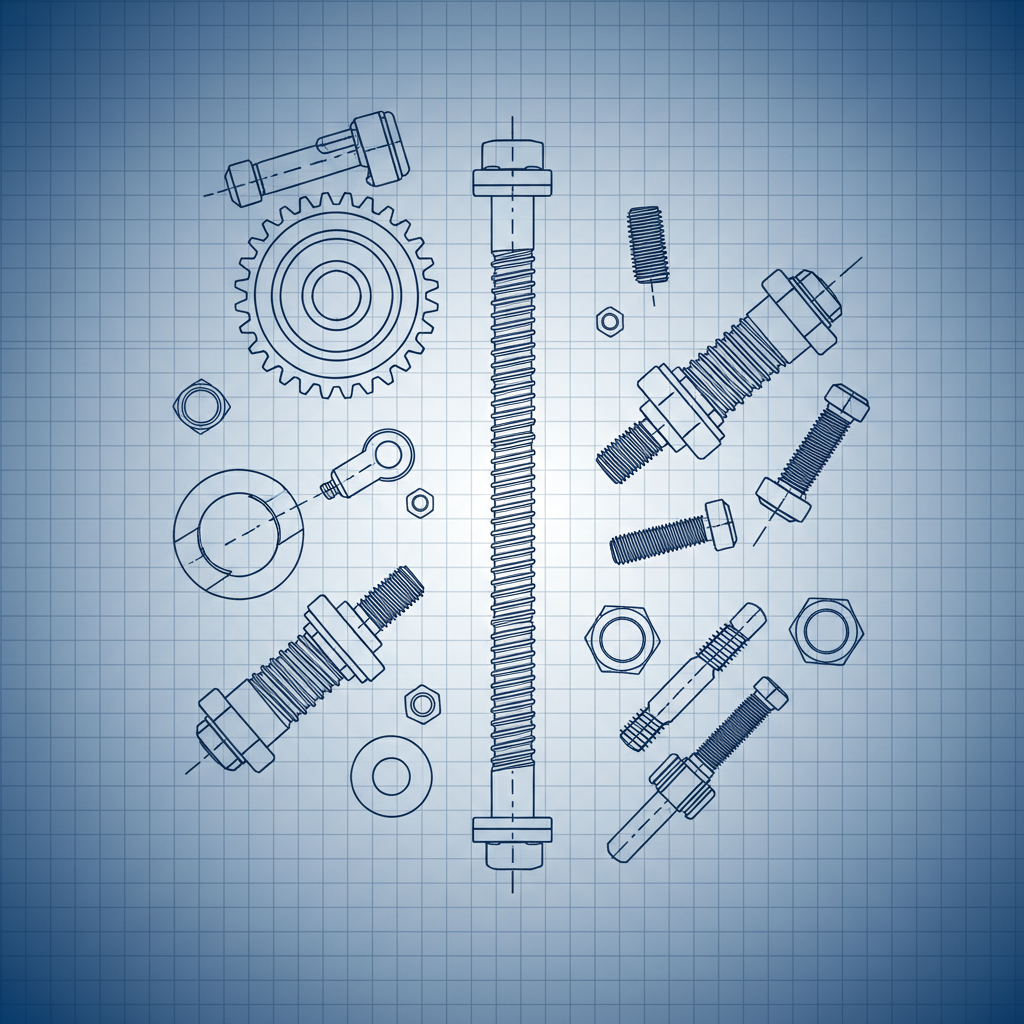
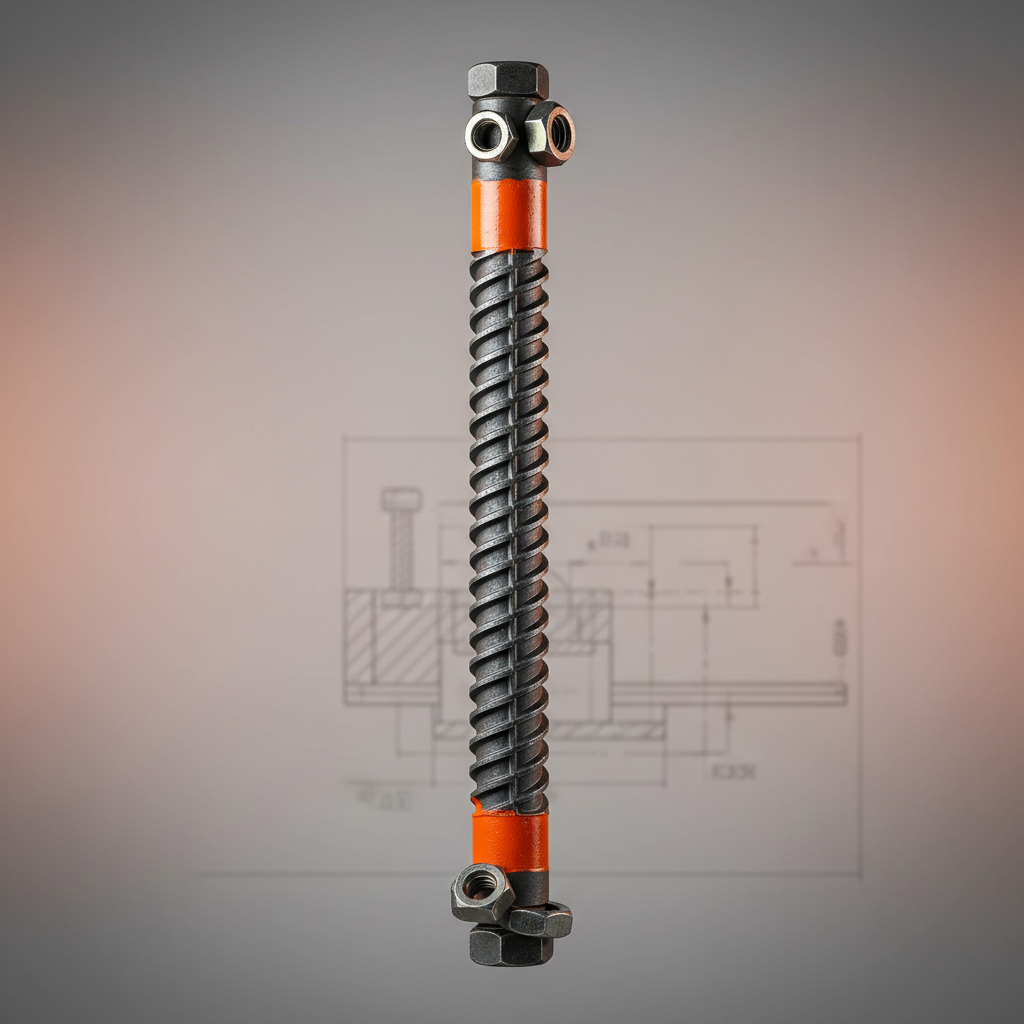
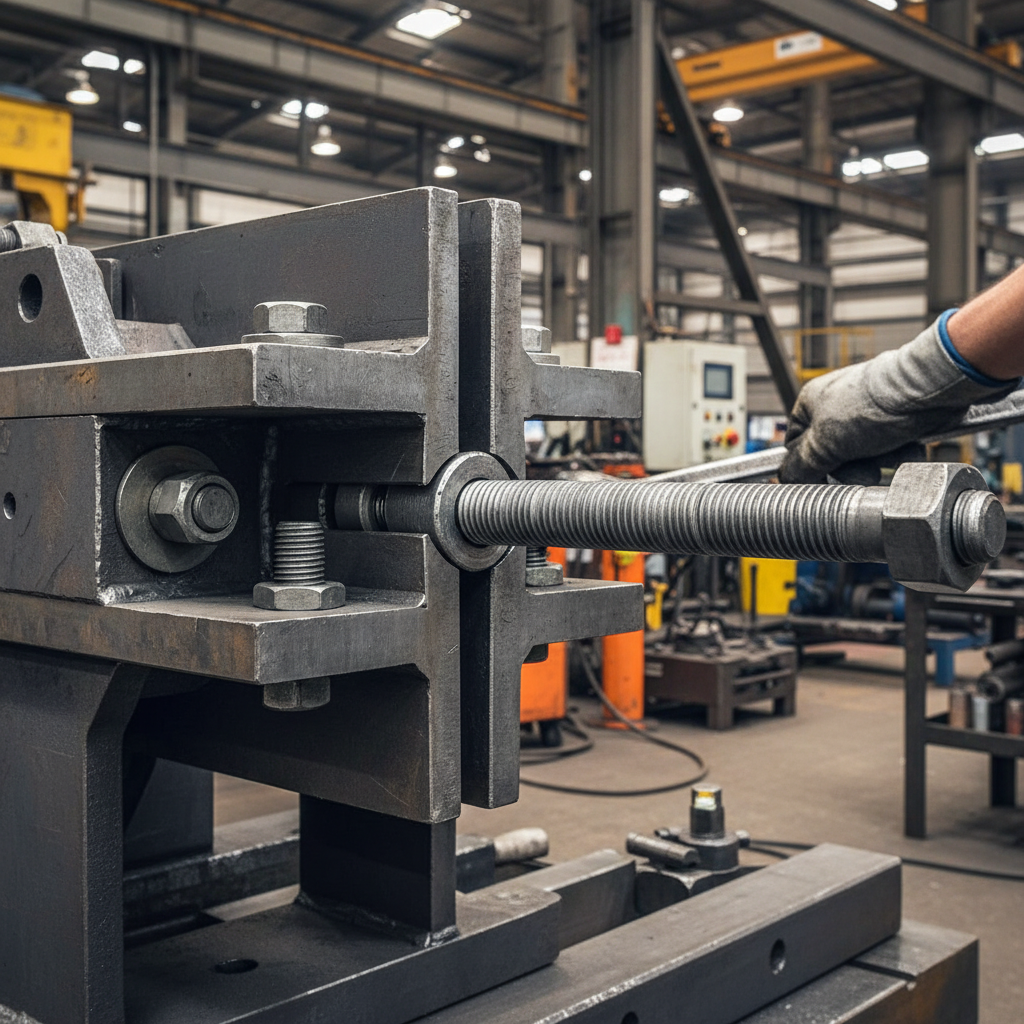
Simply put, a 5 16 threaded rod is a metal rod with continuous threading along its length, having a nominal diameter of 5/16 inch (0.3125 inches or ~7.9 mm). Unlike bolts, it doesn’t have a head, so it’s often used with nuts and washers at both ends to fasten or stabilize structures.
Its continuous threading offers flexible length usage — you can cut it to whatever size you need, which is a huge advantage in custom jobs. From fastening steel beams in factories to anchoring HVAC systems, these rods often form the backbone of modern infrastructure or emergency housing.
Oddly enough, threaded rods like the 5 16 also pop up in humanitarian operations supplying quick-to-assemble shelters & temporary bridges where speed and dependability count.
Core Properties Driving Practical Use
1. Durability and Material Quality
The strength depends on the steel grade — from mild steel to stainless steel or even galvanized variants for corrosion resistance. For instance, galvanizing the 5 16 threaded rod helps it withstand harsh outdoor elements, especially in coastal or humid climates.
2. Scalability and Sizing
Since the rod comes in standard diameters like 5/16”, it easily integrates into larger supply networks, making ordering and inventory smoother. Plus, they’re cut to size on-site, easing transportation and customization.
3. Cost Efficiency
Threaded rods are relatively economical compared to custom fasteners or complex joining systems, which explains their popularity in both high-volume industrial and modest DIY applications.
4. Versatility in Application
You’ll find the 5 16 threaded rod in uses ranging from mounting electrical components to structural reinforcements. Its uniform threading accepts various nuts, lock washers, and fasteners, adapting to diverse engineering needs.
5. Ease of Installation and Maintenance
Installation often requires basic tools — wrenches, pliers — and the rods can be tightened incrementally. Many engineers praise this flexibility during onsite modifications.
| Specification | Details |
|---|---|
| Diameter | 5/16 inch (7.9 mm) |
| Thread Pitch | 18 TPI (threads per inch) - UNC standard |
| Material | Carbon steel, stainless steel, galvanized steel |
| Length | Standard: 1 ft to 12 ft; customizable |
| Tensile Strength | Varies per grade: ~60,000 PSI typical |
| Surface Finish | Plain, zinc plated, hot-dipped galvanized |
Global Applications: Where and How the 5 16 Threaded Rod Shines
Threaded rods are everywhere, but the 5 16 size is often favored for medium duty applications. In construction hotspots like North America and Europe, these rods reinforce HVAC systems, suspension supports, and framing. Meanwhile, in emerging markets such as Southeast Asia, their availability supports affordable housing and community infrastructure.
I recall a case in a Southeast Asian flood relief program, where 5 16 threaded rods formed the structural backbone of temporary shelters. Relief agencies found them easy to transport and reuse — a really neat example of engineering meeting real human needs.
Industrial zones in the Middle East use these rods extensively for electrical panel mounts and pipe supports — applications where precision and reliability cannot be compromised.
For those interested, there's plenty of detailed specs and sourcing options at 5 16 threaded rod.
How Do Top Vendors Compare on 5 16 Threaded Rods?
| Vendor | Material Grades | Pricing (USD/ft) | Lead Time | Key Features |
|---|---|---|---|---|
| FastenPro Inc. | Carbon, Galvanized | $1.20 | 3-5 days | Custom lengths, Bulk discounts |
| SteelMates Ltd. | Stainless Steel, Galvanized | $1.45 | 2-4 days | High corrosion resistance |
| BuildStrong Supplies | Carbon Steel, Zinc-plated | $1.10 | 1-3 days | Fast shipping, volume packages |
Long-term Benefits: Why Choose 5 16 Threaded Rods?
The advantages stack up nicely:
- Cost-Effectiveness: Their mass production and standardized sizes keep prices reasonable.
- Reliability: Well-tested steel grades and finishes ensure strength and longevity, helping build trust in infrastructures.
- Sustainability: Galvanized options reduce replacements by preventing rust, cutting waste — which is a win for budgets and the planet.
- Emotional Assurance: For engineers and builders, having a versatile and predictable fastener reduces headaches and project risks.
Looking Ahead: Innovations and Trends
While the classic 5 16 threaded rod remains a staple, several trends are stirring change. Industry is experimenting with lighter high-strength alloys and eco-friendly coatings that cut down on galvanization waste. Digitally, the advent of QR-coded fasteners aids in traceability and inventory management, important in large-scale industrial ecosystems.
Meanwhile, automation in cutting and threading means faster turnaround, and custom thread profiles are emerging for niche high-stress jobs. One of our contacts in Norway mentioned new developments to make threaded rods compatible with 3D printed construction elements — a fascinating peek into the future.
Challenges & How the Industry is Addressing Them
Of course, the 5 16 threaded rod isn’t without shortcomings. In highly corrosive environments, even galvanized coatings degrade eventually. Also, incorrect torque or installation can compromise stability.
Experts recommend rigorous testing standards and proper training to avoid such pitfalls. Some vendors now offer pre-coated rods with enhanced rust resistance and suppliers increasingly provide detailed installation guides.
Frequently Asked Questions About 5 16 Threaded Rod
Q1: What is the difference between a 5 16 threaded rod and a 5 16 bolt?
A 5 16 threaded rod is a continuous threaded rod without a head, intended for versatile length adjustments, while a 5 16 bolt includes a head and has a fixed length. Threaded rods are better for joining components where you control the length and often use nuts on both ends.
Q2: Can 5 16 threaded rods be cut on-site?
Absolutely. One of their main advantages is ease of customization. You can cut them to desired lengths using standard tools like a hacksaw or powered cutters before installing with nuts and washers.
Q3: Are galvanized 5 16 threaded rods suitable for outdoor use?
Yes, galvanization provides a protective zinc coating that resists rust and corrosion, making these rods ideal for outdoor, humid, or coastal environments. However, over prolonged exposure, corrosion might occur, so regular inspection is recommended.
Q4: How do I know which grade of stainless steel 5 16 threaded rod to choose?
It depends on your application environment. Grade 304 is common for general corrosion resistance, but for harsher conditions (saltwater exposure, chemicals), 316 grade stainless steel is recommended due to superior corrosion resistance.
Q5: Where can I source quality 5 16 threaded rods with certifications?
Trusted industrial suppliers and manufacturers offer certified rods compliant with ISO or ASTM standards. Checking vendor certifications, such as those from FastenPro or SteelMates, assures quality and traceability.
Conclusion: Making the Most of the 5 16 Threaded Rod
In the end, the 5 16 threaded rod isn’t just a simple piece of metal — it’s a linchpin in construction, manufacturing, and humanitarian logistics globally. Its blend of strength, adaptability, and cost efficiency ensures it remains a go-to fastener in countless scenarios.
Curious to see how these rods can solve your project’s fastening puzzles? Visit our website to explore product ranges, specifications, and vendor options tailored for your needs.
Thanks for reading — it’s funny how something as “small” as a 5 16 threaded rod can hold up so much of the world around us.
References:
1. Wikipedia: Threaded rod
2. ISO Standards for Fasteners
3. UNDP, Sustainable Development Goals & Infrastructure
Post time: Nov . 19, 2025 01:00


 English
  Albanian
  Arabic
  Armenian
  Azerbaijani
  Belarusian
  Bosnian
  Bulgarian
  Cebuano
  Corsican
  Czech
Czech  Galician
  Georgian
  Greek
Greek  Hausa
Hausa  Hebrew
  Hungarian
  Igbo
Igbo  Indonesian
  Italian
  Kazakh
  Khmer
Khmer  Korean
  Kurdish
  Kyrgyz
  Lao
Lao  Latin
Latin  Latvian
  Lithuanian
  Malay
Malay  Myanmar
  Nepali
  Polish
  Portuguese
  Russian
  Serbian
  Sesotho
  Shona
Shona  Sindhi
  Spanish
  Tagalog
  Tajik
Tajik  Thai
Thai  Turkish
  Turkmen
  Ukrainian
  Uzbek
Uzbek  Vietnamese
  Yoruba
  Zulu
Zulu