
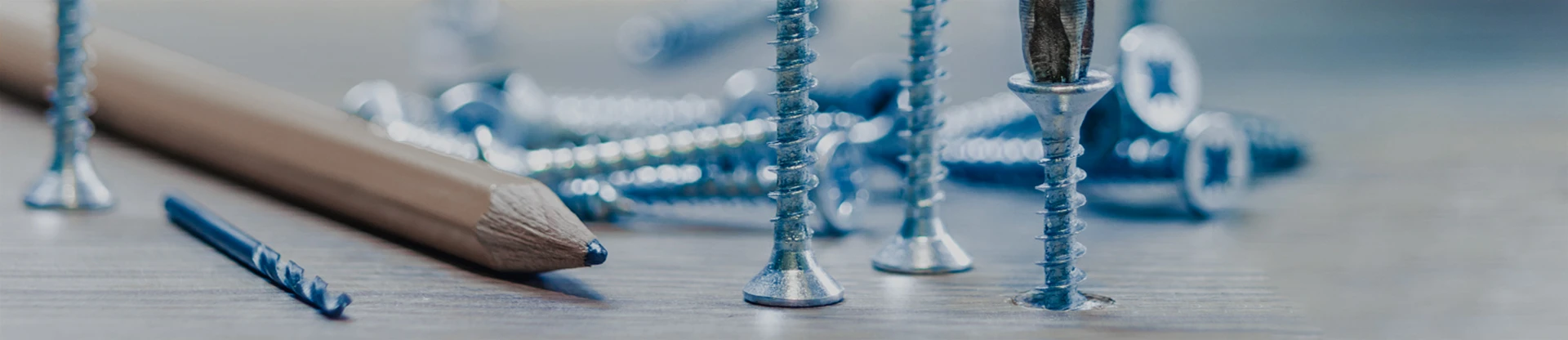
Understanding 40mm Threaded Rod: Applications, Grades & Sourcing
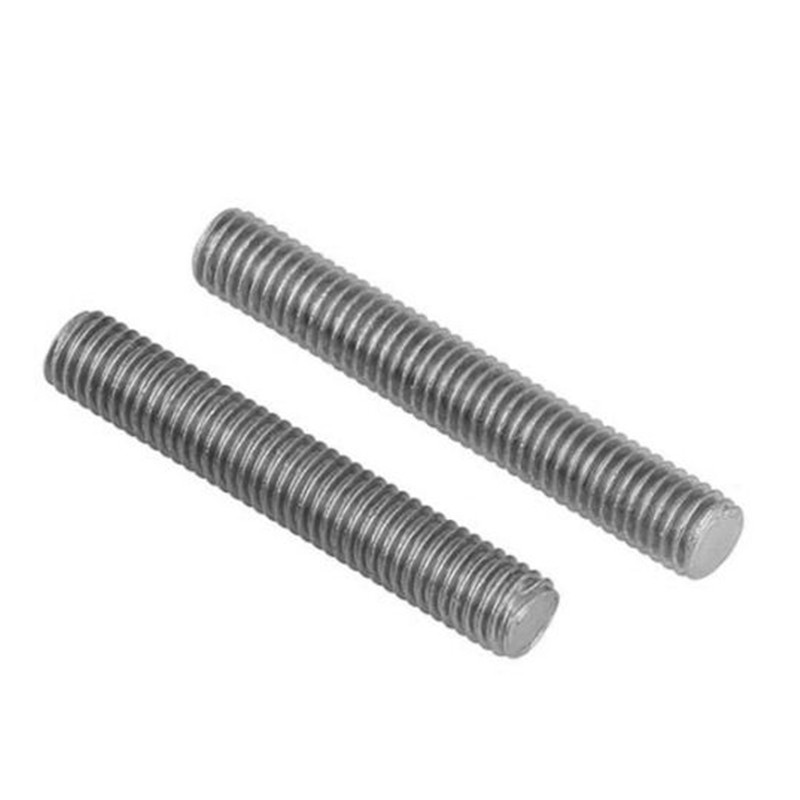
40mm threaded rod, also known as studding, is a versatile fastener used extensively in construction, manufacturing, and various industrial applications. It's a cylindrical rod with continuous external threads, allowing for secure connections with nuts and other threaded components. Choosing the right 40mm threaded rod requires understanding its different grades, materials, and applications. This article provides a comprehensive guide to help you navigate the world of 40mm threaded rods, from selecting the appropriate material to finding a reliable supplier like HBTBLS. Understanding these key features ensures you have the strength and durability you require for your project.
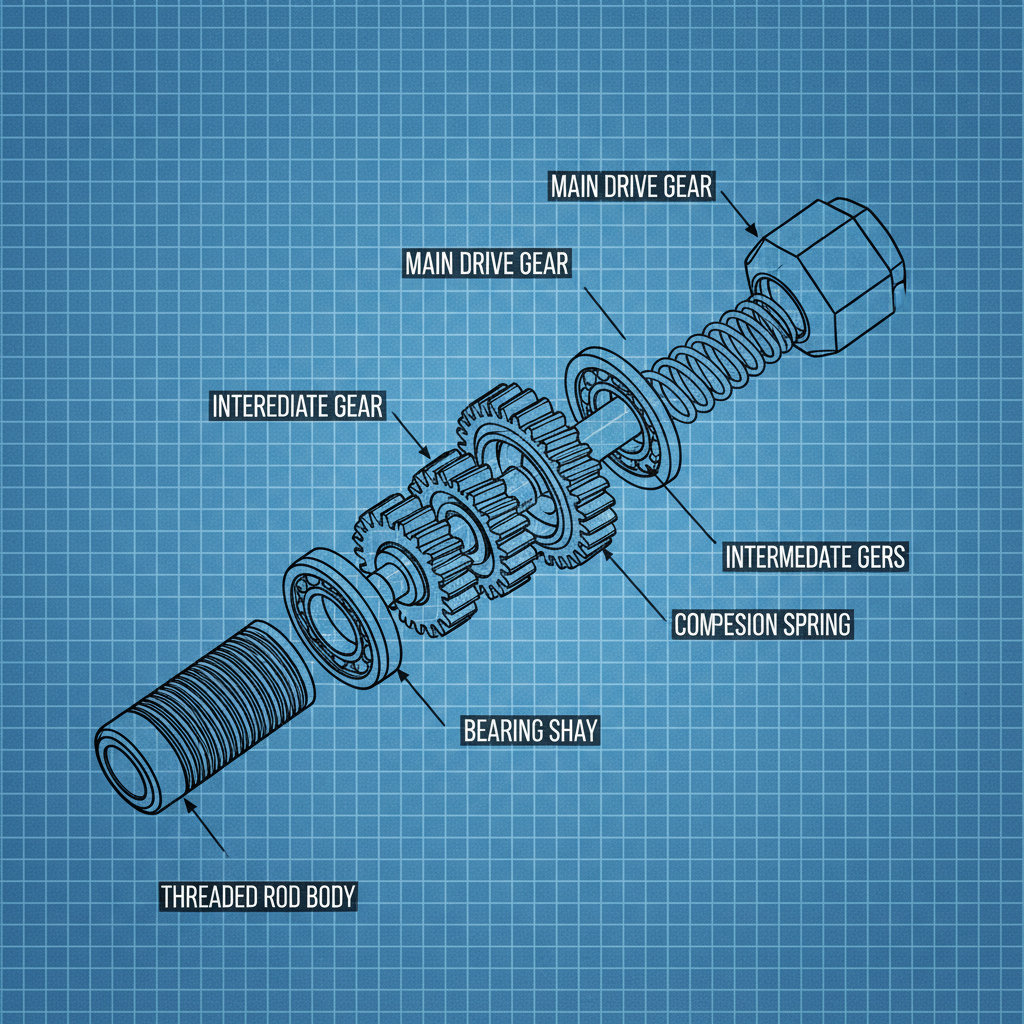
What is 40mm Threaded Rod Used For?
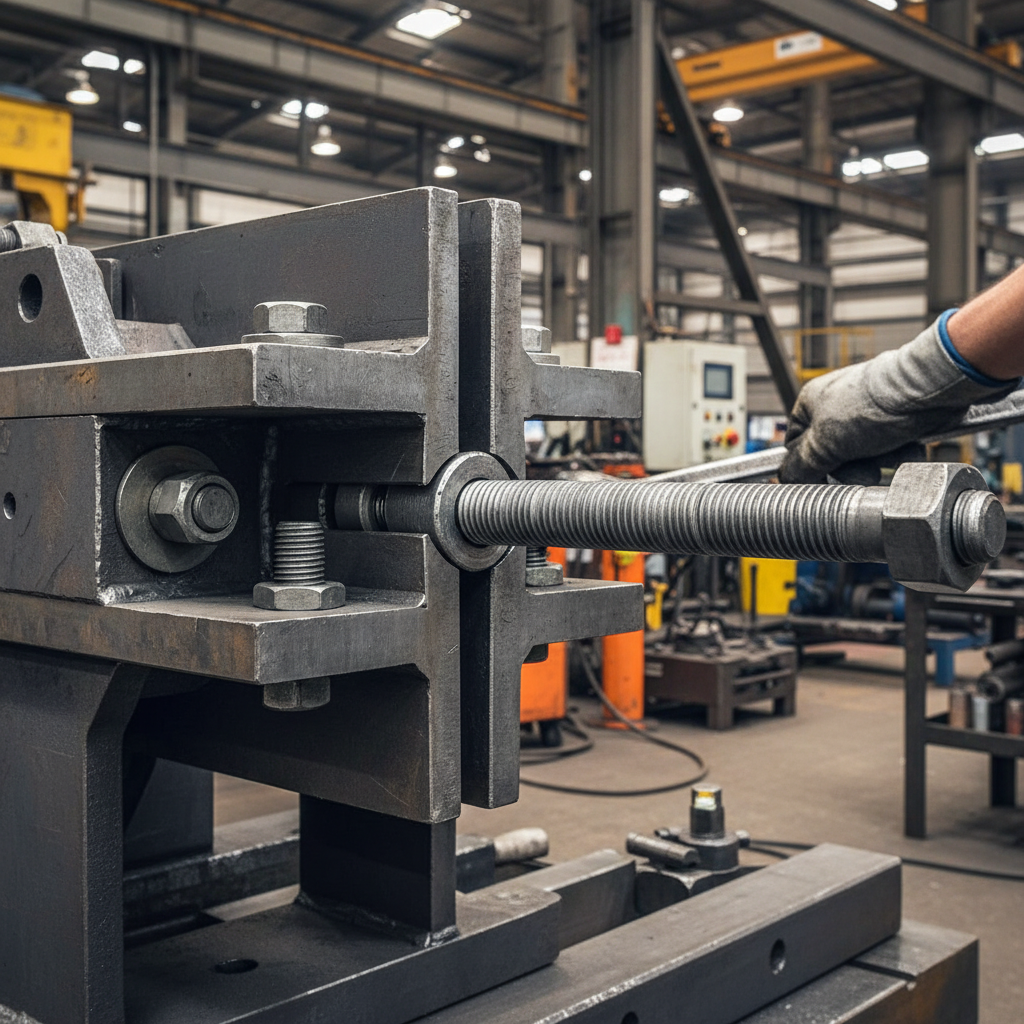
The 40mm diameter makes this type of threaded rod particularly suitable for heavy-duty applications. Some common uses include:
- Construction: Anchoring, structural supports, and connecting elements in building projects.
- Machinery: Assembling and securing components in heavy machinery and equipment.
- Automotive: Suspension systems, exhaust systems, and other automotive applications.
- Industrial Maintenance: Repairing and maintaining industrial equipment and infrastructure.
- Bridge Construction: Used in the construction and maintenance of bridge infrastructure due to its high strength
Its strength and reliability make it an essential component in projects demanding high load-bearing capacity. Choosing the right material and grade is critical for each specific application.
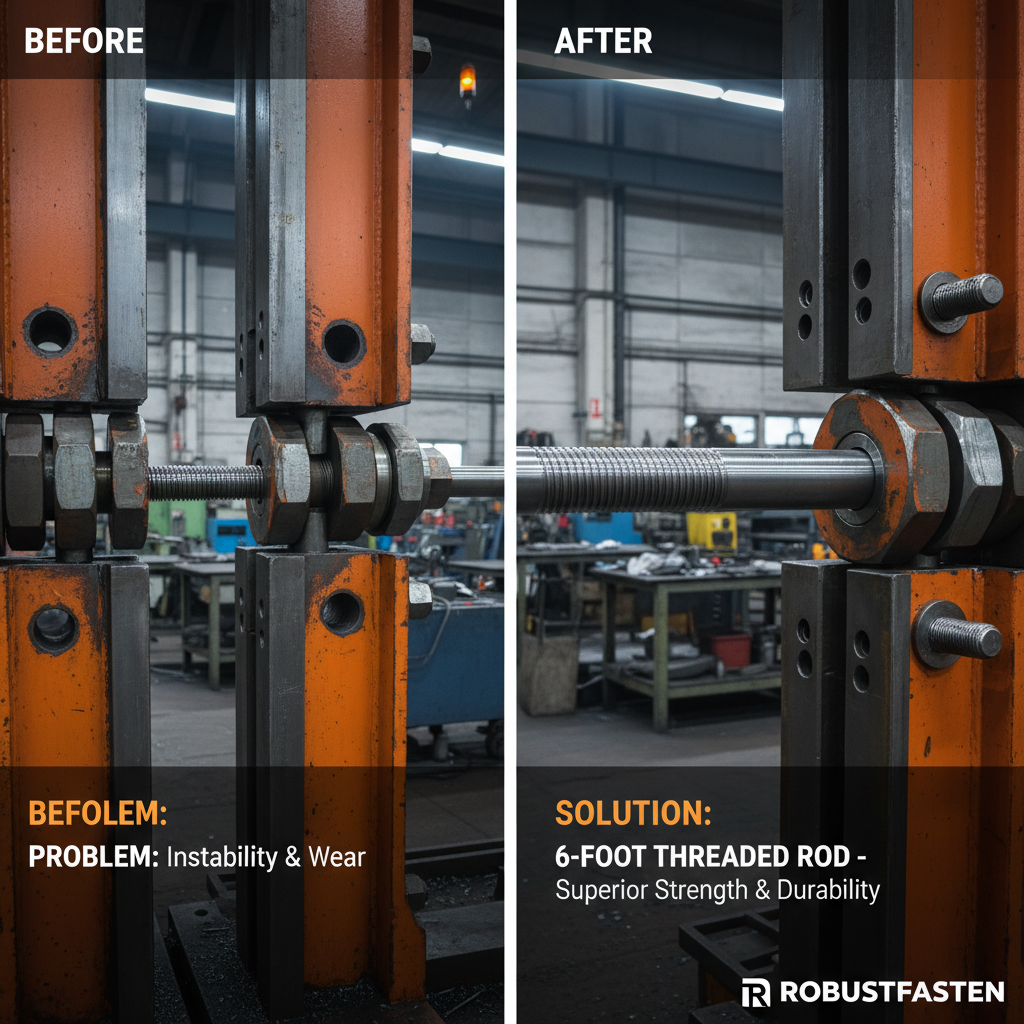
Key Benefit: A 40mm threaded rod provides superior strength and durability compared to smaller diameter rods, making it ideal for demanding applications.
Common Materials for 40mm Threaded Rod
Several materials are used in manufacturing 40mm threaded rod, each offering unique properties. Here's a breakdown of the most common options:
- Carbon Steel: The most common and cost-effective option, suitable for general applications.
- Stainless Steel (304/316): Offers excellent corrosion resistance, ideal for outdoor or marine environments.
- Alloy Steel: Provides increased strength and toughness, used in demanding industrial applications.
- High-Tensile Steel: Delivers exceptionally high strength for critical load-bearing applications.
The selection of material depends on the environment, load requirements, and desired lifespan of the application. For more specific material advice, explore the products available at HBTBLS.
Material Considerations:
• Corrosion Resistance: Stainless steel is best for wet environments.
• Strength: Alloy and high-tensile steel provide the highest strength.
• Cost: Carbon steel is the most economical option.
Understanding Threaded Rod Grades: A Comparison
Threaded rod grades indicate the material's tensile strength. Common grades for 40mm threaded rod include:
Selecting the Right 40mm Threaded Rod Supplier
Choosing a reliable supplier is crucial for ensuring the quality and consistency of your 40mm threaded rod. Look for suppliers who:
- Offer a Wide Range of Materials and Grades: To meet diverse project requirements.
- Provide Quality Certifications: To guarantee adherence to industry standards.
- Offer Competitive Pricing: Without compromising on quality.
- Have a Strong Reputation: Positive reviews and testimonials are a good indicator of reliability.
- Ensure Timely Delivery: To keep your projects on schedule.
HBTBLS is a trusted supplier of high-quality threaded rods, offering a comprehensive selection, competitive pricing, and excellent customer service.
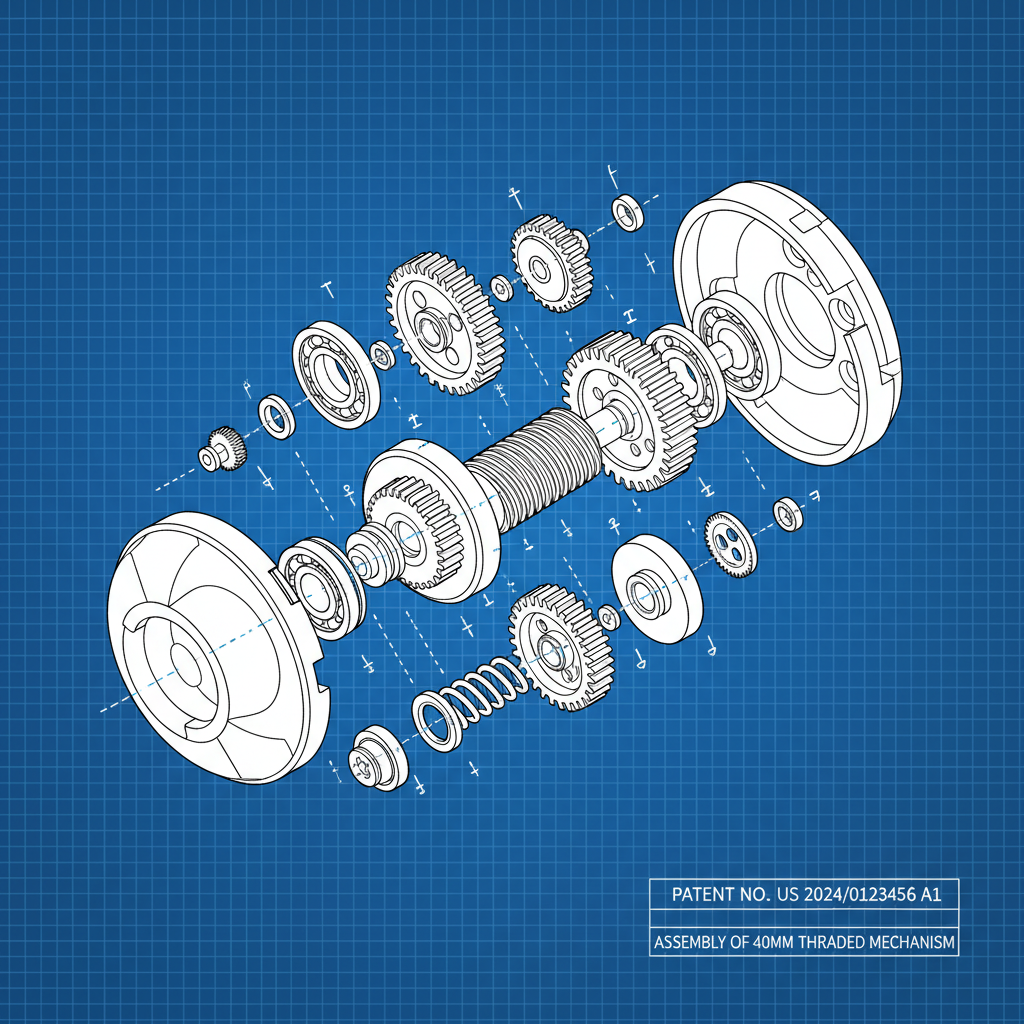
Proper Handling and Storage of 40mm Threaded Rod
To maintain the integrity and longevity of your 40mm threaded rod, proper handling and storage are essential. Here are some best practices:
- Protect from Corrosion: Store in a dry environment, ideally indoors. Apply protective coatings if storing outdoors.
- Prevent Damage: Avoid dropping or impacting the rod, which can damage the threads.
- Keep Clean: Remove any dirt, grease, or debris before use.
- Proper Support: Store rods horizontally to prevent bending.
Following these guidelines will ensure your 40mm threaded rod remains in optimal condition for its intended application.
Conclusion: Choosing the Right 40mm Threaded Rod
Selecting the correct 40mm threaded rod depends on a careful consideration of material, grade, and supplier reliability. By understanding these key factors, you can ensure a secure, durable, and cost-effective solution for your project needs. Don't hesitate to consult with experts like those at HBTBLS for personalized guidance.
Frequently Asked Questions (FAQs)
What is the standard length of 40mm threaded rod available?
40mm threaded rod is typically available in standard lengths of 1 meter, 2 meters, and 3 meters. However, it can often be cut to custom lengths based on specific project requirements. Suppliers like HBTBLS offer cutting services to provide rods to your exact specifications. The availability of different lengths can vary by supplier, so it’s essential to confirm before placing an order. Consider the waste that might result from cutting, and optimize your order length accordingly to minimize material loss and cost.
How do I determine the correct length of 40mm threaded rod needed for my project?
Accurately determining the required length involves measuring the distance between the surfaces you need to connect, and then adding the length needed for the nuts and any washers. It's always advisable to add a little extra length (around 10-20mm) to allow for adjustments and ensure a secure connection. For complex applications, it's helpful to create a detailed sketch or plan showing all dimensions. If you’re unsure, consult with a structural engineer or experienced professional for guidance. Precise measurements are vital for a successful and safe outcome.
Can 40mm threaded rod be used outdoors?
Yes, but the material must be suitable for outdoor exposure. Carbon steel rods will rust if not protected. Stainless steel (304 or 316) is the preferred choice for outdoor applications due to its excellent corrosion resistance. Applying a protective coating, such as galvanization, to carbon steel can also provide some level of protection. Consider the specific environmental conditions (e.g., exposure to saltwater, chemicals) when selecting the appropriate material. Always prioritize corrosion-resistant materials for long-term durability and safety.
Post time: Jan . 27, 2026 18:25


 English
  Albanian
  Arabic
  Armenian
  Azerbaijani
  Belarusian
  Bosnian
  Bulgarian
  Cebuano
  Corsican
  Czech
Czech  Galician
  Georgian
  Greek
Greek  Hausa
Hausa  Hebrew
  Hungarian
  Igbo
Igbo  Indonesian
  Italian
  Kazakh
  Khmer
Khmer  Korean
  Kurdish
  Kyrgyz
  Lao
Lao  Latin
Latin  Latvian
  Lithuanian
  Malay
Malay  Myanmar
  Nepali
  Polish
  Portuguese
  Russian
  Serbian
  Sesotho
  Shona
Shona  Sindhi
  Spanish
  Tagalog
  Tajik
Tajik  Thai
Thai  Turkish
  Turkmen
  Ukrainian
  Uzbek
Uzbek  Vietnamese
  Yoruba
  Zulu
Zulu