
Understanding the 3 8 Inch Threaded Rod: Why It Matters Worldwide
If you’ve ever peeked behind machines, furniture, or structural joints, you might have seen a threaded rod—long, metal, screw-like with threads spiraling across its length. Among them, the 3 8 inch threaded rod stands out as a classic workhorse. Though seemingly simple, this component is pivotal across various industries worldwide, from construction to manufacturing, even humanitarian aid. Why? Because it holds things together—literally—and knowing its specifications, applications, and role can save headaches (and sometimes lives) in engineering and building projects globally.
In many ways, the 3 8 inch threaded rod exemplifies how small engineering details ripple outward, impacting infrastructure integrity, safety standards, and cost-efficiency everywhere. Getting familiar with it helps engineers, architects, and project managers worldwide design smarter and build stronger.
Global Context: Why the 3 8 Inch Threaded Rod Is a Crucial Industry Standard
Globally, the construction and manufacturing sectors are valued at trillions of dollars, with supply chains needing reliable and standardized components. According to the International Organization for Standardization (ISO), using standardized components like the 3 8 inch threaded rod ensures compatibility and quality control across borders. For example, the ISO metric thread standards allow manufacturers from Germany to India to produce threaded rods that fit seamlessly in each other’s systems.
Industry data from the United Nations Industrial Development Organization (UNIDO) indicates a steady annual growth in construction projects—especially modular steel constructions—which heavily depend on versatile fasteners like the 3 8 inch threaded rod. Yet, challenges such as sourcing quality materials and ensuring corrosion resistance in harsh climates remain issues. Threaded rods offer solutions here by simplifying install processes and enabling structural flexibility.
Mini Takeaway:
- The 3 8 inch threaded rod is an international favorite due to its standardized size and versatility.
- It plays a pivotal role in maintaining integrity and efficiency in global manufacturing and construction.
- Understanding this rod helps manage challenges from cross-border sourcing to environmental durability.
What Exactly is a 3 8 Inch Threaded Rod?
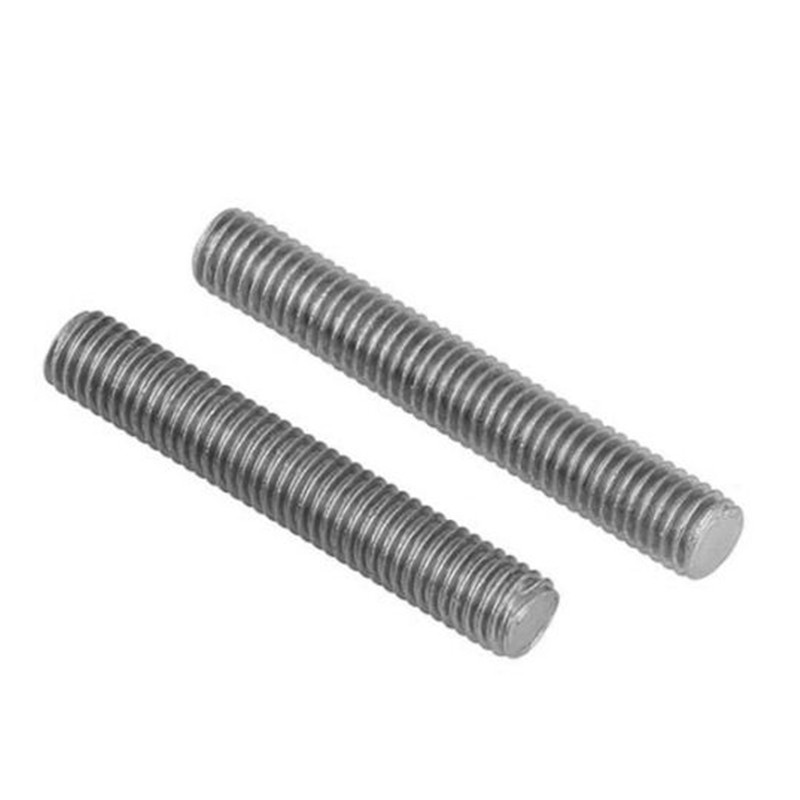
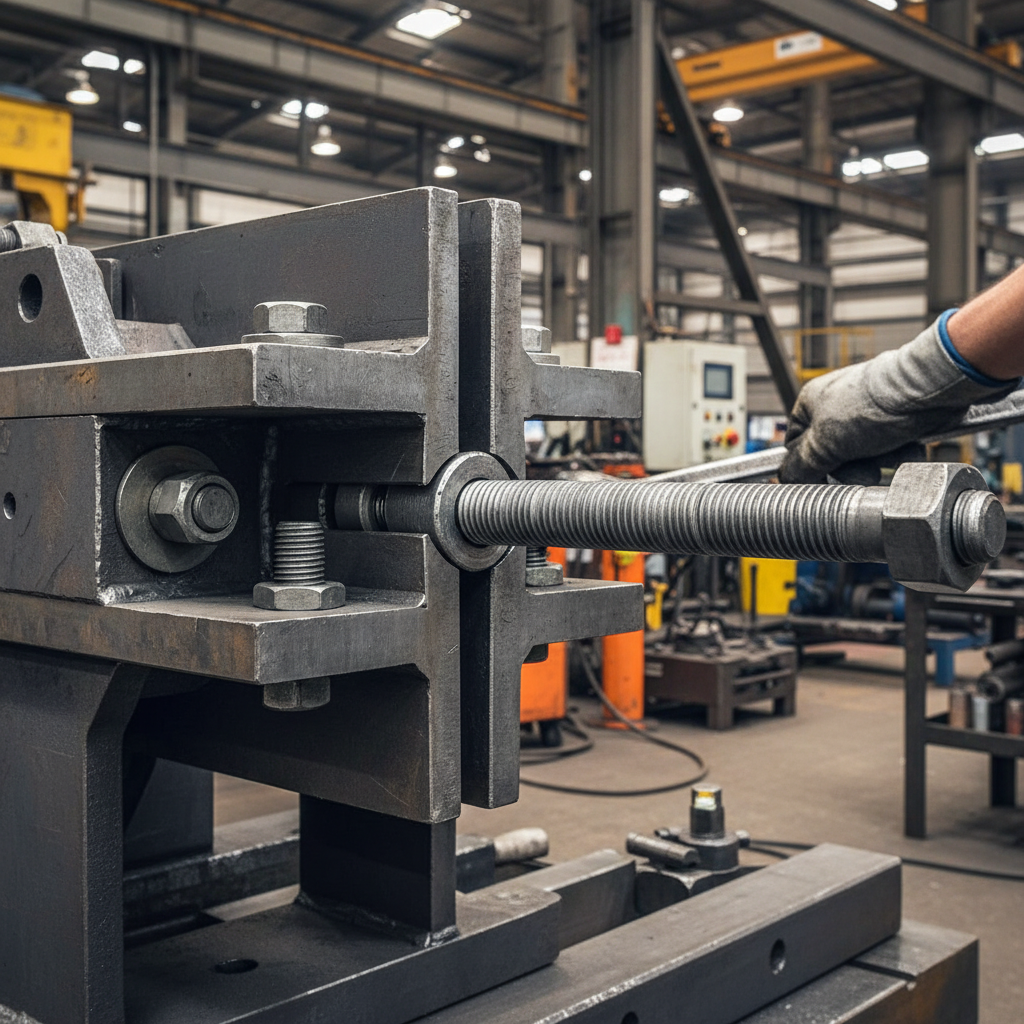
Put simply, a 3/8 inch threaded rod is a metal rod whose diameter is 3/8 inches (roughly 9.525 mm), fully threaded along its length. Imagine a long bolt without a head, designed to be cut to any length as needed, then secured with nuts at both ends to join or stabilize structures. These rods come in various materials—stainless steel, zinc-plated steel, sometimes even brass—depending on use case, especially factoring in environmental exposure.
In modern industries, this simple rod is essential in settings ranging from automotive assembly lines (holding machine parts firmly) to civil engineering projects (securing framework in modular buildings). Even humanitarian projects, like temporary shelters or infrastructure repair after disasters, rely on this rod for fast, sturdy assembly.
Key Features that Make the 3 8 Inch Threaded Rod Indispensable
Durability and Strength
Manufactured typically from carbon steel or stainless steel, these rods can withstand high tensile stresses. This strength means they’re trusted to hold frames and machinery that otherwise might crumble — handy for construction sites enduring harsh weather or heavy loads.
Scalability and Flexibility
Because threaded rods can be cut to any length, project designers can scale from tiny assemblies to large infrastructure jobs without changing fastener types. It’s like having a universal connector that adapts to your needs.
Corrosion Resistance
Depending on the finish—hot-dip galvanized, zinc-plated, or even coated with epoxy—these rods endure corrosive environments like coastal zones or chemical plants. For instance, stainless steel variants prevent rusting and extend the lifespan significantly.
Cost Efficiency
Compared to specialized fasteners, 3 8 inch threaded rods are budget-friendly, widely produced, and offer bulk customization. This lowers procurement headaches and keeps projects on budget.
Ease of Installation and Maintenance
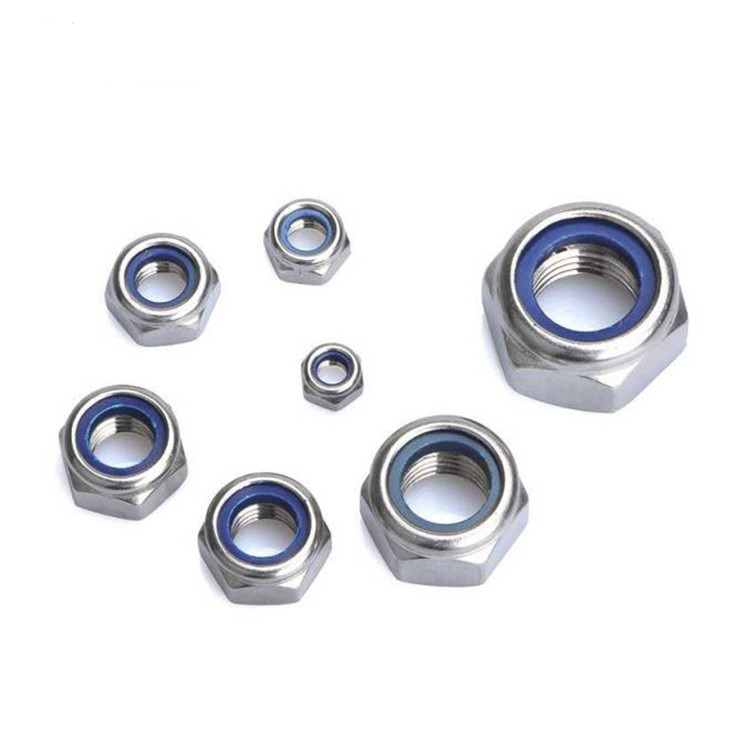
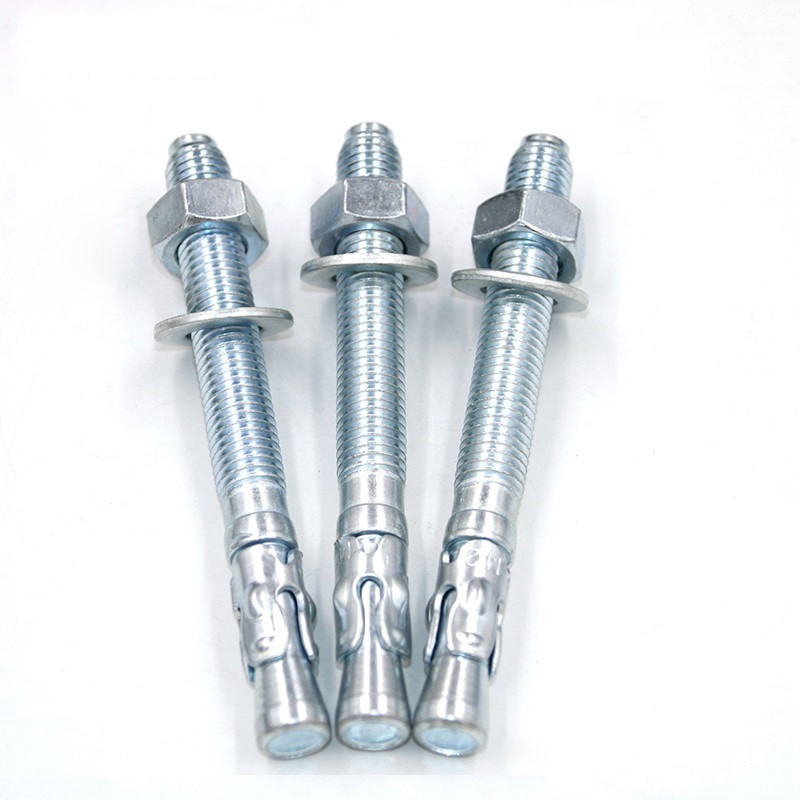
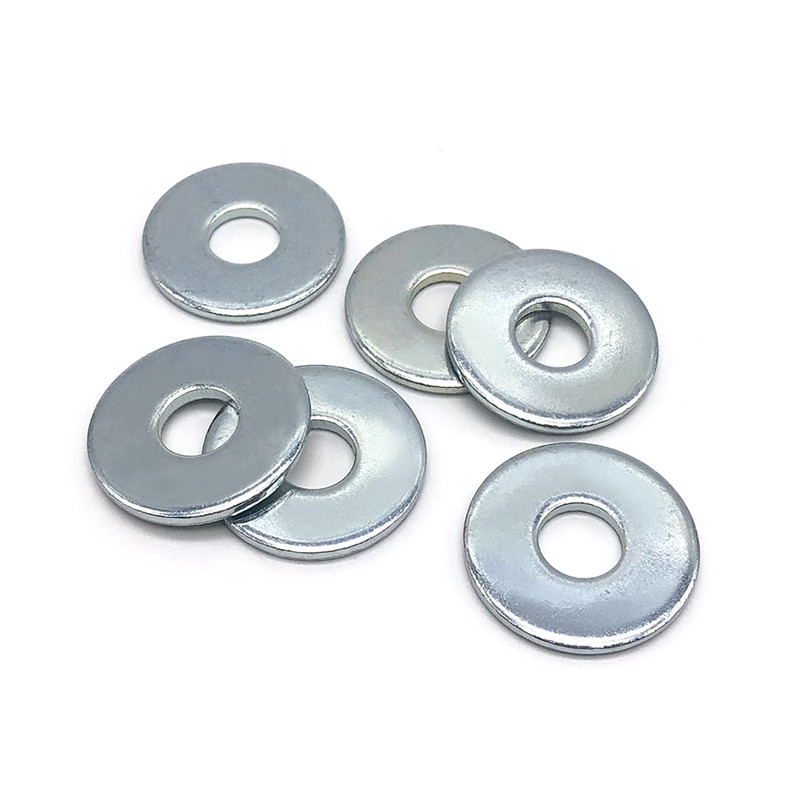
The threaded ends mean nuts, washers, and various fasteners can be slipped over easily, making them ideal for rapid assembly and disassembly — something many field engineers appreciate.
Mini Takeaway:
- Durability keeps projects intact under pressure and time.
- Flexibility means the same rod fits numerous jobs, from machinery to architecture.
- Corrosion options extend usability across environments.
- Cost-wise? It’s a smart choice in volume and versatility.
Where in the World is the 3 8 Inch Threaded Rod Used?
This rod is everywhere—dramatically proving there’s power in simplicity. Industries and regions vary, but typical use cases include:
- Construction: Steel frameworks, securing beams, and joining modular units.
- Manufacturing and Machinery: Holding components, mounting equipment, and machine assembly.
- Automotive Industry: Used in engine mounts, chassis assembly, and custom retrofits.
- Humanitarian & Disaster Relief: Fast-deploy shelters and emergency infrastructure often rely on these rods for quick setup.
- HVAC and Electrical: Suspending piping, cable trays, and equipment supports.
For example, in post-earthquake reconstruction in Southeast Asia, engineers used 3 8 inch threaded rods to stabilize modular housing quickly, proving the rod’s impact beyond just commercial projects.
Product Specification Table
| Specification | Details |
|---|---|
| Diameter | 3/8 inch (9.525 mm) |
| Length | Standard: 1–12 ft (custom cut available) |
| Material | Carbon Steel, Stainless Steel, Brass |
| Finish | Plain, Zinc-Plated, Hot-Dip Galvanized, Epoxy Coated |
| Thread Type | Unified Coarse (UNC) / Unified Fine (UNF) |
| Tensile Strength | Typically 60,000 – 120,000 psi |
Advantages and Long-Term Value
It’s not flashy but reliable—qualities that count when nuts and bolts hold a building or machine together. For companies, the rod offers clear cost savings, reducing the need for a wide variety of parts. For workers in the field, it means safer, faster installations and easier repairs.
Emotionally, there’s something reassuring about using a product you can trust not to fail unexpectedly, especially in critical infrastructure. Plus, the wide availability of the rod fosters a trust ecosystem — vendors, engineers, workers all know what to expect.
Comparing Vendors of 3 8 Inch Threaded Rods
| Vendor | Material Options | Pricing (per 10 ft) | Lead Time | Special Features |
|---|---|---|---|---|
| SteelFasteners Co. | Carbon Steel, Zinc-Plated | $25 | 2 Weeks | Bulk discounts, custom lengths |
| MetroThread Inc. | Stainless Steel, Brass | $40 | 1 Week | Corrosion resistant coatings, quick ship |
| Global Rod Supply | Carbon Steel, Hot-Dip Galvanized | $28 | 3 Weeks | ISO-certified, custom threading |
Future Trends and Innovations
The humble 3 8 inch threaded rod is no stranger to innovation. Researchers are exploring new materials like titanium alloys and composite rods that offer extreme strength with less weight—a boon for aerospace or high-tech infrastructure. There's also a growing push for greener production processes, where recycled steel is used without compromising durability.
On the digital front, automated threading machines and IoT tracking make quality control smarter and procurement faster. Imagine a rod tagged with sensors, monitoring tension or corrosion before failure. That kind of tech may sound sci-fi but is becoming increasingly plausible.
Challenges and How Experts Overcome Them
Despite their ubiquity, 3 8 inch threaded rods face challenges such as:
- Rust and Corrosion: Especially in salty or acidic environments.
- Supply Chain Disruptions: Price fluctuations and availability depending on steel markets.
- Installation Errors: Incorrect nut torque or mismatched threading causing failure.
Experts suggest using higher-grade steel or coatings for corrosive settings, working with reliable ISO-certified suppliers, and applying torque wrenches during assembly to avoid human error—all fairly straightforward but often overlooked steps.
FAQ: Your Practical Questions About the 3 8 Inch Threaded Rod
Q1: How do I choose between UNC and UNF thread types for my 3 8 inch threaded rod?
A1: UNC (Unified Coarse) threads have fewer threads per inch and are more resistant to damage, ideal for general construction and vibration-prone environments. UNF (Unified Fine) threads have more threads per inch, offering a tighter grip and better adjustment precision, preferred in mechanical or automotive applications.
Q2: Can I cut a 3 8 inch threaded rod at home without affecting strength?
A2: Yes, but you must re-thread the cut end using a die to maintain nut compatibility. Without re-threading, nuts won't fit properly, causing weak joints. Always wear safety gear when cutting steel rods!
Q3: Are stainless steel rods always better than zinc-plated ones?
A3: Not necessarily. Stainless steel rods resist corrosion inherently and are great for humid or chemical environments, but they cost more. Zinc-plated rods offer decent protection and are more budget-friendly for dry or indoor use.
Q4: How can NGOs source quality threaded rods for international projects?
A4: NGOs should look for ISO-certified suppliers offering custom cuts and corrosion-resistant finishes. Establishing local partnerships and bulk purchasing can reduce costs and lead time, enhancing project sustainability.
Mini Takeaway:
- Thread type choice depends on application needs.
- Proper cutting and installation extend product life.
- Material choice balances cost and environmental factors.
- Reliable sourcing is key for international projects.
Wrapping Up: The Quiet Strength of the 3 8 Inch Threaded Rod
The 3 8 inch threaded rod is often overlooked—yet it quietly supports everything from skyscrapers to fast-deploy shelters. Its blend of strength, adaptability, and cost efficiency has made it a global staple in multiple industries. As technology advances, we can expect even smarter, stronger rods tailored for the future’s complex challenges.
For engineers, buyers, or even curious makers, understanding these rods is a step toward smarter designs and more resilient structures. So, next time you tighten that bolt or assemble a frame, remember — the humble 3 8 inch threaded rod is more than just a metal stick with threads; it’s an essential building block of modern industry and innovation.
If you want to explore more, convenient sizing options, or vendor partnerships, do check out 3 8 inch threaded rod suppliers that specialize in quality and customization.
References:
Post time: Dec . 01, 2025 12:35


 English
  Albanian
  Arabic
  Armenian
  Azerbaijani
  Belarusian
  Bosnian
  Bulgarian
  Cebuano
  Corsican
  Czech
Czech  Galician
  Georgian
  Greek
Greek  Hausa
Hausa  Hebrew
  Hungarian
  Igbo
Igbo  Indonesian
  Italian
  Kazakh
  Khmer
Khmer  Korean
  Kurdish
  Kyrgyz
  Lao
Lao  Latin
Latin  Latvian
  Lithuanian
  Malay
Malay  Myanmar
  Nepali
  Polish
  Portuguese
  Russian
  Serbian
  Sesotho
  Shona
Shona  Sindhi
  Spanish
  Tagalog
  Tajik
Tajik  Thai
Thai  Turkish
  Turkmen
  Ukrainian
  Uzbek
Uzbek  Vietnamese
  Yoruba
  Zulu
Zulu