
Getting to Know the 3 8 24 Threaded Rod: Why It Matters More Than You Think
If you’re familiar with the nuts and bolts (quite literally) of mechanical assemblies or construction projects, then you've probably crossed paths with threaded rods. But the 3 8 24 threaded rod? That’s a bit more specific — and, frankly, pretty important worldwide. From holding frameworks together in skyscrapers to anchoring equipment in remote industrial zones, this kind of rod is a quiet hero of infrastructure and manufacturing. But why does understanding this particular fastener matter on a global scale? For starters, it’s a key element that supports the stability and safety of countless structures and machines that drive economies and save lives. Without reliable components like the 3 8 24 threaded rod, you can imagine the domino effect — equipment fails, structures weaken, repairs spike costs, and safety gets compromised. Knowing how this rod works, its specs, and applications brings clarity to a piece of metal that's much more critical than it might seem at first glance.The Global Context: Why the 3 8 24 Threaded Rod Is More Than Just Hardware
The construction and manufacturing world is humming faster than ever — with global infrastructure investments topping trillions annually according to the World Bank. The ISO even standardizes components like threaded rods to ensure quality and compatibility worldwide. Within this whirlwind, a 3 8 24 threaded rod is a common denominator. Statistics show the need for standardized and durable fastening solutions is growing, especially in developing regions expanding their industry and urban areas modernizing rapidly. Here lies both a challenge and an opportunity: how do we supply reliable products such as these rods that withstand harsh environments yet remain cost-efficient? NGOs working in emergency housing, infrastructure firms building fast but safe, and manufacturers sourcing precise parts all have stakes in getting these threaded rods right. In many ways, this seemingly modest element solves problems of compatibility, strength, and availability — much more than a simple metal stick with threads.What Exactly Is a 3 8 24 Threaded Rod?
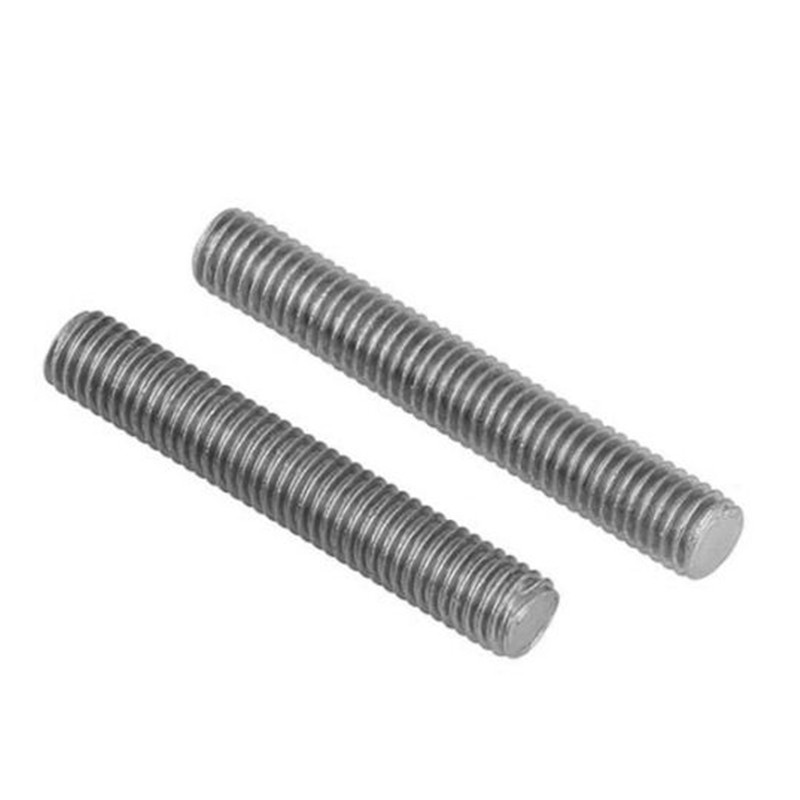
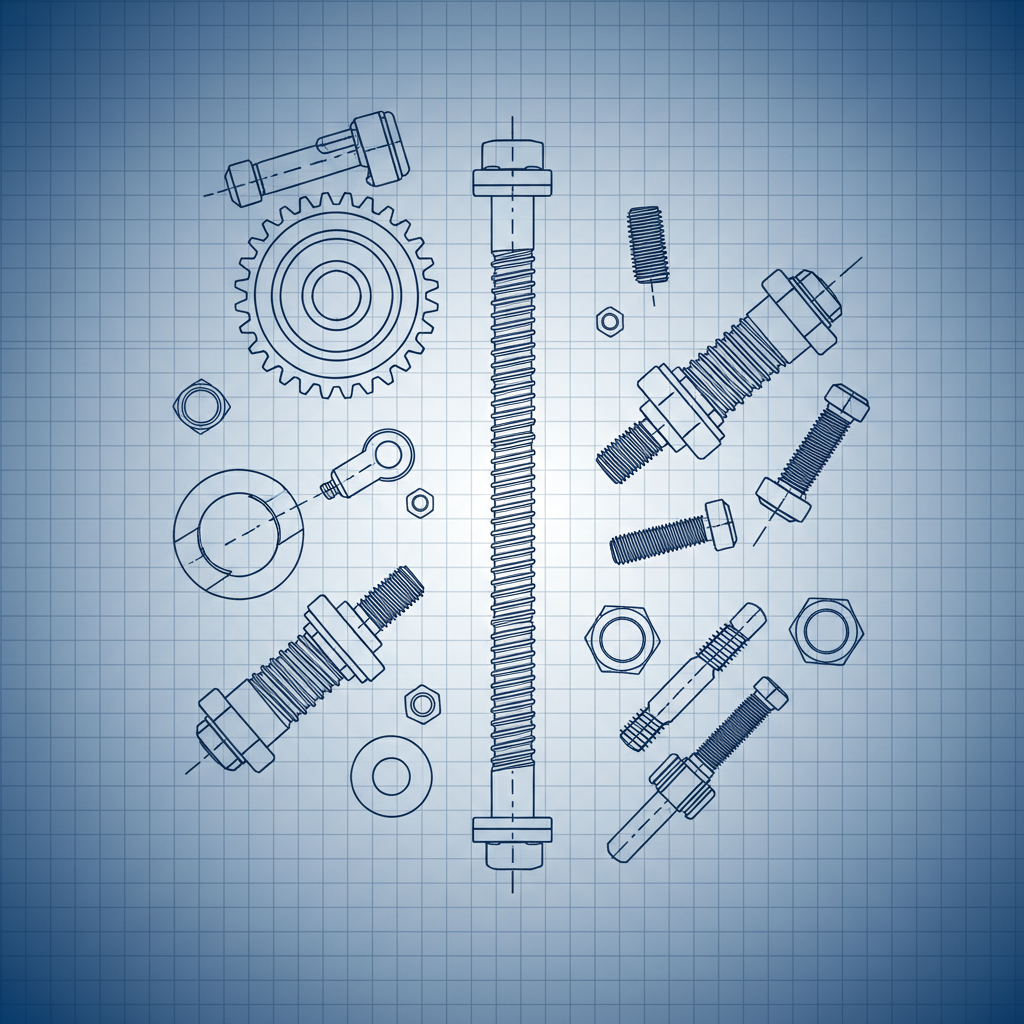
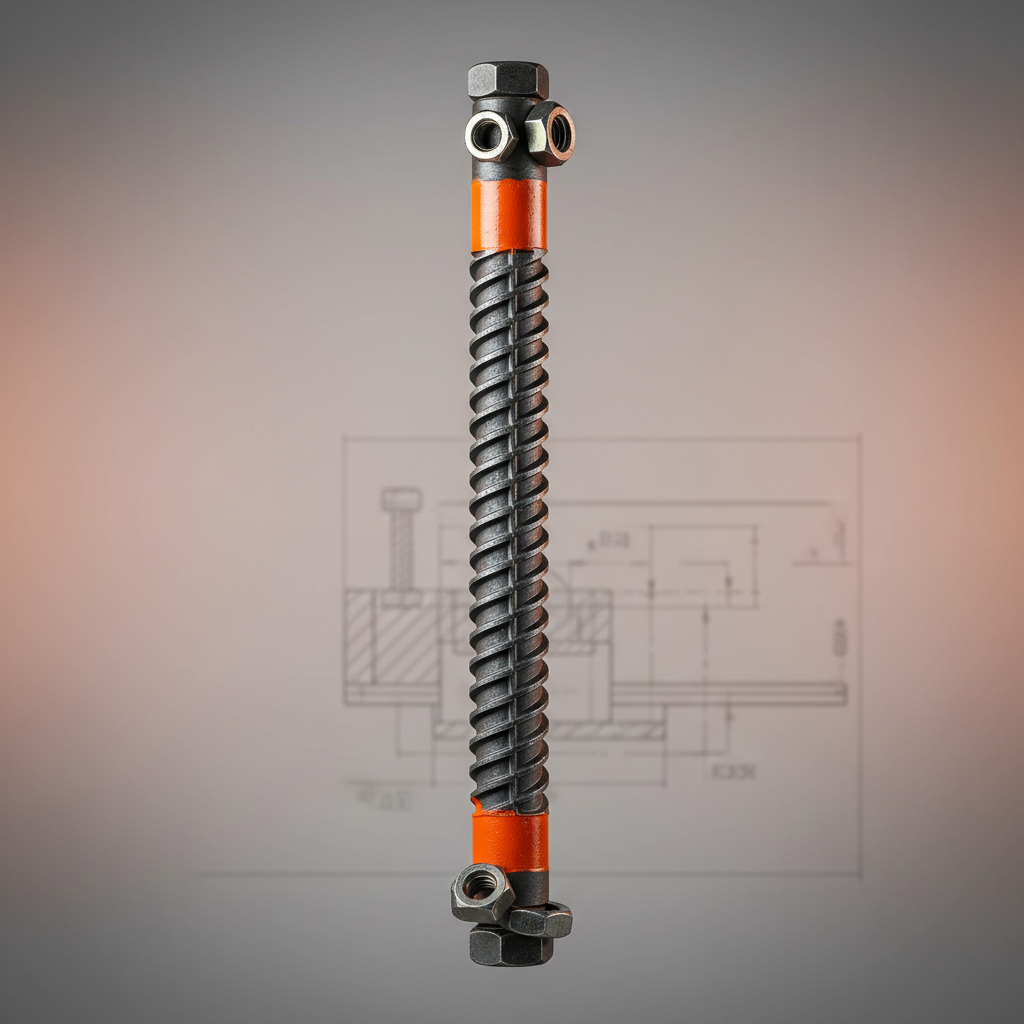
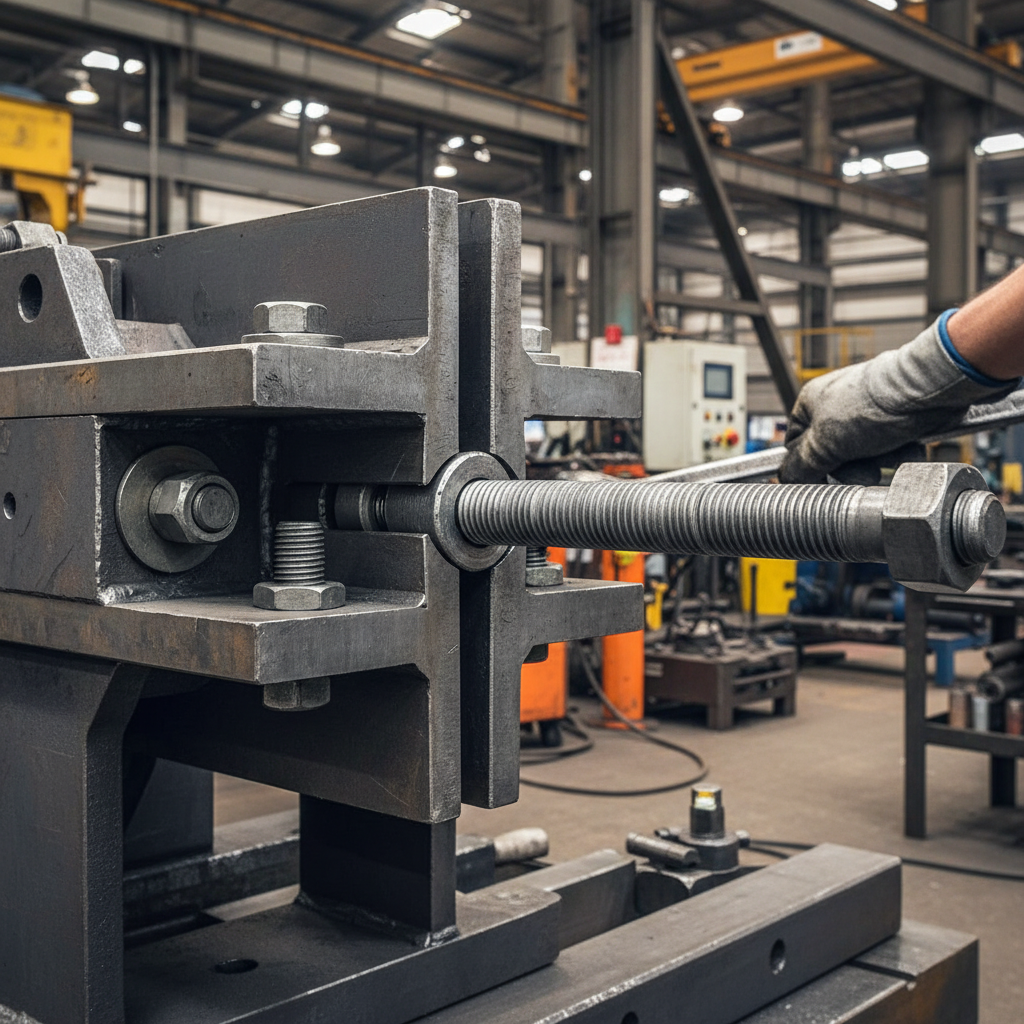
Let’s break it down without jargon. The ‘3 8’ part means the rod is 3/8 inches in diameter — roughly the size of a pencil’s thickness or a bit more. The ‘24’ denotes the number of threads per inch, so this rod has a fine threading pattern: 24 threads packed in an inch’s length. Threaded rods like this are essentially long screws without heads, designed to be cut to length or used as-is to fasten parts together. They’re common in construction, automotive repair, machinery, plumbing, and even furniture assembly. The thread pitch (how tight or coarse the threads are) determines how much grip and adjustment precision you get. The 3 8 24 threaded rod is a balance of strength and detailed adjustment — making it perfect where fine tensioning or fitting is necessary. Beyond industrial use, such rods support humanitarian work: imagine stabilizing temporary shelters after a disaster where reliability and strength are non-negotiable. So, it’s not exaggerated to say they quietly keep the wheels turning in critical scenarios.Essential Factors That Define the 3 8 24 Threaded Rod
Here are some core elements that determine how and where this rod shines:1. Durability & Material
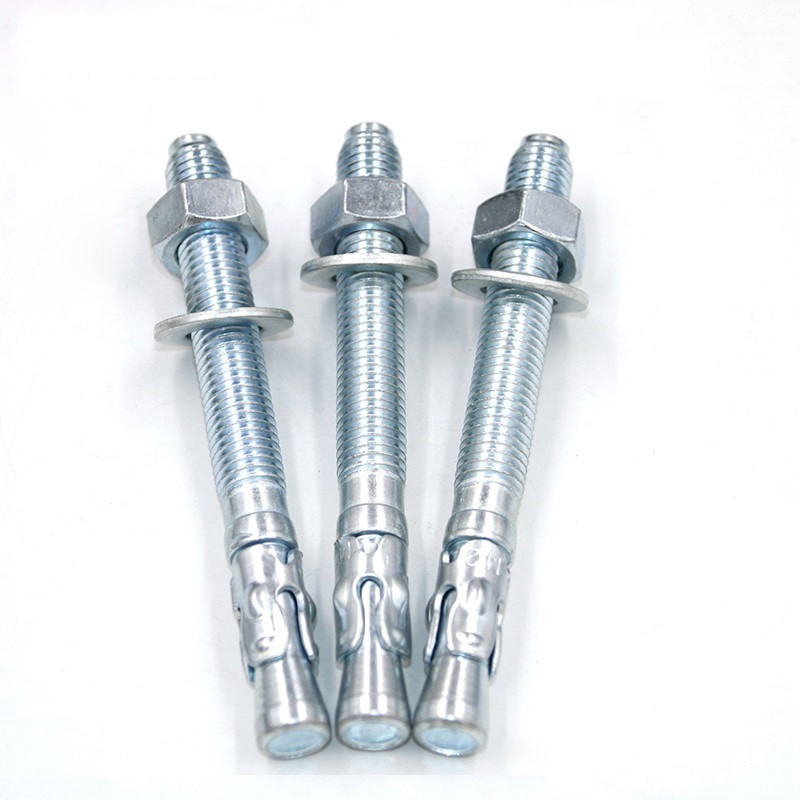
Most 3 8 24 threaded rods come in stainless steel or galvanized steel, offering great resistance to corrosion and wear. Stainless steel variants are especially favored in marine or outdoor environments, protecting against rust and prolonging lifespan.2. Thread Precision & Strength
The fine pitch (24 threads per inch) facilitates precise adjustments — engineers often prefer this for tension applications where coarse threads could slip or provide less control.3. Length & Scalability
These rods come in varied lengths — from a few inches to several feet — allowing custom fits across industries. Their adaptability means engineers can cut them to size on site, giving flexibility without stock-wasting.4. Cost Efficiency
While specialty rods can be pricey, the 3 8 24 threaded rod hits a sweet spot: widely available and affordable, yet reliable enough for both commercial and NGO projects. Bulk buying and standardization help keep prices down.5. Compatibility With Nuts and Fasteners
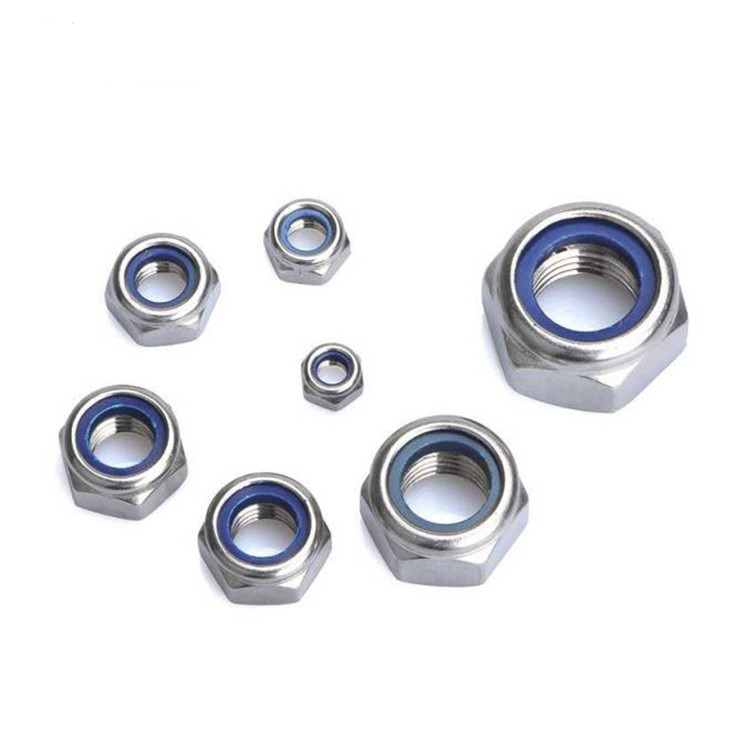
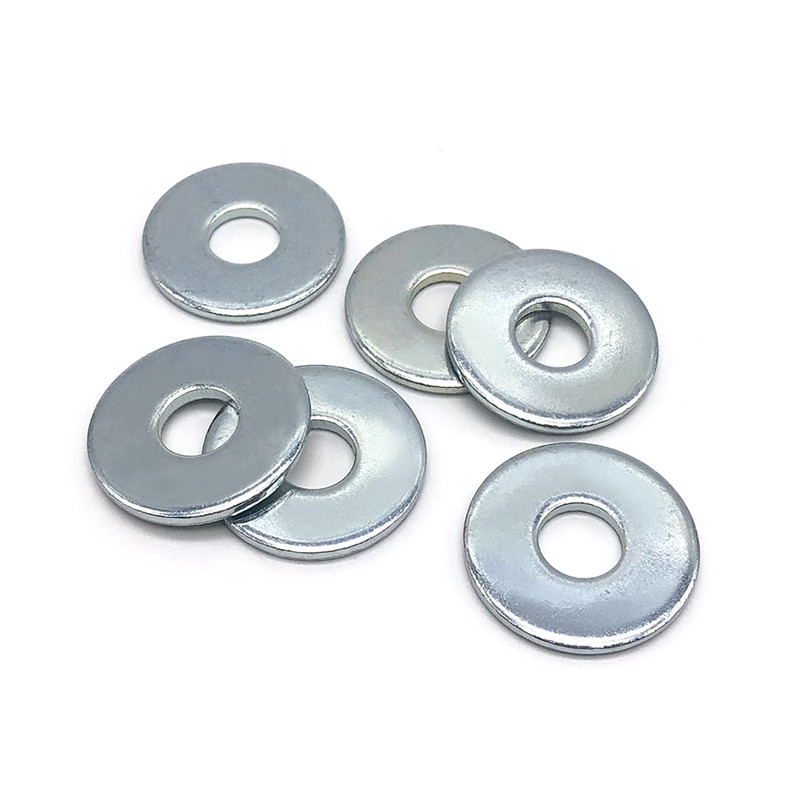
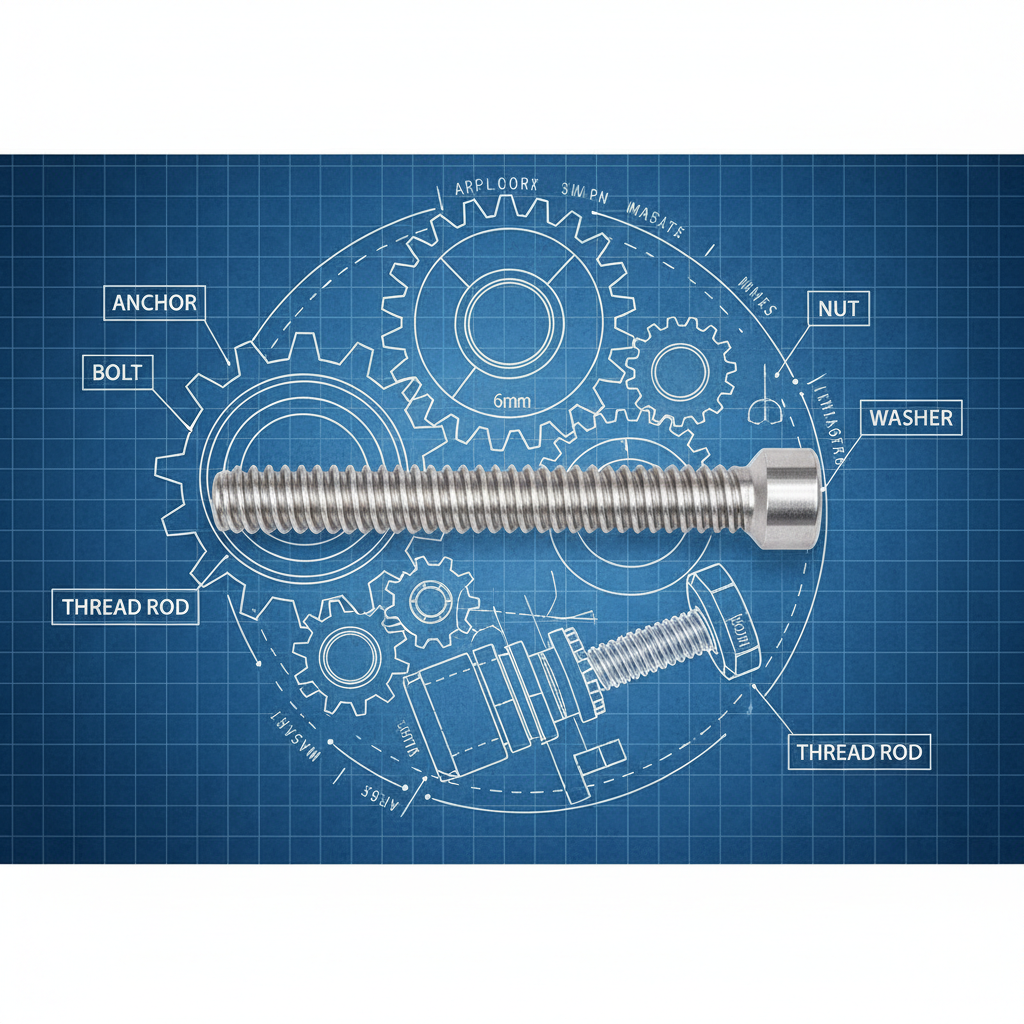
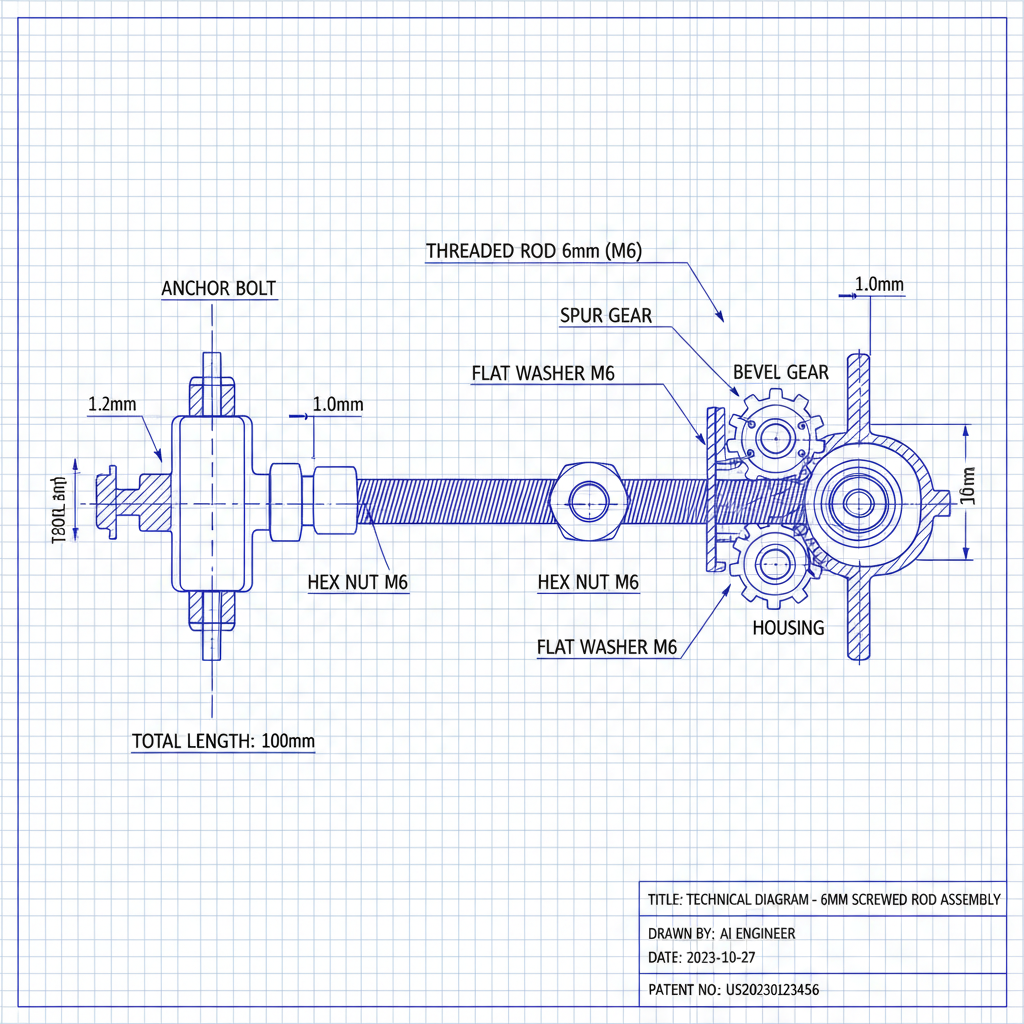
Thread standardization means you can pair these rods smoothly with matching nuts, washers, and brackets — crucial for quick installation without surprise fit issues.Mini takeaway:
The 3 8 24 threaded rod’s success comes from a blend of strong materials, fine threading, and practical sizing — all wrapped in a price tag that doesn’t break the bank.Where in the World Are 3 8 24 Threaded Rods Used? Real-Life Applications
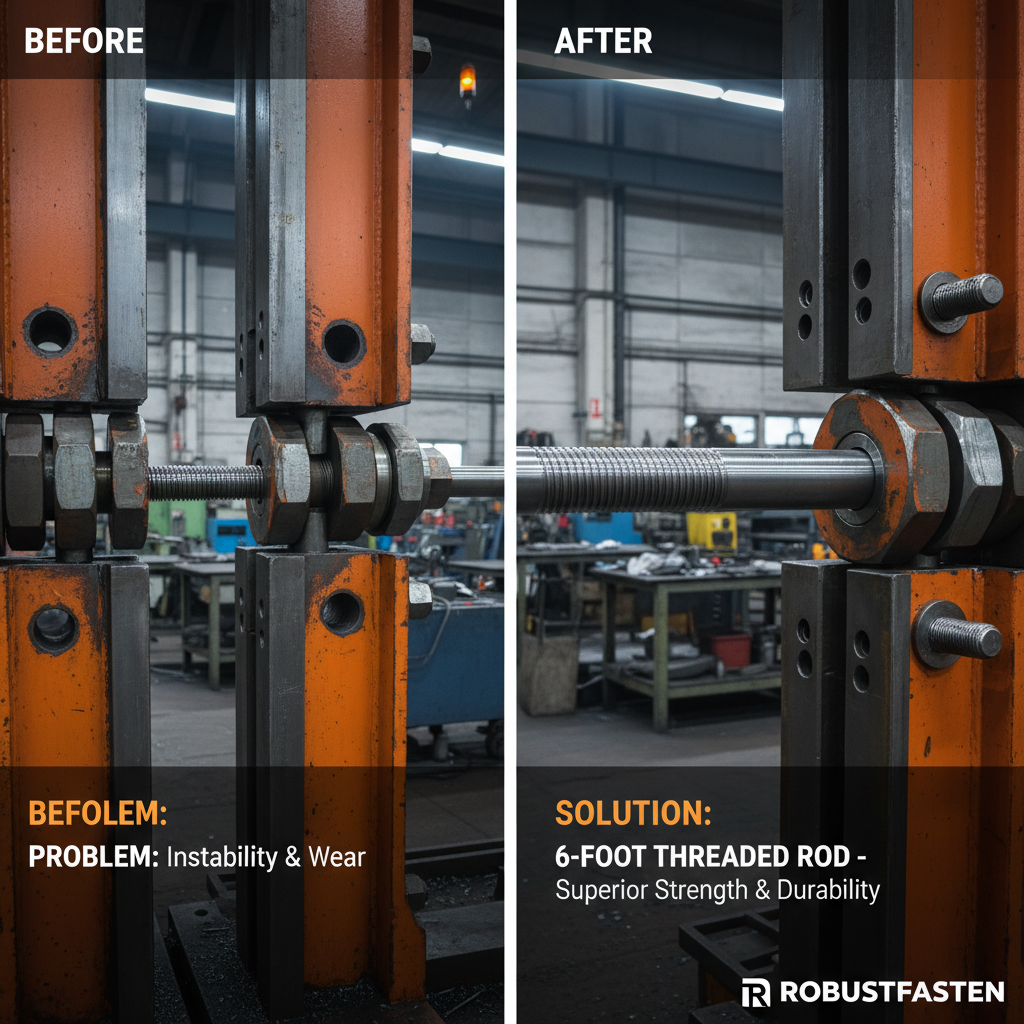
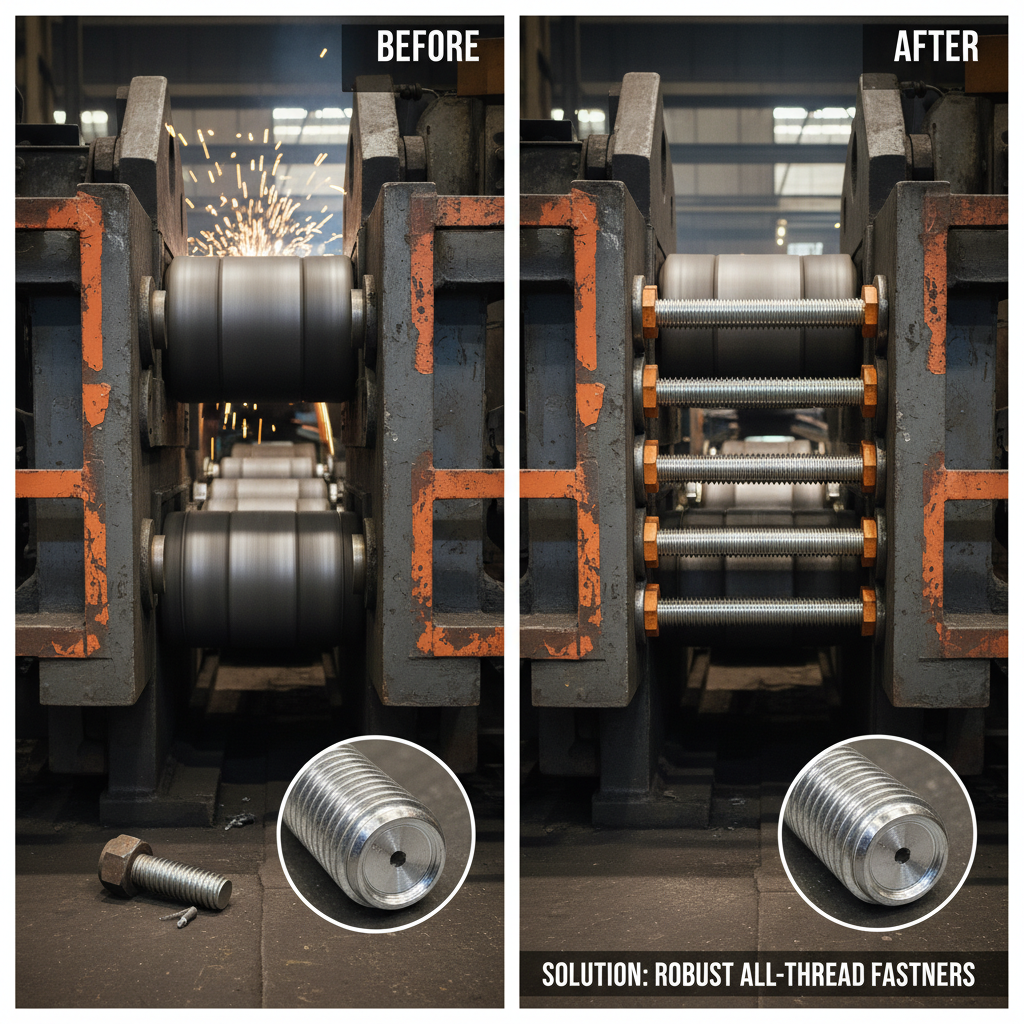
Honestly, the versatility of these rods is impressive. - Construction: Buildings use them for fastening light steel frames, securing piping systems, and supporting electrical conduit. Regions with booming urban growth, like Southeast Asia and parts of Africa, benefit from their availability. - Industrial Machinery: Plants assembling conveyor belts, pumps, or motors often choose fine-threaded rods for parts that require delicate adjustment and tightening. - Disaster Relief: NGOs deploy them in quick-assembly shelters and infrastructure repairs. After an earthquake, for example, reliable threaded rods help rebuild safely and efficiently. - Automotive & Aerospace: Some engine assemblies demand precise tensioning, where the 3 8 24 threaded rod comes into play due to its accurate thread pitch. - Remote Installations: Oil rigs or wind farms in harsh environments trust the rod’s corrosion resistance and durability. To get an idea, think about a remote pumping station in sub-Saharan Africa. Engineers rely on these rods for anchoring critical piping that delivers clean water. If the rods failed, the whole system might go down. 3 8 24 threaded rod is the unsung hero in so many sites you never visit, doing its job quietly.The Advantages & Long-Term Value of 3 8 24 Threaded Rods
Why pick this rod over, say, a coarser thread or different diameter? Well: - Reliability: Fine threads mean less chance of loosening under vibration. That’s reassuring — no one wants a rogue pipe or framework shaking loose on them. - Cost-Effectiveness: When a bolt lasts longer and fits better, you don’t have to replace it as often. That saves money and headaches down the road. - Sustainability: Durable materials reduce waste. Plus, being so widely standardized, these rods avoid the “exotic part” trap that leads to stocking excess or shipping delays. - Emotional Value: Think about technicians or relief workers trusting their equipment — safety, dignity, and professionalism hinge on dependable components. At the bigger picture level, these rods help keep infrastructure safe and economies humming. So, yes, it’s just a rod — but it’s one with impact.Product Specifications At-a-Glance
| Specification | Detail |
|---|---|
| Diameter | 3/8 inch (9.525 mm) |
| Thread Count | 24 threads per inch |
| Material | Stainless Steel (304 / 316) or Galvanized Steel |
| Standard Lengths | 1 ft, 3 ft, 6 ft, custom-cut available |
| Tensile Strength | 60000 psi (varies by grade) |
| Surface Treatment | Plain, Zinc-plated, Hot-Dip Galvanized |
Comparing Popular Vendors of 3 8 24 Threaded Rods
| Vendor | Material Options | Average Cost (per foot) | Delivery Time | Customer Service Rating |
|---|---|---|---|---|
| FastenPro Inc. | SS 304, Galvanized | $1.20 | 3-5 Days | 4.5/5 |
| BoltWorks | SS 316, Zinc Plated | $1.35 | 5-7 Days | 4.3/5 |
| Global ThreadTech | Galvanized, Hot Dip Galvanized | $1.10 | 2-4 Days | 4.0/5 |
What’s Next? Future Trends and Innovations
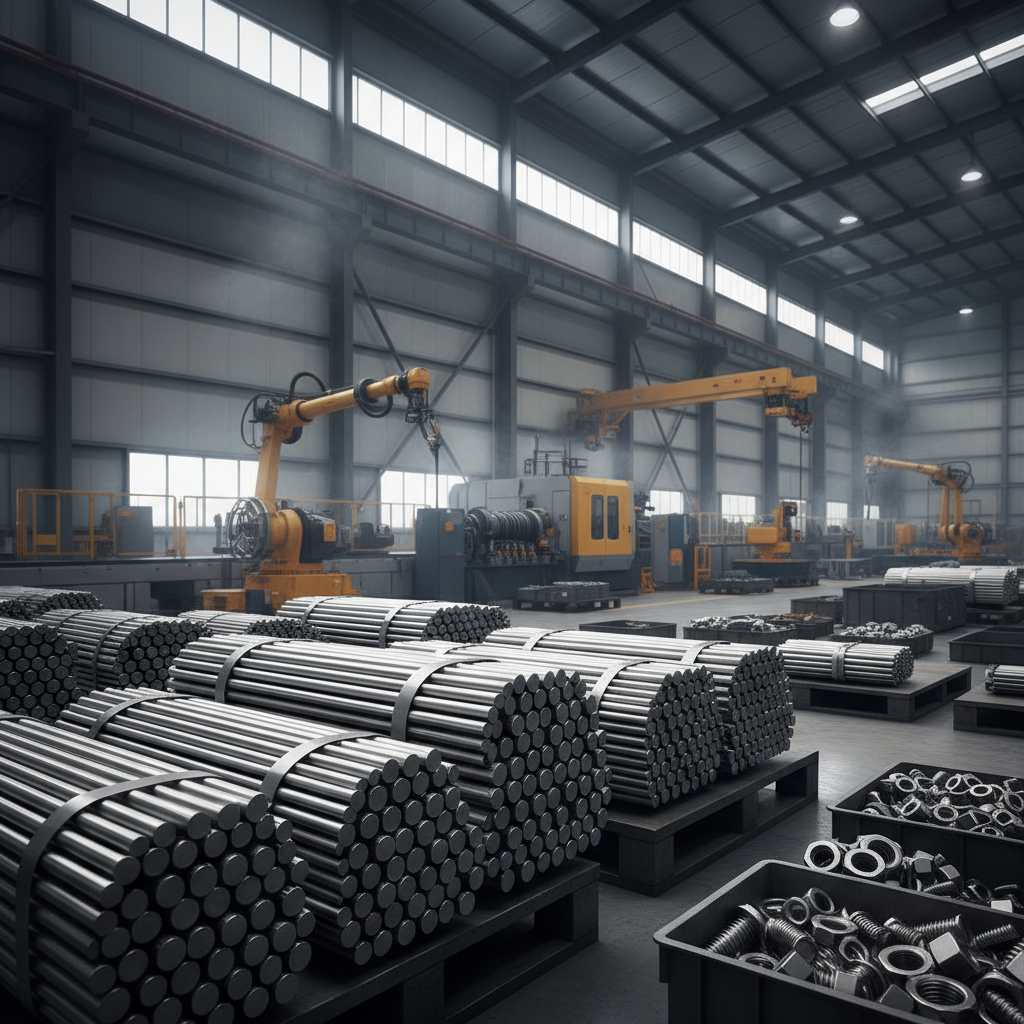
Fast-forward a bit and you see the 3 8 24 threaded rod evolving with stronger, lighter materials using composites or advanced alloy blends. Some manufacturers experiment with coatings that actively resist corrosion beyond simple zinc plating — all in pursuit of extending service life in extreme environments. Digital transformation also plays a role: automated robotic assembly lines handle threaded rods with less human error, ensuring consistency and faster production. Sustainability policies push for rods made from recycled metals or those produced under greener processes. Plus, smart infrastructure trends suggest sensors embedded near these rods — an odd thought but not far-fetched — to monitor tension or detect early signs of fatigue remotely, especially critical for bridges or offshore platforms. So, the 3 8 24 threaded rod isn’t frozen in time. It’s quietly adapting to next-gen tech and environmental demands.Common Challenges & How Experts Are Tackling Them
As solid as they are, these rods present challenges: - Thread wear over time: After heavy use or corrosion, threads can strip, losing grip. The solution? Higher-grade materials and surface treatments. - Supply chain delays: Interruptions in steel supply can cause backorders. Many vendors now stock standard sizes like 3 8 24 rods to minimize this — and there’s a growing trend of local manufacturing hubs. - Incorrect sizing or mismatch: Field teams occasionally order the wrong thread pitch or diameter leading to costly reorders. This is why clear labeling and training supplier reps is crucial. Many engineers recommend always ordering a small sample batch first to test fit and finish, especially for specialized projects.FAQ: Your Top Questions About 3 8 24 Threaded Rods
Q1: Can I cut a 3 8 24 threaded rod to a custom length on-site?A: Absolutely. One of the benefits is its flexibility. With proper cutting tools and thread restore dies, you can shorten rods without losing thread integrity. It’s common practice in construction and repairs. Q2: What makes the 24 threads per inch pitch better than coarser threads?
A: Finer threads provide better grip and precise tension control, which is key in applications where vibration could loosen bolts or where small adjustments matter. Q3: Are stainless steel rods always better than galvanized ones?
A: Not always. Stainless steel offers superior corrosion resistance but is pricier. Galvanized steel is cost-effective and good in many conditions but may rust over time, especially in salty environments. Q4: How do I ensure compatibility with nuts and fasteners when ordering?
A: Always specify the thread pitch and diameter together — ‘3 8 24 threaded rod’ means you’ll need matching 3/8 inch, 24 TPI nuts and washers to fit perfectly. Q5: Can these rods be used in earthquake-prone zones?
A: Yes. Their fine thread and strong materials help maintain tension under stresses typical in seismic zones, making them reliable choices in such safety-critical construction.
Wrapping Up: Why the 3 8 24 Threaded Rod Remains a Smart Choice
In the grand web of industry and infrastructure, the 3 8 24 threaded rod plays a surprisingly pivotal role. Durable, precise, cost-effective, and globally recognized — it brings stability and safety to countless projects and industries. From high-rise buildings to emergency shelters, from remote pipelines to manufacturing plants, its versatility and reliability make it a go-to component world over. If you’re considering sourcing threaded rods for your next project or upgrading your current specs, it’s worth taking a closer look at the 3 8 24 threaded rod. Explore more details and place orders seamlessly at https://www.hbtbls.com — your go-to for quality industrial hardware. ---References
Post time: Nov . 20, 2025 23:30


 English
  Albanian
  Arabic
  Armenian
  Azerbaijani
  Belarusian
  Bosnian
  Bulgarian
  Cebuano
  Corsican
  Czech
Czech  Galician
  Georgian
  Greek
Greek  Hausa
Hausa  Hebrew
  Hungarian
  Igbo
Igbo  Indonesian
  Italian
  Kazakh
  Khmer
Khmer  Korean
  Kurdish
  Kyrgyz
  Lao
Lao  Latin
Latin  Latvian
  Lithuanian
  Malay
Malay  Myanmar
  Nepali
  Polish
  Portuguese
  Russian
  Serbian
  Sesotho
  Shona
Shona  Sindhi
  Spanish
  Tagalog
  Tajik
Tajik  Thai
Thai  Turkish
  Turkmen
  Ukrainian
  Uzbek
Uzbek  Vietnamese
  Yoruba
  Zulu
Zulu