
3 4 Left Hand Threaded Rod is a key solution in the industry, specifically within mechanical assemblies and heavy-duty fastening work. This article explores how https://www.hbtbls.com supports professionals with durable, high-performance products, and explains why this product is an ideal choice for businesses in these sectors.
Table of Contents
- 3 4 Left Hand Threaded Rod Overview
- Benefits & Use Cases of 3 4 Left Hand Threaded Rod
- Cost, Maintenance & User Experience
- Sustainability & Market Trends
- Frequently Asked Questions
- Conclusion on 3 4 Left Hand Threaded Rod from China
3 4 Left Hand Threaded Rod Overview
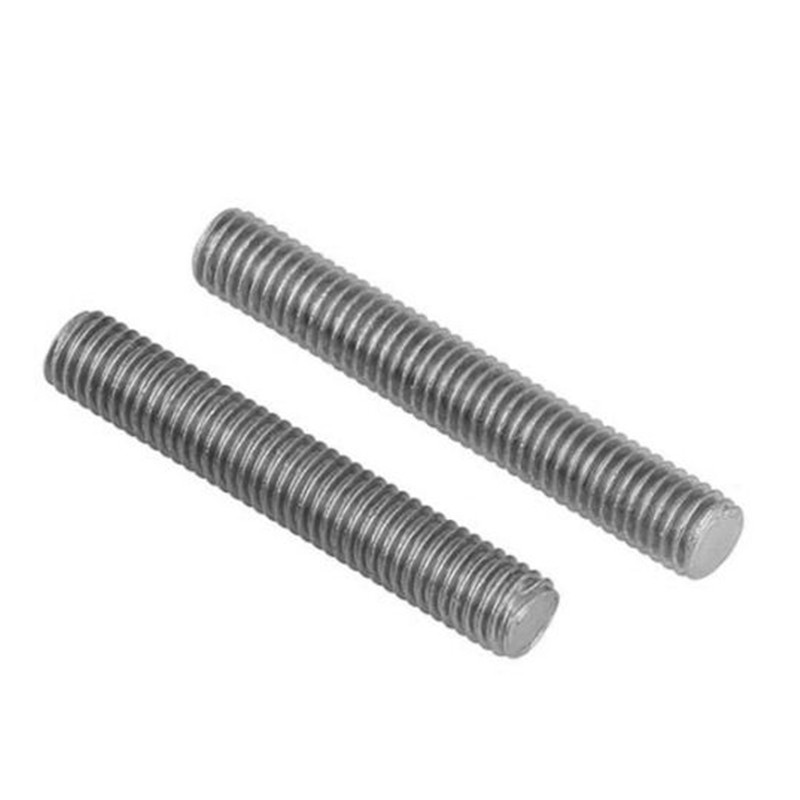
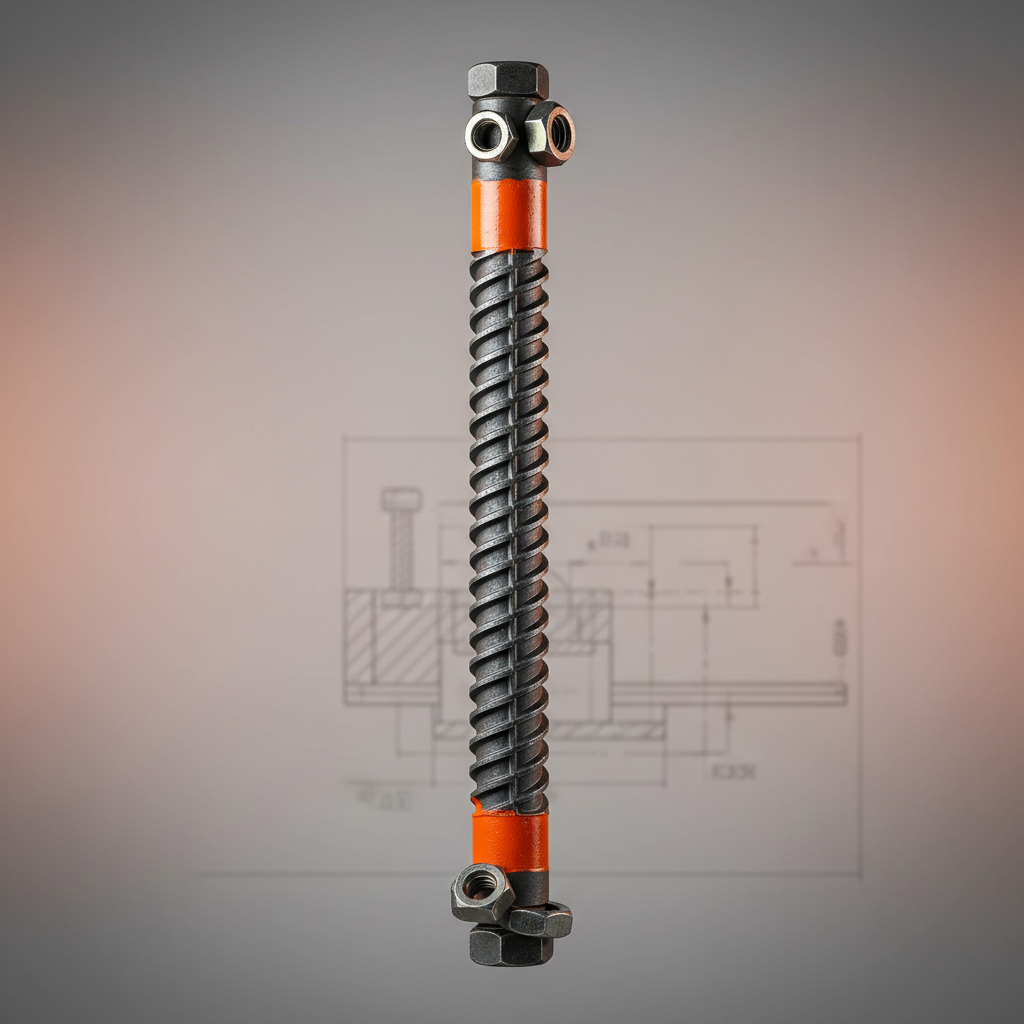
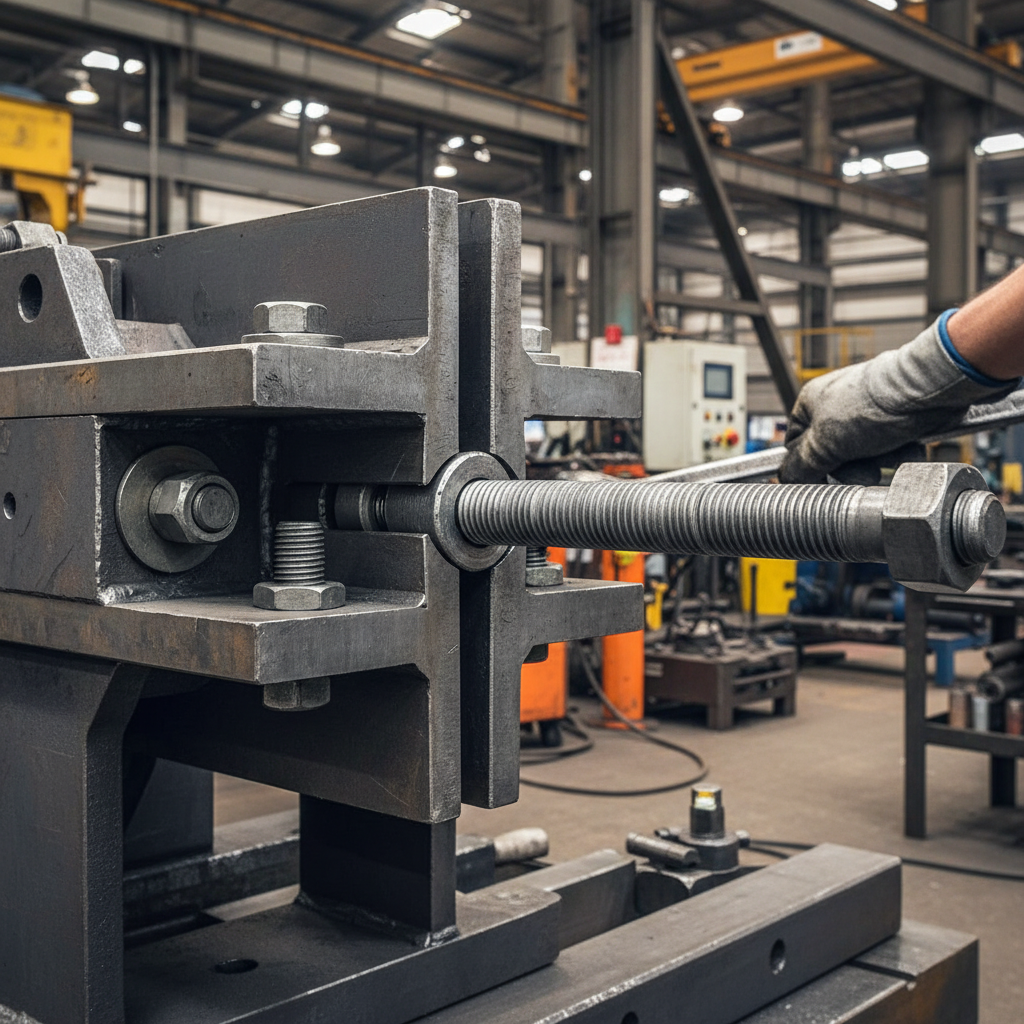
At its core, the 3 4 Left Hand Threaded Rod is a threaded fastener featuring a left-hand (counterclockwise) thread profile with a nominal diameter of three-quarters of an inch. This unique threading direction is vital in applications where vibration or rotational forces might otherwise loosen right-hand threaded rods, making it indispensable in sectors like automotive, heavy machinery, and energy generation.
On a technical level, these rods are typically manufactured from carbon steel, stainless steel, or alloy steel, designed to meet rigorous mechanical standards such as ASTM A193 Grade B7 or equivalent. In real terms, this means you get strength and flexibility combined. I once came across a case study where a construction firm used 3 4 Left Hand Threaded Rods from HBTBLS in wind turbine assembly, notably reducing maintenance frequency thanks to superior resistance against rotational loosening.
| Specification | Details |
|---|---|
| Thread Size | 3/4 inch (Left-Hand) |
| Material | Carbon Steel, Stainless Steel, Alloy Steel |
| Length Range | 1 ft to 20 ft (custom lengths available) |
| Tensile Strength | Up to 120,000 psi (varies by material grade) |
| Standards | ASTM A193, A307, ISO-compliant threads |
Benefits & Use Cases of 3 4 Left Hand Threaded Rod
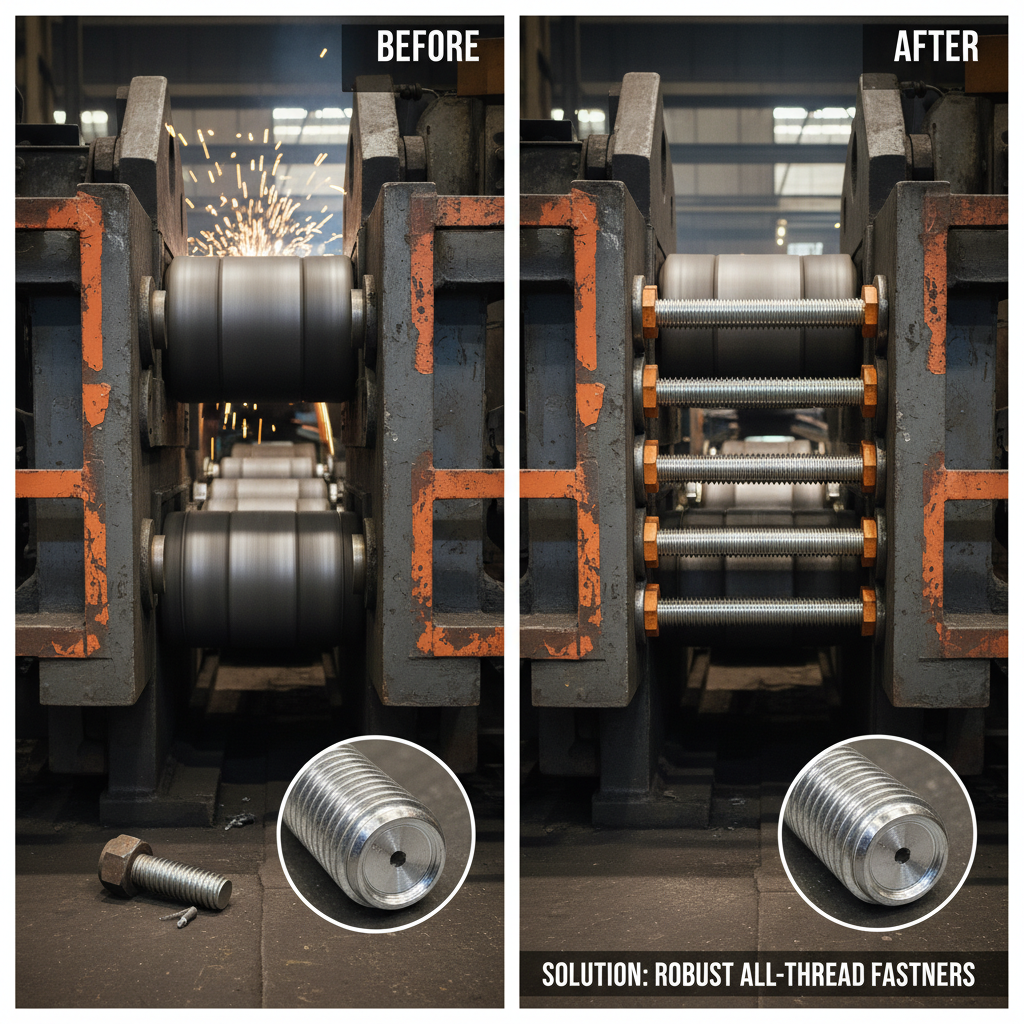
So, why bother with a left-hand thread in the first place? Well, the key benefit is prevention of loosening in counter-rotating or vibration-prone environments. Think driveshafts, rotating machinery mounts, or even some electrical transformer assemblies—these rods thrive in situations where standard right-hand threads might fail.
Furthermore, these rods from HBTBLS boast enhanced corrosion resistance—especially the stainless variants—which is frankly crucial for industries operating outdoors or in harsh chemical environments. Customers frequently highlight their consistent thread precision and heat treatment quality, which translate to a snug fit and reliable load-bearing capacity. Oddly enough, for all their strength, they’re surprisingly adaptable, which is why you often find them in custom structural applications and retrofit engineering.
Cost, Maintenance & User Experience
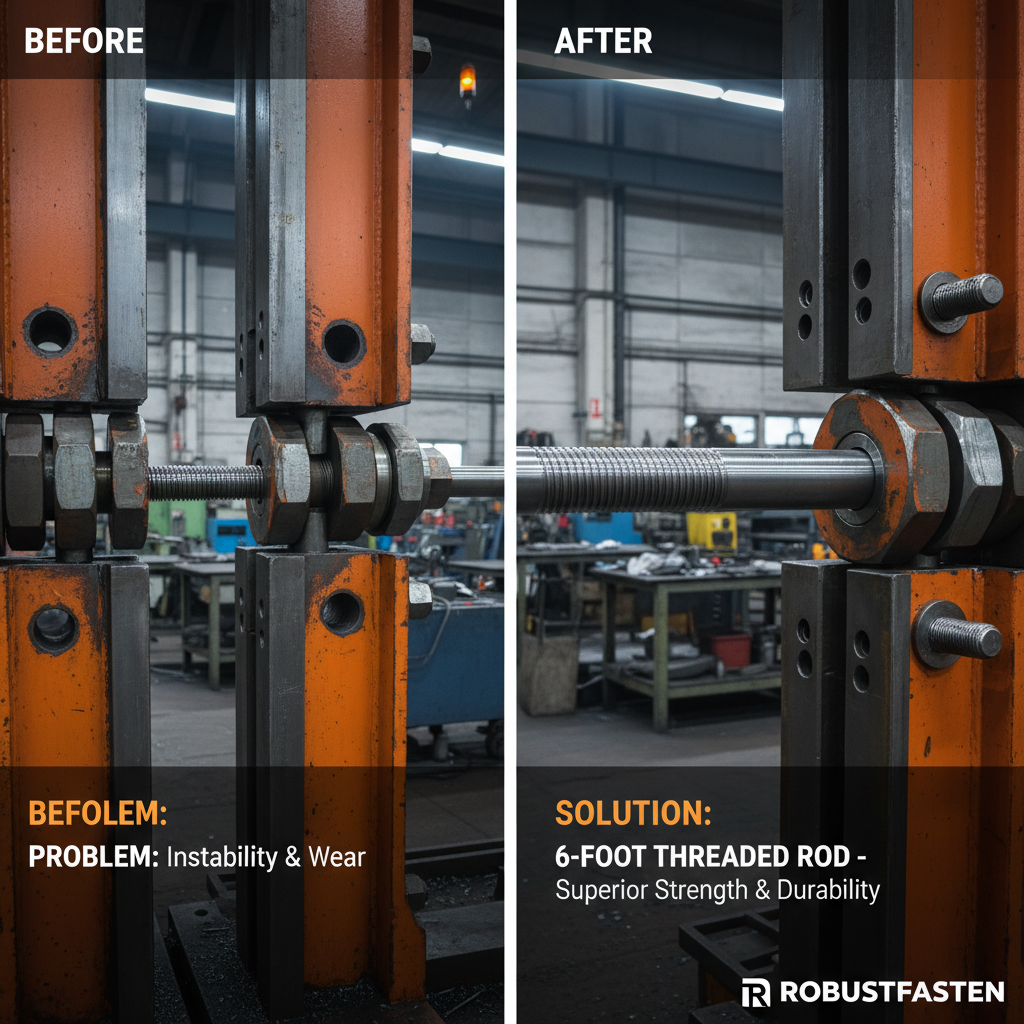
From a budgeting standpoint, the total cost of ownership for 3 4 Left Hand Threaded Rod is competitively reasonable, especially factoring in its durability and reduced maintenance downtime. Many businesses find that initial price differences compared to generic rods quickly offset thanks to less frequent replacements and fewer operational interruptions.
User feedback often points to the robust OEM support and customization options at https://www.hbtbls.com – which makes a meaningful difference for large-scale projects where precise specifications matter. Engineers I’ve spoken with emphasize how the rod’s resistance to galling and thread damage increases their assembly efficiency—kind of like having a fastener that “just works,” right out of the box. Also, ease of inspection saves time during routine audits or quality checks.
| Vendor | Material Options | Customization | Lead Time | Pricing |
|---|---|---|---|---|
| HBTBLS | Carbon, Alloy, Stainless Steel | Full custom lengths & grades | 2-4 weeks typical | Competitive |
| Vendor B | Mainly carbon steel | Limited customization | 4-6 weeks | Moderate |
| Vendor C | Stainless steel only | Standard lengths only | 3 weeks | Higher |
Sustainability & Market Trends
Sustainability isn’t just a buzzword anymore—especially in manufacturing and construction sectors that depend heavily on fasteners like the 3 4 Left Hand Threaded Rod. Many manufacturers, HBTBLS included, are increasingly using recycled metals and adhering to greener production processes, which to me signals a real industry shift. This adds value to clients who need to comply with environmental regulations or prefer suppliers with a low carbon footprint.
Market-wise, the global demand for specialized threaded rods is expected to grow steadily, driven by infrastructure projects and renewable energy installations. It’s kind of exciting watching how evolving tech — like additive manufacturing and advanced coatings — might further enhance these rods’ lifespan and performance in the near future.
Frequently Asked Questions about 3 4 Left Hand Threaded Rod
- What is 3 4 Left Hand Threaded Rod and how does it work?
- It’s a threaded rod with a three-quarter-inch diameter and left-hand (counterclockwise) threads. These threads make it ideal for connections where normal right-hand threaded rods might loosen due to rotational or vibrational forces. Essentially, it keeps assemblies tight where other fasteners might not.
- What are the main benefits of using 3 4 Left Hand Threaded Rod in industrial applications?
- Durability, resistance to loosening under vibration, corrosion resistance (especially in stainless steel grades), and availability in custom lengths and materials make it a versatile choice. It improves installation reliability and reduces maintenance costs.
- How does 3 4 Left Hand Threaded Rod compare to traditional alternatives?
- It offers greater security in assemblies exposed to rotational forces due to its opposite threading direction. Additionally, higher grade materials and precise manufacturing from vendors like HBTBLS enhance performance compared to generic rods.
- What industries can benefit most from 3 4 Left Hand Threaded Rod implementation?
- Automotive, energy (wind turbines, electrical transformers), construction (steel frameworks), and heavy machinery sectors rely on these rods due to their need for secure, vibration-resistant fastening solutions.
Conclusion on 3 4 Left Hand Threaded Rod from china
Recapping everything, the 3 4 Left Hand Threaded Rod stands out as a durable, reliable fastening solution if your projects encounter vibration or rotational forces. The blend of quality materials, customizable options, and proven industrial performance make it an excellent investment. If you are looking to elevate your assembly reliability, it’s definitely worth considering.
Visit our website: https://www.hbtbls.com
It’s a small but clever piece of engineering that quietly holds some of the biggest projects together—oddly satisfying, isn’t it?
- ASTM International standards for fasteners, astm.org
- HBTBLS product documentation and case studies, hbtbls.com
- Industry insights on threaded rods and vibration resistance, Engineering Toolbox
Post time: Jan . 03, 2026 07:30


 English
  Albanian
  Arabic
  Armenian
  Azerbaijani
  Belarusian
  Bosnian
  Bulgarian
  Cebuano
  Corsican
  Czech
Czech  Galician
  Georgian
  Greek
Greek  Hausa
Hausa  Hebrew
  Hungarian
  Igbo
Igbo  Indonesian
  Italian
  Kazakh
  Khmer
Khmer  Korean
  Kurdish
  Kyrgyz
  Lao
Lao  Latin
Latin  Latvian
  Lithuanian
  Malay
Malay  Myanmar
  Nepali
  Polish
  Portuguese
  Russian
  Serbian
  Sesotho
  Shona
Shona  Sindhi
  Spanish
  Tagalog
  Tajik
Tajik  Thai
Thai  Turkish
  Turkmen
  Ukrainian
  Uzbek
Uzbek  Vietnamese
  Yoruba
  Zulu
Zulu