
Understanding the 3 16 Threaded Rod: A Small Component with Big Industrial Impact
At first glance, a 3 16 threaded rod might not sound like much — just a slim piece of metal with grooves wrapped around it. But in reality, this seemingly humble fastener stitches together the fabric of countless construction, manufacturing, and infrastructure projects worldwide. Understanding it is akin to appreciating the unsung heroes of modern industry: small parts with huge responsibilities. Whether it’s stabilizing a skyscraper, assembling heavy machinery, or securing critical frameworks in remote communities, knowing your way around the 3 16 threaded rod literally holds things together — sometimes under extreme conditions.
With the pace of global development and increasing demand for standardized, reliable construction components, the 3 16 threaded rod stands out in terms of flexibility, strength, and cost efficiency. This deep dive explores why it remains a staple in engineering circles and how it fits into bigger pictures — from sustainability goals to disaster relief frameworks.
Why The 3 16 Threaded Rod Matters in a Global Context
Globally, infrastructure investment is surging around the world — the World Bank estimates trillions of dollars will be poured into construction projects by 2030. Yet, challenges like resource scarcity, uneven regulation, and labor cost pressures demand components that are versatile, durable, and easy to integrate. According to an ISO standards report, standardized threaded rods like the 3 16 size ensure compatibility across different equipment and projects, minimizing costly mismatches or failures.
One challenge these rods frequently address is the need for effective load-bearing connectors in situations where welding or complex joining isn’t feasible — for example, in disaster zones where prefab housing must be assembled rapidly, or in industrial plants needing quick maintenance turnarounds. The 3 16 threaded rod and its variants help meet these problems head-on.
Mini Takeaway:
- 3 16 threaded rods are vital in standardizing construction fasteners globally.
- They help overcome logistical and technical challenges in diverse environments.
- Understanding their applications gives insights into industry resilience and efficiencies.
What Exactly Is a 3 16 Threaded Rod?
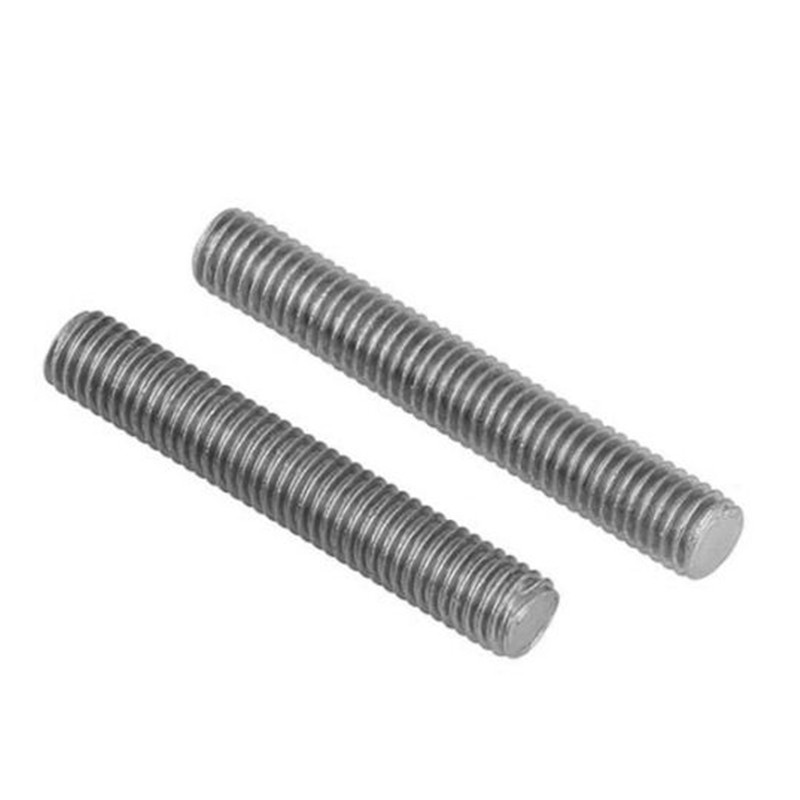
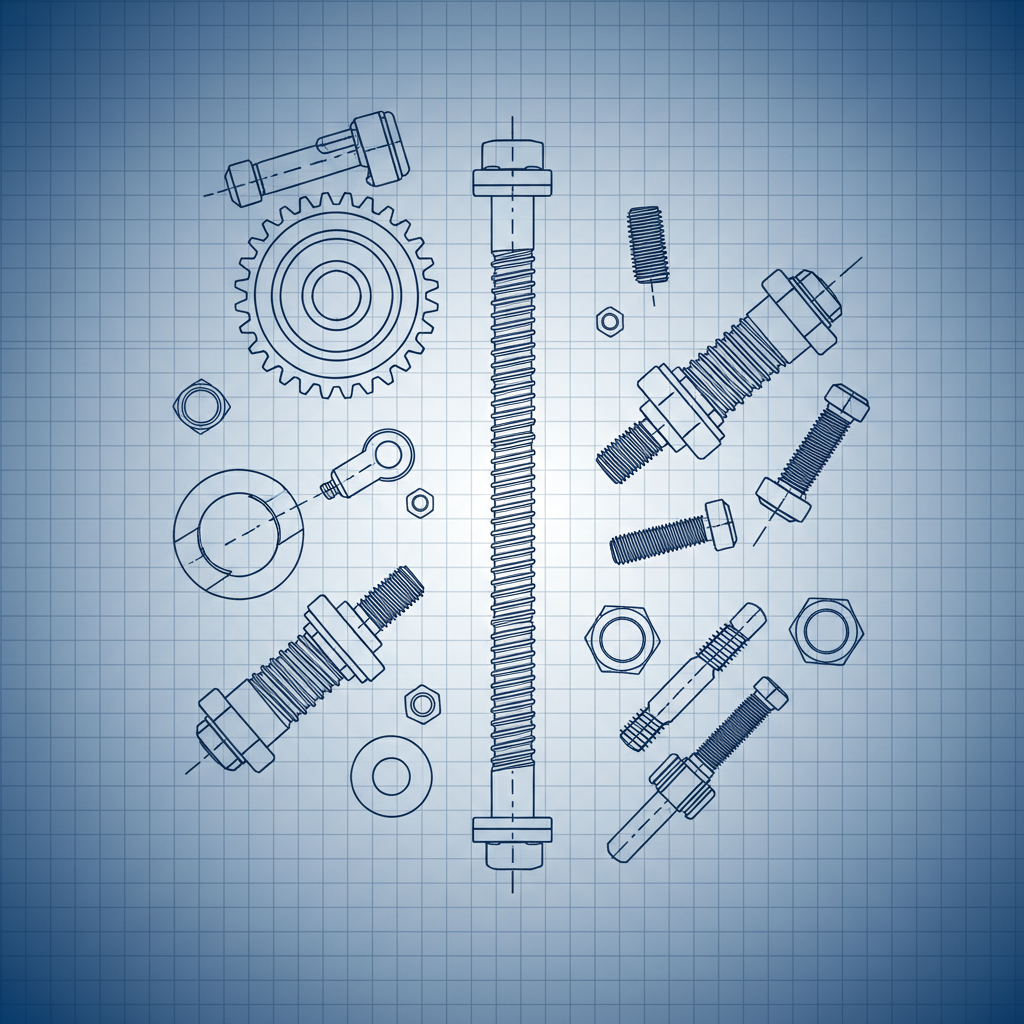
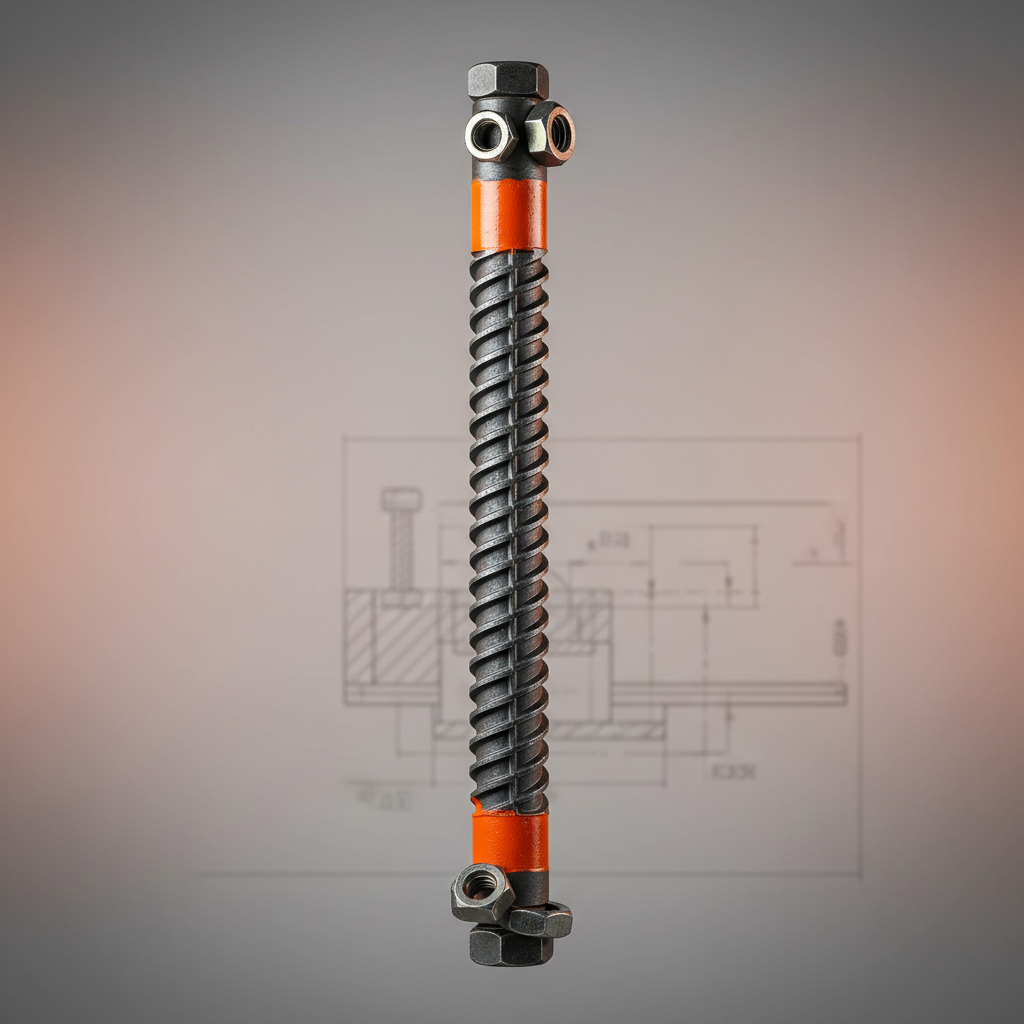
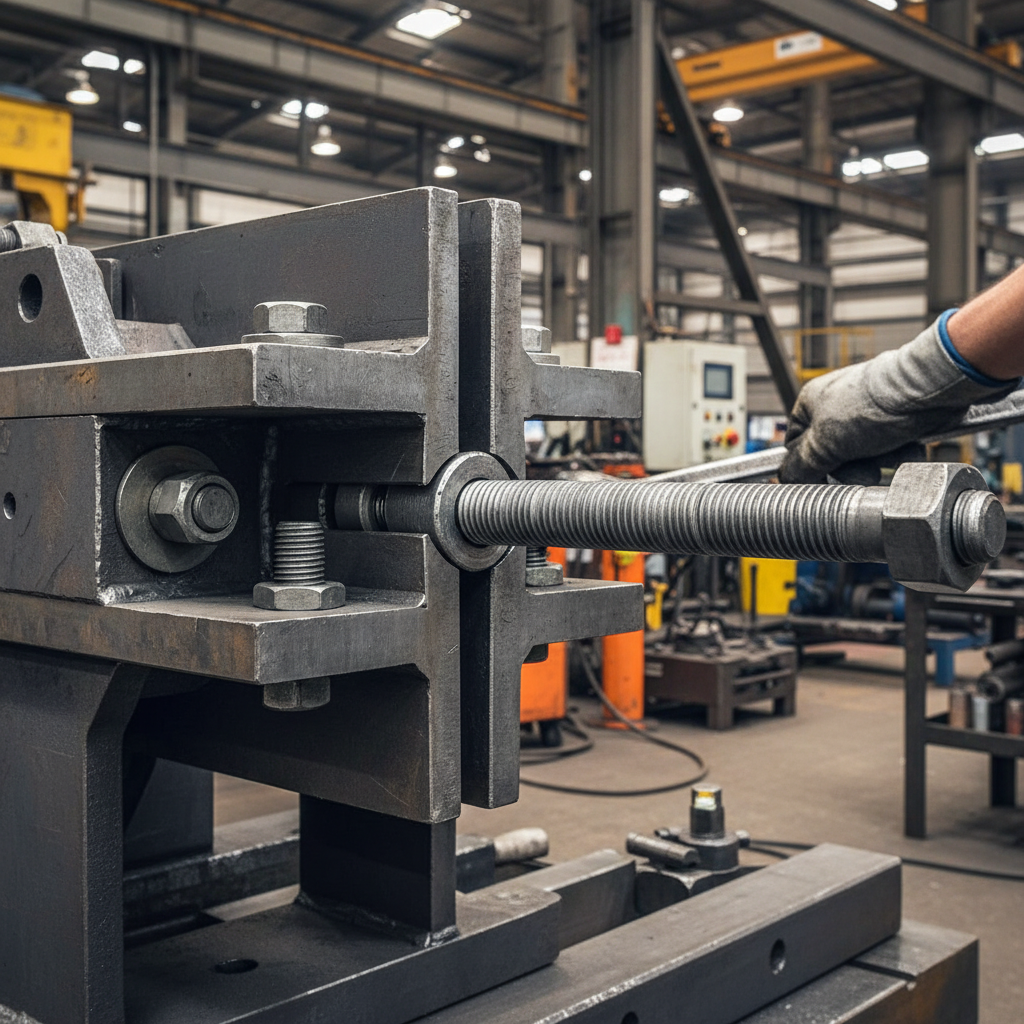
Simply put, a 3 16 threaded rod is a steel rod with a diameter of 3/16 inches that is fully threaded along its length. These threads act like spirals or ridges, allowing nuts and other fasteners to grip securely. Imagine a long screw but straight and often much longer — that's essentially it.
In modern industry, its relevance ties directly to its adaptability. From construction beams to automotive assemblies, from scaffolding to anchoring systems, the 3 16 threaded rod provides a reliable way to join components where welding, gluing, or adhesives aren't suitable or practical.
Interestingly, humanitarian operations — like setting up temporary shelters after natural disasters — increasingly depend on such rods because they're easy to transport, standardized, and can be rapidly assembled with minimal skill.
Key Aspects of the 3 16 Threaded Rod You Should Know
1. Durability
Most rods come in stainless steel or galvanized steel, offering resistance to corrosion, weathering, and mechanical stress. Durability means less frequent replacements, which translates directly into cost savings and reliability.
2. Versatility
Because of its medium diameter and length, the 3 16 threaded rod fits a range of projects — small to medium structural jobs, DIY tasks, and industrial equipment fastening. Threading allows it to be cut, joined, or adapted on site.
3. Cost Efficiency
Compared to custom fasteners or welding jobs, these rods are remarkably inexpensive. They also cut down labor time significantly, especially in large-scale deployment scenarios.
4. Scalability
They’re scalable — you can order them in bulk or by small batches, which suits huge construction firms or smaller workshops alike. Standards ensure interchangeability internationally.
5. Safety
Properly used, these rods provide secure mechanical bonds that reduce the risk of joint failure, enhancing overall structural safety — a critical concern in earthquake-prone or extreme environments.
Mini Takeaway:
- Durability and corrosion resistance secure long service life.
- Their versatility shines in jobs needing quick, adaptable fixing.
- Cost-effectiveness and scalability make them practical globally.
A Quick Specs Table for Typical 3 16 Threaded Rods
| Property | Specification | Unit |
|---|---|---|
| Diameter | 3/16 | Inches |
| Length | 24 - 120 | Inches |
| Material | Stainless Steel / Galvanized Steel | |
| Thread Type | UNC / UNF | |
| Tensile Strength | 70 - 120 (varies by material) | ksi |
Real-World Applications: Threaded Rods Around the Globe
Oddly enough, these rods pop up in places you might not expect. In Southeast Asia, where rapid urbanization is ongoing, threaded rods are indispensable for constructing quick yet resilient high-rises. In post-disaster relief efforts like Nepal’s earthquake reconstruction, 3 16 threaded rods assist in prefabricated housing kits designed for fast deployment.
Industries ranging from automotive assembly lines in Germany to pipeline construction in Canada rely on standardized threaded rods. Even remote industrial zones find them useful — sometimes the easiest way to replace a corroded part without specialist equipment.
Take the power industry, for example. Energy plants need regular maintenance. Threaded rods allow easy disassembly and reassembly of components under tight schedules — minimizing downtime and boosting safety.
Mini Takeaway:
- 3 16 threaded rods serve diverse industries, from construction to energy.
- They are vital in emergency and disaster-relief scenarios.
- Global standardization supports varied, high-stakes applications.
The Advantages and Long-Term Value of 3 16 Threaded Rods
First off, cost. In real terms, saving a few cents per unit on rods scales up to thousands, sometimes millions, on giant projects. Durability means fewer replacements and less downtime. Reliability is about trust — engineers and workers feel confident the structure will hold, even under stress.
There’s the sustainability angle, too. Long-lasting, corrosion-resistant rods reduce waste and resource use. In a world chasing net-zero goals, these small efficiencies add up.
Finally, emotions matter. There’s a certain peace of mind knowing your roof or workspace is held together by quality components. It gives a feeling of dignity and safety that’s hard to put a price on.
What’s Next? Emerging Trends and Innovations
Looking ahead, expect threaded rods to evolve with new materials like fiber-reinforced composites that offer strength without metal weight. Smart fasteners embedded with QR codes or sensors to monitor tension and corrosion in real-time are already in pilot phases.
Digital manufacturing, including 3D printing of custom-threaded rods, looks set to disrupt supply chains, allowing on-demand production close to job sites. Plus, green policy pushes from governments promote eco-friendly coatings and alloys that minimize environmental impacts.
Challenges & How Experts Suggest Overcoming Them
Challenges do exist — supply chain disruptions can delay deliveries. Misuse or poor installation still cause failures. Additionally, variations in thread standards globally sometimes trip up international projects.
Experts advise meticulous sourcing from reputable vendors, adequate worker training, and adopting international standards (ISO, ASTM) for uniformity. Digital tracking and quality control also help minimize defects.
| Vendor | Material Options | Standard Compliance | Lead Time | Pricing |
|---|---|---|---|---|
| Global Rods Inc | Galvanized, Stainless Steel | ISO 898-1 | 2 weeks | $$$ |
| ThreadTech Solutions | Stainless, Zinc-Plated | ASTM A193 | 1 week | $$ |
| HBT Threaded Supplies | Stainless Steel, Carbon Steel | ISO & ASTM | 3-5 days | $$ |
Frequently Asked Questions About the 3 16 Threaded Rod
- What are the main differences between galvanized and stainless steel 3 16 threaded rods?
- Galvanized rods have a protective zinc coating and are cost-effective for general outdoor use, but stainless steel rods offer superior corrosion resistance and are ideal for harsh environments, including marine or chemical exposures.
- Can I cut a 3 16 threaded rod to length on-site?
- Absolutely. Since these rods are fully threaded, they can be cut to size using a hacksaw or power tools. Just be sure to re-tap or smooth threads after cutting to ensure nuts fit properly.
- How do 3 16 threaded rods compare to other diameters in load capacity?
- While 3 16 rods are smaller in diameter and suitable for light to medium loads, higher diameter rods like 1/2" or 3/8" handle heavier structural loads. Selection depends on project specs and safety requirements.
- Are there environmentally sustainable options available for threaded rods?
- Yes, manufacturers are introducing rods with eco-friendly coatings and recycled steel content. Additionally, longer-lasting materials reduce waste by minimizing replacements.
- How can international projects ensure compliance when sourcing 3 16 threaded rods?
- Working with vendors offering rods certified to international standards (ISO, ASTM) is key. Verifying documentation and choosing suppliers with transparent quality processes also helps avoid compatibility issues.
Wrapping It Up: Why the 3 16 Threaded Rod Remains a Reliable Go-To
To circle back, the unassuming 3 16 threaded rod is a linchpin in a world that can’t afford easy breakdowns. Its blend of durability, cost-efficiency, and versatility makes it a quiet backbone of both everyday projects and critical global infrastructure. Whether you’re an engineer, a contractor, or just curious about the nuts and bolts of industry, knowing this little piece helps you appreciate the craft behind massive operations.
If you’re inclined to explore options or need reliable suppliers, do visit our site for detailed catalogs and expert advice.
Final Mini Takeaway:
- 3 16 threaded rods combine efficiency with reliability across vast industries.
- Advances in materials and digital monitoring promise smarter, greener applications.
- Global standards simplify sourcing and ensure safety, no matter where you build.
References
Post time: Nov . 25, 2025 10:00


 English
  Albanian
  Arabic
  Armenian
  Azerbaijani
  Belarusian
  Bosnian
  Bulgarian
  Cebuano
  Corsican
  Czech
Czech  Galician
  Georgian
  Greek
Greek  Hausa
Hausa  Hebrew
  Hungarian
  Igbo
Igbo  Indonesian
  Italian
  Kazakh
  Khmer
Khmer  Korean
  Kurdish
  Kyrgyz
  Lao
Lao  Latin
Latin  Latvian
  Lithuanian
  Malay
Malay  Myanmar
  Nepali
  Polish
  Portuguese
  Russian
  Serbian
  Sesotho
  Shona
Shona  Sindhi
  Spanish
  Tagalog
  Tajik
Tajik  Thai
Thai  Turkish
  Turkmen
  Ukrainian
  Uzbek
Uzbek  Vietnamese
  Yoruba
  Zulu
Zulu