
Understanding the 1 4 20 Threaded Rod: A Global Industrial Staple
Threaded rods like the 1 4 20 threaded rod might not inspire poetic musings, but their impact is genuinely global and deeply practical. Whether it’s in massive construction projects or quick industrial repairs, these rods act as the backbone helping hold things together—literally. Appreciating their design, applications, and evolving role can help engineers, procurement specialists, or DIY enthusiasts alike ensure they’re using the right tool for the job, optimizing costs, and boosting reliability.
Why the 1 4 20 Threaded Rod Matters Globally
Across continents, construction and engineering industries face a deceptively simple challenge: securing components under varying loads and conditions. The 1 4 20 threaded rod offers a mechanical fastening solution that’s modular, customizable, and shockingly versatile. According to the International Organization for Standardization (ISO), fasteners like threaded rods form a multi-billion-dollar segment, underscoring their importance in everything from bridges in Europe to factories in Southeast Asia.
Globally, faster sourcing of durable, standardized parts can reduce downtime by up to 30%, a critical figure when infrastructure reliability impacts economies and safety.
Defining the 1 4 20 Threaded Rod in Simple Terms
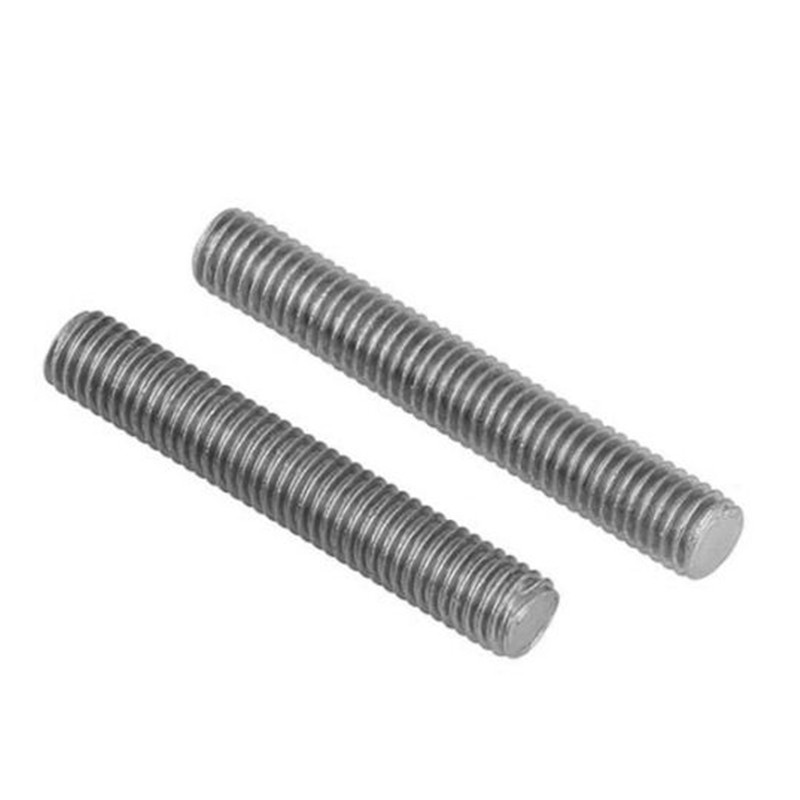
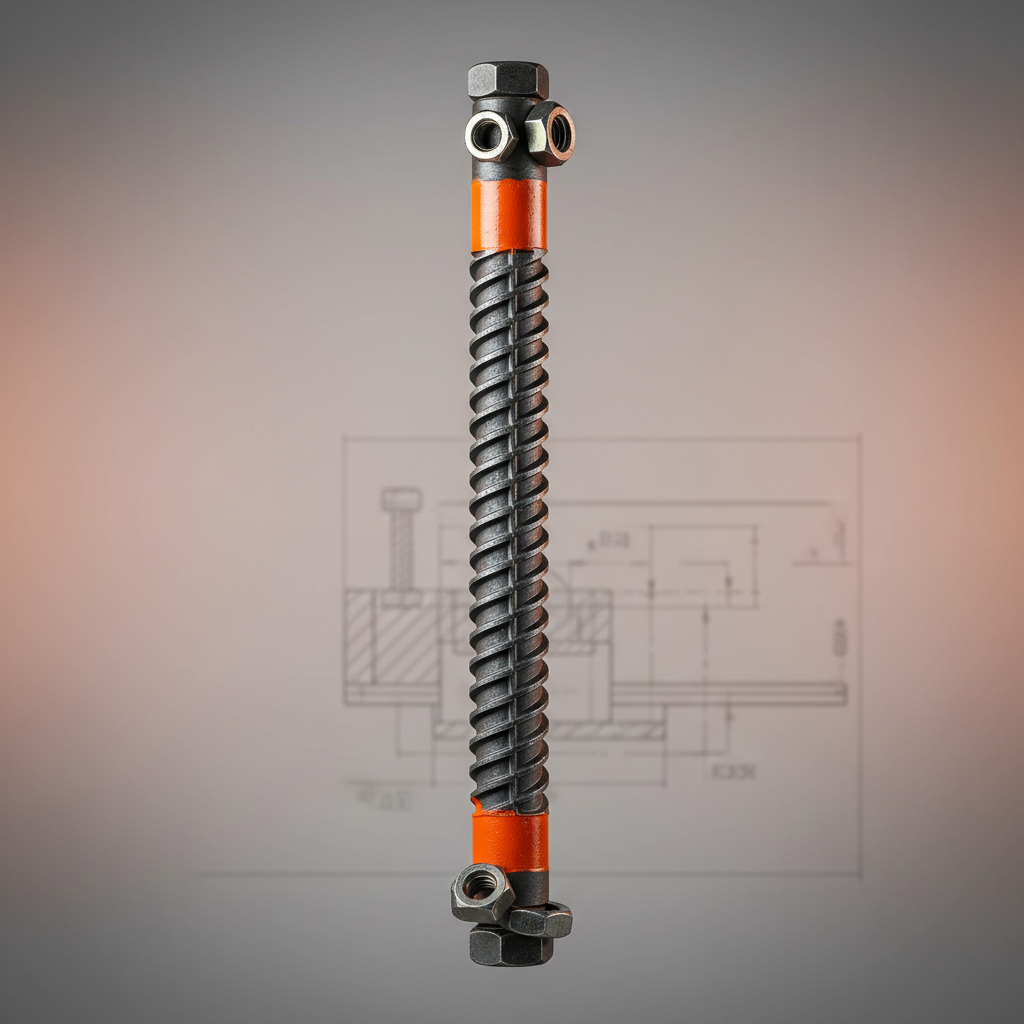
So, what does this term actually mean? "1 4 20" is shorthand for a threaded rod with a diameter of one-quarter inch (0.25") and 20 threads per inch. The “thread pitch” controls how tightly the rod secures components. Simplest way I like to put it: imagine a straight metal stick covered from end to end in a spiral groove—this groove lets nuts and bolts fasten firmly, turning static parts into a unified whole.
This seemingly simple item plays a surprisingly important role, especially as industries evolve requiring ever precise and durable fastening systems.
Key Factors You Should Know About the 1 4 20 Threaded Rod
Durability
Made typically from stainless steel, carbon steel, or sometimes alloy steel, the strength of a 1 4 20 threaded rod depends a lot on the material grade and coating. Galvanized rods resist rust really well, perfect for outdoor or marine environments. Many engineers I’ve spoken with stress checking tensile strength ratings—usually between 60,000 and 120,000 psi—to ensure rods hold up under stress.
Precision & Thread Consistency
Thread pitch and smoothness affect how nuts tighten on the rod. The standard 20 threads per inch helps balance grip strength and ease of assembly. Oddly enough, minor deviations in threading can cause significant installation headaches or failures in the field.
Cost Efficiency
The 1 4 20 threaded rod is a mainstay because it packs reliability into an affordable package. It’s widely available, mass-produced, and used in countless configurations—saving costs on custom fasteners or expensive alternatives.
Scalability & Adaptability
Because they come in varying lengths, coatings, and grades, 1 4 20 rods suit everything from lightweight shelving units to structural steel frameworks. This scalability is one reason many industries prefer them for both temporary and permanent setups.
Mini takeaway: The 1 4 20 threaded rod might technically be “just metal,” but its specs—durability, thread precision, affordability—make it a quiet hero in mechanical fastening.
Global Applications & Real-World Use Cases
In real terms, you’ll find these rods across many landscapes:
- In construction sites from North America where building regulations require specific grade steel fasteners for safety and longevity.
- Embedded in machinery and equipment in heavy industries like mining in Australia or oil rigs off the Gulf of Mexico, thanks to corrosion-resistant finishes.
- Used by humanitarian NGOs during disaster relief to quickly assemble sturdy shelters or field facilities, where speed and reliability are both crucial.
- In small-scale repair shops globally, the rods serve as custom fix-it parts when exact bolts aren’t on hand.
The resilience of this hardware means it can withstand extreme climates or high vibrations — features that are key in challenging environments. Industries also appreciate the standardization backed by ISO and ASTM standards, which simplifies global supply chains.
Advantages & Long-Term Value of Choosing the 1 4 20 Threaded Rod
Choosing the right threaded rod isn’t just about nuts and bolts. It’s about safety, cost savings, and peace of mind. Here’s what I often hear industry veterans cite:
- Sustainability: Reusable and recyclable metal, often conforming to green manufacturing standards.
- Reliability: Helps structures resist fatigue and stress over long periods—critical for infrastructure investment protection.
- Cost-Effectiveness: Minimizes downtime by being easy to source and replace, cutting unexpected project costs.
- Emotional Trust: When safety depends on these rods, confidence in their standards fosters a calmer work environment.
Product Specifications at a Glance
| Specification | Details |
|---|---|
| Diameter | 1/4 inch (0.25") |
| Thread Pitch | 20 threads per inch (Unified National Coarse) |
| Material Options | Stainless steel, carbon steel, galvanized steel |
| Standard Lengths | 3 ft to 6 ft typically |
| Tensile Strength Range | 60,000 to 120,000 psi |
| Common Coatings | Zinc-plated, hot-dip galvanized, black oxide |
Comparing Popular 1 4 20 Threaded Rod Vendors
| Vendor | Material Grades | Standard Lengths | Price Range | Lead Time |
|---|---|---|---|---|
| Acme Fasteners | 304 & 316 Stainless, Carbon Steel | 3 ft, 4 ft, 6 ft | $2.20–$3.50 per foot | 2 days |
| BoltTech Inc. | Carbon Steel, Zinc-Plated | 1 ft to 8 ft | $1.90–$3.00 per foot | 5 days |
| SteelFast Suppliers | Galvanized, Black Oxide | 2 ft, 3 ft, 5 ft | $2.50–$3.80 per foot | 3 days |
Future Trends Shaping the 1 4 20 Threaded Rod Market
The more I watch, the more it feels like these rods are quietly evolving. New alloys offer greater strength-to-weight ratios, helping reduce overall structural weight. Some manufacturers explore biodegradable coatings, aiming for lower environmental impact — odd, but apt for such “small” hardware.
Automation and digital inventory systems now help companies track threaded rod stock more precisely, preventing shortages that once caused costly downtime. Also, additive manufacturing (3D printing) is interesting, although it’s still not widespread for threaded rods due to strength and precision challenges.
Green energy projects, which demand robust yet lightweight components in sometimes remote places, could definitely push innovation here too.
Challenges and Solutions in Using 1 4 20 Threaded Rods
Common limitations include thread galling (threads seizing during fastening) and corrosion in harsh environments. The former can often be mitigated by selecting appropriate lubricants or coating types. For corrosion, though, it’s about picking the right grade — for example, stainless steel (grade 316) for marine uses, galvanized for outdoor construction, or black oxide for indoor factory equipment.
Supply chain disruptions occasionally cause delays — but savvy vendors now often stock finished rods ready to ship quickly. And engineering teams increasingly use software tools to specify the appropriate rod upfront, minimizing guesswork that leads to wrong order quantities or grades.
FAQ: Frequently Asked Questions About 1 4 20 Threaded Rod
- Q: What is the main advantage of a 1 4 20 threaded rod over other fastening options?
- A: The 1 4 20 threaded rod offers standardized sizing and threading that allows easy customization in length and installation. This flexibility combined with widespread availability makes it ideal for both precision engineering and quick fixes.
- Q: How resistant is a 1 4 20 threaded rod to corrosion?
- A: Resistance depends largely on the material and coating. Stainless steel grades provide excellent corrosion resistance, especially in marine or humid environments, while galvanized rods offer good protection for outdoor use but less so in highly acidic or salty conditions.
- Q: Can I cut and thread a 1 4 20 threaded rod onsite?
- A: Yes, with proper tools, you can cut rods to length and chase threads onsite, but it requires the right dies and care to maintain thread integrity. Pre-cut, precision-threaded rods are preferable for critical load-bearing applications.
- Q: Where can I reliably source 1 4 20 threaded rods worldwide?
- A: Many industrial suppliers and online marketplaces stock these rods globally. Verified vendors like Acme Fasteners or BoltTech Inc. offer dependable quality and shipping. Always check certifications and reviews to avoid counterfeit or subpar products.
- Q: Are there eco-friendly options available for 1 4 20 threaded rods?
- A: Some manufacturers now offer rods made with recycled steel and environmentally safer coatings. It’s worth requesting supplier sustainability data if eco impact is a priority in your project.
In Closing: Why the 1 4 20 Threaded Rod Still Holds Its Place
For all the leaps in engineering and new fastening tech, the humble 1 4 20 threaded rod remains a steady favorite because it blends versatility, durability, and cost-effectiveness so well. It’s a workhorse behind the scenes; not flashy, but always ready when you need it. If you’re looking for a reliable fastening solution, it’s hard to go wrong here.
Want to explore more? Visit https://www.hbtbls.com for an extensive range of threaded rods, expert advice, and quick shipping worldwide.
References:
1. Wikipedia on Threaded Fasteners
2. ISO Standards for Fasteners
3. World Bank Infrastructure Data
Post time: Nov . 25, 2025 19:30



 English
  Albanian
  Arabic
  Armenian
  Azerbaijani
  Belarusian
  Bosnian
  Bulgarian
  Cebuano
  Corsican
  Czech
Czech  Galician
  Georgian
  Greek
Greek  Hausa
Hausa  Hebrew
  Hungarian
  Igbo
Igbo  Indonesian
  Italian
  Kazakh
  Khmer
Khmer  Korean
  Kurdish
  Kyrgyz
  Lao
Lao  Latin
Latin  Latvian
  Lithuanian
  Malay
Malay  Myanmar
  Nepali
  Polish
  Portuguese
  Russian
  Serbian
  Sesotho
  Shona
Shona  Sindhi
  Spanish
  Tagalog
  Tajik
Tajik  Thai
Thai  Turkish
  Turkmen
  Ukrainian
  Uzbek
Uzbek  Vietnamese
  Yoruba
  Zulu
Zulu