

Understanding the 1.25 Inch Threaded Rod: A Global Industrial Staple
Threaded rods—especially the 1.25 inch threaded rod—are a foundational yet often overlooked component in engineering and construction industries worldwide. These simple steel rods, threaded along their length, might not grab headlines, but their role in holding structures together—quite literally—is indispensable. Understanding the significance of this particular sized rod illuminates not just its mechanical properties, but broader impacts on infrastructure durability, disaster response, and even humanitarian engineering.
Global Context: Why the 1.25 Inch Threaded Rod Matters
Oddly enough, a metal rod roughly an inch and a quarter thick carries a weight of global importance. The construction and manufacturing sectors rely heavily on threaded fasteners, and according to the International Organization for Standardization (ISO), threaded rods are standardized components essential for modular construction, industrial machinery, and energy infrastructure worldwide (ISO). The World Bank estimates global infrastructure spending to reach $94 trillion by 2040, where quality fastening systems like 1.25 inch threaded rods underscore safety and reliability.
Yet, practical challenges arise: how to ensure compatibility, durability, and cost-effectiveness while meeting varied industrial demands globally? This is precisely the space where the 1.25 inch threaded rod plays a vital role—acting as a dependable intermediary that bridges design and real-world function.
What Is a 1.25 Inch Threaded Rod?
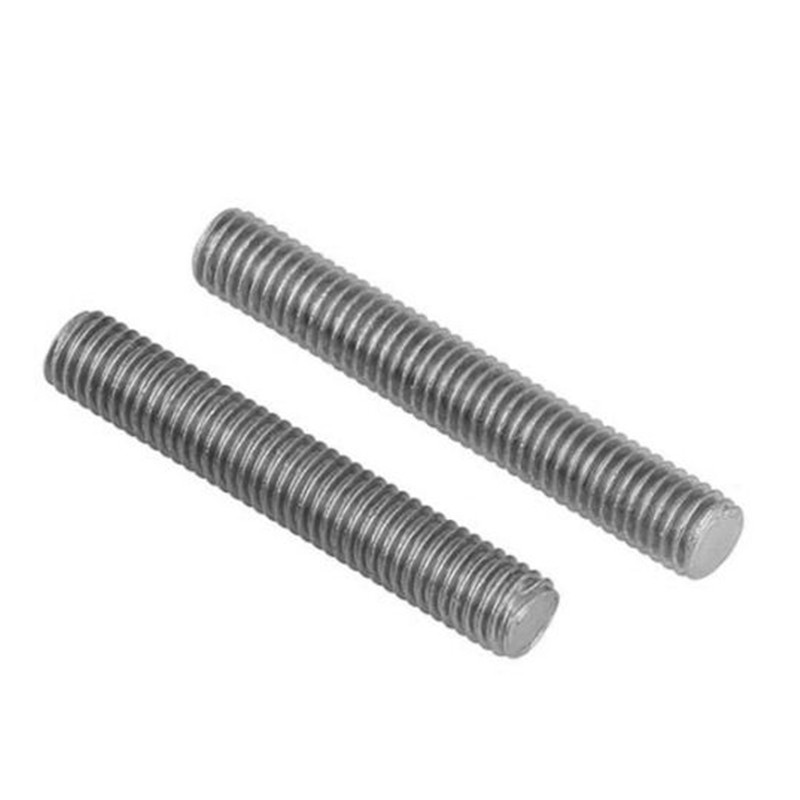
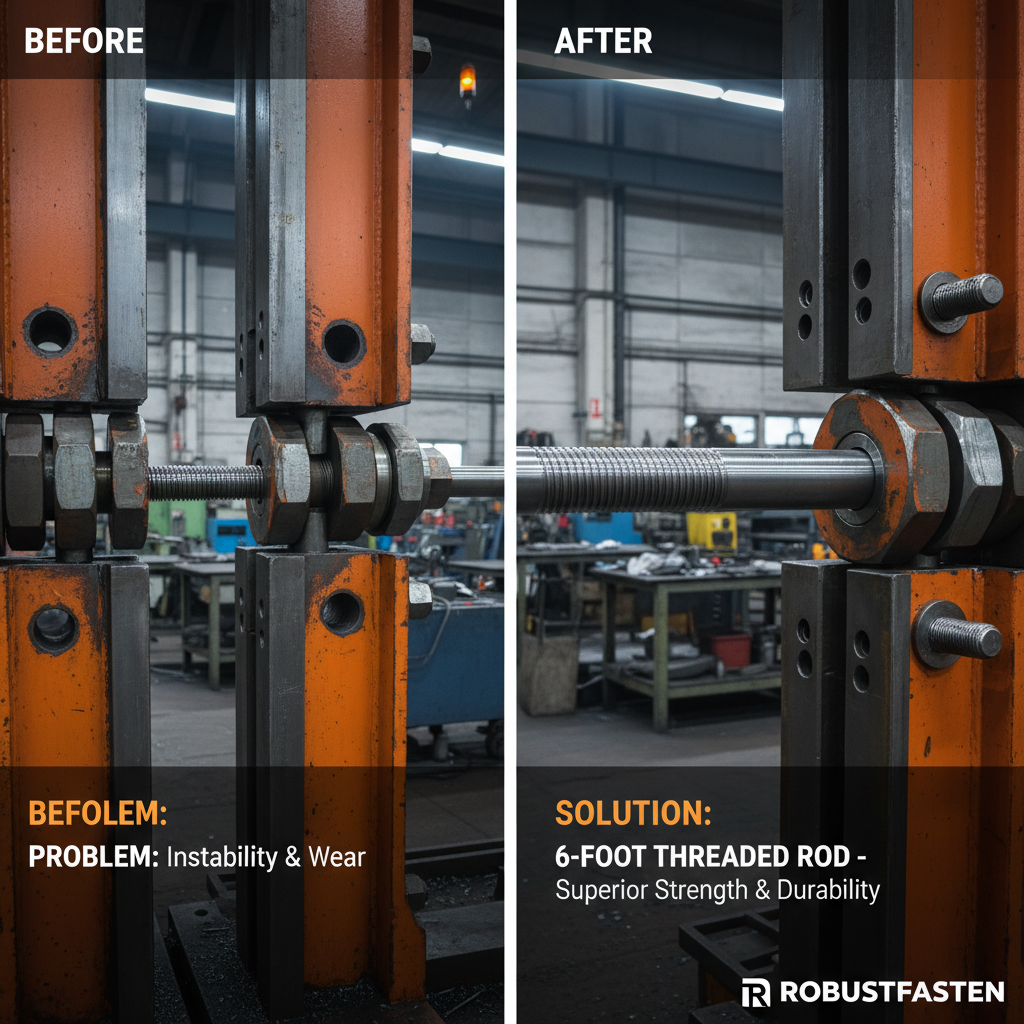
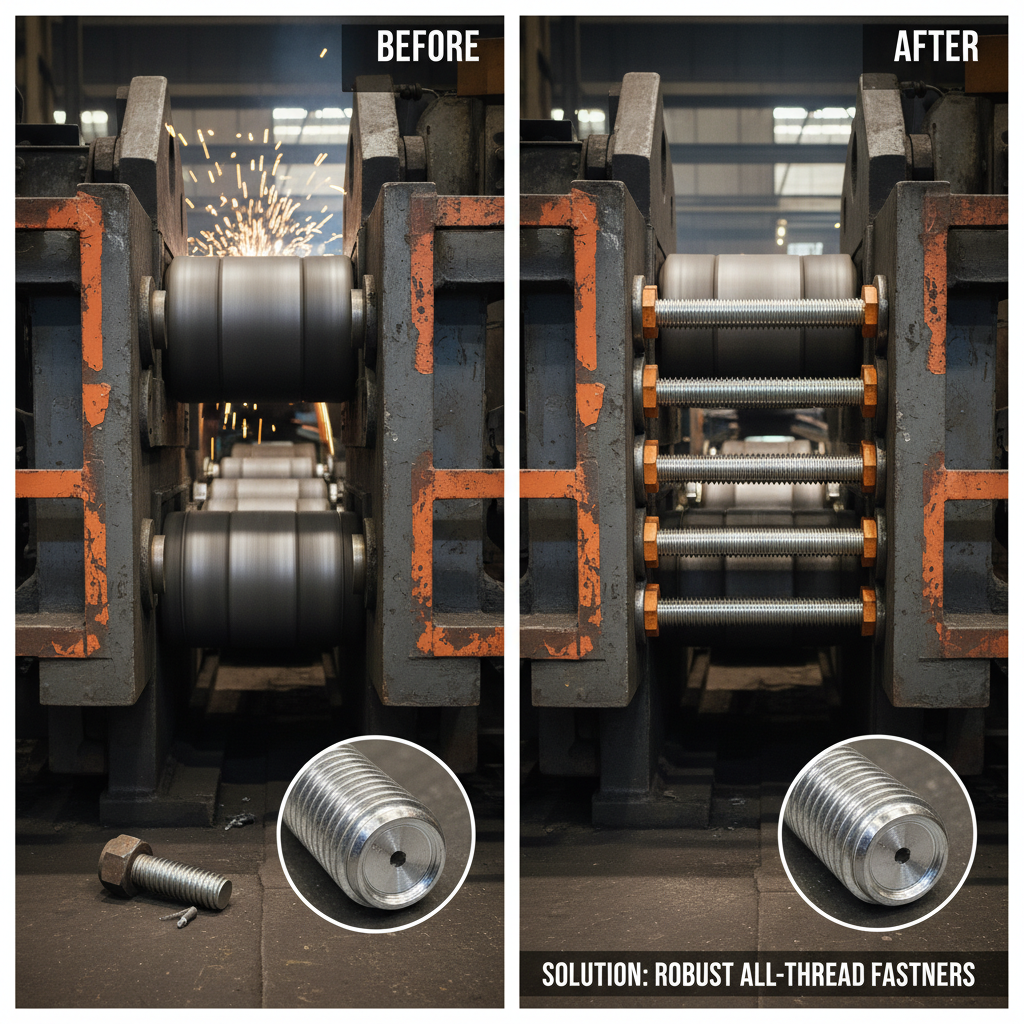
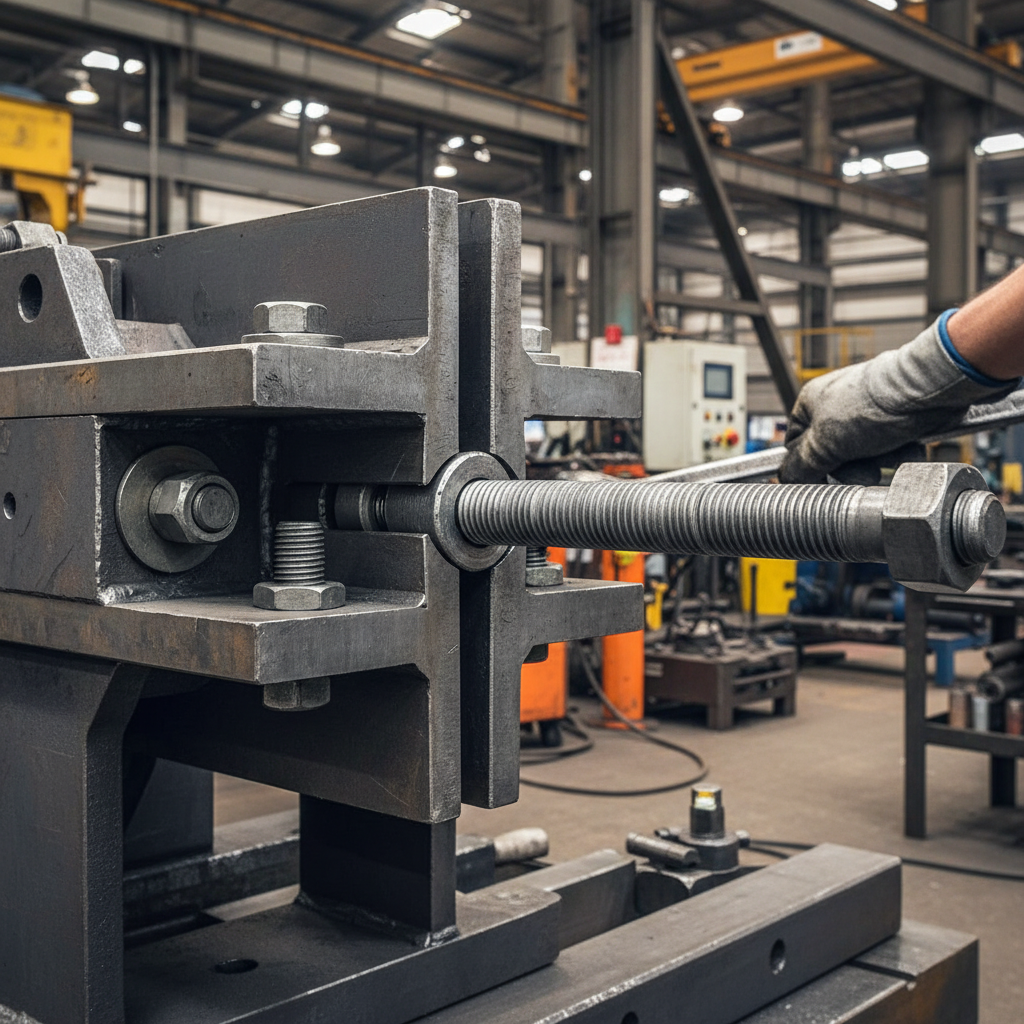
Simply put, a 1.25 inch threaded rod is a straight metal rod, 1.25 inches in diameter, that is threaded continuously along its entire length. This allows nuts and other fasteners to be screwed along the rod, enabling adjustable and versatile connections. Unlike bolts or screws — which have heads and set lengths — these rods can be cut to size based on specific project needs.
Modern industries—ranging from heavy machinery assembly to modular housing—depend on these rods for their flexibility and strength. Frankly, you might find them in the riskiest environments spanning from remote mining sites to urban earthquake-resistant buildings.
Key Factors Defining the 1.25 Inch Threaded Rod
Durability
Steel threading undergoes standardized treatments like galvanization or zinc coating to resist corrosion. This is crucial because structural failures often begin with corrosion. For outdoor or marine applications, a galvanized 1.25 inch threaded rod can extend service life by decades.
Material Grade
These rods come in grades ranging from mild steel to high-grade alloy steel (e.g., Grade 8). The tensile strength can vary from about 60,000 PSI (pounds per square inch) to over 150,000 PSI for specialized rods. Choosing the right grade for your project is an art — too weak, and it compromises safety; too strong, and it inflates costs unnecessarily.
Thread Pitch and Compatibility
Thread pitch—the distance between threads—affects load distribution and assembly ease. The most common thread for 1.25 inch rods is the UNC (Unified Coarse) standard, but fine threads (UNF) exist for precision machines. Good compatibility saves time and frustration on-site.
Cost Efficiency
Although the initial outlay might seem slightly higher than smaller threaded rods, the 1.25 inch rod’s tolerance for heavy loads often results in fewer replacements and less maintenance. Proper selection can yield cost savings long-term.
Customization
Flexibility to cut rods to length or combine them with couplers allows for innovative structural configurations unavailable with fixed-length fasteners.
Mini Takeaway: The 1.25 inch threaded rod’s combination of strength, adaptability, and durability makes it a favorite in high-load industrial applications worldwide.
Technical Specifications of a Typical 1.25 Inch Threaded Rod
| Specification | Details |
|---|---|
| Diameter | 1.25 inches (approx. 31.75 mm) |
| Thread Type | UNF/UNC standard threading |
| Material | Carbon steel, alloy steel, stainless steel |
| Length | Customizable, typically 3-12 feet |
| Tensile Strength | 60,000 - 150,000 PSI (varies by grade) |
| Finish | Plain, galvanized, zinc plated |
Vendor Comparison: Key Players in the 1.25 Inch Threaded Rod Market
| Vendor | Material Options | Customization | Lead Time | Price Range |
|---|---|---|---|---|
| SteelPro Co. | Carbon, galvanized steel | Cut-to-length, threading pitch | 2-3 weeks | $$$ |
| ThreadMaster Ltd. | Alloy steel, stainless | Custom coatings, threading | 1-2 weeks | $$$$ |
| GlobalFasteners | Carbon steel only | Standard lengths | 1 week | $$ |
How Are 1.25 Inch Threaded Rods Used Across the Globe?
In real terms, these rods get deployed in everything from bridge construction in Asia to post-disaster relief housing initiatives in the Caribbean. For example, NGOs involved in rebuilding efforts after hurricanes often prefer 1.25 inch threaded rods because they can be cut to length on-site, allowing quick secure fastening of modular structures. In industrial zones that often deal with vibrations and extreme loads, such rods provide essential tensile strength.
Oddly enough, some remote mining operations in Australia and South America specify these rods in their equipment assembly – because they’re easier to transport and repair than traditional bolts. To learn more about industrial fastening solutions, check out our in-depth guide on 1.25 inch threaded rod.
What Makes the 1.25 Inch Threaded Rod Advantageous?
- Cost-Effective Longevity: Investing in properly treated rods can cut replacement cycles.
- Structural Integrity: The rod’s sizeable diameter grants higher load capacity crucial for heavy-duty builds.
- Sustainability: Coatings and steel recycling make them an eco-friendlier choice than alternatives.
- Flexibility: Custom lengths and threading allow for mix-and-match assembly on diverse projects.
- Safety & Trust: A trusted staple in seismic retrofit work, they contribute to buildings that better protect lives.
Future Trends & Innovations
We’re seeing exciting advances: composite materials integrated with steel cores aim to reduce weight without compromising strength. Green coatings derived from non-toxic materials also promise longer rod life with less environmental impact. Digital transformation initiatives even include RFID-tag-enabled rods to track inventory and assembly status in large-scale projects automatically.
Automation in manufacturing threading has improved precision, and ongoing efforts target enhanced corrosion resistance by nanoscale surface modifications. For industry watchers and engineers planning long-term infrastructure, these trends suggest a promising future landscape for 1.25 inch threaded rods.
Challenges & Expert Solutions
The major hurdle is balancing cost with quality. Some suppliers take shortcuts on coatings or material grade, leading to premature failure. Expert manufacturers emphasize ISO certification and batch testing to uphold standards consistently. Engineers often advocate for third-party validation of tensile strength and corrosion resistance before procurement.
Also, in extreme environments, thermal expansion differences between threaded rods and adjoining components can cause stress and loosening. Using flexible couplers and high-temperature resistant coatings can mitigate these risks.
FAQ: Your Questions About 1.25 Inch Threaded Rod Answered
- Q: What industries most commonly use 1.25 inch threaded rods?
A: Heavy construction, oil & gas, modular housing, and infrastructure projects often require this rod size due to its strength and adaptability. - Q: Can 1.25 inch threaded rods be used outdoors in corrosive environments?
A: Yes, with proper galvanization or specialized coatings, these rods perform well in marine or industrially polluted sites. - Q: How does the 1.25 inch diameter impact load capacity?
A: Larger diameter directly increases tensile strength, accommodating heavier loads compared to smaller rods. - Q: Are there restrictions on rod length for transport or assembly?
A: While rods can be cut to size, logistics often dictate length limits; couplers enable joining segments effectively. - Q: Where can I order custom threaded rods with expedited delivery?
A: Vendors like ThreadMaster Ltd. specialize in customized fasteners with 1-2 week lead times (see vendor table above).
Conclusion: The Unsung Hero of Reliable Construction
The humble 1.25 inch threaded rod is both a simple and sophisticated element that quietly underpins modern engineering feats. Its strength, flexibility, and cost-effectiveness make it essential in building safer infrastructure, responding swiftly to disasters, and innovating for sustainability. If your next project calls for robust fastening solutions with proven reliability, you might want to explore the options awaiting at https://www.hbtbls.com.
Sometimes, it's these straightforward tools that shape the future of industry—oddly enough, a threaded rod can be as transformative as the biggest steel beams.
References
Post time: Dec . 03, 2025 20:32



 English
  Albanian
  Arabic
  Armenian
  Azerbaijani
  Belarusian
  Bosnian
  Bulgarian
  Cebuano
  Corsican
  Czech
Czech  Galician
  Georgian
  Greek
Greek  Hausa
Hausa  Hebrew
  Hungarian
  Igbo
Igbo  Indonesian
  Italian
  Kazakh
  Khmer
Khmer  Korean
  Kurdish
  Kyrgyz
  Lao
Lao  Latin
Latin  Latvian
  Lithuanian
  Malay
Malay  Myanmar
  Nepali
  Polish
  Portuguese
  Russian
  Serbian
  Sesotho
  Shona
Shona  Sindhi
  Spanish
  Tagalog
  Tajik
Tajik  Thai
Thai  Turkish
  Turkmen
  Ukrainian
  Uzbek
Uzbek  Vietnamese
  Yoruba
  Zulu
Zulu