
Understanding the 1 2 Threaded Rod 10: A Backbone of Modern Construction and Industry
The 1 2 threaded rod 10 might sound like some cryptic hardware jargon, but it’s actually a vital component in countless industries worldwide. Simply put, it’s a heavy-duty steel rod with threads along its length, commonly used to join, fasten, or support structures. Globally, these rods enable everything from skyscraper frames to industrial machinery setups and emergency housing solutions. Understanding this seemingly humble piece is crucial—because it ensures safety, efficiency, and resilience in many critical applications.
Global Context: Why 1 2 Threaded Rod 10 Matters
The global construction market is expected to grow at an annual rate of around 5.5% through 2030 (source: World Bank), much of which depends on reliable fasteners like threaded rods. Industrial sectors in infrastructure, energy, and transportation also rely on these rods for durability. Yet, challenges abound — inconsistent standards, supply chain disruptions, and material quality variations ensure that selecting the right 1 2 threaded rod 10 can’t be taken lightly.
What Is a 1 2 Threaded Rod 10?
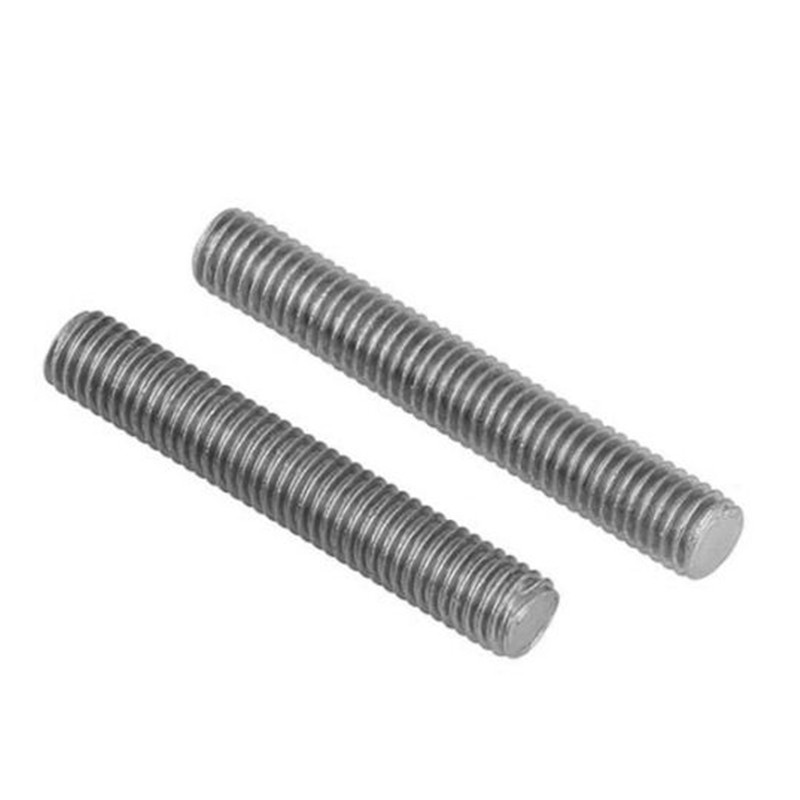
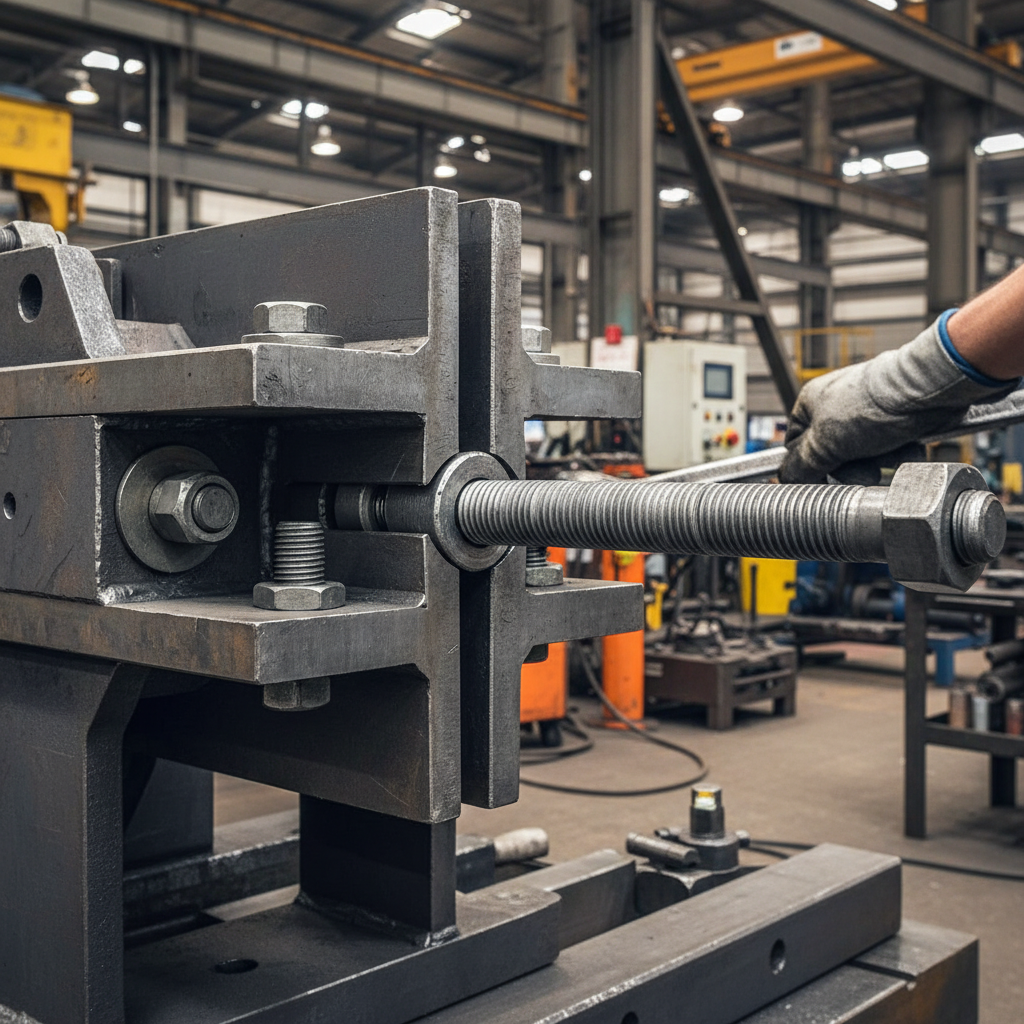
Put simply, a 1/2 threaded rod 10 is a 10 mm diameter steel rod fully threaded along its length. The “10” usually denotes the metric size classification, corresponding to specific tensile strength grades defined by ISO standards such as ISO 898-1. These rods provide strong, uniform threads that help in bolting and securing heavy components together. They find applications across industries — from building construction to manufacturing—and even in humanitarian construction, where robust, quickly assembled frameworks are a must.
Core Components and Features of the 1 2 Threaded Rod 10
Durability and Material Grade
Most 1 2 threaded rod 10 pieces are made from alloy steel or stainless steel, offering tensile strengths of 800 MPa or more. This ensures longevity and resilience even in aggressive environments, which frankly, in real-life applications makes all the difference.
Thread Pitch and Length
The thread pitch impacts how tightly the rod can hold fasteners, while length customization allows it to fit wide-ranging applications—from small machinery to large-frame constructions.
Corrosion Resistance
Galvanized or coated rods withstand weather and chemical exposure better, especially for outdoor structures or marine uses, which frankly saves significant maintenance effort down the line.
Cost-Effectiveness
Buying rods that balance quality with price is an ever-present consideration—high-performance rods often come with higher upfront investment but reduce costly repairs later.
Certification and Compliance
Ensuring rods meet ISO or ASTM standards guarantees predictable performance—always a good move in safety-critical sectors.
1 2 Threaded Rod 10 Specification Table
| Specification | Details |
|---|---|
| Diameter | 10 mm (approximately 1/2 inch) |
| Material | Alloy Steel, Stainless Steel |
| Grade | 8.8, 10.9 (ISO 898-1) |
| Length | Custom (typically 1m-3m) |
| Finish | Galvanized, Plain, Zinc-plated |
| Thread | Fully Threaded (coarse and fine options) |
Global Applications and Use Cases
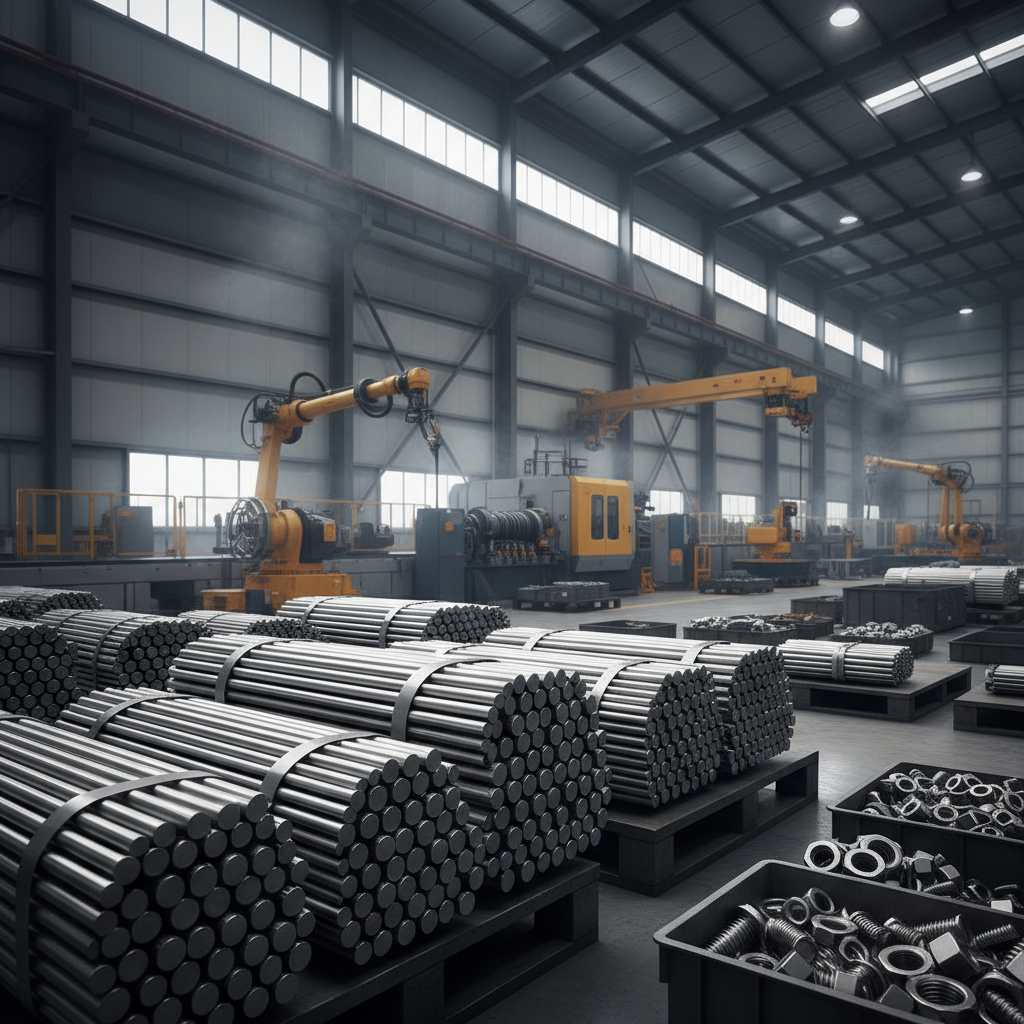
The versatility of the 1 2 threaded rod 10 is impressive. In construction hotspots across Europe and Asia, these rods act as essential links in suspension bridges, high-rise frameworks, and heavy machinery mountings. Remote industrial zones in Africa and South America rely on them to secure modular equipment that’s shipped in pieces and quickly assembled onsite. Oddly enough, they're also a staple in post-disaster relief, where fast-deployment housing modules need strong and simple connectors. The rods make sure shelters stand firm under unpredictable weather.
Vendor Comparison Table
| Vendor | Material Grades | Certifications | Typical Lead Time | Price Range (USD) |
|---|---|---|---|---|
| SteelCo | 8.8, 10.9 | ISO 9001, ASTM | 2 weeks | 4–6 per meter |
| Mega Rods | Stainless Steel A4 | ISO 9001, CE | 1 week | 7–9 per meter |
| Global Fasteners Ltd. | Galvanized 8.8 | ISO, RoHS | 3 weeks | 3.5–5 per meter |
Advantages and Long-Term Value of 1 2 Threaded Rod 10
Choosing a proper 1/2 threaded rod 10 means investing in:
- Safety and reliability: Predictable mechanical properties ensure your structure won’t unexpectedly fail.
- Cost savings: High-quality rods reduce rework, repair, and downtime costs.
- Sustainability: Durable materials mean less frequent replacements, cutting waste.
- Trust and peace of mind: Certified quality lets engineers and clients rest easier.
On the emotional side, I guess it’s always reassuring knowing that an essential joint won’t just give way when things get tough.
Future Trends & Innovations
The future looks pretty interesting for these rods. New corrosion-resistant alloys and eco-friendly coatings help push the sustainability agenda. Digital tracking and smart sensors embedded into rods (you read that right) allow real-time load monitoring in infrastructure, improving maintenance scheduling. In addition, additive manufacturing (3D printing) could someday enable bespoke rods tailored to specific tension or environmental needs, reducing waste.
Challenges & Solutions
Despite their popularity, 1 2 threaded rod 10 face challenges like surface defects, inconsistent threading, and supply volatility. Tackling these starts with stringent quality control and transparent supplier communication. Oddly enough, some companies now offer on-site testing kits and AI-enabled defect detection to cut issues before the rods even reach the site.
FAQ: Frequently Asked Questions About 1 2 Threaded Rod 10
- Q: What grade of 1 2 threaded rod 10 is best for outdoor construction?
A: For outdoor use, rods with galvanization or stainless steel (Grade A4) finish provide the best corrosion resistance, making them ideal for varying weather conditions. - Q: How long can a 1 2 threaded rod 10 last in harsh environments?
A: With proper material grade and coating, these rods can last 20+ years without significant degradation, significantly reducing long-term maintenance costs. - Q: Can the length of the rod be customized for specific projects?
A: Absolutely. Most suppliers offer rods in lengths ranging from 1m up to 6m or longer, cut to order, to suit specific project needs. - Q: Are there international standards governing the quality of 1 2 threaded rods?
A: Yes, ISO 898-1 and ASTM provide strict metrics on strength, thread profile, and material–ensuring consistent quality internationally. - Q: How do engineers choose between coarse and fine threading?
A: Coarse threads are common for quicker assembly and better resistance to damage, while fine threads allow more precise tensioning—choice depends on application requirements.
Conclusion & Call to Action
In sum, the 1 2 threaded rod 10 remains a small but mighty element in modern engineering and construction worldwide. Its blend of strength, versatility, and durability resonates across industries and geographies. Whether for building the next iconic structure or enabling rapid deployment of life-saving shelters, it holds a steady place. For reliable sourcing and expert advice on your next project, visit our website and discover tailored solutions that meet your needs.
Oddly enough, sometimes the simplest parts anchor the biggest innovations.
References
Post time: Dec . 02, 2025 09:55


 English
  Albanian
  Arabic
  Armenian
  Azerbaijani
  Belarusian
  Bosnian
  Bulgarian
  Cebuano
  Corsican
  Czech
Czech  Galician
  Georgian
  Greek
Greek  Hausa
Hausa  Hebrew
  Hungarian
  Igbo
Igbo  Indonesian
  Italian
  Kazakh
  Khmer
Khmer  Korean
  Kurdish
  Kyrgyz
  Lao
Lao  Latin
Latin  Latvian
  Lithuanian
  Malay
Malay  Myanmar
  Nepali
  Polish
  Portuguese
  Russian
  Serbian
  Sesotho
  Shona
Shona  Sindhi
  Spanish
  Tagalog
  Tajik
Tajik  Thai
Thai  Turkish
  Turkmen
  Ukrainian
  Uzbek
Uzbek  Vietnamese
  Yoruba
  Zulu
Zulu