
Understanding the 1 2 20 Threaded Rod: Why It Matters Globally
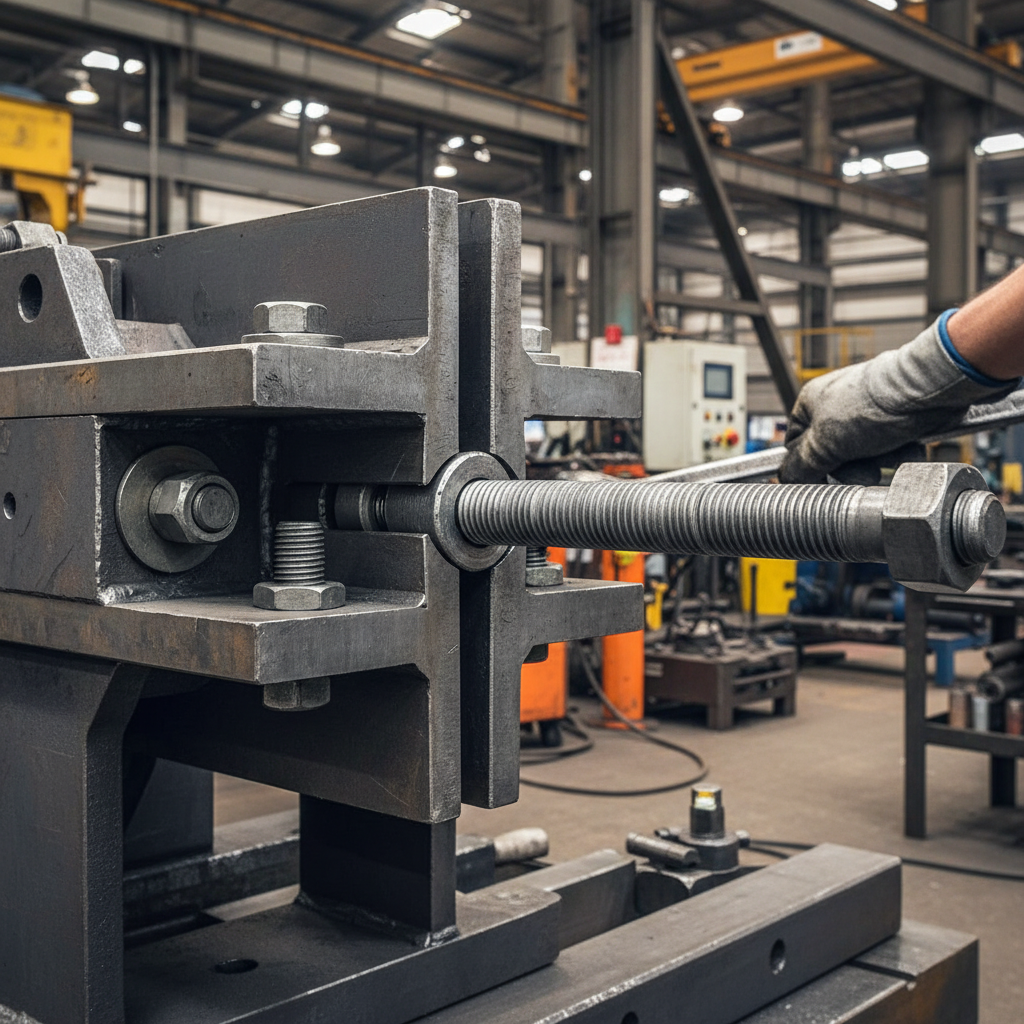
The 1 2 20 threaded rod might sound like a string of random numbers and words, but it actually holds significant weight across various industries worldwide. Fundamentally, it’s a type of fastener, but the precise dimensions and characteristics mean it’s relied upon in applications where reliability and strength are paramount.
Globally, the importance of such hardware often goes unnoticed, buried beneath large projects like infrastructure, machinery assembly, or even humanitarian constructions. Yet, these rods underpin everything from bridges in emerging economies to modular shelters in disaster zones. Understanding their specifications and applications can demystify a critical part of engineering and supply chains.
Plus, as industries push for sustainability and cost-effectiveness, knowing what makes the 1 2 20 threaded rod stick out helps manufacturers, engineers, and planners make smarter choices — driving safer, smarter projects.
The Global Context of the 1 2 20 Threaded Rod
It's fascinating how such a small component has vast relevance around the world. According to the International Organization for Standardization (ISO), standardization of fasteners like threaded rods has helped streamline global manufacturing and trade. The World Bank estimates that billions of dollars are invested yearly in infrastructure projects where such rods play a silent but critical role.
The challenge? Ensuring that these components meet exact standards to withstand environmental stresses, especially in challenging conditions like seismic zones or corrosive environments. For instance, the construction boom across Asia and Africa puts tremendous pressure on suppliers to deliver rods that won’t fail halfway through a project. So, the 1 2 20 threaded rod is more than just a supply item; it’s a key piece in global development puzzles.
What Exactly is a 1 2 20 Threaded Rod?
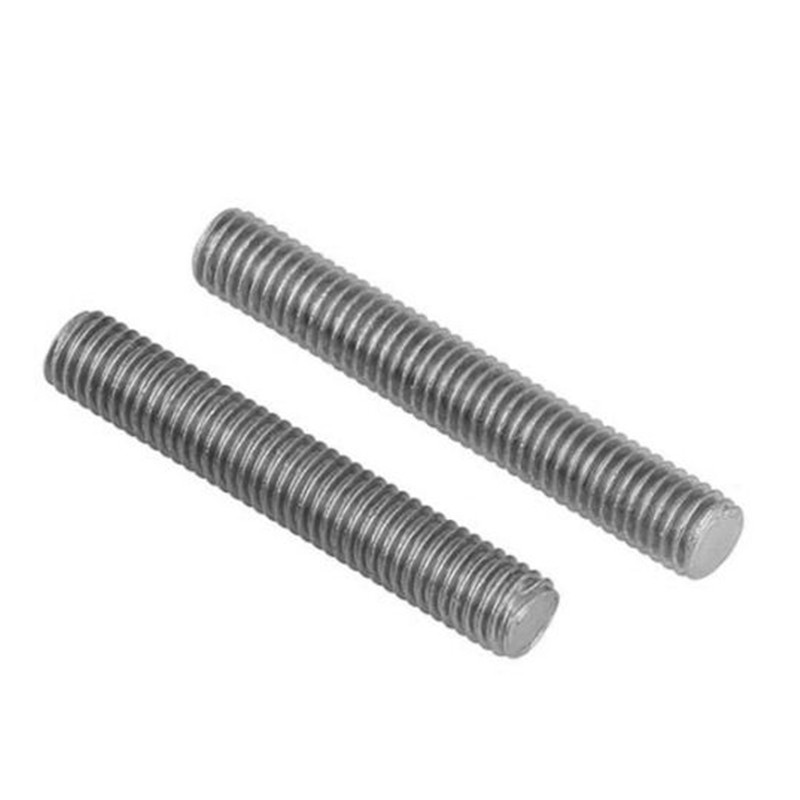
Simply put, a 1 2 20 threaded rod refers to a rod with a diameter of 1/2 inch (roughly 12.7 mm) and a thread pitch of 20 threads per inch (TPI). This means the rod is finely threaded compared to coarser alternatives.
Threaded rods come in various sizes and thread counts, but the combination of 1/2 inch diameter and 20 TPI makes this type particularly suitable for applications that require precision fastening and high tensile strength. Industries ranging from mechanical engineering to construction use them extensively, often when a long, continuous fastener is needed without the constraints of a standard bolt length.
In humanitarian settings, these rods form the backbone of temporary structures — their strength and adaptability allowing quick assembly of shelters, bridges, or water systems where logistics demand flexibility over permanence.
Key Characteristics of 1 2 20 Threaded Rods
1. Durability and Tensile Strength
One of the main reasons this rod is favored is its ability to hold up under stress. Generally made from high-grade carbon steel or stainless steel, the 1 2 20 threaded rod withstands tension and shear forces well. This durability ensures structural integrity in both static and dynamic loads, which is why engineers trust it in critical joints.
2. Fine Threading for Precision Adjustment
The 20 threads per inch provide a finer pitch compared to coarser rods, allowing for better adjustment sensitivity. This makes it ideal when minute movements or tension changes are needed, such as in aerospace or precision machinery assembly.
3. Versatility in Length and Applications
These rods can be cut to various lengths, facilitating their use in a range of scenarios — from short connectors to long bracing members. Their versatility extends across industries: manufacturing equipment, infrastructure reinforcement, electrical grounding, and more.
4. Corrosion Resistance (Material-Dependent)
When made of stainless steel or coated with galvanization, these rods resist corrosion — essential for outdoor or marine environments. This longevity factor is critical for warranties and maintenance cycles in construction and industrial projects.
Mini Takeaway:
The 1 2 20 threaded rod offers a sweet spot of high strength, fine-thread adjustability, and material options that make it a staple fastener worldwide.
Real-World Applications & Who Benefits?
In practice, these threaded rods pop up in some pretty diverse contexts. For example:
- Construction sites in urban centers and remote areas alike use these rods to fasten steel frameworks, shorten installation times, and ease onsite adjustments.
- Post-disaster relief efforts often need fast, reliable assembly of temporary bridges or housing. The 1 2 20 threaded rod’s adaptability shines here, where speed and strength are non-negotiable.
- Industrial manufacturing depends on fine-thread rods for assembling conveyors, robotic arms, and other machinery where precision matters.
- Energy sectors, including wind turbines and solar panel mounts, often utilize corrosion-resistant versions of these rods, especially in coastal or harsh weather environments.
Regions undergoing rapid infrastructure growth, like Southeast Asia or parts of Sub-Saharan Africa, benefit greatly from affordable and standardized fasteners like the 1 2 20 threaded rod. It’s almost the unsung hero enabling construction projects to keep pace.
Specification Table: Typical 1 2 20 Threaded Rod
| Specification | Details |
|---|---|
| Diameter | 1/2 inch (12.7 mm) |
| Thread Count | 20 threads per inch (TPI) |
| Material | Carbon steel / Stainless steel / Galvanized |
| Tensile Strength | Typically 70,000 psi (varies by material) |
| Standard Lengths | 3 ft to 12 ft (custom lengths available) |
| Finish | Raw, Zinc plated, Hot-dip galvanized |
Comparing Top Vendors of 1 2 20 Threaded Rods
| Vendor | Material Options | Lead Time | Price Range (per rod) | Special Features |
|---|---|---|---|---|
| ThreadCo Metals | Carbon steel, Stainless steel | 1–2 weeks | $15–$25 | Custom lengths, corrosion-resistant coatings |
| Global Fasteners Inc. | Galvanized steel, Stainless steel | 3–5 days | $12–$22 | Bulk discounts, ISO-certified manufacturing |
| BuildStrong Supplies | Carbon steel only | 2–3 weeks | $10–$18 | Economical options, local delivery |
What Makes the 1 2 20 Threaded Rod Advantageous Over Other Fasteners?
From a practical standpoint, the 1 2 20 threaded rod balances cost-effectiveness with exceptional performance. Its fine thread pitch allows for secure fastening without over-tightening, reducing the risk of damage. Also, buyers often note that these rods prolong project life cycles due to their reliable tensile strength and corrosion-resistant options.
There's also an emotional factor: professionals working on critical infrastructure rely on these rods to ensure the safety of entire communities. There's comfort in a proven fastener — kind of like a lucky tool you always reach for — that never lets you down.
What's Next? Trends Shaping Future Use of Threaded Rods
Looking ahead, the 1 2 20 threaded rod isn’t just a static product. Innovations in materials science are introducing composites and coated rods with even greater strength-to-weight ratios and corrosion resistance. Green energy projects, especially offshore wind farms, demand fasteners that can last decades without replacing.
Automation in manufacturing enables on-demand customization — rods cut to exact lengths, thread profiles adjusted through CNC machining. And, some companies are experimenting with digital tracking, embedding RFID tags onto rods to monitor installation and maintenance cycles. It sounds futuristic, but it’s happening right now.
Common Challenges and How Industry Leaders Tackle Them
One snag with the 1 2 20 threaded rod is supply consistency, especially in emerging markets where demand spikes unpredictably. Some manufacturers face raw material shortages or lead time delays. Experts suggest partnering with multiple suppliers or sourcing domestically where possible.
Another issue is corrosion in extreme environments. While coatings help, periodic inspections and maintenance schedules are crucial to prevent failures. Luckily, ongoing R&D into nano-coatings or self-healing materials might offer near-future solutions.
FAQ: Common Questions About the 1 2 20 Threaded Rod
Q1: What applications benefit most from the finer 20 threads per inch rather than coarser threads?
A1: Fine threading (20 TPI) offers precise tension control, reducing vibration loosening in mechanical and aerospace settings. It’s ideal where adjustments require small increments. Coarser threads are better for quick assembly or less precise needs.
Q2: How long can a 1 2 20 threaded rod typically last outdoors?
A2: Stainless steel or galvanized rods can last 20+ years in outdoor environments, depending on exposure and maintenance. In harsh coastal or chemical environments, lifespan may reduce but can be extended with protective coatings.
Q3: Can these rods be customized in length and finish?
A3: Absolutely. Most suppliers offer cut-to-length services and an array of finishes like zinc plating or hot-dip galvanization to suit environmental requirements.
Q4: Are these rods recyclable or eco-friendly?
A4: Yes, steel rods are highly recyclable. With increasing focus on circular economy principles, using recycled steel for rods is becoming widespread, reducing raw material demands.
Q5: How can international NGOs procure 1 2 20 threaded rods efficiently?
A5: NGOs usually partner with distributors having local warehouses or global supply chains that fulfill bulk orders timely. It's advisable to vet vendors for ISO certification and delivery reliability.
Wrapping Up: Why the 1 2 20 Threaded Rod Still Holds Strong
To sum it all up, the 1 2 20 threaded rod is like the quiet backbone of many construction, manufacturing, and humanitarian projects around the globe. Its balance of strength, precision, and adaptability earns it a rightful place in countless designs.
For anyone sourcing or deploying threaded rods, knowing the specs, vendor differences, and emerging trends puts you a step ahead. Careful selection cuts down headaches, increases safety, and often saves money in the long run.
If you want to dive deeper or find trusted suppliers, feel free to visit our website: https://www.hbtbls.com and explore our catalogue. Sometimes the small things really do make the biggest difference.
References
Post time: Nov . 27, 2025 14:15


 English
  Albanian
  Arabic
  Armenian
  Azerbaijani
  Belarusian
  Bosnian
  Bulgarian
  Cebuano
  Corsican
  Czech
Czech  Galician
  Georgian
  Greek
Greek  Hausa
Hausa  Hebrew
  Hungarian
  Igbo
Igbo  Indonesian
  Italian
  Kazakh
  Khmer
Khmer  Korean
  Kurdish
  Kyrgyz
  Lao
Lao  Latin
Latin  Latvian
  Lithuanian
  Malay
Malay  Myanmar
  Nepali
  Polish
  Portuguese
  Russian
  Serbian
  Sesotho
  Shona
Shona  Sindhi
  Spanish
  Tagalog
  Tajik
Tajik  Thai
Thai  Turkish
  Turkmen
  Ukrainian
  Uzbek
Uzbek  Vietnamese
  Yoruba
  Zulu
Zulu