
The 8mm Threaded Bar: Small Component, Big Impact
When you hear “8mm threaded bar,” what pops into your mind? A tiny chunk of metal, right? Yet, this modest piece of hardware is secretly one of the unsung heroes in construction, manufacturing, and even humanitarian projects worldwide. Understanding its role is like peeking under the hood of global infrastructure — it’s crucial, and frankly pretty fascinating.
Why does it matter so much? Simply put, the strength and reliability of countless structures and machines depend on these threaded rods. Across continents and industries, these bars provide secure connections, help in fast reparations, and streamline assembly processes — all critical for safety and efficiency.
Global Context: Why the World Needs the 8mm Threaded Bar
As the world leans into rapid industrialization and urbanization, the demand for versatile, durable fasteners grows steadily. The ISO reported that global construction output is expected to grow by about 3.7% annually through 2030, which inevitably drives demand for components like threaded bars to dizzying heights. Even the World Bank notes that infrastructure investments are key to economic growth in developing nations — and yes, 8mm threaded bars are part of that story.
One challenge this small product addresses is the need for scalable, affordable connections that don’t compromise safety. In disaster relief efforts or remote industrial zones, quick assembly and sturdy connections can literally mean the difference between resilience and collapse.
What Exactly Is an 8mm Threaded Bar?
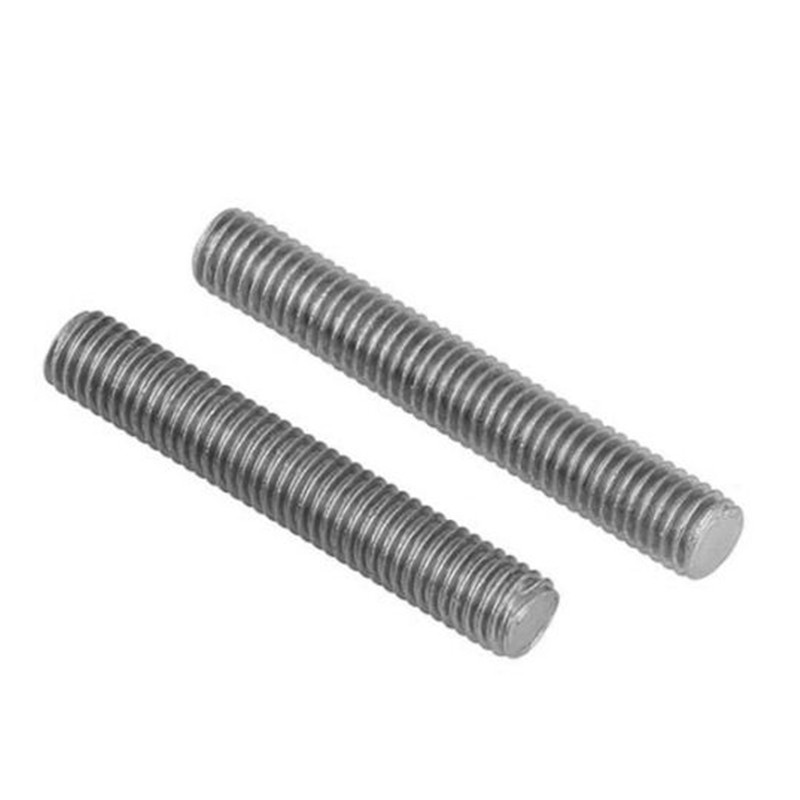
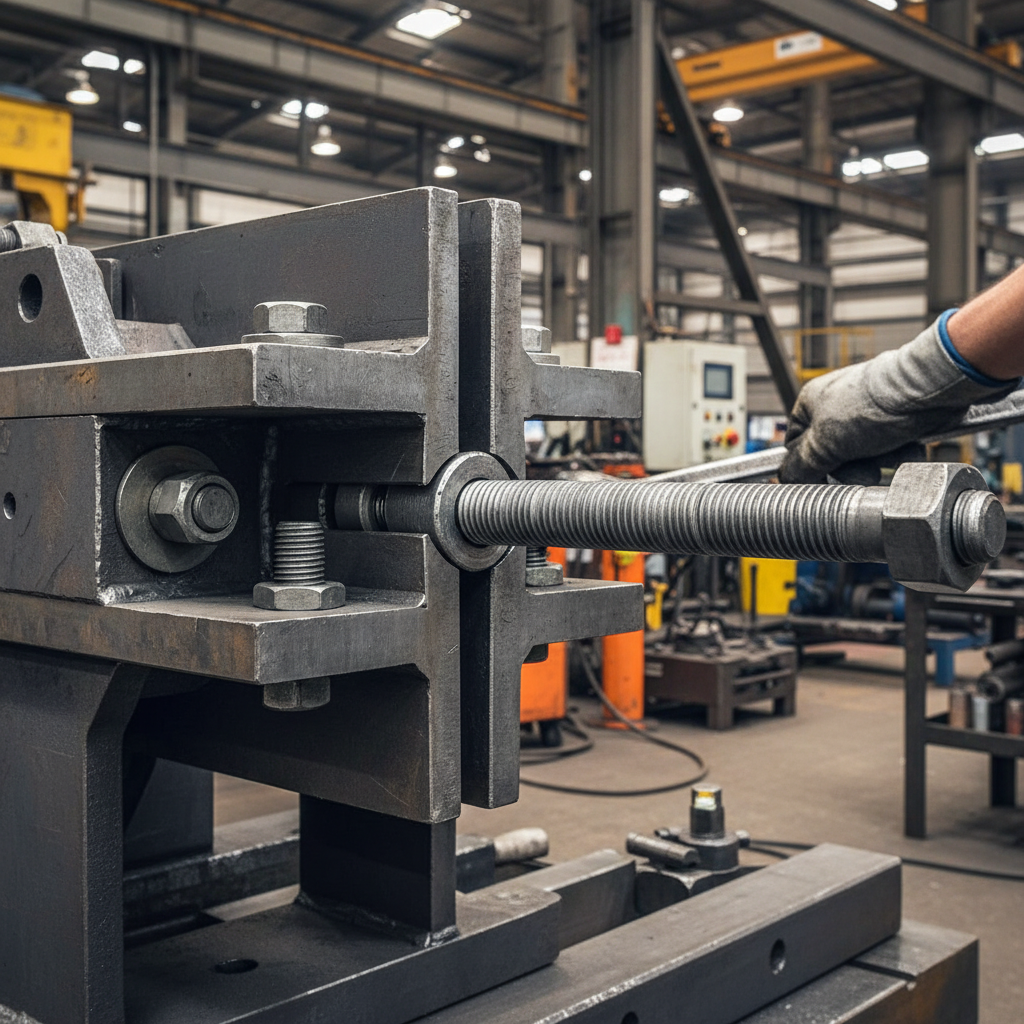
In basic terms, an 8mm threaded bar is a steel rod with a consistent 8mm diameter and external threading along its length. Think of it as a long bolt without a head, allowing it to be cut to size and used in tension or fastening applications where flexibility matters.
Its straightforward design belies its adaptability: from fixed frameworks in construction, mounting heavy machinery, to temporary fixings in remote projects – its role is practically universal. These bars bridge modern industry with critical humanitarian needs like constructing reliable shelters and equipment rapidly.
Core Features Explained
Durability: Holding Things Together
Threaded bars are typically made from carbon steel or stainless steel, offering excellent tensile strength and corrosion resistance. The 8mm size balances strength with flexibility, handling loads without undue bending or snapping. Many engineers say that, honestly, choosing the right steel grade can double the lifespan of a bar in harsh environments.
Flexibility & Scalability
The beauty of these bars is cut-to-length flexibility. You can customize the bar size without losing thread length or strength, which is super useful in diverse fields, whether building machinery frames or reinforcing concrete structures. This adaptability is especially welcomed in fast-changing project scopes.
Cost Efficiency
Compared to custom-made fasteners or welds, 8mm threaded bars save time and money. They reduce labor for installation — a core factor in industrial zones where every minute counts. Plus, their off-the-shelf availability makes bulk procurement simpler and more economical.
Compatibility & Customization
With standardized threading and sizes, these bars are compatible with nuts, plates, and fixtures globally. Custom coatings, such as galvanized or epoxy layers, also extend their service life in aggressive environments — practically like armor for the steel inside.
Product Specification Table: Typical 8mm Threaded Bar
| Specification | Details |
|---|---|
| Diameter | 8 mm |
| Material | Carbon Steel / Stainless Steel |
| Thread Pattern | Metric coarse (M8x1.25) |
| Lengths Available | From 300 mm up to 3000 mm or custom |
| Coatings | Plain, Hot-dip Galvanized, Zinc Plated, Epoxy |
| Tensile Strength | Typically 400 - 800 MPa |
Global Applications and Use Cases
Threaded bars don’t hang out in labs; they’re all over the world, playing essential roles across sectors. For example:
- Construction: Used in anchoring, concrete formwork, and structural frames — especially in seismic zones where flexibility and strength go hand in hand.
- Manufacturing: Machinery assembly lines rely on these bars to hold components tightly yet allow for modular changes — which is a massive plus in lean manufacturing processes.
- Disaster Relief: NGOs use 8mm threaded bar for quick assembly of temporary shelters, emergency bridges, or water infrastructure in post-disaster zones, particularly in Southeast Asia and East Africa.
- Renewable Energy: Wind turbine assembly often demands versatile fastenings that can withstand vibration and outdoor elements — threaded bars perfectly fit the bill.
It’s odd to think how such a small item quietly supports big systems, but it’s true. From sprawling mega-structures in China to small NGO-built shelters in Haiti, the 8mm threaded bar quietly holds worlds together.
Vendor Comparison Table
| Vendor | Material Quality | Range of Sizes | Coating Options | Lead Time | Pricing (per 100 pcs) |
|---|---|---|---|---|---|
| SteelMight | Premium carbon steel | 300mm - 2500mm | Galvanized, Zinc, Plain | 2 weeks | $280 |
| BarLink | Stainless Steel 304 | 500mm - 3000mm | Epoxy, Zinc | 3 weeks | $350 |
| ThreadPro | Standard carbon steel | 300mm - 2000mm | Plain only | 1 week | $220 |
Advantages and Long-Term Value
The tangible benefits of choosing a high-quality 8mm threaded bar stack up quickly:
- Cost Savings — Both in initial purchase and maintenance thanks to durability.
- Sustainability — Use of recycled steel and longer-lasting coatings reduce environmental footprints, according to ISO reports.
- Safety — Designed to meet strict tensile and shear strength standards, reassuring engineers and end-users alike.
- Trust & Innovation — The ability to upgrade and customize hardware quickly reflects innovation cycles in modern construction.
Emotionally speaking, there’s peace of mind knowing crucial infrastructure won’t fail at the worst moment. It’s a feeling of quiet confidence, even if few ever notice the humble bar at work.
Future Trends and Innovations in Threaded Bars
Looking ahead, 8mm threaded bars are evolving. The green energy push means more use in solar and wind applications, often with new composite materials enhancing corrosion resistance. Digital transformation also plays a role: automated quality checks and 3D scanning ensure each piece meets stricter specs before shipping.
There's also growing interest in modular construction, where these bars allow rapid assembly that can be dismantled and reused — a circular economy principle in action.
Common Challenges and How to Overcome Them
Of course, there are hurdles. Corrosion risk in salty or acidic environments, mis-sizing during procurement, and supply chain delays can all trip projects up.
Experts recommend:
- Specifying the right coating for the environment (galvanized for marine; epoxy for industrial plants)
- Partnering with trusted vendors who can provide certifications and fast delivery
- Using proper torque and installation tools to avoid thread damage
Sometimes, investing a bit more upfront in quality pays dividends in reliability down the line — that’s a lesson many engineers learn the hard way.
FAQ: Your Top Questions About 8mm Threaded Bars
Q1: What environments are 8mm threaded bars best suited for?
A: These bars are incredibly versatile—ideal for indoor, outdoor, industrial, and even marine settings, provided you select the correct material and coating. Stainless steel variants resist rust well outdoors, while galvanized coatings help in coastal zones.
Q2: Can I cut 8mm threaded bars to custom lengths on-site?
A: Absolutely! That’s one of their biggest advantages. Just use the right cutting tools and re-thread ends if required. This adjustability reduces waste and speeds up installation.
Q3: How long do these bars typically last?
A: Lifespan depends on material, environment, and use but generally ranges from 10 to 50 years. Proper coating and maintenance are key for extending life expectancy.
Q4: Are there international standards governing their use?
A: Yes, ISO 898-1 outlines mechanical properties for threaded fasteners, including tensile strength and performance criteria, ensuring global compatibility and reliability.
Wrapping It Up: Why the 8mm Threaded Bar Deserves Your Attention
When you peel back the layers, it’s clear that the 8mm threaded bar is so much more than just a metal rod. It’s a fundamental enabler — quietly linking pieces of our global construction puzzle together with precision, adaptability, and strength. As projects scale and industries become more demanding, this small component’s role only grows.
For engineers, builders, or procurement teams keen on reliability and value for money, understanding and sourcing quality 8mm threaded bar can make all the difference.
If you’re intrigued to explore options or place orders, don’t hesitate to visit our website and see what’s available for your next project.
References:
Post time: Nov . 29, 2025 18:30


 English
  Albanian
  Arabic
  Armenian
  Azerbaijani
  Belarusian
  Bosnian
  Bulgarian
  Cebuano
  Corsican
  Czech
Czech  Galician
  Georgian
  Greek
Greek  Hausa
Hausa  Hebrew
  Hungarian
  Igbo
Igbo  Indonesian
  Italian
  Kazakh
  Khmer
Khmer  Korean
  Kurdish
  Kyrgyz
  Lao
Lao  Latin
Latin  Latvian
  Lithuanian
  Malay
Malay  Myanmar
  Nepali
  Polish
  Portuguese
  Russian
  Serbian
  Sesotho
  Shona
Shona  Sindhi
  Spanish
  Tagalog
  Tajik
Tajik  Thai
Thai  Turkish
  Turkmen
  Ukrainian
  Uzbek
Uzbek  Vietnamese
  Yoruba
  Zulu
Zulu