
Understanding the Workhorse: 4 Foot Threaded Rod
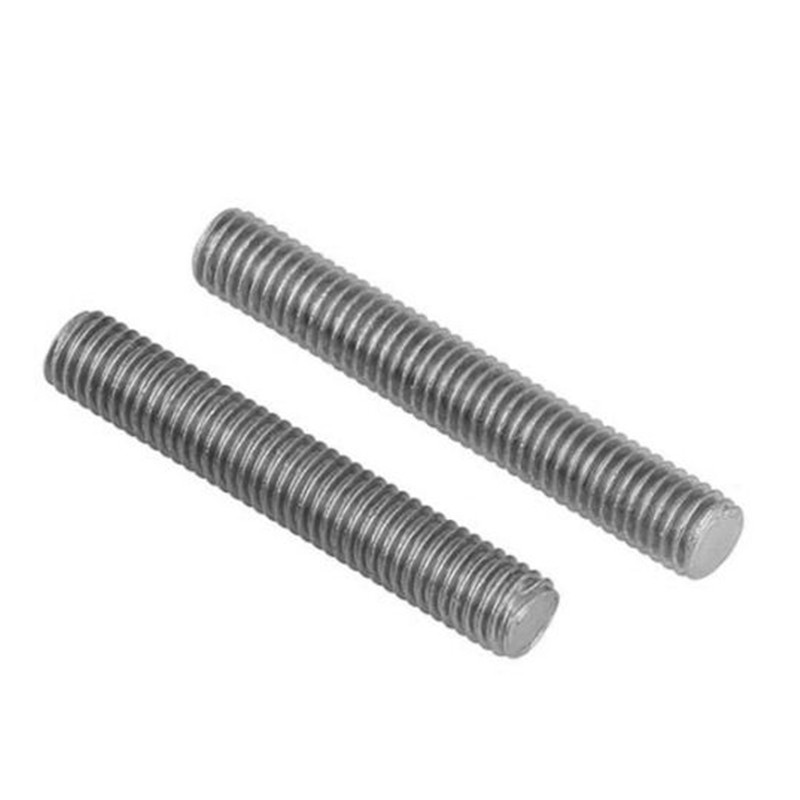
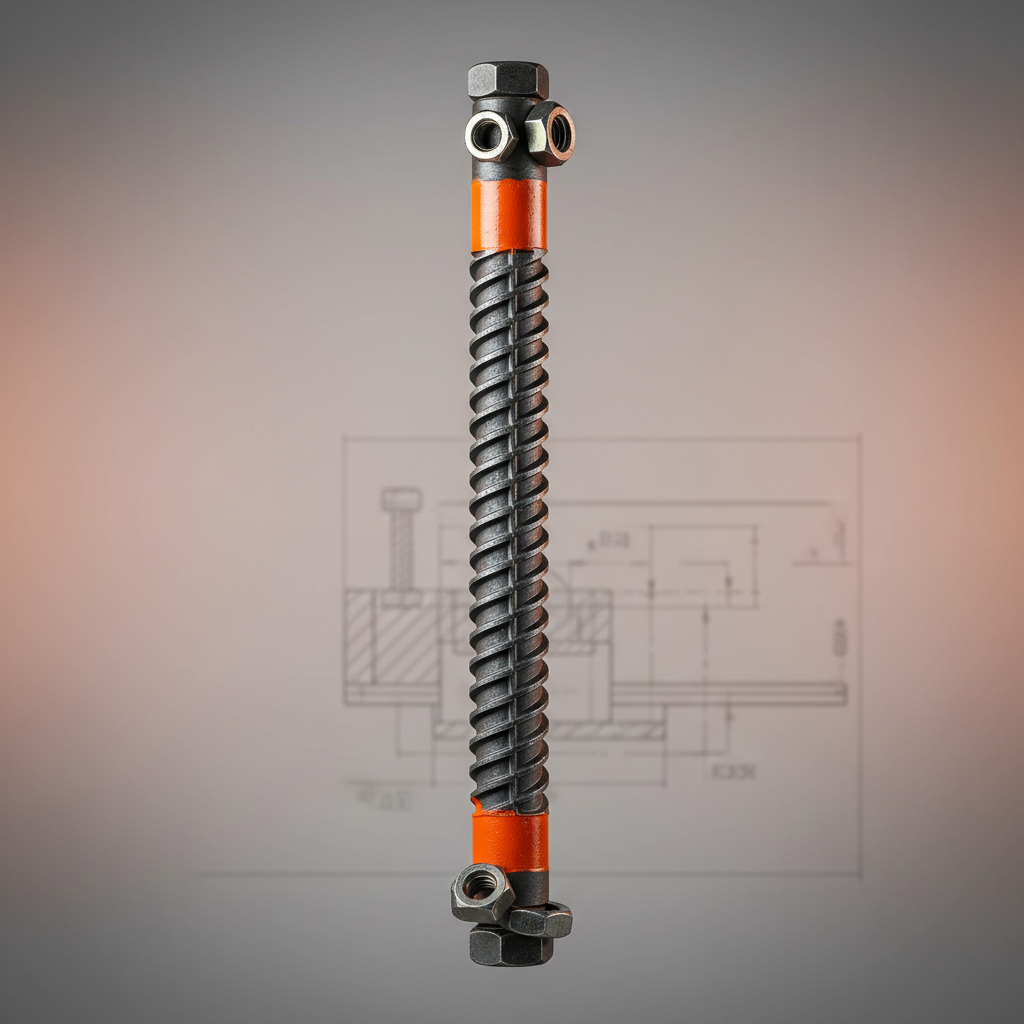
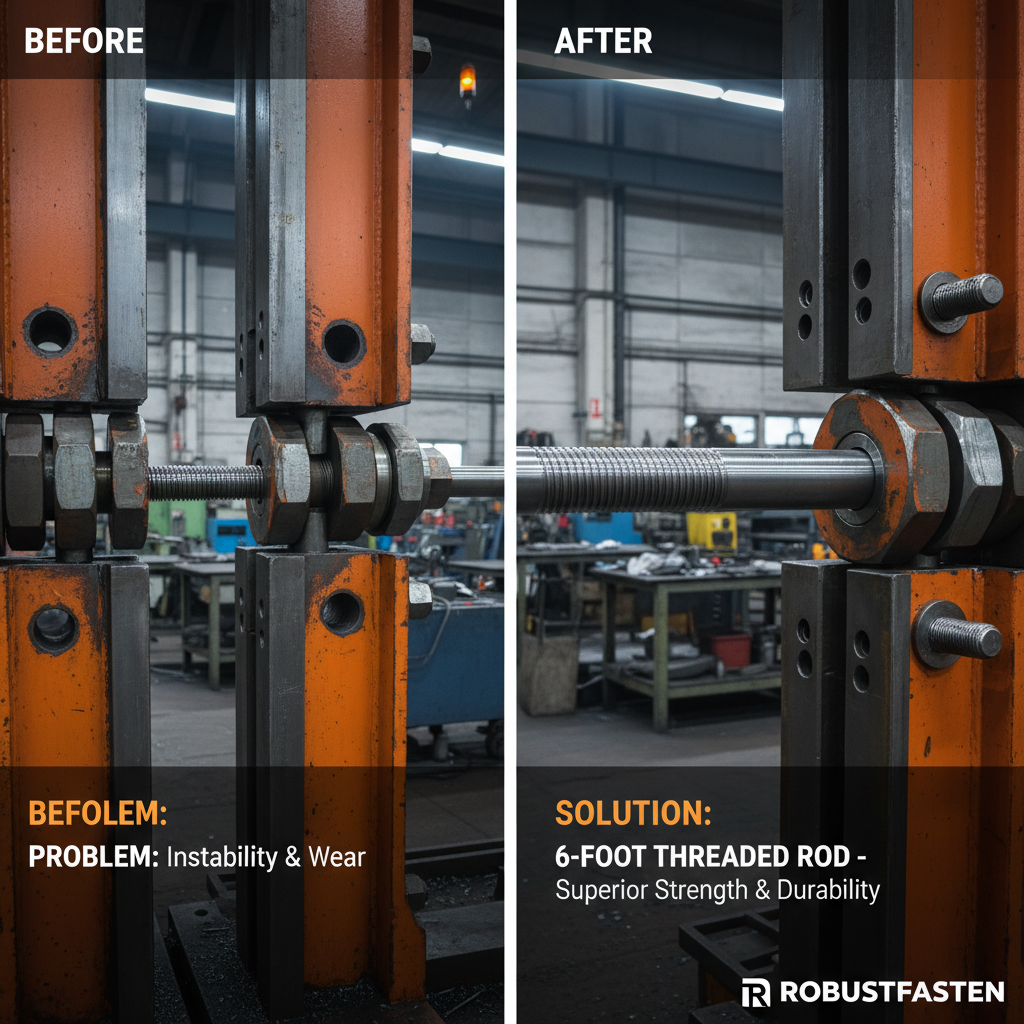
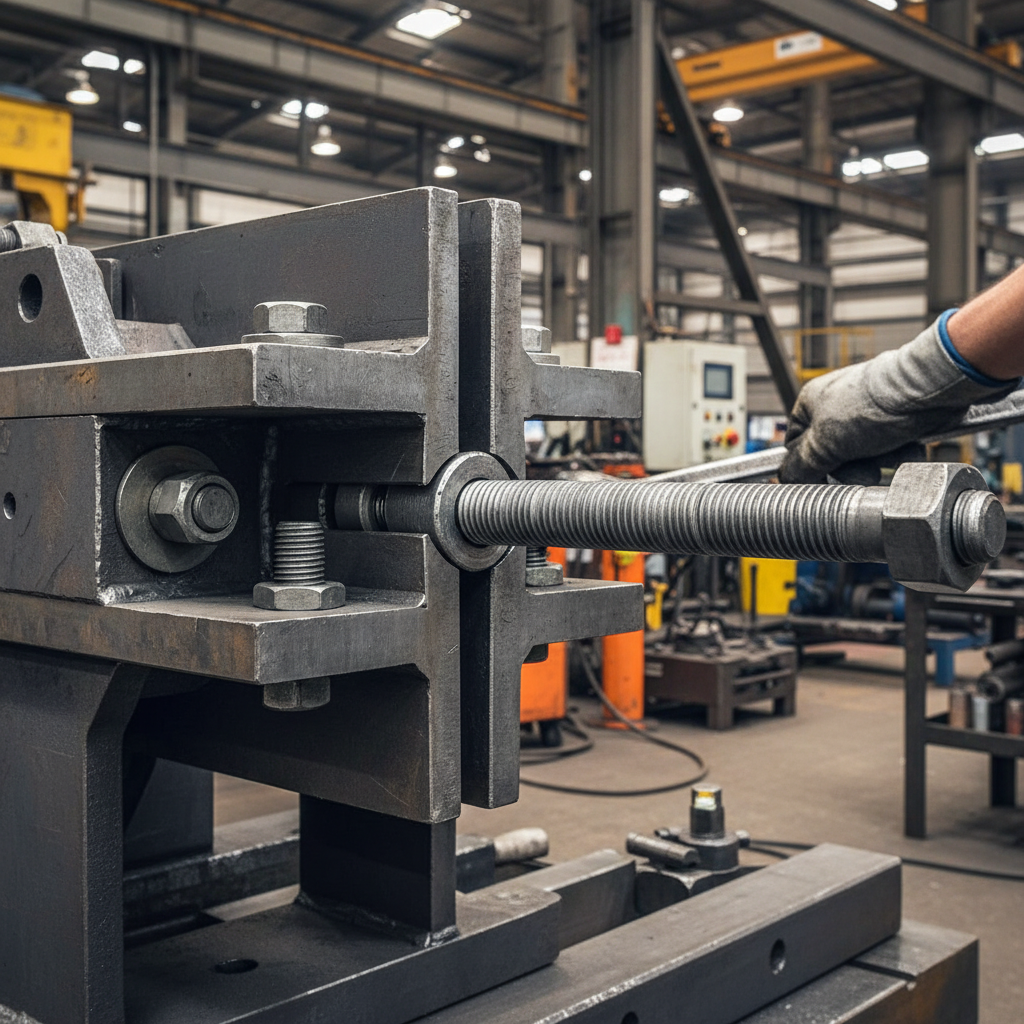
You know, after years in industrial supply, you start to appreciate the unsung heroes. Not the flashy robotics or the complex PLCs, but the stuff that holds everything together. And frankly, 4 foot threaded rod is right up there. It's… foundational. Seems simple, right? A length of metal with threads. But the details, the grade of steel, the tolerances—they matter immensely. I’ve seen projects delayed, even compromised, because someone skimped on the rod. It’s a core component in so much: bracing, supports, hanging systems, even DIY projects that, well, let’s just say some people are ambitious. Demand for it is solid, steady. A lot of construction and a surprising amount of retrofitting in older facilities, too.Product Specifications: Getting Down to Brass Tacks
Okay, let's talk specs. There's a range, naturally, but this is a good baseline. The typical material is Grade 2, Grade 5, or Grade 8 steel – the higher the grade, the stronger it is, and the more it costs. I suppose it’s a pretty straightforward trade-off. Coatings are huge too—zinc plating is standard for basic corrosion resistance, but you'll also see hot-dip galvanization for harsher environments, even stainless steel for food processing or marine applications. And, honestly, getting the right thread pitch is critical. A mismatch there is just… a headache.| Specification | Value | Notes |
|---|---|---|
| Length | 4 feet (48 inches) | Standard length, can be cut to size |
| Diameter | 1/4", 3/8", 1/2", 5/8", 3/4", 1" | Common sizes, others available |
| Material | Grade 2, Grade 5, Grade 8 Steel, Stainless Steel | Determines strength & corrosion resistance |
| Thread Pitch | Coarse (UNC), Fine (UNF) | Compatibility with nuts & fittings |
Vendor Landscape: Who’s Got You Covered?
Oddly enough, sourcing isn't always about price. Reliability, lead times, and consistent quality are huge. I've heard stories, you know, about orders showing up with mismatched threads or… questionable metal. A lot of online suppliers now, which is convenient, but sometimes you lose that personal touch. Many engineers I've spoken with prefer dealing with established distributors who can offer technical support. Here's a quick comparison of a few major players:| Vendor | Lead Time | Price (Avg) | Technical Support |
|---|---|---|---|
| HBTBLS | 2-3 days | Competitive | Excellent |
| Fastenal | 3-5 days | Moderate | Good |
| McMaster-Carr | 4-7 days | Higher | Limited |
In Conclusion: Don’t Underestimate the Basics
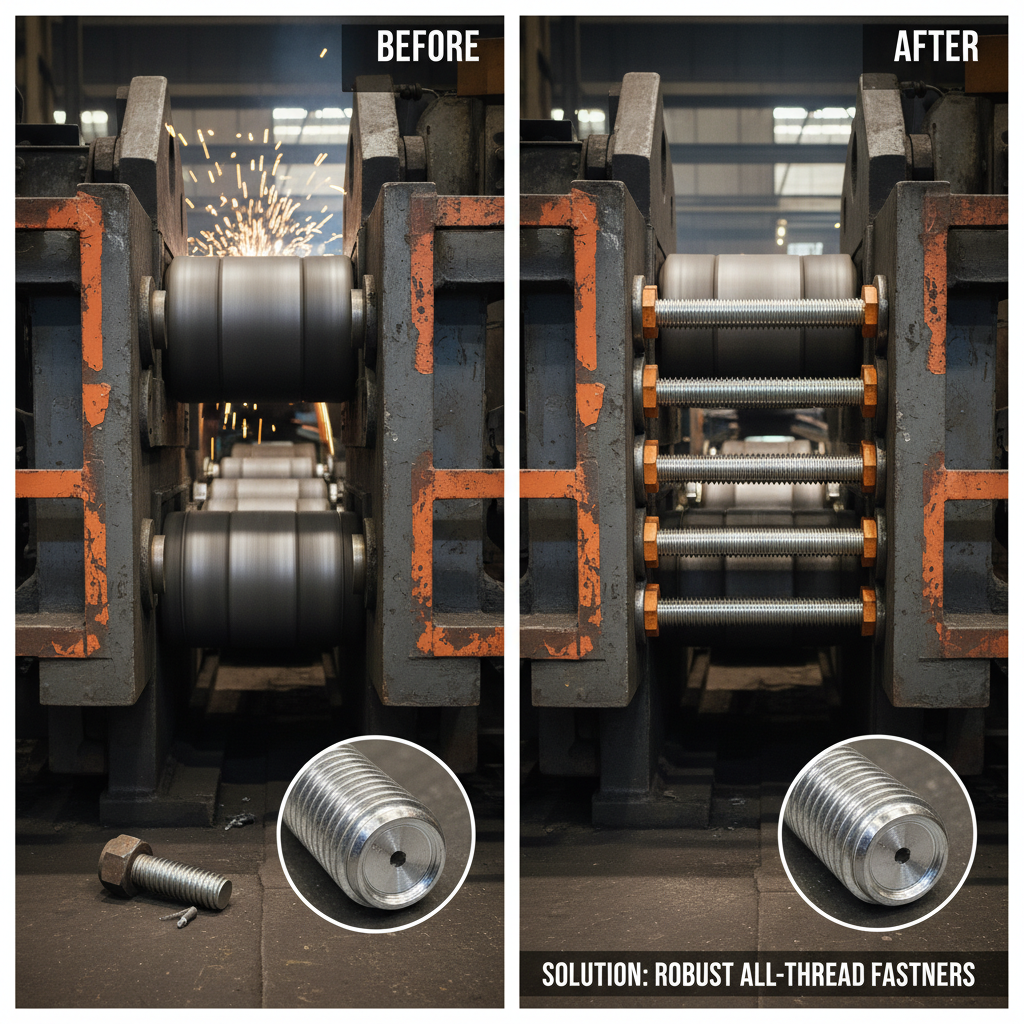
It really does come down to selecting the right material and grade for the job. And remember, even seemingly minor details – like threadlocker – can make a huge difference. I had a client once, a food processing plant, where a loose threaded rod caused a conveyor malfunction and, you know, a pretty significant cleanup. A simple preventative measure would have avoided it. Ultimately, 4 foot threaded rod is a fundamental component, and treating it as such will save you headaches down the line. HBTBLS provides high-quality options.References
References:
- Industry durability reports, HKaiseal 2023
- Maintenance strategies for conveyor equipment, Journal of Manufacturing 2022
- Personal project insights & engineer interviews 2018–2023
Post time: Jan . 24, 2026 18:15



 English
  Albanian
  Arabic
  Armenian
  Azerbaijani
  Belarusian
  Bosnian
  Bulgarian
  Cebuano
  Corsican
  Czech
Czech  Galician
  Georgian
  Greek
Greek  Hausa
Hausa  Hebrew
  Hungarian
  Igbo
Igbo  Indonesian
  Italian
  Kazakh
  Khmer
Khmer  Korean
  Kurdish
  Kyrgyz
  Lao
Lao  Latin
Latin  Latvian
  Lithuanian
  Malay
Malay  Myanmar
  Nepali
  Polish
  Portuguese
  Russian
  Serbian
  Sesotho
  Shona
Shona  Sindhi
  Spanish
  Tagalog
  Tajik
Tajik  Thai
Thai  Turkish
  Turkmen
  Ukrainian
  Uzbek
Uzbek  Vietnamese
  Yoruba
  Zulu
Zulu