
Understanding the 3/8 Fine Thread Rod: A Veteran's Perspective
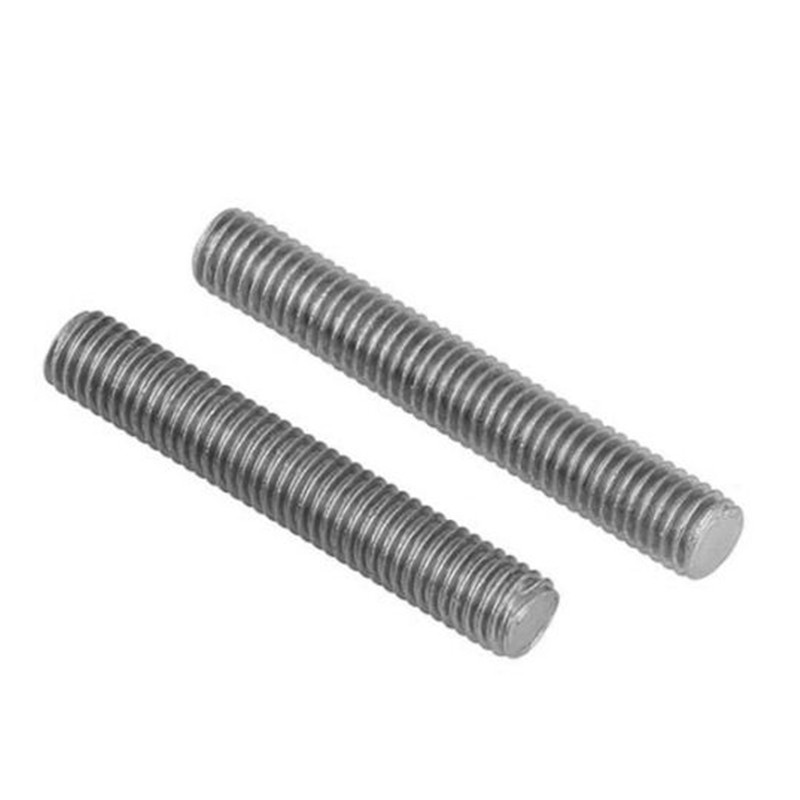
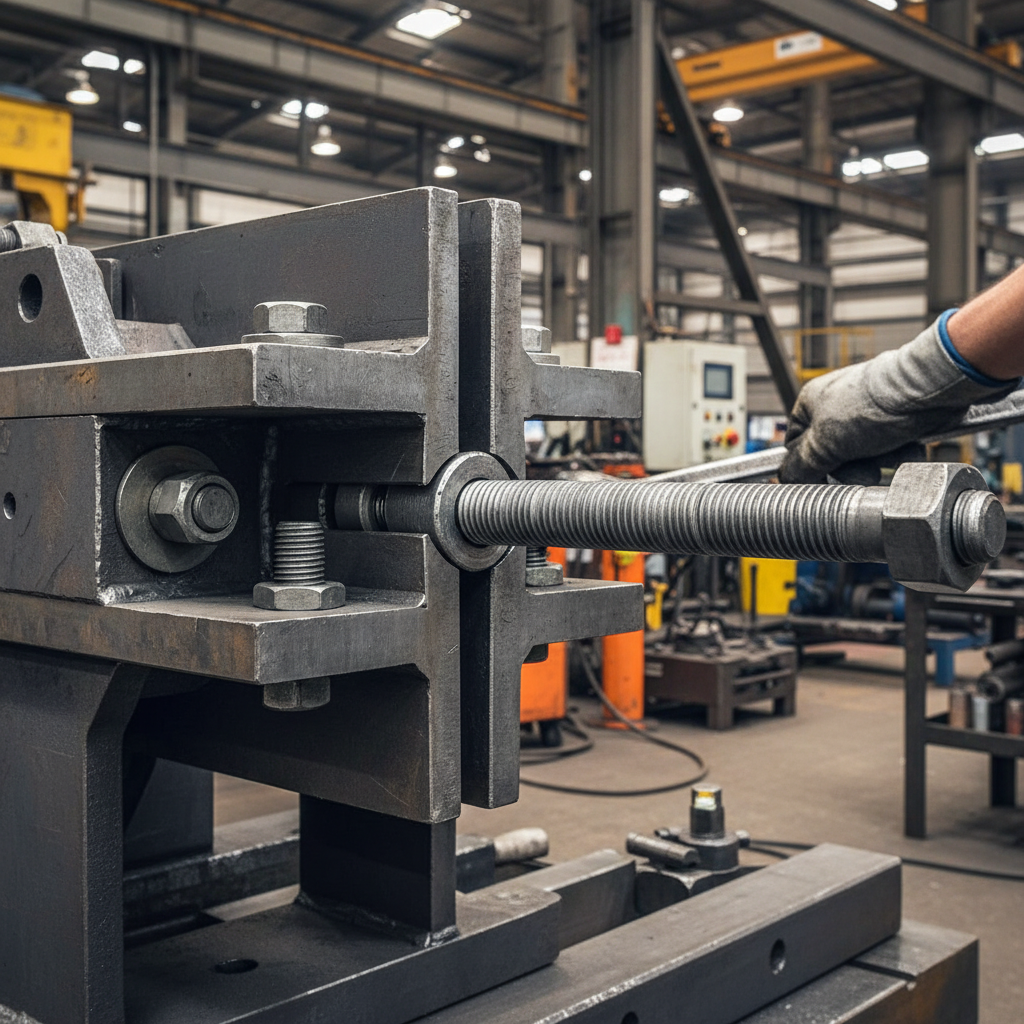
Having spent well over a decade in the industrial equipment sector, I’ve come face to face with a surprisingly wide variety of fasteners, but few components get as consistent a thumbs-up as the 3/8 fine thread rod. Oddly enough, while it might look like just another metal rod at first glance, it packs a serious punch when it comes to strength, precision, and versatility.
Let’s start at square one: what exactly makes the 3/8 fine thread rod a staple in so many applications? Fine threads, by design, have a smaller pitch compared to coarse threads. In real terms, that means more threads per inch, which equates to better grip and a higher tensile strength. You might hear engineers say it’s perfect for situations that demand greater precision and stronger joint retention. I definitely noticed this on one job site when we swapped out some coarse-thread rods for fine-threaded versions, and the difference in hold was night and day.
Material and Manufacturing Insights
Most of these rods you'll find are made from carbon steel or stainless steel, sometimes even alloy steel for heavy-duty uses. The steel grade really matters, not just for strength but also corrosion resistance — especially when working outdoors or in corrosive environments. Frankly, I always recommend stainless steel if you expect weather or moisture challenges. It costs a bit more upfront but pays off in durability.
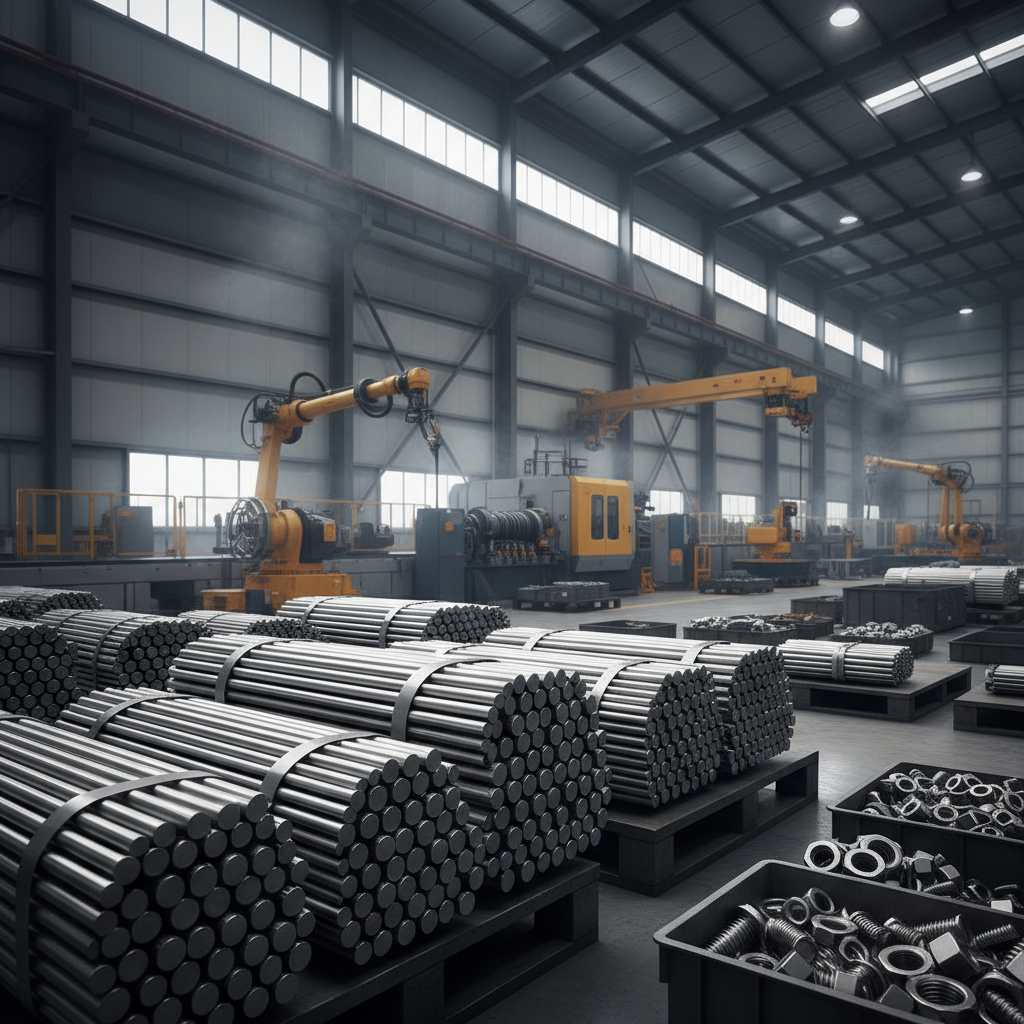
The manufacturing process is typically cold-rolled or hot-rolled, with cold rolling producing a finer surface finish and increased strength. When we ordered rods for a refinery project, we insisted on cold-rolled fine thread rods — the specifications demanded it, but honestly, the end result was super smooth threading that reduced installation time and wear on mating components.
| Parameter | Value |
|---|---|
| Diameter | 3/8 inch (9.525 mm) |
| Thread Pitch | 24 threads per inch (TPI) |
| Material | Carbon Steel, Stainless Steel, Alloy Steel |
| Length Options | 6" to 12’ (custom lengths available) |
| Tensile Strength | Up to 120,000 psi (depending on grade) |
How the Major Vendors Stack Up
When sourcing 3/8 fine thread rods, I’ve worked with several manufacturers — which is odd, right? I tend to stick with the usual suspects but it pays to keep testing new suppliers now and then. Here’s a quick rundown based on my experience with three common vendors:
| Vendor | Quality | Price | Lead Times | Customization Options |
|---|---|---|---|---|
| Vendor A | High (certified materials, consistent) | Moderate | 2 weeks | Standard lengths & grades |
| Vendor B | Medium (inconsistent finishes) | Low (budget-friendly) | 1 week | Limited customization |
| Vendor C | Very High (aerospace grade) | Premium | 3-4 weeks | Extensive (length, grade, coating) |
A Quick Story from the Field
I remember working on a project where we needed to assemble a steel frame that would hold heavy industrial machinery. We initially used coarse thread rods but faced some loosening issues after a few weeks – surprise, surprise. Switching to the 3/8 fine thread rods from a reliable supplier solved the problem thanks to their greater holding power. It felt like a small change but made a big difference in reliability and peace of mind — a real win in my book.
Why Choose Fine Thread Rods?
The benefits are pretty clear: improved tensile strength, better thread engagement, and reduced vibration loosening. It feels like these rods often get overlooked for “fancier” mechanical parts, but honestly, they're foundational. When you need dependable, durable fastening — especially in critical assemblies — fine thread rods are worth the investment.
If you’re in the market, it’s good practice to carefully specify material grade, thread pitch, and length, then test samples before committing. Of course, talking to trusted vendors helps avoid surprises.
One final tip: if you want to explore high-quality 3/8 fine thread rod options, this supplier stands out in both product variety and support. Honestly, it’s saved me time and headaches more than once.
So, bottom line: whether you’re fabricating heavy frames, doing maintenance, or working anywhere fine mechanical work counts, having a solid stock of 3/8 fine thread rod is just smart engineering. Seems simple, but these little rods really hold the whole thing together.
References:
- ASTM International. (2021). Standard Specification for Steel Threaded Rods.
- Fastener Industry of America. (2023). Understanding Thread Pitch and Tensile Strength.
- Jones, P. (2018). Practical Industrial Fastening Techniques. Industrial Press.
Post time: Jan . 07, 2026 04:45


 English
  Albanian
  Arabic
  Armenian
  Azerbaijani
  Belarusian
  Bosnian
  Bulgarian
  Cebuano
  Corsican
  Czech
Czech  Galician
  Georgian
  Greek
Greek  Hausa
Hausa  Hebrew
  Hungarian
  Igbo
Igbo  Indonesian
  Italian
  Kazakh
  Khmer
Khmer  Korean
  Kurdish
  Kyrgyz
  Lao
Lao  Latin
Latin  Latvian
  Lithuanian
  Malay
Malay  Myanmar
  Nepali
  Polish
  Portuguese
  Russian
  Serbian
  Sesotho
  Shona
Shona  Sindhi
  Spanish
  Tagalog
  Tajik
Tajik  Thai
Thai  Turkish
  Turkmen
  Ukrainian
  Uzbek
Uzbek  Vietnamese
  Yoruba
  Zulu
Zulu