
Everything You Need to Know About the 3/4 UNF Threaded Rod
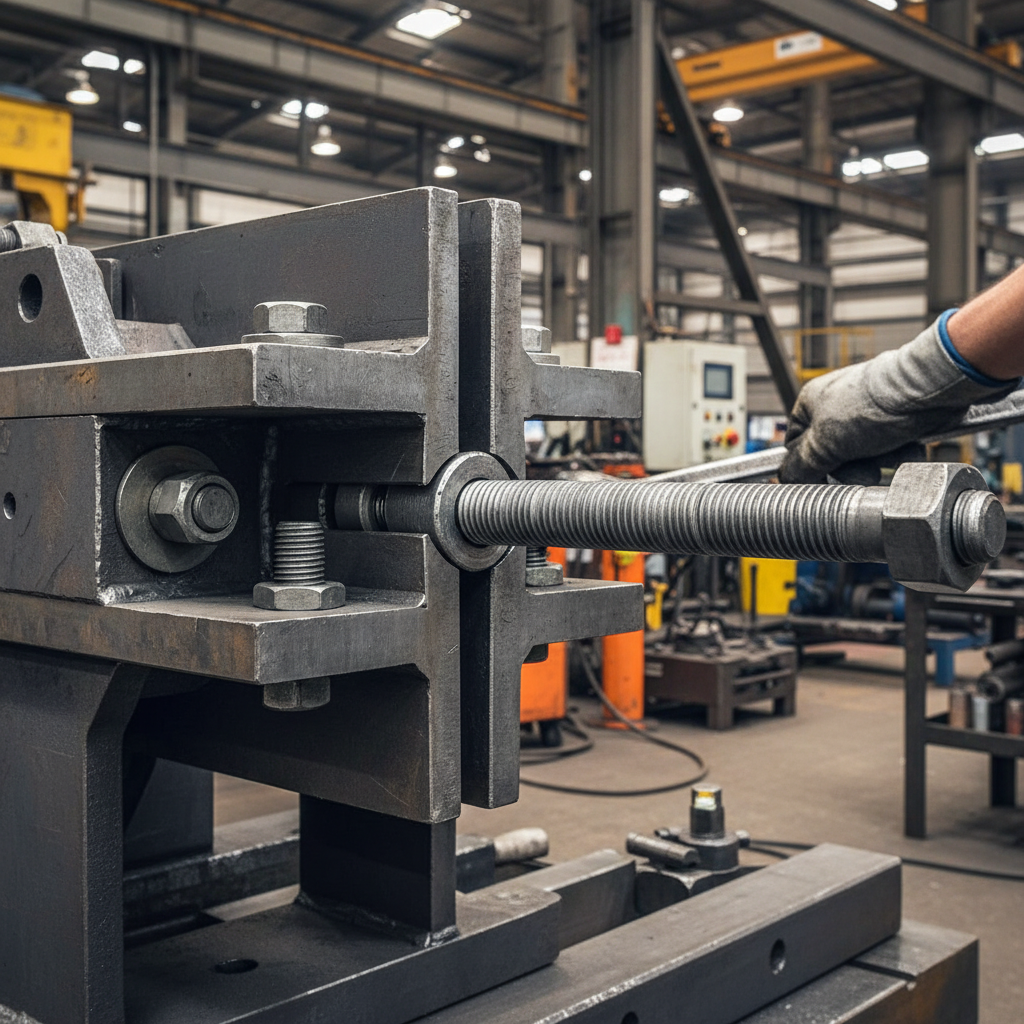
Having spent well over a decade in the industrial equipment sector, I can say the humble 3/4 UNF threaded rod is one of those components that often flies under the radar but undeniably carries a lot of weight — literally and figuratively.
You might think, “It’s just a threaded rod, right?” And sure, on the surface, that’s true. But if you’ve ever tried sourcing these rods for high-tolerance machinery or custom fabrication, you’ll appreciate how the details really matter: thread pitch, material strength, corrosion resistance. Frankly, these tiny factors can make or break a project.
What Makes 3/4 UNF Threaded Rods Special?
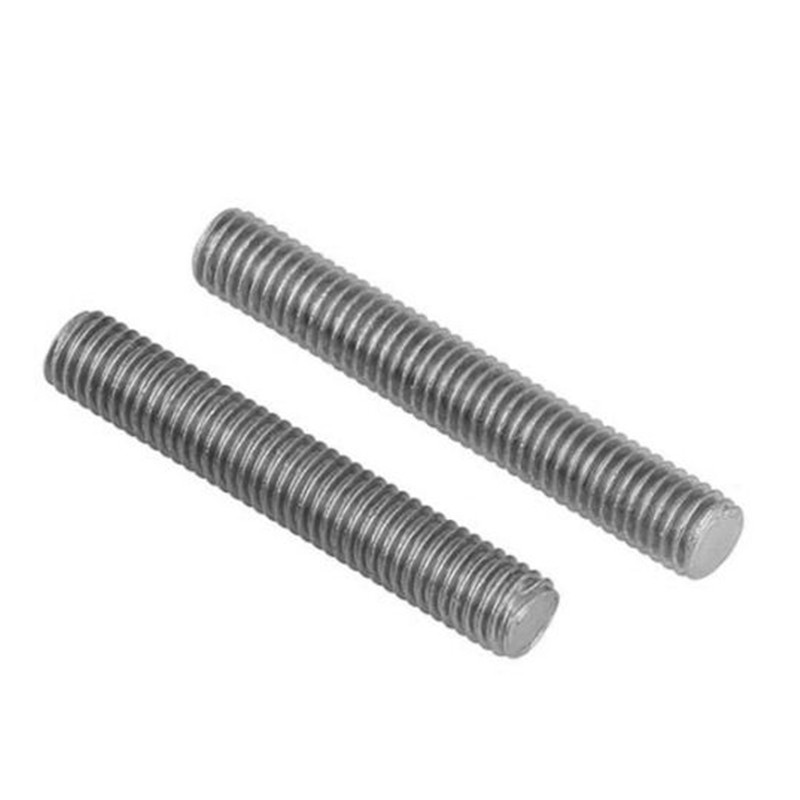
Let’s start with the basics: 3/4 UNF refers to a United National Fine thread pattern with a 3/4 inch diameter. The finer threads of UNF rods provide certain advantages — better tightening control, higher tensile stress distribution, and generally more resistance to vibration loosening compared to coarse threads. This is why many engineers prefer UNF threaded rods in automotive assemblies, aerospace parts, or precision industrial equipment.
Oddly enough, despite the high performance needs, these rods stay pretty cost-effective. A lot of the magic is in the material — typically medium carbon steel, stainless steel, or sometimes alloy steel for heavy-duty applications. Stainless steel rods, for example, offer excellent corrosion resistance, especially in environments exposed to moisture or chemicals.
| Specification | Details |
|---|---|
| Thread Size | 3/4 inch (0.75") |
| Thread Type | UNF (Unified National Fine) |
| Thread Pitch | 16 TPI (threads per inch) |
| Standard Lengths | 1 ft to 12 ft (custom cut available) |
| Materials | Medium Carbon Steel, Stainless Steel (304, 316), Alloy Steel |
| Tensile Strength | Up to 150 ksi (depending on material grade) |
Choosing the Right Vendor: A Quick Comparison
Over the years, I’ve worked with a handful of suppliers for 3/4 UNF rods. Some stand out in quality, others in reliability, and a few in price competitiveness. To help you sort the wheat from the chaff, here’s a quick vendor comparison based on my experience:
| Vendor | Material Options | Custom Lengths | Price Range | Lead Time |
|---|---|---|---|---|
| HBTBLS | Steel, Stainless, Alloy | Yes (custom cuts) | $$ (balanced) | 2-4 business days |
| SteelSource Inc. | Steel, Limited Stainless | No | $ (lowest) | 5-7 days |
| FastThread Co. | Steel, Alloy | Yes | $$$ (premium) | 1-3 days |
From the field perspective, what really earns a vendor brownie points is consistency. I once had a project where slight variations in threaded rod diameter (as tiny as 0.002 inches) threw off our entire assembly. That was a headache I’d happily avoid in the future. Vendors like HBTBLS are known in the industry for their tight tolerances and quick delivery, making them a reliable partner in these high-precision environments.
In Real Terms: Why Does Thread Pitch Matter?
Many newcomers ask me, “Why not just choose coarse threads? Aren’t they stronger?” It’s a reasonable question. Coarse threads are indeed easier to work with and more resistant to stripping in soft materials. But when dealing with metal-to-metal fastening that needs durability against vibration and fatigue — like engines, pumps, or structural frames — UNF’s finer threads distribute tension more evenly.
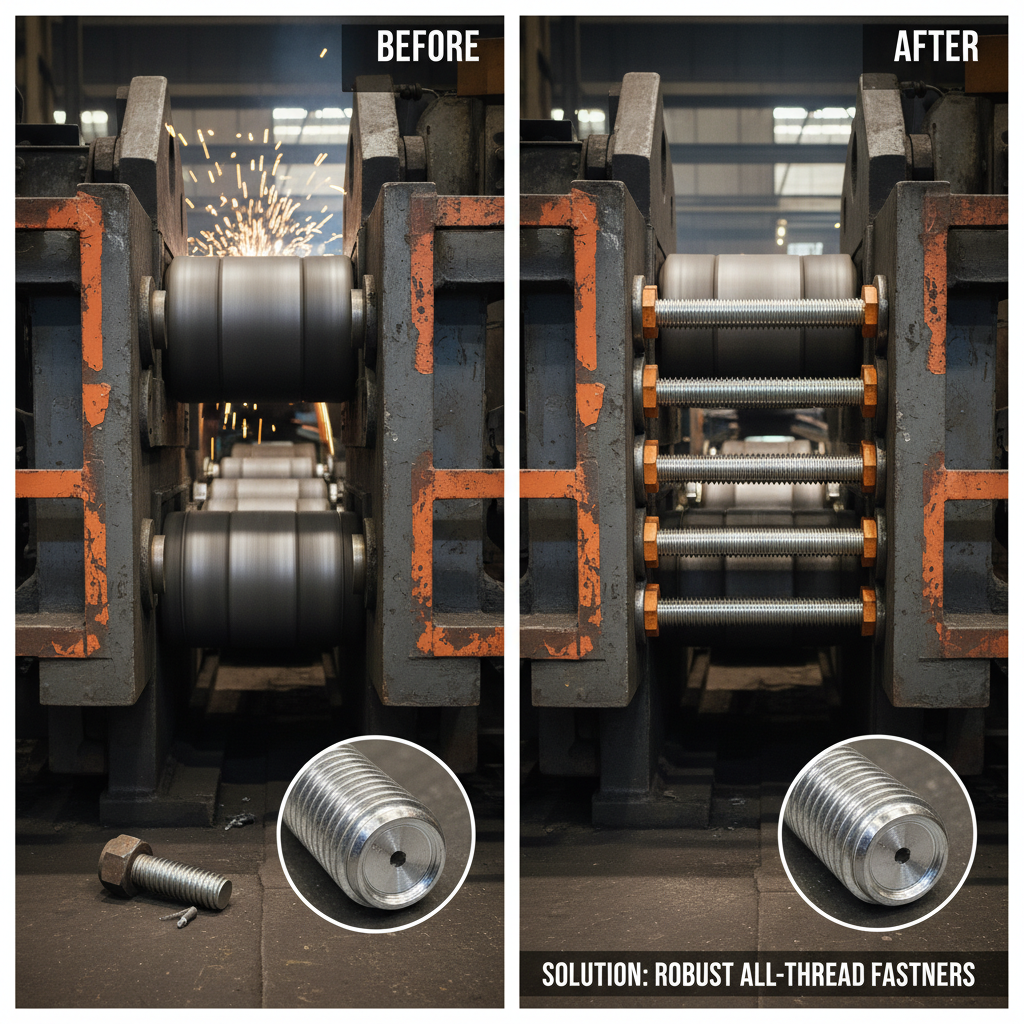
For example, a customer I worked with building specialized heavy-duty conveyor systems switched from coarse-threaded rods to 3/4 UNF rods after repeated bolt loosening caused downtime. The change, along with using the right grade stainless steel, cut maintenance visits by nearly 40%. Pretty solid proof that sometimes the small specs make a big difference.
So, whether you’re replacing components in existing equipment or developing your own, investing some time in selecting the right 3/4 UNF threaded rod pays off more than you'd expect.
At the end of the day, it’s the blend of material science, manufacturing precision, and supplier reliability that keeps the machinery running smoothly — and the 3/4 UNF threaded rod plays no small part in it.
References:
1. Machinery’s Handbook, 30th Edition – Thread standards overview.
2. ASTM A193/A193M – Specification for alloy steel and stainless steel bolts.
3. Personal field notes and client consultations (2012–2023).
Post time: Jan . 04, 2026 04:35


 English
  Albanian
  Arabic
  Armenian
  Azerbaijani
  Belarusian
  Bosnian
  Bulgarian
  Cebuano
  Corsican
  Czech
Czech  Galician
  Georgian
  Greek
Greek  Hausa
Hausa  Hebrew
  Hungarian
  Igbo
Igbo  Indonesian
  Italian
  Kazakh
  Khmer
Khmer  Korean
  Kurdish
  Kyrgyz
  Lao
Lao  Latin
Latin  Latvian
  Lithuanian
  Malay
Malay  Myanmar
  Nepali
  Polish
  Portuguese
  Russian
  Serbian
  Sesotho
  Shona
Shona  Sindhi
  Spanish
  Tagalog
  Tajik
Tajik  Thai
Thai  Turkish
  Turkmen
  Ukrainian
  Uzbek
Uzbek  Vietnamese
  Yoruba
  Zulu
Zulu