

Understanding the 3 4 Threaded Stud: A Small Component with Big Impact
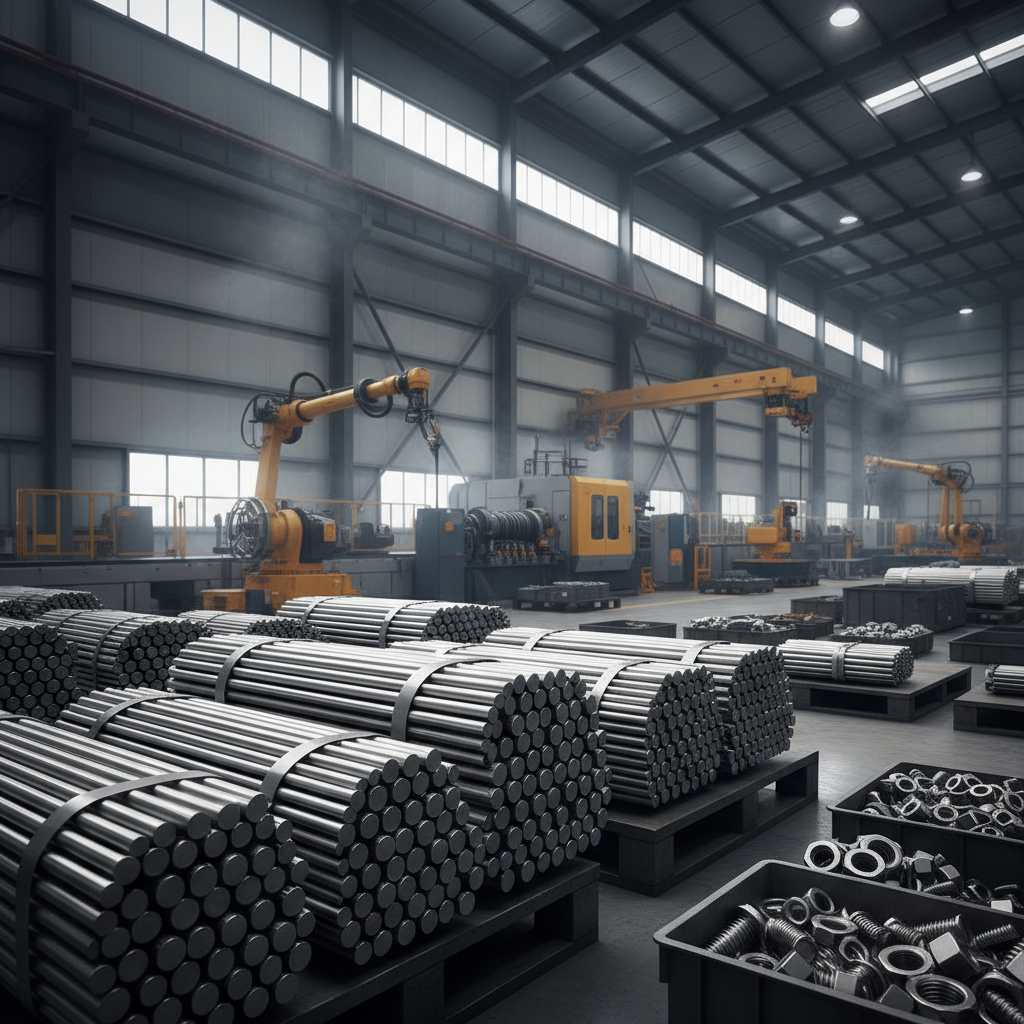
Having spent a good chunk of my career in the industrial equipment sector, I can tell you that sometimes the smallest parts make the biggest difference. Take the 3 4 threaded stud for example. It sounds pretty straightforward, but in real terms, this component plays a pivotal role in everything from manufacturing lines to heavy machinery assembly.
Oddly enough, despite being less glamorous than other hardware, the 3/4 threaded stud demands a good deal of attention when it comes to materials, thread precision, and durability. I’ve noticed many engineers swear by studs crafted from alloy steel with zinc plating to withstand corrosion—especially in harsh industrial environments. It’s always about balancing strength with longevity.
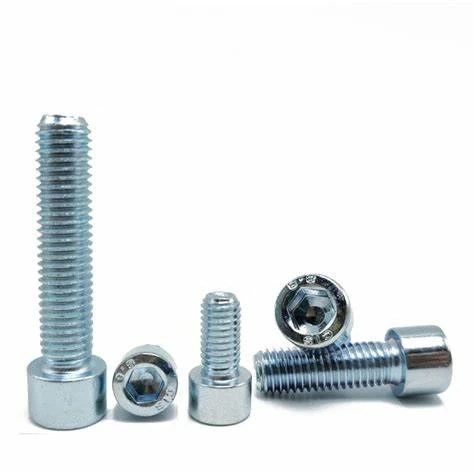
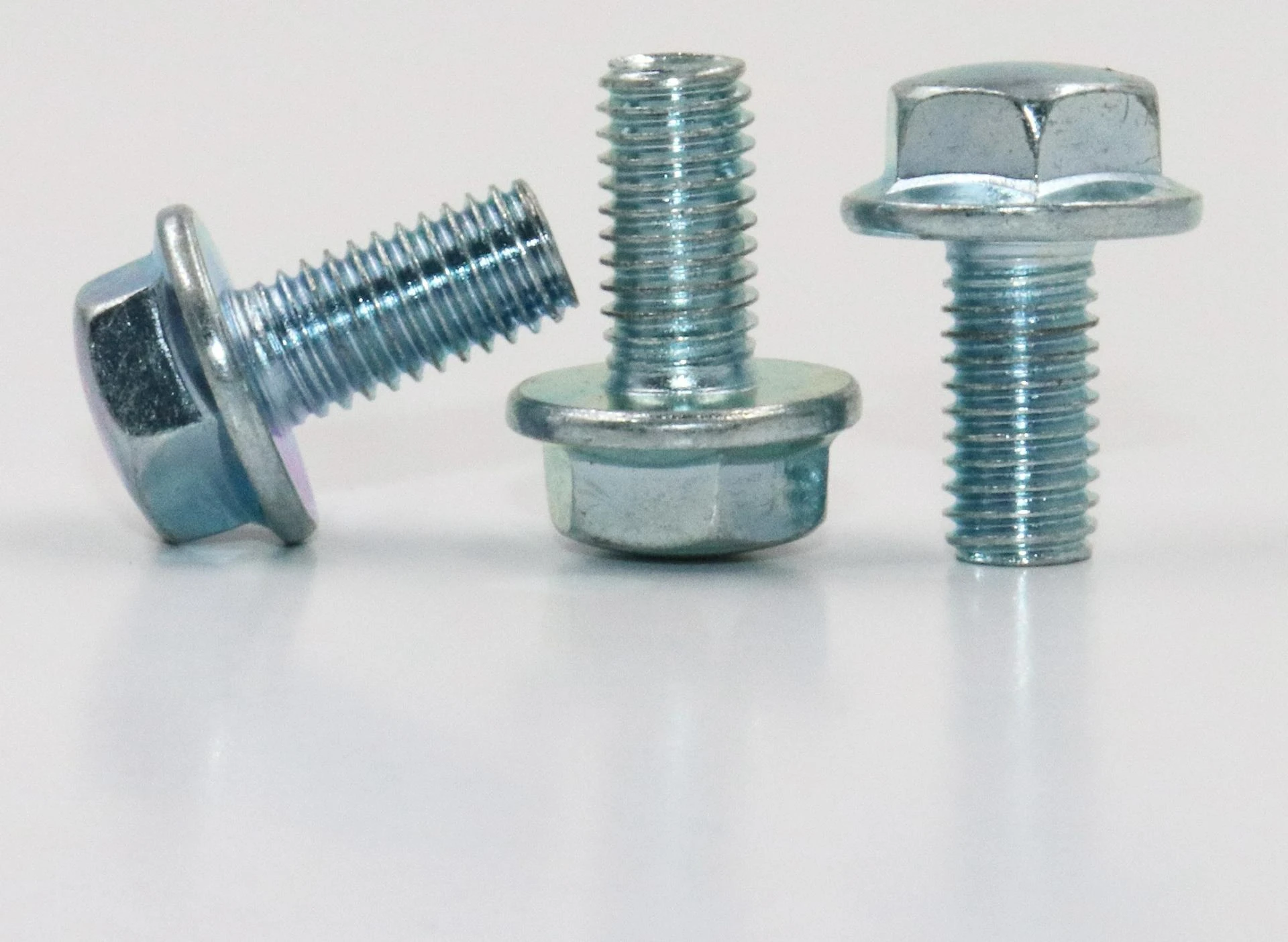
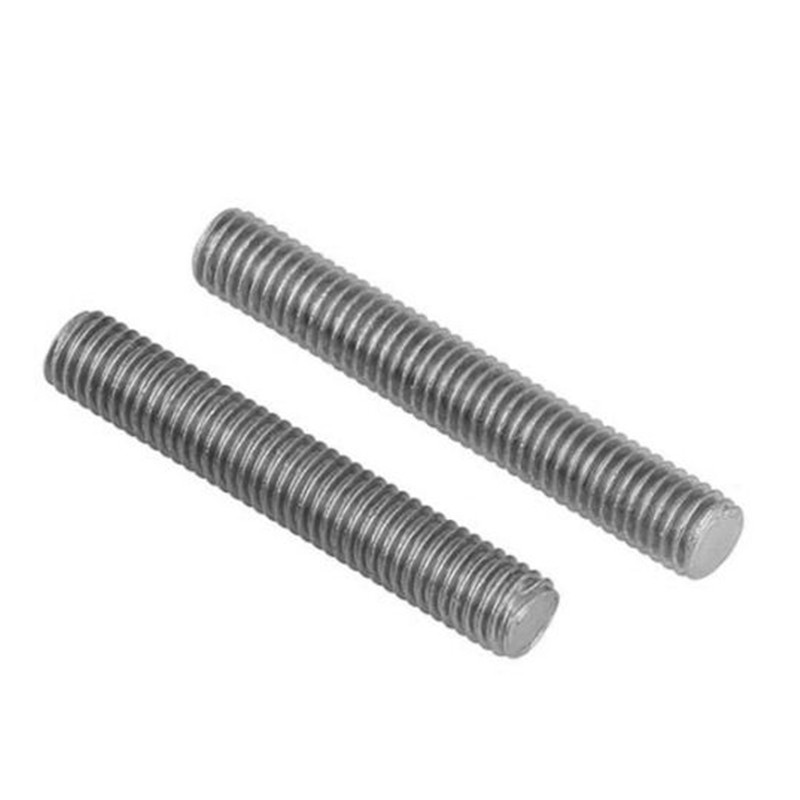
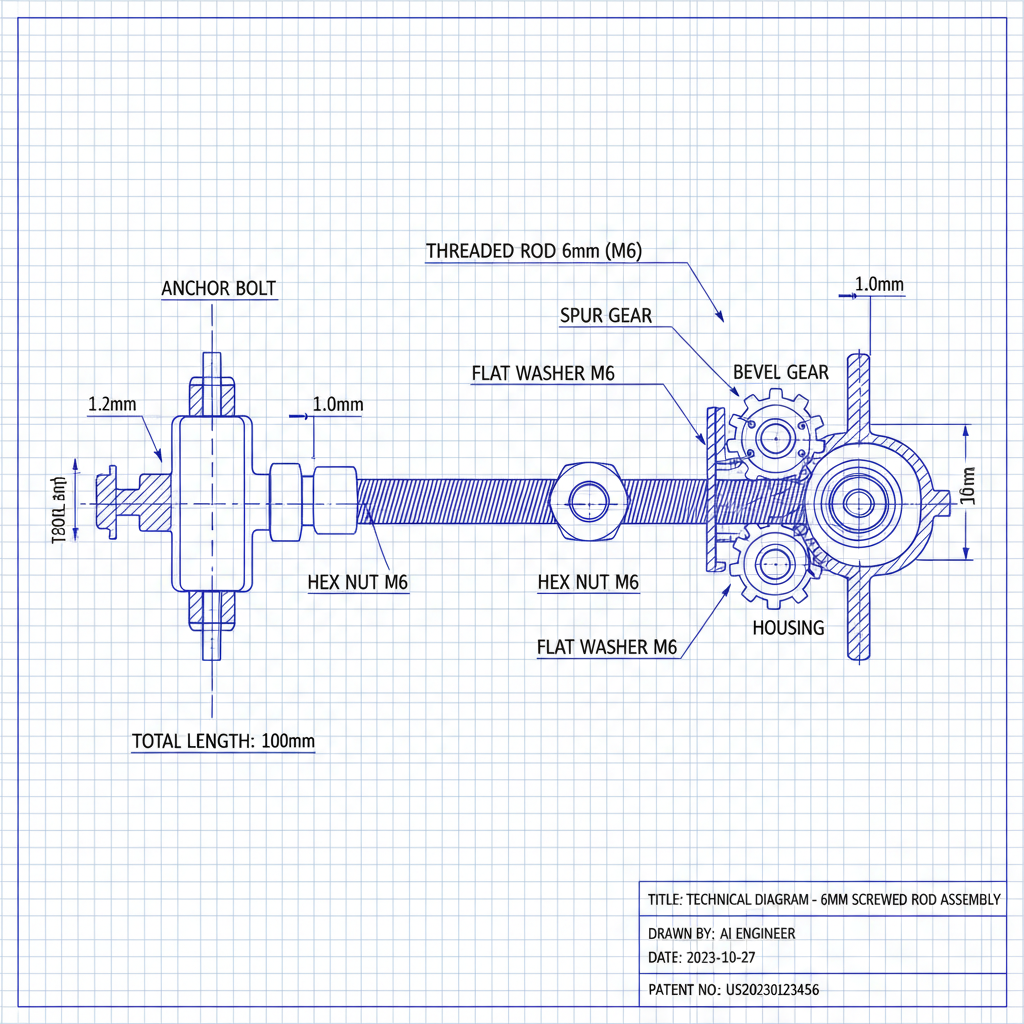
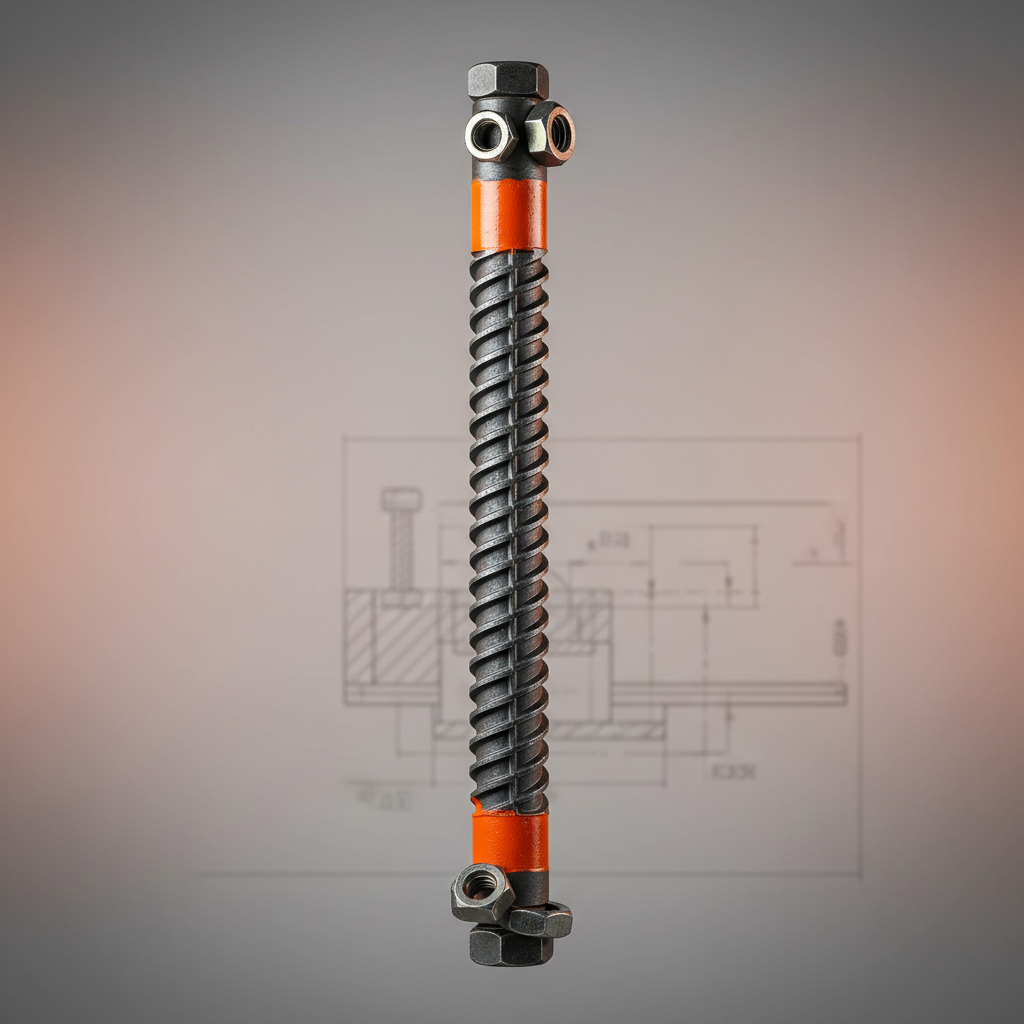
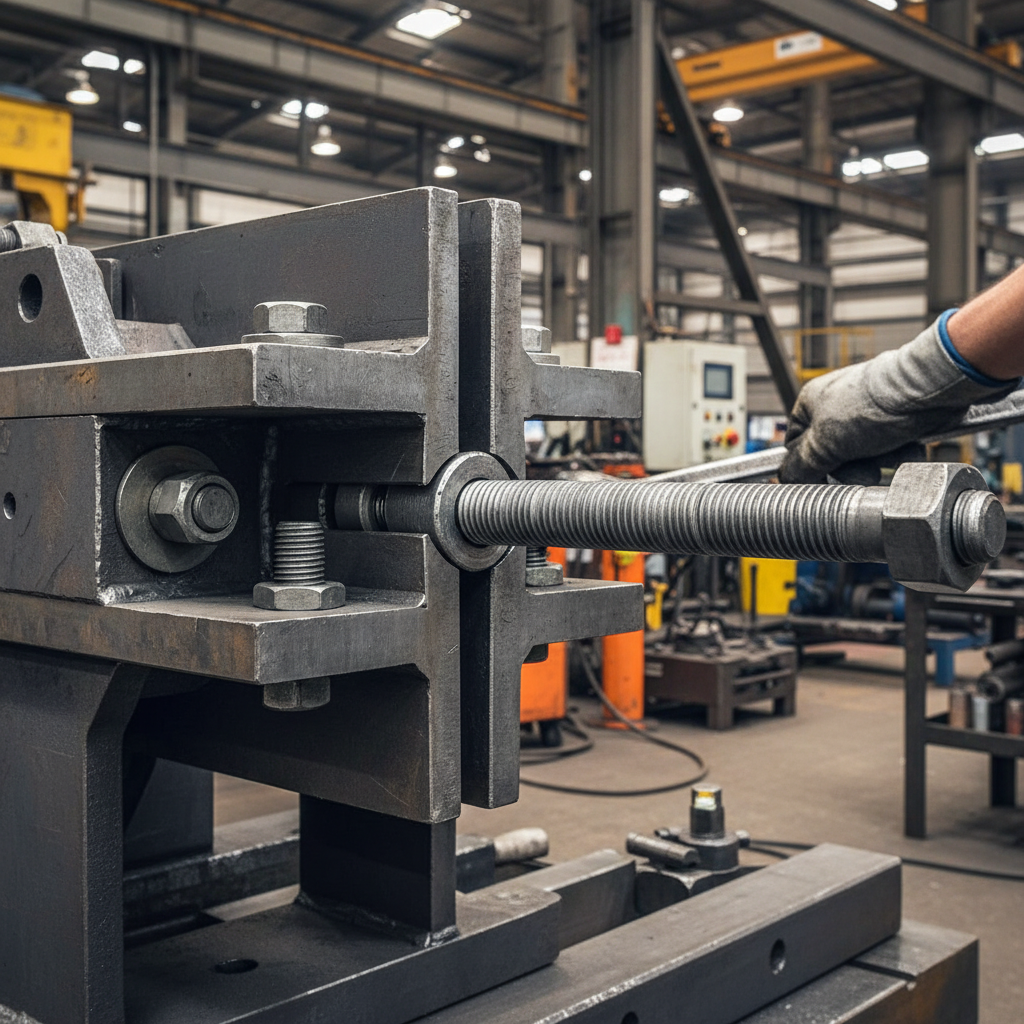
If you’re not so familiar, a threaded stud is basically a rod threaded on both ends (or sometimes along the whole length) that lets you fasten equipment parts securely. The size “3 4” here refers to the diameter and thread pitch — an approximately ¾ inch diameter, with specific thread geometry suited for heavy loads.
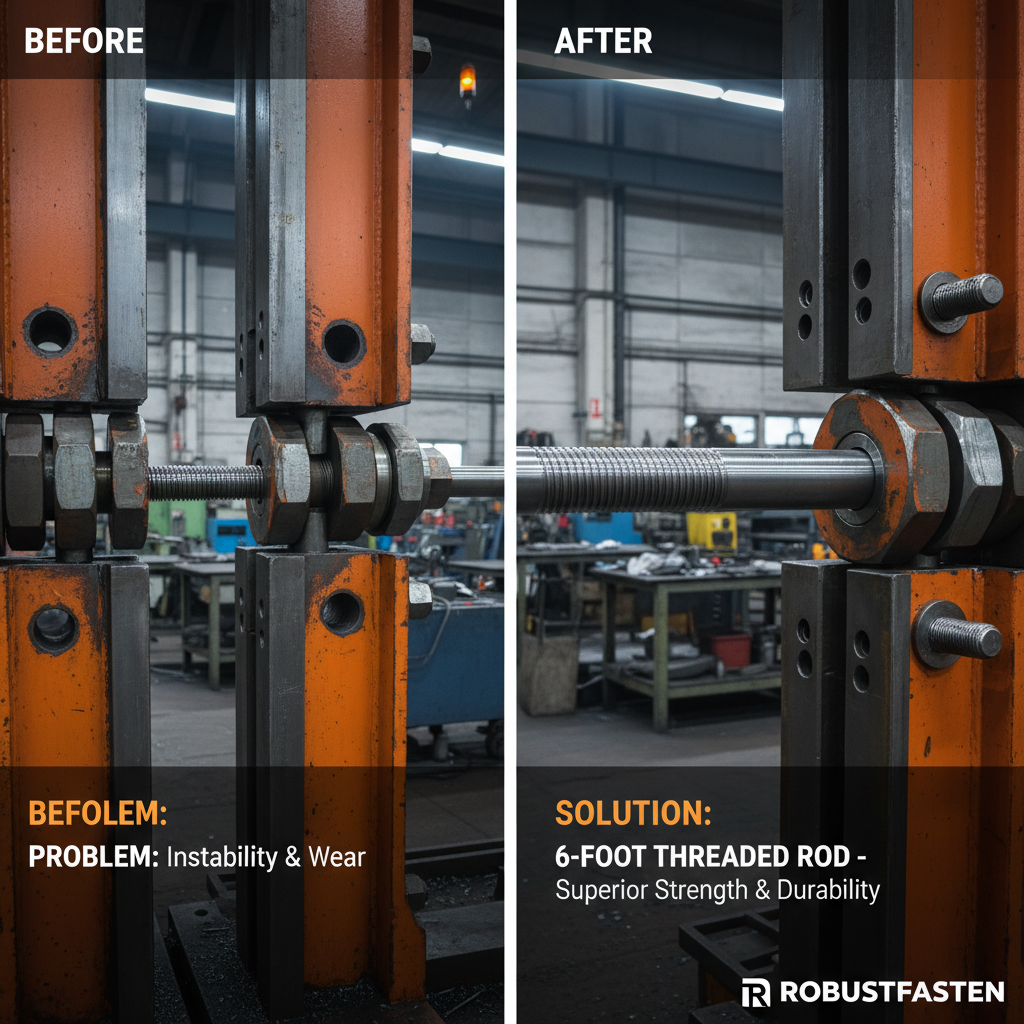
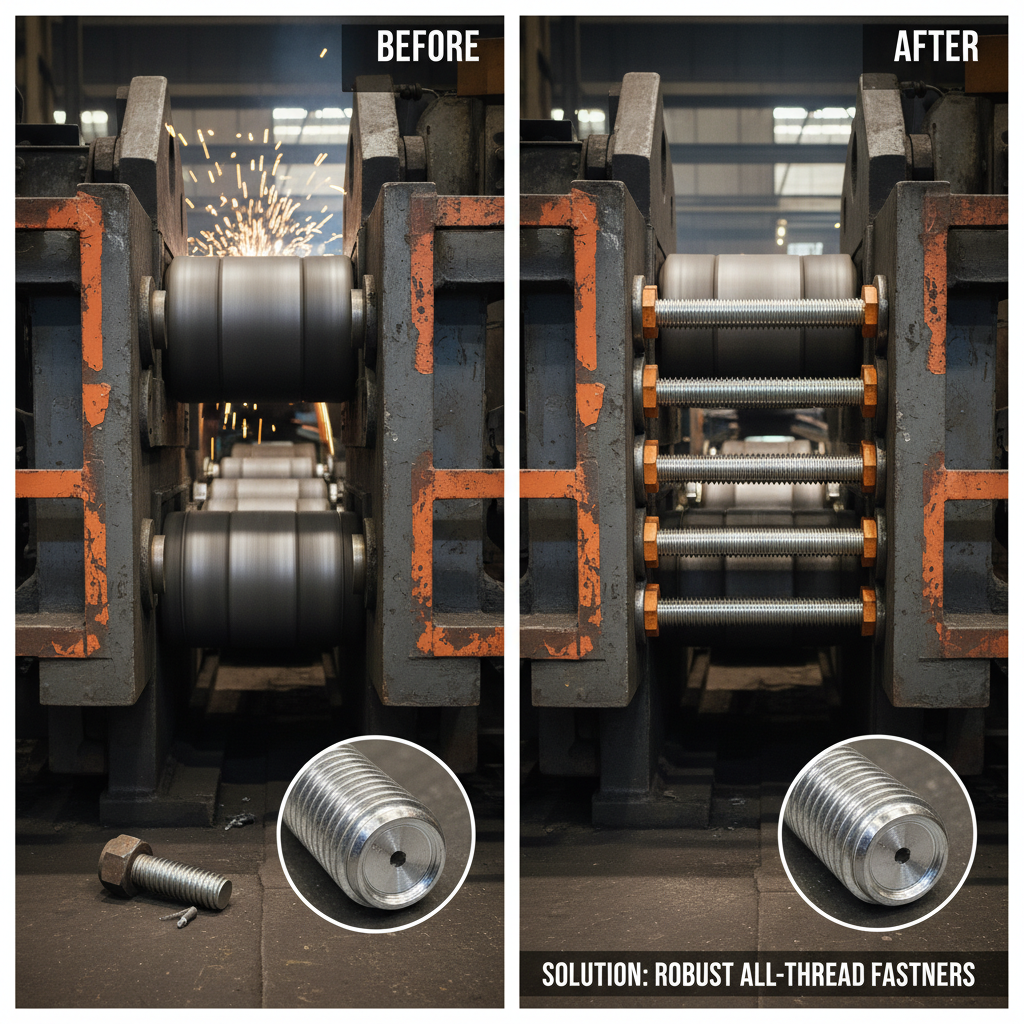
In fact, I recall a project where switching from cheaper, generic studs to specialized 3 4 threaded studs significantly reduced equipment downtime. That's because they held up better under vibration and thermal cycling — common challenges no one likes dealing with on factory floors.
| Specification | Details |
|---|---|
| Diameter | 0.75 inches (3/4") |
| Thread Pitch | 10 to 16 TPI (Threads per Inch), varies by standard |
| Material | Alloy Steel, Stainless Steel, Carbon Steel |
| Finish | Zinc Plated, Black Oxide, Hot-Dip Galvanized |
| Length | Varies from 1" to 12" or custom |
| Strength Grade | Grade 8, Grade 5, or as required |
Now, to get the best bang for your buck, vendor choice can be just as important as the specs. Not all threaded studs are created equal, even if they look similar on paper. Here's a quick rundown comparing three common suppliers I’ve worked with over the years:
| Vendor | Material Quality | Thread Precision | Customization Options | Lead Time | Price Range |
|---|---|---|---|---|---|
| Alpha Fasteners | High-grade alloy steel | ±0.01 mm tolerance | Standard lengths only | 2-3 weeks | $$$ |
| Beta Components | Carbon steel, zinc plated | ±0.05 mm tolerance | Custom sizes on request | 1-2 weeks | $$ |
| Gamma Industrial | Stainless steel, premium grade | ±0.02 mm tolerance | Extensive customization | 3-4 weeks | $$$$ |
Frankly, choosing between them mostly depends on your priorities — if you want quick turnaround and decent quality, Beta Components usually fits the bill nicely. But for critical, high-stress applications, Gamma’s higher-grade stainless steel and tighter thread tolerances sometimes justify the extra cost and wait.
You know, I've often thought that threaded studs get taken for granted. But, having been on-site during a major facility upgrade, it was clear that specifying the right stud wasn’t just a detail—it was the difference between seamless operation and hours of frustrating downtime. I still chuckle thinking about that one crew chief who called the 3 4 threaded stud “the unsung hero” of the whole rebuild.
So next time you’re specifying fasteners, whether it’s the 3 4 threaded stud or any other, spend a bit of time on the specs and vendor quality. It’s this kind of attention that separates good projects from great ones.
Bottom line? Never underestimate the small stuff — sometimes it holds the whole machine together.
References:
- Fastening Technology Trends, Industrial Hardware Journal, 2022
- Threaded Fastener Standards, ASTM International
- Case Study: Facility Downtime Reduction via Hardware Upgrades, Industrial Solutions Inc.
Post time: Jan . 04, 2026 01:45




 English
  Albanian
  Arabic
  Armenian
  Azerbaijani
  Belarusian
  Bosnian
  Bulgarian
  Cebuano
  Corsican
  Czech
Czech  Galician
  Georgian
  Greek
Greek  Hausa
Hausa  Hebrew
  Hungarian
  Igbo
Igbo  Indonesian
  Italian
  Kazakh
  Khmer
Khmer  Korean
  Kurdish
  Kyrgyz
  Lao
Lao  Latin
Latin  Latvian
  Lithuanian
  Malay
Malay  Myanmar
  Nepali
  Polish
  Portuguese
  Russian
  Serbian
  Sesotho
  Shona
Shona  Sindhi
  Spanish
  Tagalog
  Tajik
Tajik  Thai
Thai  Turkish
  Turkmen
  Ukrainian
  Uzbek
Uzbek  Vietnamese
  Yoruba
  Zulu
Zulu