
Understanding 5 mm Threaded Rod: A Comprehensive Guide
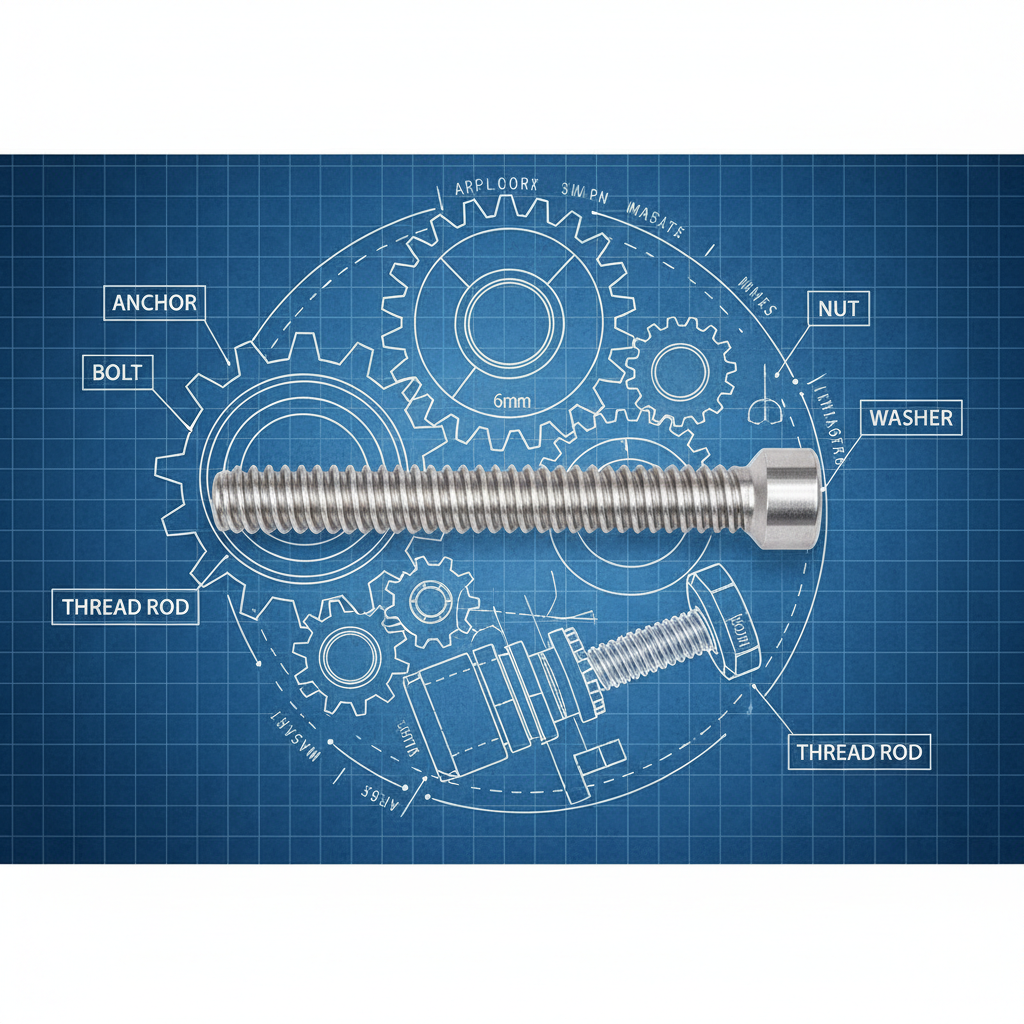
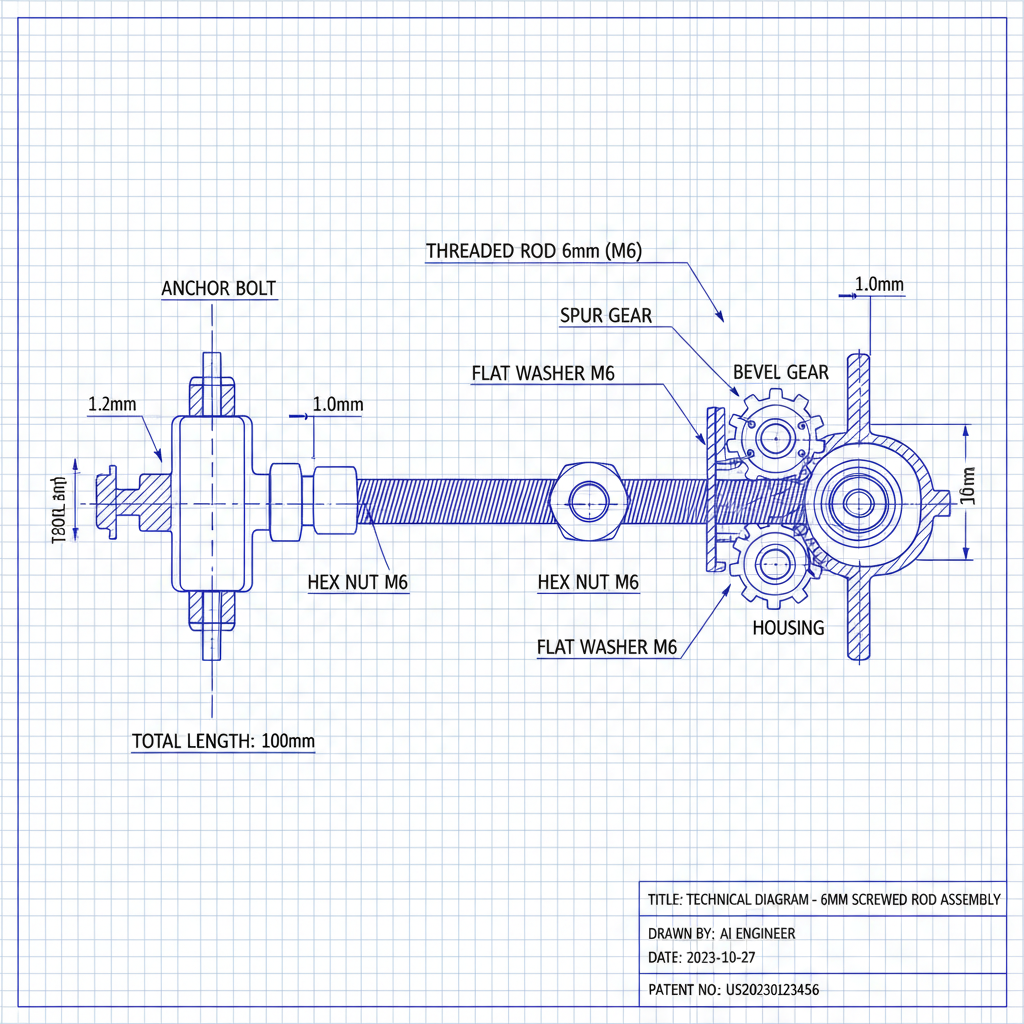
5 mm threaded rod, also known as studding or threaded bar, is a versatile fastening solution used across numerous industries. Its applications range from simple DIY projects to complex industrial assemblies. This article delves into the characteristics, uses, standards, and sourcing of 5 mm threaded rod, helping you understand its importance and find the right solution for your needs. Understanding its properties is key to ensuring structural integrity and project success. HBTBLS provides high-quality 5 mm threaded rod and related fasteners for a wide range of applications.
What is 5 mm Threaded Rod?
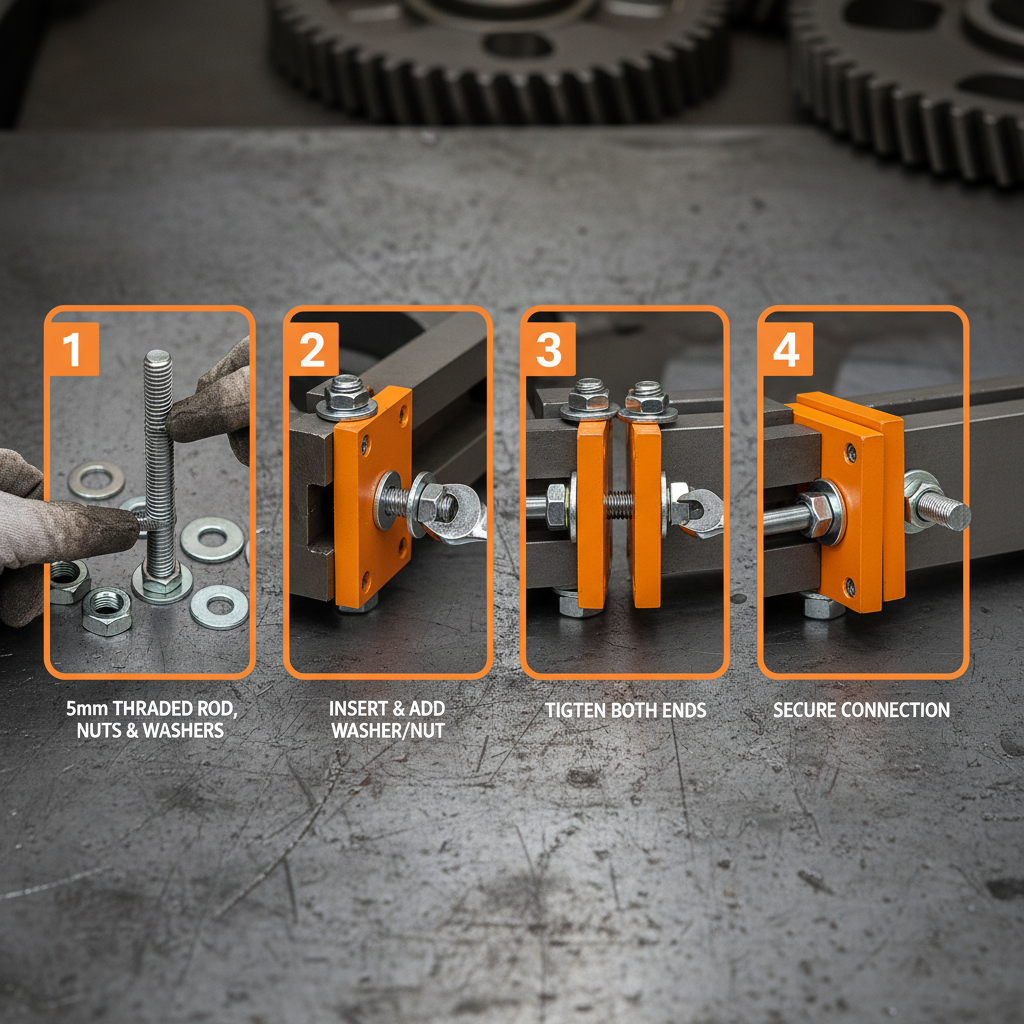
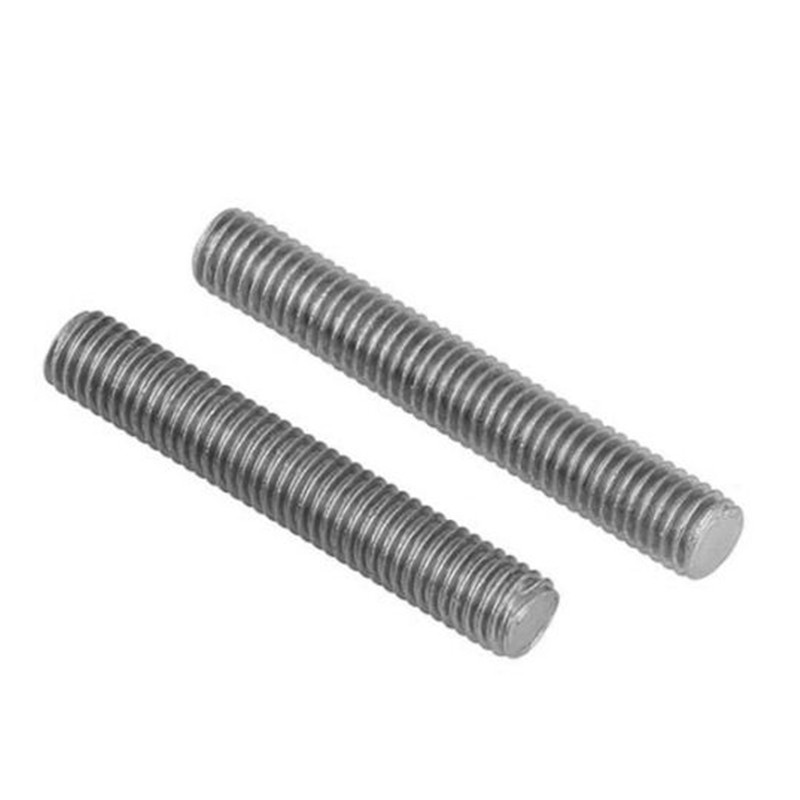
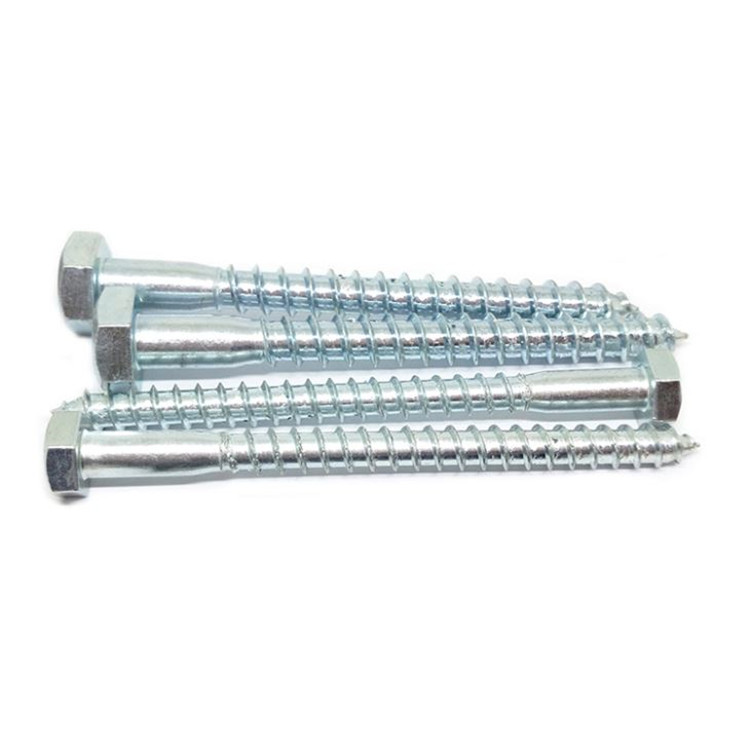
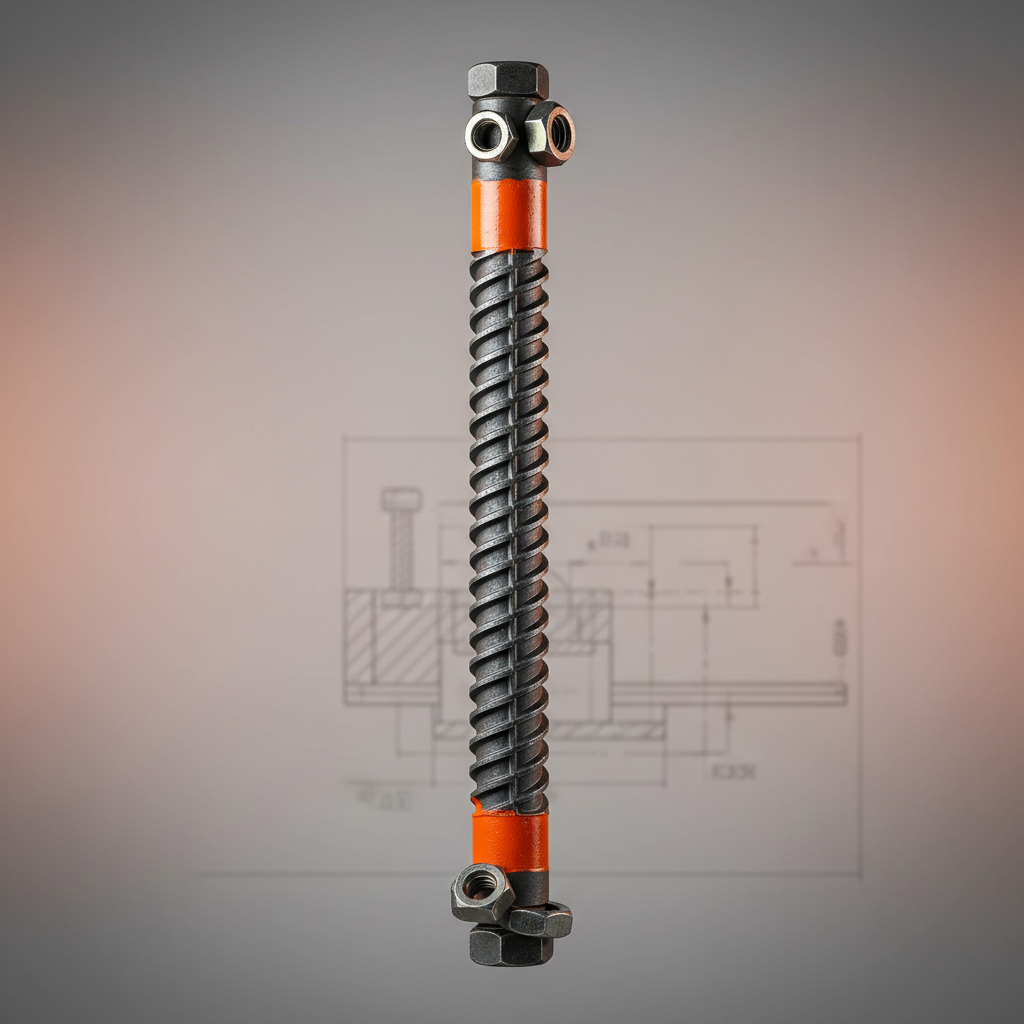
5 mm threaded rod is a cylindrical metal rod with external threads running along its entire length. These threads allow it to be joined to compatible nuts and other threaded components, creating strong and reliable connections. It's commonly manufactured from carbon steel, stainless steel (like 304 or 316), and alloy steel, with the material choice impacting corrosion resistance and strength. The '5 mm' refers to the nominal diameter of the rod, which determines the size of the threads. It's often used in situations requiring tension or compression, providing a secure and adjustable fastening method. Choosing the correct material grade is critical to ensure it meets the demands of the application.
Key Highlights: 5 mm threaded rod offers a simple, strong, and adjustable fastening solution across diverse industries. Material selection is crucial for optimal performance and longevity.
Common Applications of 5 mm Threaded Rod
The versatility of 5 mm threaded rod makes it suitable for a broad spectrum of applications. In construction, it's used for anchoring, bracing, and supporting structures. In manufacturing, it plays a vital role in assembling machinery and equipment. DIY enthusiasts utilize it for home repairs, shelving, and custom projects. Specific uses include: tensioning systems, adjustable feet for leveling equipment, connecting flanges, and creating DIY railing systems. The affordability and ease of use contribute to its widespread adoption. Its ability to handle both tensile and compressive forces makes it ideal for critical applications.
Key Application Areas:
• Construction – Anchoring and bracing
• Manufacturing – Machinery assembly
• DIY Projects – Shelving, repairs, custom builds
• Industrial Maintenance – Equipment leveling and support
5 mm Threaded Rod: Material Grades and Their Properties
The material of the 5 mm threaded rod significantly influences its performance characteristics. Here’s a comparison of common materials:
Standards and Specifications for 5 mm Threaded Rod
5 mm threaded rod is often manufactured to meet international standards such as ISO, DIN, and ASTM. These standards define the dimensions, mechanical properties, and material composition. Common standards include: DIN 976 (for fully threaded rod), ISO 8839, and ASTM A36 (for carbon steel). Adhering to these standards ensures consistency and compatibility. When sourcing 5 mm threaded rod, always verify the material grade and the applicable standard to guarantee it meets the specific requirements of your application. HBTBLS ensures all its threaded rod products meet or exceed industry standards.
Sourcing 5 mm Threaded Rod: Considerations and Best Practices
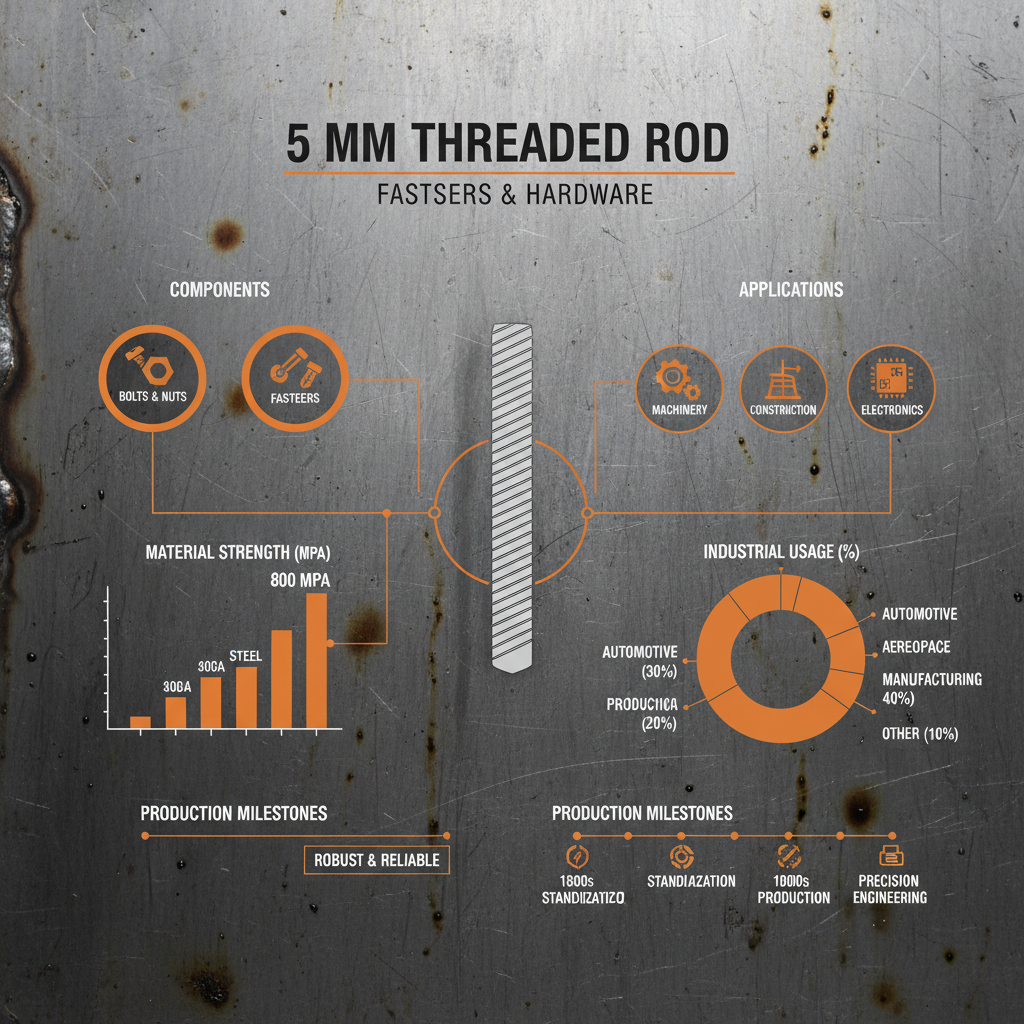
When purchasing 5 mm threaded rod, consider the following: material grade (based on application and environment), thread pitch (coarse or fine), length requirements, and quantity needed. It's also important to choose a reputable supplier that can provide consistent quality and timely delivery. Look for suppliers who offer certifications of compliance with relevant standards. Furthermore, consider any necessary coatings or treatments to enhance corrosion resistance or performance. HBTBLS offers a wide selection of 5 mm threaded rod, along with expert advice to help you select the right product for your needs.
Conclusion: Choosing the Right 5 mm Threaded Rod
Selecting the correct 5 mm threaded rod is crucial for ensuring the success and safety of your project. By understanding the different materials, standards, and applications, you can make an informed decision. HBTBLS is your trusted partner for high-quality 5 mm threaded rod and comprehensive fastening solutions.
Frequently Asked Questions (FAQs)
What is the difference between coarse and fine threads on 5 mm threaded rod?
Coarse threads have fewer threads per inch, offering faster assembly and disassembly, and are generally stronger in shear. Fine threads have more threads per inch, providing greater precision and resistance to loosening from vibration. The choice depends on the application. Coarse threads are preferable for applications where speed of assembly is important and vibration is minimal. Fine threads are better suited for applications where precise adjustments are needed and where there is significant vibration.
How do I determine the correct length of 5 mm threaded rod needed for my project?
Measure the total distance where the rod will be used, including any overlapping sections and allowance for nuts and washers. It's always best to add a small amount of extra length (e.g., 5-10mm) to allow for adjustments and ease of installation. Consider the thickness of any materials being clamped together when calculating the required length. Accurate measurement is key to ensuring a secure and properly functioning assembly.
Can 5 mm threaded rod be cut to size?
Yes, 5 mm threaded rod can be cut to size using a variety of tools, including a hacksaw, angle grinder with a cutting disc, or a metal cutting bandsaw. After cutting, it's essential to deburr the ends to prevent injury and ensure smooth installation. A die can be used to re-cut the threads if they are damaged during the cutting process.
What safety precautions should I take when working with 5 mm threaded rod?
Always wear safety glasses to protect your eyes from metal shavings during cutting or threading. Use gloves to prevent cuts and abrasions. When using power tools, follow all manufacturer's safety instructions. Be mindful of sharp ends and edges. Ensure the work area is well-ventilated and free of obstructions.
Post time: Mar . 06, 2026 04:35


 English
  Albanian
  Arabic
  Armenian
  Azerbaijani
  Belarusian
  Bosnian
  Bulgarian
  Cebuano
  Corsican
  Czech
Czech  Galician
  Georgian
  Greek
Greek  Hausa
Hausa  Hebrew
  Hungarian
  Igbo
Igbo  Indonesian
  Italian
  Kazakh
  Khmer
Khmer  Korean
  Kurdish
  Kyrgyz
  Lao
Lao  Latin
Latin  Latvian
  Lithuanian
  Malay
Malay  Myanmar
  Nepali
  Polish
  Portuguese
  Russian
  Serbian
  Sesotho
  Shona
Shona  Sindhi
  Spanish
  Tagalog
  Tajik
Tajik  Thai
Thai  Turkish
  Turkmen
  Ukrainian
  Uzbek
Uzbek  Vietnamese
  Yoruba
  Zulu
Zulu