
Understanding 5 Threaded Rod: A Comprehensive Guide
5 threaded rod is a versatile fastening solution widely used across various industries, from construction and manufacturing to DIY projects. This guide provides an in-depth look at its applications, benefits, specifications, and how to choose the right rod for your specific needs. Understanding the nuances of 5 threaded rod can ensure the structural integrity and longevity of your projects. It's crucial to select the appropriate material, length, and thread type to achieve optimal performance.
What is 5 Threaded Rod?
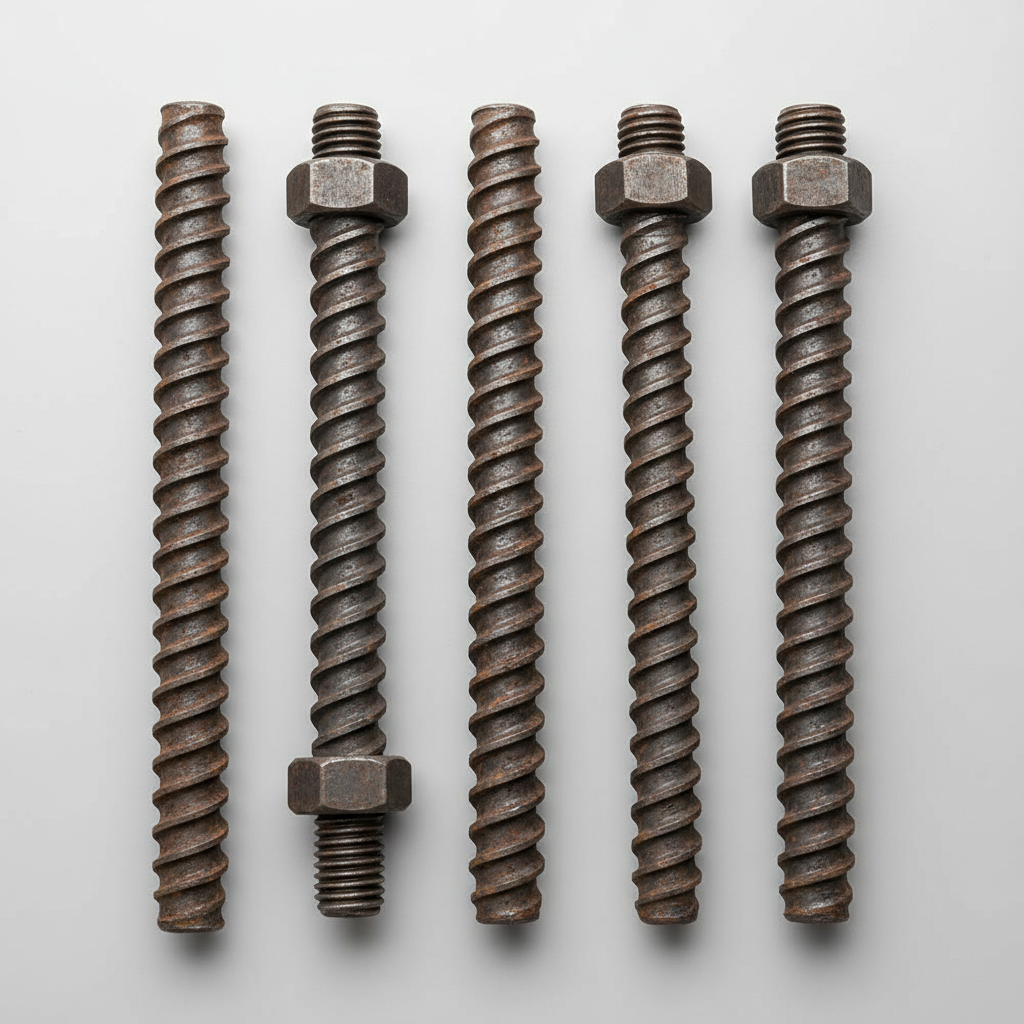
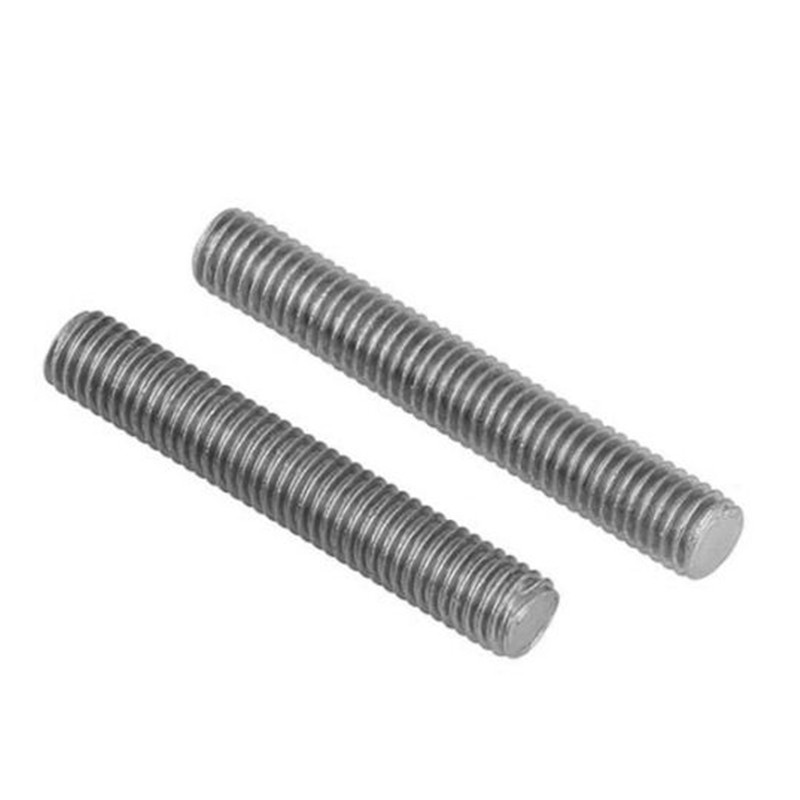
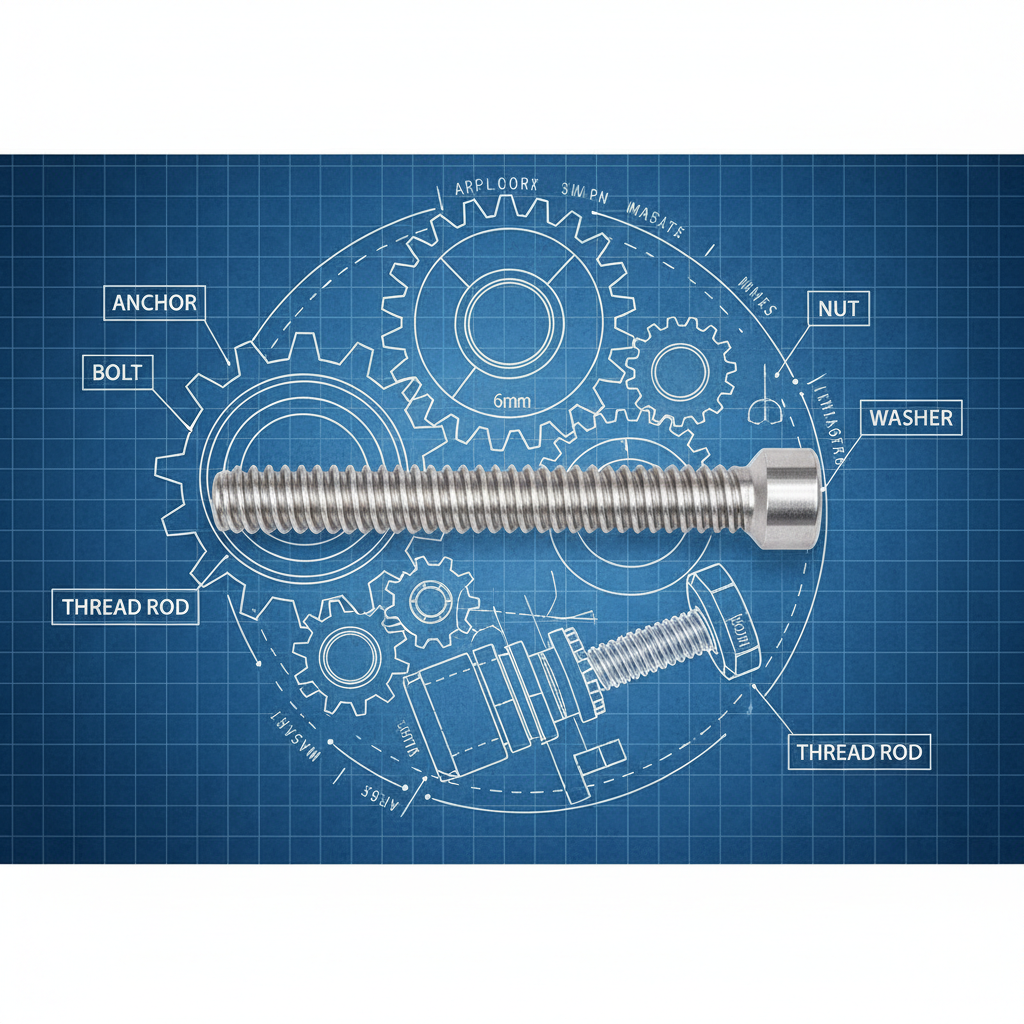
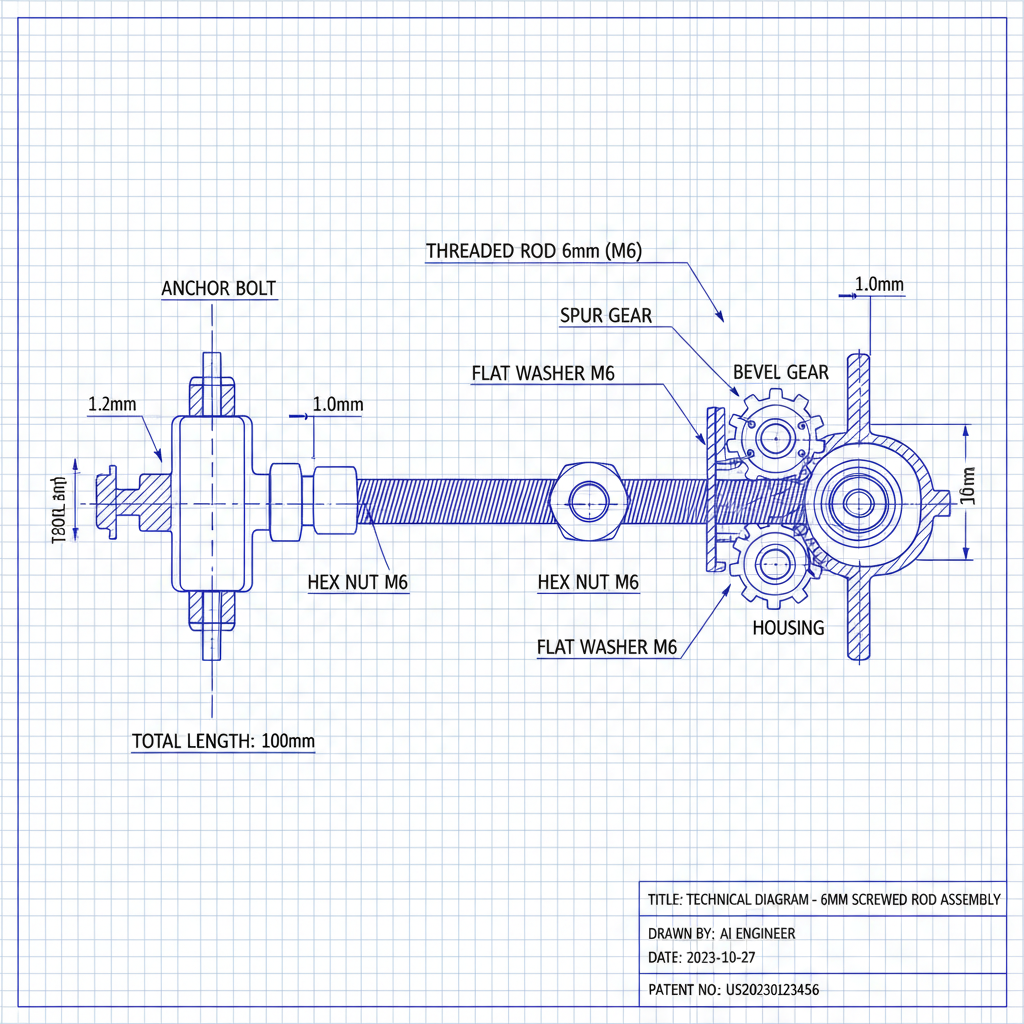
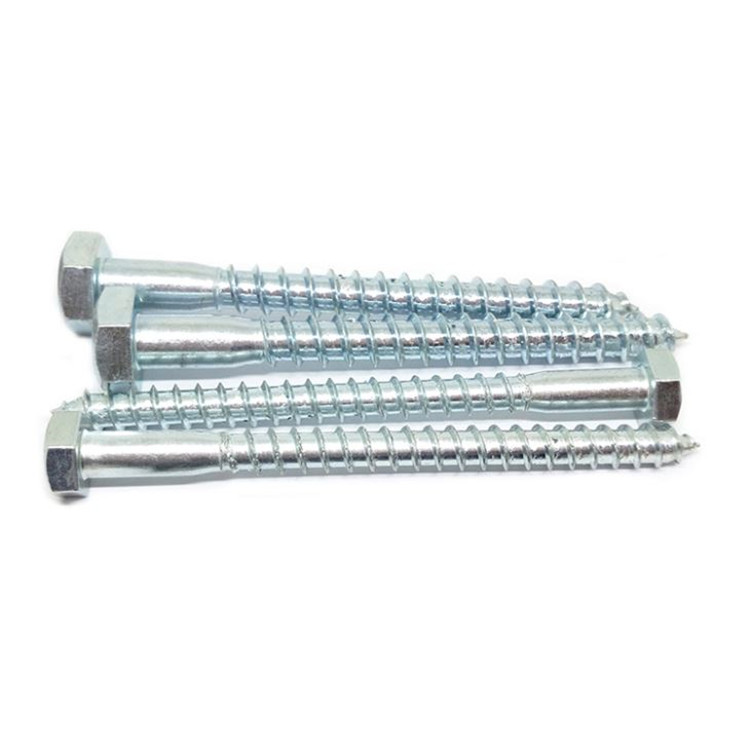
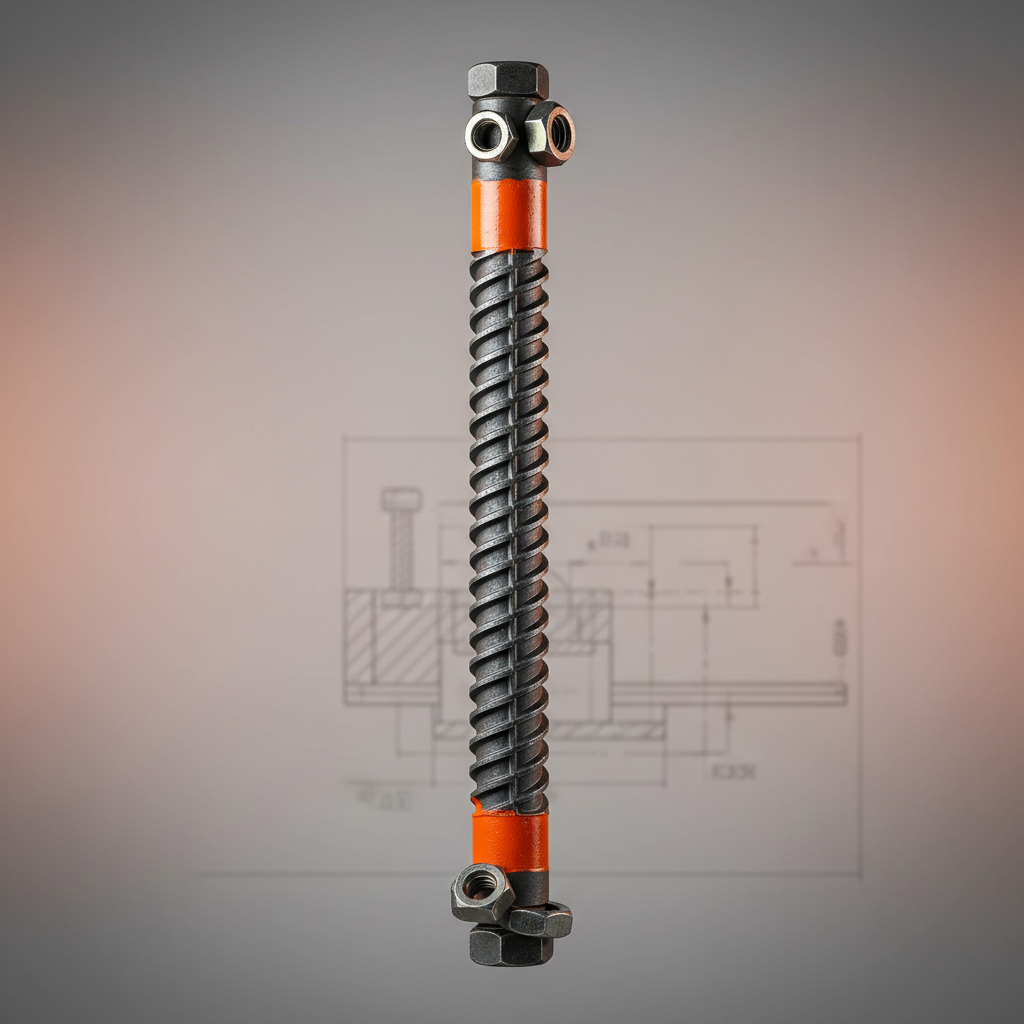
5 Threaded rod, also known as studding, is a cylindrical rod with continuous threads along its entire length. The "5" refers to the diameter of the rod in eighths of an inch – therefore, a 5 threaded rod is 5/8 inch in diameter. This consistent threading allows for easy assembly and disassembly using nuts and washers, making it an ideal component for various fastening applications. It’s commonly used for applications requiring tensile strength and a secure connection. Its ability to be cut to any length adds to its adaptability. This makes it a go-to choice for both simple and complex projects.
Applications of 5 Threaded Rod Across Industries
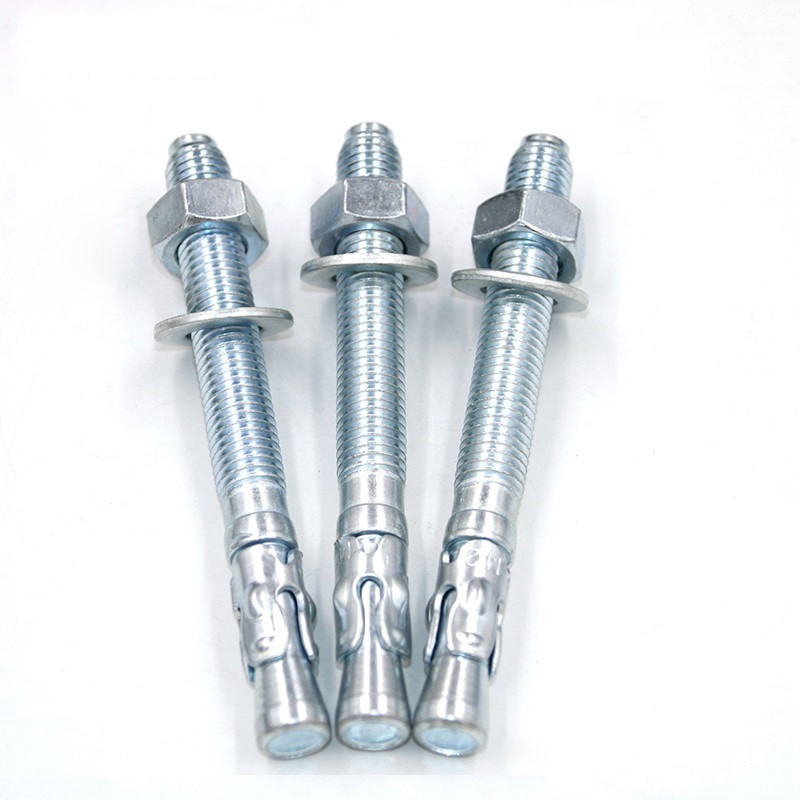
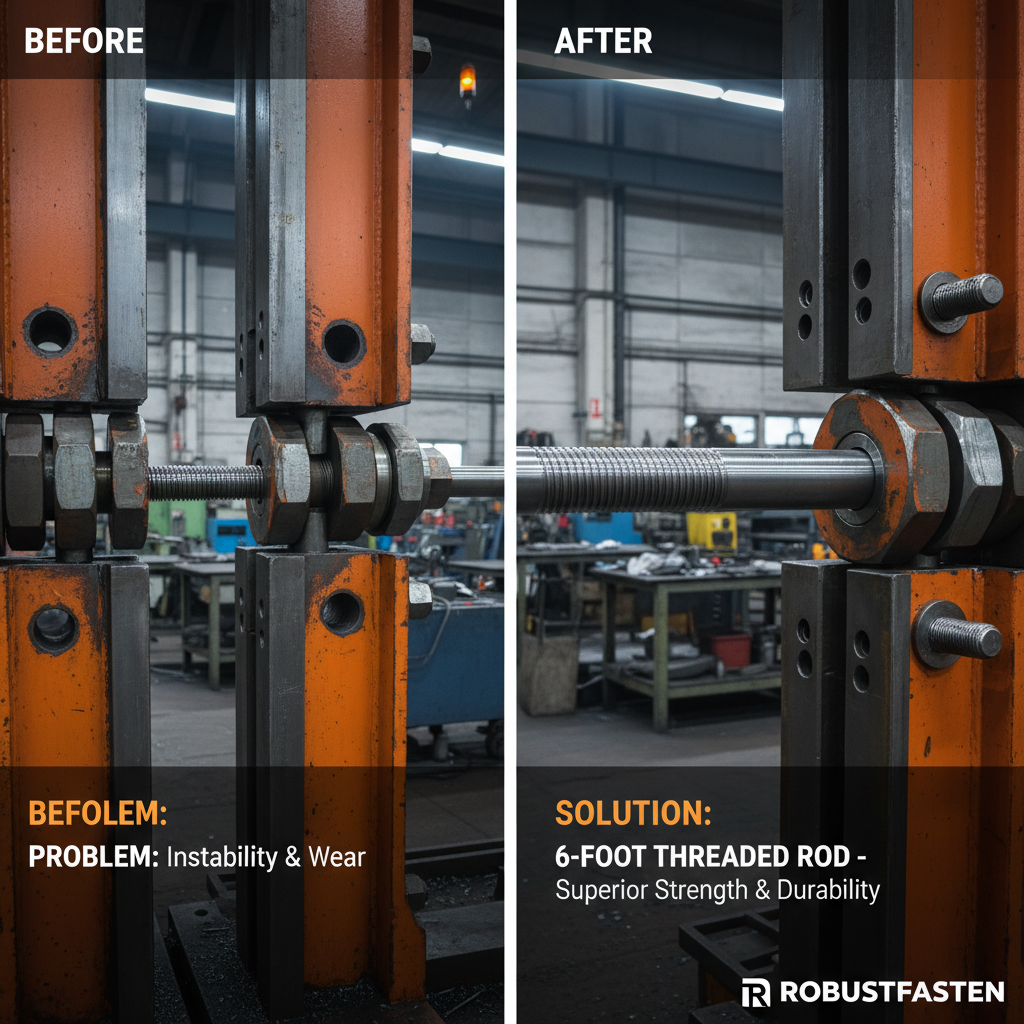
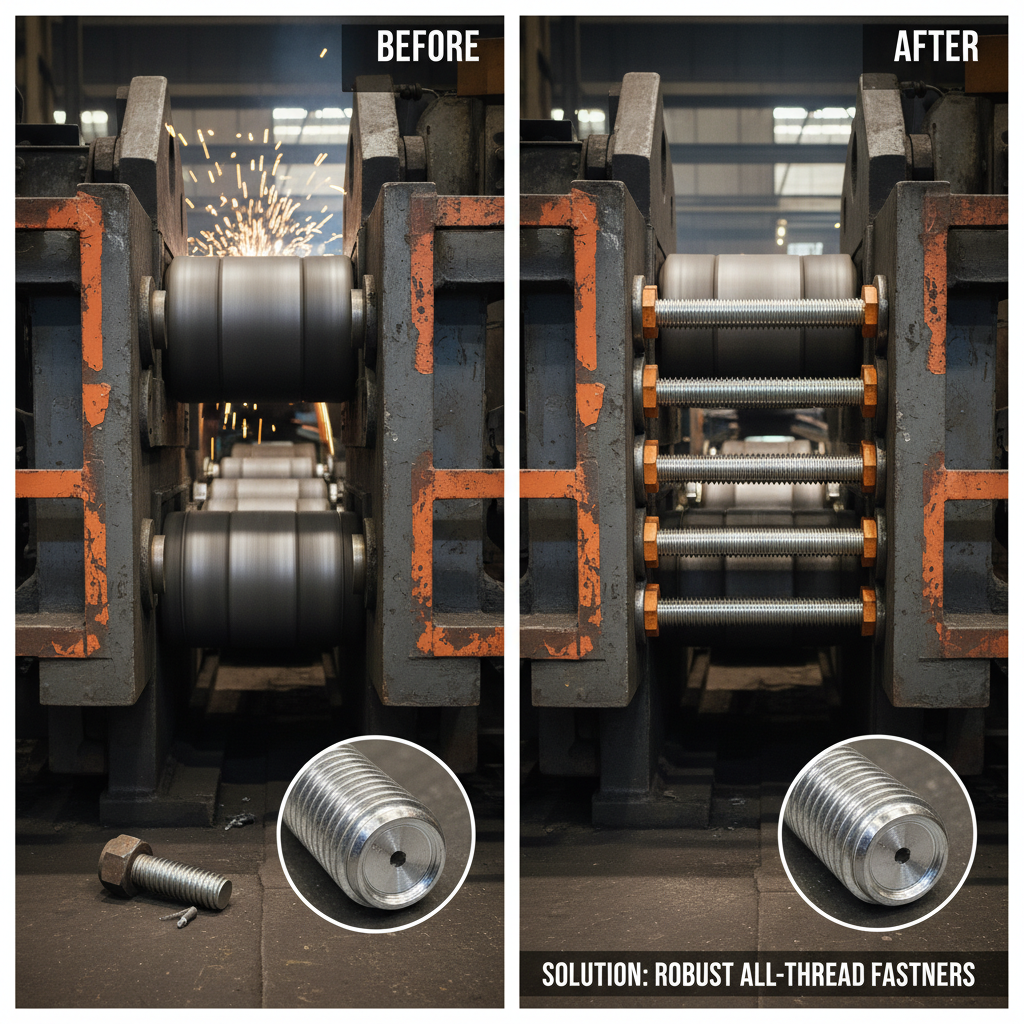
The versatility of 5 threaded rod makes it essential in many sectors. In construction, it's used for anchoring bolts, supporting structures, and securing handrails. The manufacturing industry utilizes it for assembling machinery, creating jigs and fixtures, and ensuring the stability of equipment. DIY enthusiasts often employ it for home repairs, building furniture, and creating custom projects. Additionally, 5 threaded rod is commonly found in plumbing, electrical installations, and automotive applications. Its strength and reliability make it a preferred choice where robust fastening is necessary.
Key Applications: Anchoring bolts, supporting structures, securing handrails, assembling machinery, creating jigs, and fixtures.
5 Threaded Rod Materials: Choosing the Right One
5 threaded rod is available in several materials, each offering unique properties suited to different environments. Carbon steel is the most common and cost-effective option, providing good strength and durability. Stainless steel offers superior corrosion resistance, making it ideal for outdoor or wet environments. Alloy steel provides increased strength and toughness for demanding applications. Selecting the appropriate material is crucial for ensuring long-term performance and preventing failures. Considering the environment and the load requirements will guide the material choice.
Material Comparison:
• Carbon Steel: Cost-effective, good strength.
• Stainless Steel: Corrosion resistant, ideal for outdoor use.
• Alloy Steel: High strength and toughness.
5 Threaded Rod: Comparing Thread Types & Specifications
The thread type on 5 threaded rod dictates its compatibility with nuts and other fasteners. Unified National Coarse (UNC) threads are the most common, offering a balance of strength and ease of assembly. Unified National Fine (UNF) threads provide higher strength but require more precise alignment. The pitch of the thread, measured in threads per inch (TPI), also impacts its performance. Understanding these specifications is critical for ensuring a secure and reliable connection.
Sourcing High-Quality 5 Threaded Rod from HBTBLS
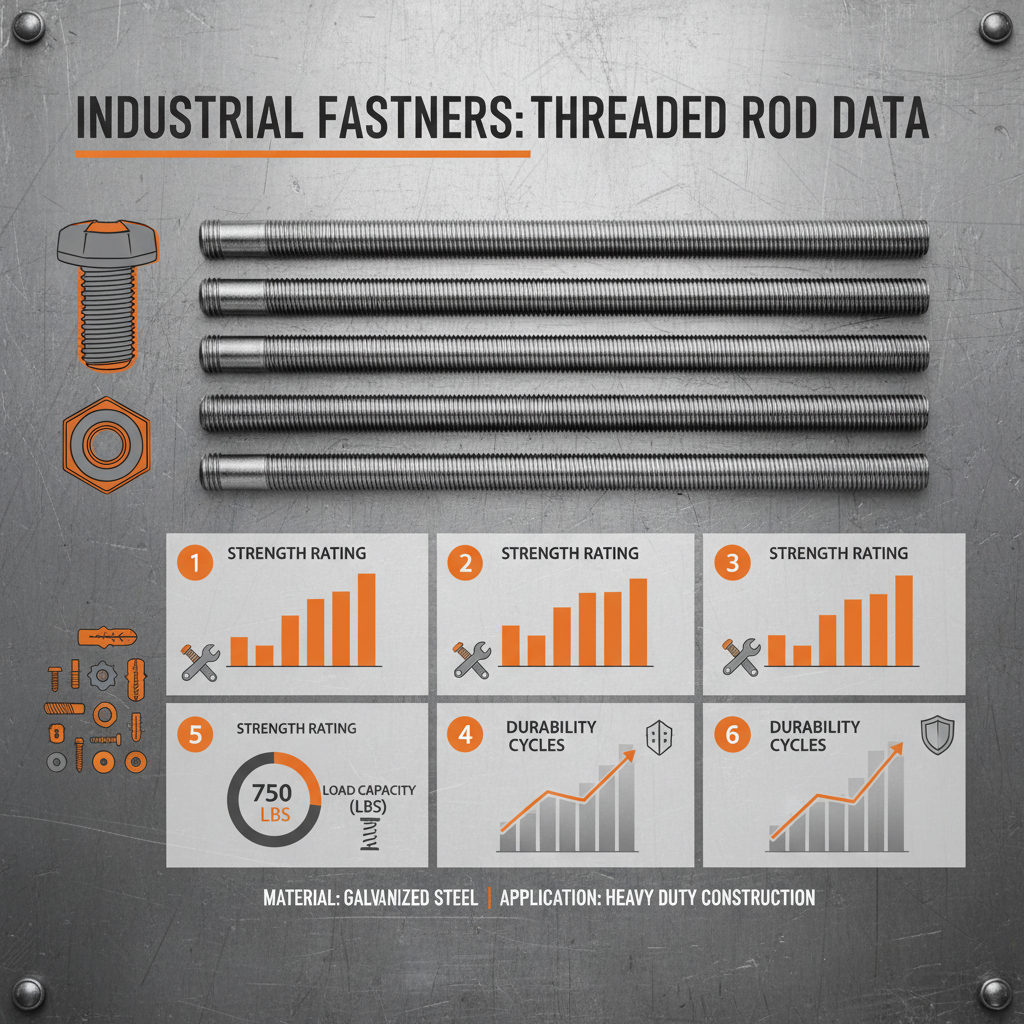
When sourcing 5 threaded rod, it’s crucial to partner with a reputable supplier. HBTBLS offers a comprehensive selection of high-quality threaded rods in various materials, lengths, and thread types. We are committed to providing reliable products that meet rigorous industry standards. Our team can assist you in selecting the optimal rod for your specific application, ensuring performance and safety. Explore our catalog today!
Conclusion: Reliable Fastening with 5 Threaded Rod
Choosing the right 5 threaded rod is essential for the success and safety of your projects. By understanding the different materials, thread types, and specifications, you can ensure a secure and long-lasting connection. HBTBLS is your trusted partner for high-quality threaded rods and expert guidance.
Frequently Asked Questions (FAQs)
What is the standard length available for 5 threaded rod?
5 Threaded rod is typically available in standard lengths of 3 feet, 6 feet, and 12 feet. However, it can be easily cut to custom lengths using a hacksaw, pipe cutter, or abrasive saw. When cutting, it is essential to deburr the ends to prevent injury and ensure proper engagement with nuts and washers. HBTBLS also offers custom cutting services to meet your specific requirements, eliminating the need for in-house cutting and ensuring precise dimensions. Always wear appropriate safety gear when cutting metal.
How do I determine the correct length of 5 threaded rod for my application?
To determine the correct length, measure the total distance the rod needs to span, including any components it will pass through (e.g., holes in plates). Add the length of the nuts and washers that will be used on each end. It's always a good practice to add a small amount of extra length (approximately ¼ inch) to allow for easy assembly and adjustment. Accurate measurement is crucial to ensure a secure and properly tightened connection. Consider potential variations in material thickness or alignment when making your calculations.
What safety precautions should I take when working with 5 threaded rod?
Working with threaded rod requires caution. Always wear safety glasses to protect your eyes from flying debris when cutting or threading. Use gloves to protect your hands from sharp edges and potential injuries. When cutting, ensure the rod is securely clamped to prevent movement. Deburr the ends after cutting to avoid cuts. Be mindful of pinch points when assembling components. Properly dispose of metal scraps to prevent hazards.
Can 5 threaded rod be used for shear applications?
While 5 threaded rod excels in tensile (pulling) applications, its use in shear applications (where forces act perpendicular to the rod) is generally not recommended. The threads create stress concentrations that can significantly reduce the rod's shear strength. For shear applications, consider using smooth-shank bolts or specifically designed shear pins. If shear loading is unavoidable, consult with a structural engineer to ensure the rod's suitability and proper design.
Post time: Mar . 07, 2026 02:35


 English
  Albanian
  Arabic
  Armenian
  Azerbaijani
  Belarusian
  Bosnian
  Bulgarian
  Cebuano
  Corsican
  Czech
Czech  Galician
  Georgian
  Greek
Greek  Hausa
Hausa  Hebrew
  Hungarian
  Igbo
Igbo  Indonesian
  Italian
  Kazakh
  Khmer
Khmer  Korean
  Kurdish
  Kyrgyz
  Lao
Lao  Latin
Latin  Latvian
  Lithuanian
  Malay
Malay  Myanmar
  Nepali
  Polish
  Portuguese
  Russian
  Serbian
  Sesotho
  Shona
Shona  Sindhi
  Spanish
  Tagalog
  Tajik
Tajik  Thai
Thai  Turkish
  Turkmen
  Ukrainian
  Uzbek
Uzbek  Vietnamese
  Yoruba
  Zulu
Zulu