
Understanding the 10mm Threaded Stud: A Small Component with Big Impact
The 10mm threaded stud might sound like just another fastener in the sea of industrial parts, but digging a bit deeper reveals its widespread significance in construction, manufacturing, and even humanitarian efforts worldwide. This small steel component is a workhorse that holds together vital structures, machines, and devices across various sectors.
Globally, millions of units of threaded studs like the 10mm variant are produced and installed annually, contributing to robust infrastructure and equipment reliability. But why is understanding this seemingly simple item so important? Because its performance can have a ripple effect: influencing product longevity, safety, cost-efficiency, and even the success of rescue operations. So, let’s unravel the nuts and bolts...
Global Context: Why the 10mm Threaded Stud Matters Now More Than Ever
From the tight confines of automotive assembly lines in Germany to large-scale construction sites in Asia, the 10mm threaded stud plays a vital role. Industry standards (such as ISO Metric standards) have helped standardize these components since the mid-20th century, ensuring compatibility and predictable performance worldwide.
According to ISO 898-1, which governs mechanical properties of fasteners, the 10mm threaded stud must meet strict tensile strength and hardness to perform reliably under stress. Manufacturing output data shows that the demand for such studs is growing, driven by emerging industries like renewable energy installations and modular construction, which require scalable, sturdy fastening solutions.
However, a recurring challenge is the inconsistent quality from various suppliers, particularly in regions where regulatory enforcement is lax. This variability can lead to premature failure, costly downtimes, or even safety hazards — not a small issue when you consider that these studs sometimes hold together life-saving equipment or critical infrastructure.
Defining the 10mm Threaded Stud
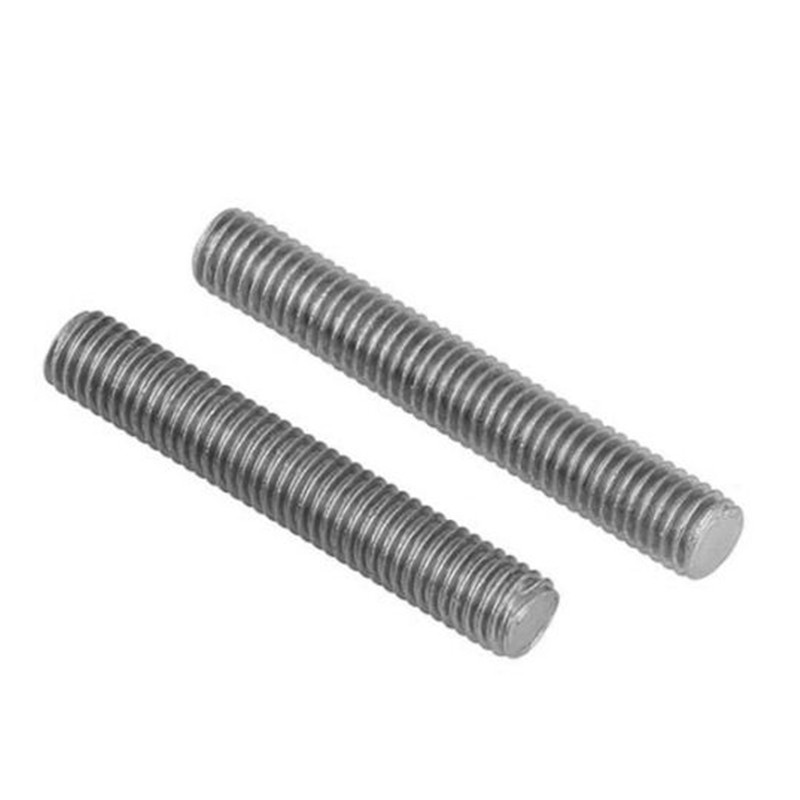
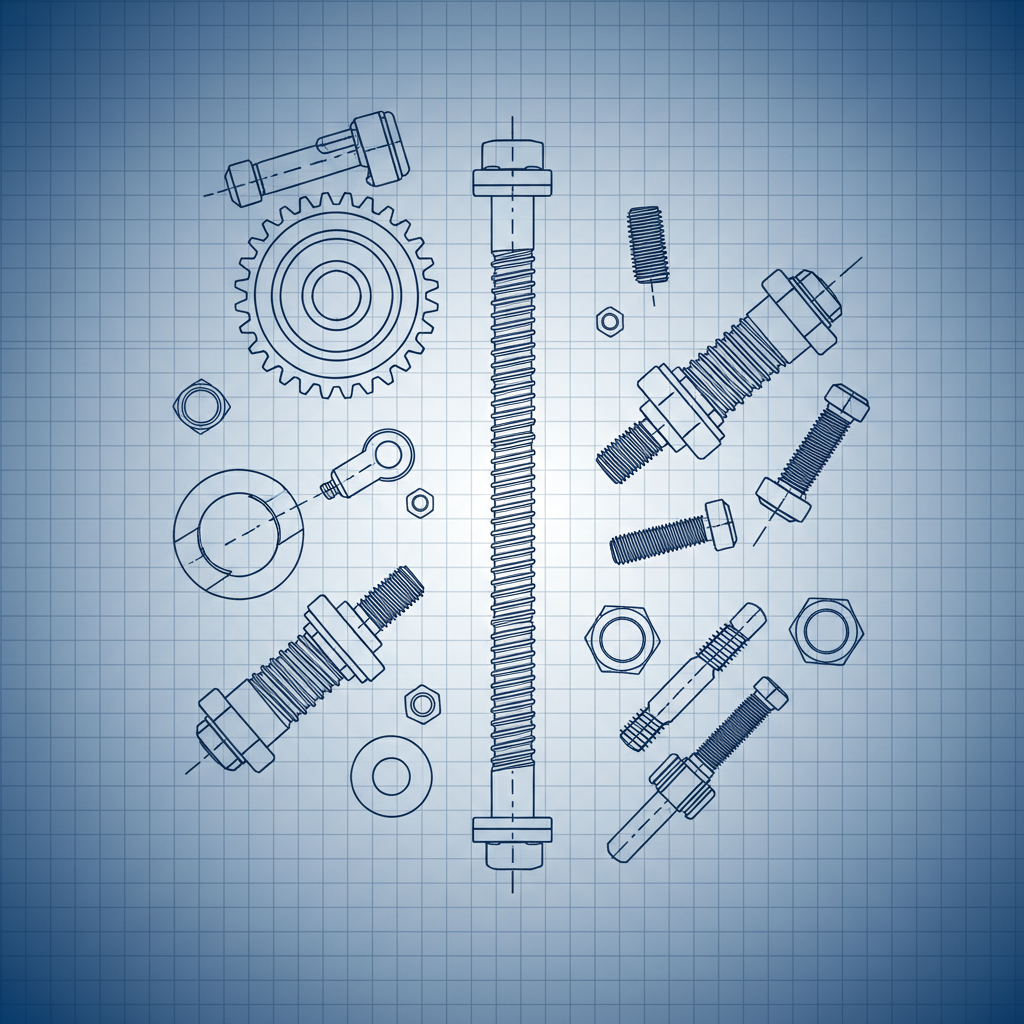
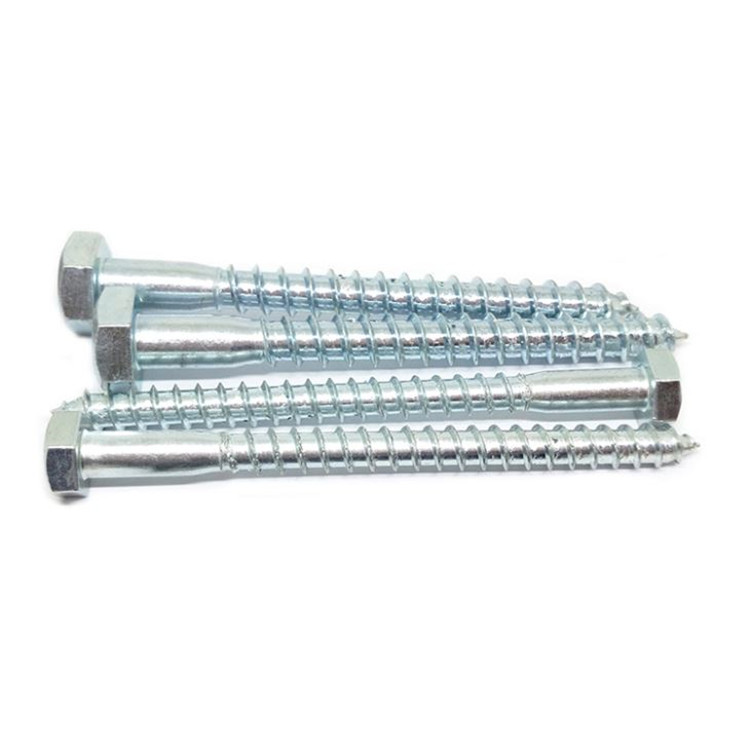
In straightforward terms, a 10mm threaded stud is a cylindrical metal rod, typically made of steel or stainless steel, with external threads running along at least part of its length and a nominal diameter of 10 millimeters. Unlike bolts, studs generally don’t have heads; instead, nuts secure them at either end.
This design allows for a strong clamping force, easy installation in tight spaces, and the ability to connect two components securely. In the modern industry, these studs find applications not only in heavy machinery but also in humanitarian contexts — such as fast assembly of temporary shelters and supplies during disaster relief — where modularity and durability are prized.
Core Components and Key Factors of 10mm Threaded Studs
1. Durability and Material Quality
The hallmark of a trustworthy 10mm threaded stud is its resilience to corrosion, fatigue, and wear. Typically, carbon steel grades like SAE J429 Grade 5 or stainless steel (AISI 304, 316) are used, depending on the environment. For marine or chemical exposure, stainless steel becomes essential.
2. Thread Precision and Compatibility
Precision manufacturing ensures that the stud’s threads match perfectly with nuts and tapped holes, preventing loosening and ensuring safety. ISO metric coarse (M10x1.5) and fine threads are common options, offering flexibility based on application.
3. Load-Bearing Capacity
Engineers often calculate the tensile and shear strength of studs to match the demands of their equipment. A standard high-tensile 10mm stud can typically withstand loads upwards of 10 kN (kilonewtons), though exact figures depend on grade and length.
4. Cost Efficiency and Scalability
Because these studs are mass-produced globally, pricing remains competitive. Yet, sourcing from reputable vendors can mean higher upfront costs but better long-term reliability — a tradeoff to consider carefully.
5. Ease of Installation and Maintenance
Threaded studs allow for faster assembly and disassembly compared to welding or adhesive methods, crucial for industries where downtime equals lost revenue or lives.
Product Specification Table: Typical 10mm Threaded Stud
| Feature | Specification | Notes |
|---|---|---|
| Diameter | 10 mm | Nominal |
| Thread Pitch | 1.5 mm (coarse) | ISO Metric standard |
| Length | Varies (20–150 mm common) | Customization possible |
| Material | Carbon steel, stainless steel | Depends on environment |
| Tensile Strength | ~800 MPa (grade-dependent) | Approximate |
Mini takeaway: The 10mm threaded stud is a deceptively straightforward component whose precise engineering determines the strength and durability of many large-scale applications.
Global Applications and Use Cases of the 10mm Threaded Stud
- Construction Sector: Used extensively in steel frame buildings, bolting structural elements for secure assembly.
- Automotive Industry: Connecting engine components, chassis parts, and accessories.
- Renewable Energy: Securing solar panel mounts and wind turbine parts subjected to dynamic loads and weather.
- Disaster Relief and Humanitarian Efforts: Fast assembly of shelters, water tanks, and mobile infrastructure, often in challenging terrains.
For example, NGOs rely on modular systems that use standardized studs for quick build-outs after natural disasters. - Remote Industrial Operations: Mining and oil rigs require reliable, corrosion-resistant stud fasteners that can be installed with minimal equipment.
Mini takeaway: The versatility of the 10mm threaded stud allows it to serve critical roles from everyday vehicles to life-saving shelter construction in disaster zones.
Advantages and Long-Term Value
Why do so many sectors prefer these studs? Frankly, it’s their blend of:
- Cost-effectiveness: Bulk manufacturing keeps prices manageable, balancing upfront costs with lifetime reliability.
- Sustainability: Many studs are recyclable and increasingly manufactured using eco-friendly processes.
- Reliability: Designed to meet stringent standards, they assure safety and reduce maintenance.
- Social Impact: In humanitarian contexts, rapid assembly and sturdy results restore dignity and safety quickly.
I noticed many engineers say that investing in quality studs upfront often pays off by minimizing failures that disrupt business or safety. It’s not glamorous, but it’s crucial.
Future Trends and Innovations in 10mm Threaded Studs
Looking ahead, a few exciting developments are shaping the future:
- Advanced Materials: Usage of titanium alloys and composites to reduce weight while boosting strength.
- Green Manufacturing: Adoption of low-carbon steel production, improved recycling, and surface treatments that avoid toxic chemicals.
- Digitization: Integration of smart sensors embedded in studs to monitor tension and integrity remotely — especially useful in critical infrastructure.
- Automation: Precision robotics for fast installation in hazardous or hard-to-reach areas.
Oddly enough, even something as small as a 10mm threaded stud is catching the wave of Industry 4.0.
Challenges and Solutions
Despite benefits, there are issues:
- Quality Inconsistency: Variations in manufacturing across vendors can cause failures. Solution: stringent supplier audits and certifications.
- Corrosion in Harsh Environments: Problematic for coastal or chemical industries. Solution: high-grade stainless or coated studs.
- Installation Errors: Cross-threading or improper torque can damage parts. Solution: user training and use of torque tools.
Manufacturers and users need to collaborate closely to optimize outcomes, as many field professionals highlight the importance of quality control and education.
Vendor Comparison Table: Leading 10mm Threaded Stud Suppliers
| Vendor | Material Options | Certifications | Lead Time | Typical Price Range (USD/pc) |
|---|---|---|---|---|
| FastenTech | Carbon Steel, Stainless | ISO 9001, ISO 14001 | 1-2 weeks | $0.10 - $0.20 |
| BoltExperts | Alloy Steel, Stainless | ISO 9001, TS 16949 (automotive) | 3-4 weeks | $0.12 - $0.25 |
| GlobalFasteners Ltd. | Carbon Steel | ISO 9001 only | 2 weeks | $0.08 - $0.15 |
Frequently Asked Questions About 10mm Threaded Studs
- Q: What material should I choose for a 10mm threaded stud used in outdoor marine environments?
- A: Stainless steel, especially grades 316 or higher, is recommended due to excellent corrosion resistance against saltwater exposure.
- Q: How do I ensure proper installation of a 10mm threaded stud to avoid thread damage?
- Using the correct tools like torque wrenches and aligning threads carefully helps prevent cross-threading. Lubricants specified by manufacturers also assist smooth assembly.
- Q: Can 10mm threaded studs be customized for unusual lengths or thread pitches?
- Yes, many vendors offer custom machining services to meet specific project needs, provided minimum order quantities are met.
- Q: What’s the typical lifespan of a 10mm threaded stud in industrial machinery?
- Lifespan varies by environment and load but high-quality studs can last 10+ years with proper maintenance and corrosion protection.
- Q: Where can I find reliable and certified 10mm threaded studs for my projects?
- You can explore reputable distributors like 10mm threaded stud suppliers, which offer certified stock, traceability, and quality guarantees.
Conclusion
Summing up, the 10mm threaded stud may be a modest component, but its role in holding together complex, critical systems can’t be overstated. Whether in heavy construction, automotive, or global humanitarian missions, sturdy and reliable studs ensure safety, durability, and cost efficiency. The future hints at smarter materials and digital monitoring, but the basic principles remain unchanged: quality, precision, and trusted sourcing.
If you’re looking to secure your projects with dependable fasteners, consider visiting our site for high-grade 10mm threaded stud solutions tailored to diverse needs.
Mini takeaway: Good studs mean strong connections, which ultimately build the world we live and work in.
1. ISO Standards for Fasteners – iso.org
2. Mechanical Properties of Fasteners – Wikipedia, wikipedia.org
3. World Bank Industrial Data – worldbank.org
Post time: Dec . 07, 2025 20:00


 English
  Albanian
  Arabic
  Armenian
  Azerbaijani
  Belarusian
  Bosnian
  Bulgarian
  Cebuano
  Corsican
  Czech
Czech  Galician
  Georgian
  Greek
Greek  Hausa
Hausa  Hebrew
  Hungarian
  Igbo
Igbo  Indonesian
  Italian
  Kazakh
  Khmer
Khmer  Korean
  Kurdish
  Kyrgyz
  Lao
Lao  Latin
Latin  Latvian
  Lithuanian
  Malay
Malay  Myanmar
  Nepali
  Polish
  Portuguese
  Russian
  Serbian
  Sesotho
  Shona
Shona  Sindhi
  Spanish
  Tagalog
  Tajik
Tajik  Thai
Thai  Turkish
  Turkmen
  Ukrainian
  Uzbek
Uzbek  Vietnamese
  Yoruba
  Zulu
Zulu