

Introduction to DIN975 Threaded Rods
In critical industrial and structural applications, the reliability and integrity of fastening solutions are paramount. The DIN975 threaded rod stands as a cornerstone in this regard, offering unparalleled strength, versatility, and adherence to stringent international standards. These fully threaded rods, specified by the German Institute for Standardization (DIN), are essential components in a vast array of B2B sectors, from heavy construction and infrastructure to complex machinery and renewable energy systems.
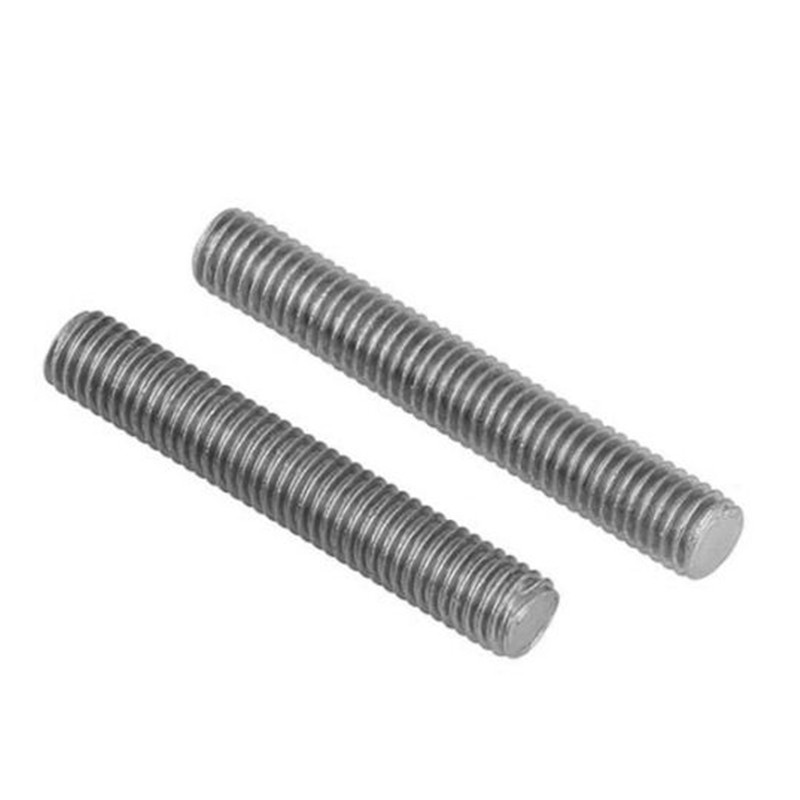
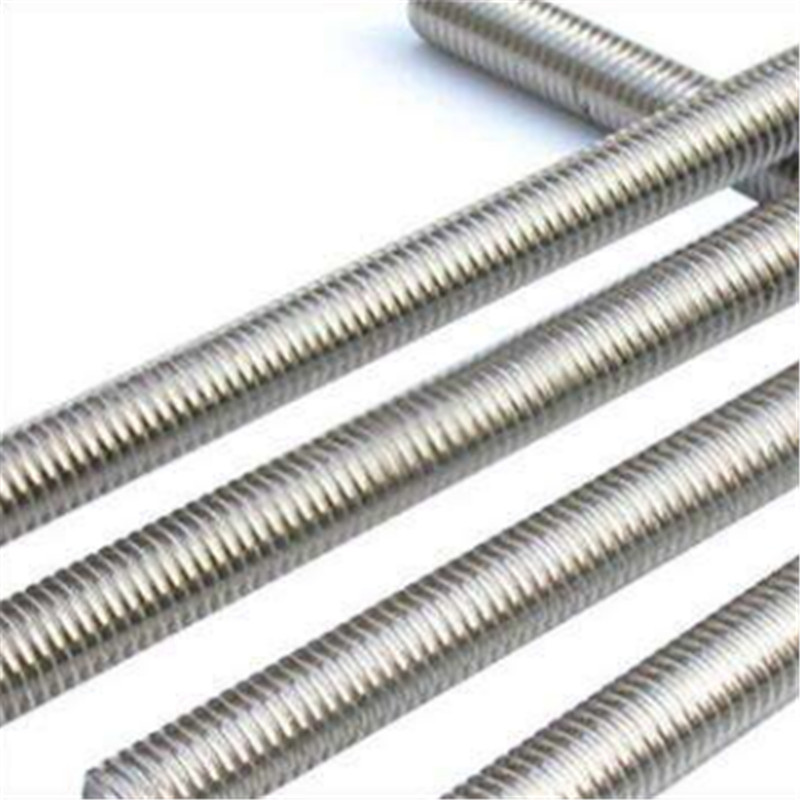
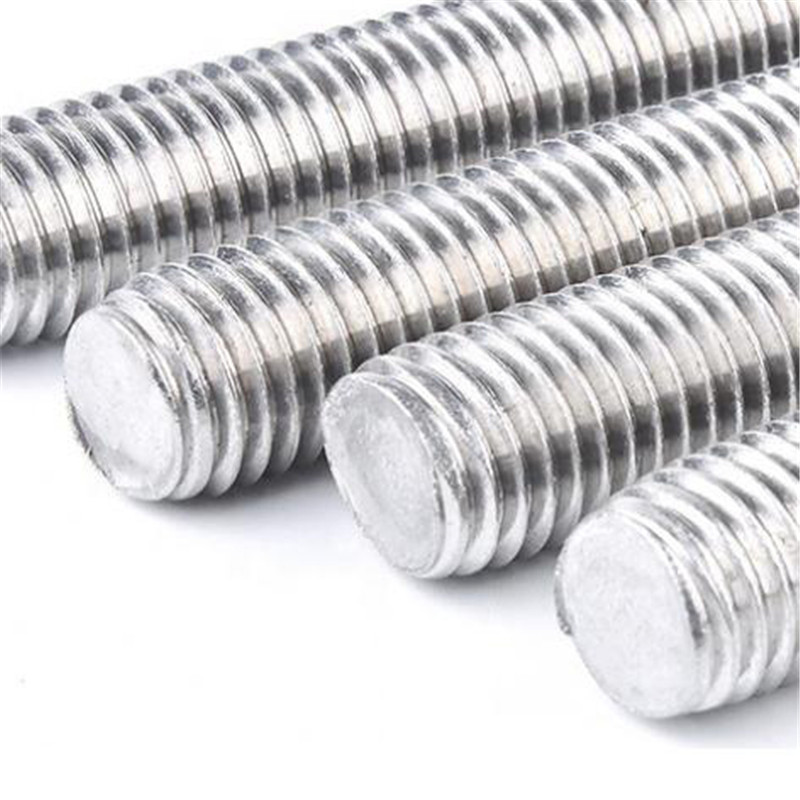
A DIN975 threaded rod is characterized by its continuous threading along its entire length, allowing for customizable cutting and precise adjustment to specific application requirements. This fundamental design ensures maximum engagement with nuts and other threaded components, providing robust and secure connections. Our discussion will delve into the critical aspects of these components, including their technical specifications, manufacturing processes, diverse application scenarios, and the competitive advantages they offer in demanding industrial environments.
Industry Trends and Market Dynamics for Threaded Rods
The global market for fasteners, including the DIN975 threaded rod, is experiencing dynamic shifts driven by several macro-economic and technological trends. Increased infrastructure spending, particularly in emerging economies, is a primary catalyst for demand. Simultaneously, the growing emphasis on sustainable and energy-efficient construction practices necessitates fasteners with enhanced longevity and corrosion resistance. Advanced materials and surface treatments are becoming increasingly vital to meet these evolving demands.
Furthermore, the digitalization of manufacturing and construction, including BIM (Building Information Modeling) and advanced predictive analytics, is influencing product design and material selection. There's a rising expectation for fasteners that offer superior performance in extreme conditions, such as high temperatures, aggressive chemical environments, and seismic zones. This pushes manufacturers to continually innovate in areas like material science, heat treatment protocols, and precision engineering for components like the DIN975 threaded rod. The demand for greater traceability and quality assurance throughout the supply chain is also shaping procurement decisions in B2B markets.
Technical Specifications and Material Grades
The DIN975 threaded rod standard rigorously defines the dimensions, thread types, and material properties required for these critical fasteners. Understanding these specifications is crucial for ensuring structural integrity and operational safety.
Material Grades and Mechanical Properties:
The strength of a DIN975 threaded rod is primarily determined by its material grade, denoted by a two-digit number, such as 4.8, 8.8, and 10.9. The first digit (multiplied by 100) indicates the nominal tensile strength in N/mm², while the second digit (multiplied by 10 and the first digit) indicates the yield strength as a percentage of tensile strength.
- DIN 975 4.8: Typically made from low carbon steel, this grade offers a nominal tensile strength of 400 N/mm² and a yield strength of 320 N/mm². It's suitable for general-purpose applications where moderate strength is required.
- DIN 975 8.8: Produced from medium carbon steel, often quenched and tempered. This high-strength grade boasts a nominal tensile strength of 800 N/mm² and a yield strength of 640 N/mm². It's widely used in structural engineering and automotive industries.
- DIN 975 10.9: Representing a very high-strength class, this grade is made from alloy steel, heat-treated to achieve superior mechanical properties. It provides a nominal tensile strength of 1000 N/mm² and a yield strength of 900 N/mm². Ideal for heavy-duty applications demanding maximum load-bearing capabilities.
Common Materials & Finishes:
- Carbon Steel: Predominantly used for grades like DIN 975 4.8, offering good ductility and cost-effectiveness.
- Alloy Steel: Utilized for higher grades such as DIN 975 8.8 and DIN 975 10.9, providing enhanced strength through heat treatment.
- Stainless Steel: Grades A2 (304) and A4 (316) offer excellent corrosion resistance, making them suitable for marine, chemical, and food processing environments.
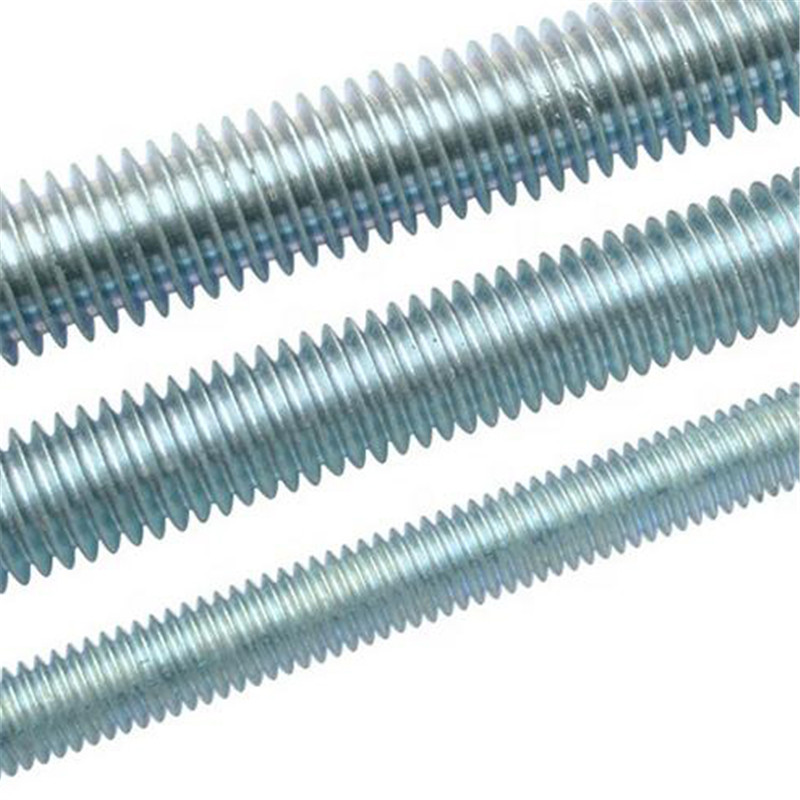
- Surface Finishes: Common finishes include hot-dip galvanizing for superior corrosion protection, zinc plating for moderate protection and aesthetic appeal, and plain (black) for internal or less corrosive applications.
Product Specification Table: DIN975 Threaded Rods
| Parameter | Description / Value Range |
|---|---|
| Standard | DIN 975 (Full Thread Bar) |
| Nominal Diameter (d) | M6 to M64 (Standard), Larger available upon request |
| Length (L) | 1000mm, 2000mm, 3000mm (Standard), Custom lengths possible |
| Thread Type | Metric Coarse Thread (ISO M) |
| Material Grades | 4.8, 5.6, 6.8, 8.8, 10.9 (Carbon Steel/Alloy Steel), A2 (304), A4 (316) (Stainless Steel) |
| Tensile Strength (min.) | 400 N/mm² (4.8) to 1000 N/mm² (10.9) |
| Yield Strength (min.) | 320 N/mm² (4.8) to 900 N/mm² (10.9) |
| Surface Finish | Plain (Black), Zinc Plated (Blue/Yellow), Hot-Dip Galvanized, Dacromet |
| Testing Standards | ISO 898-1 (Mechanical Properties), ISO 965 (Thread Tolerances), ASTM (Material Composition) |
Manufacturing Process: Precision and Quality Assurance
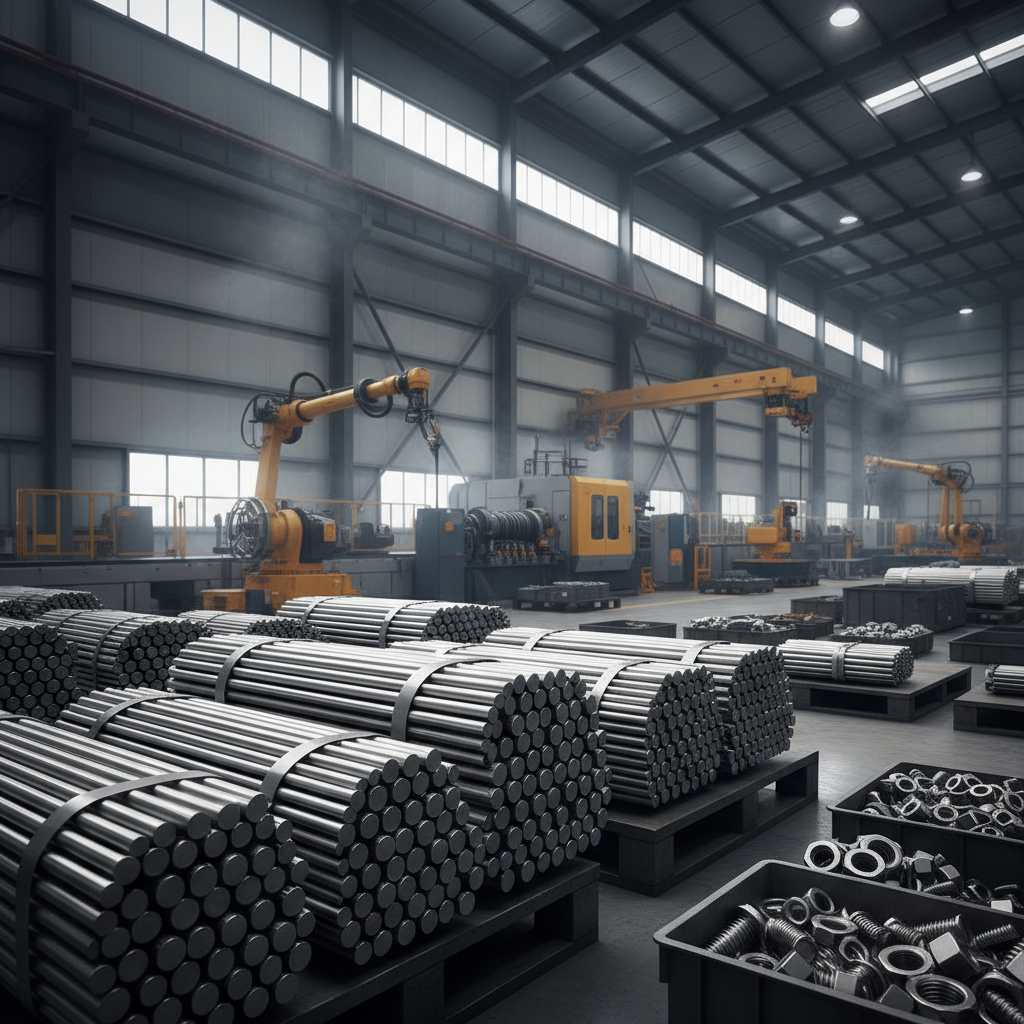
The production of a DIN975 threaded rod is a multi-stage process, meticulously controlled to ensure adherence to dimensional accuracy, mechanical properties, and surface finish requirements. This stringent process guarantees the performance and reliability expected by industrial clients.
Detailed Process Flow:
- Raw Material Selection: High-quality carbon steel, alloy steel, or stainless steel wire rods are selected based on the desired mechanical grade (e.g., DIN 975 4.8, DIN 975 8.8, DIN 975 10.9). Material composition is verified against international standards like ASTM or EN.
- Wire Drawing: The raw material undergoes cold drawing to reduce its diameter to the precise dimension required for threading, simultaneously improving its tensile strength and surface finish.
- Straightening and Cutting: The drawn wire is fed into a straightening machine and cut to specified lengths (e.g., 1m, 2m, 3m) with high precision to minimize material waste and prepare for subsequent processes.
- Thread Rolling: This is the most common method for forming threads. The rod is passed between dies with the inverse of the thread profile, cold-forming the threads. This process significantly enhances the material's strength and fatigue resistance compared to cutting threads, as it does not interrupt the grain flow of the metal.
- Heat Treatment (for higher grades): For grades like DIN 975 8.8 and DIN 975 10.9, rods undergo quenching and tempering. This involves heating the rods to an austenitizing temperature, rapidly cooling them (quenching), and then reheating them to a lower temperature (tempering) to achieve the desired hardness, ductility, and strength. This process is critical for achieving the specified mechanical properties and service life under high stress.
- Surface Finishing: Depending on the application, rods may receive a surface treatment. This could include zinc plating (electrolytic galvanizing) for indoor or mildly corrosive environments, hot-dip galvanizing for superior protection against harsh outdoor conditions, or other specialized coatings like Dacromet for enhanced corrosion and wear resistance.
- Quality Control and Testing: Throughout the entire process, rigorous quality control checks are performed. This includes:
- Dimensional Inspection: Verification of diameter, length, and thread pitch using precision gauges (e.g., Go/No-Go gauges, optical comparators).
- Mechanical Testing: Tensile strength, yield strength, elongation, and hardness tests according to ISO 898-1 and other relevant standards.
- Corrosion Resistance Testing: Salt spray tests for coated rods (e.g., ASTM B117).
- Metallographic Analysis: Microstructural analysis to ensure proper heat treatment and grain structure.
- Packaging and Shipment: Finished DIN975 threaded rod products are bundled, securely packaged, and prepared for shipment, often with protective coatings or wraps to prevent damage during transit.
Application Scenarios and Target Industries
The versatility and robust nature of the DIN975 threaded rod make it an indispensable component across a diverse range of industries. Its ability to provide adjustable, high-strength connections is critical in various demanding environments.
Key Target Industries:
- Petrochemical Industry: Used in pipe support systems, structural frameworks for processing plants, and equipment assembly where high resistance to corrosion and chemical exposure is critical, often utilizing stainless steel DIN975 threaded rod.
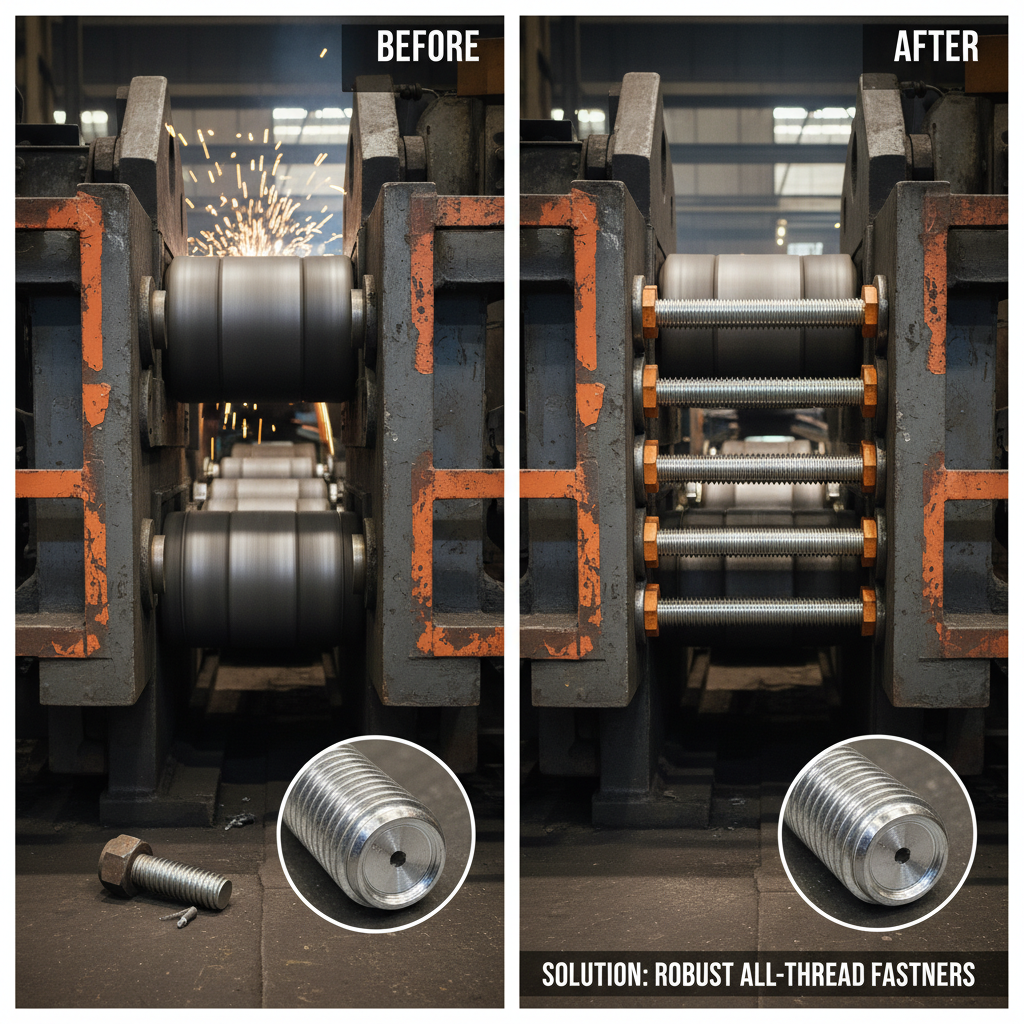
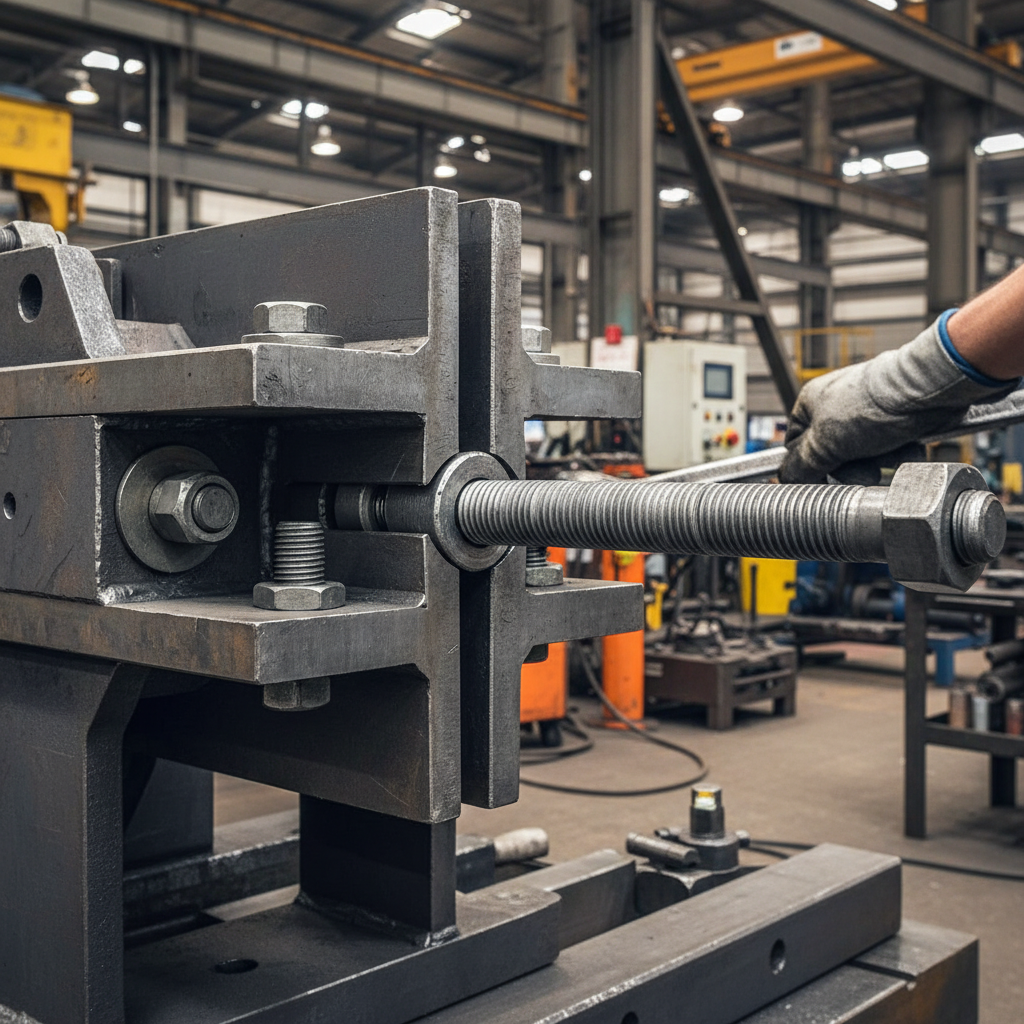
- Metallurgy and Heavy Manufacturing: Employed in fastening heavy machinery, conveyor systems, and furnace components. Grades like DIN 975 8.8 and DIN 975 10.9 are essential for load-bearing structures due to their superior tensile strength.
- Water Supply & Drainage Systems: Integral for securing pipes, pumps, and structural elements in water treatment plants and large-scale irrigation projects, often requiring corrosion-resistant finishes like hot-dip galvanizing.
- Construction and Infrastructure: From anchoring concrete foundations and structural steel frames to suspension systems for false ceilings and HVAC ducts, these rods provide critical support. Their adjustability allows for precise leveling and positioning.
- Renewable Energy (Wind & Solar): Used in the assembly of wind turbine towers, solar panel mounting structures, and associated electrical infrastructure, where resistance to environmental stressors and high structural integrity are paramount.
- Automotive and Transportation: Found in various assembly lines for vehicle manufacturing, rail infrastructure, and shipbuilding, ensuring robust connections for critical components.
Advantages in Typical Scenarios:
- Energy Saving: By enabling robust and precise structural assemblies, DIN975 threaded rod contributes to the stability of energy-efficient building envelopes and power generation equipment, indirectly supporting energy saving initiatives through long-term structural performance.
- Corrosion Resistance: With options like hot-dip galvanizing or stainless steel (A2/A4), these rods offer extended service life in aggressive environments, reducing maintenance costs and ensuring operational continuity in chemical plants or offshore platforms.
- High Load Bearing Capacity: Grades like DIN 975 10.9 can withstand immense tensile and shear forces, making them ideal for heavy structural applications where safety factors are critical.
- Versatility & Adaptability: The continuous thread allows for cutting to exact lengths on-site, providing flexibility for custom applications and adjustments during installation, minimizing waste and speeding up project timelines.
- Seismic Resistance: In earthquake-prone regions, properly designed and installed DIN975 threaded rod systems, especially with appropriate grades and anchoring, can contribute significantly to the seismic resilience of structures.
Technical Advantages and Performance Metrics
Beyond their versatile application, DIN975 threaded rod products deliver distinct technical advantages rooted in their design, material science, and manufacturing precision.
Key Performance Advantages:
- Consistent Mechanical Properties: Adherence to the DIN 975 standard ensures uniform mechanical properties across batches, which is critical for predictable performance in engineered systems. This consistency is rigorously tested for parameters like tensile strength, yield strength, and elongation.
- Superior Thread Strength: The thread rolling process, as opposed to thread cutting, improves the material's grain flow and work-hardens the threads, resulting in significantly higher fatigue resistance and shear strength. This reduces the risk of thread stripping under high tensile loads.
- Dimensional Accuracy: Manufacturing precision ensures that the threads are within specified tolerances (e.g., 6g for general applications), guaranteeing optimal engagement with standard nuts and minimizing fitment issues during assembly.
- Optimized Material Utilization: The ability to cut a continuously threaded rod to exact required lengths minimizes material waste on-site, contributing to cost efficiency and sustainability in large-scale projects.
- Enhanced Corrosion Protection: Advanced surface treatments such as hot-dip galvanizing provide a metallurgically bonded zinc layer that offers sacrificial and barrier protection against rust and environmental degradation, significantly extending the service life of structures in challenging outdoor or industrial settings.
Comparative Performance Metrics:
Comparing different grades highlights the specific applications for each DIN975 threaded rod variant.
| Property | DIN 975 4.8 | DIN 975 8.8 | DIN 975 10.9 |
|---|---|---|---|
| Nominal Tensile Strength (Rm, N/mm²) | 400 | 800 | 1000 |
| Nominal Yield Strength (ReH, N/mm²) | 320 | 640 | 900 |
| Elongation at Break (A, %) | 22 | 12 | 9 |
| Material Type (Typical) | Low Carbon Steel | Medium Carbon Steel (Quenched & Tempered) | Alloy Steel (Quenched & Tempered) |
| Primary Applications | General construction, non-critical assemblies | Structural engineering, automotive, machinery | Heavy-duty machinery, high-stress structural connections |
Vendor Comparison and Selection Criteria
Selecting the right vendor for DIN975 threaded rod is as crucial as the product itself. B2B decision-makers must evaluate suppliers based on a comprehensive set of criteria that go beyond mere price points to ensure long-term value and reliability.
Key Vendor Evaluation Factors:
- Certifications and Compliance: A reputable vendor will hold international certifications such as ISO 9001 for quality management. Products should comply with relevant standards (DIN, ISO, ASTM).
- Manufacturing Capabilities: Assess the vendor's capacity for high-volume production, ability to produce various grades (e.g., DIN 975 4.8, DIN 975 8.8, DIN 975 10.9), and capability for specialized finishes or custom lengths.
- Quality Control Processes: Inquire about their in-house testing facilities, material traceability, and adherence to quality assurance protocols at every stage of production.
- Technical Support and Expertise: A strong vendor provides expert technical advice, assists with material selection, and offers guidance on application-specific challenges.
- Lead Times and Logistics: Evaluate their ability to meet delivery schedules, handle large orders, and manage global logistics efficiently.
- Reputation and Experience: Look for vendors with a proven track record, positive customer feedback, and significant years of experience in the fastener industry.
Typical Vendor Comparison: Key Attributes
| Attribute | Premium Vendor (e.g., HBTBLS) | Standard Vendor |
|---|---|---|
| Product Range & Grades | Comprehensive, including DIN 975 4.8, DIN 975 8.8, DIN 975 10.9, Stainless, and exotics | Limited to common grades and sizes |
| Certifications | ISO 9001, CE, Material Test Certificates (3.1/3.2) | Basic quality checks, often no independent certifications |
| Customization | Extensive options for material, length, coating, special testing | Minimal or no customization offerings |
| Technical Support | Dedicated engineering support, application consulting | Basic product information only |
| Lead Time & Reliability | Consistent, on-time delivery; robust supply chain management | Variable lead times, potential for delays |
| Pricing Structure | Competitive value for certified quality and service | Often lower initial cost, but higher long-term risks |
Customized Solutions for DIN975 Threaded Rods
While standard DIN975 threaded rod products meet a broad range of industrial requirements, specialized applications often demand tailored solutions. Leading manufacturers offer extensive customization capabilities to address unique project specifications and operational challenges.
Areas of Customization:
- Specific Materials: Beyond standard carbon and alloy steels (like for DIN 975 8.8 or DIN 975 10.9) and stainless steel, custom solutions can include exotic alloys, high-temperature steels, or non-ferrous materials for highly specialized environments (e.g., aerospace, medical devices).
- Non-Standard Lengths & Diameters: While standard lengths are common, projects may require precise, non-standard lengths to minimize cutting on-site or larger/smaller diameters than typical DIN 975 specifications for unique load requirements.
- Advanced Coatings & Surface Treatments: Custom coatings can include specialized polymer coatings for extreme chemical resistance, ceramic coatings for wear protection, or duplex coatings combining galvanizing with paint for enhanced durability and aesthetics.
- Thread Variations: Though DIN 975 specifies metric coarse threads, certain applications might necessitate fine threads or left-hand threads for specific mechanical advantages or safety features.
- Additional Machining & Fabrication: Custom ends, chamfers, drillings, or welded attachments can be incorporated to create application-specific anchor bolts or tie rods.
- Special Testing & Certification: Beyond standard ISO/ASTM tests, projects might demand third-party inspection, non-destructive testing (NDT), impact testing at low temperatures, or specific material traceability documentation for critical infrastructure.
"Our extensive engineering capabilities allow us to work closely with clients to develop bespoke DIN975 threaded rod solutions, ensuring optimal performance for even the most challenging projects."
Application Case Studies
Real-world applications demonstrate the critical role and superior performance of DIN975 threaded rod in overcoming complex engineering challenges.
Case Study 1: Heavy Machinery Installation in a Mining Operation
Challenge: A large-scale mining company required secure anchoring for new heavy-duty crushers and conveyor systems in a high-vibration, corrosive environment. Traditional anchors were failing due to dynamic loads and abrasive conditions.
Solution: We supplied custom-length DIN975 threaded rod, grade DIN 975 10.9, with a specialized hot-dip galvanized coating, extending into deep concrete foundations. The high tensile strength of the 10.9 grade provided the necessary resistance to pull-out forces and fatigue from continuous vibration, while the galvanization offered robust protection against the acidic dust and moisture prevalent in the mine.
Outcome: The installation demonstrated exceptional stability, significantly reducing maintenance downtime for re-tightening or replacing anchors. The enhanced corrosion resistance extended the operational lifespan of the fastening system by over 50%, leading to substantial cost savings and improved safety.
Case Study 2: Structural Reinforcement for a Coastal Bridge Project
Challenge: A coastal bridge undergoing extensive repairs required robust post-tensioning elements that could withstand harsh marine environments, including salt spray and tidal fluctuations, while ensuring long-term structural integrity.
Solution: We provided A4 (316) stainless steel DIN975 threaded rod, cut to precise lengths with specialized end treatments for coupling. The inherent corrosion resistance of the 316 grade stainless steel was critical for battling the aggressive chloride-rich atmosphere, while the high tensile properties ensured the necessary load transfer within the bridge structure.
Outcome: The stainless steel DIN975 threaded rod solution provided superior performance against marine corrosion, ensuring the long-term stability and safety of the refurbished bridge. This selection significantly reduced the need for future maintenance, proving cost-effective over the bridge's extended service life.
Frequently Asked Questions (FAQ) about DIN975 Threaded Rods
Q1: What does "DIN975" signify?
A1: DIN 975 is a German industrial standard (Deutsches Institut für Normung) that specifies the dimensions, materials, and mechanical properties for metric threaded rods or stud bolts. It ensures consistency and interchangeability for these full-threaded rods.
Q2: What are the primary differences between DIN 975 4.8, 8.8, and 10.9 grades?
A2: The numbers represent the mechanical property class.
- DIN 975 4.8: Low carbon steel, 400 N/mm² tensile strength, 320 N/mm² yield strength. Suitable for general-purpose, non-critical applications.
- DIN 975 8.8: Medium carbon steel (quenched & tempered), 800 N/mm² tensile strength, 640 N/mm² yield strength. High-strength for structural and heavy-duty applications.
- DIN 975 10.9: Alloy steel (quenched & tempered), 1000 N/mm² tensile strength, 900 N/mm² yield strength. Very high strength for critical and extremely high-load applications.
Q3: Can these threaded rods be cut to custom lengths on-site?
A3: Yes, a key advantage of the DIN975 threaded rod is its continuous threading, allowing it to be cut to specific lengths on-site using appropriate tools without compromising its functionality. However, for critical applications, factory-cut and finished custom lengths are recommended.
Q4: What types of corrosion protection are available?
A4: Common options include plain (black) for minimal protection, zinc plating (electro-galvanizing) for moderate indoor protection, and hot-dip galvanizing for superior protection in outdoor and harsh environments. Stainless steel variants (A2/304, A4/316) offer inherent corrosion resistance, suitable for marine or chemical exposure.
Q5: What is the typical lead time for large orders?
A5: Lead times vary based on product specifications, quantity, and current production schedules. For standard items and common grades, lead times can range from 2-4 weeks. Customized or highly specialized orders may require 6-10 weeks. We recommend contacting our sales team directly for accurate lead time estimates based on your specific requirements.
Q6: What warranty and after-sales support do you provide?
A6: We offer a comprehensive warranty against manufacturing defects and material non-conformance, typically for a period of 12-24 months from the date of purchase. Our dedicated after-sales support team provides technical assistance, troubleshooting, and guidance on product application to ensure customer satisfaction and long-term performance of our DIN975 threaded rod products.
Conclusion
The DIN975 threaded rod remains a critical and highly versatile component in modern industrial and construction endeavors. Its adherence to rigorous international standards, coupled with advancements in material science and manufacturing processes, ensures its continued reliability in even the most demanding applications. By understanding the various grades like DIN 975 4.8, DIN 975 8.8, and DIN 975 10.9, and leveraging customized solutions, industries can optimize structural integrity, enhance safety, and achieve long-term cost efficiencies. Partnering with a reputable manufacturer committed to quality, technical expertise, and customer support is paramount to harnessing the full potential of these indispensable fasteners.
References
- ISO 898-1: Mechanical properties of fasteners made of carbon steel and alloy steel — Part 1: Bolts, screws and studs with specified property classes — Coarse thread and fine pitch thread. International Organization for Standardization.
- DIN. German Institute for Standardization. Official standards publications, specifically DIN 975 for threaded rods.
- European Committee for Standardization (CEN). EN 15048: Non-preloaded structural bolting assemblies.
- ASTM International. Various material specifications, e.g., ASTM A193/A193M for high-temperature bolted connections, and ASTM B117 for salt spray (fog) apparatus.
- The Fastener Technology International (FTI) Journal. Industry insights and technical articles on fastener manufacturing and applications.
Post time: Aug . 30, 2025 07:40



 English
  Albanian
  Arabic
  Armenian
  Azerbaijani
  Belarusian
  Bosnian
  Bulgarian
  Cebuano
  Corsican
  Czech
Czech  Galician
  Georgian
  Greek
Greek  Hausa
Hausa  Hebrew
  Hungarian
  Igbo
Igbo  Indonesian
  Italian
  Kazakh
  Khmer
Khmer  Korean
  Kurdish
  Kyrgyz
  Lao
Lao  Latin
Latin  Latvian
  Lithuanian
  Malay
Malay  Myanmar
  Nepali
  Polish
  Portuguese
  Russian
  Serbian
  Sesotho
  Shona
Shona  Sindhi
  Spanish
  Tagalog
  Tajik
Tajik  Thai
Thai  Turkish
  Turkmen
  Ukrainian
  Uzbek
Uzbek  Vietnamese
  Yoruba
  Zulu
Zulu