
Understanding the DIN603 Carriage Bolt: A Comprehensive Technical Overview
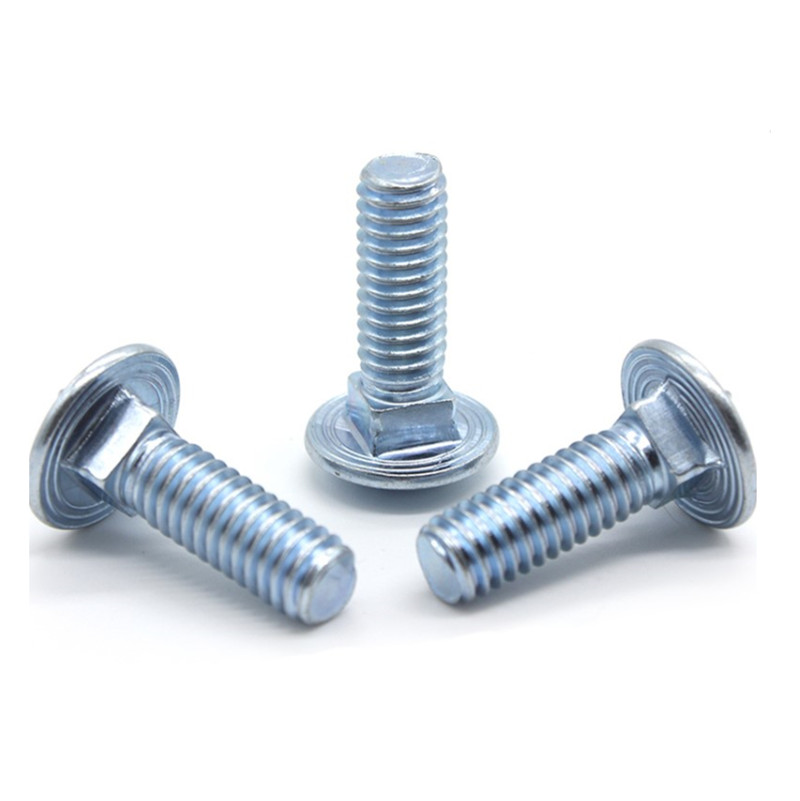
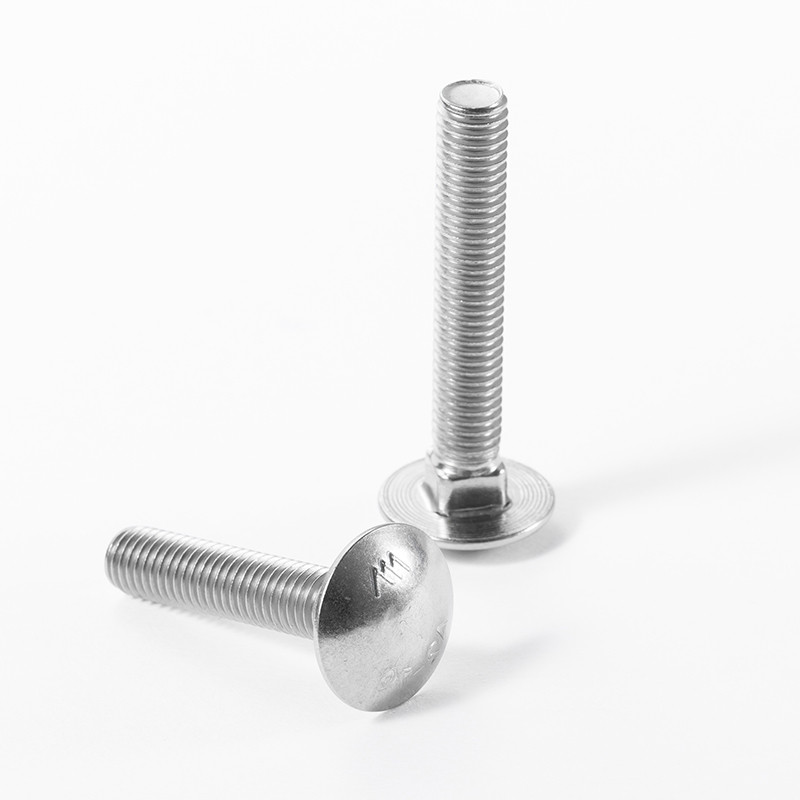
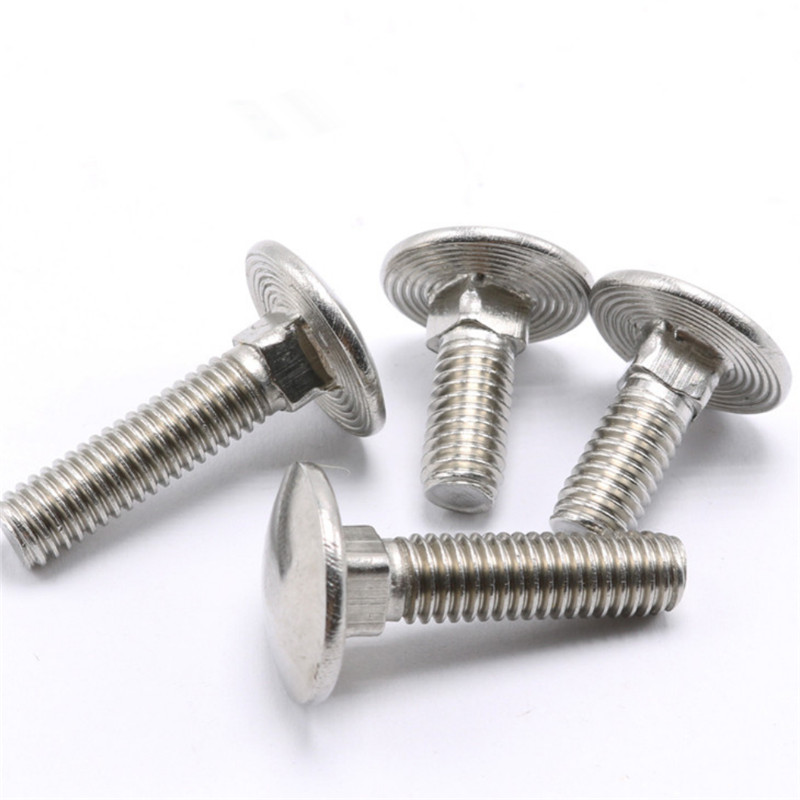
In industrial fastening, the din603 carriage bolt stands out for its distinctive design and broad application versatility. Also commonly known as coach bolts, these fasteners are characterized by their round head and square neck directly beneath the head. This unique feature is crucial for preventing the bolt from turning when a nut is tightened, offering exceptional security and ease of installation in various structural and assembly applications. Our focus here is to delve into the technical intricacies, industry relevance, and operational advantages of this indispensable component.
The demand for robust, reliable, and corrosion-resistant fasteners continues to grow across critical sectors. Manufacturers and engineers increasingly specify the din603 carriage bolt for its compliance with stringent international standards and its proven performance in challenging environments. From structural timber connections to metal fabrication and machinery assembly, its design ensures a flush finish and a secure, tamper-resistant fastening solution, making it a cornerstone in modern engineering practices.
Manufacturing Process Flow of the DIN603 Carriage Bolt
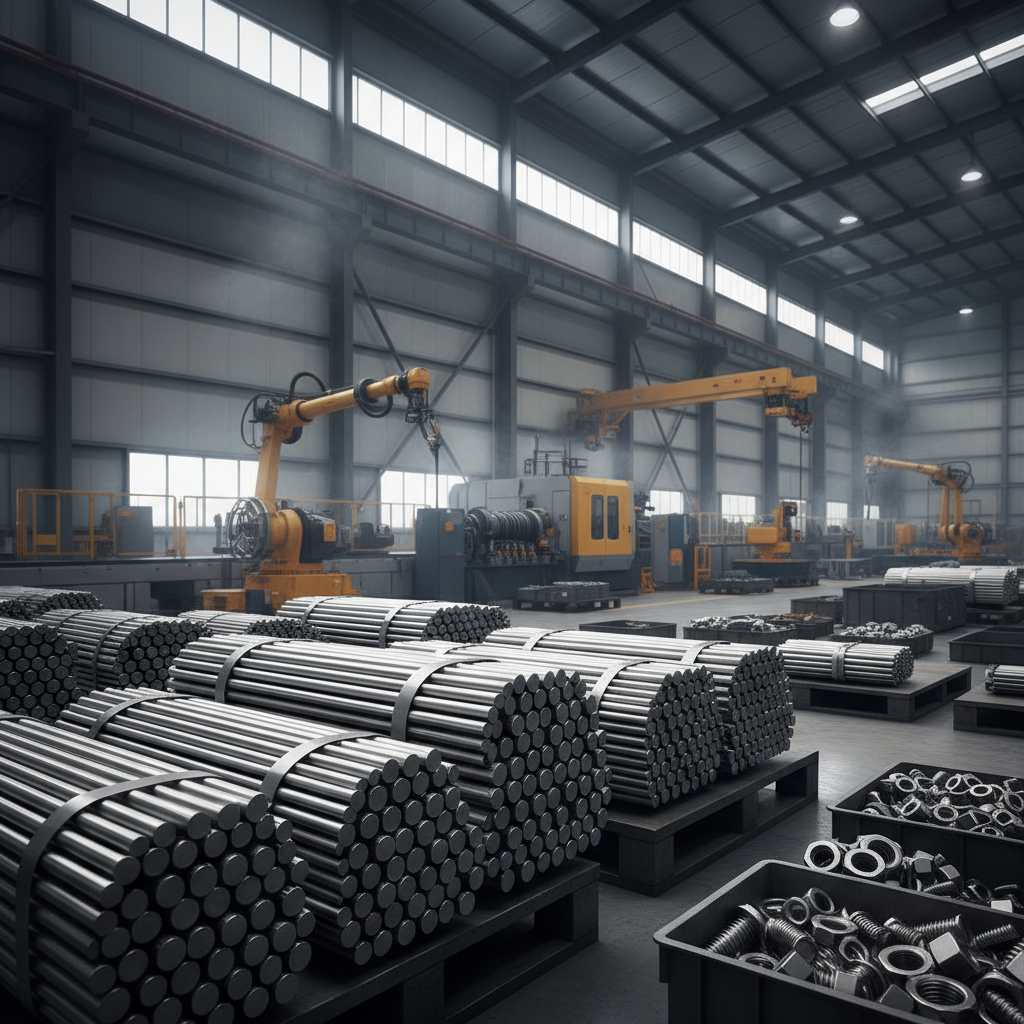
The production of a high-quality din603 carriage bolt involves a meticulously controlled multi-stage manufacturing process, ensuring adherence to DIN 603 and ISO 898-1 standards for mechanical properties. The primary materials used are typically carbon steel (grades 4.6, 8.8, 10.9) and various grades of stainless steel carriage bolts, such as A2 (304) and A4 (316), chosen for their strength and corrosion resistance.
1. Wire Rod Preparation
High-quality steel wire rods are selected and drawn to the precise diameter required for the bolt shaft. This step ensures material uniformity and prepares the steel for subsequent cold forming.
2. Cold Heading / Cold Forging
The drawn wire is cut to length and fed into a cold heading machine. This machine progressively forms the round head and the distinctive square neck under intense pressure without heating the material. Cold forging enhances the material's strength and fatigue resistance.
3. Thread Rolling
After forming the head and square neck, the bolt blank undergoes thread rolling. This process forms the threads by plastically deforming the material rather than cutting it, resulting in stronger, more precise threads with improved fatigue life compared to cut threads.
4. Heat Treatment (for Carbon Steel)
Carbon steel carriage bolts are heat-treated (quenched and tempered) to achieve specific mechanical properties, such as tensile strength, yield strength, and hardness, as per ISO 898-1 for grades 8.8 and 10.9. Stainless steel bolts typically do not require heat treatment for strength.
5. Surface Treatment / Coating
Depending on the application, bolts may undergo various surface treatments. Common coatings include zinc plating (bright zinc, yellow zinc), hot-dip galvanizing for enhanced corrosion resistance, or specialized coatings like Dacromet or Geomet. Stainless steel coach bolts often only require passivation for optimal corrosion performance.
6. Quality Control and Testing
Each batch undergoes rigorous testing, including dimensional checks (using calipers, gauges), tensile strength tests, hardness tests (Rockwell or Vickers), proof load tests, and salt spray tests for coated fasteners. Compliance with standards like ISO and ANSI is meticulously verified to ensure product integrity and service life.
The typical service life of a well-manufactured din603 carriage bolt can range from 10 to 50 years, depending on the material, environmental conditions, and specific application loads. For example, stainless steel coach bolts in marine or chemical environments offer superior corrosion resistance and extended longevity. Target industries include petrochemical, metallurgy, water supply & drainage, construction, and railway infrastructure, where reliable, long-lasting fastenings are paramount.
Industry Trends and Market Dynamics
The global industrial fasteners market is projected to reach approximately USD 115 billion by 2028, driven by growth in construction, automotive, and general manufacturing sectors. Within this, the segment for specialized fasteners like carriage bolts is experiencing notable shifts. There's an increasing emphasis on fasteners that offer enhanced durability, ease of installation, and superior corrosion resistance, particularly for infrastructure projects and renewable energy applications.
Key trends include:
- Advanced Materials: Growing demand for stainless steel carriage bolts (A2/304, A4/316) to withstand aggressive environments, reducing maintenance costs and improving overall system longevity.
- Sustainability: Manufacturers are adopting more energy-efficient production processes and offering fasteners with eco-friendly coatings.
- Digitalization: Integration of IoT and AI in quality control and supply chain management for fasteners, ensuring traceability and consistency.
- Standardization and Customization: While international standards like DIN and ISO remain critical, there's a growing need for customized coach bolts tailored to specific project requirements, requiring flexible manufacturing capabilities.
The market for high-performance fasteners is especially robust in emerging economies undergoing rapid industrialization and infrastructure development. The intrinsic design of the din603 carriage bolt, with its anti-rotation square neck, positions it perfectly for applications demanding both structural integrity and resistance to loosening from vibration or tampering.
Technical Specifications and Parameters
The DIN 603 standard specifies the dimensions and material requirements for carriage bolts with a large round head and square neck. This standard ensures interchangeability and performance consistency across various manufacturers. Key parameters include nominal diameter (d), thread pitch (P), length (l), head diameter (dk), head height (k), and square neck dimensions (v, f).
Key Material Grades and Mechanical Properties
| Property / Grade | Carbon Steel Grade 4.6 | Carbon Steel Grade 8.8 | Stainless Steel A2 (304) | Stainless Steel A4 (316) |
|---|---|---|---|---|
| Tensile Strength (min.) | 400 MPa | 800 MPa | 500 MPa | 500 MPa |
| Yield Strength (min.) | 240 MPa | 640 MPa | 210 MPa | 210 MPa |
| Hardness (HV) | 120-220 | 250-330 | ≤ 200 | ≤ 200 |
| Corrosion Resistance | Low (requires coating) | Low (requires coating) | Good | Excellent (marine/chemical) |
Typical DIN 603 Dimensional Specifications (Excerpt)
| Nominal Diameter (d) | Head Diameter (dk) max | Head Height (k) max | Square Neck (v) max | Square Neck Depth (f) max |
|---|---|---|---|---|
| M5 | 13.5 mm | 3.3 mm | 5.4 mm | 3.5 mm |
| M8 | 21.6 mm | 5.1 mm | 8.5 mm | 5.5 mm |
| M12 | 30.6 mm | 7.2 mm | 13 mm | 8 mm |
| M20 | 49.6 mm | 11.7 mm | 21 mm | 13 mm |
These specifications ensure that a din603 carriage bolt can be reliably integrated into designs, offering predictable performance characteristics critical for safety and operational efficiency. The selection of the appropriate material grade and coating is paramount to achieving desired service life and resistance to environmental degradation.
Application Scenarios and Technical Advantages
The robust design of the din603 carriage bolt makes it ideal for a diverse range of heavy-duty and security-sensitive applications. Its primary advantage lies in the square neck, which seats into the material being fastened, preventing rotation and allowing single-sided tool access for tightening.
Typical Application Scenarios:
- Construction: Securing timber beams, railway sleepers, fencing, and playground equipment. The smooth, domed head provides a safe, flush finish, reducing snagging risks.
- Metal Fabrication: Assembling metal frames, machine guards, and panels, especially where access to the bolt head is restricted or a tamper-proof connection is desired.
- Automotive and Transportation: Used in trailer beds, chassis components, and utility vehicle assemblies for their strength and resistance to vibration.
- Marine and Coastal Structures: Stainless steel carriage bolts (A4/316) are indispensable for docks, boardwalks, and offshore platforms due to their exceptional corrosion resistance against saltwater and humid environments.
- Public Infrastructure: Street furniture, signage, and barriers benefit from the anti-vandalism feature provided by the smooth domed head and internal square neck seating.
Technical Advantages:
- Anti-Rotation Mechanism: The square neck design ensures the bolt locks into place, preventing rotation during nut tightening, which is crucial for secure installations and when only one side is accessible.
- Tamper Resistance: The smooth, domed head provides no external driving feature, making the fastener highly resistant to tampering or unauthorized removal once installed from the accessible side.
- Aesthetic Finish: The low-profile, round head offers a clean, flush appearance, which is desirable in applications where aesthetics are important, or where a protruding head could cause injury or snagging.
- Load Distribution: The large head distributes the clamping force over a wider area, reducing stress on the fastened material, particularly useful in softer materials like wood.
- Corrosion Resistance: When specified in stainless steel coach bolts, they offer superior resistance to rust and degradation, making them suitable for outdoor, chemical, and marine environments, thereby extending service life and reducing maintenance.
- Energy Saving: In certain assembly processes, the single-sided installation capability can lead to faster assembly times and reduced labor, contributing to overall operational efficiency and indirect energy savings.
Vendor Comparison and Customized Solutions
Selecting the right vendor for carriage bolts is critical for ensuring product quality, supply chain reliability, and cost-effectiveness. Key differentiation factors among vendors include manufacturing capabilities, quality assurance protocols, material sourcing, and capacity for customized solutions.
Vendor Comparison Factors:
| Feature | Manufacturer A (Typical High Volume) | Manufacturer B (Specialist/HBTBLS) |
|---|---|---|
| Material Availability | Common carbon steel, limited stainless | Extensive: Carbon steel (4.6, 8.8, 10.9), stainless steel coach bolts (A2/304, A4/316), duplex, exotic alloys |
| Customization Scope | Standard lengths/diameters, basic coatings | Non-standard dimensions, custom head styles, specialized coatings (e.g., PTFE, ceramic), thread types (e.g., UNC, UNF), specific mechanical properties |
| Quality Certifications | ISO 9001 (basic) | ISO 9001, ISO 14001, CE, PED, individual product certifications (e.g., MTC 3.1) |
| Testing Capabilities | Standard tensile, hardness | In-house metallurgical lab, advanced mechanical testing (impact, fatigue), NDT, environmental testing (salt spray, humidity) |
| Lead Time (Standard items) | 2-4 weeks | 1-3 weeks (expedited options available) |
Customized Solutions:
For specialized projects, standard DIN 603 specifications may not be sufficient. We offer comprehensive customized solutions for carriage bolts to meet unique engineering challenges. This includes:
- Non-Standard Dimensions: Manufacturing bolts with custom diameters, lengths, or head geometries.
- Special Materials: Production in high-strength alloys, duplex stainless steels, or other corrosion-resistant materials for extreme operating conditions.
- Application-Specific Coatings: Tailored surface treatments for enhanced wear resistance, UV protection, chemical inertness, or specific friction coefficients.
- Thread Modifications: Custom thread forms (e.g., Acme, Buttress) or specialized thread lengths to match unique mating components.
- Integrated Assemblies: Providing bolts as part of a pre-assembled kit with matching nuts and washers for streamlined installation.
Our engineering team collaborates closely with clients to define precise requirements, conduct feasibility studies, and deliver tailored fastening solutions that align with performance, budget, and project timelines.
Application Case Studies
Case Study 1: Marine Pier Construction
A major marine construction firm undertaking a pier expansion project required fasteners for securing heavy timber decking to structural steel supports. The primary challenges were severe saltwater corrosion, high static loads, and dynamic stresses from wave action.
- Solution: We supplied custom-length stainless steel coach bolts (A4-80 grade, equivalent to 316L) conforming to DIN 603, with an enhanced passivation treatment. The A4-80 material offers superior resistance to chloride-induced pitting and crevice corrosion.
- Outcome: The project experienced significantly reduced installation time due to the single-sided tightening capability of the din603 carriage bolt. Post-installation inspections after three years showed no signs of corrosion or loosening, validating the choice of material and design for extended service life in a highly corrosive environment. Client feedback highlighted the reliability and ease of use, leading to repeat orders for subsequent phases.
Case Study 2: High-Security Public Bench Installation
A municipal infrastructure project for public parks required secure, vandal-resistant fastening for heavy-duty benches. Traditional fasteners were prone to tampering and loosening.
- Solution: We provided hot-dip galvanized carriage bolts (Grade 8.8) to DIN 603 standard. The hot-dip galvanizing offered robust corrosion protection for outdoor exposure, while the smooth, round head and square neck design effectively deterred tampering.
- Outcome: The municipality reported zero instances of vandalism or loosening of the benches over a five-year period. The anti-rotation feature simplified installation, and the aesthetic appeal of the flush head was also noted. This solution significantly enhanced public safety and reduced maintenance costs associated with vandalism and re-tightening.
Frequently Asked Questions (FAQ)
Q1: What is the primary advantage of a din603 carriage bolt over other fasteners?
A1: The primary advantage is its unique square neck that seats into the material, preventing the bolt from turning when the nut is tightened. This allows for single-sided installation and provides anti-tampering benefits due to the smooth, round head.
Q2: What materials are available for carriage bolts, and which should I choose?
A2: They are commonly available in carbon steel (grades 4.6, 8.8, 10.9) and stainless steel (A2/304, A4/316). Carbon steel is suitable for general applications and can be coated for corrosion resistance. Stainless steel carriage bolts (especially A4/316) are recommended for highly corrosive environments, marine applications, or where aesthetics and long-term performance without rust are critical.
Q3: How do I ensure I receive genuine DIN 603 compliant products?
A3: Always purchase from reputable manufacturers or distributors who provide material test certificates (MTC 3.1) and quality assurance documentation. Verify their ISO certifications and adherence to relevant national and international standards.
Q4: Can din603 carriage bolts be customized for specific project requirements?
A4: Yes, reputable vendors offer extensive customization options, including non-standard dimensions, specific material grades (e.g., high-strength alloys, duplex stainless), specialized coatings, and custom thread types. Consult with our engineering team to discuss your unique needs.
Logistics, Warranty, and Support
Lead Time and Fulfillment
Our standard lead time for common configurations of din603 carriage bolt is typically 1-3 weeks, depending on order volume and current stock levels. For customized orders or specialized materials, lead times will be confirmed upon quotation, typically ranging from 4-8 weeks. We maintain robust inventory management and efficient production scheduling to meet urgent demands. Expedited shipping options are available for critical projects. Our global logistics network ensures timely and secure delivery to your specified location, with comprehensive tracking provided for all shipments.
Warranty Commitments
All our carriage bolts are manufactured to the highest industry standards and come with a comprehensive warranty against manufacturing defects and material failures for a period of 12 months from the date of purchase. This warranty covers the integrity and performance of the fasteners under normal operating conditions, provided they are installed and used according to recommended practices and specifications. Detailed warranty terms and conditions are available upon request. Our commitment to quality is backed by rigorous testing and adherence to ISO 9001 standards.
Customer Support and After-Sales Service
We pride ourselves on providing exceptional customer support, from initial inquiry through to post-installation assistance. Our dedicated technical support team is available to assist with product selection, technical specifications, installation guidelines, and troubleshooting. We offer:
- Technical Consultation: Expert advice on material selection, coatings, and application best practices.
- Documentation: Provision of material test certificates, compliance declarations, and installation guides.
- After-Sales Inquiry: Prompt response to any product-related questions or concerns post-purchase.
- Global Reach: Support available across different time zones, ensuring seamless communication.
Our goal is to build long-term partnerships by ensuring complete satisfaction with our products and services, affirming our reputation as a trusted supplier of industrial fasteners.
References
- International Organization for Standardization (ISO). ISO 898-1: Mechanical properties of fasteners made of carbon steel and alloy steel — Part 1: Bolts, screws and studs with specified property classes — Coarse thread and fine pitch thread.
- Deutsches Institut für Normung (DIN). DIN 603: Carriage bolts with large round head and square neck.
- Fastener Technology International (FTI). "The Evolution of Fastener Manufacturing and Materials." www.fastenertech.com.
- Grand View Research. "Industrial Fasteners Market Size, Share & Trends Analysis Report By Product, By Material, By Application, By Region, And Segment Forecasts, 2021 – 2028." www.grandviewresearch.com.
Post time: Aug . 29, 2025 07:20


 English
  Albanian
  Arabic
  Armenian
  Azerbaijani
  Belarusian
  Bosnian
  Bulgarian
  Cebuano
  Corsican
  Czech
Czech  Galician
  Georgian
  Greek
Greek  Hausa
Hausa  Hebrew
  Hungarian
  Igbo
Igbo  Indonesian
  Italian
  Kazakh
  Khmer
Khmer  Korean
  Kurdish
  Kyrgyz
  Lao
Lao  Latin
Latin  Latvian
  Lithuanian
  Malay
Malay  Myanmar
  Nepali
  Polish
  Portuguese
  Russian
  Serbian
  Sesotho
  Shona
Shona  Sindhi
  Spanish
  Tagalog
  Tajik
Tajik  Thai
Thai  Turkish
  Turkmen
  Ukrainian
  Uzbek
Uzbek  Vietnamese
  Yoruba
  Zulu
Zulu