
Understanding the M16 Stainless Steel Threaded Rod: A Small Component with a Global Reach
If you’ve never really thought about a threaded rod — let alone an m16 stainless steel threaded rod — you might be surprised how crucial these humble components are. These rods, essentially long metal screws without heads, play a colossal role in everything from international construction projects to disaster relief shelters. They're literally the unsung heroes holding frameworks together globally, in industries ranging from infrastructure to manufacturing. The better we understand these rods, the more efficient, reliable, and safe our engineering solutions can be — not to mention cost-effective and sustainable.
Distilled down, this discussion is about how one simple, standardized piece of hardware quietly supports countless global operations — sometimes under intense pressure and in unforgiving environments. Stick with me.
The Global Context: Why M16 Stainless Steel Threaded Rods Matter Worldwide
According to ISO standards and UNC screw thread norms, the designation "M16" refers to a metric rod that’s 16mm in diameter — sort of a sweet spot where strength meets versatility. Stainless steel, meanwhile, brings corrosion resistance crucial for harsh environments. Put the two together, and you have something that’s indispensable across continents and industries.
The World Bank estimates that global infrastructure investments will reach $94 trillion by 2040 — a staggering figure where reliable fasteners like the m16 stainless steel threaded rod make a silent but essential contribution. In humanitarian efforts, such as post-disaster housing or medical facility construction, these rods ensure structures are sturdy and swift to erect. Yet, supply chain hiccups and inconsistent quality can challenge project timelines. Hence, understanding the specs and suppliers of quality rods truly matters.
Defining the M16 Stainless Steel Threaded Rod
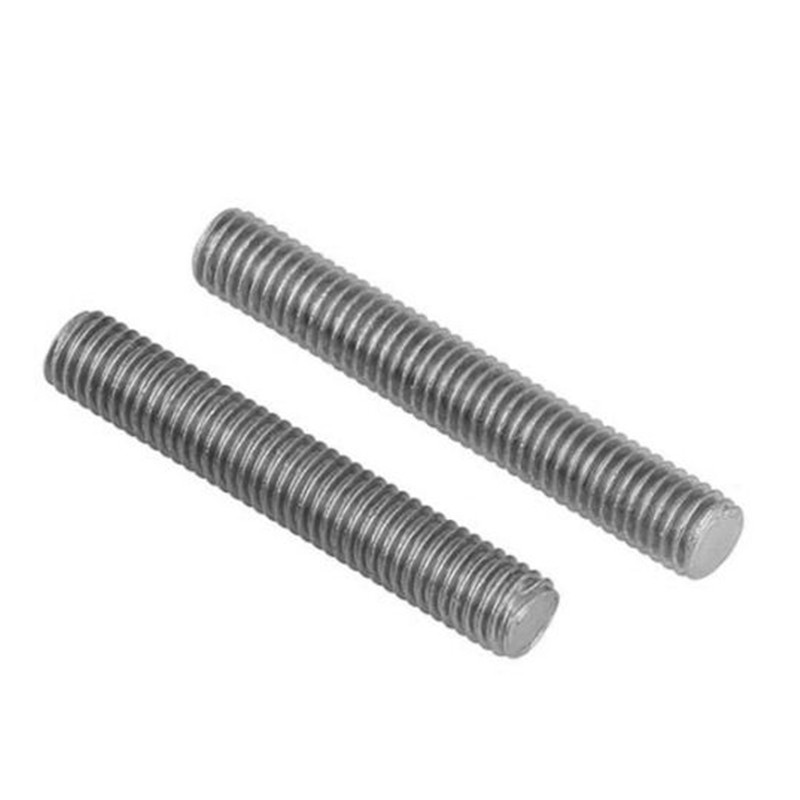
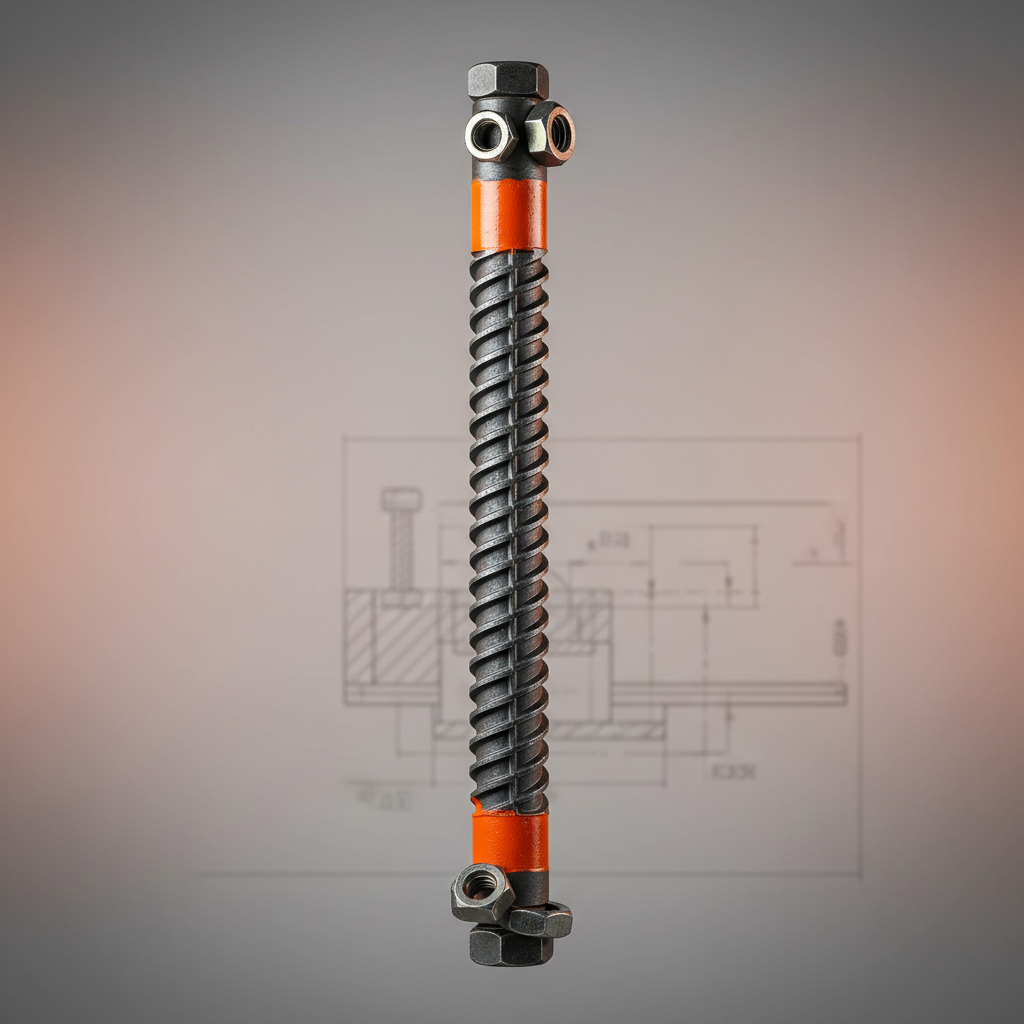
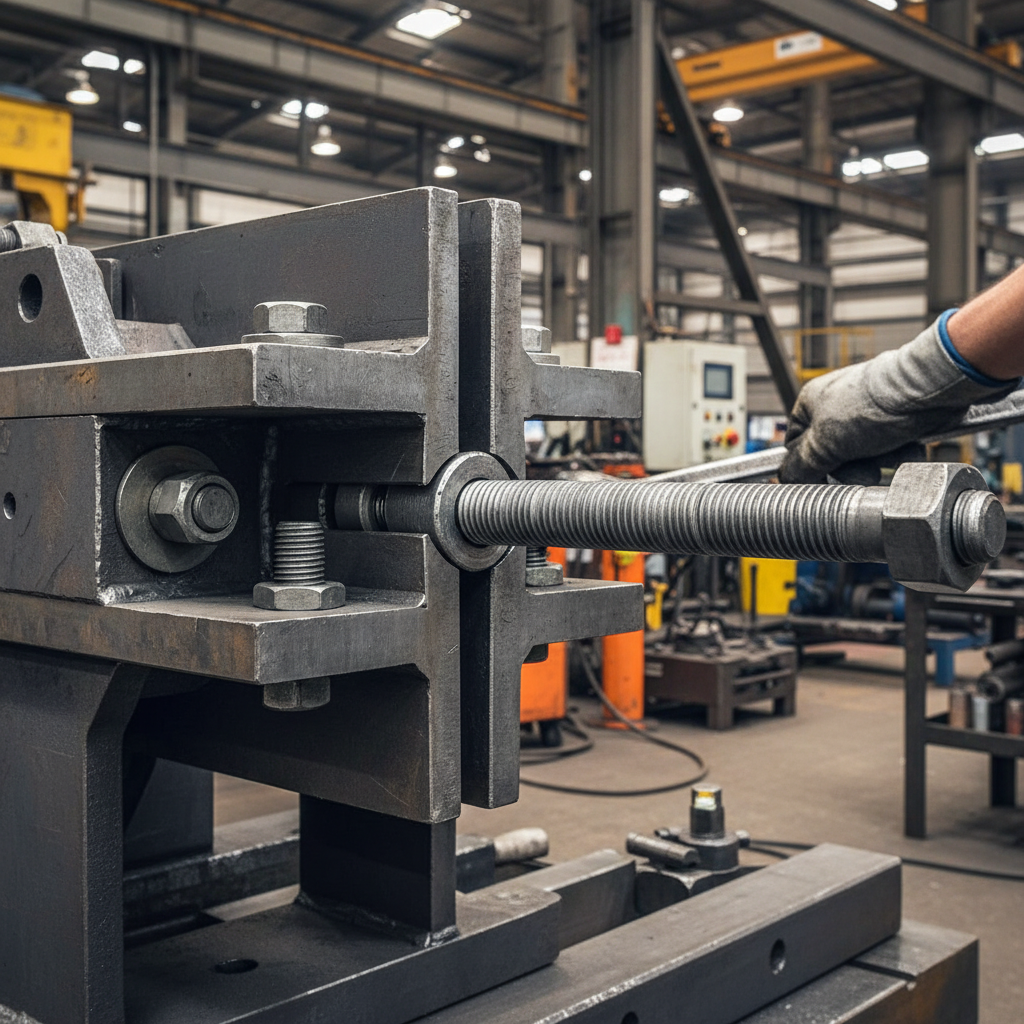
In basic terms, an m16 stainless steel threaded rod is a cylindrical metal shaft, 16 millimeters thick, fully threaded along its length, crafted primarily from stainless steel alloys. Think of it like a super-strong metal “spine” that holds parts of a structure together via nuts and washers.
These rods are prized for their high tensile strength and corrosion resistance, crucial when fasteners need to endure weather, chemicals, or heavy loads. From skyscrapers in urban hubs to remote telecommunication towers in desert climates, these rods provide the backbone of durable assemblies.
Key Characteristics of M16 Stainless Steel Threaded Rods
1. Durability and Corrosion Resistance
Stainless steel's chromium content (usually 10-30%) allows the rod to resist rust and pitting in humid, salty, or acidic environments. It means the rod can keep holding tight even decades later. Many engineers swear by this property when designing coastal or offshore structures.
2. Strength and Load Capacity
The M16 size strikes a balance: robust enough to handle heavy mechanical loads but manageable in terms of weight. Depending on the stainless steel grade (304, 316, or higher), tensile strength can range roughly between 500 and 1000 megapascals. That translates to real-world reliability under stress.
3. Versatility and Scalability
These rods can be cut to length, doubly threaded to join two parts, or combined with other hardware for complex assemblies. Think about modular construction or quick-install projects — each uses threaded rods, including M16 variants, for scalable infrastructure.
4. Cost Efficiency
While more expensive than plain steel rods, stainless steel threaded rods make financial sense over the long haul — lower maintenance, fewer replacements, and less downtime. It's a classic trade-off that many project managers accept gladly.
5. Compliance and Standardization
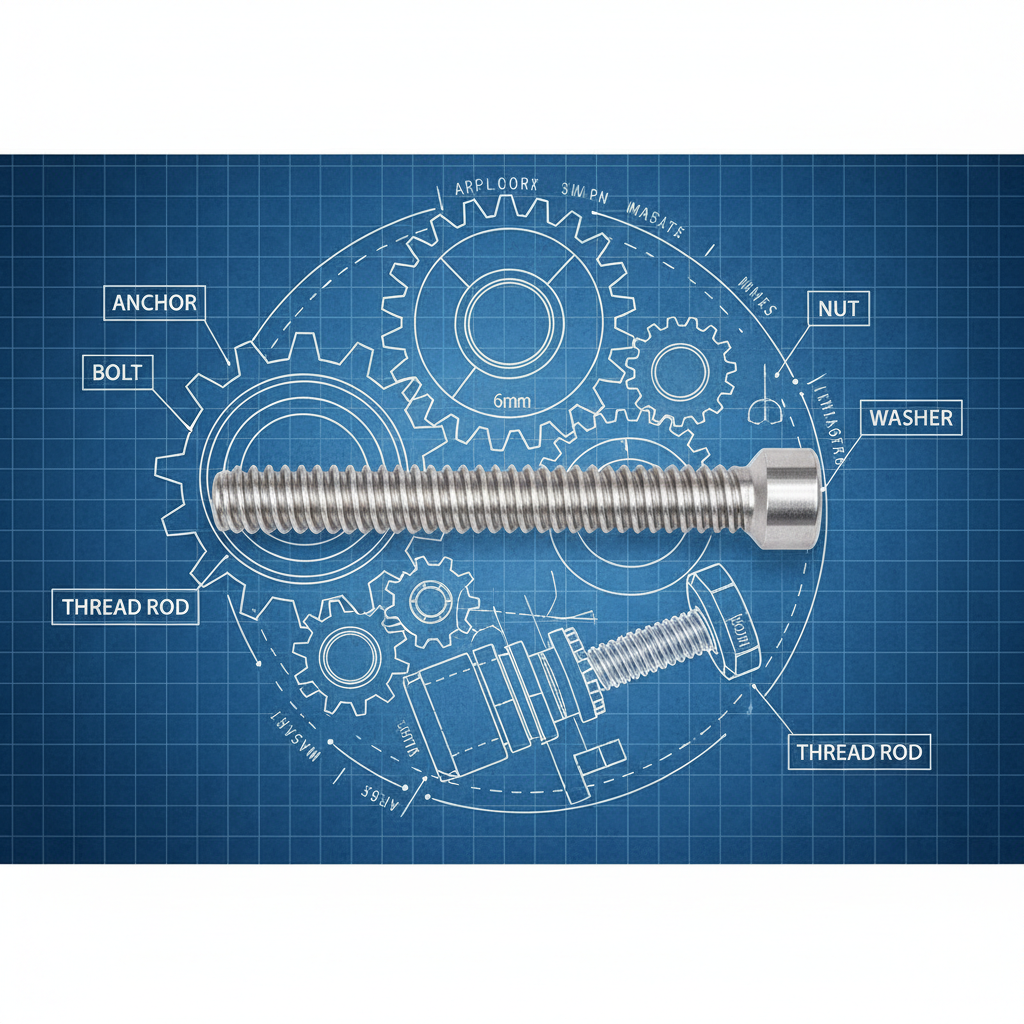
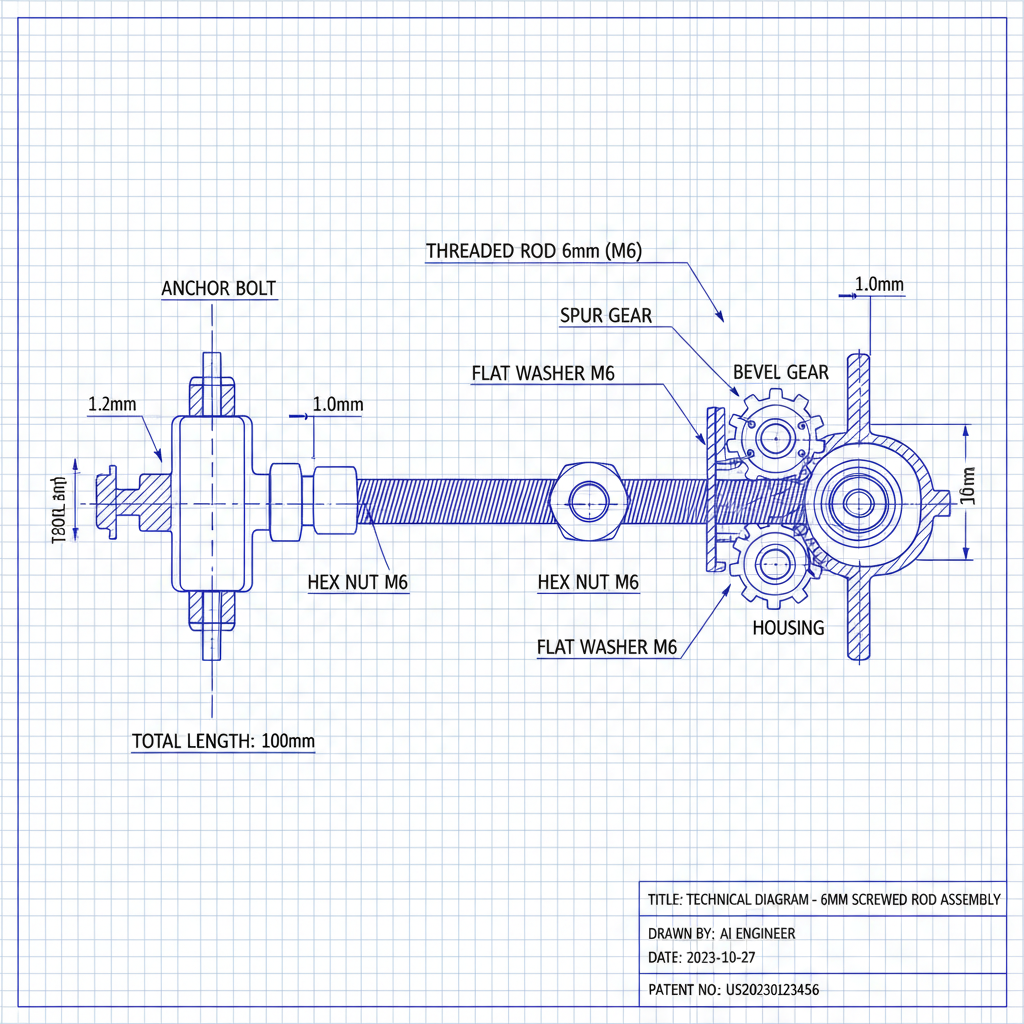
Meeting standards like ISO 898-1, ASTM A193, or DIN 975 means an m16 stainless steel threaded rod behaves predictably across projects. When construction teams worldwide speak the same “thread spec language,” coordination gets easier.
Mini takeaway: The m16 stainless steel threaded rod blends strength, durability, and adaptability - all anchored by global compliance standards.
Global Applications of M16 Stainless Steel Threaded Rod
From skyscrapers in New York and Dubai, to solar panel farms in Spain and emergency shelters in Nepal, the m16 stainless steel threaded rod is everywhere. In industrial zones — say, mining or chemical plants in Chile — their resistance to corrosive agents is a godsend.
Humanitarian organizations often deploy temporary housing and medical units made sturdy with these rods. For example, after the 2015 Nepal earthquake, fast deployment assemblies utilizing stainless steel rods sped up rebuilding efforts.
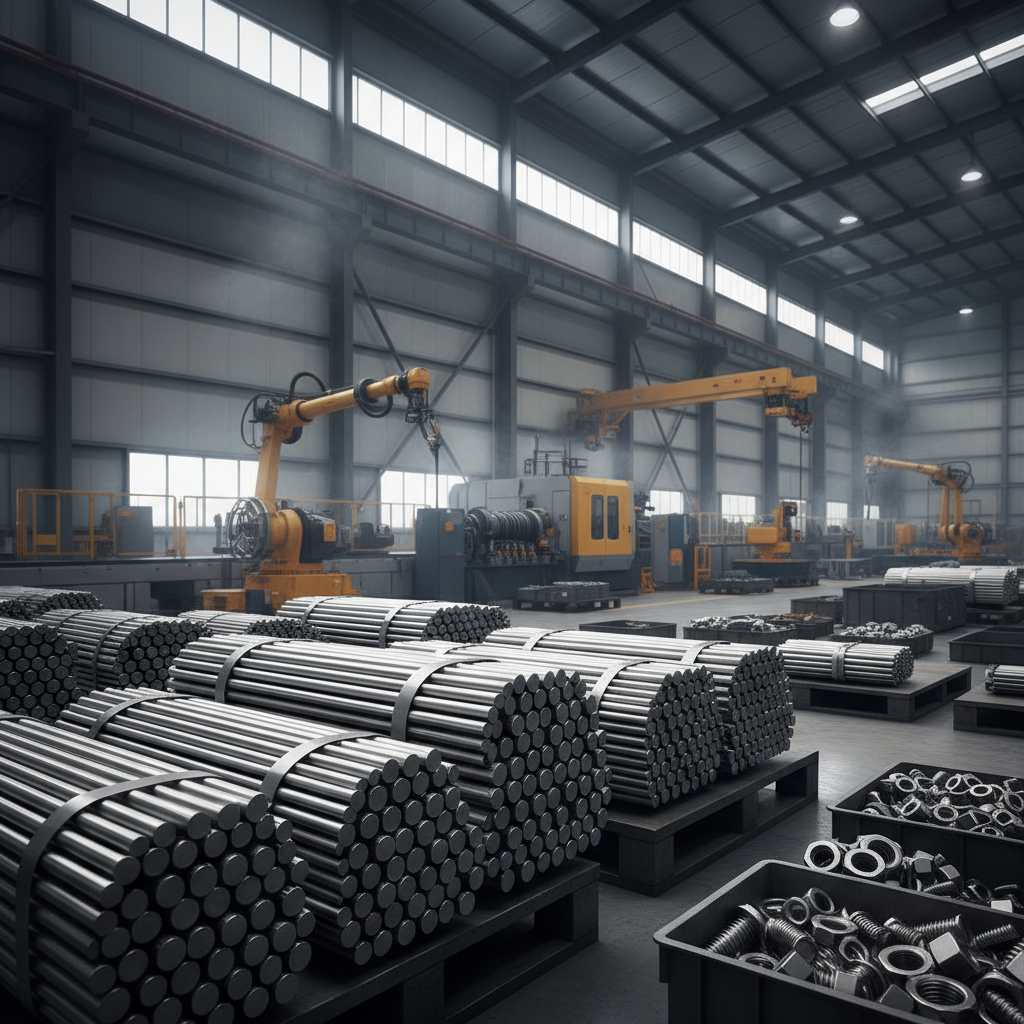
The energy sector uses them extensively too — offshore wind farms in the North Sea rely on corrosion-resistant fasteners to withstand salty spray and storms. Even railways in Northern Europe and Asia use m16 stainless steel threaded rods to secure tracks and signal masts.
Practical Use Cases by Region & Industry
- Asia-Pacific: Modular construction for smart cities, leveraging the rods’ scalability.
- Europe: Offshore wind power and sustainable energy installations.
- North America: Industrial machinery assembly and infrastructure renovations.
- Latin America: Mining projects requiring heavy-duty, corrosion-resistant fasteners.
Mini takeaway: The global footprint of these rods underscores their versatility — from luxury urban builds to lifesaving disaster relief.
Specification Table: Typical M16 Stainless Steel Threaded Rod Properties
| Property | Value | Notes |
|---|---|---|
| Diameter | 16 mm | Standard M16 nominal size |
| Length | Typically 1m to 6m | Cut-to-length options available |
| Material | 304 or 316 Stainless Steel | 316 preferred for marine environments |
| Thread Pitch | 2.0 mm (coarse thread) | Standard pitch for M16 bolts |
| Tensile Strength | 500-1000 MPa | Depends on stainless grade and heat treatment |
| Corrosion Resistance | High (per ASTM A276) | Suitable for marine and chemical exposure |
Comparing Leading Vendors of M16 Stainless Steel Threaded Rods
| Vendor | Material Grades | Typical Price per Meter | Lead Times | Quality Certifications |
|---|---|---|---|---|
| Universal Fasteners Inc. | 304, 316L | $5.50 - $7.00 | 2-3 weeks | ISO 9001, ASTM A193 |
| Global Industrial Metals | 304, 316, 321 | $6.00 - $7.50 | 1-2 weeks | ISO 14001, ASTM F593 |
| Stainless Solutions Ltd. | 316L, 904L | $7.50 - $9.00 | 3-5 weeks | ISO 9001, PED Certified |
Benefits & Long-Term Value of Using M16 Stainless Steel Threaded Rods
Using m16 stainless steel threaded rods isn’t just about the immediate “hold it together” functionality. It translates directly into lower maintenance costs (less rust, less replacement), better durability (stronger structures), and improved safety (preventing structural failures). Plus, from an emotional standpoint, clients and engineers alike get that reassuring feeling that their work is built to last — no guesswork.
The sustainability angle is worth highlighting: stainless steel is 100% recyclable, and using high-grade rods reduces waste from premature failures. For projects aiming for green certifications — think LEED or BREEAM — quality fasteners like m16 rods contribute meaningfully.
Oddly enough, in a world obsessed with shiny tech, the reliability of a threaded rod feels almost timeless.
Future Trends: What’s Next for M16 Stainless Steel Threaded Rods?
Materials science is marching on. We’re seeing experimental coatings like graphene layers or anti-bacterial finishes being discussed for these rods, mainly for medical or food sector equipment. There’s also increasing interest in “smart fasteners” embedded with sensors that can report tension and structural integrity in real time — imagine a rod that tells you when it’s about to fail.
Digital procurement platforms streamline ordering, but more automation in manufacturing means better consistency and traceability in rod batches. Finally, green energy projects will keep demanding corrosion-resistant rods that can brave offshore turbines or solar installations in deserts — conditions far harsher than many imagine.
Challenges and Innovative Solutions in the Industry
No product is perfect, and m16 stainless steel threaded rods have common challenges. For example, improper installation can cause thread galling (that dreadful metal-on-metal seizing), and sourcing cheap imports sometimes means inconsistent tensile strength.
Experts recommend using thread lubricants and careful torque controls to avoid galling. Meanwhile, pushing for transparent vendor certifications and batch testing reduces supply chain risk. New alloys that balance cost with performance are also emerging, giving engineers more choice without compromising reliability.
FAQ: Answering Your Top Questions About M16 Stainless Steel Threaded Rods
Q1: What environments benefit most from stainless steel threaded rods over regular steel?
Stainless steel rods excel in humid, salty, or chemically aggressive environments — think coastal infrastructure, chemical plants, or food processing facilities. They resist rust and deterioration much better, meaning less maintenance and longer life spans. For indoor dry environments, plain steel may suffice, but the premium of stainless steel pays off quickly in harsh conditions.
Q2: How should I choose between different stainless steel grades for an M16 threaded rod?
Grade 304 is standard and cost-effective for many applications, but 316 or 316L offers superior corrosion resistance, especially near seawater or chloride exposure. For extreme conditions, specialty grades like 904L might be warranted. Consider your environment, budget, and the rod’s criticality when choosing.
Q3: Can M16 stainless steel threaded rods be cut to custom lengths on site?
Yes, one of the advantages is flexibility in length. Cutting should be done with appropriate tools to maintain thread integrity and avoid metal fatigue. After cutting, applying anti-corrosion coatings or thread protectors is recommended to preserve performance.
Q4: Are M16 stainless steel threaded rods reusable after disassembly?
Generally, yes, if the rods show no signs of damage or thread wear. However, careful inspection for corrosion or deformation is essential to ensure safety. In critical structural applications, replacement is often preferred over reuse to avoid unforeseen failures.
Q5: How can NGOs or international agencies source these rods efficiently for disaster relief?
Partnering with certified local suppliers or global distributors who maintain stock and provide rapid delivery is key. Bulk purchasing agreements and transparent quality certifications help ensure that deployment timelines are met without compromising quality.
Final Thoughts and Next Steps
In the grand scheme, an m16 stainless steel threaded rod might seem like a minor actor, but the reality is it’s a superstar behind the scenes. Its combination of strength, corrosion resistance, and flexibility gives engineers and project managers a reliable ally in thousands of global projects every day.
Curious to find the right rod for your next project? Check out the latest spec sheets, request samples, or talk to vendor experts by visiting https://www.hbtbls.com. Trust me, your structures will thank you.
References
Post time: Nov . 21, 2025 20:30


 English
  Albanian
  Arabic
  Armenian
  Azerbaijani
  Belarusian
  Bosnian
  Bulgarian
  Cebuano
  Corsican
  Czech
Czech  Galician
  Georgian
  Greek
Greek  Hausa
Hausa  Hebrew
  Hungarian
  Igbo
Igbo  Indonesian
  Italian
  Kazakh
  Khmer
Khmer  Korean
  Kurdish
  Kyrgyz
  Lao
Lao  Latin
Latin  Latvian
  Lithuanian
  Malay
Malay  Myanmar
  Nepali
  Polish
  Portuguese
  Russian
  Serbian
  Sesotho
  Shona
Shona  Sindhi
  Spanish
  Tagalog
  Tajik
Tajik  Thai
Thai  Turkish
  Turkmen
  Ukrainian
  Uzbek
Uzbek  Vietnamese
  Yoruba
  Zulu
Zulu