

Understanding the Hex Socket Bolt: An Essential Fastening Solution
The Hex Socket Bolt, often referred to as an Allen bolt or cap screw, is a high-strength fastener characterized by its cylindrical head and hexagonal recess, designed for use with an Allen wrench or hex key. This design facilitates secure tightening and loosening in confined spaces, making it indispensable across a multitude of industrial applications. Its robust construction and precise engineering provide superior clamping force and resistance to loosening under vibration or stress, positioning it as a cornerstone in mechanical and structural assemblies where reliability is paramount. This comprehensive guide delves into the technical intricacies, application diversity, and market dynamics surrounding this critical component, offering insights for B2B decision-makers and engineering professionals.
Industry Trends and Market Dynamics
The global fastener market, including the segment for the Hex Socket Bolt, is experiencing steady growth driven by expanding industrialization, particularly in emerging economies, and increasing demand from sectors such as automotive, aerospace, construction, and heavy machinery. Key trends include the adoption of lightweight materials, demanding fasteners that offer high strength-to-weight ratios and superior corrosion resistance. There's a growing emphasis on precision engineering, tighter tolerances, and innovative surface treatments to enhance fastener performance and longevity. The integration of smart manufacturing processes, including automation and real-time quality control, is also revolutionizing production efficiencies and product consistency. Furthermore, sustainability concerns are leading to increased demand for fasteners made from recycled materials and those designed for easier disassembly and recycling.
- Material Innovation: Shift towards advanced alloys (e.g., inconel, titanium) for extreme environments.
- Surface Technology: Advanced coatings (e.g., zinc flake, ceramic) for enhanced corrosion resistance and reduced friction.
- Digitalization: Use of AI and IoT in manufacturing for predictive maintenance and quality assurance.
- Customization: Increasing demand for application-specific designs and materials, particularly in high-stakes sectors like aerospace and medical devices.
Technical Specifications and Parameters
The structural integrity and performance of a Hex Socket Bolt are defined by a range of precise technical specifications. These parameters ensure compatibility, strength, and durability for specific applications. Common materials include high-carbon steel, alloy steel, stainless steel (A2/304, A4/316), and specialized alloys, each selected for its mechanical properties such as tensile strength, yield strength, and hardness. Dimensionally, socket bolts conform to international standards like ISO 4762 (formerly DIN 912), ANSI/ASME B18.3, and JIS B1176, dictating head diameter, thread length, pitch, and overall length.
Typical Hex Socket Bolt Product Specifications
| Parameter | Details |
|---|---|
| Standard | ISO 4762 (DIN 912), ANSI/ASME B18.3, JIS B1176 |
| Material Grades | Class 8.8, 10.9, 12.9 (Alloy Steel); A2-70, A4-80 (Stainless Steel); Brass, Titanium |
| Thread Type | Metric (Coarse/Fine), UNC, UNF |
| Diameter Range | M3 to M64 (Metric); #0-80 to 2" (Imperial) |
| Length Range | 6mm to 600mm (Metric); 1/4" to 24" (Imperial) |
| Surface Finish | Black Oxide, Zinc Plated (Clear, Yellow), Hot Dip Galvanized, Dacromet, Geomet |
| Tensile Strength (Class 12.9) | Min. 1220 MPa |
| Yield Strength (Class 12.9) | Min. 1100 MPa |
These specifications are crucial for engineers to select the appropriate Hex Socket Bolt for applications requiring specific load-bearing capabilities, environmental resistance, and assembly constraints. Understanding these details minimizes failure risks and optimizes structural integrity.
Manufacturing Process Flow for Hex Socket Bolts
The production of a high-quality Hex Socket Bolt involves a meticulous multi-stage process, ensuring precision, strength, and durability. This process typically starts with the selection of premium raw materials, followed by advanced forming and finishing techniques.
Detailed Manufacturing Steps:
- Material Selection and Preparation: High-grade carbon steel, alloy steel (e.g., 40Cr, 35CrMo), or stainless steel (e.g., SUS304, SUS316) in wire coil form is chosen based on the required mechanical properties and environmental resistance. The wire is then descaled and lubricated for subsequent forming processes.
-
Cold Forging (Heading): The most common method. The wire is fed into a cold heading machine where a series of dies and punches form the bolt head and socket recess. This process improves the grain structure, enhancing strength and fatigue resistance without requiring material removal.
Schematic Step 1: Cold Heading
Raw Wire → Cut to Length → First Punch (Pre-form) → Second Punch (Head Form & Socket Recess)
-
Thread Rolling: After heading, the blank undergoes thread rolling. This process, unlike cutting, cold-forms the threads by pressing the bolt blank between two dies, displacing the material rather than removing it. This significantly increases the thread's tensile strength, fatigue resistance, and surface hardness.
Schematic Step 2: Thread Rolling
Headed Blank → Rolled Between Dies → Final Thread Profile
- Heat Treatment: For alloy steel bolts (e.g., Class 8.8, 10.9, 12.9), heat treatment is critical. This involves quenching (heating to high temperatures and rapid cooling) followed by tempering (reheating to a lower temperature), which refines the microstructure, achieving the desired hardness and strength while maintaining ductility.
- Surface Treatment/Plating: To enhance corrosion resistance, appearance, and specific functional properties, bolts may undergo surface treatments. Common options include black oxide, zinc plating (clear, yellow, black), hot-dip galvanizing, Dacromet, Geomet, and nickel plating. These treatments significantly extend the service life, especially in harsh environments, reducing maintenance costs and ensuring optimal energy saving by preventing premature material degradation.
- Inspection and Quality Control: Throughout the process, strict quality control measures are implemented. This includes dimensional checks, thread gauging, material composition analysis, hardness testing, tensile strength testing, and torque-tension testing. Bolts are manufactured to meet stringent international standards such as ISO 898-1 (mechanical properties of fasteners), ASTM F568M, and various national standards like ANSI/ASME and DIN.
- Packaging: Finished bolts are carefully packaged to prevent damage during transit and storage, ensuring they arrive in optimal condition for industrial use.
The meticulous control at each stage, from raw material selection to final inspection, ensures that each Hex Socket Bolt delivered meets the highest performance requirements for target industries such as petrochemical, metallurgy, and water supply & drainage, where corrosion resistance and structural integrity are paramount.
Key Technical Advantages of Hex Socket Bolts
The widespread adoption of the Hex Socket Bolt across demanding industries is attributable to its distinct technical advantages:
- High Strength-to-Size Ratio: The internal hex drive allows for a smaller head diameter compared to external hex bolts, yet retains superior strength due to the cold-formed manufacturing process and choice of high-grade materials (e.g., Class 12.9 alloy steel). This facilitates compact design and integration into restricted spaces.
- Excellent Torque Transmission: The hexagonal socket provides a superior purchase for the hex key, minimizing cam-out and allowing for higher torque application without damaging the drive, resulting in a more secure and reliable joint.
- Flush Mounting Capability: The cylindrical head design often allows for flush or countersunk installation, contributing to a cleaner aesthetic and preventing snagging in applications where protrusion is undesirable. This is particularly beneficial in safety-critical machinery and consumer products.
- Reduced Installation Space: The internal drive requires less clearance around the fastener head, making installation and removal easier in tight or recessed areas where traditional wrenches cannot operate. This optimizes assembly processes and design flexibility.
- Corrosion Resistance and Enhanced Service Life: When manufactured from stainless steel or treated with advanced coatings (e.g., zinc flake, ceramic), these bolts exhibit exceptional corrosion resistance, extending their service life in harsh environments, such as marine, chemical processing, and outdoor infrastructure. This directly contributes to energy saving by reducing the need for frequent replacement and maintenance.
- Vibration Resistance: Due to their high tensile strength and ability to achieve precise clamping loads, Hex Socket Bolt assemblies often demonstrate superior resistance to loosening under dynamic loads and vibrations, critical in heavy machinery and automotive applications.
Application Scenarios and Target Industries
The versatility and robust performance of the Hex Socket Bolt make it a preferred fastening solution across a broad spectrum of industries, particularly those requiring high-strength, precision, and reliability:
- Automotive Industry: Used extensively in engine assemblies, chassis components, braking systems, and interior fixtures where compact design and high clamping force are essential.
- Aerospace and Defense: Critical for assembling structural components, engine parts, and avionic systems, demanding fasteners with exceptional strength-to-weight ratios and resistance to extreme temperatures and vibrations.
- Heavy Machinery and Construction: Found in excavators, cranes, agricultural equipment, and structural steel connections, providing durable and secure joints for heavy load applications.
- Petrochemical and Chemical Processing: Stainless steel and specialty alloy Hex Socket Bolt variants are vital for pipelines, valves, pumps, and reactors, offering superior corrosion resistance against aggressive chemicals and high temperatures.
- Water Supply & Drainage Systems: Essential for flange connections, pipe fittings, and pump installations in municipal and industrial water treatment facilities, where resistance to water, moisture, and mild corrosive elements is crucial for long-term reliability.
- Electronics and Precision Equipment: Smaller diameter hex socket bolts are used in delicate instruments, robotics, and consumer electronics where precision, tamper resistance, and a flush finish are desired.
- Energy Sector (Renewables & Traditional): Employed in wind turbine assemblies, solar panel mounting structures, and power plant infrastructure due to their robust load-bearing capabilities and resistance to environmental stressors.
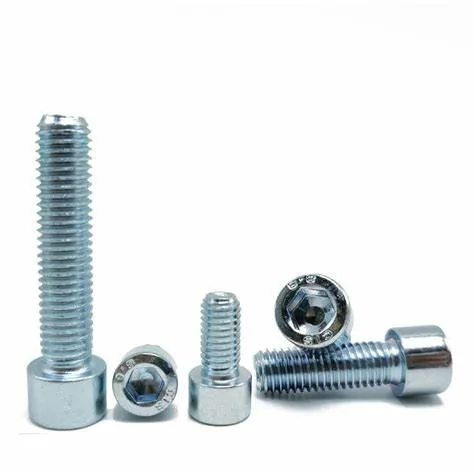
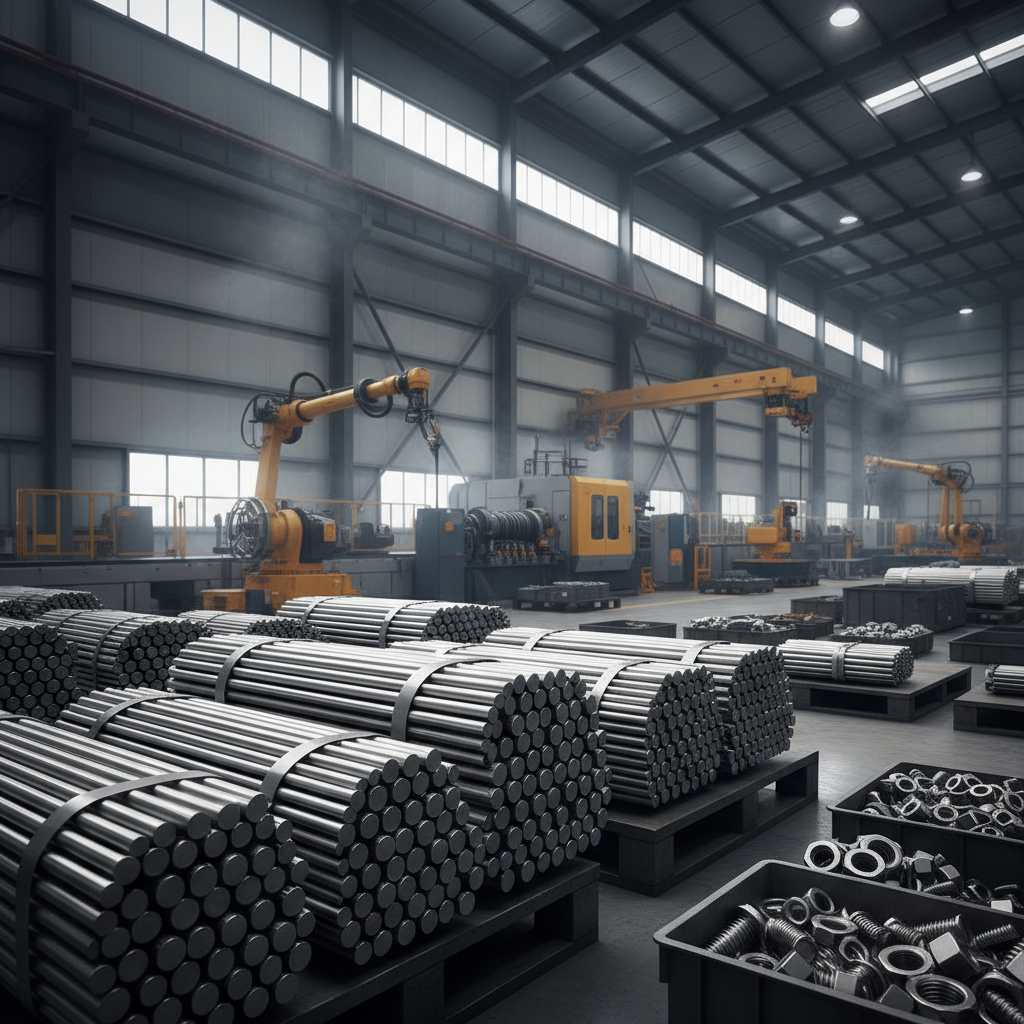
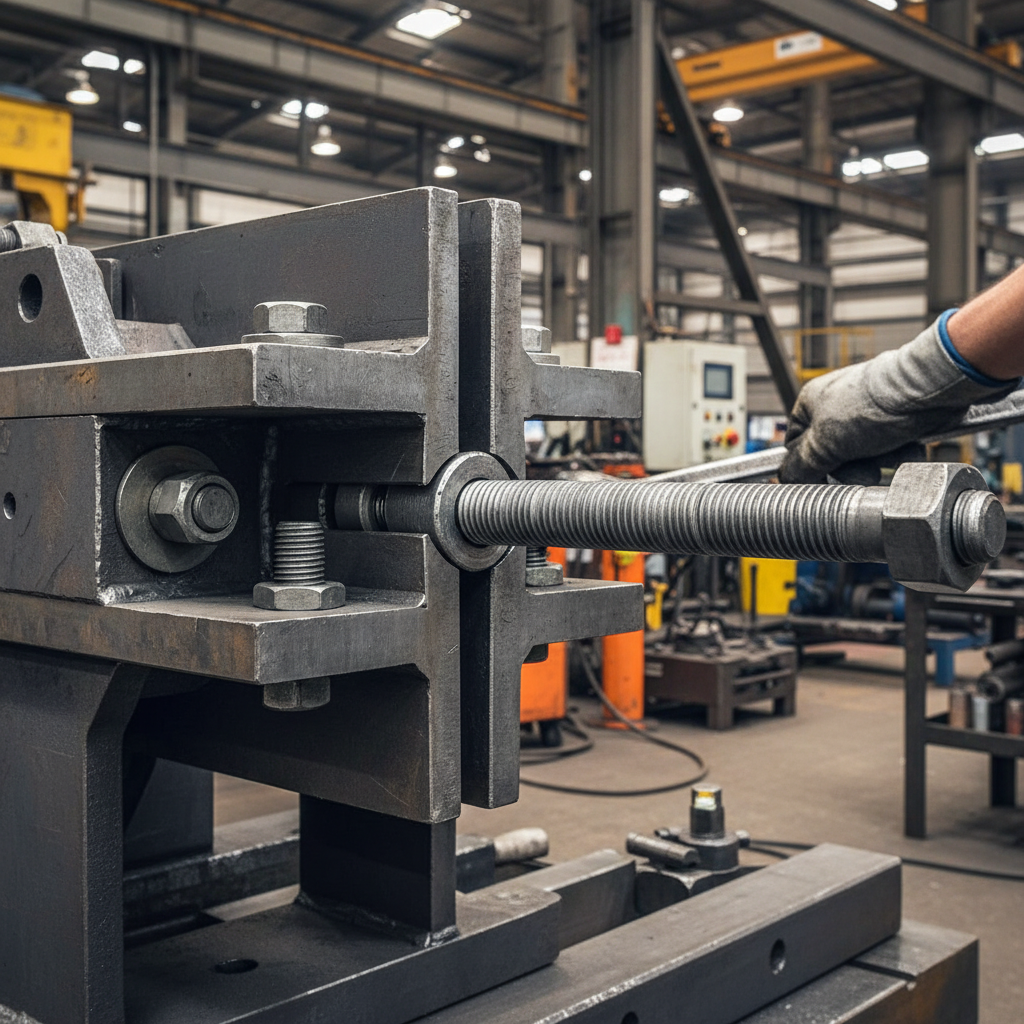
Figure 1: Typical application of Hex Socket Bolts in a heavy machinery assembly, demonstrating their compact and secure fastening capability.
In scenarios demanding high structural integrity and resistance to operational stresses, the Hex Socket Bolt consistently proves to be an optimal choice due to its engineered advantages in strength, compactness, and installation efficiency.
Vendor Comparison and Sourcing Considerations
Selecting the right vendor for Hex Socket Bolt procurement is a strategic decision influencing product quality, project timelines, and overall cost-effectiveness. A comprehensive comparison involves evaluating several critical factors beyond just price.
Key Comparison Factors:
- Certifications: Verify compliance with ISO 9001, CE, ASTM, and other relevant industry-specific certifications to ensure consistent quality and adherence to international standards.
- Material Traceability: A reputable vendor provides full traceability of raw materials, crucial for applications in critical industries like aerospace and medical.
- Manufacturing Capabilities: Assess whether the vendor utilizes advanced cold forging, heat treatment, and surface finishing technologies, impacting bolt performance and reliability.
- Quality Control & Testing: Inquire about their in-house testing facilities (e.g., tensile, hardness, salt spray) and their adherence to strict QC protocols.
- Customization Options: The ability to provide custom sizes, materials, and coatings tailored to unique project requirements.
- Lead Time & Logistics: Evaluate their efficiency in order fulfillment, logistics network, and ability to meet specific delivery schedules.
- Technical Support & After-Sales Service: The availability of expert technical guidance and responsive after-sales support can be invaluable.
Comparative Analysis of Hex Socket Bolt Vendors (Illustrative Data)
| Feature | Vendor A (Standard) | Vendor B (Premium) | Vendor C (Specialty) |
|---|---|---|---|
| Certifications | ISO 9001 | ISO 9001, IATF 16949, CE | ISO 9001, AS9100D (Aerospace), ISO 13485 (Medical) |
| Material Grades | Class 8.8, 10.9; A2 SS | Class 8.8, 10.9, 12.9; A2, A4 SS | Class 12.9; A4-80 SS, Titanium, Inconel, Duplex SS |
| Surface Treatments | Zinc Plated, Black Oxide | Zinc Plated, HDG, Dacromet, Geomet | Proprietary Anti-corrosion, PTFE, Ceramic Coatings |
| Customization | Limited (Standard sizes) | Moderate (Sizes, lengths, some coatings) | Extensive (Material, geometry, coatings, small batches) |
| Avg. Lead Time (Stock) | 3-5 Business Days | 5-7 Business Days | 7-14 Business Days (Specialty) |
| Technical Support | Basic assistance | Dedicated sales engineer | R&D consultation, material scientists |
This comparative framework assists in aligning a vendor's capabilities with specific project demands, ensuring optimal performance and cost efficiency for every Hex Socket Bolt requirement.
Customized Solutions for Specialized Applications
While standard Hex Socket Bolt products cater to a vast array of industrial needs, many advanced or niche applications demand highly customized fastening solutions. Such customization ensures optimal performance, longevity, and compliance with stringent operational requirements.
Customization options can include:
- Unique Materials: Beyond standard steel and stainless steel, custom bolts can be manufactured from specialized alloys like Inconel for high-temperature resistance, Hastelloy for extreme chemical corrosion, or titanium for lightweight and high-strength applications in aerospace.
- Specific Dimensions: Non-standard diameters, lengths, thread pitches, or head configurations (e.g., larger/smaller head, specific shoulder lengths) to perfectly fit unique design envelopes.
- Advanced Coatings and Treatments: Tailored surface treatments for specific environmental challenges, such as PTFE coatings for low friction, ceramic coatings for electrical insulation, or specialized passivation for medical-grade purity.
- Enhanced Mechanical Properties: Custom heat treatments to achieve specific hardness, ductility, or fatigue life beyond standard grades, optimizing performance for critical load scenarios.
- Integrated Features: Incorporating features like self-locking patches, tamper-resistant designs, or embedded sensors for monitoring torque or vibration in smart fastening systems.
- Compliance with Niche Standards: Manufacturing to specific industry standards like API for oil & gas, FDA compliance for medical devices, or specific military specifications.
Partnering with a manufacturer capable of delivering these bespoke solutions ensures that the fastener is not merely a component, but an optimized part of a larger, high-performance system.
Real-World Application Case Studies
Understanding the practical impact of Hex Socket Bolt applications through real-world examples highlights their integral role in critical infrastructure and advanced engineering projects.
Case Study 1: High-Pressure Valve Assembly in Petrochemical Plant
A major petrochemical facility faced recurring issues with flange leakage in high-pressure steam valves due to fastener failure under corrosive conditions and thermal cycling. Standard carbon steel bolts had a service life of less than 12 months, leading to costly shutdowns and safety hazards. Upon consultation, customized A4-80 (316 grade) stainless steel Hex Socket Bolt fasteners with a specialized PTFE coating were recommended. These bolts offered superior corrosion resistance against H2S and chlorides and maintained excellent clamping force under fluctuating temperatures (up to 300°C). The internal hex drive allowed for easier and more precise torque application in confined valve enclosures. The result was an extended service life of over 5 years per bolt, reducing maintenance cycles by 80% and significantly enhancing operational safety and energy efficiency by preventing steam loss.
Case Study 2: Robotic Arm Assembly for Automotive Manufacturing
An automotive robotics manufacturer sought to improve the precision and structural rigidity of its welding robotic arms. The existing external hex bolts experienced occasional loosening due to continuous vibration and dynamic loads, leading to calibration drift and production downtime. The solution involved transitioning to Class 12.9 alloy steel Hex Socket Bolt fasteners with fine threads and a pre-applied anti-vibration patch. The high tensile strength of Class 12.9 allowed for higher preload and greater joint stiffness, while the internal hex provided a flush, compact fit essential for the robot's articulated design. The anti-vibration feature ensured sustained clamping force. Post-implementation data showed a 40% improvement in joint stability, a 25% reduction in recalibration frequency, and a notable increase in the overall efficiency and precision of the robotic welding operations.
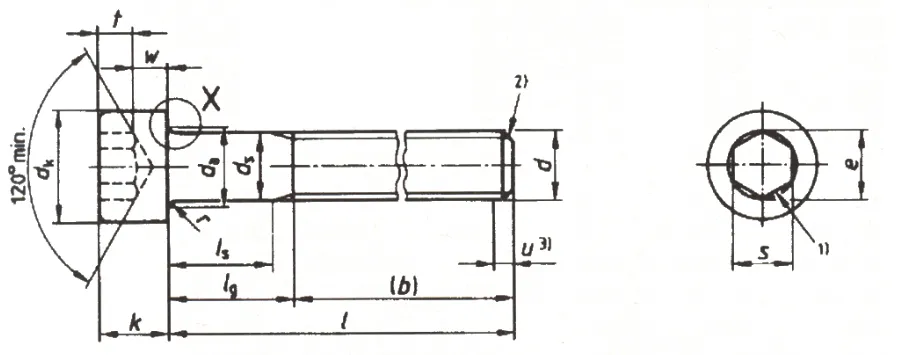
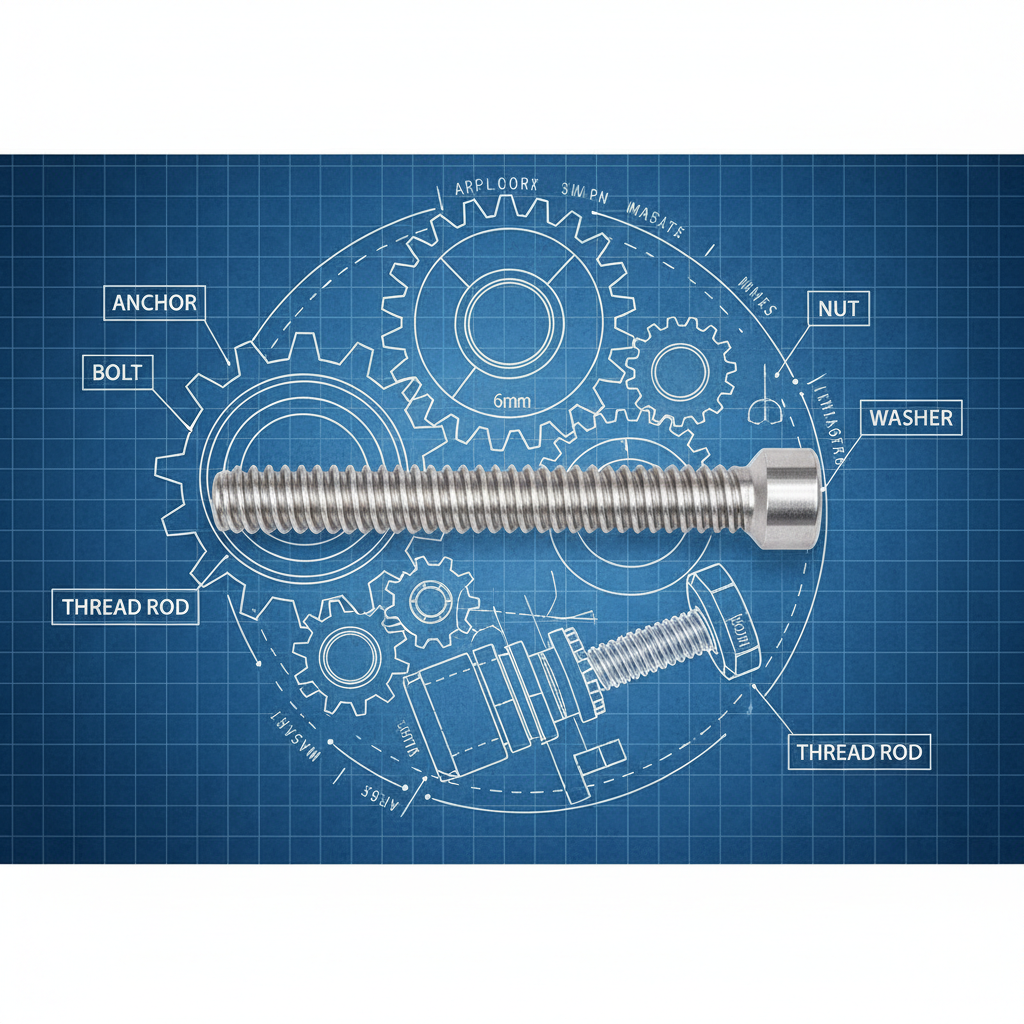
Figure 2: Precision engineering facilitated by Hex Socket Bolts in a complex industrial robotic assembly.
These cases underscore the ability of well-engineered Hex Socket Bolt solutions to address complex industrial challenges, leading to enhanced performance, reduced operational costs, and improved safety.
Frequently Asked Questions (FAQ)
Q: What are the primary differences between Hex Socket Bolts and standard Hex Head Bolts?
A: The main difference lies in the drive mechanism and head design. Hex Socket Bolt features an internal hexagonal drive (requiring an Allen key) and a cylindrical head, enabling flush mounting and access in tight spaces. Standard hex head bolts have an external hexagonal head, driven by an open-end or socket wrench, often requiring more clearance around the head.
Q: How do I choose the correct material and strength grade for a Hex Socket Bolt?
A: Material selection depends on the application's environmental conditions (e.g., corrosion, temperature) and strength requirements. Alloy steel (Class 8.8, 10.9, 12.9) is chosen for high tensile strength. Stainless steel (A2/304, A4/316) offers superior corrosion resistance. For specific harsh environments, specialty alloys like titanium or Inconel might be required. Consult our technical support team for detailed guidance based on your specific application parameters.
Q: Are your Hex Socket Bolts certified to international standards?
A: Yes, our Hex Socket Bolt products are manufactured and tested in strict adherence to international standards such as ISO 4762, ANSI/ASME B18.3, and DIN 912. We maintain ISO 9001 certification for our quality management systems, ensuring consistent product excellence and reliability. Specific product certifications are available upon request.
Lead Time and Fulfillment
Our commitment to efficient supply chain management ensures timely delivery of all Hex Socket Bolt orders. For standard stock items, typical lead times range from 3-7 business days, depending on order volume and destination. For customized solutions or large-volume orders, lead times will be provided upon quotation, factoring in material sourcing, manufacturing complexity, and specialized treatments. We leverage a robust logistics network to facilitate both domestic and international shipments, providing real-time tracking and dedicated account management for seamless fulfillment. Expedited shipping options are available for urgent requirements.
Warranty and After-Sales Support
We stand behind the quality and performance of our Hex Socket Bolt products with a comprehensive warranty against manufacturing defects and material failures under normal operating conditions. Specific warranty periods vary by product type and application, typically ranging from 1 to 5 years. Our dedicated after-sales support team is readily available to assist with any technical inquiries, installation guidance, or performance-related concerns. We offer responsive troubleshooting, replacement part assistance, and expert consultation to ensure continued satisfaction and optimal performance of our fastening solutions throughout their service life.
Conclusion
The Hex Socket Bolt remains a fundamental component in modern engineering, valued for its superior strength, compact design, and versatile application range. Its consistent performance in demanding environments, coupled with ongoing advancements in material science and manufacturing processes, solidifies its position as a critical element in ensuring structural integrity and operational efficiency across diverse industries. As industrial demands evolve, the capacity for customization and adherence to stringent quality standards will continue to define leadership in the fastening market, providing robust and reliable solutions for complex challenges.
References
- ISO 4762:2011, Hexagon socket head cap screws. International Organization for Standardization.
- ASTM F568M - 20a, Standard Specification for Carbon and Alloy Steel Externally Threaded Metric Fasteners. ASTM International.
- ASM Handbook, Volume 15: Casting. ASM International.
- ANSI/ASME B18.3, Socket Cap, Shoulder, and Set Screws. American Society of Mechanical Engineers.
- Global Fasteners Market Report 2023. MarketsandMarkets.
Post time: Sep . 22, 2025 15:10



 English
  Albanian
  Arabic
  Armenian
  Azerbaijani
  Belarusian
  Bosnian
  Bulgarian
  Cebuano
  Corsican
  Czech
Czech  Galician
  Georgian
  Greek
Greek  Hausa
Hausa  Hebrew
  Hungarian
  Igbo
Igbo  Indonesian
  Italian
  Kazakh
  Khmer
Khmer  Korean
  Kurdish
  Kyrgyz
  Lao
Lao  Latin
Latin  Latvian
  Lithuanian
  Malay
Malay  Myanmar
  Nepali
  Polish
  Portuguese
  Russian
  Serbian
  Sesotho
  Shona
Shona  Sindhi
  Spanish
  Tagalog
  Tajik
Tajik  Thai
Thai  Turkish
  Turkmen
  Ukrainian
  Uzbek
Uzbek  Vietnamese
  Yoruba
  Zulu
Zulu