
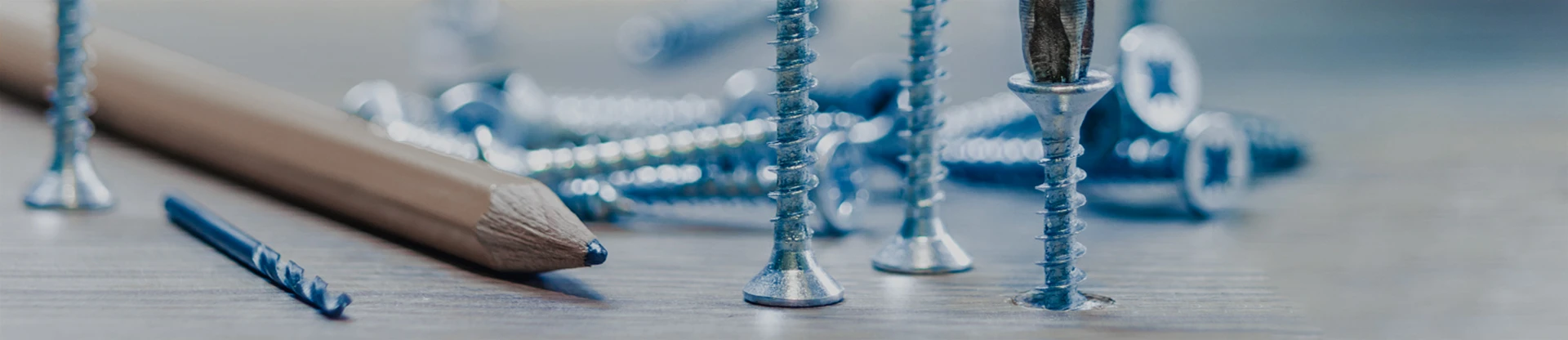
Hex Socket Bolts: compact strength for real-world builds
If you’ve spent time on a shop floor—or under a machine—you already know why the Hex Socket Bolt is everywhere. Allen drive, clean head, high clamping force, and—surprisingly often—better ergonomics than old-school hex heads. Originating from Dongtantou North, Yongnian, Hebei, China, this family of fasteners is the quiet backbone of robotics, automotive fixtures, CNC frames, and even clean-room equipment.
Industry trends (quick, honest read)
- Designers want higher strength-to-weight, so 12.9 alloy steel and A4-80 stainless are up.
- Automation needs traceability: lot codes, laser marks, QR slips.
- Surface tech is moving to Cr3+ zinc-nickel for better corrosion resistance.
- Pre-applied thread lockers and patch coatings are surging; fewer loose parts on lines.
- Sustainability matters; RoHS/REACH compliance is now table stakes.
Technical snapshot and specs
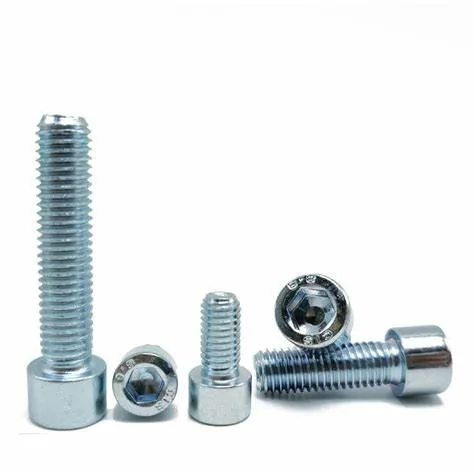
The Hex Socket Bolt typically follows ISO 4762/DIN 912 geometry, ISO metric threads (6g), and property classes 8.8/10.9/12.9 in alloy steel; A2-70 and A4-80 for stainless. Standard finishes: black oxide, zinc plated (Cr3+), zinc-nickel, phosphate, or passivated stainless. Real-world torque ceilings depend on lubrication and seating faces—always check the data, then test on your assembly.
| Parameter | Typical Range / Note |
|---|---|
| Sizes | M3–M24, length 6–200 mm (custom up to ≈300 mm) |
| Materials | Alloy steel (12.9/10.9/8.8), A2-70, A4-80; optional Ti/Al for special builds |
| Coatings | Black oxide, Zn, Zn-Ni, phosphate, Dacromet, passivation; patch/locker on request |
| Standards | ISO 4762, DIN 912, ISO 898-1, ASTM A574 |
| Test data (typ.) | 12.9 class UTS ≈ 1220 MPa; M8 torque to yield ≈ 40–45 N·m (oiled); salt spray Zn-Ni ≈ 480–720 h per ASTM B117 |
Manufacturing and QA flow
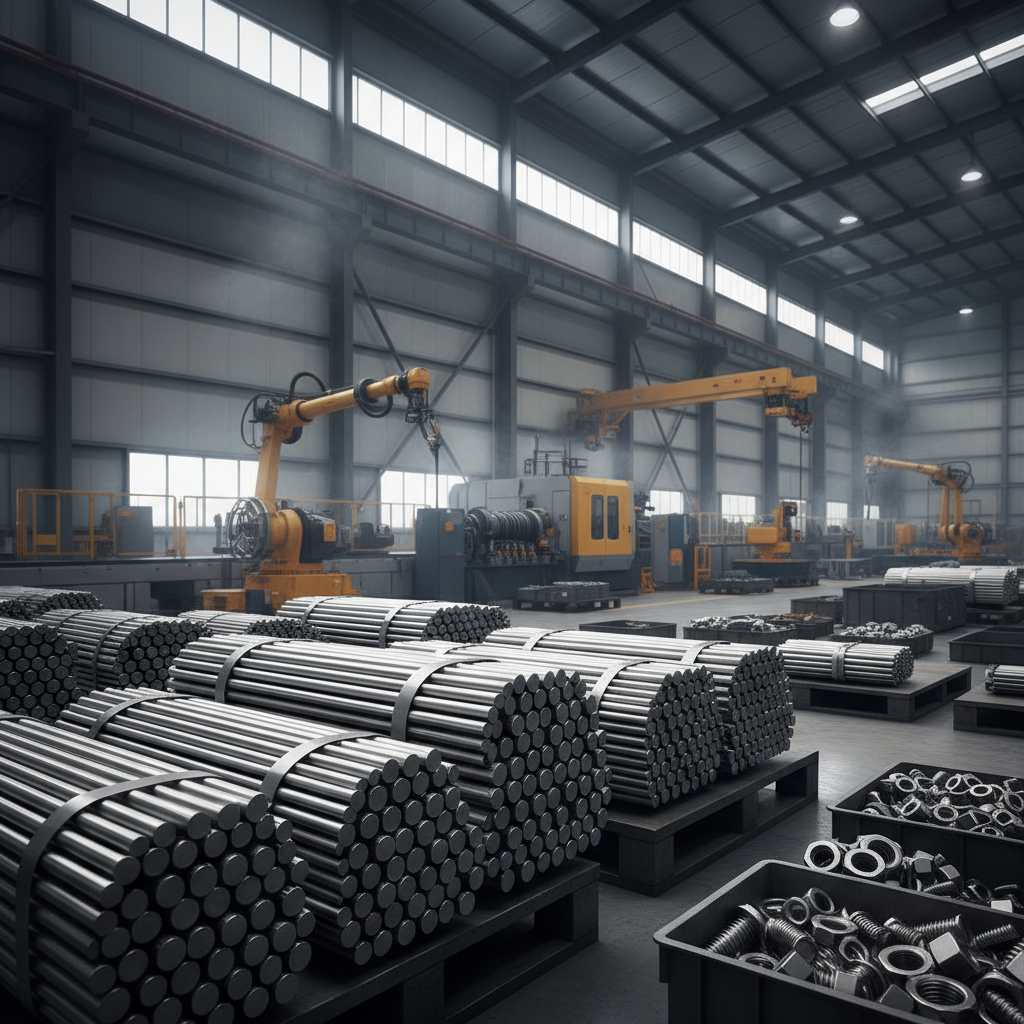
Cold heading → thread rolling → heat treatment (quench/temper for 10.9/12.9) → surface finish → patch/locker (optional) → 100% gauging on critical sizes → lot traceability. Testing includes tensile per ISO 898-1, hardness (HRC), thread GO/NO-GO, torque-to-failure, magnetic-particle/eddy-current (as required), and ASTM B117 salt spray on coated batches. Service life? In dry indoor use, alloy-steel Hex Socket Bolt easily runs multi-year; stainless extends that in corrosive or washdown conditions.
Where they shine
- Robotics frames and EOAT where tool clearance is tight.
- Automotive jigs/fixtures needing repeatable torque without head protrusion.
- Machine tools, extrusions (T-slot), and 3D printer gantries.
- Electronics and clean rooms (A2/A4 stainless).
- Outdoor assemblies with Zn-Ni or A4-80, depending on budget and risk.
Advantages (a candid list)
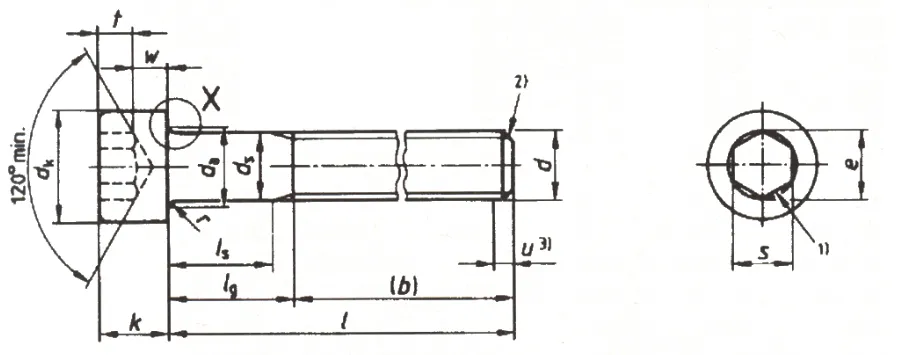
Better torque transfer with minimal tool swing; low-profile head; less cam-out than Phillips; clean aesthetics. Many customers say assembly speed improves once operators switch to ball-end hex keys—though, to be honest, keep those for light duty and use straight hex for final torque.
Vendor comparison (realistic snapshot)
| Vendor | Materials/Grades | Certs | MOQ | Lead Time | Notes |
|---|---|---|---|---|---|
| Hebei Yongnian (HBTBLS) | 8.8–12.9, A2-70/A4-80 | ISO 9001, IATF 16949 (site-dependent), RoHS/REACH | ≈ 5,000 pcs/size | 10–25 days | Custom coatings, laser marking, patch |
| Generic Importer | 8.8–10.9 | ISO 9001 | ≈ 10,000 pcs | 25–45 days | Lower price, limited traceability |
| Premium EU Brand | 10.9–12.9, A4-80 | IATF 16949, EN 10204 3.1 | ≈ 1,000 pcs | 5–15 days | Top traceability; premium pricing |
Customization and real projects
Options: non-standard lengths, fine pitch, special head heights, Zn-Ni to 720 h NSS, pre-applied nylon patch, lot-coded laser marks. Case study #1: an automotive fixture shop swapped to 12.9 Hex Socket Bolt with Zn-Ni; clamp slippage dropped and tool changes fell ~18%. Case study #2: a robotics integrator moved to A4-80 for washdown cells; maintenance reported zero red rust after 14 months.
What customers say
“Threads are clean; torque is repeatable.” “Patch saves us a step.” A few note that black oxide looks great but needs indoor use—fair point; choose coating for your environment.
Compliance: ISO 4762, DIN 912, ISO 898-1, ASTM A574; coating tests to ASTM B117. Documentation: EN 10204 3.1/3.2 available on request.
Authoritative references
Post time: Oct . 25, 2025 16:35



 English
  Albanian
  Arabic
  Armenian
  Azerbaijani
  Belarusian
  Bosnian
  Bulgarian
  Cebuano
  Corsican
  Czech
Czech  Galician
  Georgian
  Greek
Greek  Hausa
Hausa  Hebrew
  Hungarian
  Igbo
Igbo  Indonesian
  Italian
  Kazakh
  Khmer
Khmer  Korean
  Kurdish
  Kyrgyz
  Lao
Lao  Latin
Latin  Latvian
  Lithuanian
  Malay
Malay  Myanmar
  Nepali
  Polish
  Portuguese
  Russian
  Serbian
  Sesotho
  Shona
Shona  Sindhi
  Spanish
  Tagalog
  Tajik
Tajik  Thai
Thai  Turkish
  Turkmen
  Ukrainian
  Uzbek
Uzbek  Vietnamese
  Yoruba
  Zulu
Zulu