
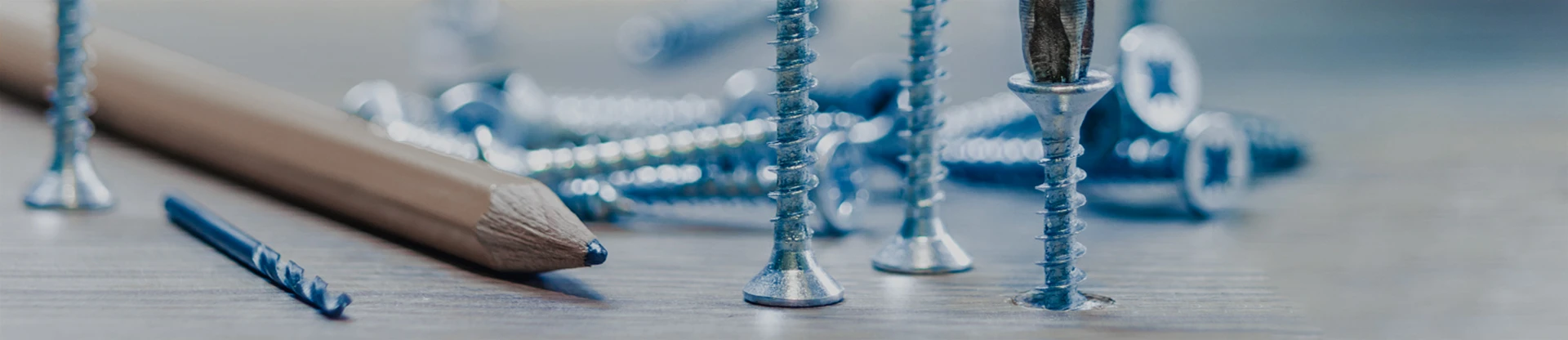
Allen-head muscle for modern assemblies
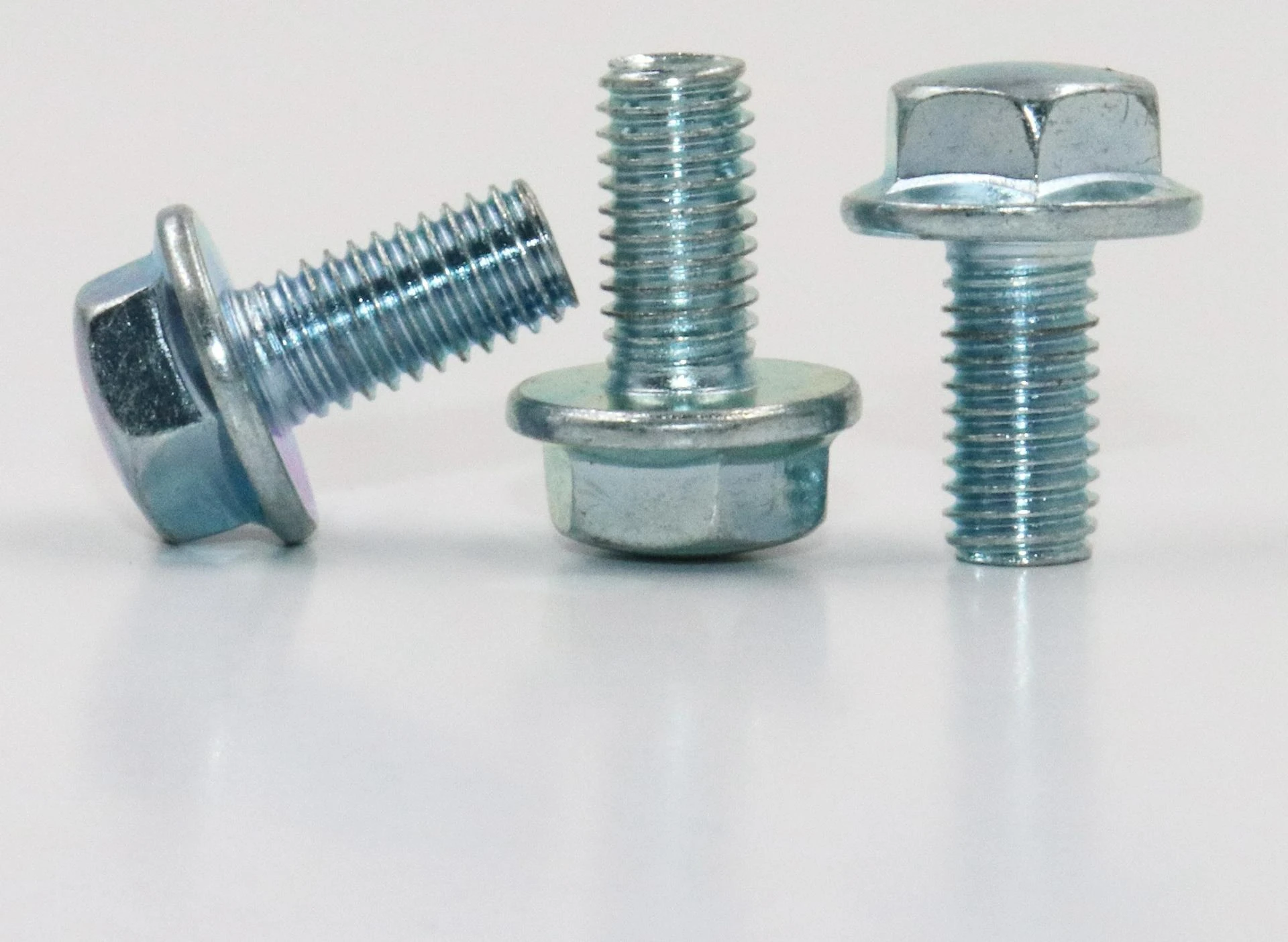
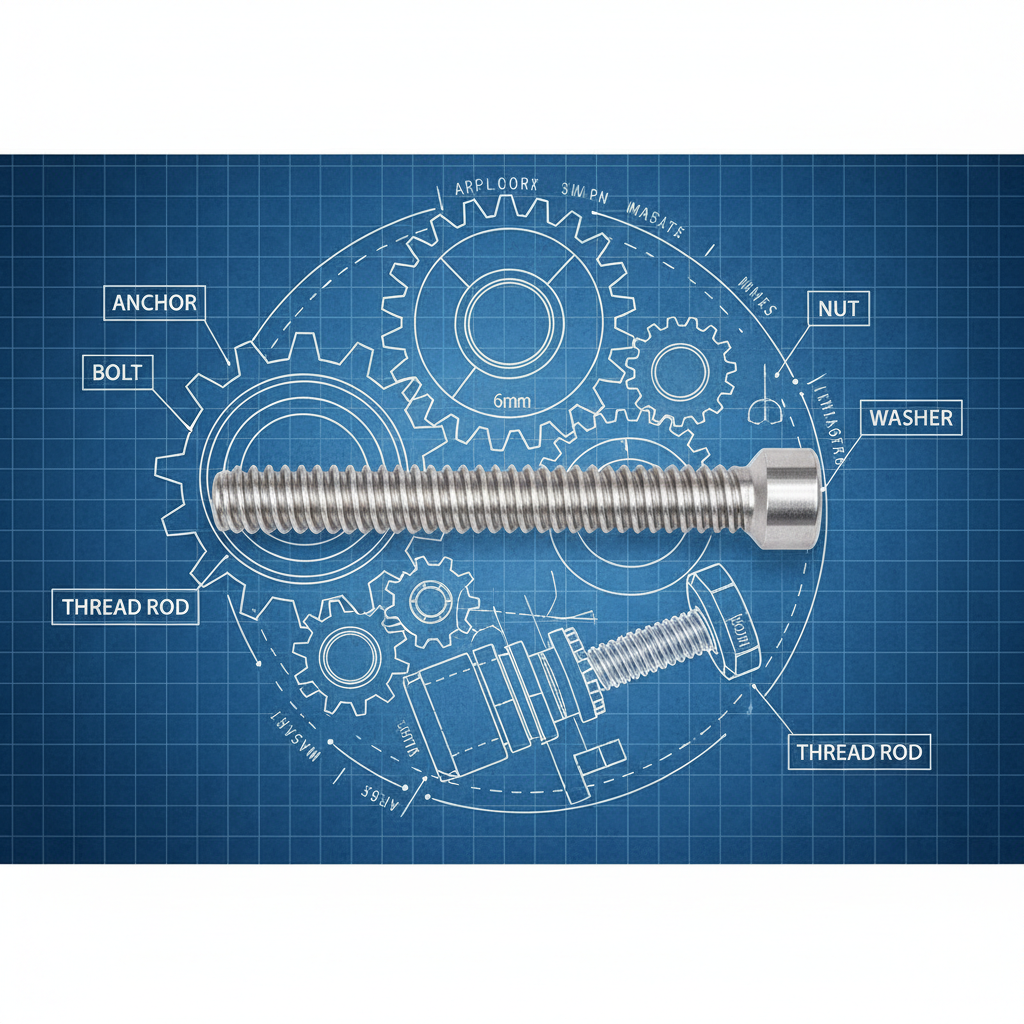
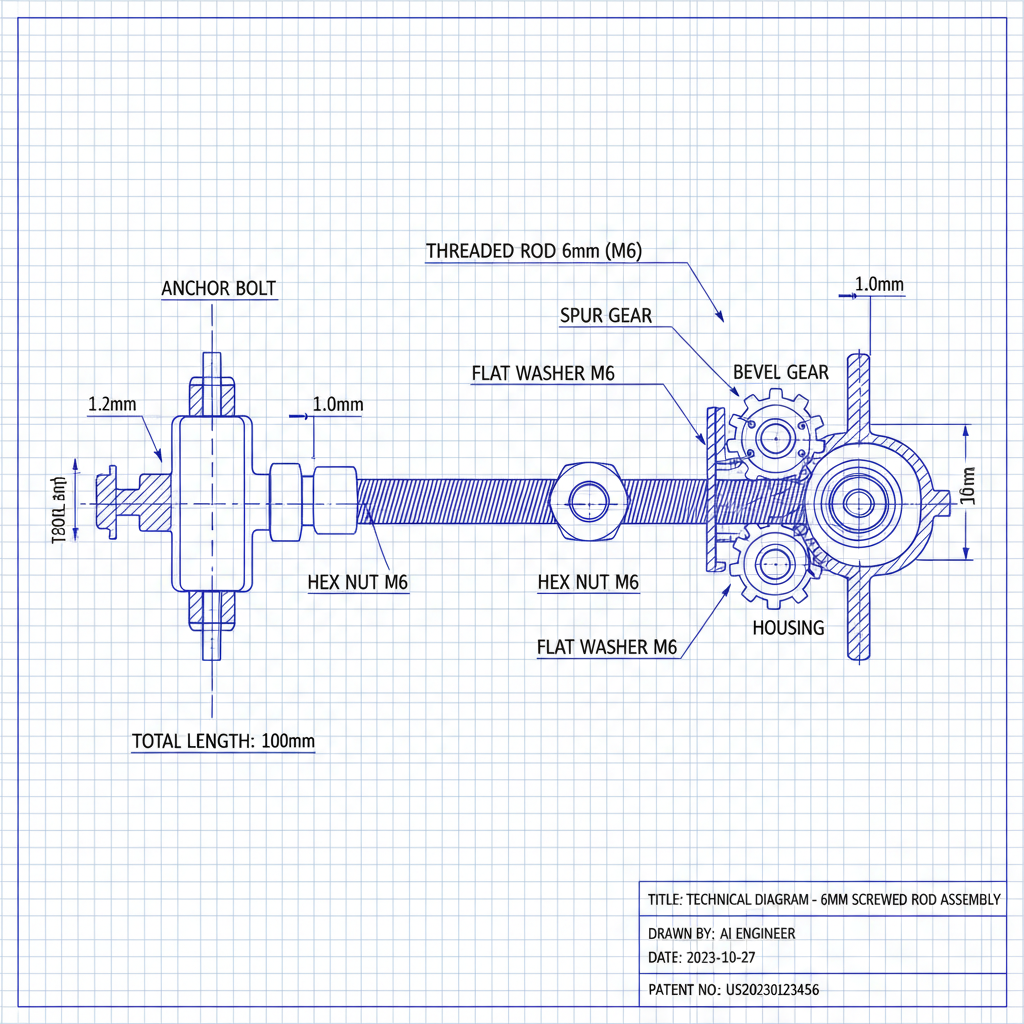
The Hex Socket Bolt has a reputation that quietly precedes it. In shops, on wind farms, inside robot wrists—this little cylinder-head fastener pulls more than its weight. To be honest, I like how it disappears aesthetically yet locks a joint with confidence. Many customers say it’s the fastener they reach for when space is tight and torque needs are high.
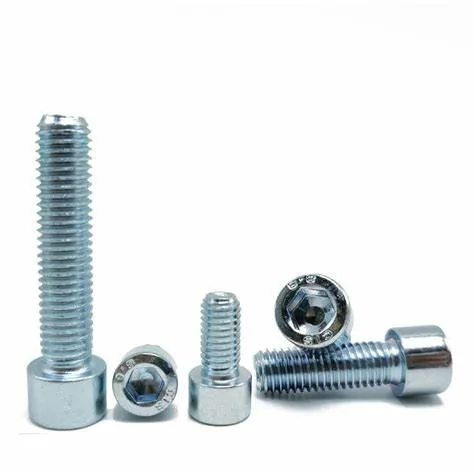
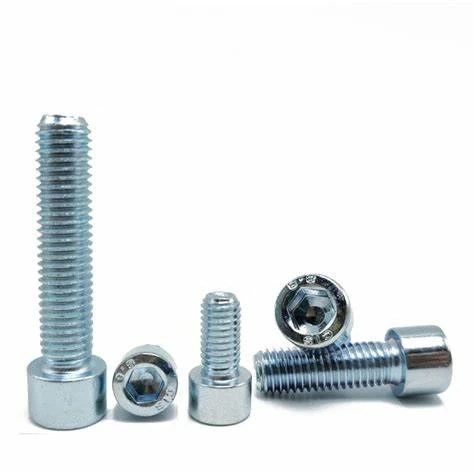
Why teams choose Hex Socket Bolt fasteners
- High clamp loads in compact spaces; internal hex drive resists cam-out better than Phillips/slot.
- Sleek, low-profile head—good for machinery guards, robotics, and aesthetic assemblies.
- Predictable torque-tension behavior, especially with rolled threads and proper lubrication.
- Strong industry alignment with ISO/DIN/ASTM standards; easy global sourcing.
At-a-glance specifications (typical)
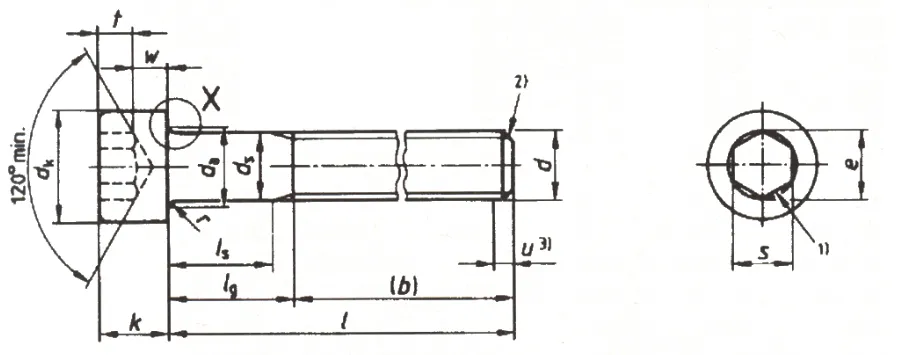
| Drive / Head | Internal hex / socket head cap (per ISO 4762, DIN 912) |
| Materials | Alloy steel (Class 8.8/10.9/12.9), Stainless A2-70/A4-80, Titanium options |
| Size range | Metric M3–M24; inch 1/8"–1" (≈) |
| Finishes | Black oxide, zinc (blue/yellow), hot-dip galvanizing, nickel, Dacromet |
| Mechanical | Class 12.9 ≈ 1220 MPa min tensile (ISO 898-1); ≈39–45 HRC after heat treat |
| Torque ref | M8 Class 12.9 dry ≈ 25–30 N·m (real-world use may vary with lube/coating) |
| Corrosion | Salt spray: zinc ≈72–120 h; Dacromet ≈480–1000 h (ASTM B117) |
| Service life | Around 10–20+ years depending on coating and environment |
Process flow, testing, and standards
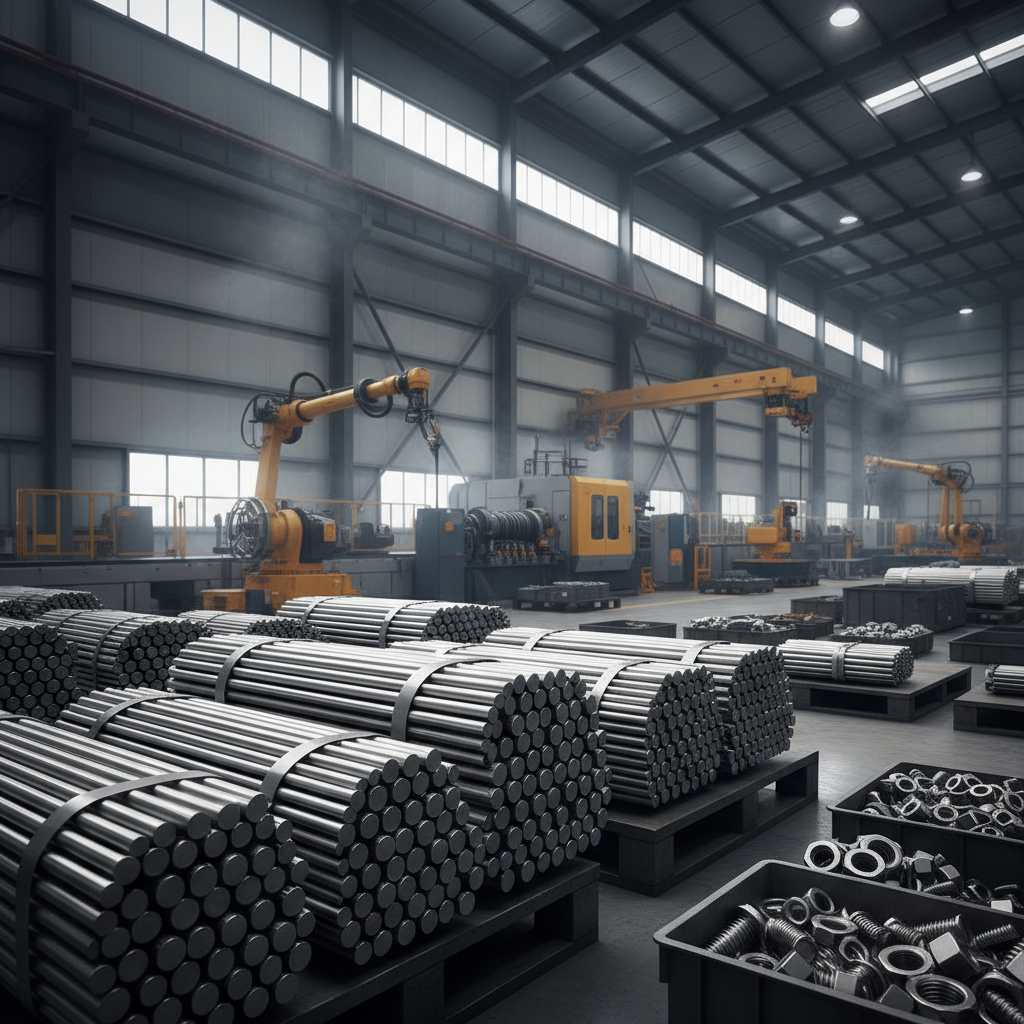
Origin matters: these are produced in Dongtantou North, Yongnian, Hebei, China—an area that lives and breathes fasteners. Typical manufacturing: wire drawing → cold heading → trimming → thread rolling → heat treatment (quench & temper for 10.9/12.9) → surface finishing → 100% visual/automated sorting. Tests include tensile per ISO 898-1, hardness per HRC, torque/tension benchmarking, metallography, and neutral salt spray (ASTM B117). For stainless, passivation is verified; for automotive lines, PPAP/IATF 16949 documentation is often available.
Application snapshots
- Robotics and automation end-effectors (tight clearances, high preload).
- Machine tools, gearboxes, and power-transmission housings.
- Construction brackets, solar racking, wind turbine hubs (with coated Hex Socket Bolt sets).
- Transportation: heavy trucks, e-bikes, agricultural implements.
Vendor comparison (quick take)
| Vendor | Origin | Certifications | Strength classes | Lead time | Notes |
|---|---|---|---|---|---|
| TBL Fasteners | Dongtantou North, Yongnian, Hebei, China | ISO 9001; IATF 16949 (on request) | 8.8 / 10.9 / 12.9 | ≈7–20 days | Strong customization, cost-efficient |
| Global Brand A | EU | ISO 9001 | 8.8 / 10.9 / 12.9 | ≈2–4 weeks | Premium pricing, strong stock in EU |
| Regional Distributor B | US/EU | — | Common classes | Same-day if in stock | Fast delivery, limited customization |
Customization and real-world feedback
Options include non-standard lengths, partial/full thread, special coatings (Dacromet for coastal sites), laser-marked head stamps, and torque-matched washer kits. One robotics integrator told me swapping to 12.9 Hex Socket Bolt fasteners with nickel plating cut joint loosening by ≈18% over six months. Another facade contractor reported fewer call-backs after moving from zinc to Dacromet-coated Hex Socket Bolt sets—salt spray performance went from ≈120 h to ≈720 h.
Test notes (typical, lab)
In-house tensile pulls on M10 Class 12.9 samples exceeded ISO 898-1 minima (avg ≈1310 MPa ultimate); torque-tension scatter tightened by ≈12% with light oil vs dry. As always, your mileage may vary—surface finish, lubrication, and joint geometry matter.
Authoritative citations
Post time: Oct . 19, 2025 16:40


 English
  Albanian
  Arabic
  Armenian
  Azerbaijani
  Belarusian
  Bosnian
  Bulgarian
  Cebuano
  Corsican
  Czech
Czech  Galician
  Georgian
  Greek
Greek  Hausa
Hausa  Hebrew
  Hungarian
  Igbo
Igbo  Indonesian
  Italian
  Kazakh
  Khmer
Khmer  Korean
  Kurdish
  Kyrgyz
  Lao
Lao  Latin
Latin  Latvian
  Lithuanian
  Malay
Malay  Myanmar
  Nepali
  Polish
  Portuguese
  Russian
  Serbian
  Sesotho
  Shona
Shona  Sindhi
  Spanish
  Tagalog
  Tajik
Tajik  Thai
Thai  Turkish
  Turkmen
  Ukrainian
  Uzbek
Uzbek  Vietnamese
  Yoruba
  Zulu
Zulu