
Understanding the Critical Role of Zinc Plated Flat Washers in Industrial Applications
In the realm of industrial fastening, the selection of appropriate components is paramount for ensuring structural integrity, longevity, and operational efficiency. Among these, the zinc plated flat washer stands out as a fundamental yet indispensable element. These washers, primarily conforming to standards such as DIN125, serve to distribute the load of a threaded fastener, prevent loosening from vibration, and offer critical protection to the mating surface. The zinc plating process imparts a vital layer of corrosion resistance, significantly extending the service life of assemblies in harsh environments. For B2B decision-makers, engineers, and procurement specialists, a comprehensive understanding of their manufacturing, technical specifications, and application advantages is crucial for optimizing system performance and reducing maintenance overhead.
The demand for reliable, high-performance fasteners continues to surge across diverse sectors, driven by increasing industrialization and stringent regulatory standards. Our focus herein is to provide an exhaustive technical overview, highlighting the expertise, authoritativeness, and trustworthiness essential for selecting the right components.
Industry Trends and Market Dynamics for Industrial Washers
The industrial washer market is experiencing continuous evolution, shaped by advancements in materials science, manufacturing technologies, and global sustainability mandates. Key trends include a growing emphasis on enhanced corrosion protection, lightweighting solutions, and the integration of smart fastening systems. Demand for specialized washers, such as zinc plated flat washer variants for critical applications, is robust across sectors like renewable energy, automotive, and infrastructure development. The rise of automation in manufacturing processes also necessitates fasteners with precise tolerances and consistent quality, pushing manufacturers to adopt stricter quality control measures and advanced inspection techniques.
Furthermore, the market for zinc washers is influenced by raw material price volatility, global supply chain disruptions, and the increasing adoption of international standards like ISO and ANSI for interoperability and quality assurance. Innovations in surface treatment technologies are also playing a significant role, offering alternatives to traditional zinc plating that provide superior performance or environmental benefits. For instance, the demand for washers with specialized dimensions, such as a 1 4 x 1 1 4 fender washer or a 3 16 x 1 1 4 fender washer, continues to grow in applications requiring broad load distribution over softer materials or oversized holes, reflecting niche market needs within the broader fastener landscape.
The Manufacturing Process of a High-Quality Zinc Plated Flat Washer
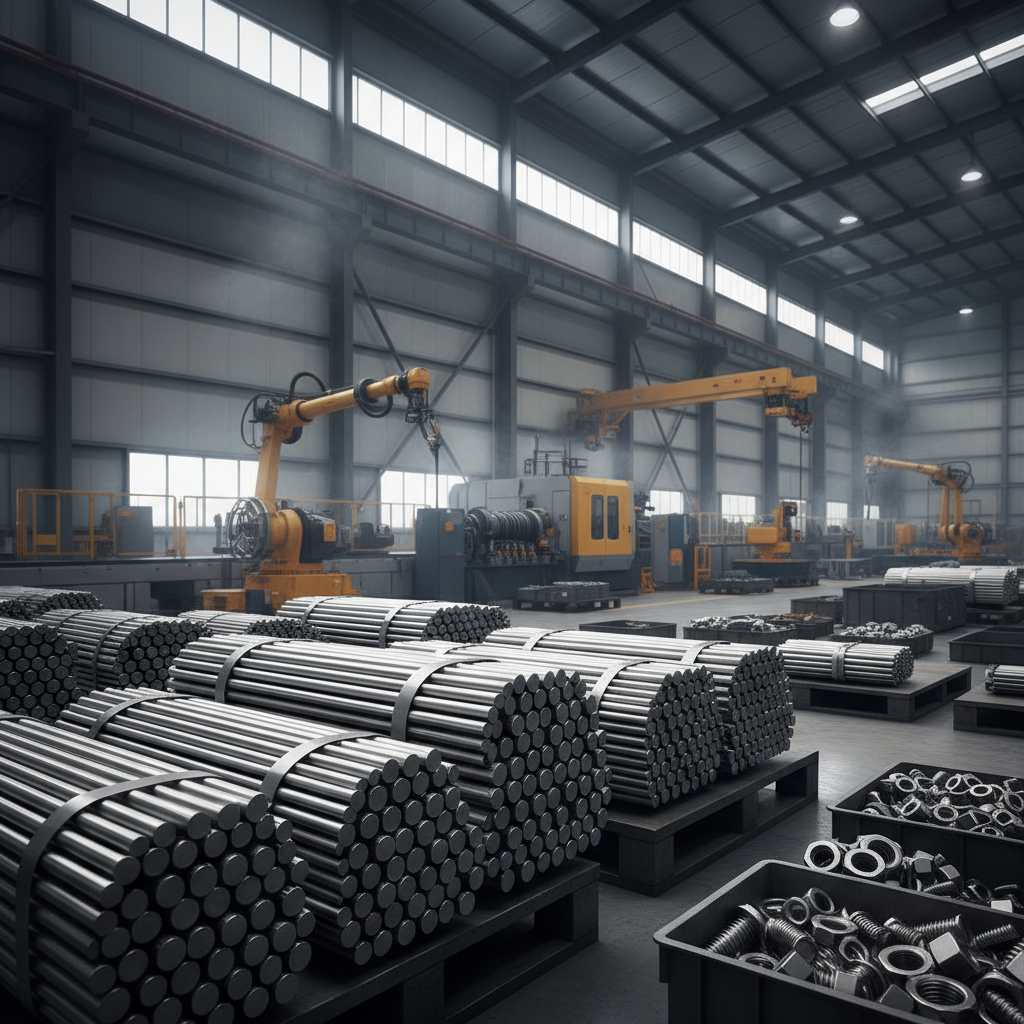
The production of a high-performance zinc plated flat washer involves a meticulously controlled, multi-stage process to ensure mechanical integrity, dimensional accuracy, and superior corrosion resistance. Our manufacturing philosophy adheres strictly to international standards such as ISO 9001, ensuring consistent quality from raw material to finished product.
Detailed Process Flow:
- Material Selection: We begin with high-grade carbon steel, typically C1008 to C1022, selected for its optimal balance of formability and strength. Material traceability is maintained throughout, backed by mill certificates.
- Stamping/Punching: Precision stamping presses are used to cut the washer blanks from steel coils. Advanced tooling ensures consistent outer diameter (OD), inner diameter (ID), and thickness, minimizing material waste.
- Deburring and Chamfering: Edges are deburred and, for specific DIN 125 Form B types, chamfered to remove sharp edges. This enhances safety, improves aesthetic finish, and prevents damage to mating surfaces during assembly.
- Heat Treatment (Optional): For applications requiring increased hardness and tensile strength, washers undergo controlled heat treatment processes, including hardening and tempering, to achieve precise mechanical properties according to standards like ASTM F844.
- Cleaning and Surface Preparation: Before plating, washers undergo thorough cleaning, degreasing, and acid pickling to remove oils, dirt, and scale, ensuring optimal adhesion of the zinc coating.
- Electro-Galvanization (Zinc Plating): Washers are immersed in an electrolytic bath where a uniform layer of pure zinc is deposited onto the surface. Typical coating thicknesses range from 5 to 8 microns, adhering to specifications such as ASTM B633 (e.g., Fe/Zn 5 or Fe/Zn 8). This process imparts excellent sacrificial corrosion resistance.
- Passivation: Following zinc plating, a chromate conversion coating (passivation) is applied. This further enhances corrosion resistance, sealing the zinc layer and providing improved adhesion for subsequent organic topcoats if required. Common finishes include clear (blue), yellow, or black chromate.
- Quality Control & Testing: Each batch undergoes rigorous quality checks, including dimensional verification (using optical comparators and digital calipers), adhesion testing (tape test), salt spray testing (per ASTM B117) for corrosion resistance, and hardness testing.
- Packaging: Finished washers are carefully packaged to prevent damage during transit and storage, adhering to specific customer requirements for bulk or retail distribution.
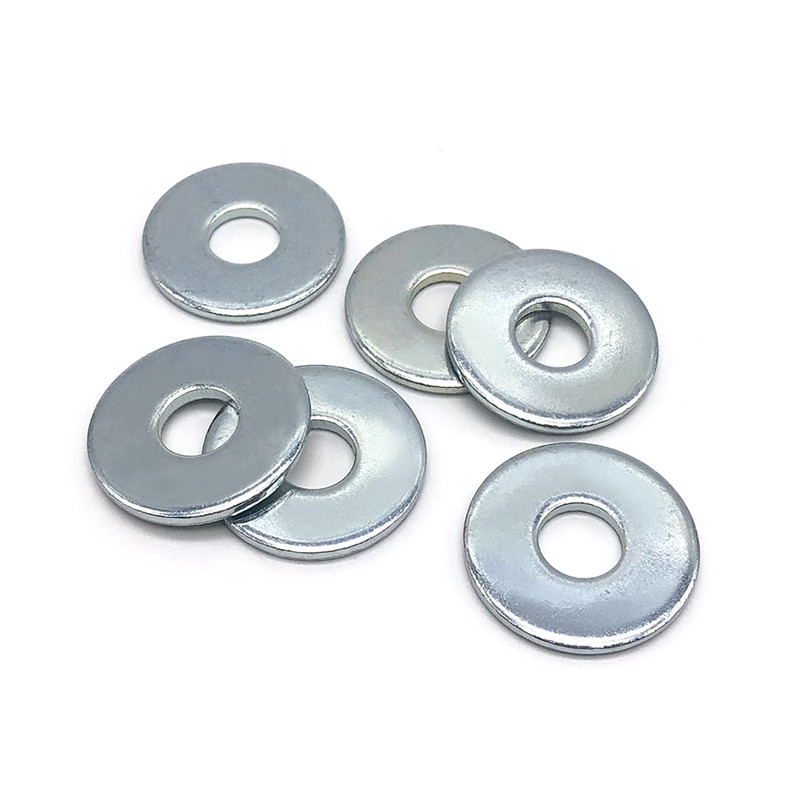
This robust manufacturing protocol ensures that each DIN125 Flat Washer delivers a predictable service life, typically exceeding 50 years in non-aggressive environments and providing significant corrosion resistance in industrial settings, crucial for industries like petrochemical, metallurgy, and water supply & drainage. The advantages in typical application scenarios include enhanced structural integrity, reduced maintenance cycles, and long-term cost savings due to superior corrosion protection, which translates directly into energy saving by reducing system downtime.
Technical Specifications and Performance Parameters
The technical specifications of a zinc plated flat washer are critical for engineers designing robust and reliable fastening systems. Our DIN125 Flat Washers are manufactured to exacting standards, ensuring compatibility and performance in demanding applications. Key parameters include dimensional accuracy, material composition, mechanical properties, and coating characteristics. Understanding these specifications is vital for preventing joint failure, galvanic corrosion, and ensuring compliance with industry regulations.
DIN125 Flat Washer Specifications (Representative Values):
| Nominal Diameter (M) | Inner Diameter (d1) (mm) | Outer Diameter (d2) (mm) | Thickness (h) (mm) | Material Grade | Zinc Plating Std. |
|---|---|---|---|---|---|
| M6 | 6.4 | 12.0 | 1.6 | Carbon Steel (e.g., C1008) | ASTM B633 Fe/Zn 5 A |
| M8 | 8.4 | 16.0 | 1.6 | Carbon Steel (e.g., C1010) | ASTM B633 Fe/Zn 8 C |
| M10 | 10.5 | 20.0 | 2.0 | Carbon Steel (e.g., C1010) | ASTM B633 Fe/Zn 8 C |
| M12 | 13.0 | 24.0 | 2.5 | Carbon Steel (e.g., C1010) | ASTM B633 Fe/Zn 8 C |
| M16 | 17.0 | 30.0 | 3.0 | Carbon Steel (e.g., C1018) | ASTM B633 Fe/Zn 12 C |
Key Performance Metrics:
- Corrosion Resistance: Zinc plating offers sacrificial protection. A typical 8-micron zinc coating with clear trivalent chromate passivation can withstand 96 hours of salt spray exposure (per ASTM B117) before white corrosion appears. Yellow chromate can extend this to 120-144 hours.
- Hardness: Depending on the carbon steel grade and heat treatment, hardness typically ranges from 100 HV to 250 HV. This ensures the washer can withstand compressive forces without deforming.
- Dimensional Tolerances: Adherence to DIN 125 Form A or B specifies tight tolerances, crucial for proper fit and load distribution.
- Hydrogen Embrittlement: For high-strength washers, proper baking post-plating is critical to mitigate hydrogen embrittlement, a common concern with zinc plating. Our processes are designed to minimize this risk.
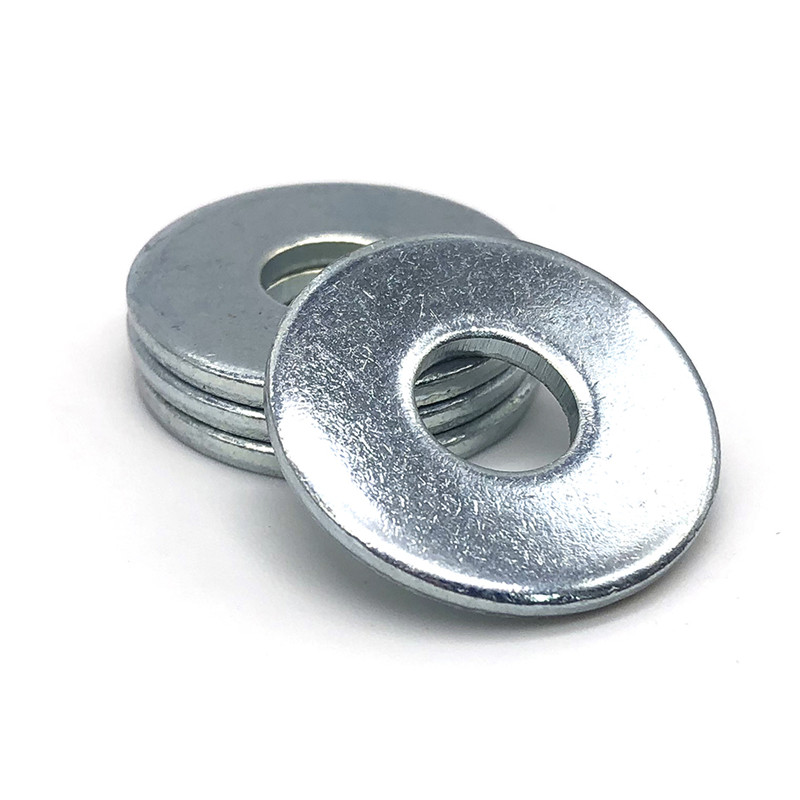
For specialized applications requiring broader load distribution, such as attaching thin sheets or soft materials, fender washers are often preferred. Examples include the 3 16 fender washer, or the larger 3 8 x 1 1 2 fender washer, which provide an increased outer diameter relative to the inner diameter. These are distinct from standard flat washers but also frequently benefit from zinc plating for similar corrosion protection. Our comprehensive range ensures that various industrial requirements, from standard to specific, are met with certified quality and precision.
Application Scenarios and Technical Advantages
The versatility and enhanced properties of the zinc plated flat washer make it an indispensable component across a multitude of heavy-duty industrial and commercial applications. Its primary technical advantages revolve around superior corrosion resistance, load distribution, and vibration dampening.
Target Industries & Typical Application Scenarios:
- Petrochemical and Oil & Gas: In environments exposed to moisture, chemicals, and varying temperatures, zinc plated flat washer components are critical for flanges, pipe supports, and structural connections, ensuring long-term integrity and reducing the risk of catastrophic failures due to corrosion.
- Metallurgy and Heavy Manufacturing: Used extensively in assembling heavy machinery, conveyor systems, and structural steelworks where robust, corrosion-resistant fastening is essential to withstand abrasive conditions and high stresses.
- Water Supply & Drainage Systems: For pipelines, pumps, and treatment plant infrastructure, these washers prevent galvanic corrosion between dissimilar metals and protect against rust in constant exposure to water and wastewater.
- Construction and Infrastructure: Crucial for secure fastenings in bridges, buildings, pre-fabricated structures, and outdoor installations where resistance to weathering elements is paramount.
- Automotive and Transportation: Utilized in chassis components, engine mounts, and other areas requiring durable, vibration-resistant, and corrosion-protected fasteners.
- Agricultural Equipment: Protecting fasteners on farming machinery exposed to harsh outdoor conditions, soil, and moisture.
Demonstrated Technical Advantages:
- Enhanced Corrosion Resistance: The primary benefit of zinc plating. It provides a sacrificial layer that protects the base steel from oxidation, extending the service life of the entire assembly and drastically reducing maintenance costs. This directly translates to energy saving by preventing premature failure and the need for rework.
- Optimal Load Distribution: Flat washers distribute the clamping force of a nut or bolt head over a larger surface area. This reduces the bearing stress on the clamped material, preventing damage, embedding, and deformation, particularly important for softer materials or oversized holes.
- Vibration Dampening: By providing a consistent bearing surface, flat washers can help mitigate fastener loosening caused by vibration, maintaining preload and joint integrity.
- Electrical Conductivity: Zinc plating maintains electrical conductivity, which can be important in certain grounding or cathodic protection systems.
- Cost-Effectiveness: Compared to stainless steel or other specialty alloys, zinc plated carbon steel washers offer a highly cost-effective solution for corrosion protection in many applications, providing an excellent balance of performance and economic viability.
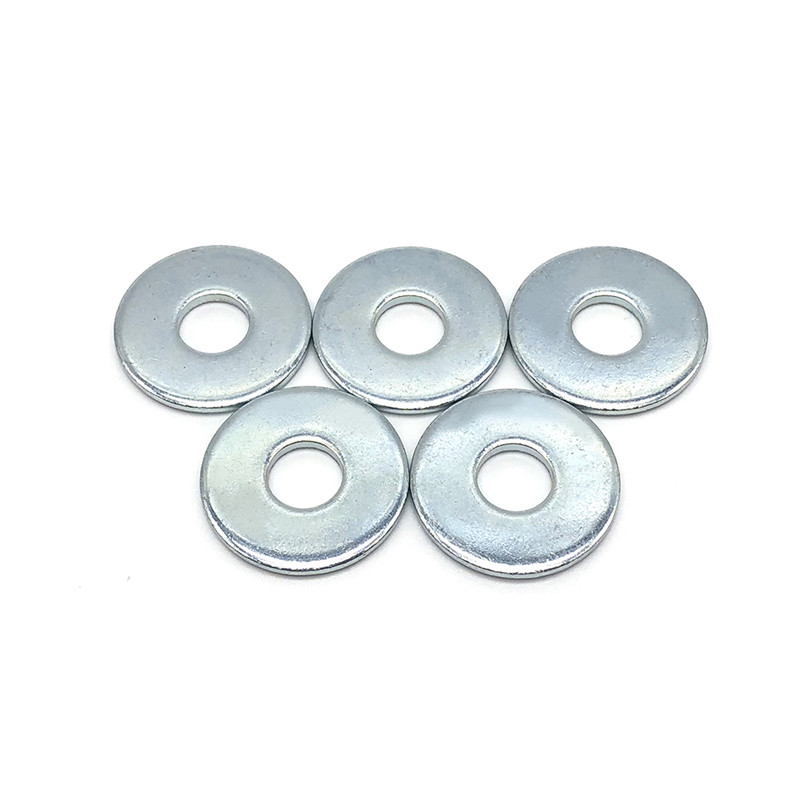
Our expertise in engineering these components ensures that whether you require standard DIN125 washers or specific dimensions like those found in zinc washers for specialized installations, they deliver consistent, reliable performance under the most challenging conditions. The choice of a zinc plated flat washer is a strategic one for long-term operational resilience.
Vendor Comparison and Selection Criteria
Choosing the right supplier for zinc plated flat washer products is critical for maintaining project timelines, quality standards, and cost efficiency. While many vendors offer these fasteners, discerning a partner that provides consistent quality, adheres to stringent specifications, and offers reliable support requires careful evaluation. We emphasize transparency, certified quality, and decades of experience in the fastener industry.
Key Comparison Factors:
- Quality Certifications: Verify adherence to international standards like ISO 9001. Our facility holds ISO 9001:2015 certification, ensuring a robust quality management system.
- Material Traceability: A reputable vendor provides full traceability from raw material to finished product, backed by mill certificates and inspection reports.
- Testing Capabilities: In-house or accredited third-party testing for dimensions, mechanical properties, and corrosion resistance (e.g., salt spray tests per ASTM B117) demonstrates commitment to quality.
- Experience and Expertise: Years of service in the B2B industrial fastener market indicate deep industry knowledge and problem-solving capabilities. Our company boasts over 20 years of specialized fastener manufacturing experience.
- Customization and Technical Support: The ability to provide customized solutions, including non-standard sizes (e.g., specific 3 16 fender washer or 1 4 x 1 1 4 fender washer dimensions) and technical guidance, is invaluable.
- Lead Times and Logistics: Efficient production capabilities and a reliable supply chain are essential for meeting project deadlines.
- Customer Feedback and Industry Reputation: Positive testimonials, long-term partnerships, and recognition from major clients (e.g., partnerships with leading petrochemical firms or automotive OEMs) are strong indicators of trustworthiness and reliability.
Vendor Comparison Matrix (Illustrative):
| Feature | Our Company | Vendor X (Competitor) |
|---|---|---|
| ISO 9001 Certified | Yes (2015) | Yes (2008) |
| Material Traceability | Full, Digital Records | Batch-level |
| In-house Salt Spray Testing | Yes (ASTM B117) | Third-party only |
| Customization Lead Time | 2-4 Weeks | 4-6 Weeks |
| Average Defect Rate (PPM) | < 50 PPM | > 100 PPM |
Our commitment to stringent quality control, continuous improvement, and customer-centric service positions us as a preferred partner for all your industrial fastening needs, particularly for critical components like zinc washers.
Customized Solutions and Application Case Studies
While standard DIN125 Flat Washers fulfill a broad spectrum of needs, many industrial applications require custom-engineered fastening solutions. Our expertise extends to providing bespoke zinc plated flat washer designs, tailored to specific performance requirements, unique dimensions, or challenging environmental conditions. This includes variations in material, plating thickness, passivation type, and specialized geometries such as larger ODs or specific ID tolerances.
Customization Capabilities:
- Non-Standard Dimensions: Production of washers with custom inner, outer, or thickness specifications, including specialty washers like oversized fender washers for specific load distribution needs.
- Material Variations: While carbon steel is standard, we can work with specific steel alloys to meet distinct strength or environmental resistance profiles before zinc plating.
- Plating and Finishing Options: Tailored zinc plating thicknesses (e.g., Fe/Zn 12) and various chromate passivation types (clear, yellow, black) for enhanced corrosion performance or aesthetic requirements. Specialized topcoats can also be applied.
- Prototyping and Small Batch Production: Supporting R&D efforts with rapid prototyping and efficient small-batch production for specialized projects.
Application Case Study 1: Offshore Wind Turbine Assembly
Challenge: A leading wind energy developer required fasteners for critical structural connections in offshore wind turbine towers. These components are exposed to extreme saltwater corrosion, high winds, and constant vibration. Standard galvanized washers showed premature degradation, compromising long-term structural integrity and increasing maintenance costs.
Solution: We engineered a specialized zinc plated flat washer with an enhanced zinc coating (Fe/Zn 12, Class C per ASTM B633) and an additional organic topcoat. The base material was a higher-strength carbon steel. These washers underwent rigorous independent salt spray testing, demonstrating over 1,000 hours of white corrosion resistance and 240 hours against red rust. Our washers provided superior load distribution for the large diameter bolts used, ensuring optimal torque-tension relationships.
Result: The custom washers significantly extended the service life of the fastenings, reducing inspection and maintenance frequency by 30% and leading to substantial operational savings for the developer. The enhanced corrosion resistance ensured the structural integrity required for a 25-year design life of the turbine.
Application Case Study 2: Municipal Water Treatment Plant Upgrade
Challenge: A municipal water treatment facility was upgrading its filtration and pumping systems. Many connections were between dissimilar metals (e.g., steel pipes to cast iron pumps), creating a high risk of galvanic corrosion due to constant moisture exposure. The engineering team needed robust, reliable zinc washers that could mitigate this risk effectively.
Solution: We supplied DIN125 Flat Washers with a robust zinc plating and a specialized yellow trivalent chromate passivation. This specific finish offered superior galvanic isolation and enhanced corrosion protection against a wide range of water treatment chemicals. We also provided larger diameter 3 8 x 1 1 2 fender washer equivalents for connections involving non-metallic pipe liners to ensure even compression and prevent material creep.
Result: The upgraded system, featuring our high-performance washers, demonstrated improved joint integrity and extended operational life. The facility reported a significant reduction in corrosion-related fastener failures, leading to higher system uptime and reduced repair costs, ultimately contributing to more reliable public water supply.
Frequently Asked Questions (FAQ)
Q1: What are the primary advantages of a zinc plated flat washer over an unplated washer?
A1: The key advantage is superior corrosion resistance. Zinc acts as a sacrificial coating, preventing the underlying steel from rusting when exposed to moisture and other corrosive elements. This significantly extends the fastener's service life, reduces maintenance, and ensures long-term structural integrity.
Q2: What standards do your DIN125 Flat Washers adhere to?
A2: Our DIN125 Flat Washers comply with DIN 125 Form A (without chamfer) or Form B (with chamfer) for dimensions, and ASTM B633 for zinc plating specifications, ensuring high-quality and consistent performance. Our overall quality management system is ISO 9001:2015 certified.
Q3: Can you provide custom sizes or specific plating thicknesses for zinc washers?
A3: Yes, absolutely. We specialize in customized solutions. We can manufacture washers with specific inner/outer diameters, thicknesses, and varying zinc plating thicknesses (e.g., Fe/Zn 5, Fe/Zn 8, Fe/Zn 12) with different chromate passivation types to meet your unique application requirements. This includes specialty dimensions like a 1 4 x 1 1 4 fender washer or a 3 16 x 1 1 4 fender washer.
Q4: What is your typical lead time for large orders?
A4: For standard DIN125 zinc plated flat washer products, our lead time is typically 1-2 weeks for large stock orders. Custom or high-volume orders may require 2-4 weeks, depending on complexity and current production schedules. We strive for efficient fulfillment and communicate transparently about delivery estimates.
Q5: What warranty do you offer on your products?
A5: We stand by the quality of our fasteners. All our products, including zinc plated flat washer components, come with a standard 1-year warranty against manufacturing defects and material failures under normal use conditions. Specific project warranties can be negotiated for critical applications.
Q6: How do you handle after-sales support and technical inquiries?
A6: Our dedicated customer support team is available via phone and email during business hours to assist with any technical inquiries, order tracking, or post-delivery support. We pride ourselves on responsive and knowledgeable assistance to ensure your complete satisfaction. Our technical engineers are available for consultation on specific application challenges.
References
- [1] ASTM International. "ASTM B633 - 19 Standard Specification for Electrodeposited Coatings of Zinc on Iron and Steel." ASTM Standards, 2019.
- [2] International Organization for Standardization. "ISO 9001:2015 Quality management systems – Requirements." ISO Standards, 2015.
- [3] German Institute for Standardization. "DIN 125 Flat Washers." DIN Standards, 2000.
- [4] Fastener Technology International. "Zinc Plating for Fasteners: A Comprehensive Review." Fastener Technology International Journal, Vol. 35, No. 4, 2016.
- [5] Metal Finishing. "Chromate Conversion Coatings for Zinc and Cadmium." Metal Finishing Journal, Vol. 118, No. 6, 2019.
Post time: Sep . 15, 2025 13:20


 English
  Albanian
  Arabic
  Armenian
  Azerbaijani
  Belarusian
  Bosnian
  Bulgarian
  Cebuano
  Corsican
  Czech
Czech  Galician
  Georgian
  Greek
Greek  Hausa
Hausa  Hebrew
  Hungarian
  Igbo
Igbo  Indonesian
  Italian
  Kazakh
  Khmer
Khmer  Korean
  Kurdish
  Kyrgyz
  Lao
Lao  Latin
Latin  Latvian
  Lithuanian
  Malay
Malay  Myanmar
  Nepali
  Polish
  Portuguese
  Russian
  Serbian
  Sesotho
  Shona
Shona  Sindhi
  Spanish
  Tagalog
  Tajik
Tajik  Thai
Thai  Turkish
  Turkmen
  Ukrainian
  Uzbek
Uzbek  Vietnamese
  Yoruba
  Zulu
Zulu