

The Nuts and Bolts of 3 4x16 Threaded Rod
Having spent a good chunk of my career around industrial equipment, I can tell you that sometimes the smallest parts do the heaviest lifting. Take the 3 4x16 threaded rod—it’s the kind of component that feels straightforward until you really start fiddling with it on-site. Then, you notice just how vital its design and quality really are.
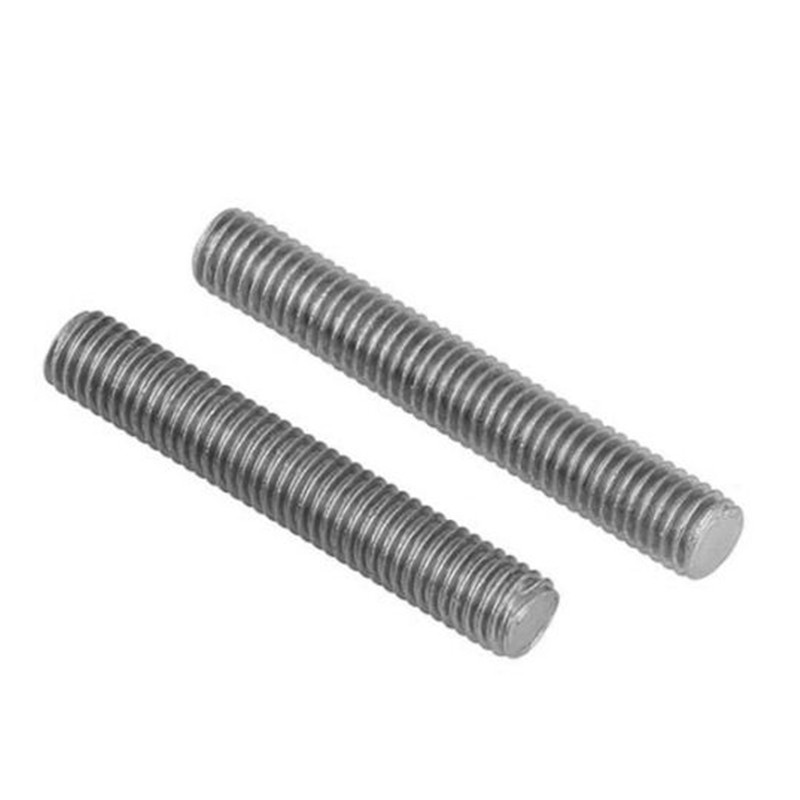
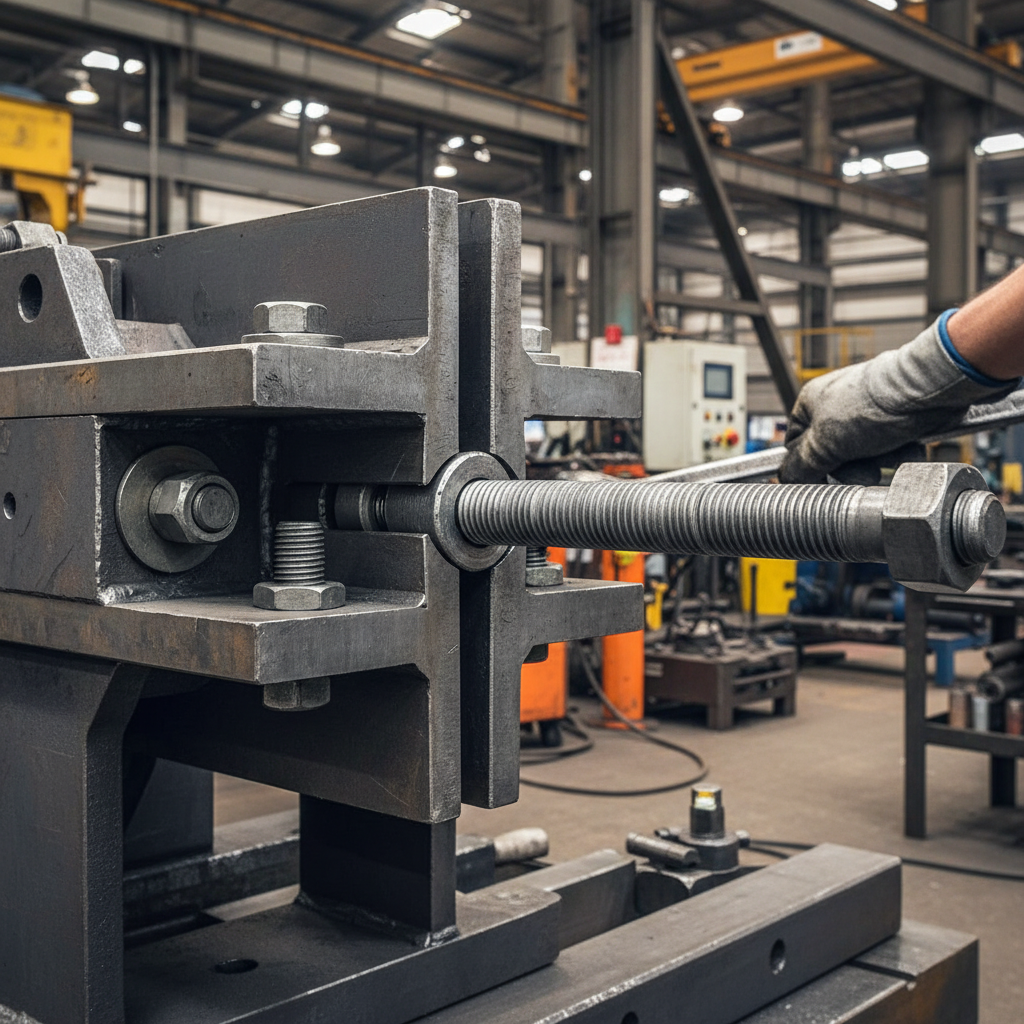
Threaded rods, in general, are these long, slender metal bars with threading along their length, and in the industrial world, a 3/4 inch diameter by 16-inch length rod is a staple. It's used for everything from anchoring heavy machinery to structural supports, and I’ve watched them hold up in some pretty demanding environments over the years.
What’s neat about the 3 4x16 threaded rod is its balance between strength and versatility. Made most often from carbon steel or stainless steel, depending on the intended use, these rods essentially come alive once paired with the right nuts and washers.
I recall a job a few years back where a client needed corrosion-resistant rods for a coastal facility. We ended up going with a stainless steel variant, and, frankly, the extra investment paid off—no rusty failures even after two years in salty air. That’s the kind of reliability that keeps engineers coming back for the same specs.
| Specification | Details |
|---|---|
| Diameter | 3/4 inch (19.05 mm) |
| Length | 16 inches (406.4 mm) |
| Thread Pitch | Typically 10 or 16 threads per inch, UNC/UNF |
| Material | Carbon Steel, Stainless Steel, Zinc-Coated |
| Strength Grade | Grade 2, Grade 5, Grade 8 (depending on application) |
| Typical Use | Construction, machinery mounting, repair, and fabrication |
Now, a lot of folks might not think much about where to source their threaded rods—but oddly enough, vendor choice can make all the difference. I’ve noticed variance in threading consistency, steel quality, and even packaging that impacts how the rods perform in the field. Let me break it down.
| Vendor | Material Quality | Thread Precision | Price Range (per rod) | Typical Lead Time |
|---|---|---|---|---|
| HBTBLS | High-grade steel, Zinc coated option | Consistent, tight tolerances | $12–$15 | 1–2 weeks |
| Vendor B | Mid-tier steel quality | Moderate consistency | $8–$10 | 2–3 weeks |
| Vendor C | Basic steel, no coating | Variable thread quality | $6–$8 | 3+ weeks |
You know, I’ve learned over the years that sometimes it’s worth paying a bit more upfront for the rods that just work perfectly the first time. Nobody wants to stop production to replace a corroded or misshapen rod! For me, HBTBLS’s 3 4x16 threaded rod strikes a good balance—quality materials, careful threading, and prompt delivery.
Honestly, these rods don’t get the glory, but their reliability is key. Whether it’s construction sites in humid climates or factories with heavy vibration, the 3 4x16 threaded rod is a humble hero in many setups. If you ever find yourself comparing specs or testing different providers, take a careful look at thread quality and steel grade—those are your biggest levers in performance.
As customization demands grow, some manufacturers now offer special coatings or even custom lengths and threads for that perfect fit. A few engineers I know swear by these tailor-fit solutions, especially in highly specialized machinery. But for most general industrial uses, the standard 3/4 inch by 16-inch rod remains a trusted staple.
In real terms, choosing the right threaded rod saves time, money, and sometimes a headache or two.
To wrap up, the 3 4x16 threaded rod might seem like just another metal piece, but in the right hands and with the right specs, it’s an unsung hero of the industrial sector. Picking carefully makes all the difference.
References
- HBTBLS Industrial Supplies – Product Catalog and Specs
- Industry Standards for Threaded Fasteners – ASTM & ISO guidelines
- Personal field experience, industrial construction projects (2010–2023)
Post time: Jan . 04, 2026 10:10




 English
  Albanian
  Arabic
  Armenian
  Azerbaijani
  Belarusian
  Bosnian
  Bulgarian
  Cebuano
  Corsican
  Czech
Czech  Galician
  Georgian
  Greek
Greek  Hausa
Hausa  Hebrew
  Hungarian
  Igbo
Igbo  Indonesian
  Italian
  Kazakh
  Khmer
Khmer  Korean
  Kurdish
  Kyrgyz
  Lao
Lao  Latin
Latin  Latvian
  Lithuanian
  Malay
Malay  Myanmar
  Nepali
  Polish
  Portuguese
  Russian
  Serbian
  Sesotho
  Shona
Shona  Sindhi
  Spanish
  Tagalog
  Tajik
Tajik  Thai
Thai  Turkish
  Turkmen
  Ukrainian
  Uzbek
Uzbek  Vietnamese
  Yoruba
  Zulu
Zulu