

Understanding 3 8 24 threaded rod stainless in Industrial Applications
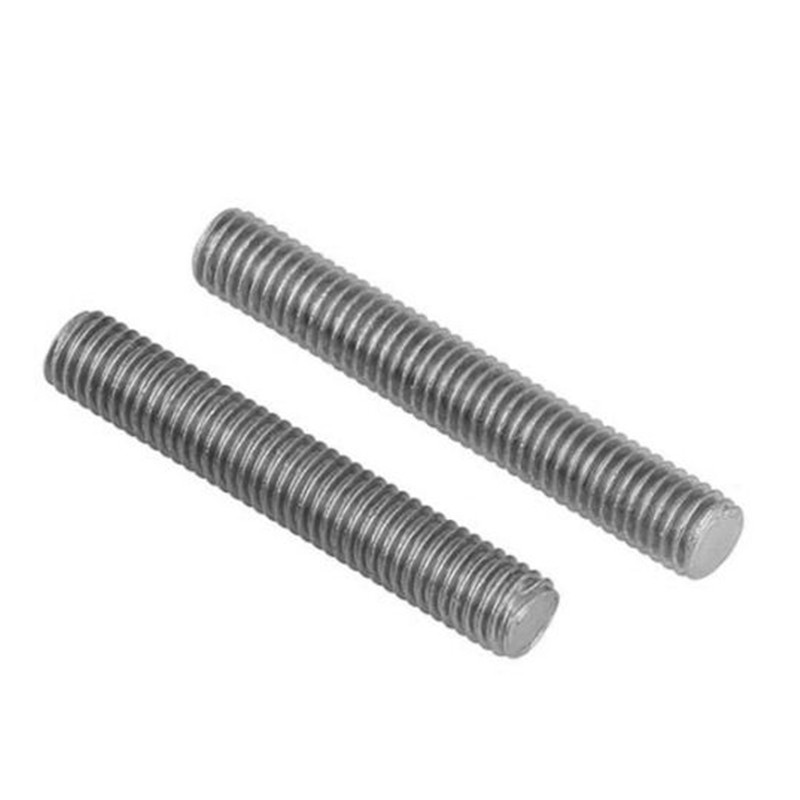
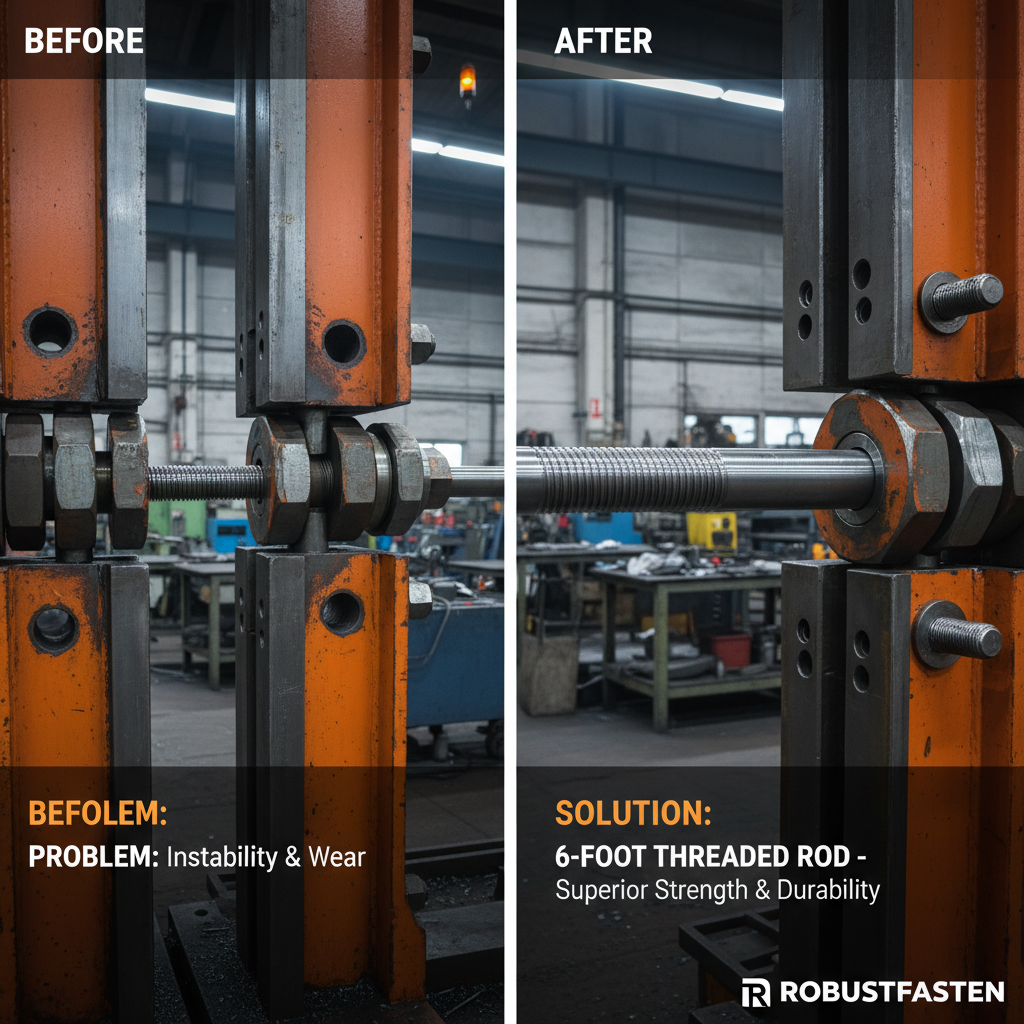
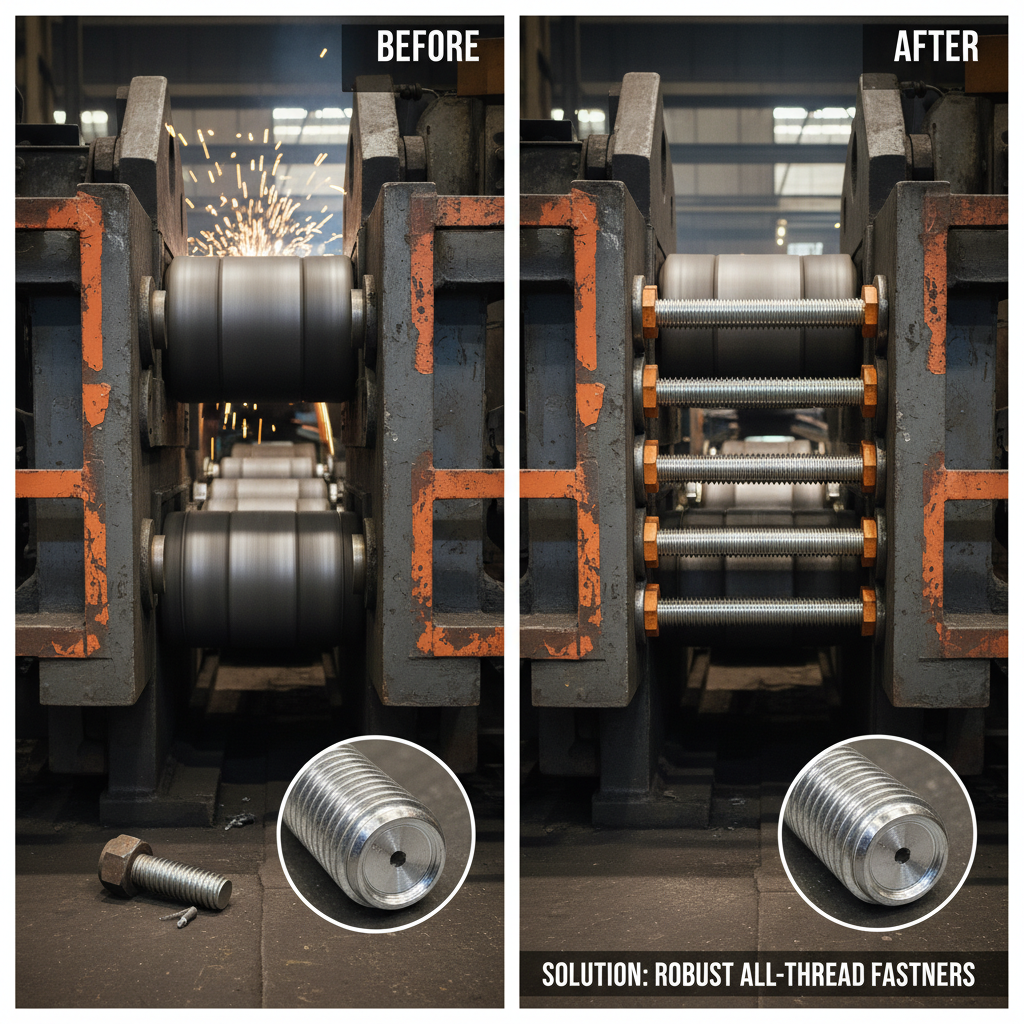
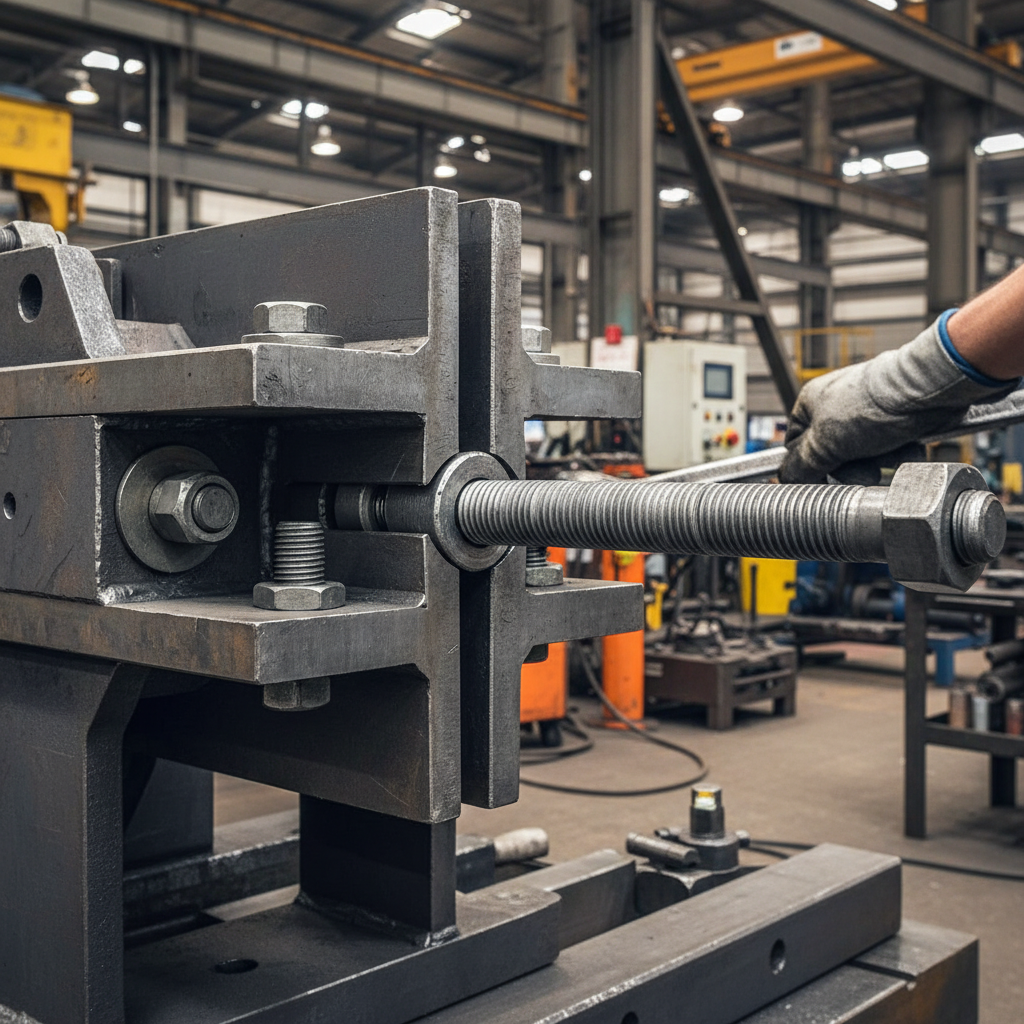
Having worked in the industrial equipment sector for more than a decade, I find that the humble threaded rod often gets overshadowed by flashier components. But frankly, when it comes to heavy-duty fastening or structural support, few parts deliver the reliability and flexibility like a 3 8 24 threaded rod stainless. Oddly enough, this specific size and threading is kind of a sweet spot in a lot of engineers’ toolkits, especially when corrosion resistance is non-negotiable.
From the workshops I've frequented, it’s clear that stainless steel threaded rods offer excellent durability and strength, particularly in harsh environments exposed to moisture, chemicals, or even outdoor conditions. You might wonder why “3 8 24” in particular? That denotes the rod diameter (3/8 inch) and the threads per inch (24 TPI), which is considered fine threading. Fine threads offer better tension and are common in equipment requiring precise alignment or vibration resistance.
When projects call for threaded rods, stainless steel variants typically come in grades like 304 or 316 — each with its own slightly different corrosion-resistance profile. For example, 316 is notably more resistant to chlorides, which makes it a favorite in marine or chemical processing plants I’ve worked with. Stainless also looks cleaner, which some clients appreciate when rods remain visible.
Key Specifications of 3 8 24 Threaded Rod Stainless
| Specification | Value | Notes |
|---|---|---|
| Diameter | 3/8 inch (0.375") | Common imperial size |
| Thread Count | 24 Threads Per Inch (TPI) | Fine thread pitch for better grip |
| Material Grades | 304 / 316 Stainless Steel | 316 preferred for harsher environments |
| Length Options | Standard 1 ft to 12 ft | Custom cuts often available |
| Finish | Mill Finish or Passivated | Passivation enhances corrosion resistance |
Now, you might ask — how do you pick the right vendor when buying these rods? I’ve seen plenty of suppliers claiming top quality, but honestly, it's about reliability, delivery times, and consistency. Here’s a quick comparison of three popular suppliers I've dealt with recently:
| Vendor | Pricing | Lead Time | Certification | Customer Support |
|---|---|---|---|---|
| HBTBLS | Competitive | 2-4 days | ISO 9001, Mill Test Reports | Responsive, knowledgeable |
| Industrial Fasteners Co. | Mid-range | 1 week | Standard certifications | Average support |
| Generic Metals Supplier | Low cost | 5+ days | Limited documentation | Slow response |
One anecdote stands out when I think about threaded rods. A longtime client in the aerospace sector once switched to a 3 8 24 stainless rod for a vibration-sensitive assembly. They noted fewer service calls due to loosening fasteners—a small design choice that saved them a lot of headaches, literally. It’s the little details in industrial components that sometimes make a world of difference.
In real terms, whether you're building machinery, fixing structural components, or working on equipment exposed to corrosive elements, this particular threaded rod size and material combo is dependable. Many engineers say fine threading distributes load better, especially on stainless steel rods, where cross-thread damage can be costly.
Lastly, customization isn’t rare. Lengths can be cut exactly to your needs, and finishes can be tailored, such as passivation or even light coatings for additional corrosion resistance. It’s worth discussing with your supplier—be it HBTBLS or another trusted provider. I suppose the main takeaway is: don’t overlook these rods; the right specs and quality supplier will save downtime and cost in the long run.
References:
1. ASM International Handbook - Stainless Steels
2. Fastener Industry Standards 2023 Report
3. Personal experience & client case studies, 2010-2023
Post time: Jan . 05, 2026 07:20



 English
  Albanian
  Arabic
  Armenian
  Azerbaijani
  Belarusian
  Bosnian
  Bulgarian
  Cebuano
  Corsican
  Czech
Czech  Galician
  Georgian
  Greek
Greek  Hausa
Hausa  Hebrew
  Hungarian
  Igbo
Igbo  Indonesian
  Italian
  Kazakh
  Khmer
Khmer  Korean
  Kurdish
  Kyrgyz
  Lao
Lao  Latin
Latin  Latvian
  Lithuanian
  Malay
Malay  Myanmar
  Nepali
  Polish
  Portuguese
  Russian
  Serbian
  Sesotho
  Shona
Shona  Sindhi
  Spanish
  Tagalog
  Tajik
Tajik  Thai
Thai  Turkish
  Turkmen
  Ukrainian
  Uzbek
Uzbek  Vietnamese
  Yoruba
  Zulu
Zulu