
Why the 10mm Allthread Still Rules in Industrial Applications
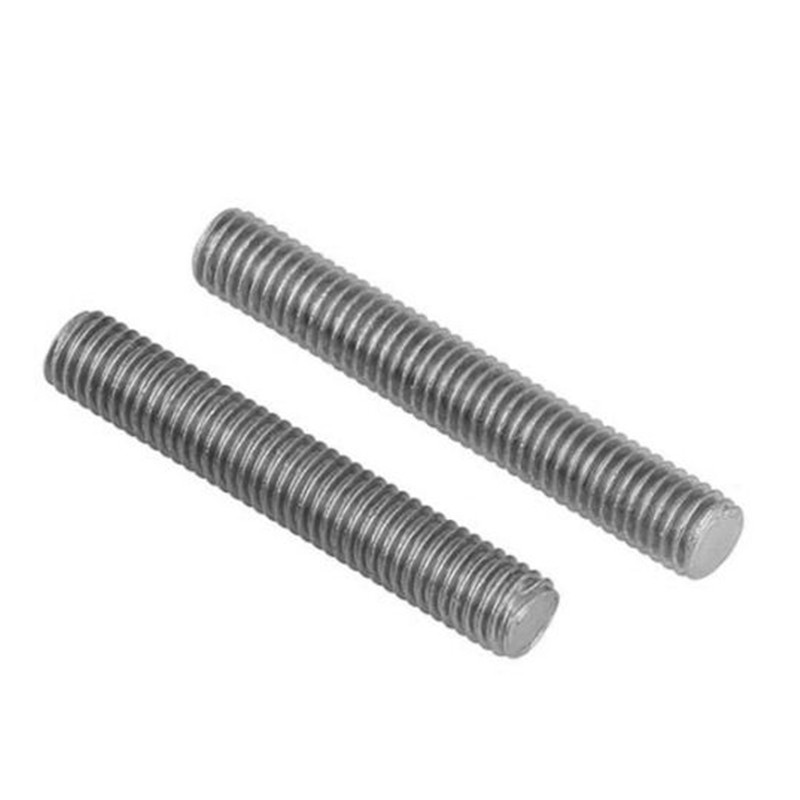
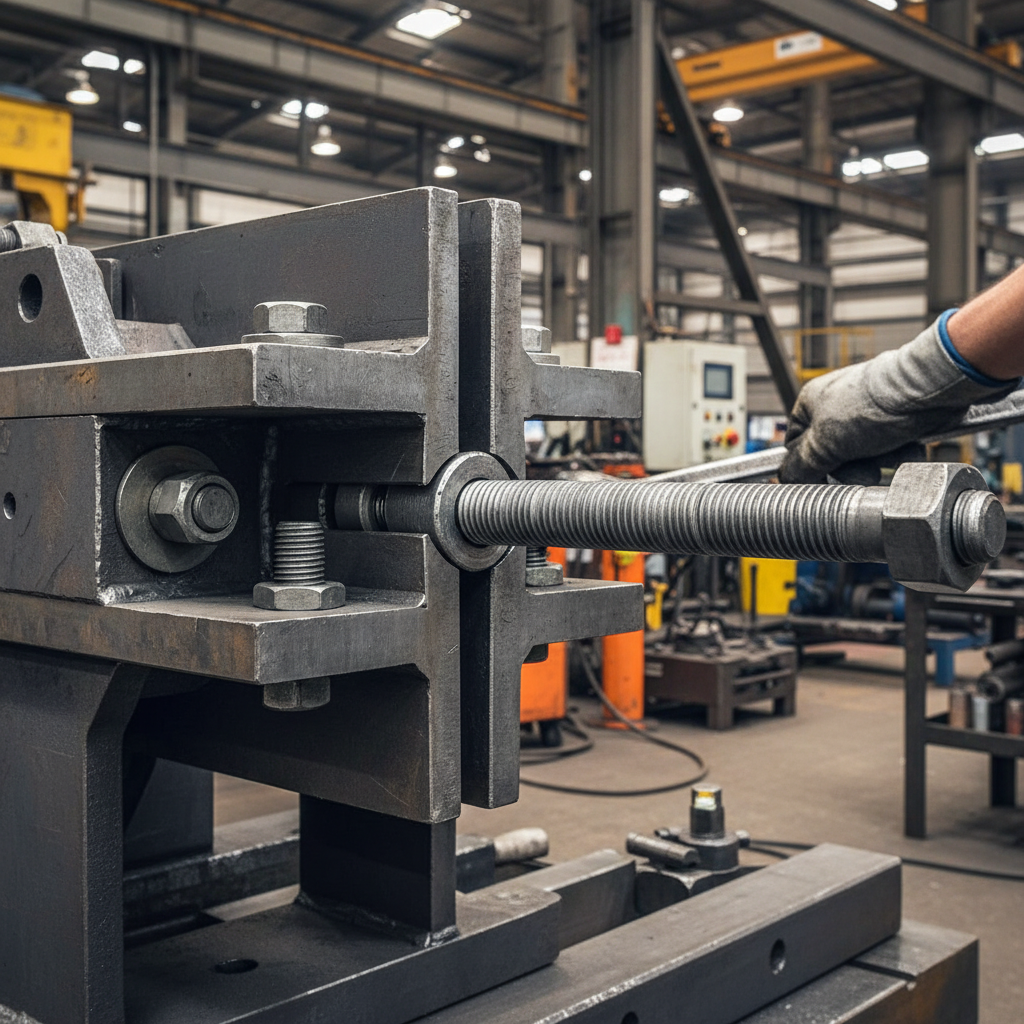
If you've spent any serious time on industrial sites or in the fabrication shop, you know that not all threaded rods are created equal. Among these, the 10mm allthread often flies under the radar but plays a crucial role in construction, mechanical setups, and structural reinforcement. Frankly, having worked hands-on with fasteners and steel supports for over a decade, it's one of those dependable workhorses that almost feels like a silent partner on-site.
What fascinates me is how such a seemingly simple component embodies a blend of design precision, material science, and practical robustness. In real terms, the 10mm diameter strikes a sweet spot — compact enough for tight spaces but strong enough to handle surprising loads. It’s no coincidence this size remains ubiquitous, from machine assemblies to scaffolding and everything in between.
Material & Design Nuances
Most 10mm allthread rods you encounter will be carbon steel, often galvanized or stainless steel if corrosion resistance is a concern. For example, I once saw a team salvage a weather-worn rig by swapping out rusty rods for hot-dip galvanized 10mm allthread — the difference was night and day, literally extending the life of the structure by years. Many engineers swear by this simple substitution, especially in outdoor or marine environments.
Another point worth mentioning: the threading pitch and quality matter more than people think. It’s sort of like the difference between a tight handshake and a limp one. High-grade threads ensure not just fit but consistent torque control and vibration resistance, a factor that’s critical when safety is the name of the game.
Product Specifications at a Glance
| Specification | Details |
|---|---|
| Diameter | 10mm (nominal) |
| Material | Carbon Steel, Galvanized, Stainless Steel |
| Thread Pitch | Standard Metric (1.5mm pitch) |
| Length Range | 1m to 6m cut-to-length options |
| Tensile Strength | Typically 600-800 MPa depending on grade |
How Vendors Compare: Getting the Best Ten-Millimeter Threaded Rod
Oddly enough, not all 10mm allthread rods come from the same school. I’ve noticed, over the years, subtle but important differences between vendors — especially when you start digging into testing standards and delivery practices.
| Feature | Vendor A | Vendor B | Vendor C |
|---|---|---|---|
| Material Options | Carbon Steel, Galvanized | Stainless Steel, Carbon Steel | Carbon Steel only |
| Custom Length Cutting | Yes, with minimal lead time | No, fixed lengths only | Yes, but longer lead time |
| Quality Certifications | ISO 9001, Material Test Reports | ISO 14001 only | No certifications provided |
| Price Range | $$$ (mid-range) | $$$$ (premium) | $ (budget) |
With that said, in my experience, the sweet spot often lies in choosing a vendor like Vendor A — balancing solid quality controls and flexibility. In the field, I’ve worked with countless engineers who won’t compromise on certifications. It’s reassuring when you get full traceability on test reports—especially on critical projects.
A Quick Anecdote from the Field
I recall a project in central Europe where a batch of 10mm threaded rods was sourced from an unfamiliar supplier. The rods looked fine but failed a tensile test mid-installation, leading to delays and increased costs. The moral? Familiarity and proven quality vendors are worth the extra diligence. You know, stuff you just don’t learn in a classroom but from boots-on-the-ground experience.
Ultimately, if you’re shopping for 10mm allthread, consider your application environment, the criticality of load specs, and the vendor’s ability to support documentation and timely orders. It’s these details that make the difference between a smooth install and a headache.
So here’s the takeaway: The humble 10mm threaded rod is more than just metal— it’s part of the backbone of many mechanical and structural systems. Choosing wisely pays off in durability, safety, and peace of mind.
References:
1. "Threaded Rod and Stud All Thread – Material Properties," Fastener Standards Association, 2022.
2. Smith, J. “Corrosion Resistance in Industrial Fastening,” Industrial Materials Review, 2023.
3. HBTBLS Technical Catalog and User Guides, 2024 Edition.
Post time: Dec . 05, 2025 11:05


 English
  Albanian
  Arabic
  Armenian
  Azerbaijani
  Belarusian
  Bosnian
  Bulgarian
  Cebuano
  Corsican
  Czech
Czech  Galician
  Georgian
  Greek
Greek  Hausa
Hausa  Hebrew
  Hungarian
  Igbo
Igbo  Indonesian
  Italian
  Kazakh
  Khmer
Khmer  Korean
  Kurdish
  Kyrgyz
  Lao
Lao  Latin
Latin  Latvian
  Lithuanian
  Malay
Malay  Myanmar
  Nepali
  Polish
  Portuguese
  Russian
  Serbian
  Sesotho
  Shona
Shona  Sindhi
  Spanish
  Tagalog
  Tajik
Tajik  Thai
Thai  Turkish
  Turkmen
  Ukrainian
  Uzbek
Uzbek  Vietnamese
  Yoruba
  Zulu
Zulu