
Why the 10ft threaded rod Still Holds Its Ground in Industrial Equipment
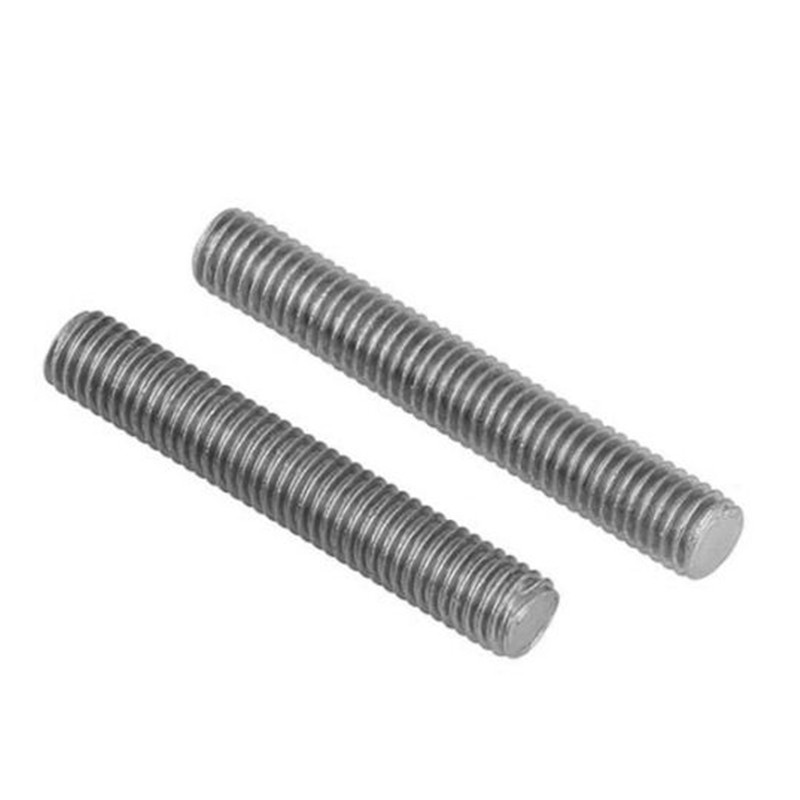
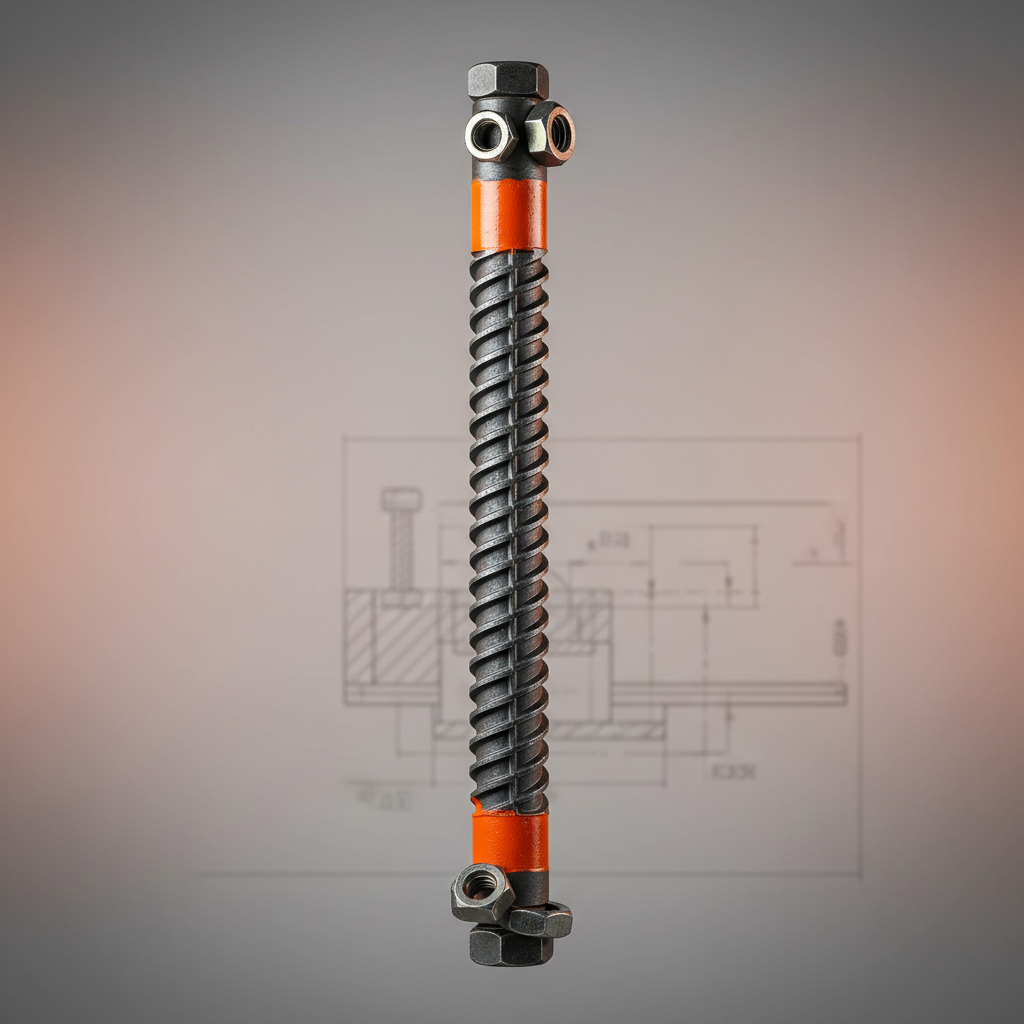
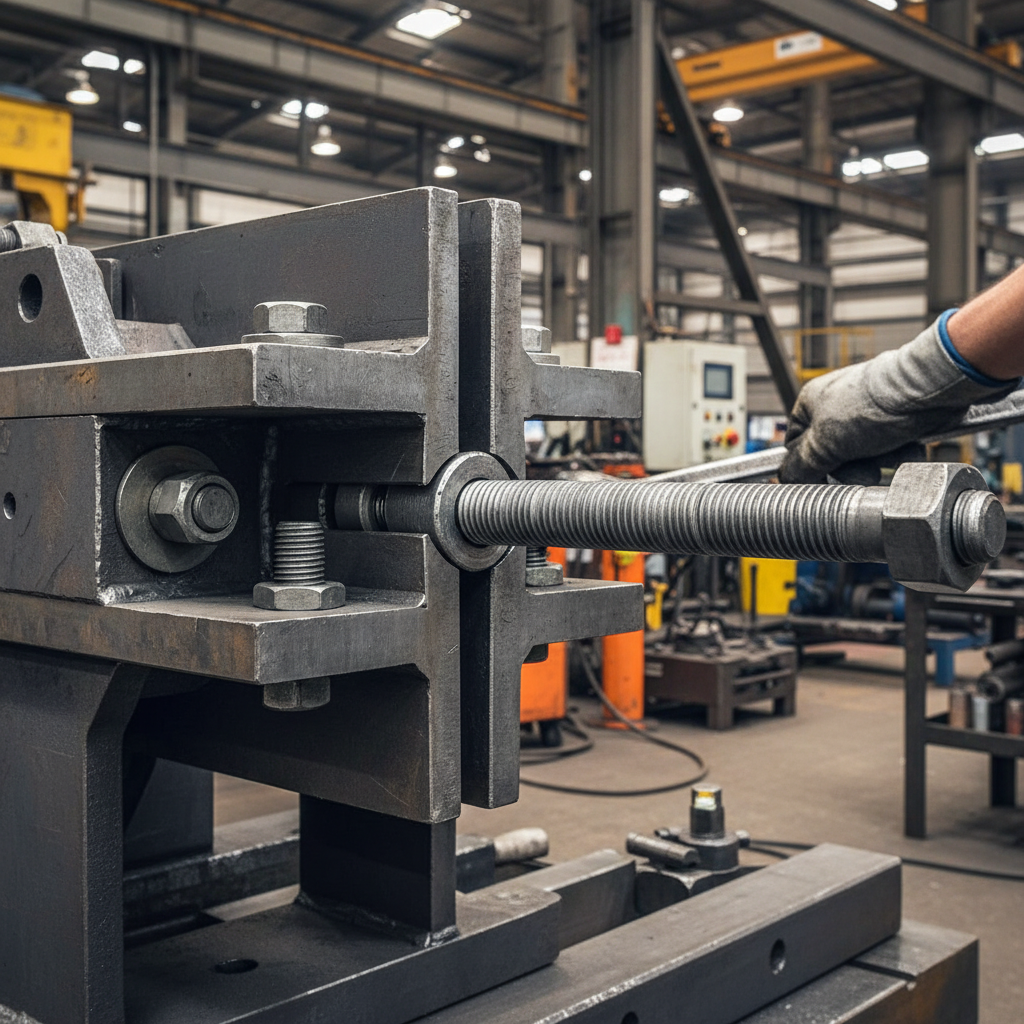
Having spent a good part of my career dealing hands-on with industrial fasteners, the humble 10ft threaded rod has always intrigued me. It’s one of those components that quietly underpins countless structures and machines without much fanfare. Yet, if you’ve ever been on a job site or in assembly, you know how crucial these rods can be. Frankly, the engineering behind a simple threaded rod isn’t just about length or threads per inch — it’s a small miracle of reliability and adaptability.
Oddly enough, in a world filled with high-tech solutions and exotic materials, the 10ft threaded rod remains a staple. I recall a project where we needed a strong, customizable connector for a large framework — the threaded rod was the go-to. Why? Because the design is straightforward and offers a neat balance between tensile strength and ease of use. You just cut it to length, thread the nuts on, and tension the assembly as required. No fuss. No guesswork.
Material Matters and Design Considerations
The rods typically come in various grades and materials—steel, stainless steel, even specialty alloys. For industrial applications, grade 304 and grade 316 stainless steel rods are popular for their corrosion resistance, especially in outdoor or marine environments. Carbon steel rods, often galvanized, are favored when budget meets corrosion resistance requirements midway.
Testing is usually rigorous — tensile strength, yield strength, and elongation are key. Many engineers I’ve met swear by ASTM A193 grade B7 rods for high-temperature pipelines, for example. The variability in mechanical properties can be quite broad depending on the exact specifications, so always check the datasheets carefully. You want your rod to perform, especially if it’s going into critical infrastructure.
Specs at a Glance
| Specification | Typical Range / Value |
|---|---|
| Length | 10 feet (120 inches) |
| Thread Type | Unified National Coarse (UNC) / Unified National Fine (UNF) |
| Diameter Options | 1/4" to 1" and larger |
| Material Grades | Carbon Steel, Alloy Steel, Stainless Steel (304/316) |
| Finish | Plain, Hot-dip Galvanized, Zinc Plated |
| Tensile Strength | 60,000 psi – 150,000 psi (depending on grade) |
Vendor Landscape: Choosing Your Source
From my experience, sourcing the right 10ft threaded rod is half the battle. Not all suppliers are created equal — quality control can vary, as can lead times and price points. Here’s a quick vendor snapshot comparing key players I’ve worked with:
| Vendor | Material Options | Customization | Typical Lead Time | Price Range |
|---|---|---|---|---|
| HBT BLS (recommended) | Carbon Steel, Stainless Steel, Alloy | Full Custom Length & Thread Pitch | 1–2 weeks | Mid-range |
| Generic Industrial Supply | Mostly Carbon Steel | Limited custom options | 3–4 weeks | Low |
| Premium Fasteners Ltd. | Stainless Steel Only | Bespoke threading | 1–3 weeks | High |
A Quick Story from the Field
I remember a job where a huge steel frame was being assembled outdoors in surprisingly harsh conditions. The team chose a galvanised 10ft threaded rod to hold massive cross beams together. Initially skeptical about corrosion resistance, I kept an eye on that section over the next months. To my surprise, the rods remained solid, no rust at all. It was a gentle reminder — sometimes the straightforward choice wins because it just works reliably over time.
Sure, there are specialized fasteners with fancy coatings or made from exotic metals, but the 10ft threaded rod is the dependable workhorse. Whether you cut it down to four feet or use the entire length, the rod’s inherent strength and adaptability make it a core part of industrial fastening solutions.
So, before you overlook the simple rod in favor of newfangled tech, remember: often the tried-and-true gear is what keeps everything standing strong.
In real terms, the right threaded rod in your inventory could save your project time, fuss, and unexpected failures — and, frankly, that’s priceless on the shop floor.
References:
1. ASTM International Standards for Fasteners
2. “Metal Fastenings in Construction” by Industrial Press, 2019
3. Personal work experience across multiple industrial sites, 2005–2023
Post time: Dec . 05, 2025 01:45


 English
  Albanian
  Arabic
  Armenian
  Azerbaijani
  Belarusian
  Bosnian
  Bulgarian
  Cebuano
  Corsican
  Czech
Czech  Galician
  Georgian
  Greek
Greek  Hausa
Hausa  Hebrew
  Hungarian
  Igbo
Igbo  Indonesian
  Italian
  Kazakh
  Khmer
Khmer  Korean
  Kurdish
  Kyrgyz
  Lao
Lao  Latin
Latin  Latvian
  Lithuanian
  Malay
Malay  Myanmar
  Nepali
  Polish
  Portuguese
  Russian
  Serbian
  Sesotho
  Shona
Shona  Sindhi
  Spanish
  Tagalog
  Tajik
Tajik  Thai
Thai  Turkish
  Turkmen
  Ukrainian
  Uzbek
Uzbek  Vietnamese
  Yoruba
  Zulu
Zulu