
Galvanized Carbon Steel Drop‑In Anchors: field notes, specs, and what buyers ask
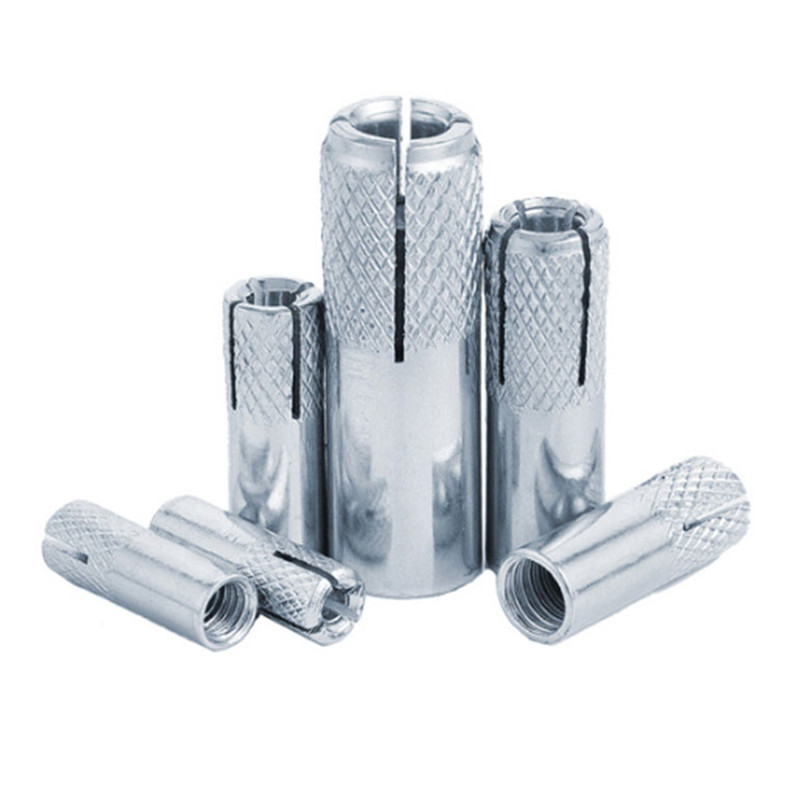
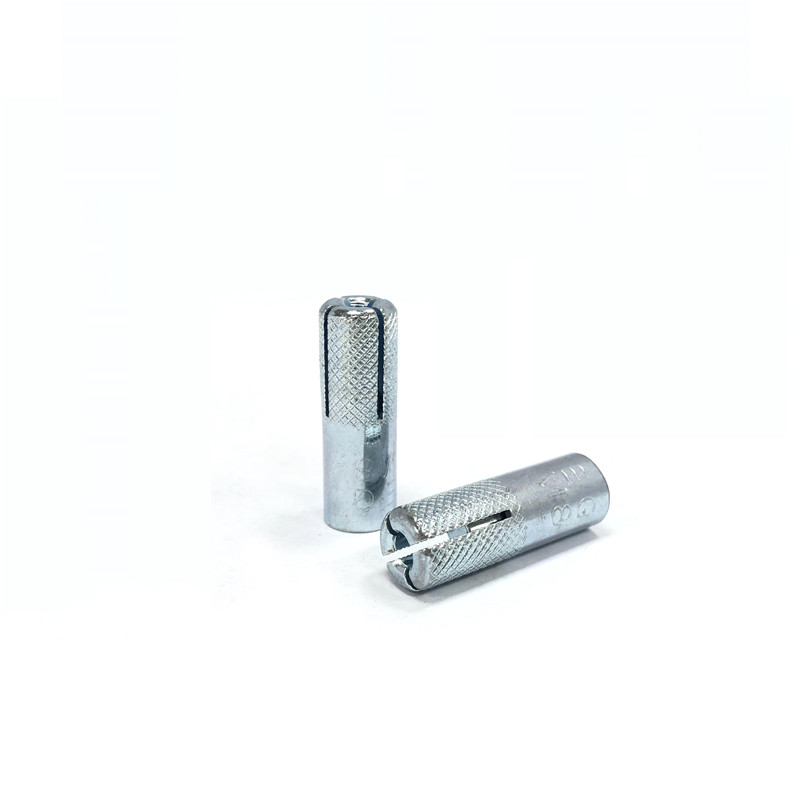
If you’re speccing drop in anchors for indoor concrete, here’s the straight story from the shop floor and jobsite. The Galvanized Carbon Steel Anchor from Dongtantou North, Yongnian, Hebei, China, is the classic flush-set insert: once set, nothing sticks up. To be honest, that’s the whole charm for suspended MEP, racking, and machine mounts where a clean surface matters.
Quick highlights (what contractors mention)
- Indoor dry concrete only; not for brick/block (needs hammer setting).
- Each size needs its own setting tool; videos are everywhere and short.
- Thread length ≈ half the anchor length; sizes are fixed once the thread is defined.
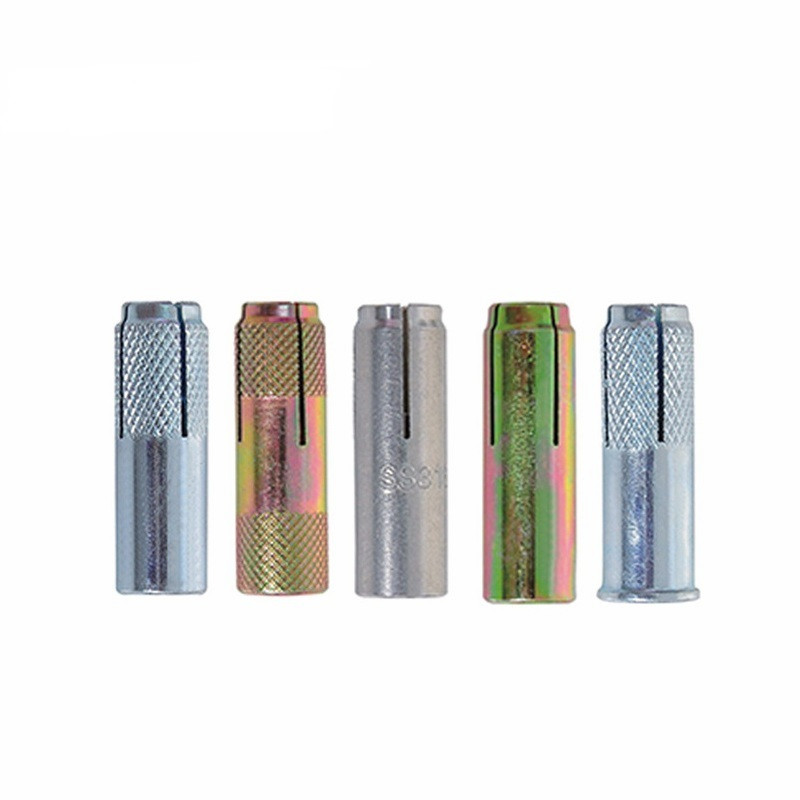
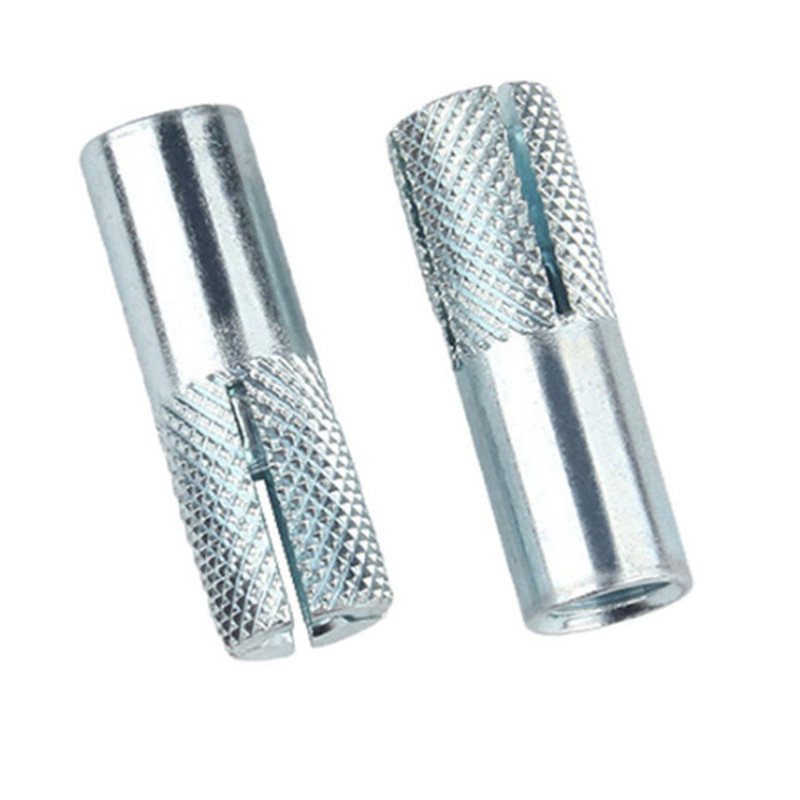
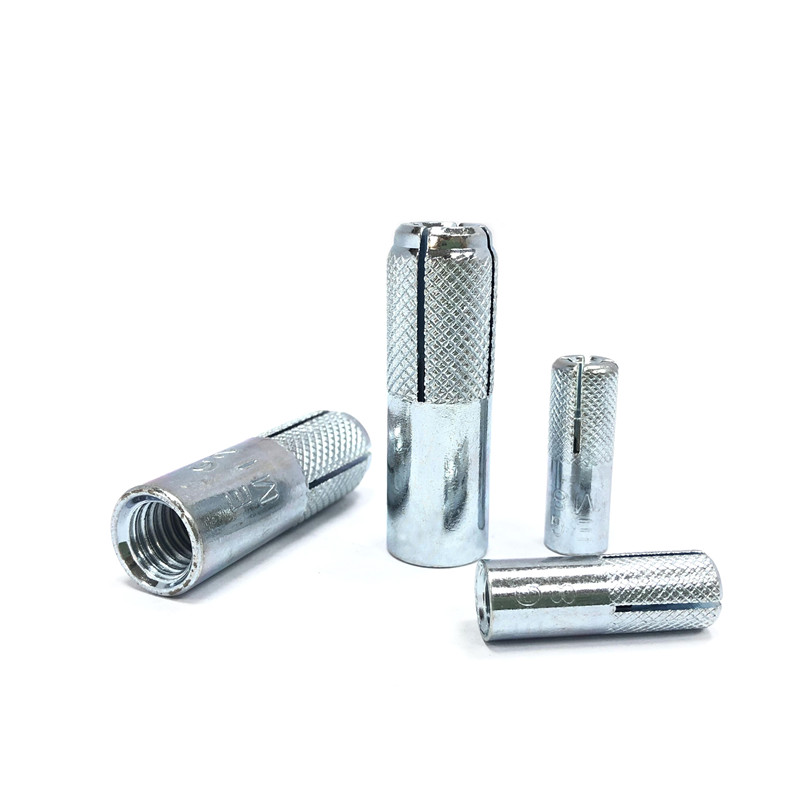
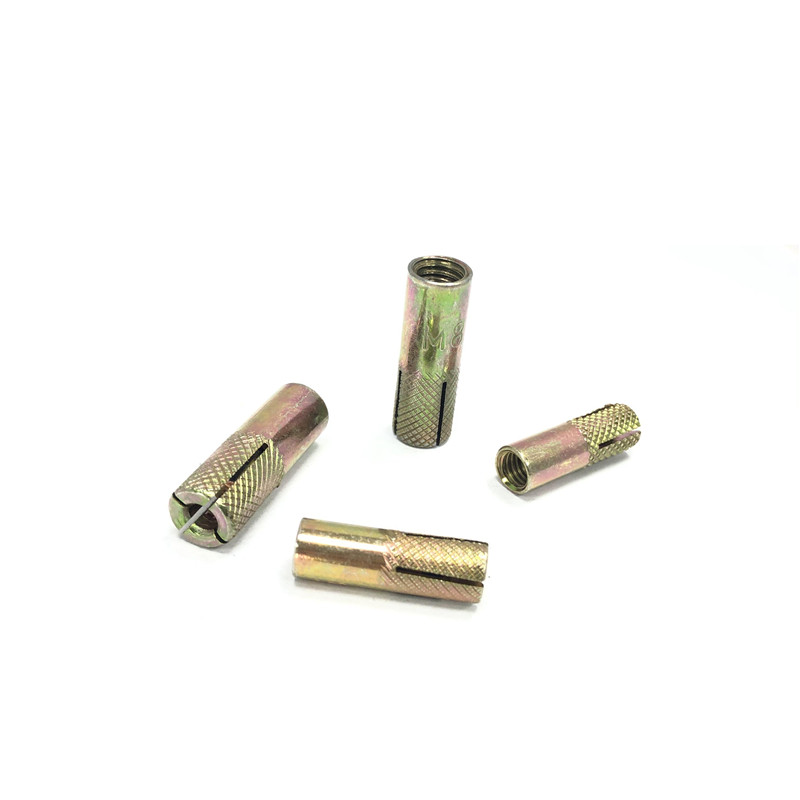
- Smooth body; optional half or full knurling for extra friction.
- Flush finish—no protrusion after proper setting.
Industry trends
We’re seeing steady demand from data centers and logistics hubs—lots of threaded-rod drops and cable tray work. Specifiers are nudging toward documented testing (ACI/ICC), and, surprisingly, salt-spray data even for “indoor” jobs. Price pressure is real, but so is the ask for traceability and batch test sheets.
Process flow and materials
Materials: low-carbon steel (e.g., Q235/SAE 1018 range), cold-formed, then machined for threads and expansion cone.
Coating: zinc galvanizing/electroplating per ASTM B633 (Fe/Zn) or similar; thickness around 5–12 µm for indoor dry service.
Method: form → thread → cone assembly → surface finish → 100% visual → sampling tensile/shear tests.
Testing standards used/recognized: ASTM E488 tension/shear procedures, ACI 355.2 qualification concepts, ISO 9227 salt spray (as applicable). Service life indoors typically 10–25 years (real-world use may vary), assuming dry, non‑chloride exposure.
Product specification snapshot
| Nominal size | Anchor L (mm) | Thread depth ≈ (mm) | Drill Ø (mm) | Min embed (mm) | Tension cap. ≈ (kN) |
|---|---|---|---|---|---|
| M6 | 25 | 12 | 8 | 25 | 2.0–2.5 |
| M8 | 30 | 15 | 10 | 30 | 3.5–4.5 |
| M10 | 40 | 20 | 12 | 40 | 5.5–7.0 |
| M12 | 50 | 25 | 16 | 50 | 7.5–10 |
| M16 | 65 | 32 | 20 | 65 | 12–16 |
Values are indicative for indoor dry concrete (≈C30/4–4.5 ksi). Real-world use may vary; verify per project design and local code.
Installation and testing notes
Drill to the marked depth, blow/brush, insert the anchor, and drive the setting tool until the shoulder hits—done. Internal lab pulls I’ve seen show M10 mean tension around 8.2 kN in sound concrete with proper embedment; safety factors per ACI/ICC apply. Many customers say consistency improves with knurled bodies in overhead work.
Applications and advantages
Suspended HVAC, fire sprinklers, cable trays, light machinery bases, handrail posts—anywhere you want a flush insert. The big win: drop in anchors don’t snag boots or carts, and the thread is ready for rod or bolts.
Vendor comparison (approximate)
| Vendor | Coating | Certs/Approvals | Tooling | Price/1k ≈ | Notes |
|---|---|---|---|---|---|
| Hebei supplier (this product) | Zinc galvanized | Factory QA; test sheets on request | Per-size setting tools | Low–mid | Knurling options; OEM branding |
| Hilti HDI | Zinc | ICC-ES reports | Matched setting tools | High | Strong documentation |
| Red Head/Powers DI | Zinc | ICC-ES/UL where applicable | Standard tools | Mid | Broad distribution |
Pricing and certifications vary by region and series. Check current listings.
Customization and sourcing
From this Hebei base, OEM packs, private labels, and special knurling are common. For drop in anchors with unusual thread specs, remember the “thread depth ≈ half length” rule of thumb—if you change thread, you change the whole part family.
Mini case studies
- Data center (EU): 2,800 pcs M10; mean pull ≈ 8 kN; zero protrusions helped trolley clearance.
- Retail retrofit (APAC): M8 knurled; installers reported faster overhead set in slightly polished slabs.
Certifications and documentation buyers ask for
Mill certs (heat/batch), coating thickness reports, ISO 9001 QMS, and—when required—test data aligned with ACI 355.2/ASTM E488. For corrosion, some spec ISO 9227 hours even indoors, just to be safe.
Final word
If you need clean, flush, and predictable performance in solid concrete, drop in anchors remain the reliable, no‑drama choice—provided you test, document, and don’t push them into the wrong base material.
- ACI 355.2 – Qualification of Post-Installed Mechanical Anchors in Concrete
- ASTM E488/E488M – Strength of Anchors in Concrete Elements
- ACI 318 – Anchoring to Concrete (Chapter 17)
- ISO 9227 – Corrosion tests in artificial atmospheres (salt spray)
- ASTM B633 – Electrodeposited Coatings of Zinc on Iron and Steel
- ICC-ES AC193 – Acceptance Criteria for Mechanical Anchors in Concrete
Post time: Oct . 16, 2025 09:50



 English
  Albanian
  Arabic
  Armenian
  Azerbaijani
  Belarusian
  Bosnian
  Bulgarian
  Cebuano
  Corsican
  Czech
Czech  Galician
  Georgian
  Greek
Greek  Hausa
Hausa  Hebrew
  Hungarian
  Igbo
Igbo  Indonesian
  Italian
  Kazakh
  Khmer
Khmer  Korean
  Kurdish
  Kyrgyz
  Lao
Lao  Latin
Latin  Latvian
  Lithuanian
  Malay
Malay  Myanmar
  Nepali
  Polish
  Portuguese
  Russian
  Serbian
  Sesotho
  Shona
Shona  Sindhi
  Spanish
  Tagalog
  Tajik
Tajik  Thai
Thai  Turkish
  Turkmen
  Ukrainian
  Uzbek
Uzbek  Vietnamese
  Yoruba
  Zulu
Zulu