

Understanding the Significance of DIN985 Nylon Insert Lock Nuts in Modern Industry
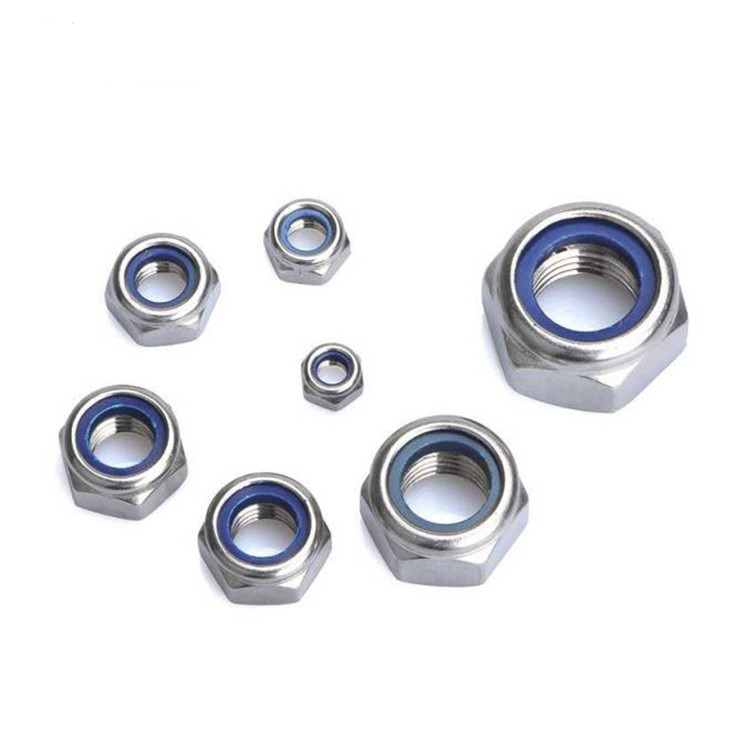
In the demanding landscape of industrial fastening, the integrity and reliability of connections are paramount. Vibration, temperature fluctuations, and dynamic loads can all compromise traditional fasteners, leading to operational downtime, safety hazards, and costly repairs. This is where the DIN985 lock nut, specifically the Nylon Insert Lock Nut, emerges as a critical component. Designed to resist loosening under extreme conditions, this specialized fastener employs an integrated nylon collar that creates a friction grip on the bolt threads, ensuring a secure and vibration-resistant assembly. Its prevalence spans across sectors from automotive and aerospace to heavy machinery and construction, serving as a testament to its exceptional performance and reliability. The inherent design of the DIN 985 nut provides a prevailing torque that maintains clamping force, even when subjected to external forces that would typically cause standard nuts to back off. Understanding its technical nuances, application versatility, and manufacturing precision is essential for any B2B stakeholder seeking optimal fastening solutions.
The industrial trends underscore a growing demand for advanced fastening solutions that contribute to overall system efficiency and longevity. Industries are increasingly adopting automated assembly lines and require fasteners that not only meet stringent performance metrics but also simplify installation and reduce maintenance cycles. The DIN985 lock nut directly addresses these needs by offering a robust, self-locking mechanism that eliminates the need for additional locking washers or cotter pins, thereby streamlining assembly processes and reducing component count. Furthermore, the focus on environmental sustainability and product lifecycle management necessitates fasteners that resist corrosion and offer extended service life, contributing to reduced waste and improved material utilization. The adaptability of the DIN985 8 grade and specialized variants like the DIN985 m10 exemplify the broad range of applications and load requirements these nuts can fulfill, making them indispensable in today's sophisticated engineering projects. Our expertise in delivering high-performance fastening solutions ensures that our DIN985 nuts meet or exceed global industry standards.
The Advanced Manufacturing Process of DIN985 Nylon Insert Lock Nuts
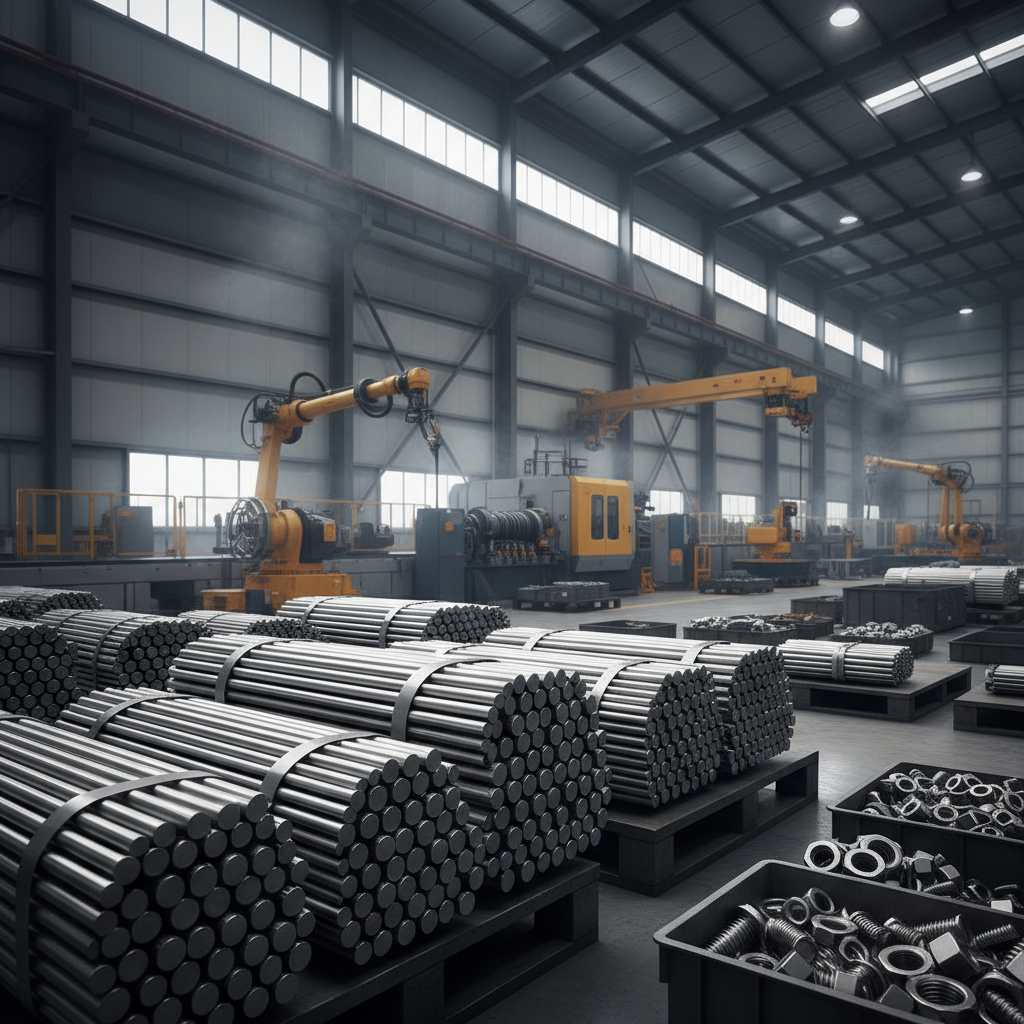
The production of a high-quality DIN985 lock nut is a complex engineering endeavor, integrating precision manufacturing techniques with rigorous quality control. The process typically begins with the selection of premium raw materials, most commonly high-strength steel grades such as carbon steel (e.g., 8.8, 10.9) or stainless steel (e.g., A2, A4) to ensure the mechanical properties required for demanding applications. Our manufacturing journey employs a multi-stage cold forging process, which enhances the material's grain structure and improves its tensile strength and fatigue resistance compared to traditional casting methods. This is followed by precision threading via rolling, creating strong, uniform threads that minimize stress concentrations. The crucial step involves the integration of the non-metallic insert, typically nylon or a similar polymer, into the nut's upper section. This insert is precisely designed to deform elastically around the mating bolt threads, generating the friction necessary for its self-locking capability. Each stage of this process, from initial material preparation to final insert assembly, is meticulously controlled to ensure consistency and superior performance for every DIN985 nyloc nut.
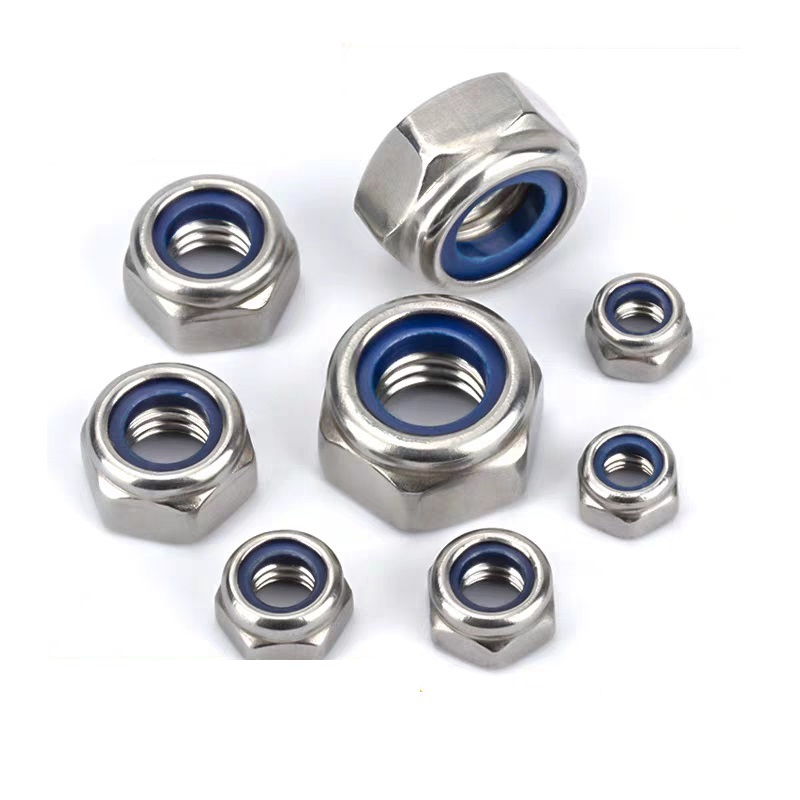
Post-forming, the nuts undergo heat treatment processes, such as quenching and tempering, to achieve the desired hardness and strength characteristics, vital for meeting specific property classes like DIN985 8. Surface finishes, including zinc plating, hot-dip galvanizing, or black oxide coatings, are then applied to enhance corrosion resistance and aesthetic appeal, extending the product's lifespan in harsh environments prevalent in industries like petrochemical and water treatment. Throughout the entire manufacturing chain, adherence to international standards such as ISO 898-2 for mechanical properties and ANSI/ASME B18.16.6 for prevailing torque locknuts is non-negotiable. Our quality assurance protocols include comprehensive material composition analysis, dimensional inspections, hardness testing, tensile strength tests, and crucially, prevailing torque tests to verify the locking mechanism's effectiveness. This stringent adherence to standards, combined with our decades of experience, ensures that every DIN985 lock nut delivered by our facility is of the highest quality, guaranteeing exceptional performance and extended service life in critical applications such as pipeline infrastructure and heavy machinery, where anti-vibration and anti-loosening properties are essential for operational safety and efficiency.
Technical Specifications and Performance Metrics of DIN985 Lock Nuts
The technical prowess of the DIN985 lock nut lies in its precisely defined specifications that dictate its performance under various conditions. Key parameters include nominal thread diameter (e.g., DIN985 m10 signifying M10 thread), pitch, height, wrenching size, and crucially, its property class (e.g., class 8, 10). The property class denotes the nut's proof load and tensile strength, indicating its capacity to withstand stress without permanent deformation or failure. For instance, a class 8 DIN985 nut is designed to mate with a class 8.8 bolt, forming a high-strength connection suitable for numerous structural and mechanical applications. The prevailing torque is a defining characteristic of a DIN985 nyloc nut, representing the resistance encountered when the nut is run down a thread, even in the absence of a clamping load. This non-load-dependent resistance is what provides its exceptional anti-loosening properties. Below is a detailed table outlining typical technical specifications for common DIN985 sizes, vital for engineers and procurement specialists to ensure compatibility and performance in their designs.
Our commitment to quality is underscored by comprehensive testing protocols. Each batch of DIN985 lock nut undergoes rigorous mechanical and prevailing torque tests in our ISO 17025 accredited laboratory. For instance, torque tests are conducted according to ISO 2320, ensuring that the prevailing torque values fall within the specified minimum and maximum limits after multiple cycles of installation and removal. This guarantees the long-term reliability of our products, even in dynamic load conditions. Furthermore, our collaboration with leading industry players and over a decade of service in the fastening sector provide us with unparalleled experience in customizing DIN 985 nut solutions for unique project requirements, demonstrating our authoritative standing in the market. Client feedback consistently highlights the superior vibration resistance and extended service life of our DIN985 lock nut products, directly contributing to reduced maintenance costs and enhanced operational safety for their machinery and infrastructure.
Application Scenarios and Technical Advantages of DIN985 Lock Nuts
The versatility and robust performance of the DIN985 lock nut make it an indispensable component across a multitude of critical industrial applications. In the automotive sector, from engine assemblies to chassis components, the DIN 985 nut ensures connections remain secure despite constant vibration and thermal cycling. Heavy machinery, including excavators, agricultural equipment, and mining vehicles, relies on these nuts to withstand immense shock loads and maintain structural integrity. The petrochemical and oil & gas industries utilize stainless steel DIN985 lock nut variants for their superior corrosion resistance in aggressive chemical environments and high-pressure systems, crucial for preventing leaks and ensuring operational safety. Furthermore, in renewable energy applications such as wind turbines, where components are subjected to continuous dynamic loads and harsh weather conditions, the DIN985 nyloc nut provides the necessary long-term stability for tower sections, blades, and gearbox mounts. Its inherent design prevents loosening even under critical conditions, offering an energy-efficient solution by reducing the need for frequent re-tightening.
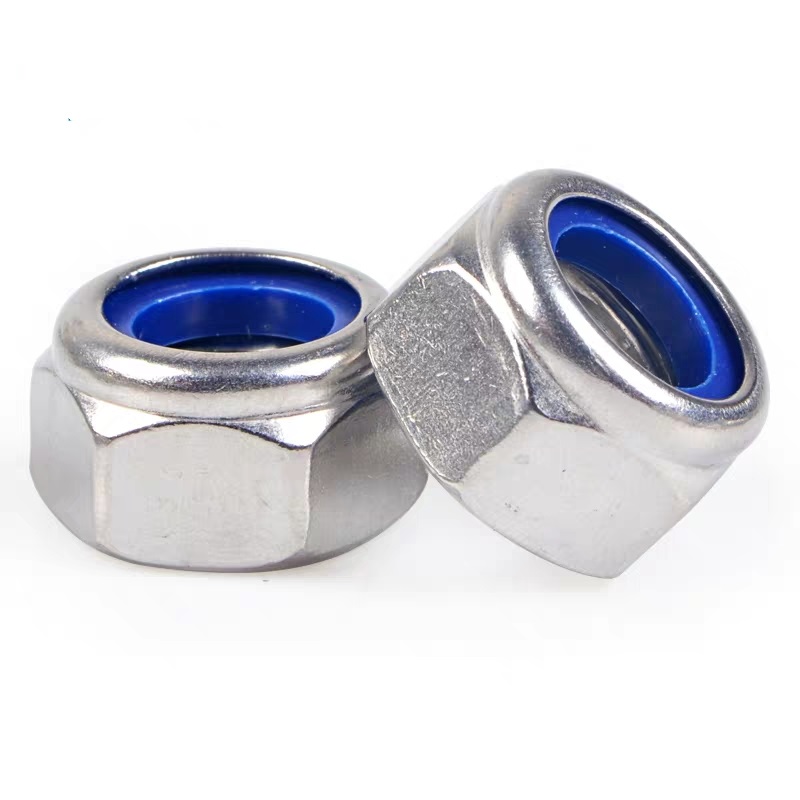
Beyond its broad applicability, the technical advantages of the DIN985 lock nut are significant. Its primary benefit is superior vibration resistance, achieved by the interference fit between the nylon insert and the bolt threads. This creates a positive locking action that prevents spontaneous loosening, a common failure mode for standard nuts in high-vibration environments. Secondly, these nuts provide enhanced safety by maintaining preload, reducing the risk of catastrophic failures due to fastener loosening. This is particularly vital in safety-critical assemblies in the aerospace or railway industries. Thirdly, their reusability, typically for multiple cycles without significant loss of prevailing torque, offers economic benefits by reducing replacement costs and simplifying maintenance. Fourthly, the inherent corrosion resistance of available materials and coatings significantly extends the service life of assemblies, especially in harsh outdoor or corrosive industrial settings like water treatment plants and wastewater management systems, directly contributing to equipment longevity and reduced lifecycle costs. Our extensive experience in partnering with diverse industries allows us to offer tailored advice and solutions, ensuring the optimal DIN985 nut choice for specific application challenges.
Manufacturer Comparison and Custom Solutions for DIN985 Lock Nuts
When selecting a supplier for DIN985 lock nut products, B2B decision-makers must evaluate manufacturers based on several critical criteria beyond just pricing. Key factors include adherence to international standards, material traceability, manufacturing precision, quality control protocols, and the ability to provide customized solutions. While many manufacturers produce DIN985 nuts, our company stands out due to our vertically integrated production process, which ensures complete control over raw material quality, forging, threading, heat treatment, and surface finishing. This end-to-end oversight allows us to maintain consistent quality and rapid prototyping capabilities for custom orders. Unlike some competitors who might rely on third-party heat treatment or coating services, our in-house capabilities significantly reduce lead times and enhance product reliability. Our long-standing partnerships with global enterprises and our ISO 9001 and IATF 16949 certifications underscore our authoritative position and commitment to excellence in the fastener industry. We offer a comprehensive range of DIN985 nut sizes and materials, including specialized options like marine-grade stainless steel for offshore applications or high-temperature polymers for extreme environments, showcasing our versatile experience.
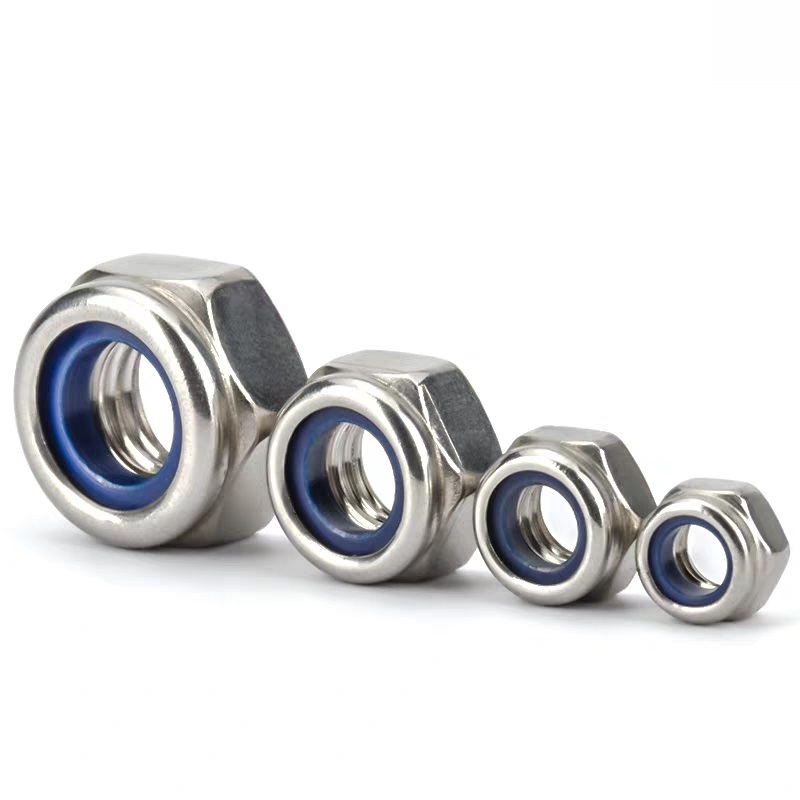
Our core strength lies in providing bespoke DIN985 lock nut solutions tailored to the unique demands of complex engineering projects. This includes customizing dimensions (e.g., specific height for tight clearances), thread types (fine pitch for precision adjustments), material grades (e.g., for specific cryogenic or high-temperature applications), and specialized coatings (e.g., PTFE coatings for low friction or anti-galling properties). Our engineering team collaborates closely with clients from concept to delivery, utilizing advanced simulation software to predict performance and optimize designs. For instance, we recently developed a custom DIN985 m10 stainless steel variant with a specialized insert material for a client in the food processing industry, requiring both corrosion resistance and compliance with strict hygiene standards. This capability differentiates us from off-the-shelf suppliers, providing our clients with a competitive edge. Our commitment to trustworthiness is reflected in our transparent project management, detailed material certifications, and a robust warranty program that covers material defects and manufacturing flaws for a specified period, offering peace of mind to our partners.
Trustworthiness, Support, and Case Studies for DIN985 Lock Nuts
Building trust in the B2B sector for specialized components like the DIN985 lock nut relies on consistent performance, reliable support, and proven track records. Our commitment to client satisfaction extends beyond product delivery. We offer comprehensive pre-sales consultation, guiding clients through material selection, design optimization, and prototyping phases to ensure the chosen DIN 985 nut solution perfectly aligns with their application requirements. Our post-sales support includes technical assistance, installation guidelines, and troubleshooting, accessible through dedicated customer service channels. We understand the critical nature of lead times in industrial projects; thus, our streamlined production and logistics capabilities ensure efficient delivery schedules, often offering expedited options for urgent requirements. Typical delivery cycles range from 2-4 weeks for standard products, while custom orders may vary based on complexity and volume. Our quality assurance is backed by a robust warranty against manufacturing defects, providing an added layer of confidence in our products.
Frequently Asked Questions (FAQ) about DIN985 Lock Nuts:
- Q: What is the primary advantage of a DIN985 nyloc nut over a standard nut?
- A: The integrated nylon insert provides superior vibration resistance and prevents loosening even under dynamic loads, unlike standard nuts that require additional locking mechanisms.
- Q: Are DIN985 lock nut reusable?
- A: Yes, they are generally reusable for several cycles, though the prevailing torque may slightly decrease after each reuse. It's recommended to test for critical applications.
- Q: What materials are available for DIN985 8 and other classes?
- A: Common materials include carbon steel (property classes 8, 10) and stainless steel (A2, A4) for corrosion resistance. Custom materials are available upon request.
- Q: How do you ensure the quality of your DIN985 lock nut products?
- A: We adhere to ISO 9001 quality management systems, conduct rigorous in-house testing (including prevailing torque and material strength), and provide full material traceability reports.
Application Case Studies:
Case Study 1: High-Vibration Conveyor Systems A leading mining equipment manufacturer faced persistent issues with fastener loosening in their heavy-duty conveyor systems due to continuous vibration and shock loads. Traditional locking methods required frequent maintenance and resulted in costly downtime. By switching to our custom-engineered DIN985 lock nut, specifically high-strength DIN985 m10 variants, the client observed a remarkable 70% reduction in fastener-related failures and maintenance interventions over a 12-month period, significantly enhancing operational efficiency and safety.
Case Study 2: Offshore Wind Turbine Foundations For an offshore wind farm project, extreme environmental conditions—saltwater corrosion, high winds, and constant vibrations—posed a severe challenge to maintaining the integrity of foundation bolts. Our specialized stainless steel DIN985 lock nut (A4-80 grade) with enhanced anti-corrosion coating provided the ideal solution. After rigorous testing replicating offshore conditions, these nuts demonstrated superior resistance to both loosening and environmental degradation, securing critical structural connections for an projected service life exceeding 25 years without major component replacement. This case highlights our expertise in critical infrastructure projects.
References
- Standard ISO 2320: Fasteners - Prevailing torque type steel nuts - Mechanical and performance properties.
- Standard DIN 985: Prevailing torque type hexagon nuts with non-metallic insert.
- Blacharski, W.A. "Advanced Fastener Engineering: Materials, Design, and Applications." Industrial Press Inc., 2018.
- European Industrial Fasteners Institute (EIFI) Guidelines on Bolted Connections.
Post time: Aug . 16, 2025 09:00


 English
  Albanian
  Arabic
  Armenian
  Azerbaijani
  Belarusian
  Bosnian
  Bulgarian
  Cebuano
  Corsican
  Czech
Czech  Galician
  Georgian
  Greek
Greek  Hausa
Hausa  Hebrew
  Hungarian
  Igbo
Igbo  Indonesian
  Italian
  Kazakh
  Khmer
Khmer  Korean
  Kurdish
  Kyrgyz
  Lao
Lao  Latin
Latin  Latvian
  Lithuanian
  Malay
Malay  Myanmar
  Nepali
  Polish
  Portuguese
  Russian
  Serbian
  Sesotho
  Shona
Shona  Sindhi
  Spanish
  Tagalog
  Tajik
Tajik  Thai
Thai  Turkish
  Turkmen
  Ukrainian
  Uzbek
Uzbek  Vietnamese
  Yoruba
  Zulu
Zulu